

 Sydney
 0452 243 240
Blog
Installing Power Points in Sydney: Costs and Circuit Capacity

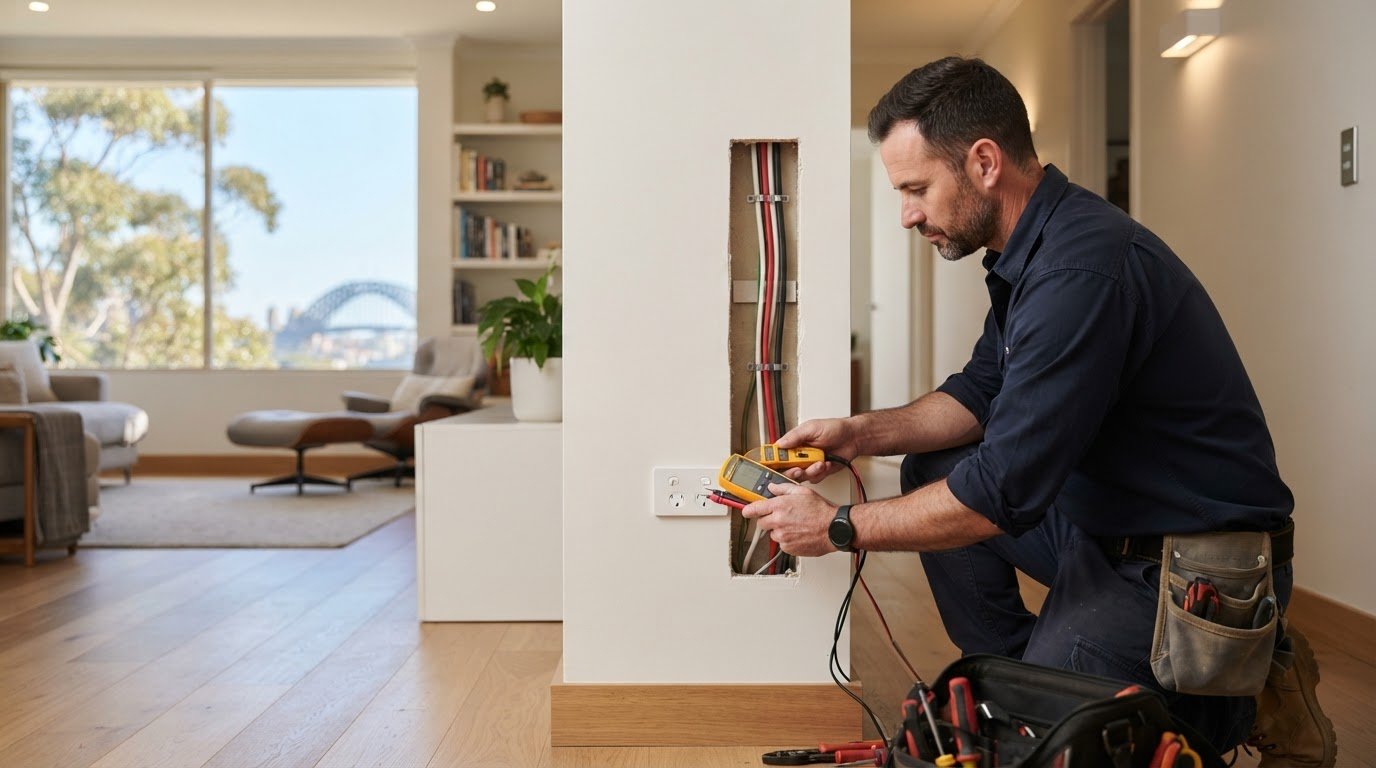
One circuit can serve multiple power points, but there’s no safe fixed outlet count: the circuit rating and total connected load matter. A common Australian residential circuit is protected by a 16 amp breaker, equivalent to roughly 3,600 watts at 240V. When installing new power points in Sydney, the available capacity and wiring route both need consideration.
A nearby light switch may seem like the simplest place to add an outlet, but its location alone doesn’t show whether the wiring can supply one safely. The circuit’s existing load matters just as much as the number of outlets.
This guide explains how circuit capacity affects your options, what an electrician considers when adding a power point near a light switch, and which job details shape the cost. You’ll also learn what to consider when relocating or upgrading an outlet, so you can plan a practical layout without guessing about capacity.
In NSW, an electrical licence or certificate is required for electrical wiring work, according to the NSW Government. Understanding this requirement, along with circuit capacity and access, helps you plan the work with safety and long-term reliability in mind.
Key Takeaways
- Plan your budget around the cable route, wall access, outlet location and any switchboard work, not just the fitting itself.
- Assess the circuit’s existing load before adding outlets; the number of sockets alone doesn’t show whether it has capacity for more appliances.
- A light-switch location isn’t automatically suitable for a power point. The wiring arrangement and circuit supply determine whether the change is practical.
- Use a licensed electrician for new, relocated or replacement outlets, and factor compliance into renovation and pre-sale electrical work.
How much does it cost to add a power outlet?
There’s no single price for adding or replacing an outlet in Sydney. The quote depends on the wiring route, access to the wall, circuit capacity and any switchboard work required.
New Power Point Installation Costs
A new kitchen outlet may need a cable run from an existing circuit, while replacing a double power point may use the existing position and wiring. These are different jobs, so compare quotes by scope: outlet location, wiring, wall finishing and any circuit changes.
Installation usually takes 1-2 hours when cable runs are involved, depending on access and distance. Moving an outlet across a room or working through a solid wall can require more labour than fitting one beside accessible wiring.
Replacing one outlet is generally a smaller job than adding several new points, but the existing wiring still needs assessment. Ask for the quote to separate replacement, new wiring and wall repairs, so you can see what affects the final price.
To manage costs, group nearby outlet work into one visit and choose locations close to suitable existing wiring. An electrician still needs to assess the circuit and load, especially if the new point will serve kitchen appliances. Don’t compromise on placement or suitable wiring just to reduce the scope.
Power point installation costs in Sydney depend on the number of outlets, distance from existing circuits, wall type and access, circuit capacity, and whether a switchboard upgrade is needed. The quote reflects these job-specific factors.
Approvals and Electrical Safety Rules
For a rental or strata property, get written approval from the landlord or strata manager before arranging an alteration. Include the proposed outlet location and scope, particularly if wiring may pass through shared walls or affect common property.
In NSW, an electrical licence or certificate is required before electrical wiring work, regardless of its cost or whether it is residential, commercial or industrial, according to the NSW Government. Fixed wiring must be handled by a licensed electrician, and electrical work must meet AS/NZS 3000.
Changing an existing outlet or adding one from a new cable run usually takes about 20 minutes to 1-2 hours, depending on the task and access. Confirm the planned location, approval and work scope before scheduling installation.
How Many Power Points Can You Have on One Circuit?
There’s no universal outlet count for a circuit. A common Australian residential circuit uses a 16 amp breaker, equal to roughly 3,600 watts at 240V. The total load matters: several outlets don’t automatically mean capacity for several high-demand appliances.
Adding sockets in a kitchen won’t increase the circuit’s capacity. A licensed electrician assesses the connected appliances, circuit protection and wiring before deciding whether extra outlets can share that circuit. High-load appliances may need a circuit upgrade.
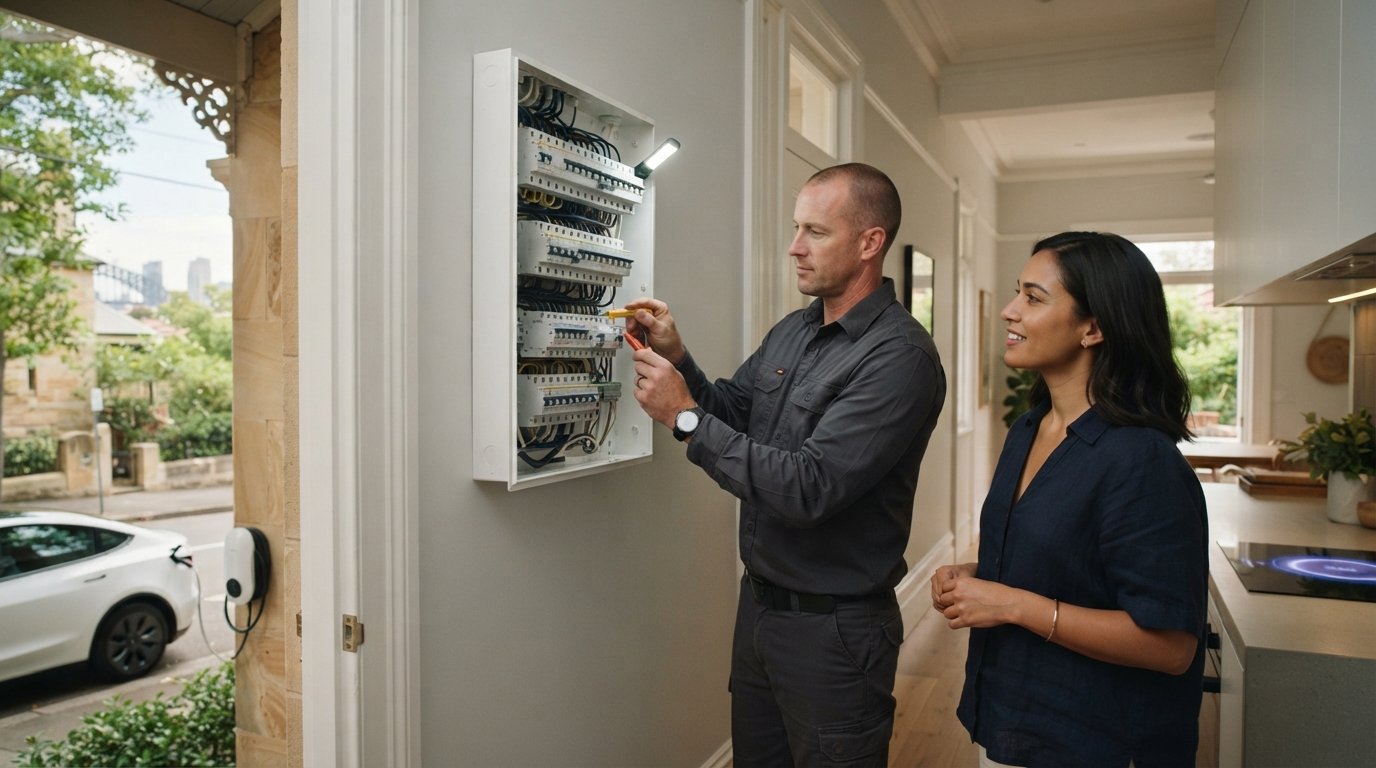
For a new installation, an electrician assesses the proposed position, checks the circuit and plans the cable route. They then isolate the supply, install and connect the outlet, and test the completed work. The exact wiring method depends on the building and access.
DIY work on fixed wiring risks electric shock, fire and incorrect connections. NSW requires an electrical licence or certificate for electrical wiring work, according to the NSW Government. Incorrectly replacing a cover or fitting can also leave an outlet unsafe, even if it appears to work.
During a renovation, map outlet positions before closing the walls. Replacing worn or poorly placed outlets at the same time can avoid reopening finished walls. Before selling, address damaged fittings and consider whether the outlets suit each room’s layout, such as a living room where devices are used on separate walls.
Replace an outlet that is cracked, loose, discoloured or warm to the touch, and stop using it if you see damage. A licensed electrician can assess the fitting and wiring, replace the outlet or identify a deeper fault. A four-gang fitting provides four outlets, compared with two on a double power point, but it doesn’t add circuit capacity.
When requesting quotes, describe the outlet locations, renovation stage and appliances involved. Compare whether each quote covers replacement or new wiring, testing and wall finishing. Grouping nearby work can reduce repeat setup, but a low-cost fitting shouldn’t take priority over suitable circuit capacity and safe installation.
If your plan includes new outlets, power point installation can help put the electrical work in context.
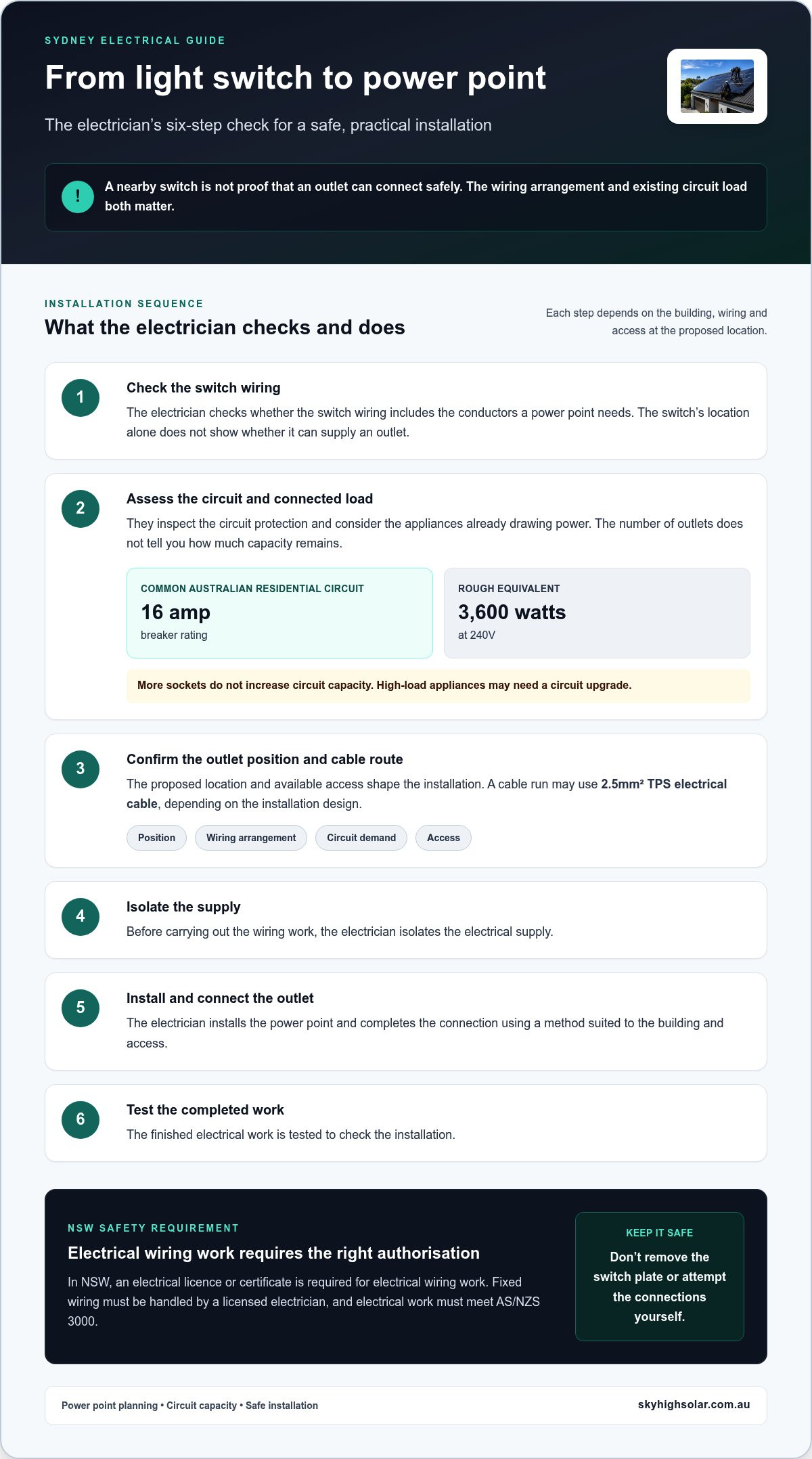
Installing a power point from a light switch
A light switch’s position may make it convenient for a new outlet, but it doesn’t guarantee a simple connection. The switch wiring may not include the conductors a power point needs, and the circuit’s existing demand also affects whether it’s suitable.
A licensed electrician first checks the switch wiring, circuit protection and proposed outlet location. They assess whether the circuit can supply the added load, then plan a suitable cable route. A cable run may use 2.5mm2 TPS electrical cable, depending on the installation design.
The work involves isolating the supply, installing and connecting the outlet, then testing the completed electrical work. In NSW, electrical wiring work requires an electrical licence or certificate, according to the NSW Government. Don’t remove the switch plate or attempt the connections yourself.
Outlet location matters. A switch near a desk might be convenient for a lamp, while a kitchen switch may be on a circuit already serving appliances. An electrician considers what the new socket will power, not just how close it is to a switch.
Can a new power point be installed without cutting into walls? Sometimes. Accessible roof or floor spaces may allow the cable to be routed with less wall damage, while surface-mounted conduit can avoid concealed wiring. Solid walls or blocked cavities may still require access openings, so the wall construction and cable route determine the finish.
Before work starts, identify the exact switch and outlet positions, the appliances you’ll use, and whether the wall is brick or plasterboard. These details help the electrician assess wiring access and circuit demand. A straightforward route between locations can reduce disruption, but the circuit still needs to be checked.
The key takeaway: a nearby switch is a starting point, not proof that an outlet can be connected safely. In Australian homes, a licensed electrician needs to assess the wiring and load before installation.
What NSW electrical safety rules apply to installing new power points?
In NSW, electrical wiring work requires an electrical licence or certificate before work begins, regardless of its cost or whether the property is residential, commercial or industrial, according to the NSW Government. Adding, relocating or wiring a power point falls under this rule, so don’t attempt the fixed wiring yourself.
Electrical work must meet AS/NZS 3000, the wiring standard identified for Australian installations. For a new outlet, the electrician considers the cable route, circuit protection, outlet position and the installation’s intended use. A point near a kitchen bench, for example, needs assessment alongside the appliances and existing circuit load.
Unlicensed electrical work can carry serious consequences. The risk isn’t limited to penalties: incorrect connections or unsuitable wiring can create electric shock and fire hazards. Leave wiring, circuit alterations and testing to a licensed electrician.
Before work starts, give the electrician a clear scope. Note each proposed outlet location, what it will power and whether the walls are being renovated. For a strata or rental property, get the relevant approval before altering fixed wiring. These details help define the work and access requirements.
After installation, ask for the required electrical work documentation. A certificate of compliance electrical work (CCEW) records that the work meets Australian safety standards and legal requirements. Keep the paperwork with your renovation records, particularly if the work is part of a larger property upgrade or sale preparation.
- Confirm the outlet locations and intended appliances.
- Arrange any landlord or strata approval before wiring changes.
- Use a licensed electrician for the installation and testing.
- Retain the CCEW with your property records.
These steps create a clear record of compliant work and help keep future electrical changes informed. For professional help with new or relocated outlets, arrange power point electrical work.
Sky High Solar and Electrical: 6.6kw Solar Panel Installation
Sky High Solar and Electrical offers 6.6kw Solar Panel Installation and 10kw Solar Panel Installation for residential and commercial properties. If you’re planning electrical changes alongside a solar project, consider how the household’s wider energy needs fit into your plans.
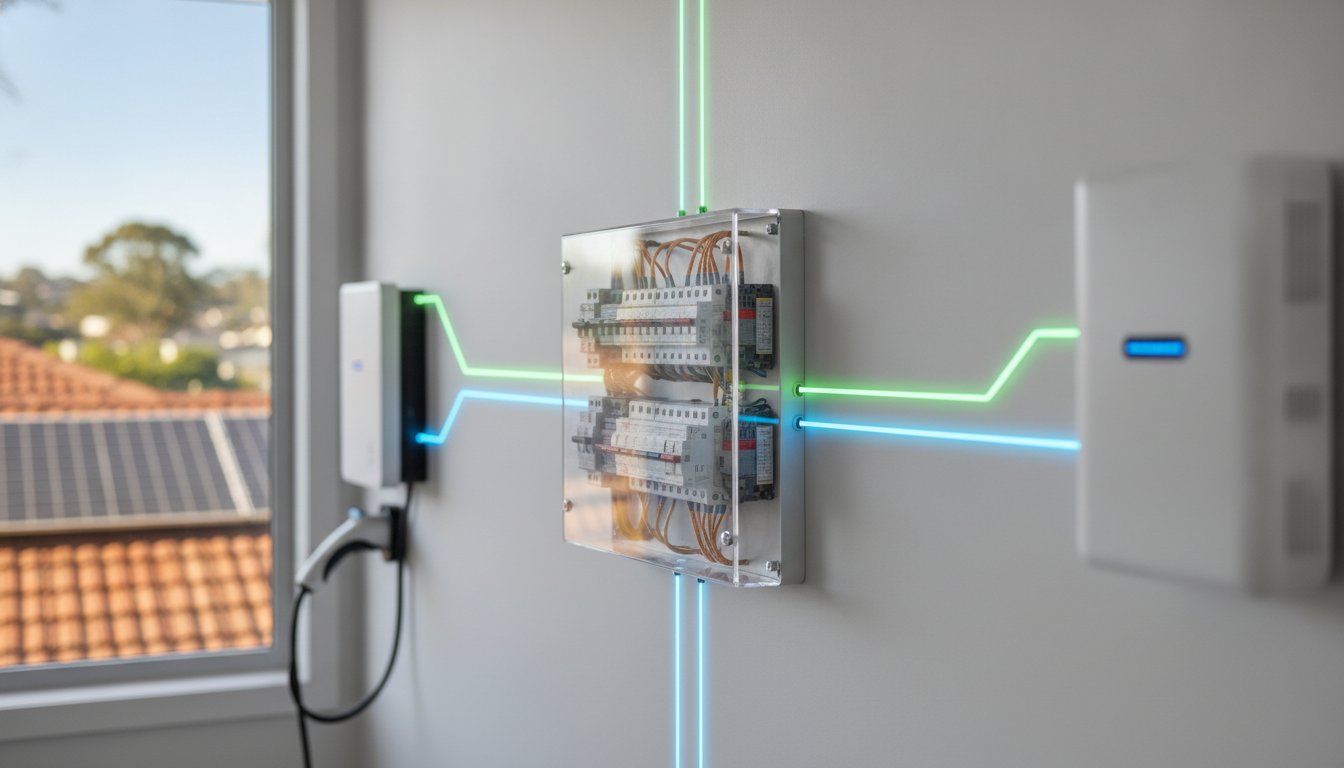
Available options also include the FOX ESS CQ7 High Voltage Storage Battery and SigenStor Integrated Solar Inverter & EV DC Charger. These offerings suit different energy plans, so your property and priorities help shape which solution to discuss.
For a new power point, focus on outlet location, wiring access and circuit capacity. For a separate or combined solar enquiry, contact Sky High Solar and Electrical to discuss your project. You can also visit skyhighsolar.com.au.
Plan your next electrical upgrade with confidence
Before arranging to install new power points in Sydney, sketch a simple room plan. Mark where furniture, workstations and appliances will go, then note outlet positions that keep cords clear of walkways. This turns a general request into a practical layout and helps make the finished room easier to use.
Consider future changes too. A home office, kitchen refresh or new appliance may change where power is most useful. Share those plans when discussing the work, so proposed outlet locations support how you expect to use the space.
When you’re ready to discuss the next step, get in touch about your power point project. A well-planned layout can make everyday routines simpler and leave your space ready for what comes next.
Frequently Asked Questions
Need a Qualified Sydney Electrician?
Yes, fixed wiring work in NSW must be carried out by a qualified electrician. For a Sydney home, describe whether you need outlets added, moved or replaced. Mention any planned renovation and the rooms involved, so the electrician can understand the scope and discuss an approach suited to your property.
How much does it cost to install a new power point in Sydney?
The quote depends on the job. A straightforward replacement differs from a new outlet that needs a longer cable route, difficult wall access or changes to circuit capacity. Tell the electrician whether you need one outlet or several, and whether the work is part of a renovation, to help define the scope.
What factors affect the cost of installing a power point in Sydney?
Outlet quantity, cable distance, wall construction and access all affect the work involved. For example, a point on a plasterboard wall with accessible wiring differs from one on a brick wall with concealed cables. The quote may also account for circuit capacity, switchboard work and wall repairs. Specify the location and intended use of each outlet.
Do I need a licensed electrician to install a power point in NSW?
Yes. According to the NSW Government, electrical wiring work in NSW requires an electrical licence or certificate before work begins, regardless of the job’s cost or property type. This includes adding or relocating a fixed power point. Leave wiring and connection work to a licensed electrician, rather than attempting a DIY installation or relying on a plug-in adaptor.
What is the difference between a standard, double, USB and weatherproof power point?
A standard power point provides one socket, while a double fitting has two. A USB model adds USB charging ports alongside its socket outlets, which can suit a bedside table or desk. A weatherproof model is designed for outdoor use. Choose a fitting suited to the location and devices, and have its placement and installation assessed professionally.
Are there extra costs for installing outdoor power points or adding new circuits?
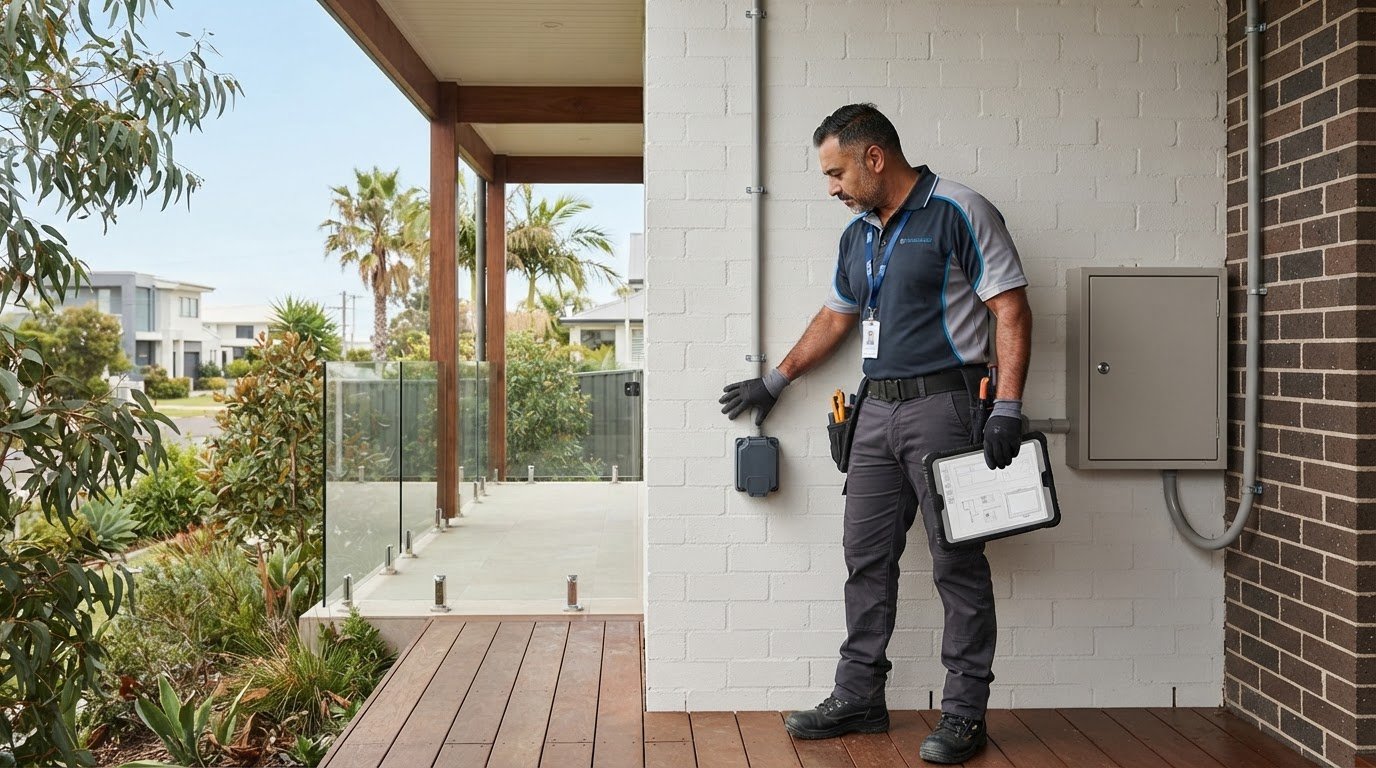
Outdoor installations may involve a longer cable route, access through exterior walls and fittings suited to the location. Adding a new circuit requires separate wiring and connection at the switchboard, with capacity assessed as part of the work. For a garden outlet or workshop equipment, describe the intended use and position so the electrician can define the installation scope.