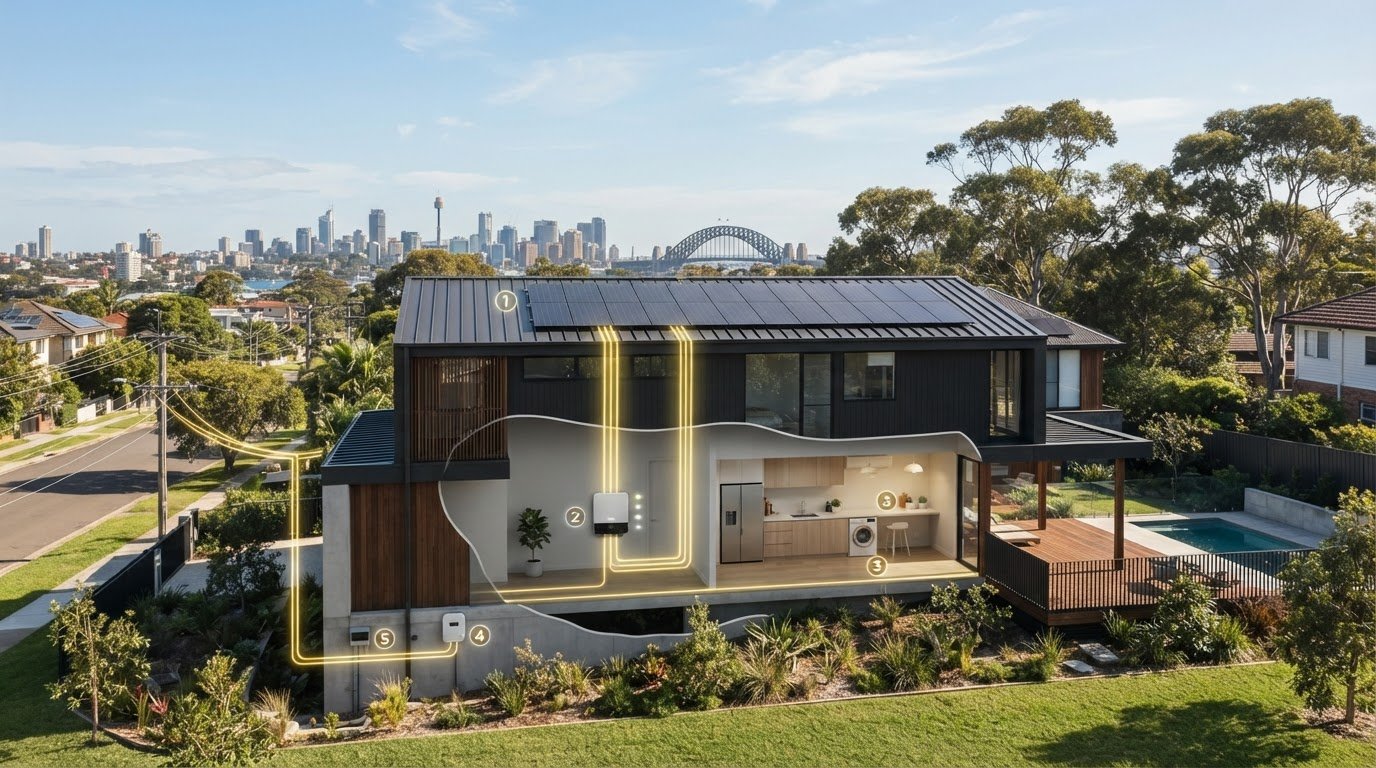


 Sydney
 0452 243 240
Blog
Signs you need a new switchboard and what an upgrade costs

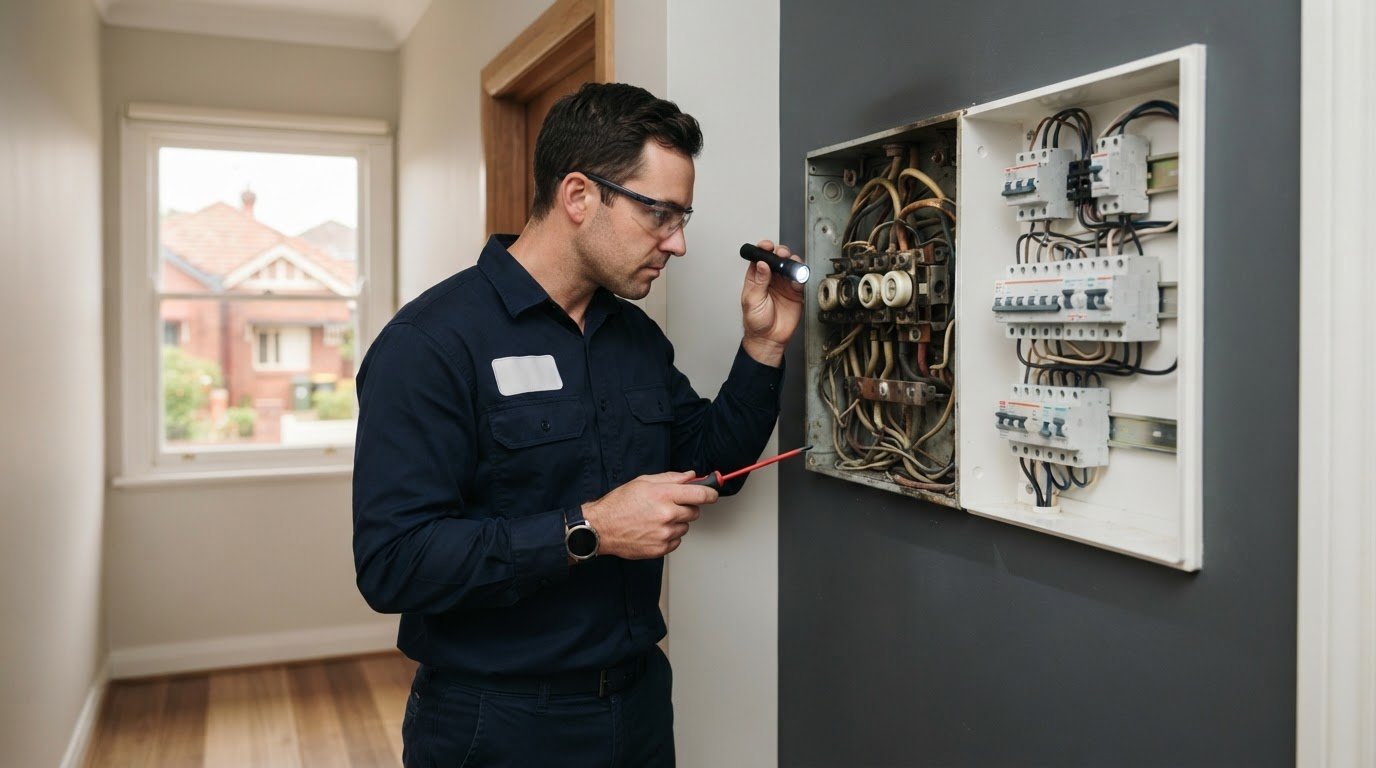
Signs you need a new switchboard include ceramic fuses, frequent circuit trips, flickering lights, burning smells or visible heat damage. A safety switch may be replaceable on its own if the existing board is in sound condition and has the capacity for modern safety devices; an ageing or deteriorated board may need a full upgrade instead.
It’s understandable to want a clear idea of the cost before deciding what to do. In Sydney, the price depends on the work involved, including the board’s condition, the circuits required and whether the electrical supply needs changes. The cost is provided after a quote request.
This guide explains how to recognise warning signs, when replacing a safety switch alone may be suitable, and what affects the scope of an upgrade. You’ll also learn why a board’s age matters, how to respond to signs of overheating, and when a professional assessment can help you choose a safe, practical solution.
Key Takeaways
- Ceramic fuses or missing safety switches can indicate an older board; learn when replacing safety switches alone may be suitable.
- Flickering or dimming lights can be a warning sign. Notice when the changes happen and whether they affect multiple rooms.
- Repeated breaker trips may point to overloaded circuits or a board that needs more capacity, not just a breaker reset.
- Crackling, burning smells, heat or scorch marks need prompt attention; don’t remove the switchboard cover.
- A board’s age and condition both matter when considering an upgrade, and the work involved shapes the quote.
1. Can you upgrade just the safety switches without replacing the whole board?
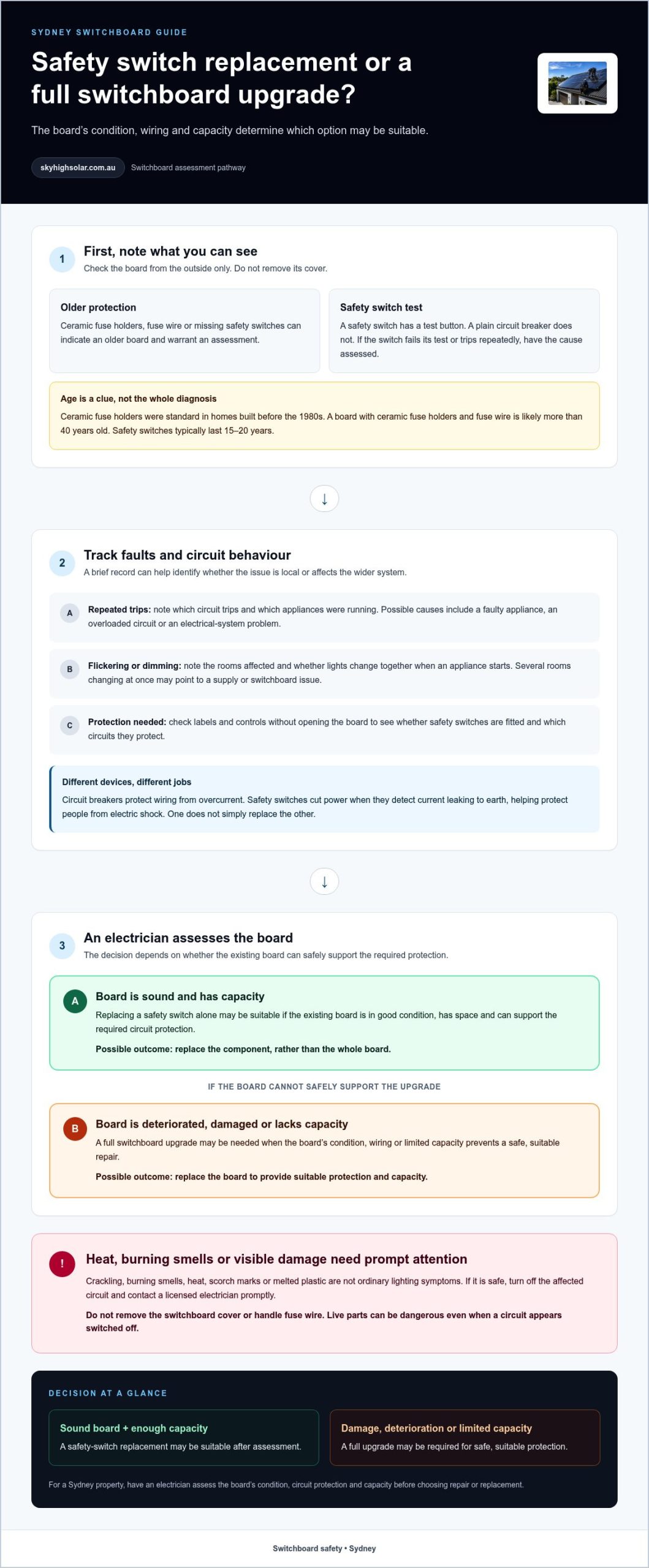
Yes, a safety switch can sometimes be replaced without replacing the whole switchboard. It depends on the board’s condition, available space, wiring and required circuit protection. An electrician assesses these factors before deciding whether replacing the component is safe. Replace the whole board when deterioration, damage or insufficient capacity prevents a suitable upgrade.
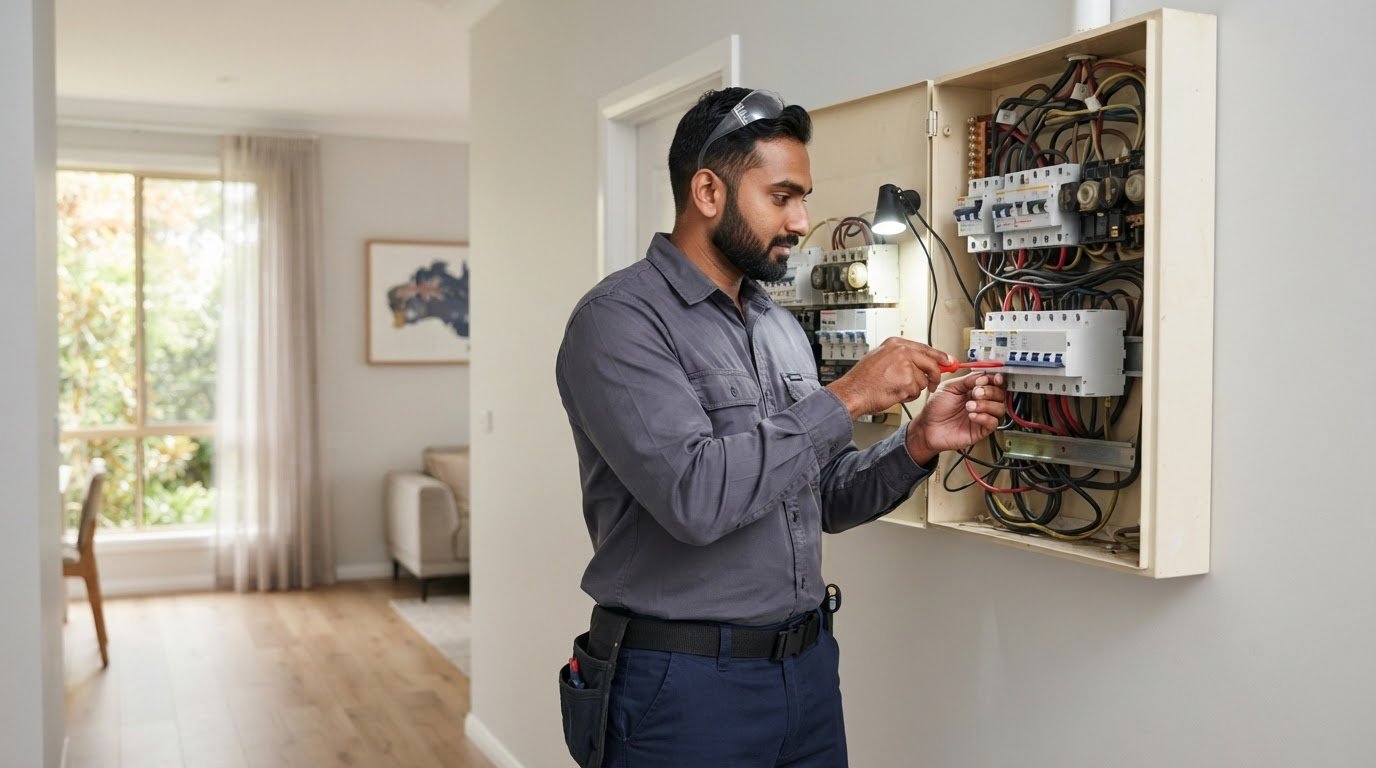
Ceramic fuse holders are a warning sign, especially in a board that appears unchanged for decades. They were standard in homes built before the 1980s, and a board with ceramic fuse holders and fuse wire is likely more than 40 years old. Ceramic re-wirable fuses provide no protection against faulty appliances or potential electric shock. Their presence calls for an assessment of the board and its protection, not just a fuse swap.
Safety switches, also called residual current devices or RCDs, help protect people from electric shock. They cut power when they detect current leaking to earth, such as through a person. A safety switch has a test button; a plain circuit breaker does not. Circuit breakers protect wiring from overcurrent, while safety switches address electrical leakage. These devices serve different purposes, so one cannot simply replace the other.
Look at the board’s labels and controls without removing its cover. Check whether safety switches are fitted and which circuits they protect. A modern upgrade should provide safety switches on all circuits that require them. If a safety switch fails its test button, or trips repeatedly, have the cause assessed. Safety switches typically last 15–20 years, so age can also be relevant when assessing performance.
Repeated trips can indicate a faulty appliance, an overloaded circuit or a problem with the electrical system. Note which circuit trips and what was running at the time. If one circuit trips while several appliances are in use, the load may be too high for that circuit. Replacing only a safety switch won’t fix overloaded wiring or a board that lacks capacity for additional circuits.
Queensland rules are different from the requirements relevant to a Sydney home. In Queensland, switchboard work must be performed by a licensed electrician under the Electrical Safety Act 2002. Queensland law requires safety switches on all power point circuits in residential properties, and Queensland rental homes have required them on power points since 2006. These Queensland provisions should not be treated as Sydney rules.
For a Sydney property, have an electrician assess the board’s condition, circuit protection and capacity before choosing repair or replacement. Don’t remove the cover or handle fuse wire yourself. Electrical work inside a switchboard can expose you to dangerous live parts, even when a circuit appears to be switched off.
- Record the warning: Note ceramic fuses, missing safety switches or a failed test button, without opening the board.
- Track trips: Write down the affected circuit and appliances operating when it trips.
- Compare the options: Ask whether the existing board can safely accept replacement safety switches and required circuit protection.
- Choose replacement: A full board upgrade is appropriate when deterioration or limited capacity prevents a safe, suitable repair.
In short, replace the switchboard rather than repair it when its condition, wiring or capacity prevents safe, suitable protection. A sound board may need only a safety-switch replacement, while ceramic fuses, repeated faults or missing protection warrant an electrical assessment.
2. Flickering or dimming lights
A light that flickers once as it switches on may have a local cause, such as a loose bulb. A wider pattern deserves closer attention. For example, several lights dimming together when an appliance starts can point to a power fluctuation or an electrical connection problem. Note which rooms are affected and what was running at the time.
The pattern can help narrow down the issue. If one lamp flickers while other lights remain steady, the fault may be with the lamp, its bulb or its fitting. If lights in several rooms brighten or dim together, the cause may involve the electrical supply or switchboard. Record whether the changes happen at the same time and whether they coincide with an appliance starting.
Power fluctuations can affect more than lighting. Incandescent bulbs may fail early, electronic equipment may malfunction, or radio and television reception may be affected. If a television picture distorts as several lights dim, note both symptoms. These details help an electrician assess whether the issue relates to a circuit, connections or the board’s capacity.
A breaker that trips alongside dimming lights is another warning sign. Keep track of which breaker operates, which lights change and what appliances are in use. Repeated breaker trips should not be treated as a lighting problem alone. This combination may point to an electrical fault or a circuit under strain, rather than a single failed globe.
Power boards and adaptors can also make it harder to identify the cause. If flickering begins when a heater, kettle or other appliance is plugged into a crowded power board, stop using that setup and observe whether the lights stabilise. Don’t add more adaptors to test the circuit. A licensed electrician can safely assess the circuit load and connections.
Visible damage near the switchboard changes the priority. Burn marks, melted plastic, buzzing or heat are not ordinary lighting symptoms. If flickering occurs with any of these signs, turn off the affected circuit if it’s safe, then contact a licensed electrician promptly. Don’t remove the switchboard cover or touch exposed wiring.
Before an assessment, write down these details:
- Whether one light, one room or several rooms are affected.
- Which appliance was switched on when the flicker began.
- Whether a breaker tripped or electronics behaved unusually.
- Any visible damage, heat, buzzing or burning smell near the board.
This record helps distinguish a local light fitting fault from broader switchboard warning signs. If several circuits show the same pattern, a switchboard upgrade assessment can help identify whether board condition, connections or capacity needs attention.
3. Frequently tripping circuit breakers
A circuit breaker that trips repeatedly is responding to a fault or excessive electrical load. If it trips while several appliances are running together, the circuit may be overloaded. A fault in an appliance or wiring can also cause trips, so repeated resets won’t identify or fix the cause. Note which breaker trips and what was running at the time.
Use a simple observation process. Unplug appliances on the affected circuit, then reconnect them one at a time. If the breaker trips when a particular appliance runs, stop using it until it’s assessed. If trips continue with appliances disconnected, record that for the electrician. Don’t keep resetting a breaker that trips again, especially if you also notice flickering, heat or unusual smells.
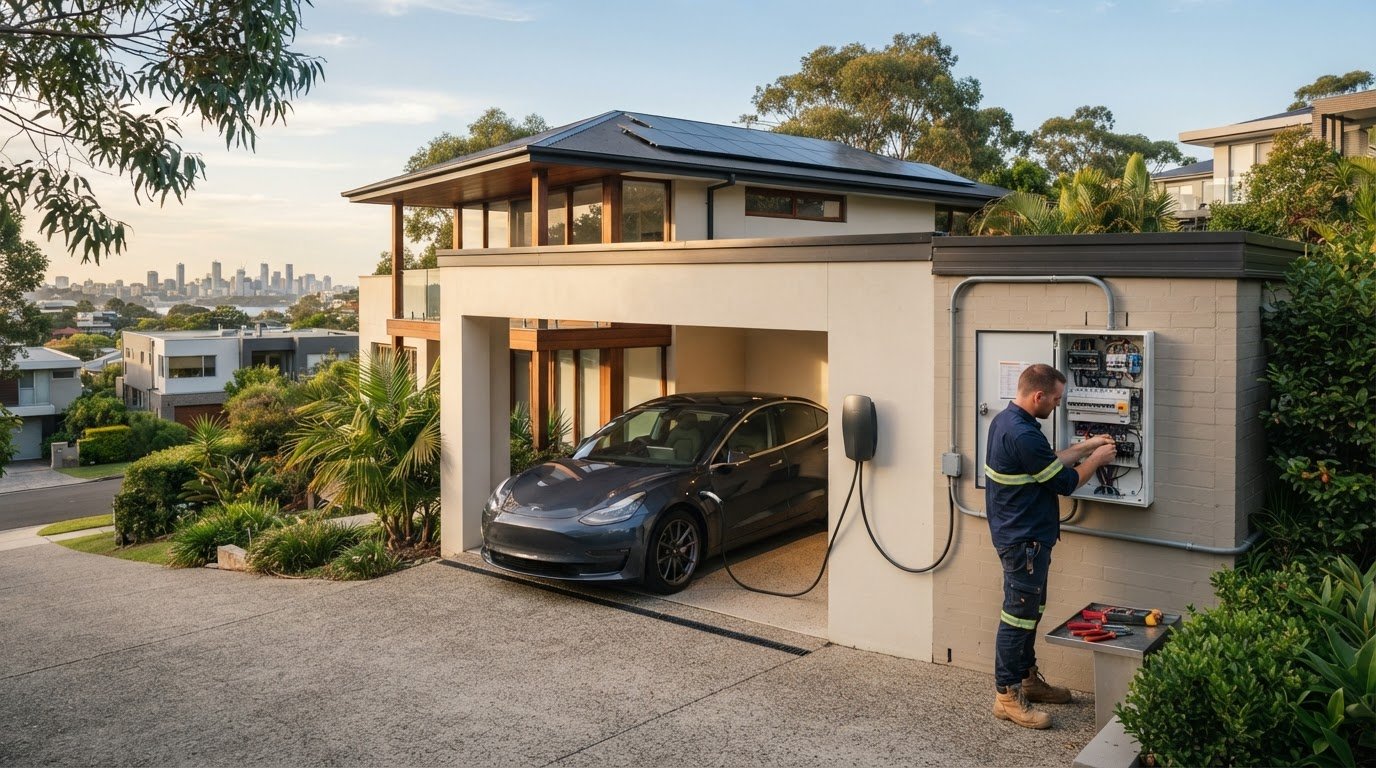
The number of circuits can help explain why an electrical system struggles with modern use. A board with fewer than 8 to 10 circuits is likely undersized for modern needs, while modern homes typically need 12 to 20. Appliances such as induction cooktops, EV chargers and heat pumps can place demands on boards designed for older households. Modern homes with these appliances can place greater demands on switchboards designed for older households.
Major appliances may need dedicated circuits rather than sharing capacity with general power points or lighting. An electrician assesses the appliance load, existing wiring and available board space to determine the right circuit arrangement. If there’s no room for the required circuit, the board may need upgrading to provide capacity safely.
Ask how the proposed board will protect each circuit. An RCBO combines residual-current and overcurrent protection in one device. Individual RCBOs for each circuit can help isolate a fault to the affected circuit, rather than interrupting several circuits through a shared safety switch. Surge protection at the main can help protect appliances from voltage surges, while clear labels make circuits easier to identify.
Plan for future use, too. A switchboard upgrade should leave spare ways for 3–4 future circuits where the board design allows. Planning this capacity can avoid needing another board replacement within 2 years. This matters if you’re renovating, adding major appliances or planning an EV charger, since extra circuits may be needed.
Repeated trips don’t automatically mean the whole switchboard needs replacing. If one appliance triggers a trip, the issue may be local. If several circuits trip, the board lacks space, or signs of overheating appear, an electrician can assess the wiring, circuit loads, protection and board capacity together. This helps distinguish a circuit repair from a switchboard upgrade and prevents repeated resets from masking an electrical fault.
4. Overheating signs such as crackling, burn marks and burning smells
A burning smell near a switchboard, power point or light switch needs prompt attention. Crackling, buzzing, scorch marks, melted plastic or unusual warmth can indicate overheating or damaged wiring. These are signs you need a new switchboard assessed, not cosmetic defects to ignore.
Notice where the smell or sound is strongest. A warm power point beside a heater, for example, may indicate a problem with the outlet, its connections or the circuit supplying it. Heat, discolouration or a burning odour at the switchboard can point to a damaged component or connection inside the board. Don’t touch a hot fitting or remove the switchboard cover to investigate.
Repeated trips combined with burning smells or hot switches raise concern. A breaker may be responding to an electrical fault, while heat can indicate that wiring or a connection is under strain. Resetting the breaker repeatedly doesn’t address the fault. If a breaker trips again and you notice crackling, scorching or heat, stop using the affected circuit and get professional help promptly.
Take these steps without opening the board:
- Stop using the affected outlet or switch. Don’t plug another appliance into a warm or damaged power point.
- Turn off the affected circuit if it’s safe. Don’t approach a board that is smoking, sparking or visibly damaged.
- Keep people away. Make sure children and other household members avoid the fitting or switchboard.
- Call a licensed electrician promptly. Describe the smell, sound, location and any breaker trips.
Tell the electrician whether the warning signs began after an appliance was installed, a renovation, or the addition of new equipment. For example, a burning smell that began after a new heater was connected gives useful context about the timing and circuit load. Don’t assume the appliance caused the fault; the wiring, outlet or switchboard may also need inspection.
A licensed electrician can inspect the affected circuit, connections, wiring and switchboard components. The assessment can determine whether a damaged outlet or component needs repair, or whether the board’s condition and capacity call for a wider upgrade. In a Sydney home, scorch marks or heat are signs you need a new switchboard assessed by a licensed professional.
Treat scorch marks, warm outlets and burning smells as urgent warning signs, even if the lights still work. Electrical faults can remain hidden behind a fitting or inside a board. Don’t wait for another trip or for visible damage to worsen before arranging an assessment.
5. Age-related switchboard deterioration
A switchboard’s age is a reason to assess its condition, not an automatic verdict. A well-maintained board typically lasts 25–30 years, while components can deteriorate over time. If your Sydney home’s board is over 25 years old, arrange an inspection even if power appears normal. Age, condition and the demands placed on the electrical system all matter.
Boards installed decades ago were designed around different household needs. Homes built before the 1990s were wired for a fraction of the power used today. Additions such as an induction cooktop, air conditioning or an EV charger can expose capacity limits that were less obvious when fewer appliances ran at once.
Look at the visible features without opening the switchboard. Ceramic fuse holders, old labels or a board that appears untouched since the 1980s can indicate it hasn’t been updated. Ceramic fuse holders and fuse wire are likely to be more than 40 years old. These clues don’t establish the board’s full condition, but they make a professional assessment a sensible next step.
Age-related wear may also show up as changes in performance. Note repeated tripping, flickering lights, buzzing, heat, scorch marks or a burning smell. Each can have a different cause, but a combination in an older board deserves prompt attention. Don’t remove the cover or handle internal components; switchboard work needs a qualified electrical professional.
Use this practical sequence to prepare for an assessment:
- Record the approximate age of the home and any known switchboard replacements.
- Photograph the closed board and visible labels, without removing its cover.
- List newer appliances or renovations added since the board was installed.
- Note when trips, flickering, heat or unusual sounds occur.
A board over 20 years old is worth having inspected, even if it seems to work. The electrician can assess visible condition, protection, wiring and capacity for the home’s current and planned loads. If only a component needs attention and the existing board remains suitable, repair may be appropriate. If deterioration or limited capacity prevents a safe upgrade, replacement may be the practical solution.
For an ageing board, the key question isn’t age alone. It’s whether the board can safely support the electrical system you use today. An assessment can clarify whether targeted repairs are suitable or a full switchboard upgrade is needed. If your board is ageing or showing faults, arrange a switchboard upgrade assessment to understand the work involved.
Sky High Solar and Electrical: 6.6kw Solar Panel Installation
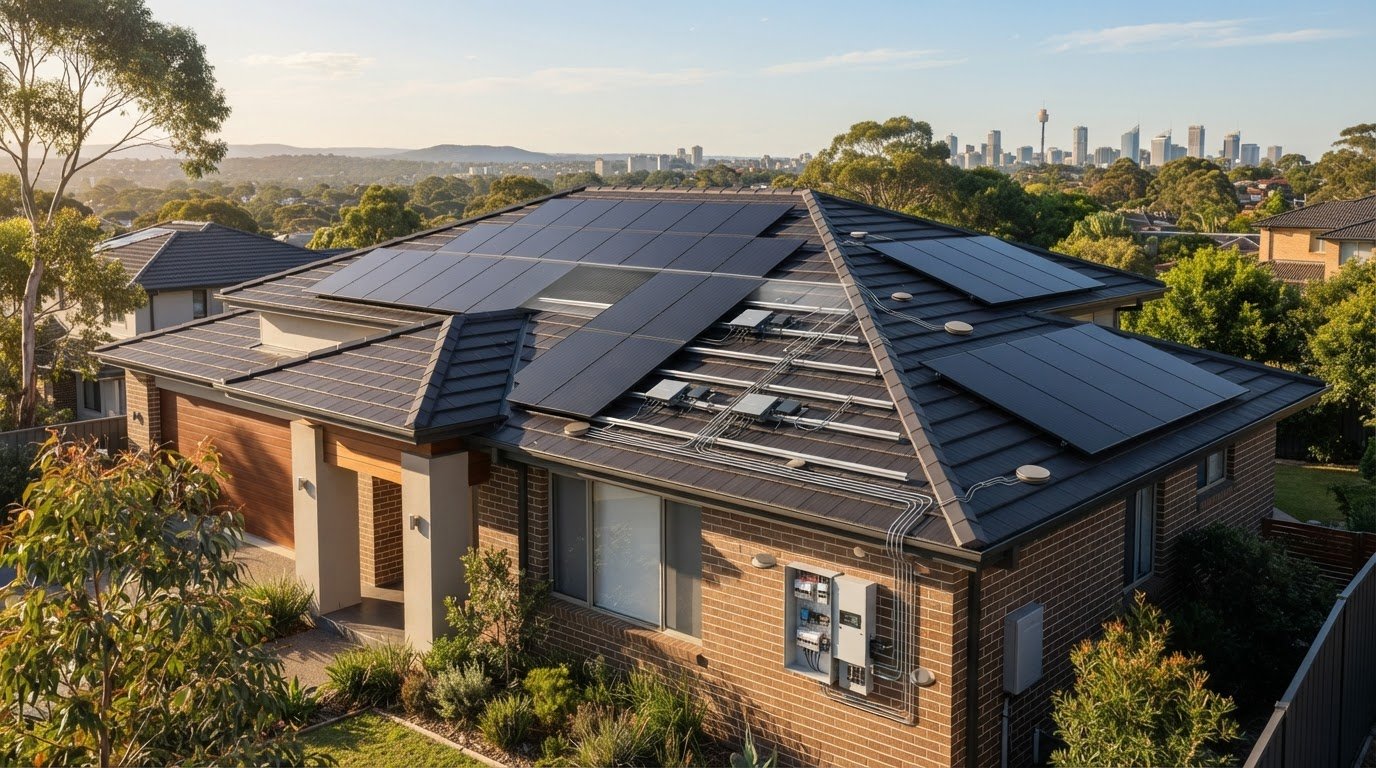
Sky High Solar and Electrical provides 6.6kw Solar Panel Installation and 10kw Solar Panel Installation for homes and businesses. If you’re considering solar after assessing an ageing switchboard, the board’s condition and capacity are relevant to planning a safe installation. A solar system, battery or EV charger can add electrical equipment, so consider your switchboard as part of the wider energy plan.
Available options include the FOX ESS CQ7 High Voltage Storage Battery and SigenStor Integrated Solar Inverter & EV DC Charger. The right setup depends on your property and energy goals. Discuss how solar installation and your switchboard fit together before deciding on the next step.
Contact Sky High Solar and Electrical or visit skyhighsolar.com.au to discuss your home energy plans.
Plan your next electrical upgrade with confidence
A switchboard decision can affect how easily your home accommodates future electrical work. If you recognise signs you need a new switchboard, consider the timing alongside planned renovations or changes to your household’s energy use. A clear plan helps you consider safety, capacity and future requirements together.
After switchboard work in NSW, you’ll receive a certificate of compliance electrical work (CCEW). Keep this document with your property records, along with invoices and details of electrical changes. These records give you and future occupants a useful history of the work completed.
For your next step, share your plans and observations with an electrician so the assessment can focus on your home’s current setup and intended changes. If you’re planning solar as part of a wider energy upgrade, consider how that work fits with your electrical system. Contact Sky High Solar and Electrical to discuss your plans and move forward with a considered approach.
Frequently Asked Questions
How Much Does a Switchboard Upgrade Cost in Brisbane?
This article focuses on Sydney, so Brisbane costs shouldn’t be assumed to match local quotes. The price depends on the property and work required, and is provided after a quote request. Factors include the board’s condition, circuit changes and any supply alterations. For a Sydney property, provide details about planned electrical work and the existing installation so the quote reflects the actual scope.
Do I need a switchboard upgrade for solar panels?
No, solar panels don’t automatically mean you need a new switchboard. Include the board in electrical planning so the proposed system can be considered alongside the property’s existing equipment. For example, a home adding solar and planning a battery later should discuss both stages together. This can help identify the required electrical work before installation begins.
Can you upgrade just the safety switches without replacing the whole board?
Yes, a safety switch can sometimes be replaced on its own. The electrician needs to establish whether the existing board can accommodate the replacement and whether the affected circuits can be tested afterwards. A targeted repair may suit a board that remains serviceable; replacing the entire board is a separate decision based on its condition and suitability. Ask for a clear explanation of the recommended work and the reason for it.
Is an old switchboard dangerous?
Not necessarily, but age can make it harder to judge safety from appearance alone. For a property purchase, renovation or insurance record, arrange an electrical assessment and keep its findings with the home’s maintenance documents. This gives you a clearer record of the board’s condition and any work completed. If you notice smoke or sparking, keep clear and seek urgent electrical assistance.
Do you legally need an electrician to upgrade a switchboard?
Yes. In NSW, a switchboard upgrade must be carried out by a licensed electrician. Switchboard work can expose people to electric shock and arc-flash hazards, particularly around energised equipment. Don’t remove the cover, replace components or attempt the work yourself. After the work, keep the electrical compliance documentation with your property records for a traceable record of the completed job.
How do I know if my switchboard is safe?
You can’t confirm a switchboard’s safety by looking at its closed cover. For a useful check, note the visible labels and any recent electrical changes, then arrange a professional inspection. Tell the electrician about renovations, new appliances or changes in how the home is used. This context helps assess whether the installation suits the household’s needs, rather than relying on appearance alone.
How long does a switchboard last?
A well-maintained switchboard typically lasts 25–30 years, but this isn’t a fixed replacement deadline. Maintenance history, component condition and changes to the home all affect its useful life. If you’re planning a renovation or buying an established Sydney property, include the board in the electrical assessment. That helps distinguish an ageing board that remains serviceable from one needing work.
Is a switchboard that trips occasionally a problem?
An occasional trip is worth recording, even if power returns after resetting the breaker. Note the date, affected area and what was running, then share that pattern during an electrical assessment. A single trip after several high-demand appliances run together differs from recurring trips during ordinary use. If a breaker trips again, don’t keep resetting it without investigating the cause.