

 Sydney
 0452 243 240
Blog
How Often Do Solar Panels Need Servicing? A 2026 Guide

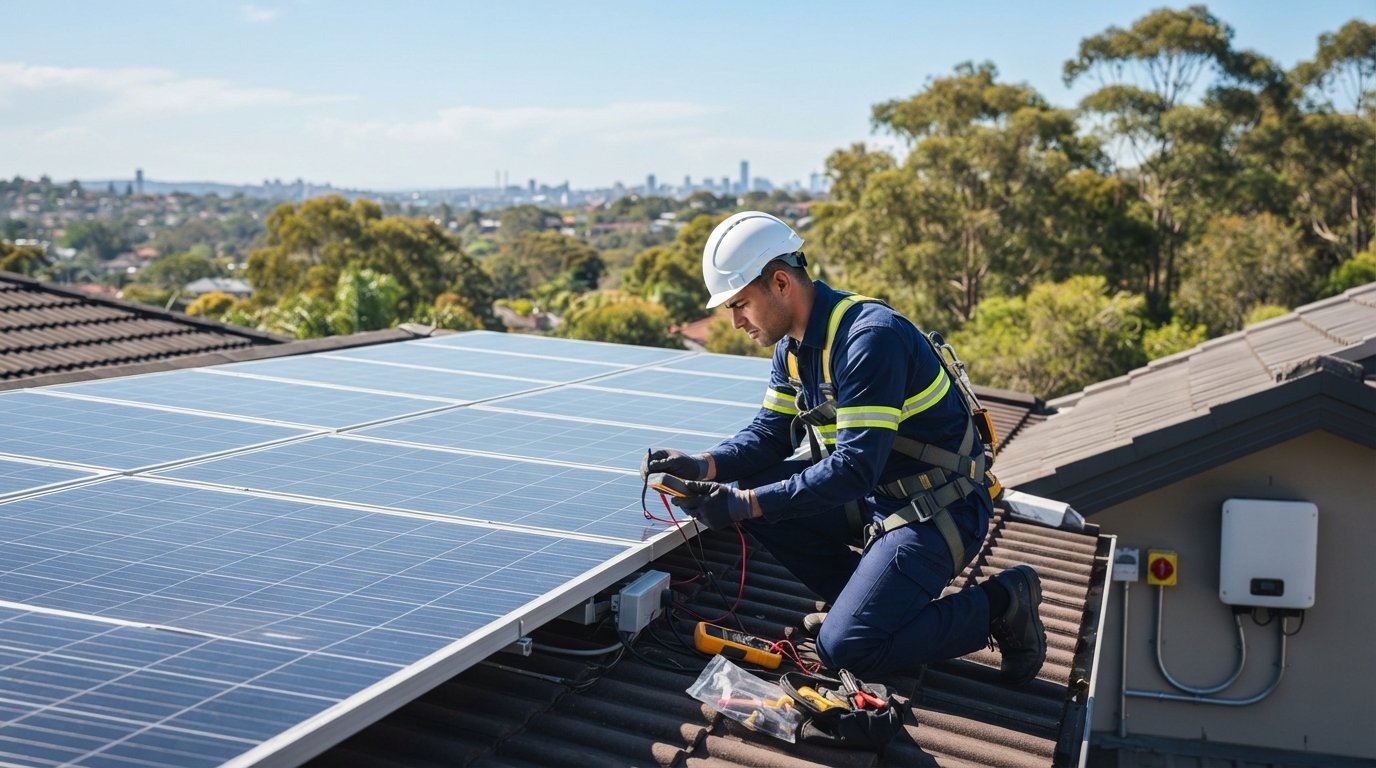
Comprehensive electrical servicing for rooftop solar is recommended every two years, while basic visual inspections and gentle cleaning should occur every 12 months. Skipping professional health checks can leave hidden safety issues such as DC isolator breakdown unnoticed and can weaken your position on panel warranty claims if damage is never documented. Schedule a routine review to maintain generation performance and safeguard your property.
Key Takeaways: Schedule professional electrical servicing every two years for suburban homes, while coastal or commercial systems require annual health checks to ensure safety and efficiency.
- Perform basic visual inspections and gentle cleaning every 12 months for all system types.
- Skip professional cleaning when frequent rain clears light dust from steep suburban roofs.
- Hire an A-Grade electrician for electrical maintenance to protect your warranty and personal safety.
- Comprehensive electrical servicing including switchboard audits should occur every 3 to 5 years.
Match your property type to a practical service rhythm
Your system needs a maintenance timeline based on location and hardware setup. Use these three typical situations as a quick guide:
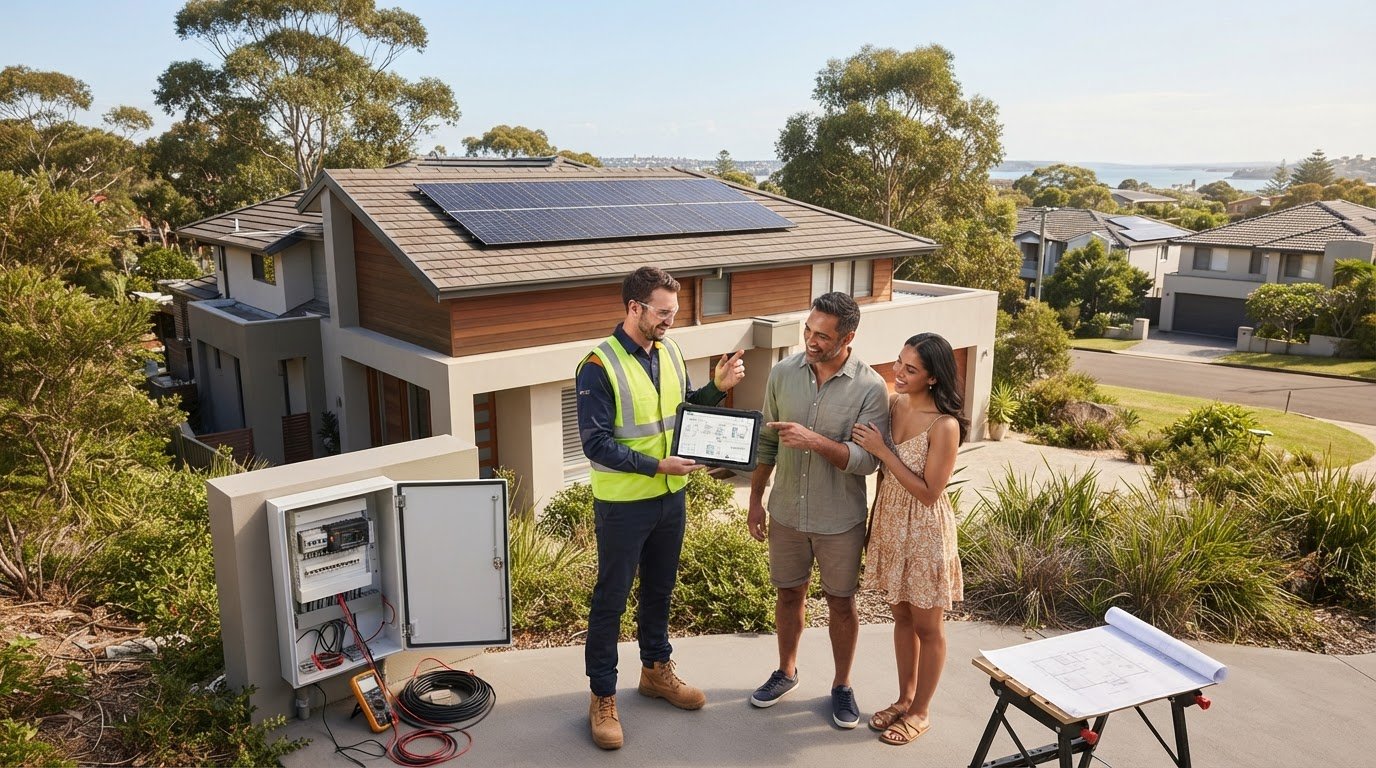
- Residential suburban: book professional solar panel servicing (solar health check) every two years to verify output and keep warranty records in order.
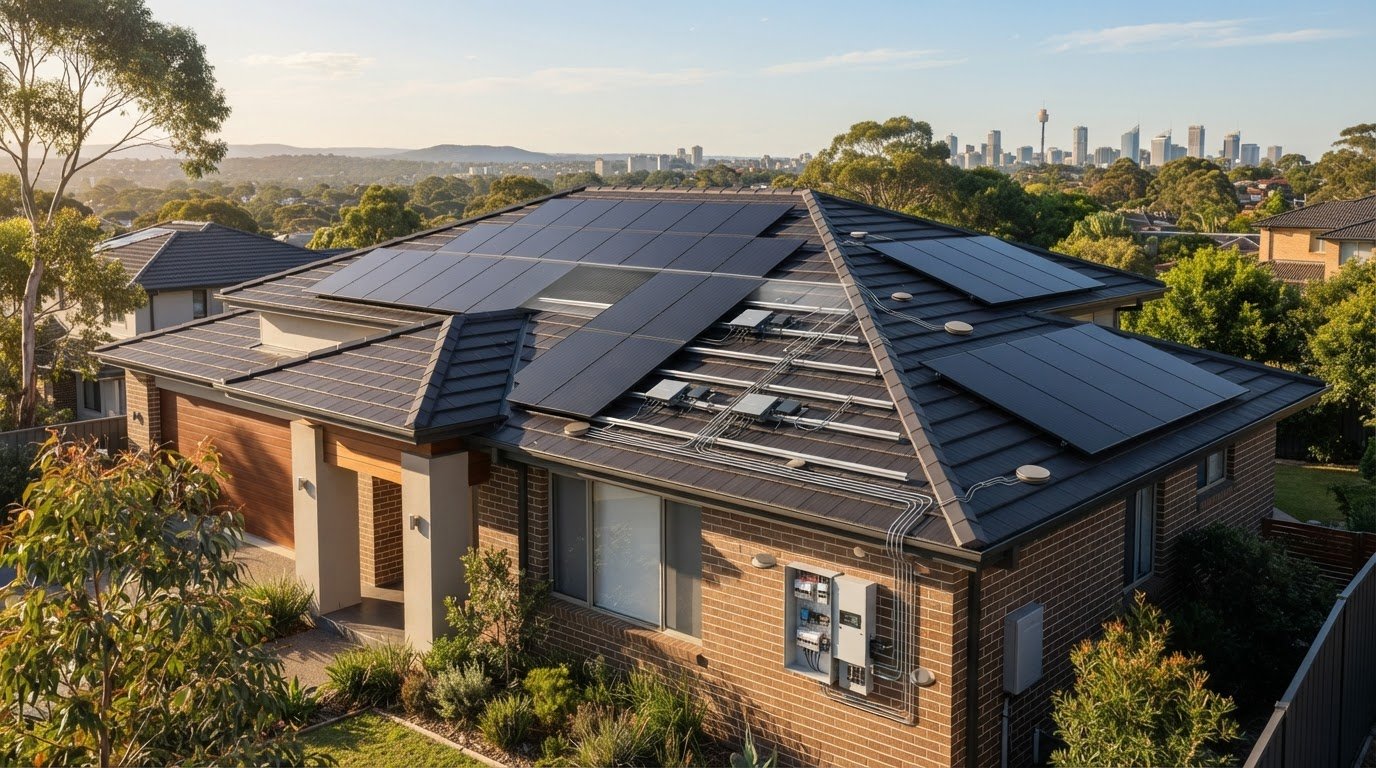
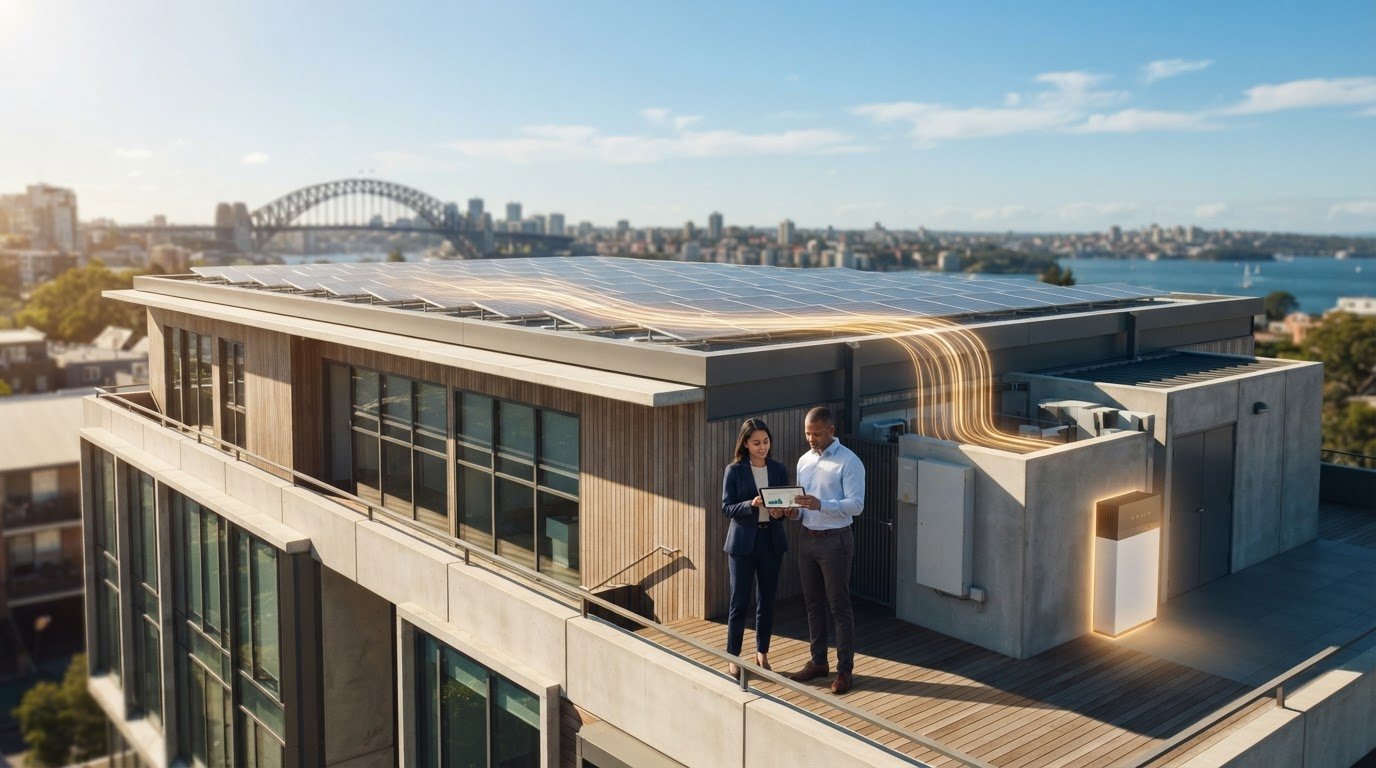
- Coastal Sydney: plan annual visual checks and professional cleanings so salt-mist corrosion and humidity do not form a film on modules and drag down daily generation.
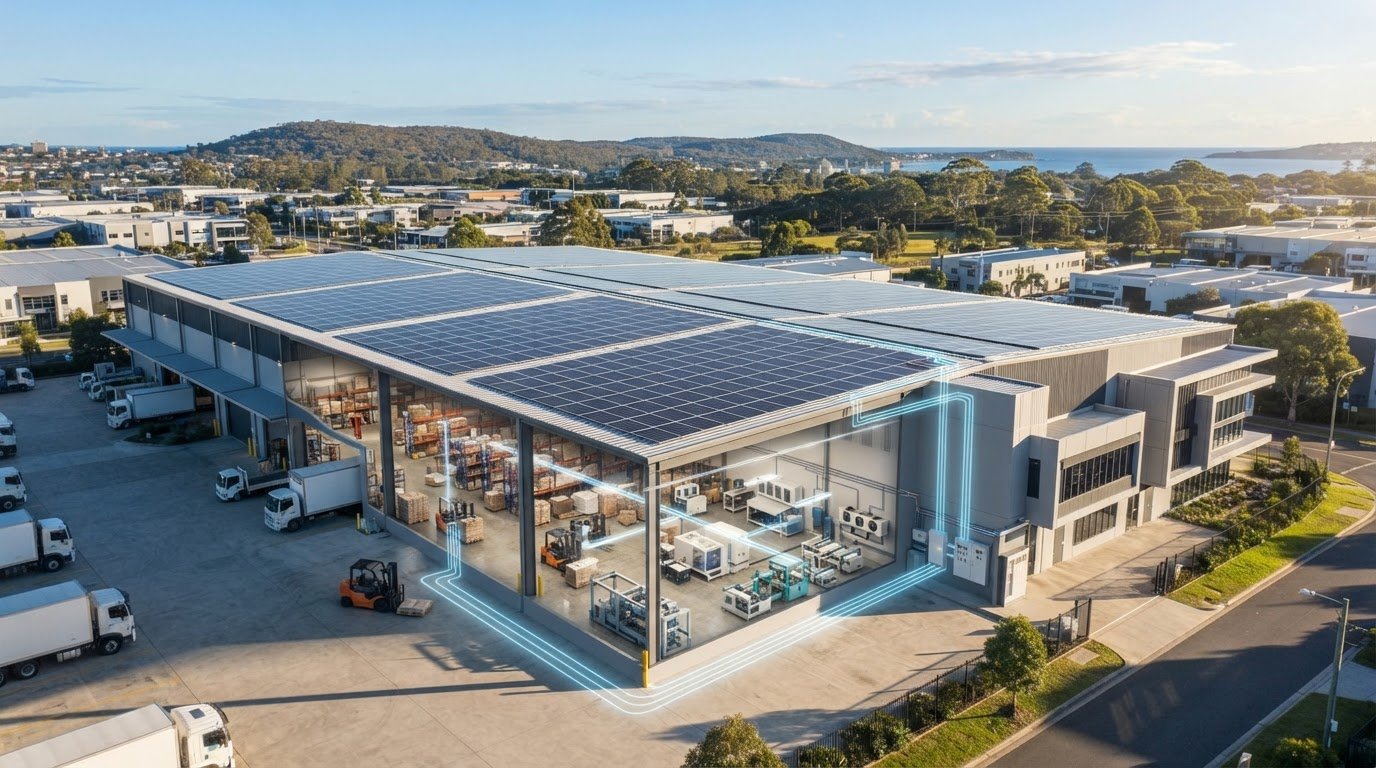
- Commercial sites: arrange annual safety checks with a solar installer (A-Grade electrician), including a comprehensive safety shutdown test (anti‑islanding protection) for grid compliance and staff protection.
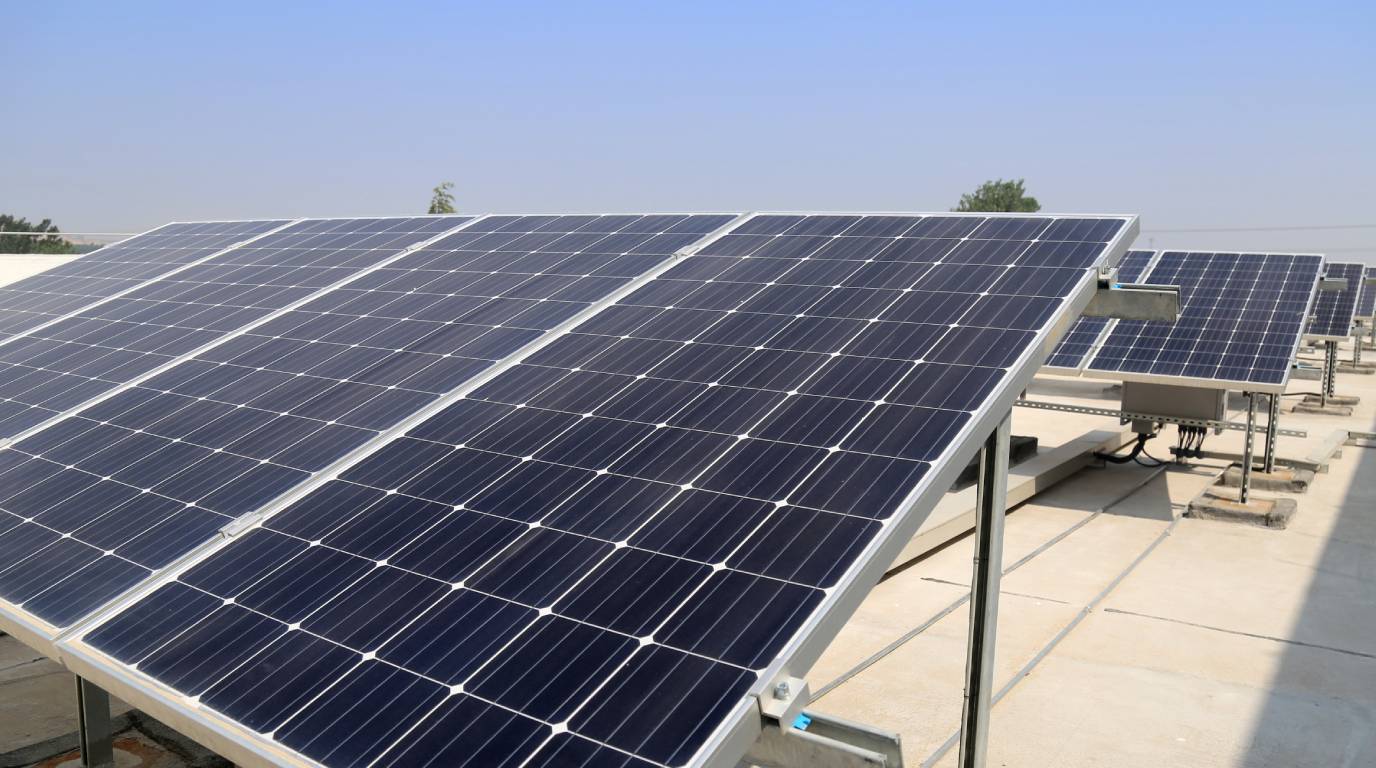
Coastal arrays benefit from hardware chosen for harsh weather; you can review durable options among current solar products before you next upgrade modules or mounts.
Skipping routine maintenance to cut short-term cost can leave physical damage undetected, which raises the chance of hardware failure and disputed manufacturer warranties. Professional care supports safety, steady output, and long-term energy independence.
Service intervals that protect output and compliance in 2026
Keep basic visual inspections and gentle cleaning on a 12-month cycle. Schedule electrical solar panel servicing every two years for a typical residential suburban array, and every 12 months if you are on the coast or run a commercial site. Plan comprehensive electrical servicing, including a broader switchboard review, every 3–5 years.
High heat and salt air degrade outdoor components over time. Timed inspections catch wear before failures become expensive.
You can Buy Solar Panels for Home in Penrith to lower grid reliance. On each electrical service visit, qualified technicians should inspect roof isolation switches and conduct a safety shutdown test. More on this: Buy Solar Panels for Home.
| Service Frequency | Task Included | Recommended Provider |
|---|---|---|
| Every 12 Months | Visual inspection and panel cleaning | Homeowner or Professional |
| Every 2 Years (every 12 months if coastal or commercial) | Electrical inspection and DC isolator check | Solar installer (A‑Grade electrician) |
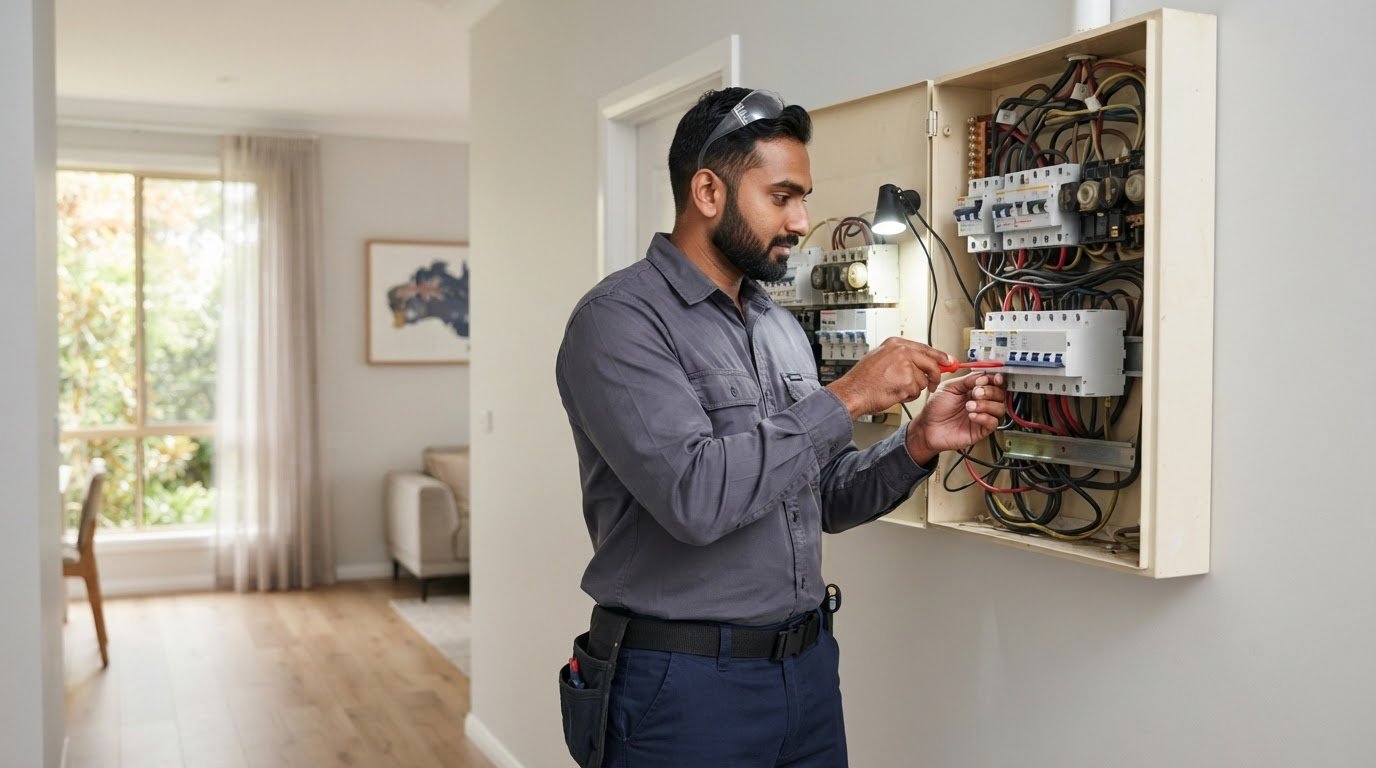
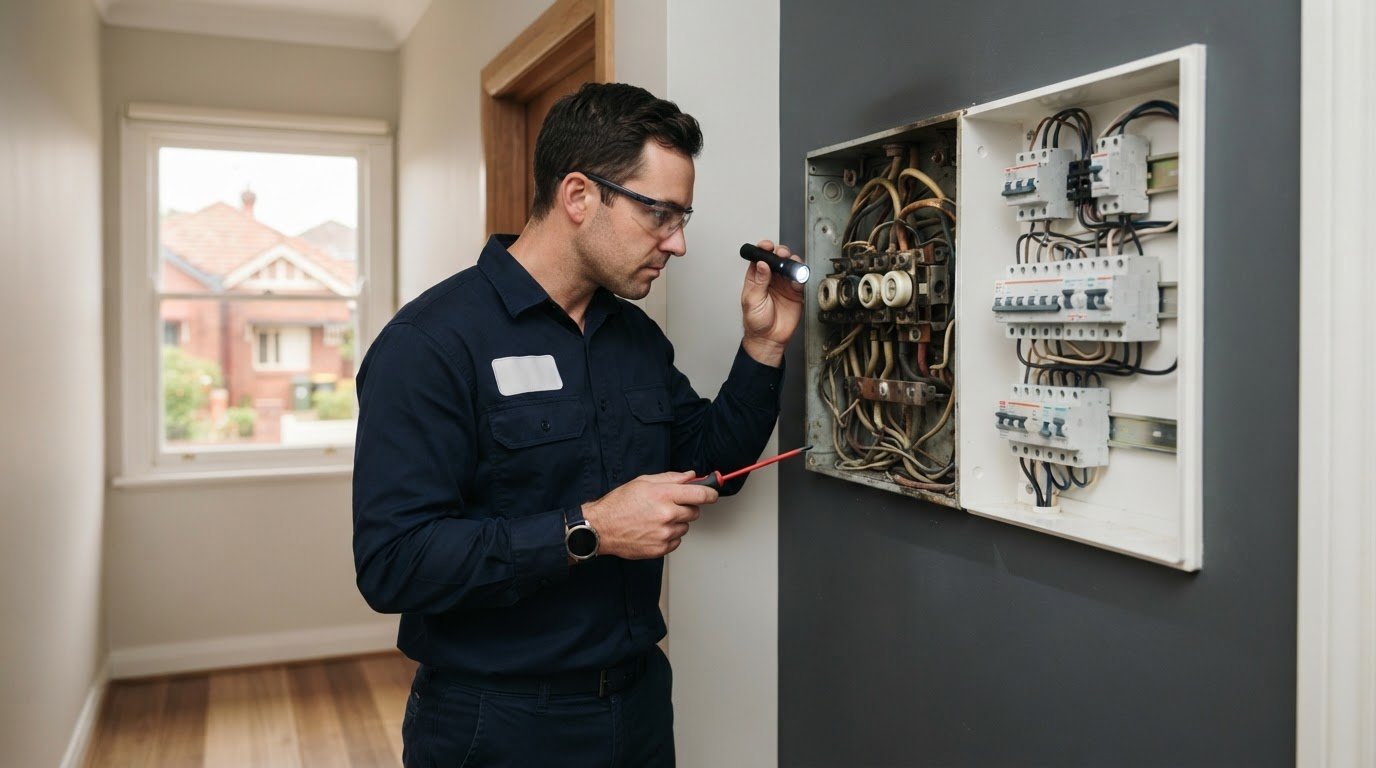
| Every 3–5 Years | Comprehensive electrical servicing and switchboard upgrade audit | Licensed Electrical Contractor |
Request a site-specific service quote when you want dates locked in against that schedule.
DIY cleaning is fine at ground level; electrical work needs an A-Grade electrician
You must hire a licensed solar installer for electrical maintenance to protect your warranty position and personal safety. Cleaning ground-level debris is safe for homeowners, but climbing onto high roofs risks severe injury.
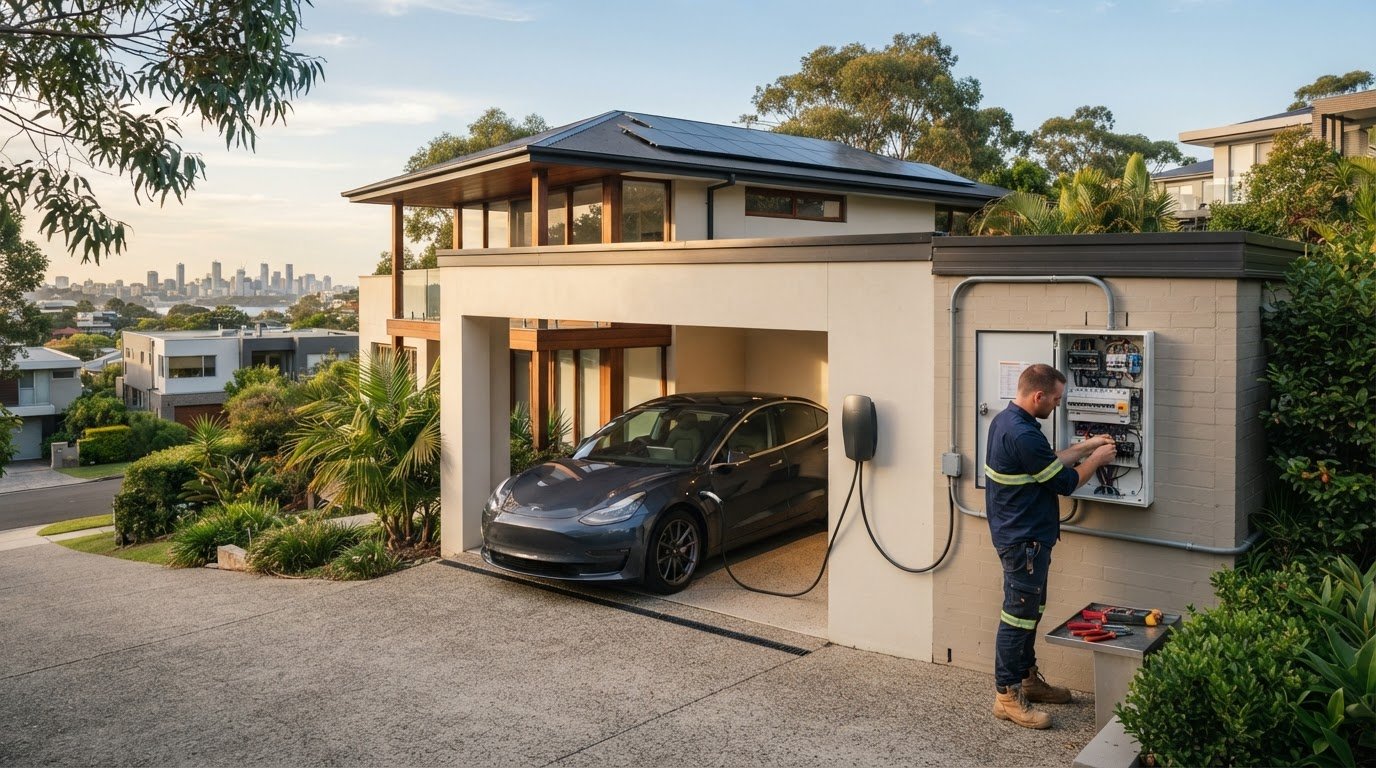
Working on live parts can breach regional electrical codes and, where you cause specific damage, can undermine solar panel warranty claims. Certified technicians safely perform a safety shutdown test to verify grid compliance. They check isolators for thermal damage so your system is better prepared for extreme weather.
Contractors sometimes substitute original equipment due to supply constraints, which can leave you with unapproved hardware or incomplete installs. Homeowners also face unexpected delays with meter replacement after setting up Home Solar Panels Sydney. A formal solar panel servicing confirms installed gear matches your contract and safety standards. More on this: Home Solar Panels Sydney.
Professional maintenance suits busy property owners; basic visual inspections suit careful hands at ground level. DIY rooftop work remains too hazardous for untrained individuals.
Tip: Never use high-pressure water hoses or harsh detergents on solar glass, as thermal shock can micro-fracture cells.
On the forum.cleanenergyreviews.info discussion titled "Melbourne South East & Mornington solar installers", one user noted:
"The building is only 1 year old and the builder has installed an A/C cable from the roof to the switchboard in preparation for solar. The whole install with micro inverters should be relatively easy." (source)
Pre-installed wiring may look like a shortcut, yet professional verification still ensures the complete system meets Australian standards. A certified electrician must validate connections and component choices to reduce safety hazards and project delays.
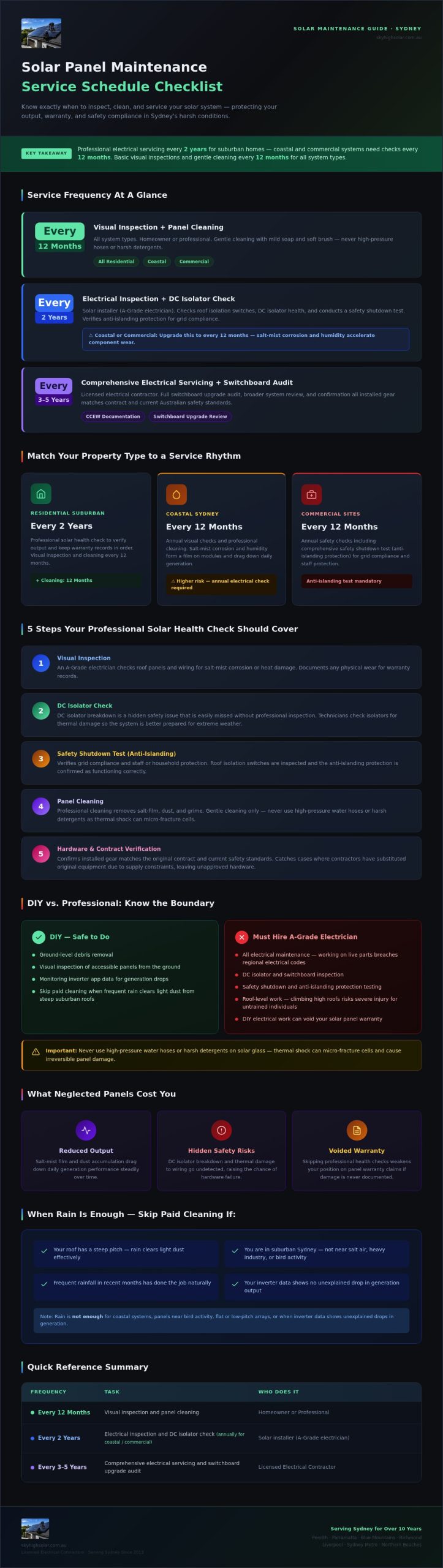
5 Steps your professional solar health check should cover
A structured inspection supports system efficiency and reduces electrical risk on your property. Licensed contractors use detailed testing to hold safety standards in place.
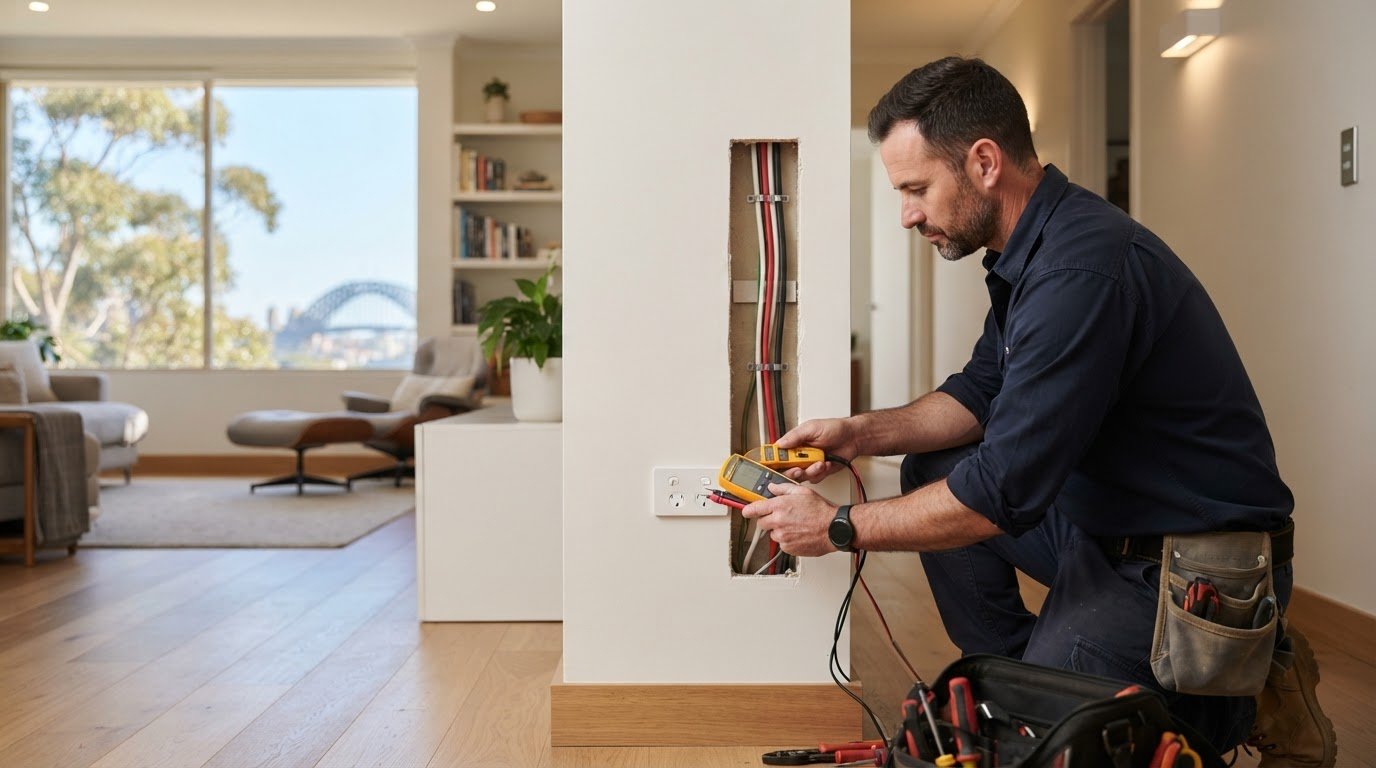
- Visual inspection: An A-Grade electrician checks roof panels and wiring for salt-mist corrosion or heat damage.
- DC isolation test: Technicians check roof isolator switches to stop arc fault hazards.
- Inverter diagnostics: System logs check output levels alongside hybrid inverter status.
- Safety shutdown test: Testing confirms your system disconnects instantly during a grid outage.
- Report issuing: You receive a certificate of compliance electrical work (CCEW) confirming full compliance.
Small electrical faults behave like minor oil leaks in a vehicle: ignored, they spread into larger failures. Booking professional Solar Panel Maintenance, Repair & Service Penrith keeps performance on track over the long term. More on this: Solar Panel Maintenance.
Arrange a complete system audit on the interval that matches your property Profile above.
What neglected panels cost you in output, safety and warranty
Skipping routine maintenance raises the risk of hardware failure and weaker warranty outcomes. When your roof collects grime, your system quietly loses power output. Salt spray in coastal Sydney corrodes wiring fast, turning a simple maintenance check into expensive repairs.
Professional solar panel servicing on the schedule above is the practical way to keep the array safe. Unchecked electrical faults can prevent a clean safety shutdown test result or contribute to fire risk.
Neglect also erodes financial returns through lost generation, not through rebate paperwork games. STCs and similar incentives are handled at installation; later cleaning or health checks do not approve or cancel those certificates. What regular checks do achieve is early fault detection so your payback period is not stretched by silent output loss. Book a qualified solar installer when your interval comes due.
Writing in the solarquotes.com.au topic "Sky Solar Energy Reviews", a contributor stated:
"Sky Solar Energy suck you in with a slick sales pitch and cheap quote. When it comes time to instal they conveniently can’t get stock of the contracted equipment so they try and substitute with alternatives." (source)
Unscrupulous installers often substitute promised components or rush jobs without proper approval, leaving homeowners stranded. Regular checks by accredited professionals confirm equipment still matches local standards and the gear you actually paid for.
When rain is enough and paid panel cleaning is optional
When frequent downpours clear dust off your roof, paying for cleaning services is often unnecessary. Sydney rain usually clears light dirt, keeping energy yield steady without extra maintenance costs.
Clean glass the way you would a car windscreen: rain removes light dust, but baked-on bird droppings need manual effort. Paid scrubbing makes sense for low-pitch roofs near trees, while steep suburban panels rarely need it. Booking a wash is a generation decision, not a rebate gate: professional cleaning does not approve, delay, or cancel Small-scale Technology Certificates.
Schedule proper solar panel servicing with a qualified solar installer when you need warranty-grade electrical verification, not only when the glass looks dull.
What servicing costs and how to verify an A-Grade electrician
Professional maintenance fees vary with location, system accessibility, and array size. Cost drivers include roof pitch, switchboard upgrades, and required safety tests. Request a personalised quote for exact Sydney figures.
NSW homeowners should verify licences via Service NSW. Victorian homeowners can confirm electrician licensing through the Energy Safe Victoria public register.
Many Sydney homeowners express frustration after being left chasing electricity providers and installers for follow-up work or refunds. You avoid that cycle by selecting an established provider who handles post-installation review procedures end-to-end. Sky High Solar and Electrical manages compliance documentation directly and has delivered electrical expertise since 2013.
Choosing a certified professional ensures your safety shutdown test (anti-islanding protection) meets modern network standards. Standard inspections suit functional systems; comprehensive overhauls fit older arrays that need a switchboard upgrade. Proper testing is how you catch hidden failures before they idle the array.
Tip: Always request a certificate of compliance electrical work (CCEW) after any full system inspection to maintain your warranty records.
Frequently asked questions
How often should solar panels be serviced?
Use a 12-month cycle for visual checks and gentle cleaning. Book electrical solar panel servicing every two years on a typical residential suburban system, and every 12 months for coastal Sydney or commercial sites. Comprehensive electrical servicing sits on a 3–5 year rhythm so the array stays aligned with Australian safety practice and your warranty records stay complete.
Can I clean my panels myself?
You can safely clean ground-mounted units, but roof access brings serious fall hazards. Rooftop work can also expose you to live electrical components and high voltages, so certified hands should handle anything beyond simple ground-level cleaning.
What cleaning tools are safe?
Soft microfibre brushes paired with plain water are suitable because harsh chemical cleaners degrade protective glass coatings. Avoid pressure washers completely: high water pressure breaks seals around the frame and allows moisture inside.
When should I use a professional cleaning service?
Hire a qualified solar installer if your roof is steep, multi-storey, or exposed to heavy salt-mist corrosion. Experts carry full safety harnesses and can check electrical wiring, isolator switches, and safety shutdown tests in the same visit.
Do I need to clean panels in the rain?
Rain rinses away light dust, but it cannot remove stubborn bird droppings, grime, or sticky tree sap. Heavy buildup blocks sunlight, so manual cleaning is still required when deposits remain after wet weather.
Keep Your Sydney System Performing Safely
How often do solar panels need servicing (solar health checks) so your property stays protected? Follow the same decision line you started with: visual care each year, electrical health checks every two years for suburban homes (annually on the coast or on commercial roofs), and comprehensive electrical servicing every 3 to 5 years. Sydney coastal salt-mist degrades hardware quickly, so coastal owners should stay on the tighter end of that range.
Regular maintenance protects your solar panel warranty position and verifies that safety shutdown tests operate correctly during grid outages. Modern network rules expect protection systems to work when called on.
Booking an inspection on that schedule protects long-term output without guesswork. Learn more about home and commercial solutions at Sky High Solar Products, or Contact the team in 2026 to schedule your next system check.