

 Sydney
 0452 243 240
Blog
Cost of an Enphase System for 6.6kW: Pricing and Extra Costs

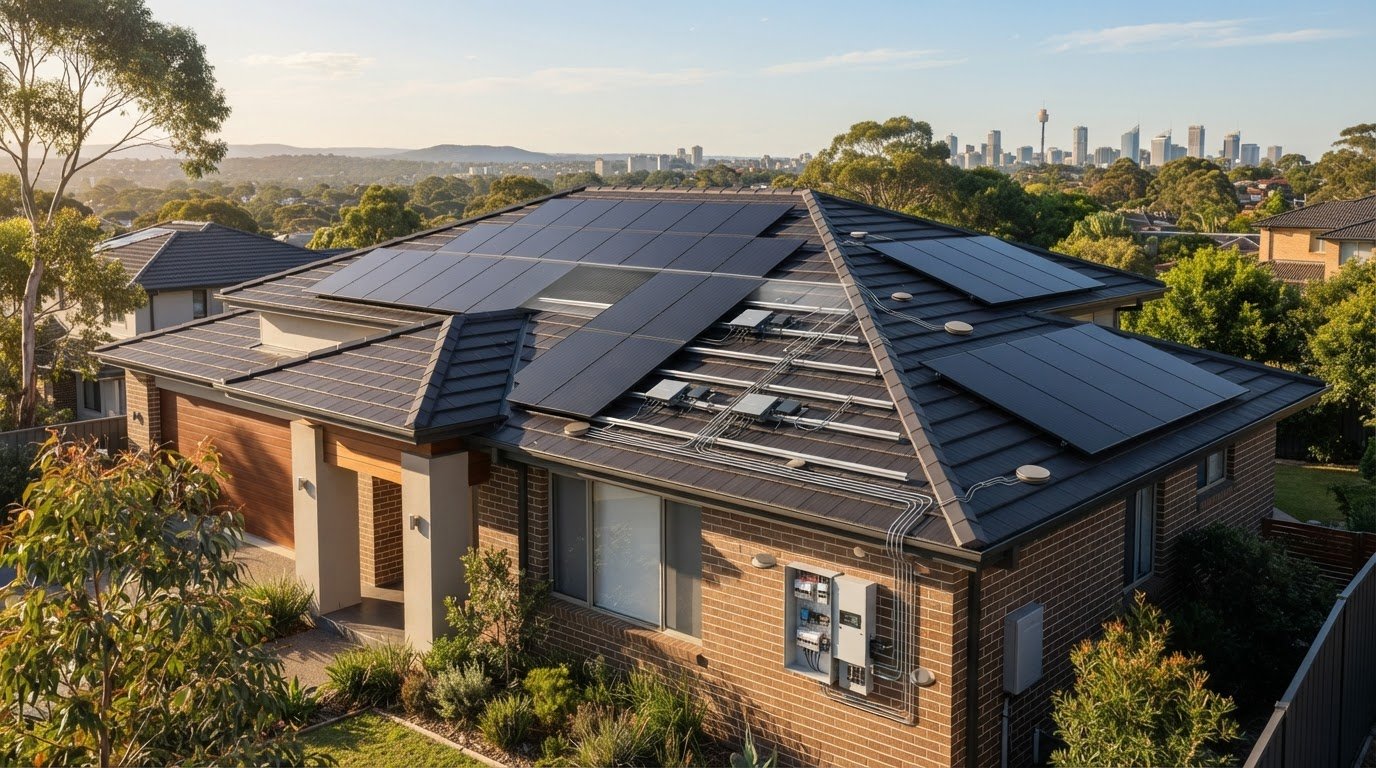
Enphase adds a premium to a 6.6kW solar system because it uses microinverters rather than a single central inverter. The cost of an Enphase system for a 6.6kW installation depends on the panels selected, roof layout, installation complexity and any electrical work needed. A project-specific price is provided after a quote request, with these factors shaping the final figure.
It’s reasonable to want a clear view of the upfront cost before choosing a solar system. This guide explains how Enphase microinverters affect pricing, what can add to an installation cost in Sydney, and how rebates may influence the amount you pay. You’ll also see what to look for in a quote so you can understand how the equipment and installation details contribute to the total.
Key Takeaways
- Enphase microinverters add to a system’s cost, while providing panel-level monitoring and optimisation.
- The installed price depends on the equipment selected, roof layout and installation complexity, so compare what each quote includes.
- Check that your quote clearly lists the panels, microinverters and installation work, not just the system size.
- In Sydney, roof conditions and any required electrical work can affect the final installation price.
- Rebates may reduce upfront costs; the article explains how solar certificates and battery incentives can apply.
Additional cost of Enphase microinverters
Enphase microinverters add equipment and installation costs compared with a central string inverter. Each microinverter sits beneath a solar panel and converts that panel’s direct-current electricity into alternating current. A 6.6kW design using Enphase IQ8+ microinverters has one microinverter per panel, so the panel count affects the equipment required.
Power optimisers also work at panel level, but they do not replace the central inverter. They condition each panel’s output before electricity reaches that inverter. Because the hardware and system design differ, compare the equipment listed in each quote rather than treating optimisers and microinverters as identical. With a string inverter, panels share one inverter; Enphase distributes conversion across the array.
NSW quotes may express system pricing per watt, which lets you compare different system sizes on a consistent basis. For a 6.6kW system, convert the capacity to watts and divide the quoted system total by that capacity. The resulting figure is only meaningful when quotes cover comparable panels, inverter equipment, installation work and electrical requirements. Avoid comparing a bare equipment figure with an installed system quote.
The upfront premium may make sense when roof conditions complicate a shared string design. Enphase microinverters provide monitoring and optimisation at panel level, helping you assess differences in output across a shaded or complex roof. For example, shade affecting one panel can be assessed separately rather than viewing only the array’s combined output through a central inverter. Whether that added visibility is worth the cost depends on your roof and expected generation.
Warranty terms vary by model. Enphase microinverter warranties range from 10 to 25 years, so check the specific model and coverage stated in your quote. Compare that term with the warranty for the panels and other inverter equipment. A longer warranty can reduce exposure to replacement costs, but it doesn’t establish the system’s payback by itself; electricity use, self-consumption and installation design also matter.
How much electricity can a 6.6kW Enphase system generate across Australian regions? A 6.6kW solar system can generate around 8,000-12,000kWh per year in Australia, with location affecting the result. Roof orientation, shading and local sunlight influence the output in Sydney and elsewhere.
For a fair comparison, list the system size, panel model, inverter type, warranty and installation scope side by side. The 133% oversizing rule allows panel capacity up to 133% of inverter rating, so a 5kW inverter paired with a larger panel array may form a different design from an Enphase system. The price depends on equipment, roof layout, shading and installation complexity; your exact figure is provided in a quote for your circumstances.
6.6KW system pricing
A 6.6kW solar system quote is shaped by more than the panel capacity printed at the top. The panel brand and model, inverter configuration, mounting equipment and installation scope all affect the total. For an Enphase design, compare the listed microinverters and panels with a string system quote, rather than comparing headline totals alone. That makes equipment differences visible before you assess value.
System size also affects the design. A household considering 6.6kW may have different needs from one planning a larger array or adding a battery. The right comparison starts with your electricity use, available roof area and the times you use power. Monitoring can help you understand generation and consumption after installation, but the quote should clearly describe the equipment and work included.
Use the same checklist for every quote to separate equipment differences from variations in installation scope:
- Panels: record the manufacturer, model and total panel capacity.
- Inverter: identify Enphase microinverters or a central string inverter, including the specified model.
- Installation: compare mounting, electrical work and any site-specific requirements listed.
- Future plans: note whether a battery or a larger system is part of the design, rather than assumed.
For example, two quotes for a 6.6kW system may differ because one includes a more detailed equipment specification, while another describes only the system size. Ask what each line covers in practical terms: panel supply, inverter equipment, installation and any electrical work. A clear itemisation lets you compare like with like without treating a lower headline figure as equivalent value.
Consider the payback period alongside the upfront cost. It depends on how much solar electricity your household uses directly, how much it exports, and the electricity rates that apply. A battery changes the way you use solar by storing some excess generation for later, so compare a solar-only design separately from a solar-and-battery proposal. A battery does not automatically improve the financial result.
Check the inverter capacity and panel capacity as separate figures in every quote. A 5kW inverter paired with a 6.6kW panel array is a different configuration from an Enphase system, and the design should explain that pairing. If you are comparing a 10kW proposal, review its equipment and installation scope independently; a larger system is not a direct price comparison for a 6.6kW household.
Check that each quote states its assumptions about roof layout, access and electrical work. These details explain why installers may propose different designs for the same home. Comparing them on a like-for-like basis helps you weigh upfront cost, expected use and potential payback.
What equipment is included in a 6.6 kW Enphase solar quote in Australia?
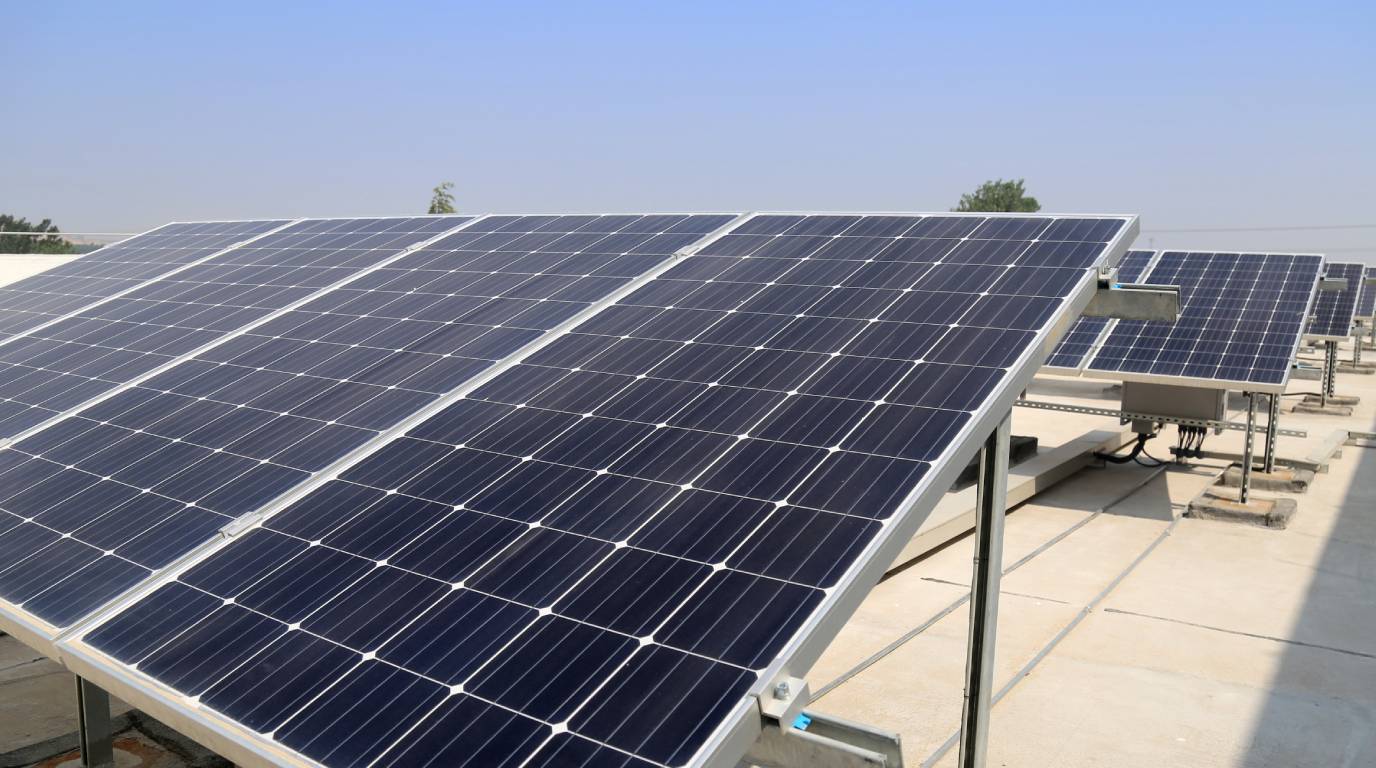
A solar quote should identify the panels, Enphase microinverters and installation materials for the proposed system. One listed Australian 6.6kW example pairs 20 LG panels rated at 330W each with Enphase IQ6+ microinverters. The panel ratings add to 6.6kW, making it easier to check how the quoted system reaches its stated capacity.
Panel and microinverter models matter because equipment determines the system design. A separate premium 6.6kW configuration uses Enphase IQ8+ microinverters, with one microinverter per panel. These examples show why the brand and model numbers belong in the quote, rather than a broad description such as “premium panels”. Check that the panel count and combined rated capacity match the system size shown.
Mounting equipment and electrical materials are also part of the installation scope. The quote should describe the mounting approach and identify the wiring and connection work included. Roof shape and panel placement affect the array layout, so the proposed plan should show how the panels fit the available roof area. This helps distinguish equipment supply from site-specific installation work.
For a clear comparison, look for these details in the equipment schedule:
- Solar panels: manufacturer, model, panel count and wattage, such as 20 LG panels at 330W each.
- Microinverters: Enphase model and quantity, with the design explaining how they correspond to the panels.
- Mounting and electrical materials: listed components and a description of the installation scope.
- Monitoring: the Enphase monitoring equipment or platform specified for viewing system performance.
Monitoring is useful because Enphase microinverters provide panel-level monitoring and optimisation. Check how the quoted monitoring setup presents system output, so you know what information will be available after installation. If your roof has multiple orientations, the design should clearly show the panel layout and corresponding microinverter arrangement.
Separate included equipment from optional additions. A battery is a distinct storage component and should appear as a separate item if included in the proposal. This makes clear whether the quote covers solar generation alone or storage as well. Apply the same approach to electrical work outside the array: look for its scope in writing rather than assuming it is included in the panel equipment list.
Before comparing proposals, match panel count, panel wattage, Enphase model, monitoring details and installation scope. A quote listing 20 panels at 330W provides a concrete example, but another design may use different panel ratings. Comparing the actual schedule helps you understand what equipment and work each system includes, while keeping the stated capacity and proposed layout in view.
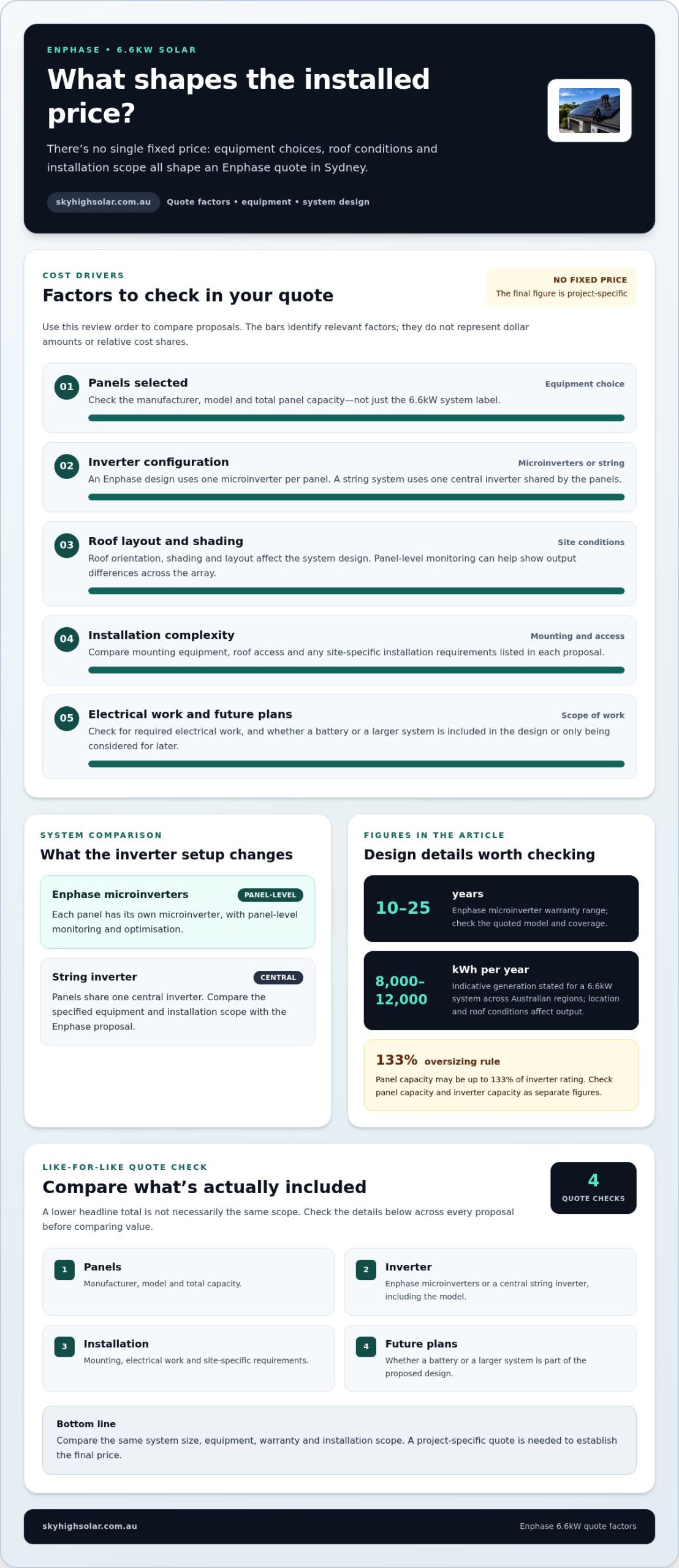
What factors affect the installed price of a 6.6 kW Enphase solar system?
The 6.6kW capacity sets a starting point, but your roof and electrical layout shape the installation work. Sydney homes can need different designs because roofs vary in orientation, usable area, shading and panel placement. A simple layout may allow a straightforward array, while panels spread across separate roof faces can require extra configuration. Review the proposed array plan to see how the installer has accounted for each roof section.
Access is another part of the installation scope. Panels and equipment need to be moved safely to the planned array location, and roof pitch, obstructions and the work area can affect how the installation is organised. A roof with several usable sections, for example, may need a more involved panel layout than one open roof face. Check that the quote describes any access or layout requirements that affect the work.
Panel selection and inverter design influence the equipment schedule. Enphase microinverters are installed at panel level, so the proposed panel arrangement informs the system configuration. If the design uses the 133% oversizing rule, check that the quote explains the panel-to-inverter pairing. The stated panel capacity and inverter specifications should be clear, allowing you to understand how the selected equipment fits the proposed design.
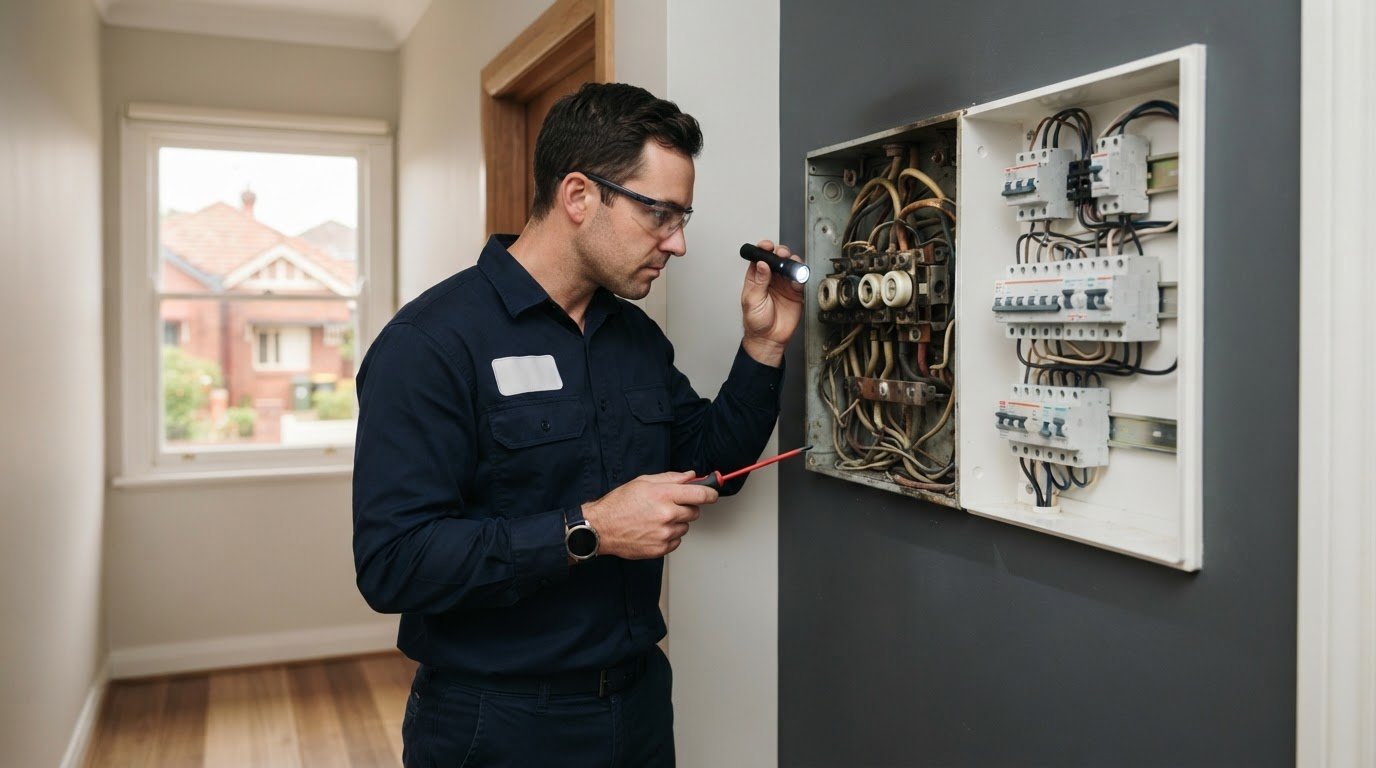
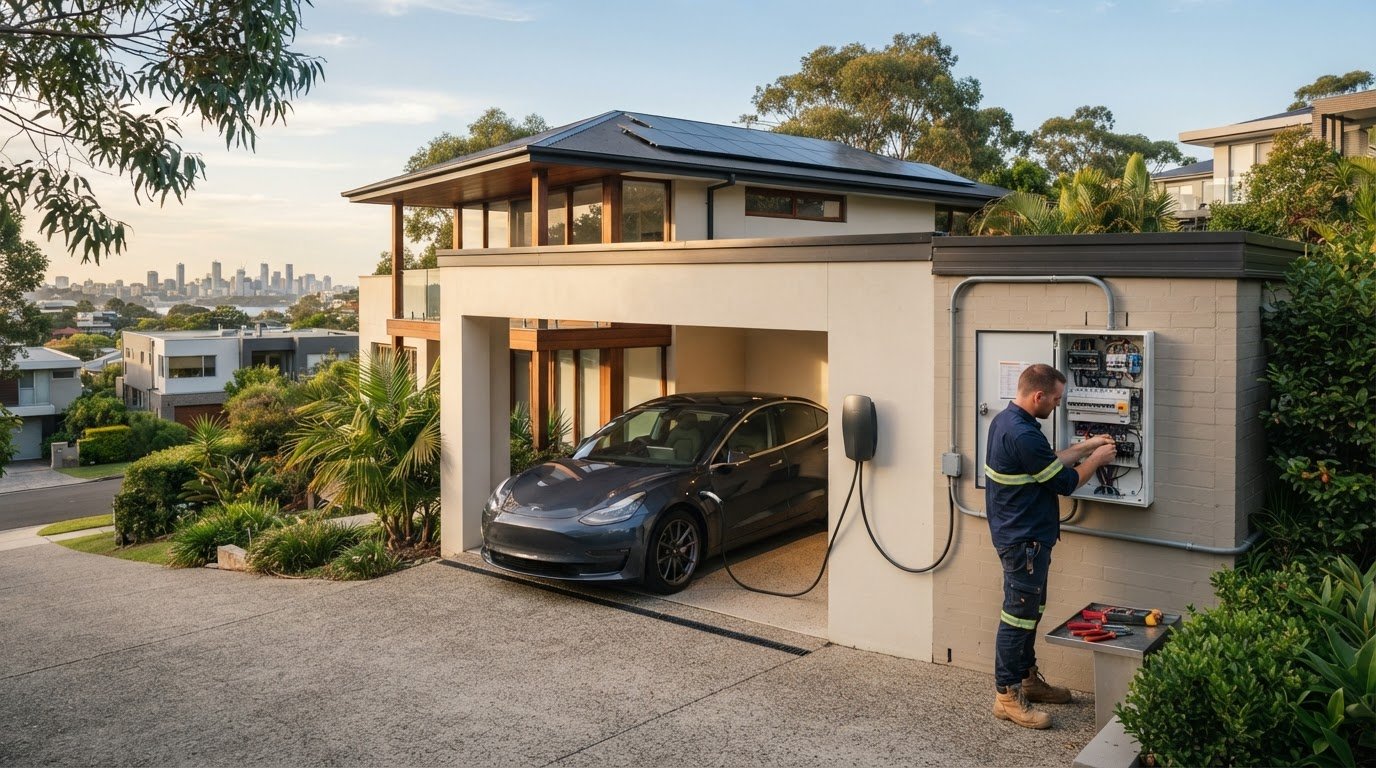
Existing electrical infrastructure matters too. The switchboard, wiring route and connection point affect the work needed to integrate solar with your home. If electrical changes are required, they should appear as distinct scope items. This makes clear whether the proposal covers the array installation alone or also prepares the home’s electrical setup.
Compare the design assumptions in each proposal, not just the system label. Review these factors side by side:
- Roof layout: note panel placement, shading and any split-array design.
- Access: compare the installation requirements described for your roof.
- Electrical work: identify the connection scope and any switchboard work.
- System design: match the panel capacity with the specified Enphase equipment.
Future additions can shape the initial design. If you plan to add a battery later, discuss how that goal affects equipment choices and electrical layout. A battery is a separate component, so a solar-only quote and a proposal that includes storage have different scopes. Compare them as distinct options and check that each names the equipment and work included.
For a useful comparison, keep the system capacity consistent and list the equipment, roof configuration and electrical work in each quote. The installed cost depends on equipment selection, roof access, array layout and required electrical work. Your exact cost will be set out in a quote based on your circumstances. Clear line items explain the differences between proposals and show how each design suits your property.
What rebates and incentives apply to a 6.6 kW Enphase solar system in Australia in 2026?
For a 6.6kW solar system in Australia, the main upfront support discussed here comes through small-scale technology certificates, or STCs. The certificate scheme is scheduled to end in 2030. STCs represent predicted renewable electricity generation over a system’s lifespan, with each certificate representing 1MWh. The number created depends on system details and location, so a 6.6kW quote should show how its STC discount has been applied.
The certificate value is about A$38 each, according to the supplied current 2026 figure. Rather than receiving certificates directly, a household can assign the right to create STCs to a registered agent. According to the Clean Energy Regulator, this arrangement might provide an upfront discount on the system’s cost. Check the quote’s gross price, STC deduction and resulting payable amount as separate line items.
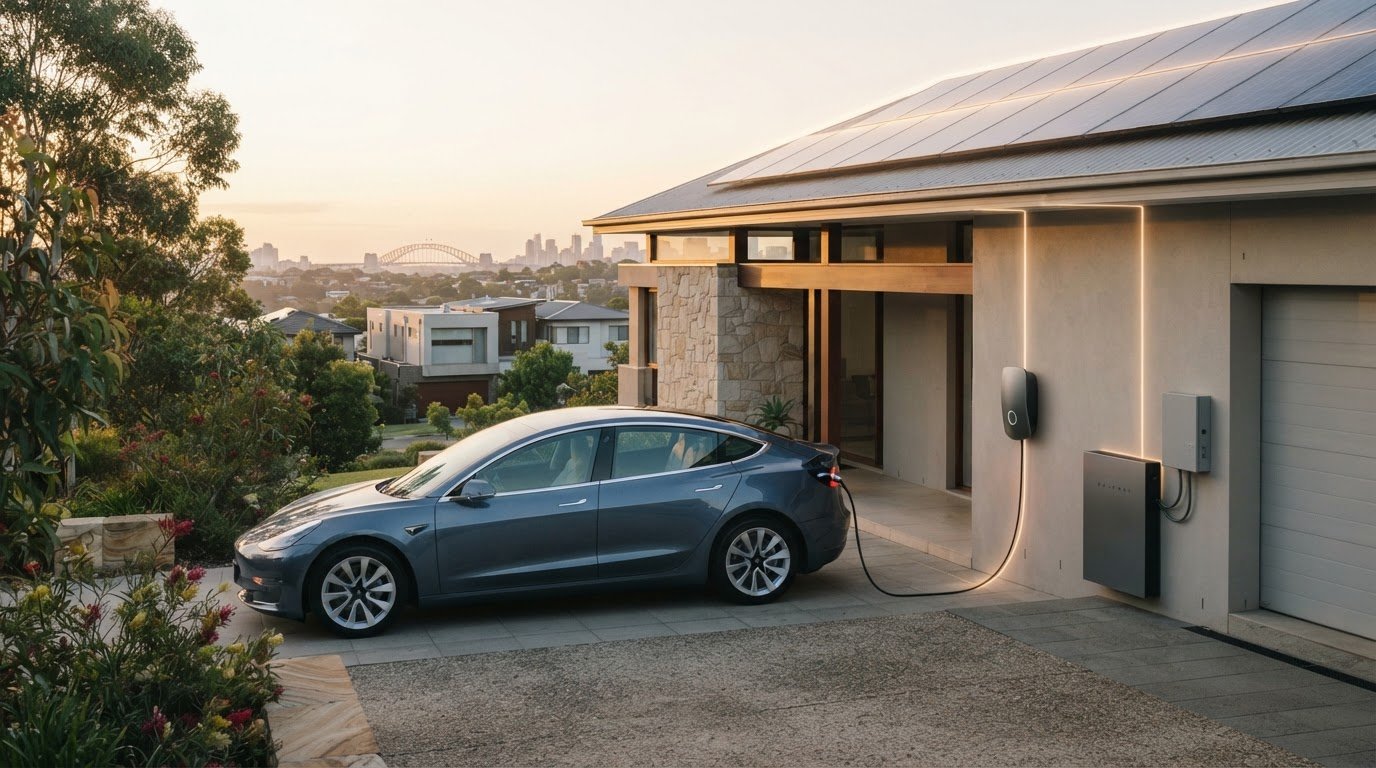
STCs relate to solar generation, while the federal battery rebate applies to battery storage rather than solar panels alone. The Australian Government Department of Climate Change, Energy, the Environment and Water states that the federal battery rebate can provide about 30% off. This incentive may matter if you plan to pair solar with a qualifying battery, but it should not be treated as a discount on an Enphase solar-only system.
Keep the two incentives separate when comparing proposals. A 6.6kW solar quote may show an STC discount, while a solar-and-battery proposal may also account for battery support. Ask for the solar and battery components to be itemised independently. That makes it easier to understand which incentive relates to each part of the system and whether the displayed total includes both.
Use this simple review when assessing a 2026 quote:
- Find the STC line: check the certificate deduction and the price before and after it.
- Check the agent arrangement: identify whether STC creation rights are assigned to a registered agent.
- Separate battery support: confirm the battery rebate is applied to the battery component, not assumed against solar equipment.
- Compare equivalent proposals: distinguish solar-only quotes from quotes that include storage.
Incentives can affect the upfront cost, but they do not determine long-term payback on their own. Daytime electricity use, exported generation and battery use also influence the financial outcome. Consider these factors separately from the rebate calculation when reviewing a system’s expected value.
If you’re planning solar with storage, explore solar and battery options with Sky High Solar and Electrical and compare how each component fits your household’s energy use.
Sky High Solar and Electrical: 6.6kw Solar Panel Installation
Sky High Solar and Electrical can help you turn your Enphase research into a solar design suited to your home’s roof and energy use. Its 6.6kw Solar Panel Installation is relevant if you’re comparing panel-level microinverters with other system configurations and want the equipment and installation scope considered together.
If your household is planning for higher electricity use or future expansion, compare the 10kw Solar Panel Installation as another system-size option. For storage planning, the FOX ESS CQ7 High Voltage Storage Battery may suit a solar-plus-battery design, while the SigenStor Integrated Solar Inverter & EV DC Charger combines solar and EV charging functions.
Contact Sky High Solar and Electrical to discuss your solar installation requirements.
Make your next solar decision with clarity
The right solar design starts with how your household uses electricity, not simply the equipment name on a quote. Before deciding, consider which loads run during daylight, whether your roof layout needs a tailored array and whether battery storage fits your future plans. Those priorities help you assess the cost of an Enphase system for a 6.6kW installation against the value of its panel-level design.
A clear proposal should connect your energy goals with the equipment and installation scope, so you can make a decision based on practical needs. Sky High Solar and Electrical can help you explore a suitable solar system for your home and discuss storage options as part of your planning.
Contact Sky High Solar and Electrical to discuss your solar plans and take the next step with confidence.
Frequently Asked Questions
What is the installed cost of a 6.6 kW Enphase solar system in Australia?
There isn’t one installed price for every Australian home. The cost of an Enphase system for a 6.6kW setup is quoted for the project, based on its selected equipment and installation scope. For a practical comparison, check whether each proposal describes a complete installed system or only supply. That distinction helps you avoid comparing an equipment-only figure with a finished installation.
What is the typical price of a 6.6 kW Enphase system before and after the federal solar rebate?
A single before-and-after total doesn’t apply to every 6.6kW system. Solar incentives and battery incentives are separate: the federal battery rebate relates to battery storage, not a solar-only system. For a useful comparison, treat a solar-only proposal separately from one that includes storage, and check that any displayed rebate is attributed to the relevant system component. The quote should make the payable total clear.
How much do Enphase microinverters add to the cost compared with a string inverter for a 6.6 kW system?
There isn’t one fixed add-on that applies to every 6.6kW comparison. The difference depends on the particular models and the system design in each proposal. Compare the quoted panel and inverter model numbers, then check whether monitoring equipment and commissioning are included in both scopes. This provides a clearer comparison than treating “microinverter” or “string inverter” as a complete equipment specification.
How do 6.6 kW Enphase system prices vary by Australian state and city?
Location can affect the net cost through differences in applicable solar incentives, while local electricity tariffs mainly affect potential bill savings rather than the installation price. When comparing a Sydney quote with one from another Australian city, use the same basis: equipment, installation scope and rebate treatment. Keep projected bill savings separate from the upfront cost so regional tariff differences do not distort the comparison.