

 Sydney
 0452 243 240
Blog
Choosing Between 6.6kW and 10kW Solar for Parramatta Homes

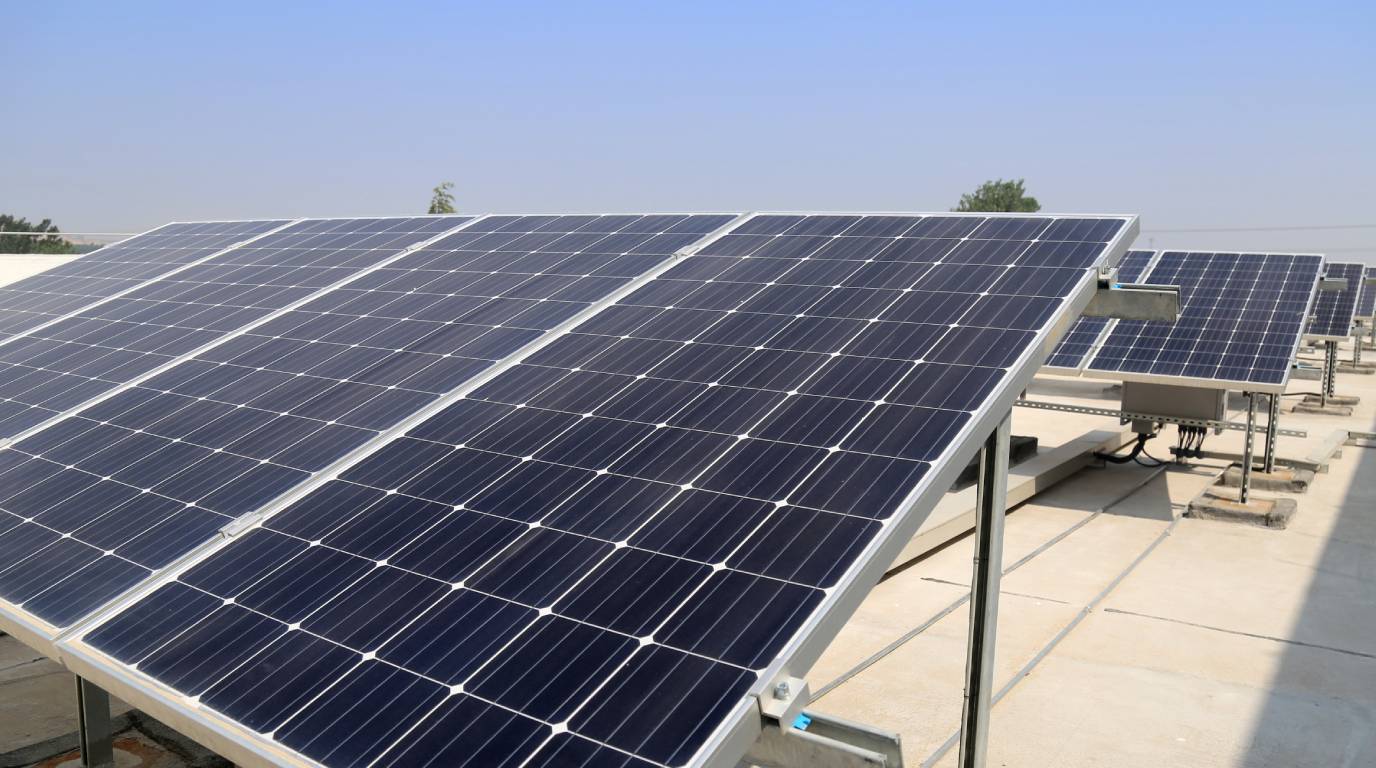
Deciding between a 6.6kW solar system, which Parramatta installers commonly quote, and a larger 10kW solar system, which Parramatta homes are increasingly choosing, comes down to how much power your household actually uses. Both sizes are popular across Western Sydney, but the right pick depends on your roof space, daytime usage and plans such as an EV or a pool.
Key Takeaways
- A 6.6kW system (around 15 to 18 panels, 22 to 28 kWh per day) suits two to four-person households with moderate daytime usage.
- A 10kW system (around 22 to 26 panels, 36 to 42 kWh per day) suits larger households, or homes running ducted air conditioning, a pool pump or a planned EV charger.
- According to the Australian Energy Regulator, the average Australian household uses about 15 to 20 kWh per day, so a 6.6kW system can cover a typical daytime draw while a 10kW system leaves more headroom.
- Roof space, north or west facing area, single or three phase supply and future battery plans matter as much as upfront cost.
- Using solar power during the day is usually worth more than the feed-in tariff paid for exports, and shading can reduce output on any system size.
What to Expect from a 6.6kW Solar System for Your Parramatta Home
A 6.6kW system remains the most common residential size across NSW, largely because it fits neatly under older single-phase inverter limits and suits an average family home.
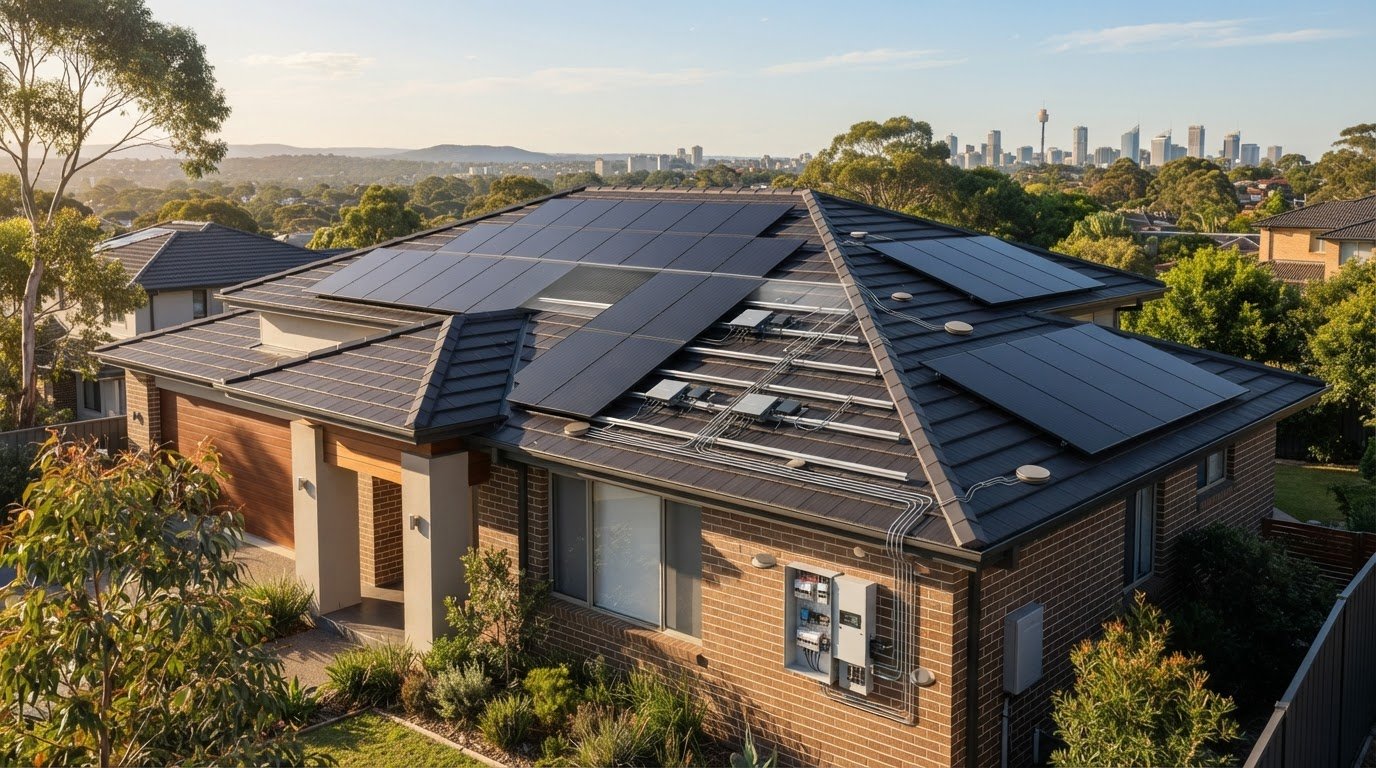
- Around 15 to 18 panels, depending on panel wattage
- Roughly 24 to 28 square metres of roof space required
- Generation of approximately 22 to 28 kWh per day in Sydney conditions
- A strong fit for two to four-person households with moderate daytime usage
How a 10kW Solar System Supports Larger Parramatta Households
A 10kW solar system, which Parramatta owners choose, usually suits larger households or homes planning for the future.
- Around 22 to 26 panels, depending on the wattage of the panel
- Roughly 40 square metres of roof space required
- Generation of approximately 36 to 42 kWh per day in Sydney conditions
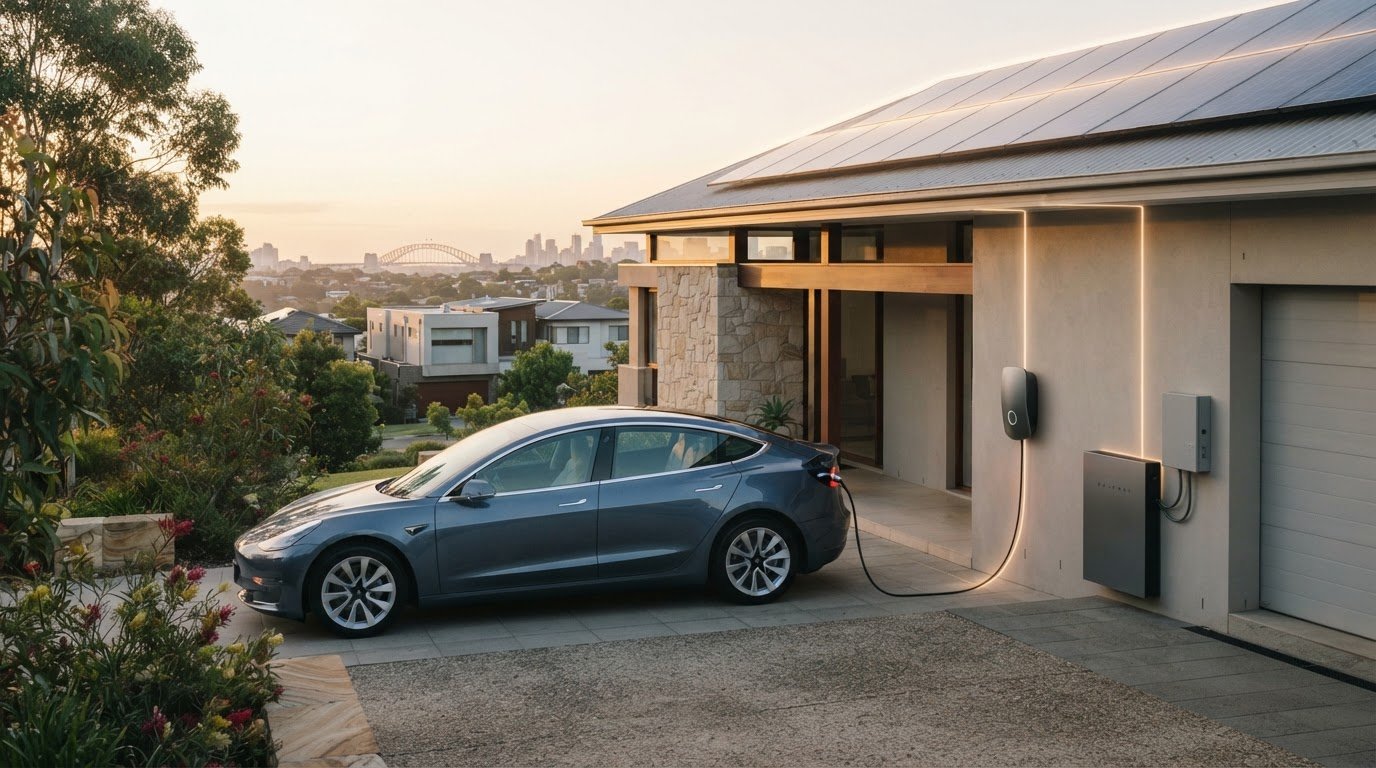
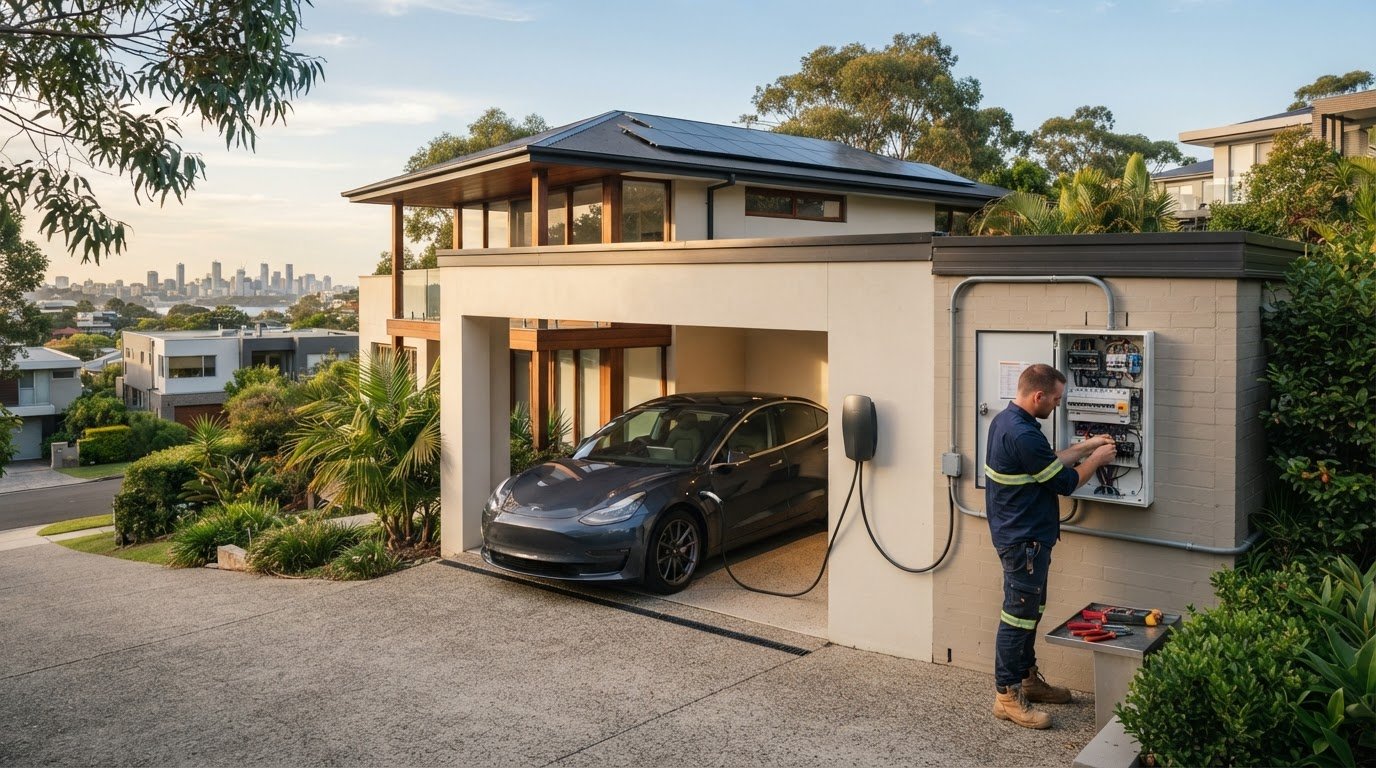
- Better suited to homes running ducted air conditioning, a pool pump, or planning an EV charger
6.6kW vs 10kW Solar Output and Savings Compared
The table below sets out how the two sizes typically compare for a Parramatta rooftop:
| Factor | 6.6kW System | 10kW System |
|---|---|---|
| Approximate panel count | 15 to 18 | 22 to 26 |
| Daily generation | 22 to 28 kWh | 36 to 42 kWh |
| Roof space needed | 24 to 28 sqm | Around 40 sqm |
| Ideal household | Small to medium | Medium to large |
| Upfront cost | Lower | Higher |
According to the Australian Energy Regulator, the average Australian household uses approximately 15 to 20 kWh of electricity per day, which means a 6.6kW system can already cover a typical home’s daytime draw, while a 10kW system leaves more headroom for growing energy needs.
Best Solar System for Parramatta Homes Depends on These Factors
Working out the best solar system for homes in Parramatta actually comes down to a few practical questions:
- How many people live in the home and when do they use electricity
- Is there a pool pump, ducted air conditioning, or an EV on the horizon
- How much north or west facing roof space is actually available
- Is a single phase or three phase power connection installed
- What is the household’s appetite for a larger upfront investment
Choosing the Right Solar System Across Sydney Suburbs
Solar systems Sydney-wide are not one-size-fits-all. Coastal suburbs often deal with salt air corrosion, while western suburbs like Parramatta face more extreme summer heat, which affects panel efficiency and inverter placement. A locally experienced installer accounts for these differences rather than applying a blanket recommendation across the region.
Solar Panel and Installation Across Penrith and Richmond
Homes further west are not left out of this comparison. Solar panels that Penrith residents choose and solar installation service for Richmond projects follow the same sizing logic, though these areas often see higher summer temperatures, which can be factored into panel selection and system design. A good installer working across Penrith, Richmond and the Blue Mountains will size a system around local climate data rather than a generic average.
Key Things to Consider Before Installing Residential Solar in Sydney
Before settling on a system size, residential solar systems that Sydney homeowners should confirm:
- Their current and projected daily electricity usage
- Available rebates and how they apply to each system size
- Warranty terms on panels, inverters and workmanship
- Whether battery storage is planned now or later, since this can affect inverter choice
What This Means for Your Power Bill Over Time
Bill savings rarely come down to system size alone. A 6.6kW rooftop solar system can still deliver a strong payback period for a modest household. In contrast, a 10kW solar system installation tends to pay for itself faster for larger households simply because there is more usage to offset in the first place.
- Larger systems cost more upfront but often produce a lower cost per kilowatt of capacity installed
- Self-consumption during the day is usually worth more than the feed-in tariff paid for exports
- Sizing the inverter with future battery expansion in mind makes upgrading easier later
- Shading from trees or neighbouring rooftops can affect output regardless of system size
Final Thoughts on Choosing a Solar System from Sky High Solar
Both a 6.6kW and 10kW setup can deliver strong savings, but the right choice depends on how your household actually uses power today and where it is headed. A locally based team that has installed both 6.6kW solar systems for Parramatta home setups and larger systems across Sydney can help match the system to your roof and your bill.
Sky High Solar and Electrical has been installing and servicing residential and commercial solar systems across Parramatta, Penrith, Richmond and the wider Sydney region for over a decade. Call us today for tailored advice on the right system size for your home.