

 Sydney
 0452 243 240
Blog
Home EV Charger Costs in Sydney: Prices and Installation Factors

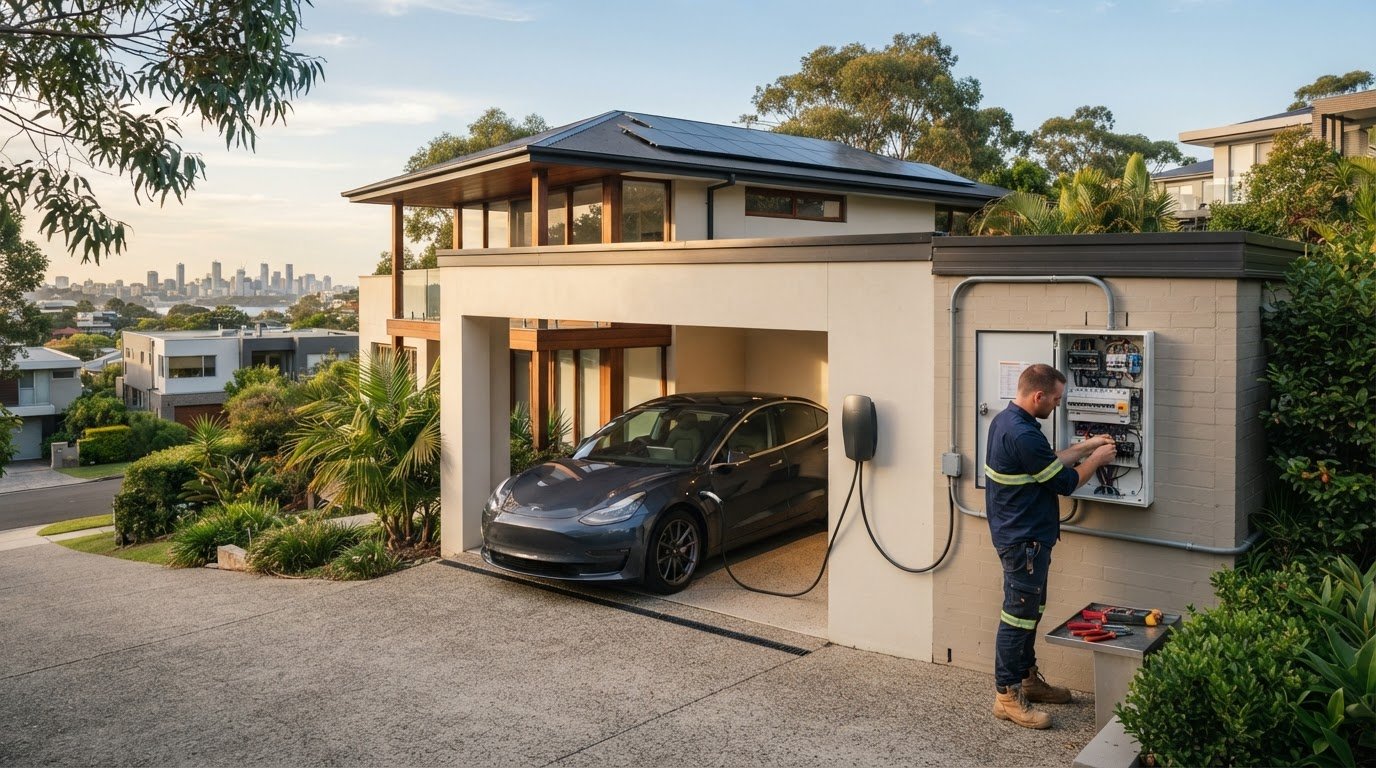
The wallbox is only part of the home EV charger installation cost in Sydney. The total depends on the charger, the cable route to your parking space, your switchboard’s capacity and whether you want to coordinate charging with solar. Homes and apartments can also involve different installation requirements.
The charger may seem like the main expense, but the electrical work needed to connect it safely can have a similar effect on the final cost. A straightforward installation is different from one that needs a longer cable run or switchboard work.
This guide explains how wallbox choice, solar add-ons, cabling, property type and available rebates can affect your budget. You’ll also see why matching the charger to your vehicle and home’s electrical supply matters, so you can assess the options with a clearer view of what your installation involves.
Key Takeaways
- Separate the wallbox price from installation work: cabling, electrical capacity and switchboard changes can all affect the final quote.
- Match the charger to your vehicle and home’s power supply; a higher-capacity unit may not deliver faster charging if either is the limiting factor.
- Solar charging can change the running-cost picture, so consider how your charger will work with your solar setup and when your home generates power.
- For apartments and commercial sites, factor in shared infrastructure and property-specific approval requirements as well as the charger installation itself.
- Eligible NSW households can apply for a zero-interest loan of up to A$15,000 through the Home Energy Saver program, according to the NSW Government.
How Much Does It Cost to Install an EV Charger at Home in Sydney?
Installation costs depend on the charger, electrical supply, cable route and any switchboard work.
Electrician costs and quote inclusions
An installation quote should set out the equipment and electrical work needed to connect a charger at your home. A short cable run and suitable switchboard involve different work from a longer route or electrical upgrades.
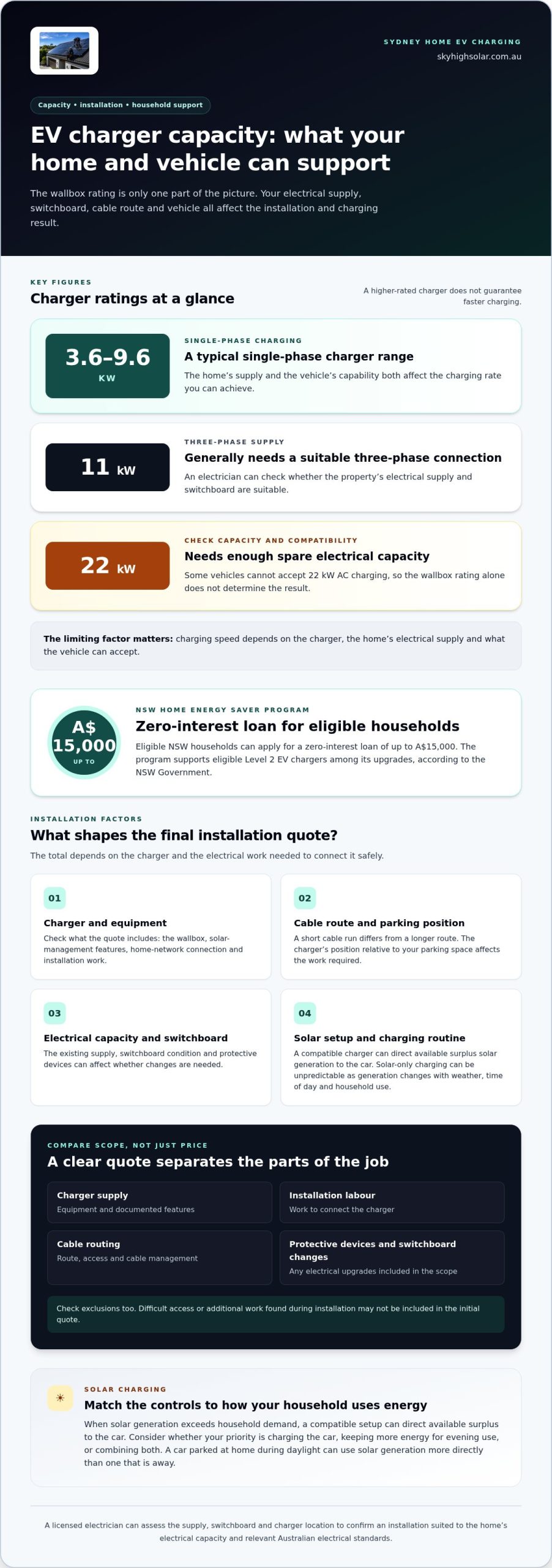
Electrician costs depend on the work involved, not just the wallbox. A useful quote separates charger supply, installation labour, cable routing, protective devices and switchboard changes. It should also explain exclusions, such as difficult access or additional work identified during installation.
Compare quotes by scope, not headline price alone. A lower figure may assume a shorter cable route or fewer electrical changes. The home EV charger installation cost in Sydney depends on the property’s existing electrical setup, charger location and selected equipment.
Where a charger installation is being priced, the final amount depends on the property, cable route, electrical capacity and equipment selected, and is provided after a quote request. These factors help explain why two Sydney homes can receive different estimates.
Electrical supplies and installation requirements
Single-phase and three-phase supplies describe the electrical connection available to a home and affect charging capacity. A higher-rated wall connector won’t increase charging speed if the home’s supply or the vehicle cannot support it.
A single-phase charger may operate between 3.6 kW and 9.6 kW. An 11 kW charger generally needs a suitable three-phase supply, while a 22 kW charger also needs enough spare electrical capacity. Some vehicles cannot accept 22 kW AC charging, so the charger’s rating alone doesn’t determine the result.
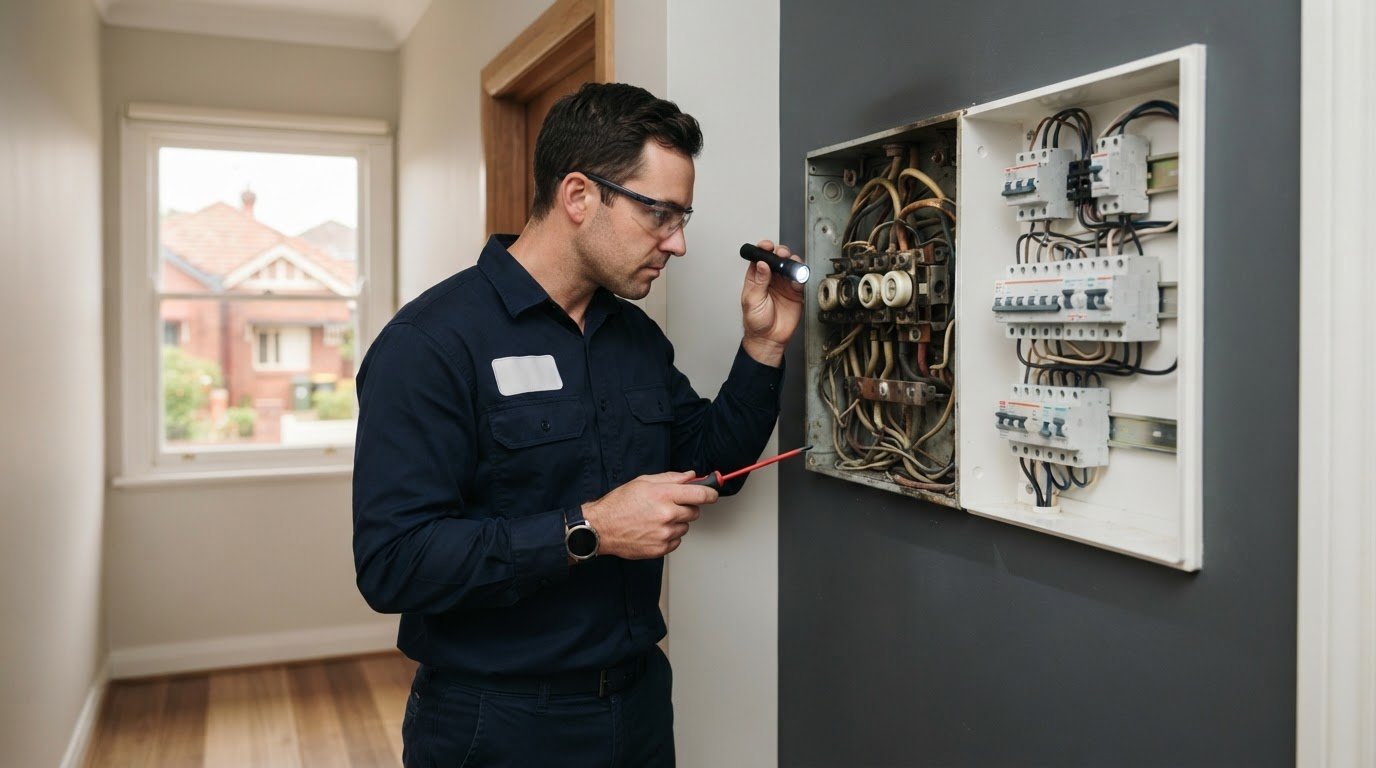
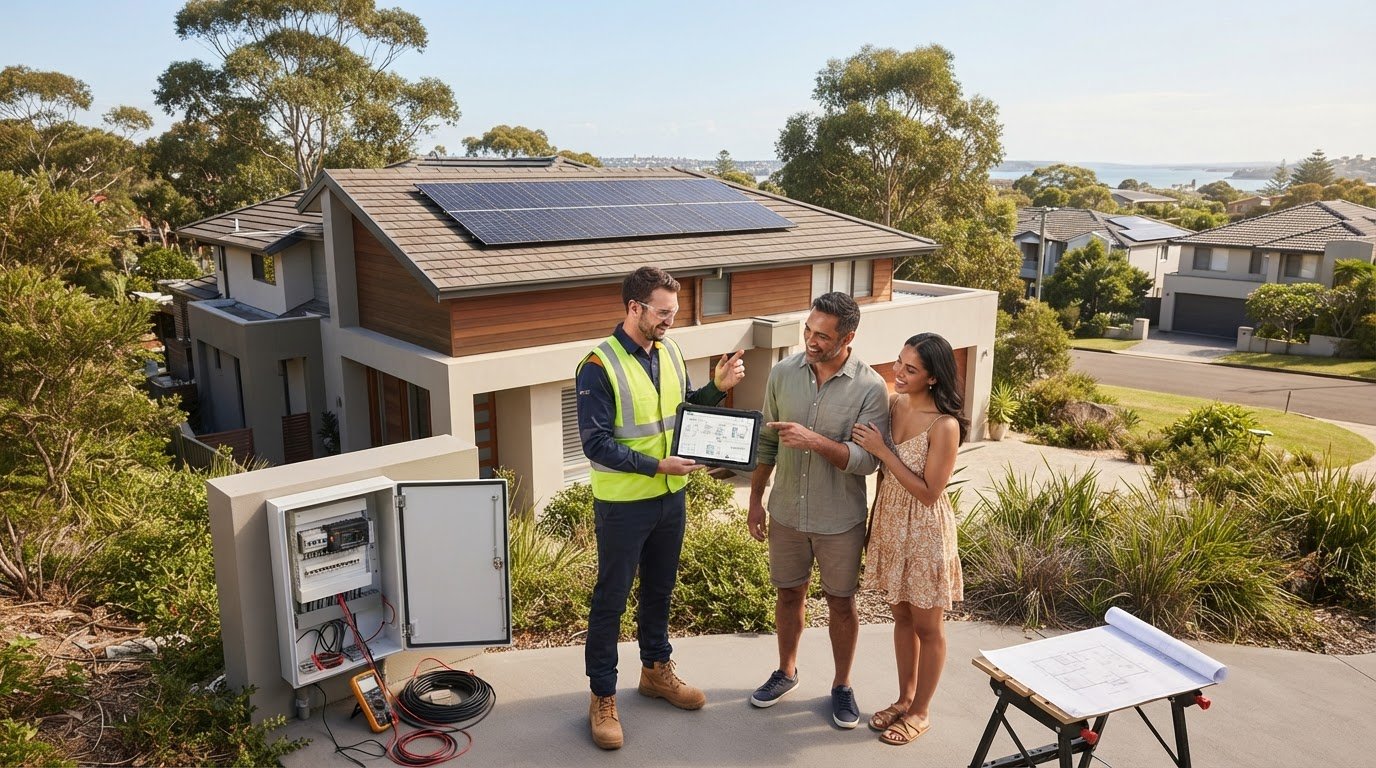
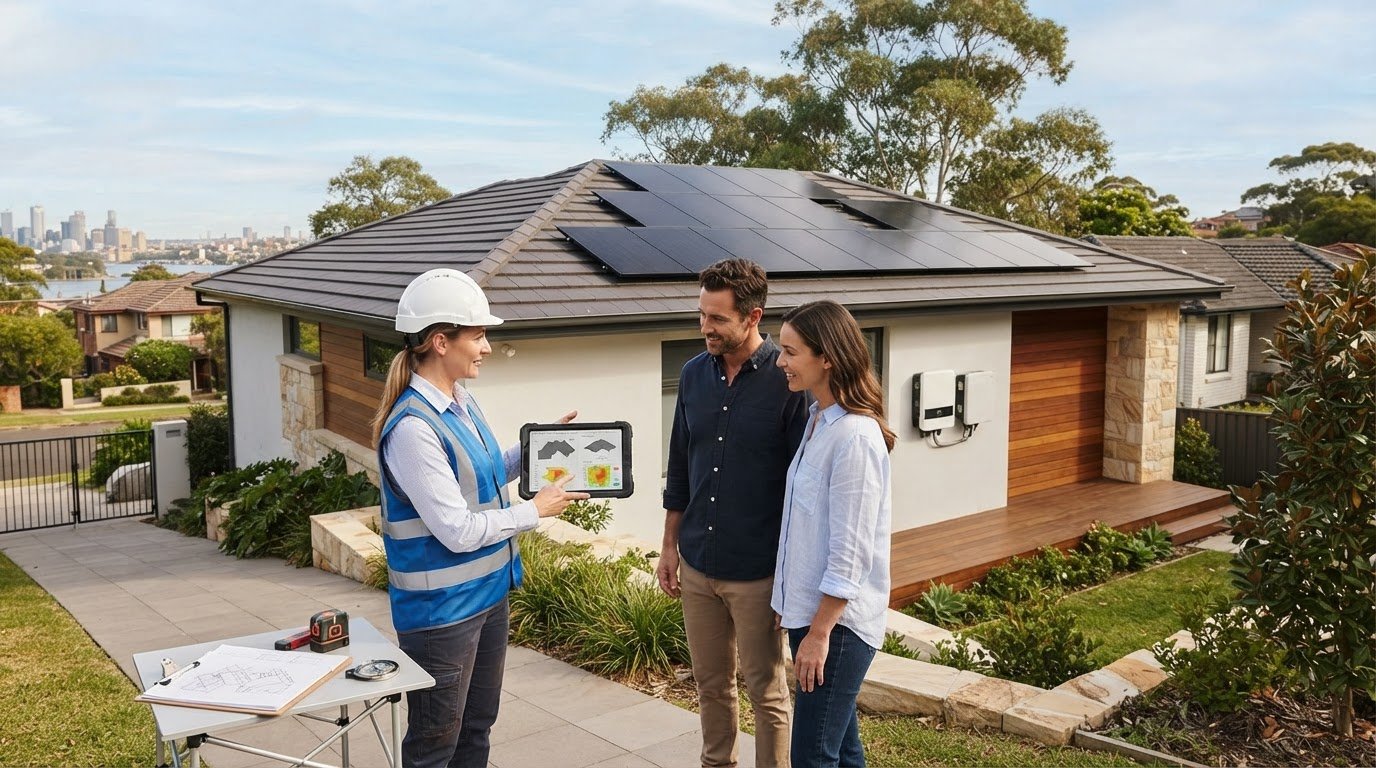
A licensed electrician can assess the supply, switchboard and proposed charger location. The installation should suit the home’s electrical capacity and relevant Australian electrical standards. An assessment helps establish whether the existing setup can support the selected charger or needs changes first.
Eligible NSW households can apply for a zero-interest loan of up to A$15,000 through the Home Energy Saver program, according to the NSW Government. The program supports eligible Level 2 EV chargers among its upgrades, making it relevant when planning household energy improvements.
Safety and installation warranty
Electrical safety depends on correctly assessing and connecting the charger, supply and protective equipment. The installation must suit the home’s electrical system, not rely on the wall connector’s advertised capacity alone.
Keep the quote, equipment details and installation records together. They show what was installed and which work was completed. The installer’s documentation should identify the electrical work and any limits that apply to the installation.
Separate the charger manufacturer’s product warranty from any workmanship cover for installation. They may address different issues, so read the written terms for what is covered, how long cover lasts and any conditions. A product warranty does not automatically cover cabling or installation work.
Running costs depend on the charging rate and the amount of energy used. The home tariff is an Australia-wide guide, not a Sydney-specific offer.
Wallbox charger prices and solar charging add-ons
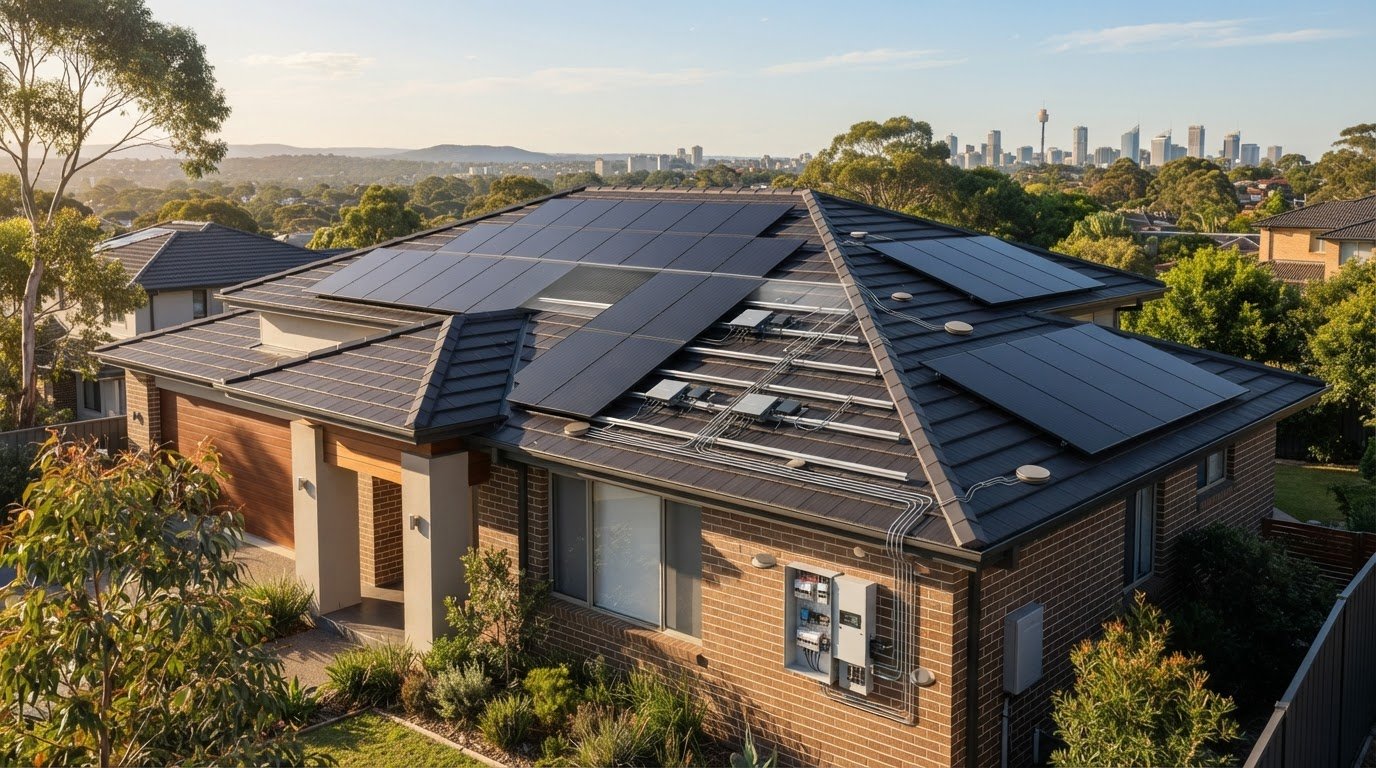
A wallbox quote can include the charger, installation and solar-charging controls. The total depends on the unit’s functions and how it connects with your home’s electrical and solar equipment. A dedicated charger can suit a fixed charging point, while solar controls may be useful if your panels often produce surplus energy.
Compare quotes by what they include, not just the wallbox name. Check whether the price covers the charger, solar-management features, home-network connection and installation work. The cable route and condition of your electrical equipment also shape the job. For a Zappi charger, compare the quoted model’s documented charging modes and compatibility with your solar inverter, meter and battery. These details show whether its features suit your setup.
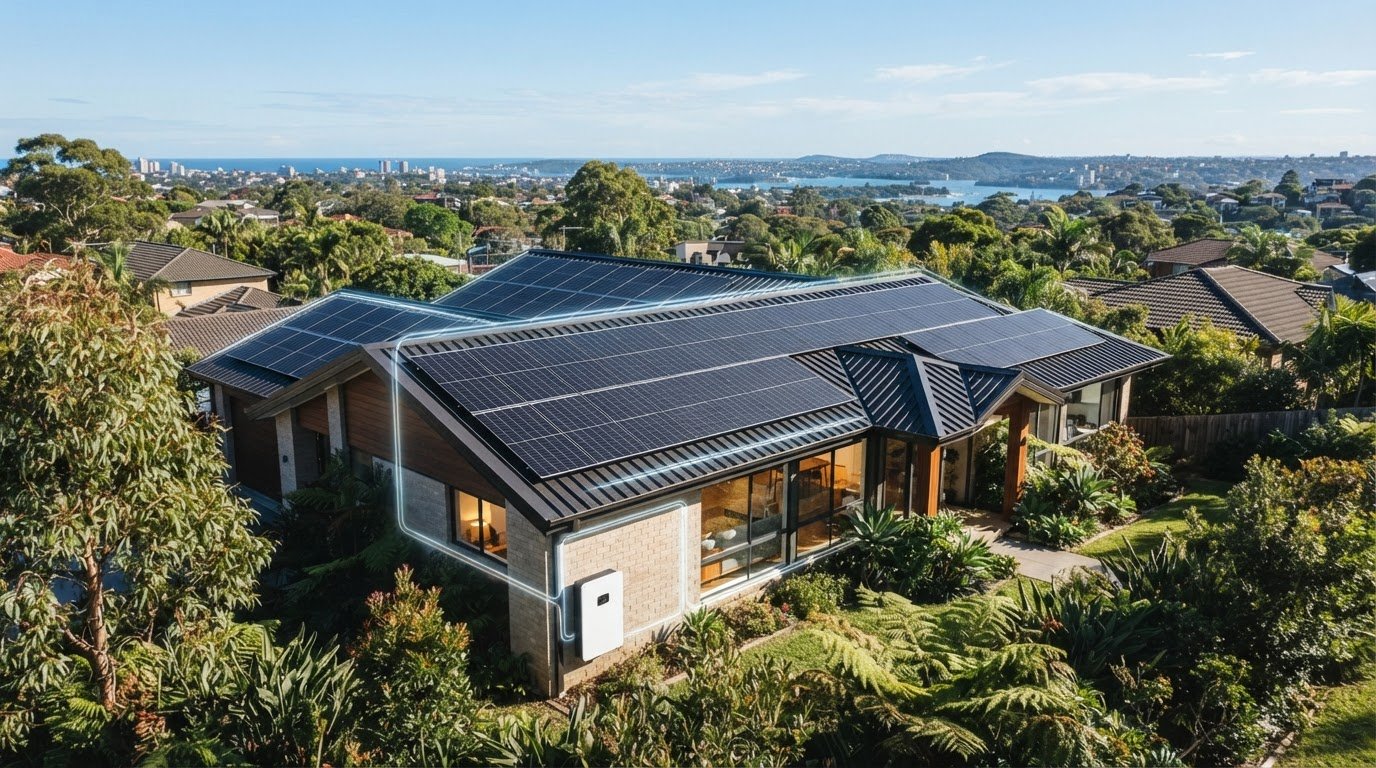
Solar charging uses electricity generated by your panels to charge your vehicle. When generation exceeds household demand, a compatible setup can direct available surplus to the car. Solar output varies with weather, time of day and household use, so charging solely from solar can be unpredictable. A solar-compatible wallbox can coordinate charging with available generation, while your car’s charging schedule and driving routine affect how useful this is.
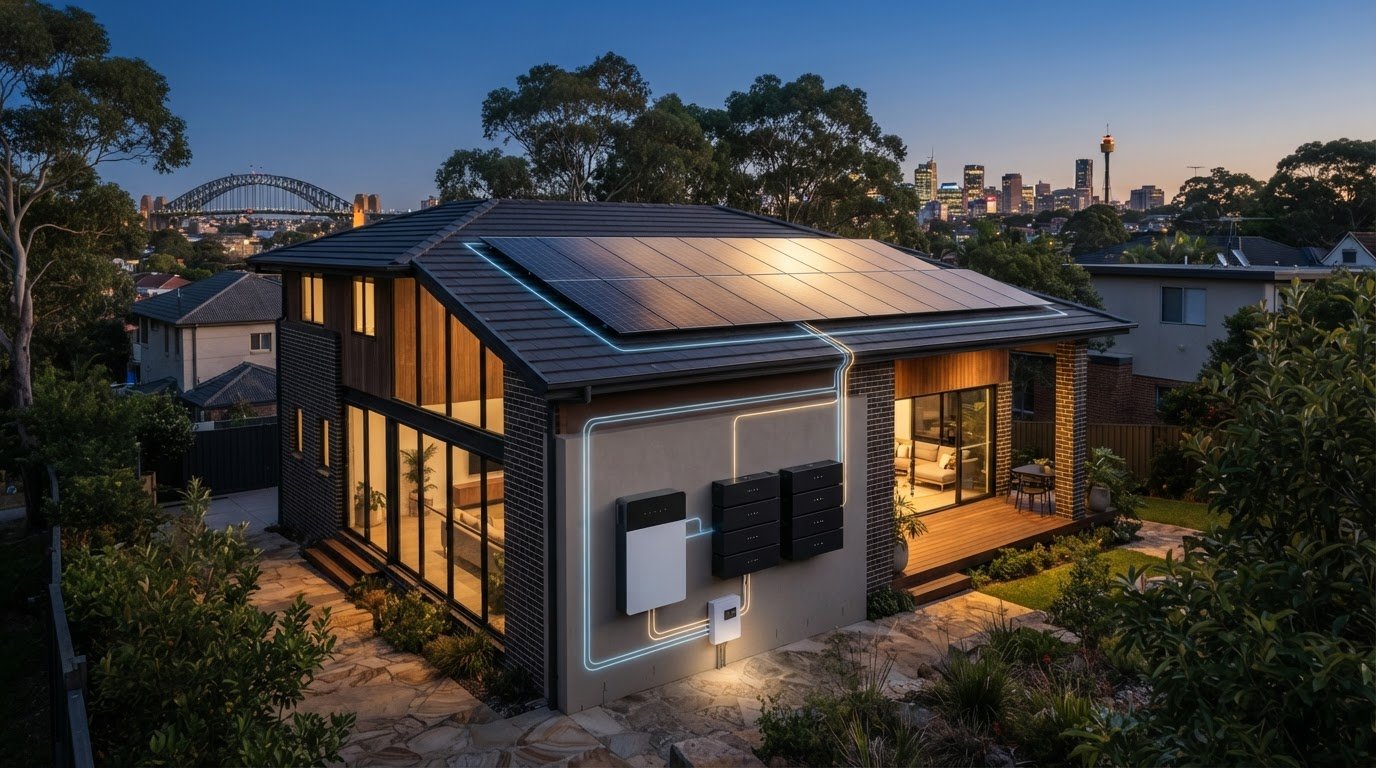
Consider your wider energy system before adding solar controls. A battery stores excess generation for later household use, while a charger can draw power as it becomes available. The right arrangement depends on your priorities: directing surplus to the car, keeping more energy for evening use, or combining both. For example, a household with a car parked at home during daylight can use solar generation more directly than one whose car is away.
That figure represents the value of solar electricity used by the car instead of being used elsewhere or exported. It helps explain potential running-cost benefits, but does not set the wallbox price. Ask for a quote that separates the charger and solar-control equipment from installation work, then compare the included functions with your solar system and parking routine.
Cable extension and weatherproof cable management
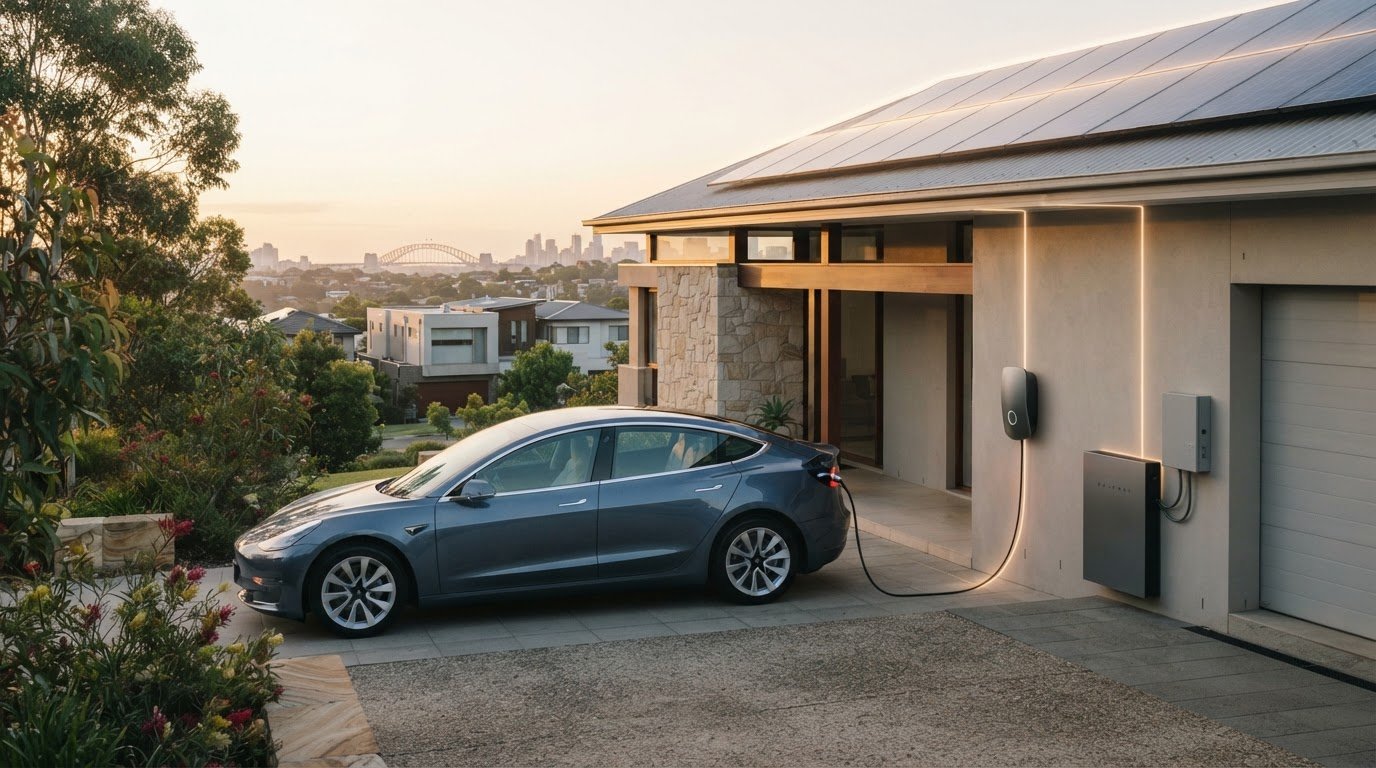
The charger’s position relative to your parking space determines the cable route and installation work. In Sydney homes, access through a garage, exterior wall or side passage can change the practical route.
Cable distance and access
Cable distance describes the route between the electrical connection and charger, while access describes how easily the route can be installed. Both affect materials, labour and whether additional electrical work is needed.
A charger beside a garage switchboard needs a different route from one at the far end of a driveway. A clear path may be simpler than a route through enclosed spaces or around obstacles. Include the switchboard location and preferred charger position when comparing quotes.
Parking position and cable routing
Your parking position determines where the wallbox should sit and how the charging cable reaches your car. Planning this carefully supports convenient daily access, safe cable placement and avoids unnecessary extensions.
Mark where the vehicle usually parks, then note the charging port’s location. A wallbox suited to one parking orientation may be awkward if the car regularly parks the other way. For an outdoor installation, plan a route that keeps the cable managed and protected from the weather.
Before requesting a quote, identify the likely route from the switchboard to the charger. Note doors, walls, storage areas, gates and driveway access. This helps show whether the cable can follow a direct path or needs additional routing work. A longer or more complex route can change the installation scope.
Weatherproof cable management should suit the charger’s outdoor or indoor location. The installation plan can account for exposed sections, entry points and places where people walk or move equipment. Avoid leaving a charging cable stretched across a regular walkway. A tidy fixed route can reduce trip hazards and keep access to the parking area practical.
Don’t choose the cheapest quote based only on a short cable allowance. Compare the route described, cable-management materials and stated exclusions. One quote might assume the charger sits beside the switchboard, while another accounts for a remote parking space. Comparing the same scope makes the difference clear.
Access can also affect electrical upgrades. If the route passes through a difficult area, the installer may need to plan an alternative cable path or related changes. The home’s electrical demand matters too, but cable distance is a separate installation factor. Keep these items distinct in the quote.
For a useful site assessment, show the electrician the parking position, switchboard and preferred wallbox location. Explain how the car is usually parked and where people walk. This helps match cable length, routing and weather protection to everyday use, rather than leaving those decisions until installation day.
Home, apartment and commercial EV charger installation in Sydney
Property type changes the installation plan, from a private garage to shared apartment parking or a commercial site. In Sydney, key considerations include who controls the parking area and the available electrical capacity.
For a detached home, the charger usually serves one household and one nominated parking space. The installer assesses the electrical supply, switchboard and cable route, then matches the proposed unit to the vehicle. Before choosing an 11 kW or 22 kW charger, Sydney homeowners should check what their property and vehicle can support. A 22 kW unit needs three-phase power and sufficient spare electrical capacity, and some vehicles cannot accept 22 kW AC charging.
A strata apartment adds shared decision-making to the technical assessment. Strata-managed buildings in NSW must follow the requirements in the Strata Schemes Management Act when installing an EV charger. The plan should identify the parking bay, proposed charger location, cable route and connection point. Owners also need to consider how the installation relates to common property and shared electrical infrastructure. For example, a charger in an allocated basement bay may need a different route from one beside a private garage.
Shared infrastructure affects the installation scope and how charging is managed. A building may need to consider how a new charger interacts with existing electrical demand, rather than assessing only one vehicle. Capacity planning can account for the available supply, intended charger rating and potential future users. A clear proposal helps owners understand which work serves an individual parking space and which involves shared systems.
Commercial sites have different usage patterns from private homes. A workplace car park, fleet depot or customer parking area may need to serve several vehicles with different arrival and departure times. Map the parking bays, vehicle turnover and electrical connection points before choosing equipment. For example, a fleet that parks overnight has different charging needs from a retail site where vehicles stay briefly. The charger brands and functions should suit the vehicles and operating schedule.
For all three property types, compare the full installation scope, not just the charger rating. The quote should distinguish the unit, cabling, electrical changes and shared-infrastructure work. A home may need a direct connection to one parking bay, while an apartment or business may involve access, capacity and coordination across a wider site. This distinction helps owners compare proposals and decide what the property can support.
What is included in a standard home EV charger installation quote?
A clear quote separates the charger, electrical work and optional extras. This lets you compare proposals by scope and see which items relate to your home’s layout, electrical supply and chosen wallbox. A charger beside the switchboard, for example, may need a different cable route from one serving a driveway parking space.
Look for an itemised description of the main components and work:
- Charger: identify the wallbox model and whether its solar or network functions are included.
- Electrical connection: describe the connection to the home supply and any protective equipment.
- Cabling and route: explain the path from the supply point to the charger, including any exposed sections.
- Mounting and setup: state where the unit will be installed and what configuration is included.
- Additional work: list any switchboard changes or other electrical upgrades separately.
The property assessment should connect each item to the actual installation. A quote can identify the switchboard location, charger position, cable route and available electrical capacity. If the proposed charger needs a suitable three-phase supply, the quote should state that clearly. Any electrical changes to the existing setup should also appear as separate scope items, not be hidden in a general installation description.
Check how the quote treats exclusions and site conditions. For example, ask whether extra cable routing, difficult access or a change in charger location would alter the agreed work. The price depends on the property, selected equipment, cable route and electrical work, and is given after a quote request. This makes the scope important: it shows what the quoted amount covers and which changes could affect it.
Documentation matters too. In Australia, a certificate of compliance for electrical work (CCEW) is official documentation confirming that electrical work meets Australian safety standards and is legally compliant. The quote should explain what electrical work is included and what documentation follows. Keep the final quote and completed records with the charger details, so you can refer to the agreed scope later.
Before accepting a proposal, compare the wallbox, cable route, electrical work, exclusions and documentation side by side. A charger’s headline price alone won’t show whether one quote includes the same installation scope as another. For electrical work that includes a charger connection or related home-energy equipment, discuss your home EV charging requirements as part of planning the installation.
Sky High Solar and Electrical: 6.6kw Solar Panel Installation
Sky High Solar and Electrical can help you plan solar generation alongside your home EV charging setup. Its 6.6kw Solar Panel Installation and 10kw Solar Panel Installation options provide a starting point for considering how solar may fit your household’s energy needs.
If you’re also exploring charging and storage, the SigenStor Integrated Solar Inverter & EV DC Charger and FOX ESS CQ7 High Voltage Storage Battery are relevant options to discuss as part of your wider system plan. The right combination depends on your home, vehicle and charging priorities.
Contact Sky High Solar and Electrical to discuss your home energy and EV charging plans, or visit skyhighsolar.com.au.
Plan a charging setup that suits your home
A useful next step is to decide how home charging should fit your routine. Consider when your vehicle is usually parked, whether you want to coordinate charging with solar generation and how your household may use electricity in future. These priorities can help shape a practical setup beyond installation day.
The home EV charger installation cost in Sydney is easier to assess when the scope reflects your plans, not a generic package. Note your preferred charger location, vehicle requirements and energy goals before discussing the project. This gives the conversation a clear starting point and connects the installation to your wider home-energy plans.
For guidance on bringing those plans together, contact Sky High Solar and Electrical. A considered approach can make your move to home charging feel clear and manageable.
Frequently Asked Questions
Will a Switchboard Upgrade Increase the Cost?
Yes, if the existing switchboard needs work before the charger can be connected. Ask for the specific change to be named, rather than accepting a general “upgrade” line. For example, a quote can distinguish replacing the board from adding or changing a component. That detail helps you understand the proposed scope and compare equivalent quotes.
Are There Rebates for EV Chargers in NSW?
A separate NSW discount of up to A$4,000 is expected to open later in 2026. This is distinct from the Home Energy Saver program’s loan support, which was outlined earlier. Treat the discount as a separate incentive when planning your budget, and check its opening date, eligibility criteria and supported charger requirements before relying on it in your calculations.
Can Load Management Reduce the Need for a Larger Electrical Upgrade?
Load management can help balance charger demand with other household loads, but it doesn’t increase the property’s electrical capacity. For example, a load-management system can adjust charging while other high-demand appliances are operating. The electrician needs to assess how the controls work with the charger and home supply. This clarifies whether managed charging suits the household’s routine and electrical setup.
Is three-phase power required for an EV charger?
No. A charger can operate on single-phase power, so three-phase isn’t essential for every home. The key question is whether the available charging rate suits your vehicle and parking routine. Before choosing equipment, check the car’s AC charging capability and when it is usually parked at home. This helps establish whether a three-phase option offers a practical benefit.
What is the average cost to install a home EV charger in Sydney?
Use this range as an initial budgeting guide, not a fixed price for every property. Compare it with an itemised quote that separates the charger from installation work, so you can see whether the proposal covers the equipment and labour you need.
How much do home EV chargers cost in Australia by charging speed and brand?
These are charger prices, not complete installation costs. Brand and functions affect your choice, but compare the quoted specifications and included controls rather than assuming a brand name alone indicates value.
What factors affect EV charger installation costs in Sydney homes?
The installation price reflects the work needed to connect the selected charger at your property. When arranging a quote, provide your vehicle model, intended charger location and a clear description of the parking setup. This helps the assessment account for how the car connects at home, including whether the charging lead reaches comfortably without blocking access to the vehicle or garage.
Are government rebates or incentives available for home EV charger installation in NSW?
NSW support may take different forms, so distinguish a loan from a discount when planning your outlay. The Home Energy Saver program is loan-based, while the separate NSW discount mentioned above is expected later in 2026. Eligibility and application timing are central to whether an incentive can be included in your budget. Avoid treating either form of support as an automatic reduction to the installation quote.