

 Sydney
 0452 243 240
Blog
What Happens During a Solar Site Assessment? A Sydney Homeowner’s Guide

Could the right solar design for your Sydney home be different from the one you first had in mind? Understanding what happens during a solar site assessment helps explain why: the installer looks at your property and energy needs before preparing a system proposal.
You may be wondering what the installer will inspect, what information they’ll need and whether the roof or switchboard could affect the design. An assessment is a practical step, not just a sales conversation. It connects your usable roof space, electrical setup and household energy needs to a suitable solar plan.
This guide explains what an installer looks at, how findings such as shading, roof layout and switchboard condition can shape a proposal, and what to prepare before the visit. You’ll also see how local network requirements can affect the design discussion, so you can review proposals with a clearer understanding of what each includes.
Key Takeaways
- Learn what happens during a solar site assessment and how the visit helps shape a proposal around your property and energy needs.
- Understand which roof and electrical details can influence the design, and why some observations may need further discussion.
- Prepare by arranging access, gathering recent electricity bills and noting your household’s energy priorities.
- Share plans for a battery, EV charging or other electrical changes so they can inform your solar design discussions.
- Before deciding, review the proposal’s assumptions, equipment and any constraints identified during the assessment.
What happens during a solar site assessment, and why does it matter?
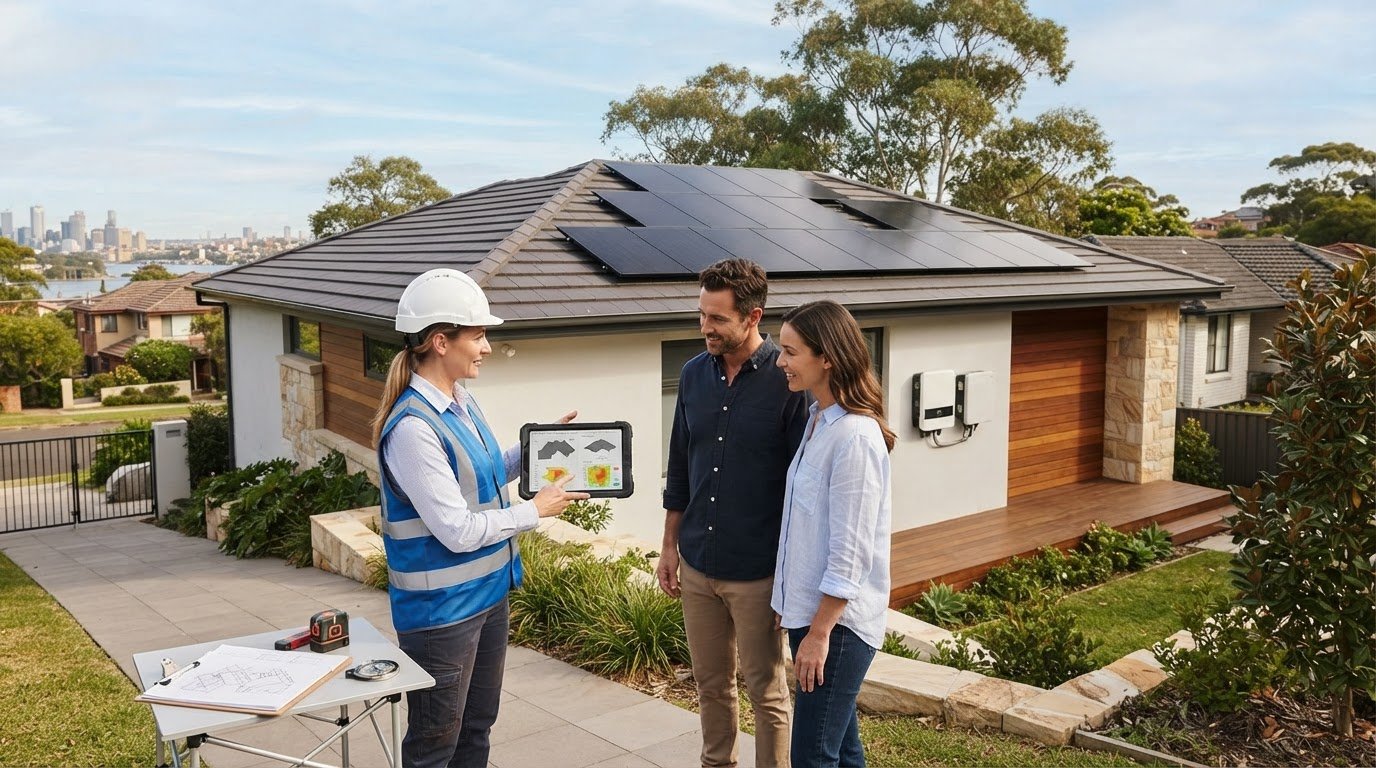
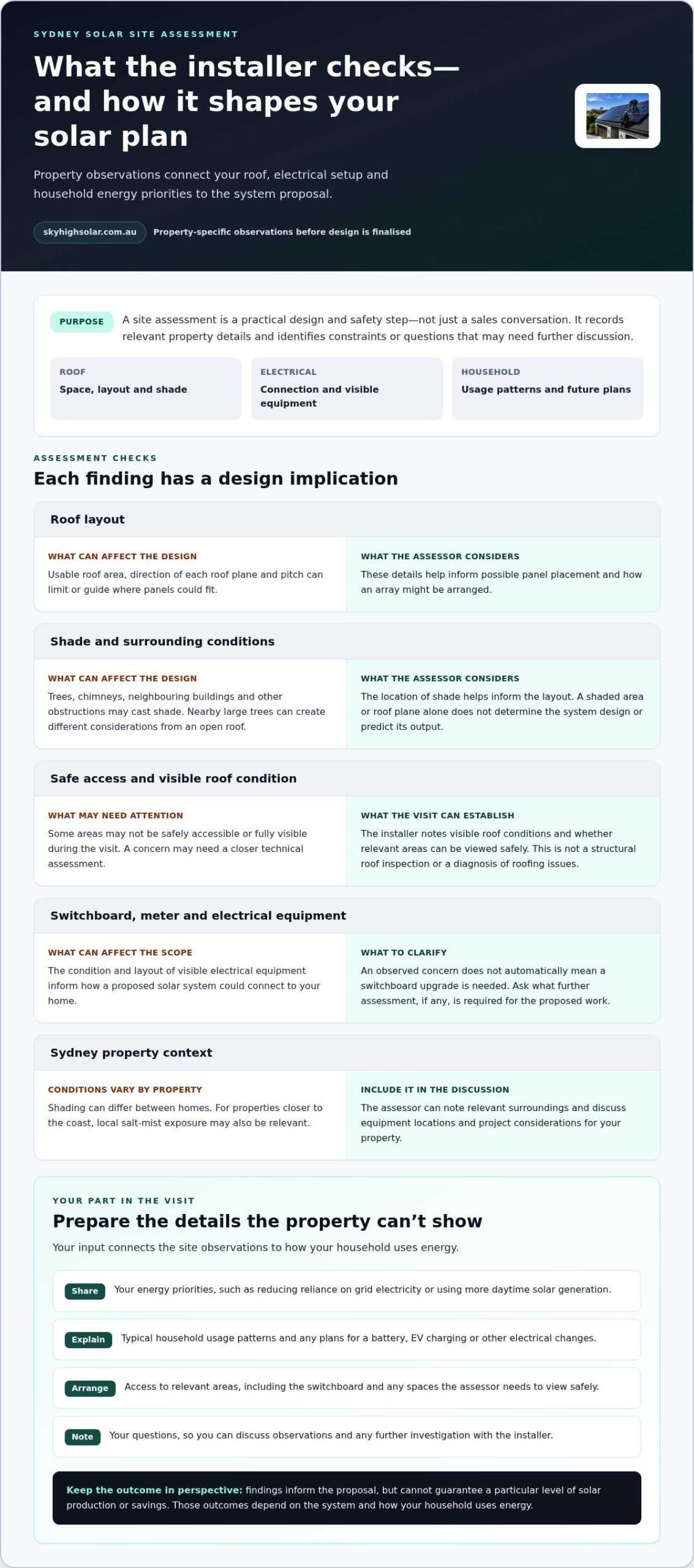
A solar site assessment is a property and energy-use review that informs your system design. The installer gathers details about the roof, electrical equipment and your household’s priorities to identify suitable options, possible constraints and information needed for a proposal. It is a practical design and safety step, not simply a sales visit.
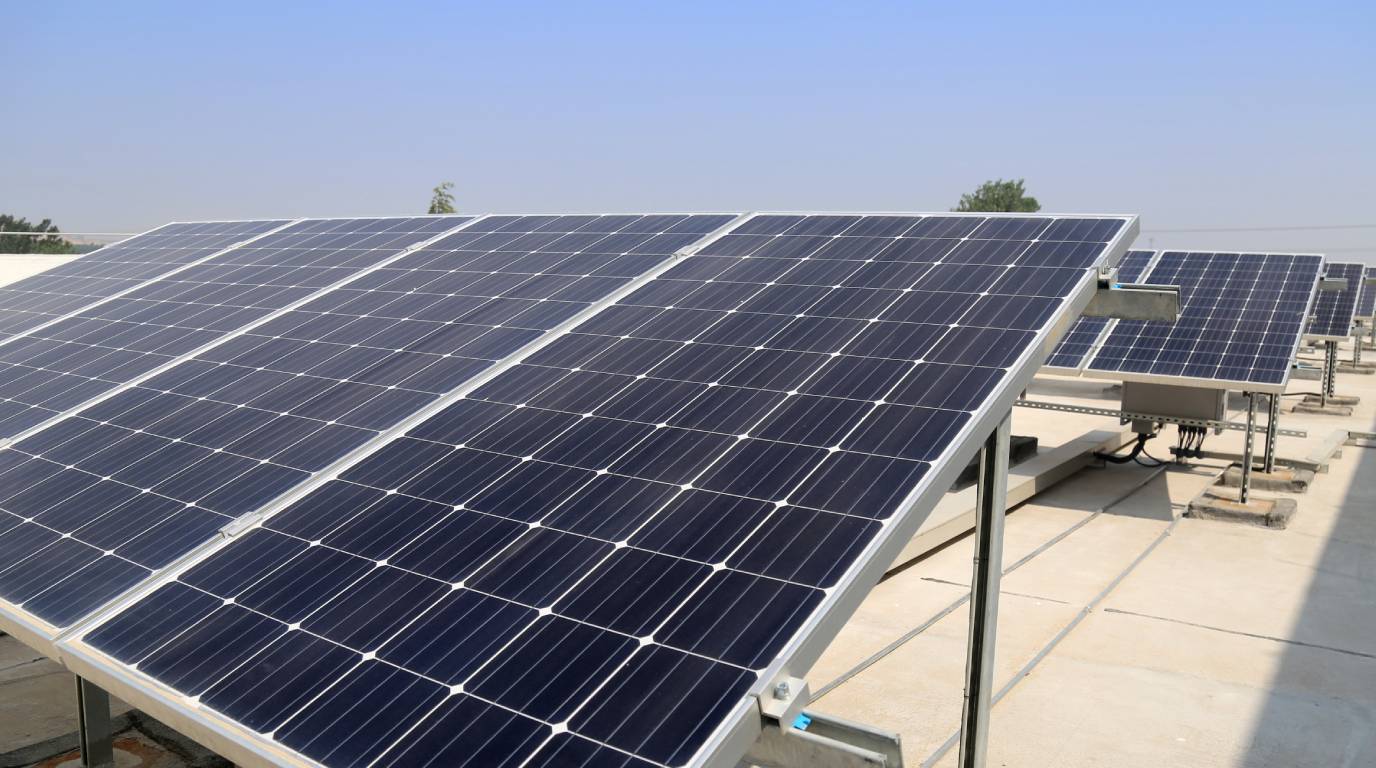
The visit replaces broad assumptions with observations about your home. Roof orientation, pitch, shading and usable area help inform where panels could fit and how an array might be arranged. The installer also considers visible roof condition, safe access and potential locations for electrical equipment. For background on the technology being assessed, the solar panel overview explains how factors such as tilt and orientation relate to panel operation.
An assessment can also identify questions that need further investigation. Limited usable roof space or electrical equipment that needs attention could affect the proposed design or project scope. The visit records relevant observations, but it is not a full structural roof inspection or a diagnosis of every building or electrical issue. Any concern that needs a closer technical assessment should be clearly separated from what was observed during the visit.
When does a solar assessment happen in the process?
The assessment usually follows an initial discussion about your plans and takes place before the system design and installation are finalised. It gives the designer property-specific information rather than relying only on general assumptions or images. Findings inform the proposal, but they can’t guarantee a particular level of solar production or savings. Those outcomes depend on the system and how your household uses energy.
The assessment is distinct from later project stages. Installation is the physical work of fitting and connecting the system. Commissioning prepares the installed system for operation, while a post-installation review is a final check after the work. The assessment happens earlier, when observations can still guide design decisions.
Who should attend and what is the homeowner’s role?
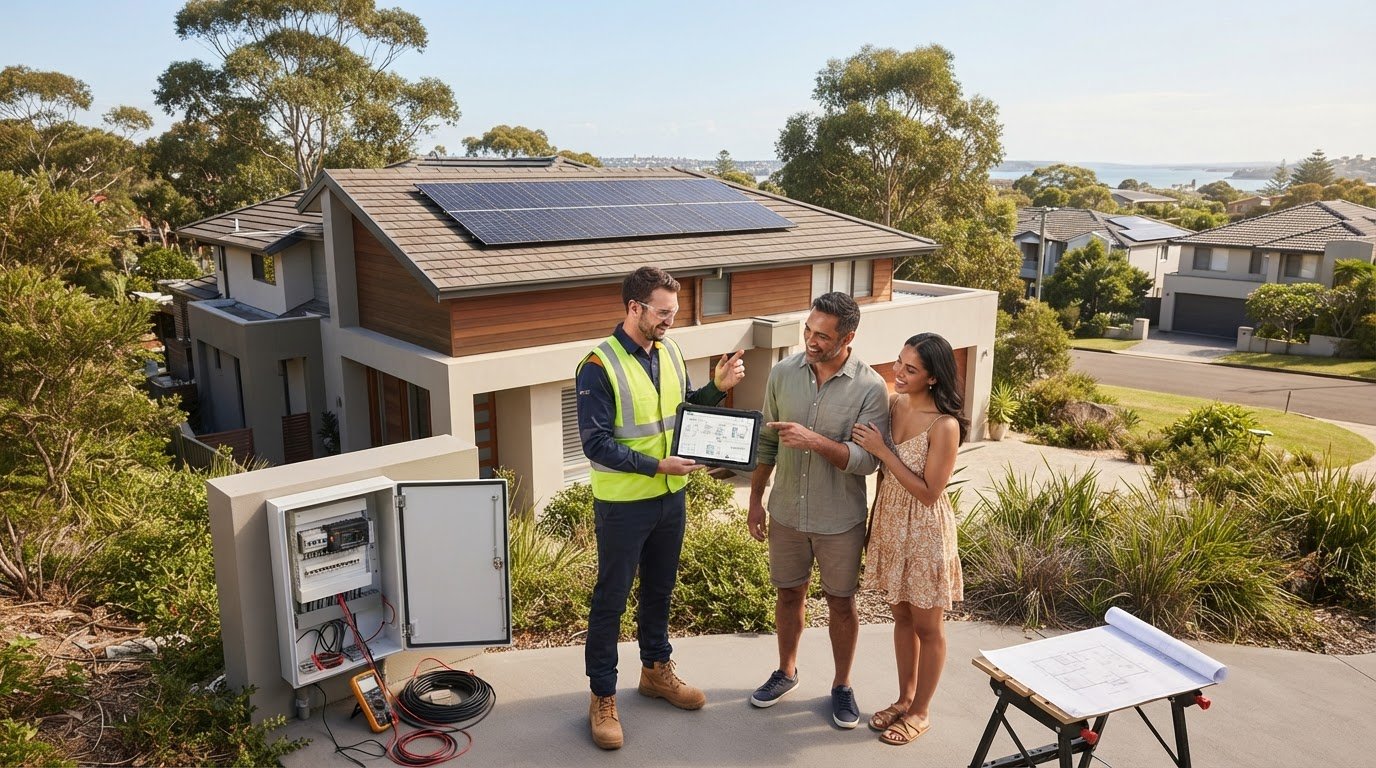
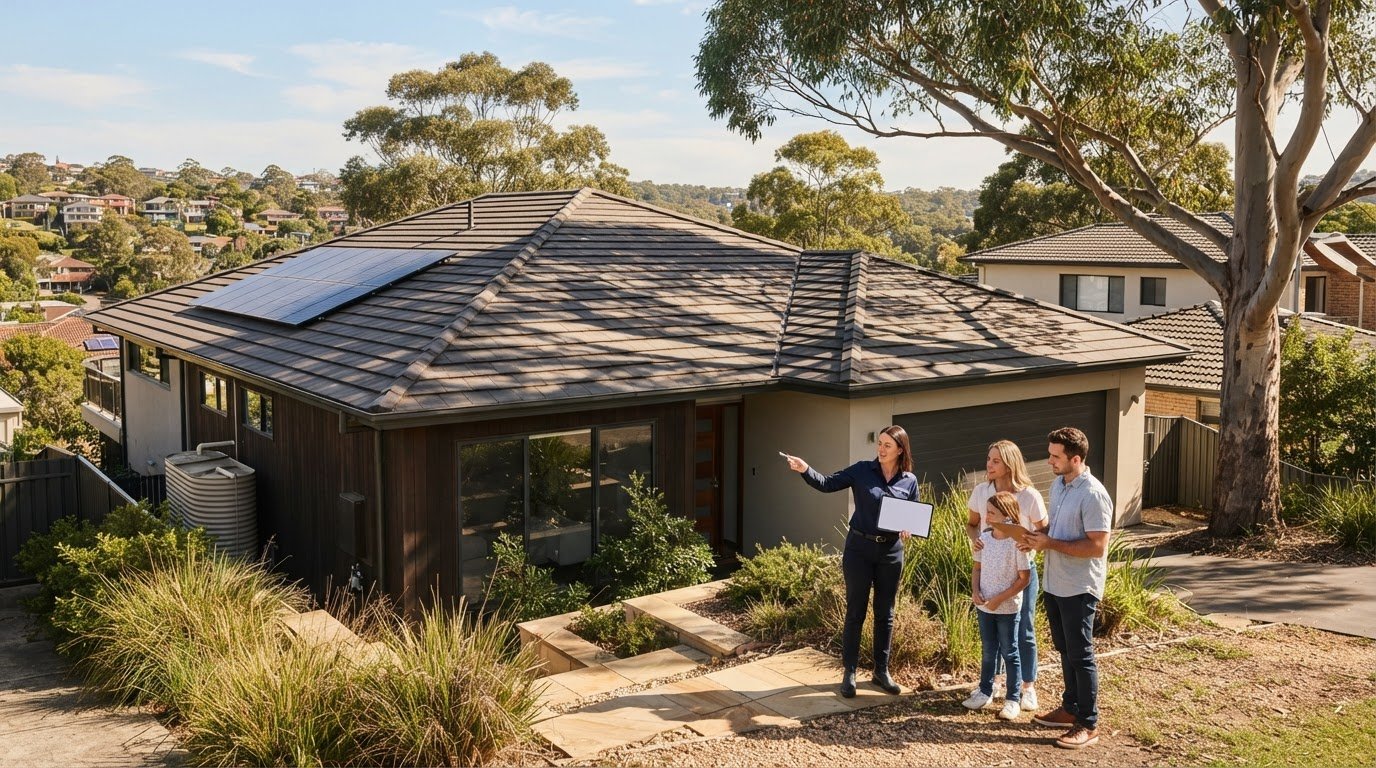
The installer examines relevant roof and electrical conditions and records details that may affect the proposal. Your input helps connect those observations to how you use energy. If you’re home, you can explain household routines and upcoming plans that may not be apparent from the property itself.
- Describe your main energy priorities, such as reducing reliance on grid electricity or using more of your daytime solar generation.
- Share typical usage patterns and plans for a battery, EV charging or other electrical changes.
- Arrange access to relevant areas, including the switchboard and any spaces the assessor needs to view safely.
Before the visit, make relevant equipment accessible and note your questions. You don’t need to assess the roof yourself or make technical decisions on the day. A useful outcome is a clearer understanding of what the property can support, which constraints may affect the design and what information will shape your proposal.
What does a solar installer inspect during a Sydney site assessment?
The checks focus on how your property could accommodate solar panels and how a system could connect to its electrical setup. The installer considers the roof, nearby obstructions, possible equipment locations and visible electrical conditions together. This gives the design process a practical starting point and helps identify anything that needs further discussion.
How do roof, shade and access affect the assessment?
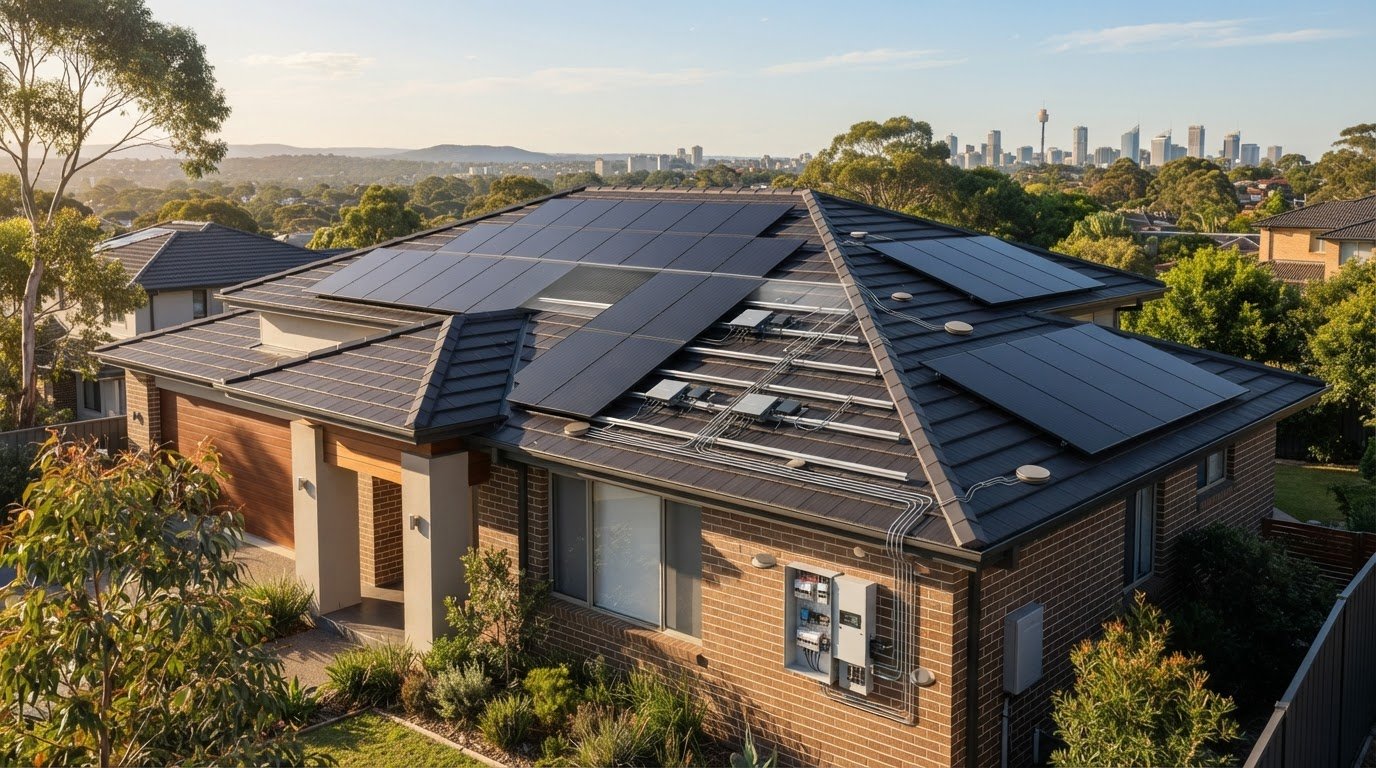
The installer looks at usable roof space, the direction each roof plane faces and its pitch. These details help inform possible panel placement. Trees, chimneys, neighbouring buildings and other obstructions may cast shade, so the assessor considers their location and how shading could affect the layout. A shaded area or roof plane does not, by itself, determine the system design or predict its output.
Access matters too. The assessor considers whether relevant areas can be viewed safely and notes the roof’s visible condition during the visit. This is not a structural inspection or a diagnosis of roofing issues. If a concern needs a closer look than a visual assessment can provide, it should be raised before design decisions are finalised.
Sydney homes can have different surroundings and exposure. A property near large trees may have different shading considerations from one with an open roof. For homes closer to the coast, local salt-mist exposure may also be relevant when discussing equipment locations and project considerations. These factors depend on the property, rather than applying to every Sydney home.
Why are the switchboard and meter checked?
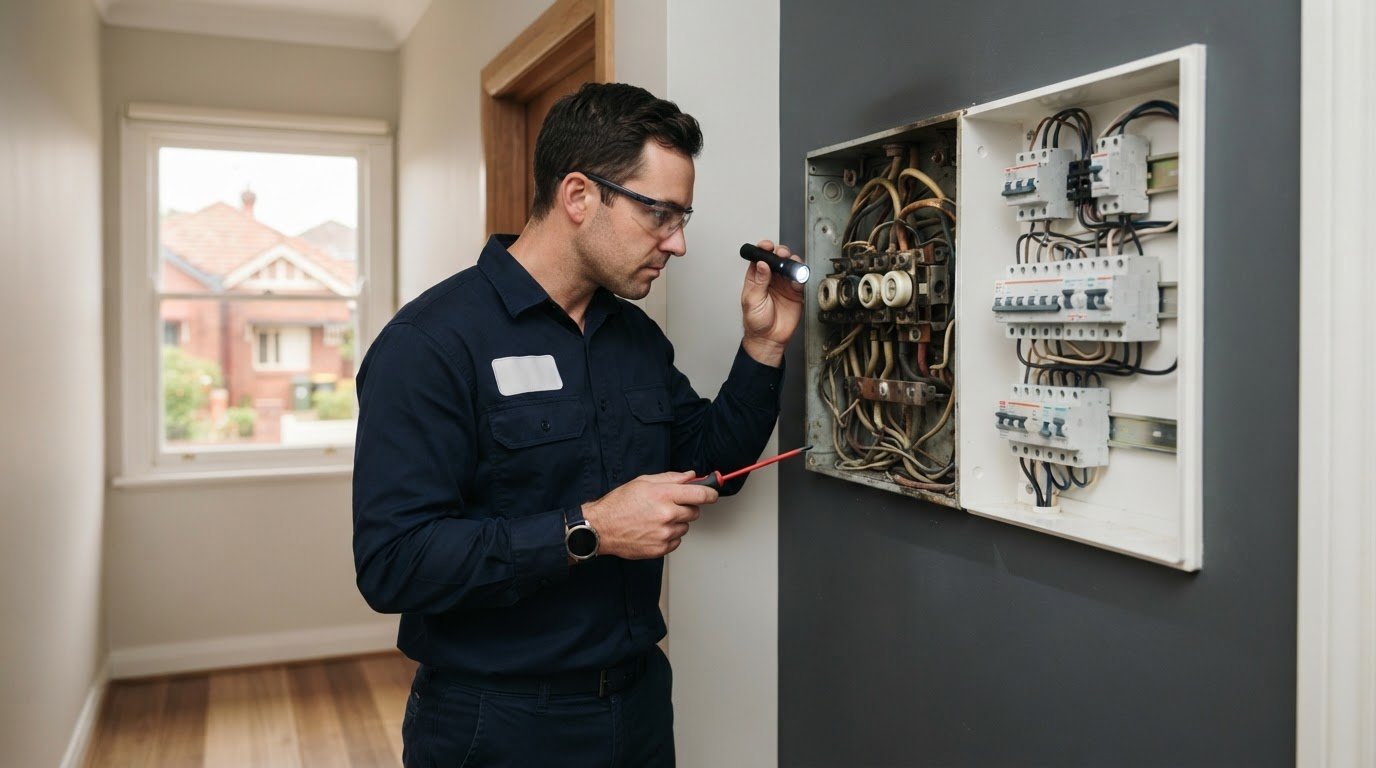
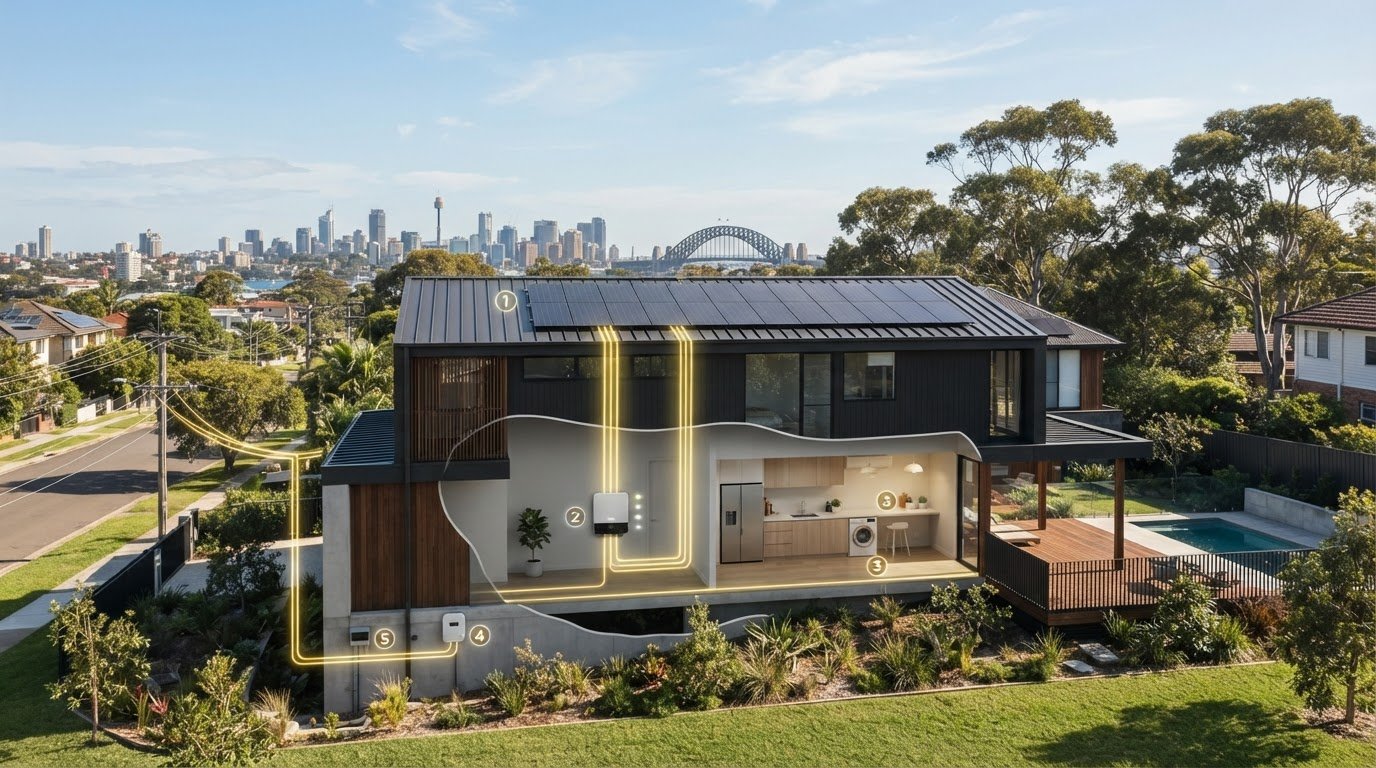
The switchboard, meter and other visible electrical equipment help the installer understand how a proposed solar system could connect to your home. The condition and layout of this equipment inform the electrical scope and may highlight issues for further consideration. An observed concern does not automatically mean a switchboard upgrade is needed. It may simply need to be assessed in relation to the proposed work.
The meter is relevant to understanding the home’s existing electrical arrangement. Together, these observations help connect the roof design with the practical requirements of the installation. If the assessor identifies something that warrants further investigation, discuss what it means for the proposal rather than treating an initial observation as a final diagnosis.
Think of what happens during a solar site assessment as a set of connected checks, not a decision based on roof space alone. Roof layout, shade, safe access and electrical equipment each contribute information, but no single observation determines expected production or savings. If you’re considering residential solar solutions, these property-specific checks provide a useful basis for discussing a suitable design.
How do site-assessment findings shape your solar design?
The assessment turns observations about your home into design considerations. Roof space, shade, electrical equipment and household energy habits help the installer develop a proposal suited to the property. Different findings can lead to different options or follow-up questions. None automatically dictates a particular system or outcome.
The table shows how an observation may inform the design conversation. Use it as a guide to the questions findings can raise, not as a list of automatic rules.
| Observation | Why it matters | What may need further discussion |
|---|---|---|
| Limited or divided usable roof space | It can affect where panels might fit and how an array could be arranged. | Possible panel locations and layout options for the available roof planes. |
| Shade from trees or nearby structures | Shaded sections may influence which parts of the roof are suitable for the proposed layout. | How the shade pattern and potential panel placement should be considered in the design. |
| Electrical equipment that needs attention | The existing setup helps inform how the solar system may connect to the home. | Whether further electrical assessment or work should be included in the project scope. |
| Household usage or future energy plans | Current and expected needs help frame the system discussion. | How the proposal accounts for a planned battery or EV charging. |
How do household energy needs influence the proposal?
Recent electricity bills can help show how much energy your household uses and when you tend to use it. Describe typical routines too, such as whether the home is occupied during the day or whether most electricity use happens later. These details help frame the design around your circumstances instead of relying on roof observations alone.
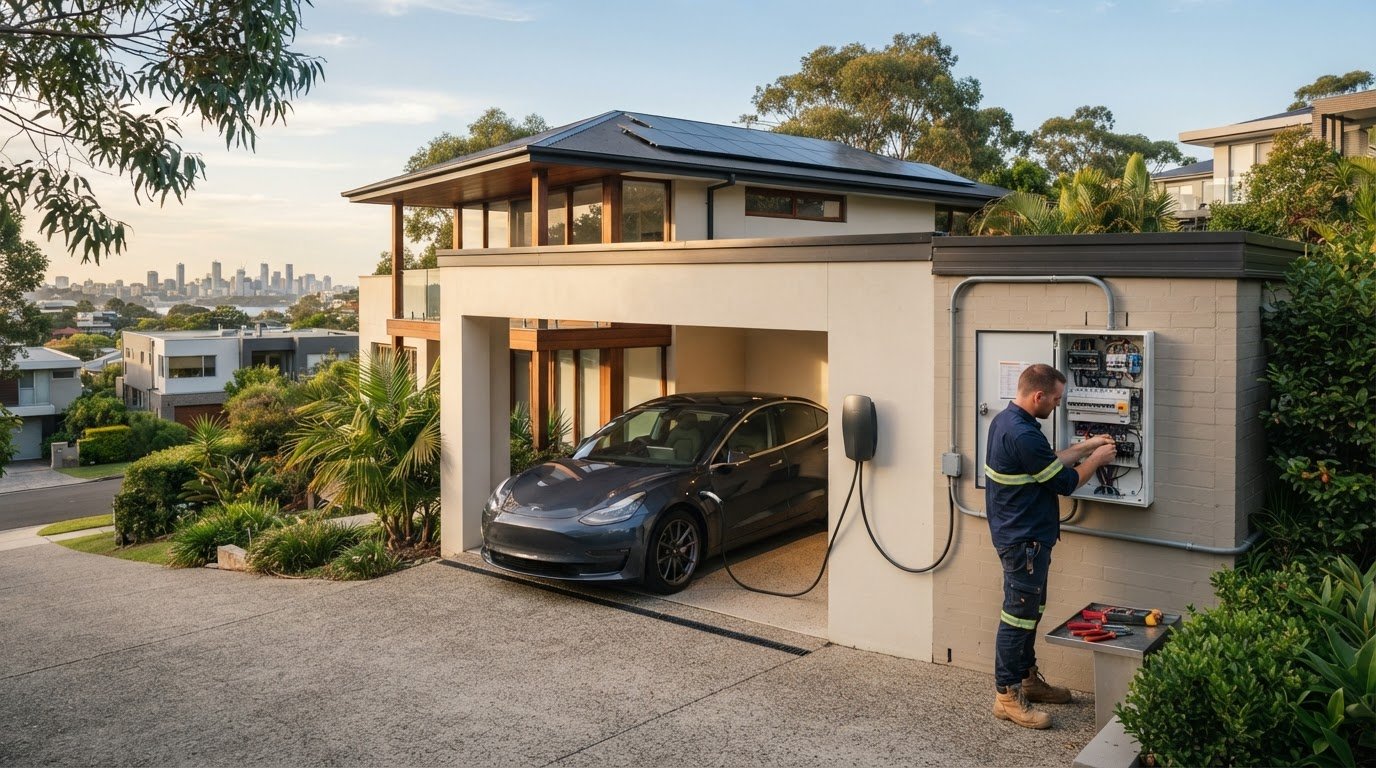
If you’re considering storage, raise it during the visit. Do the same if you plan to charge an electric vehicle at home or expect other changes to your electrical needs. Your plans can shape what the proposal covers, even if those upgrades are not part of the immediate project. If battery storage is on your mind, consult the solar battery storage guide when comparing how it could fit into your longer-term plans.
What if the assessment identifies a constraint?
A constraint is a design input, not an automatic reason to abandon solar. Shade, limited roof space or an electrical issue may lead to discussion about layout, equipment placement or additional electrical work. The appropriate response depends on the property and the specific finding, so avoid treating one observation as a final design decision.
That’s the practical value of understanding what happens during a solar site assessment: the findings help explain why a proposal takes a particular direction. Review each constraint alongside the options presented, any further work involved and how the choices relate to your household’s needs.
How can you prepare for a solar site assessment in Sydney?
A little preparation helps the installer understand how your home uses energy and what matters to you. You don’t need to inspect the roof or carry out electrical checks yourself. Focus on household information, access to relevant areas and questions you want answered.
What information should you have ready?
Recent electricity bills can help you describe household usage and discuss how your needs may change. Make a note of equipment or plans that could affect the design, such as battery storage, home EV charging or other future electrical work. This gives the installer context beyond what can be observed around the property.
- Gather recent electricity bills, if available. They can support a conversation about your household’s usage and priorities.
- List current and planned energy needs. Include battery or EV charging plans, along with any electrical changes you’re considering.
- Note questions for the installer. Ask about design options, any electrical work identified and what happens after the assessment.
- Consider the property’s surroundings. Point out nearby trees or buildings that may cast shade, and mention coastal exposure if it’s relevant to your location.
Sydney properties vary, so a tree, neighbouring building or coastal setting isn’t automatically a problem. Sharing what you know helps the installer consider those conditions in the context of your home, rather than assuming they affect every property in the same way.
What access should you arrange before the visit?
Make the switchboard and likely equipment locations accessible, and mention any known barriers to roof access. If you’ve had renovations or noticed a visible electrical concern, share that information rather than investigating it yourself. The installer can assess relevant conditions within the visit’s scope and identify anything that may need further attention.
Keep pathways to relevant areas clear where practical. You don’t need to climb onto the roof, open electrical equipment or complete technical checks. If an area can’t be accessed safely, explain why so that limitation can be considered.
Keep incentive eligibility separate from the physical site assessment. NSW and federal schemes can change their requirements, so check current government information before relying on an incentive or assuming your project qualifies. The assessment can inform the proposed design, but eligibility depends on the rules of the applicable scheme.
Understanding what happens during a solar site assessment helps you prepare without taking on the installer’s technical role. Bring your bills, share your plans and make relevant areas accessible. Read more about how to arrange a solar site assessment for your property and household energy needs.
What happens after the solar site assessment?
After the visit, the installer uses the observations to develop a proposed system design and identify any relevant electrical work. The proposal should reflect the property and energy needs you discussed, rather than relying on a generic configuration. The assessment itself is not installation, commissioning or a post-installation review. It informs decisions made before those later steps.
What should a clear proposal explain?
Review the proposal against what was observed at your home. Check that the panel layout accounts for the roof space and shading discussed, and that the design reflects your household’s stated energy priorities. When comparing options, make sure you understand what changes between them and which site conditions explain those differences.
- Design assumptions: Check that the roof areas and other property details described match the assessment findings.
- Proposed equipment: Make sure the equipment is identified clearly and that you understand its role in the proposed system.
- Electrical scope: Look for any recommended electrical work, including a possible switchboard upgrade, and how it relates to the project.
- Constraints and follow-up: Note any site limitations or items that need further investigation before you decide.
A recommendation for additional electrical work doesn’t mean every home needs it. The proposal should connect suggested work to an observed condition and explain how it affects the project scope. If you’re weighing different system sizes, separate Sydney guides to 6.6kW and 10kW systems can provide size-specific context, but the design still needs to reflect your property.
How can Sky High Solar and Electrical help with next steps?
Sky High Solar and Electrical has served Sydney and surrounding regions since 2013. Its licensed electrical contractors consider roof and electrical conditions together, helping you understand the proposed design and any relevant electrical scope. The team carries out relevant electrical work and provides a certificate of compliance electrical work (CCEW) for applicable work. This document records that the electrical work complies with applicable requirements.
Before deciding, note anything in the proposal you’d like explained. You might ask how a roof area influenced the layout, why electrical work is included or how the suggested design relates to your energy plans. Clear answers help you understand the scope and compare it with your priorities. What happens during a solar site assessment is only the start of the decision process; the written design and scope give you something concrete to review.
Discuss your Sydney solar assessment with our team to talk through the site findings and a suitable next step.
Take the next step with clarity
A solar decision doesn’t need to be made on the spot. Take time to consider how the proposed design fits your household, what matters most to you and which questions still need clear answers. Understanding what happens during a solar site assessment helps you have a better-informed discussion instead of relying on assumptions about your home.
Keep your priorities in view as you review your options. You might want to use more of your own solar energy, plan for future electrical needs or understand the project scope before making a commitment. A considered proposal should show how the design relates to those goals and where further discussion may help.
Ready to discuss your property and energy plans? Arrange a solar site assessment with Sky High Solar and Electrical and talk through a suitable next step for your Sydney home.
Frequently Asked Questions
How long does a solar site assessment take?
There’s no fixed duration. The time depends on your property, access and the checks required. A home with several roof areas or limited access may need different consideration from a simpler layout. The visit gathers details about the roof, electrical setup and household needs. Beforehand, make sure relevant areas are accessible and allow time to discuss your questions and energy plans.
Do I need to be home during a solar site assessment?
Being home can make it easier to explain your energy priorities and answer questions about future plans, such as battery storage or EV charging. It can also help if the assessor needs access to areas inside the property. If you can’t attend, arrange access beforehand and make sure the installer has relevant household information, such as typical electricity use and planned changes.
Should I have my electricity bills ready for a solar assessment?
Recent bills are useful, but they aren’t the only way to discuss your energy use. A bill helps you refer to actual usage instead of estimating from memory. If one isn’t available, describe when your household usually uses electricity and mention expected changes, such as a new appliance, battery or EV charger. This context makes the design discussion more relevant to your home.
Does a solar site assessment guarantee how much energy my system will produce?
No. A site visit informs a proposed design, but it can’t guarantee future generation or savings. Actual results depend on the final system and conditions such as shade and how your household uses electricity. Look for the assumptions used to develop the design in the proposal. If a figure or recommendation isn’t clear, ask how the assessment findings were considered.
Can a solar assessment identify whether my switchboard needs an upgrade?
An installer can note switchboard conditions that may be relevant to the proposed solar work, but an assessment doesn’t mean an upgrade is automatically needed. If the proposal includes a switchboard upgrade or other electrical work, review the reason and how it relates to your home’s existing setup. Sky High Solar and Electrical provides switchboard upgrades as part of its solar and electrical services.
What happens if it rains on the day of a solar site assessment?
Rain or unsafe access may limit which roof areas can be inspected during the visit. Contact the installer if the weather changes and follow their guidance about proceeding or arranging another visit. You may still be able to discuss household usage and plans, but don’t assume a roof inspection can be completed in wet conditions. Any limits to the assessment should be clear before design decisions rely on those observations.
Can the installer assess battery or EV charging needs at the same visit?
Yes. Raise battery storage or home EV charging plans during the assessment so they can be considered alongside your solar and electrical needs. The installer can discuss how these priorities relate to the project. Explain whether an EV charger is already installed or still being considered, and whether you expect your household’s electricity use to change.
Does a solar site assessment tell me whether I qualify for a rebate?
Not by itself. The assessment may gather property and system details for a proposal, but it isn’t confirmation that you qualify for an incentive. NSW and federal scheme requirements can change, and eligibility depends on the rules that apply to your circumstances and project. Check current official guidance before relying on a rebate or discount, and review any eligibility assumptions stated in your proposal.