

 Sydney
 0452 243 240
Blog
Solar Panels: A Practical Guide for Sydney Households

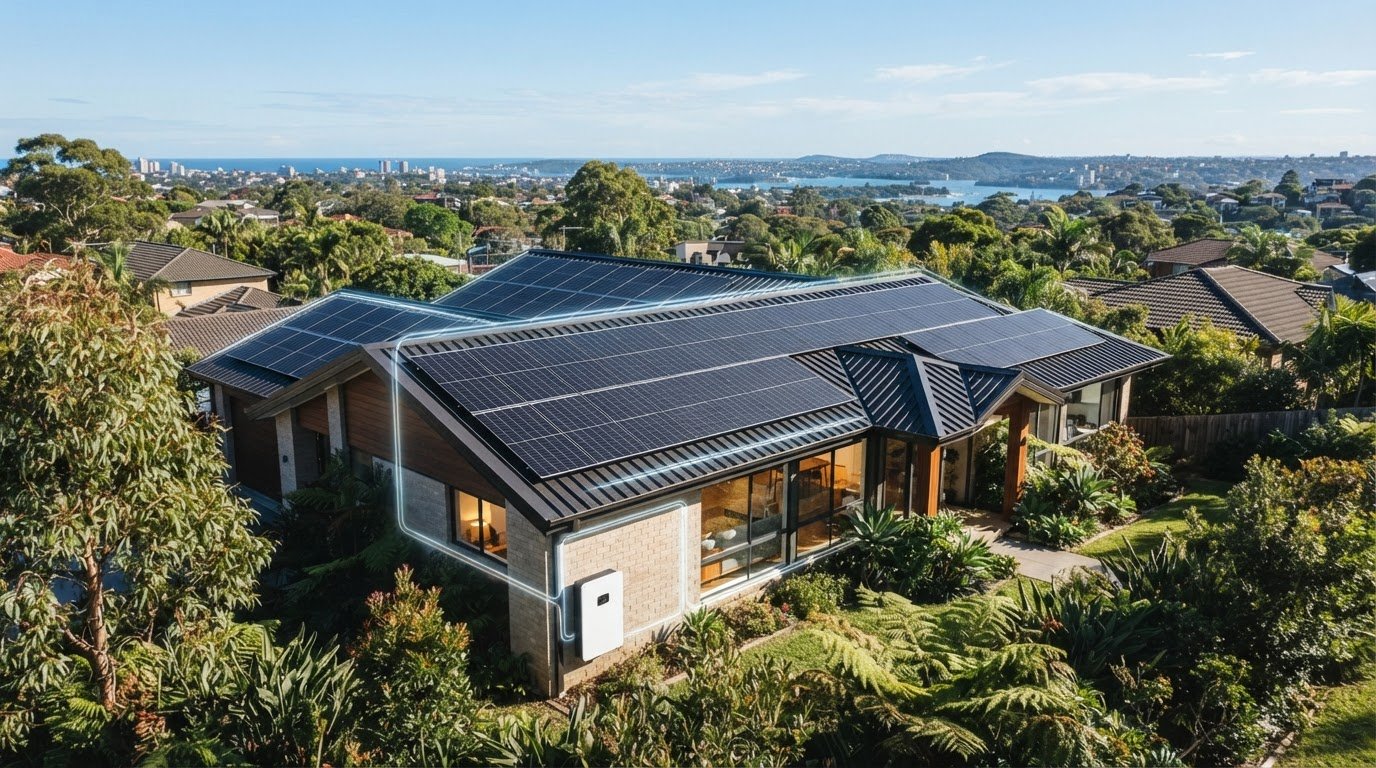
What if the best solar system for your home isn’t simply the biggest one your roof can hold? Solar panels and home energy use need to work in sync: panels generate electricity during daylight, while your household’s routines determine how much you use directly and how much flows back to the grid.
To judge whether solar could suit your Sydney home, consider three things together: usable roof space, when your household uses electricity and the condition of your electrical setup. Installation quality and changing incentive rules also matter.
This guide explains how a home solar system supplies electricity and what affects its suitability. You’ll learn how roof conditions and energy habits shape system planning, what to prepare for an assessment, and how licensed electrical work and a certificate of compliance electrical work (CCEW) fit into the process.
Key Takeaways
- Understand how rooftop solar PV panels and an inverter work together to supply electricity your household can use.
- Assess how solar panels and home energy use align by considering roof orientation, usable space, shade and daily routines.
- Compare solar options using roof suitability, daytime consumption, export arrangements and future plans, not household size alone.
- Prepare for installation by reviewing electricity bills and roof conditions, and identifying electrical and connection requirements.
- Understand how licensed electrical work and a certificate of compliance electrical work (CCEW) support a safe, compliant installation.
How solar panels work with your home’s electricity use
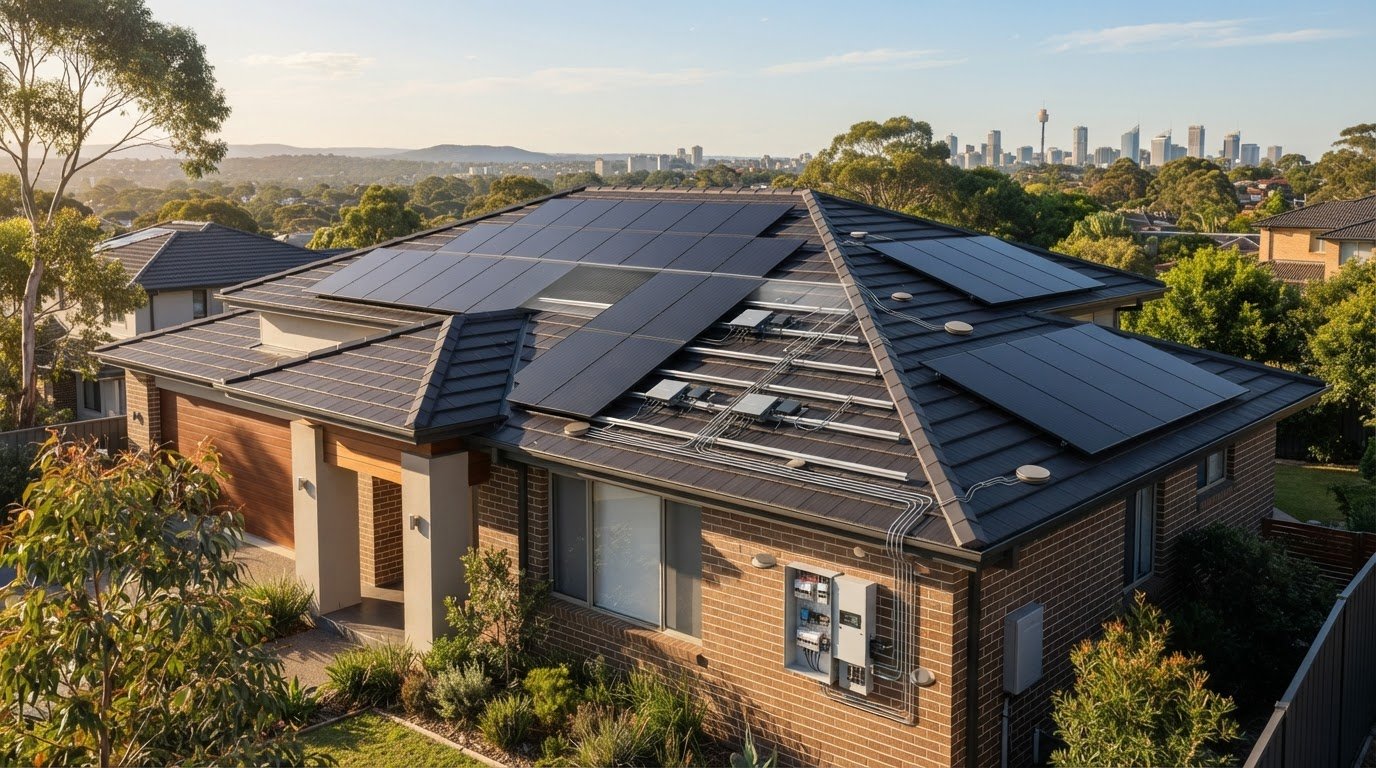
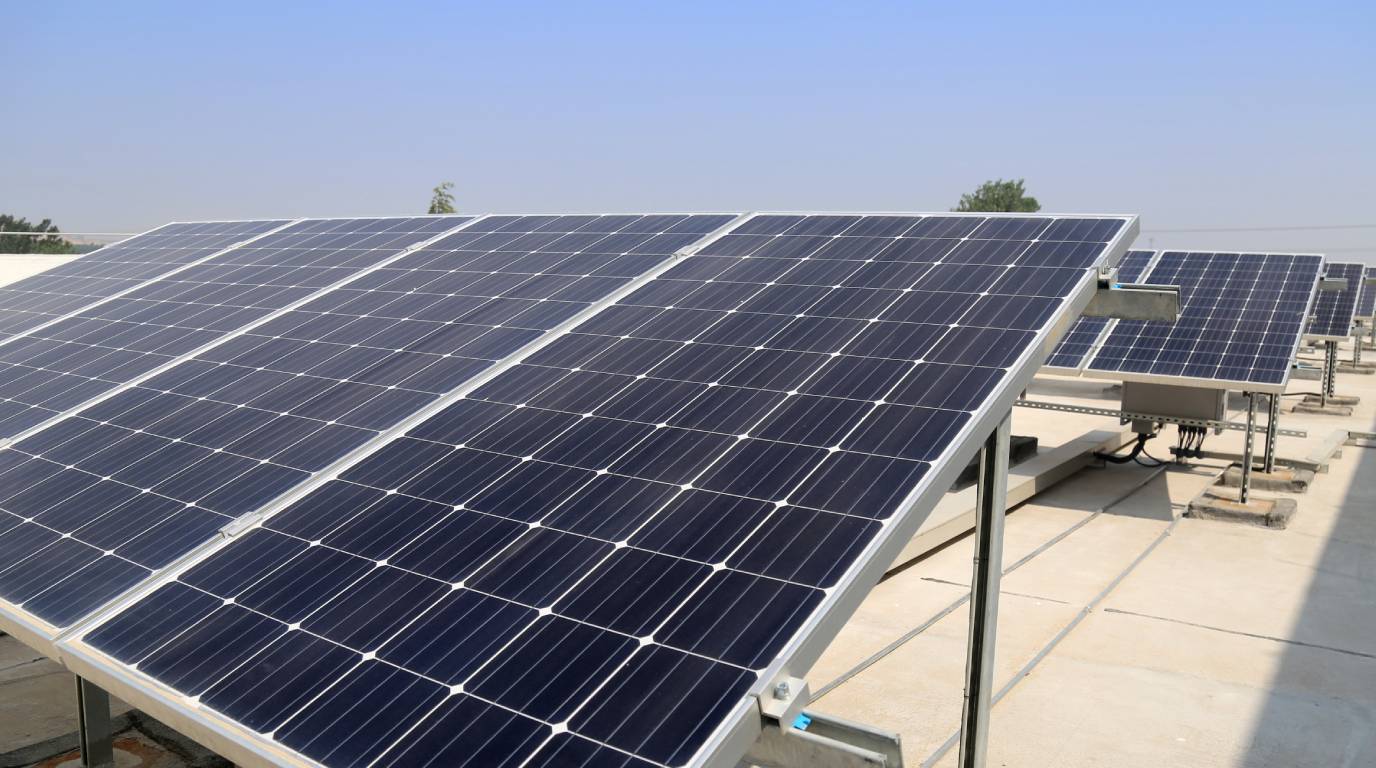
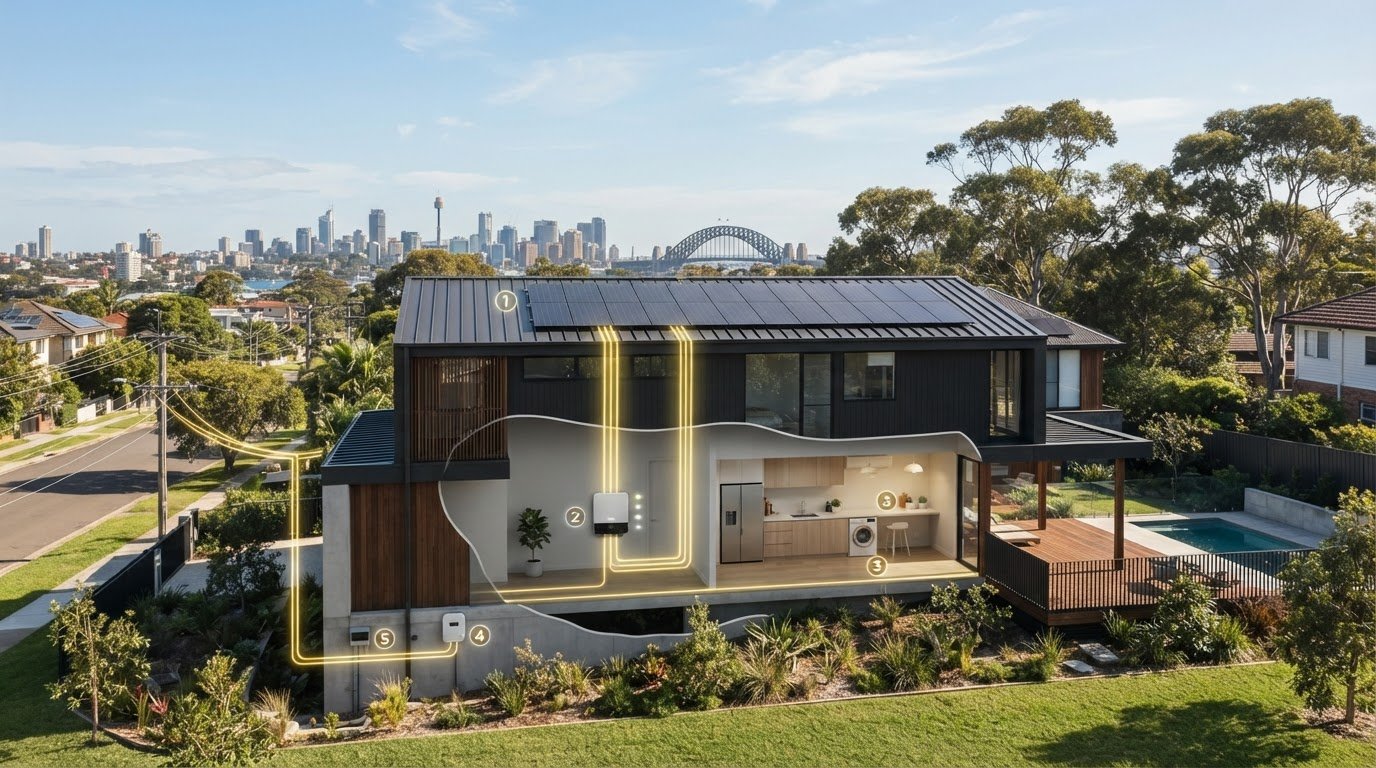
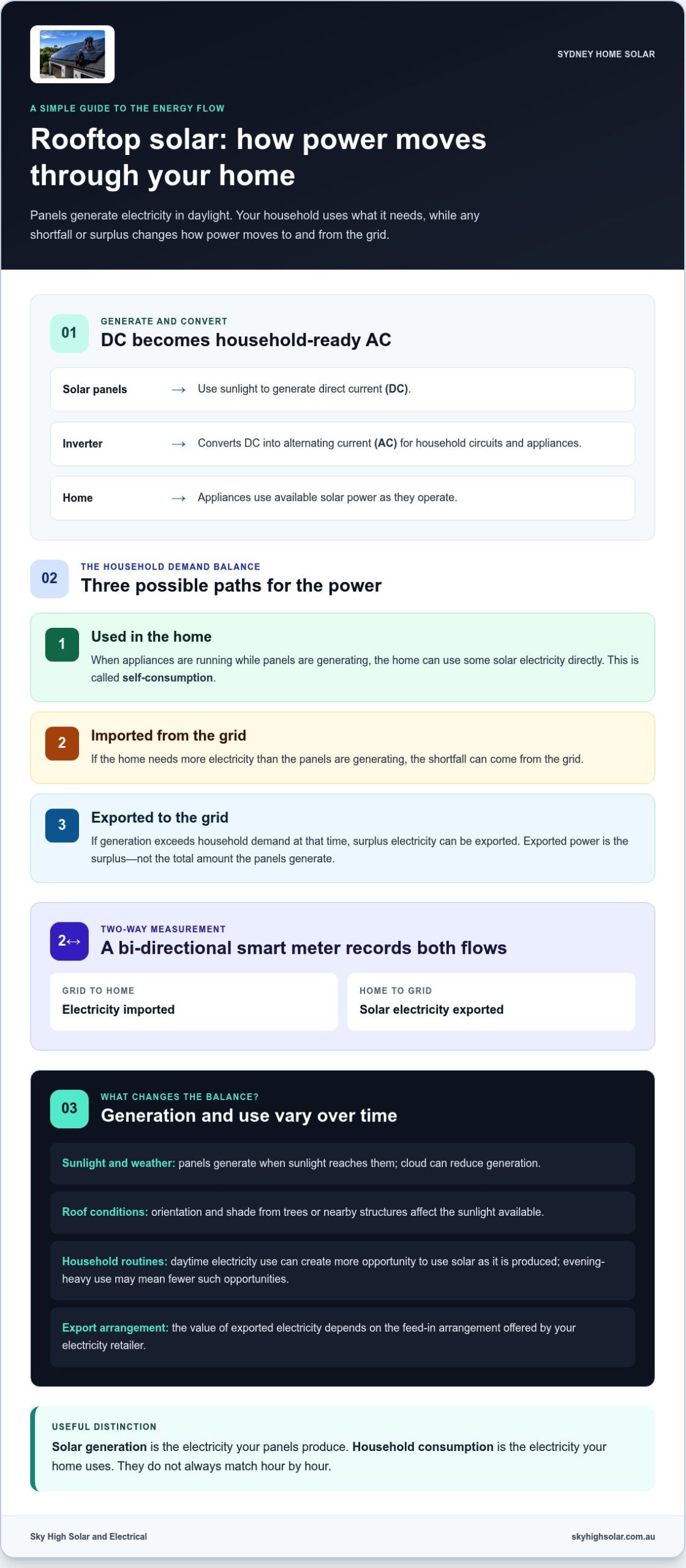
Rooftop solar photovoltaic (PV) panels use sunlight to generate electricity. They produce direct current (DC), which an inverter converts into alternating current (AC) for household circuits and appliances. The panels generate power, and the home uses it as needed.
The photovoltaic effect is the process behind electricity generation in solar cells. For a broader overview of how solar panels work, including cell types and system components, see Wikipedia’s solar panel guide.
What happens to solar electricity inside a home?
In a typical grid-connected system, electricity travels from the panels to the inverter and then into the home’s electrical system. Appliances use available solar power as they operate. If the home needs more electricity than the panels are generating, the shortfall can come from the grid. If generation exceeds household demand, surplus electricity can be exported.
A bi-directional smart meter records electricity flowing in both directions: power imported from the grid and solar electricity exported from the home. The amount exported depends on the difference between generation and demand at that time. It is not the same as the total amount the panels generate.
For example, a household using appliances while the panels are producing electricity can use some of that power directly. If demand is lower than generation, the surplus may be exported. A household whose residents are out during the day may have fewer opportunities to use solar as it is produced. These patterns help inform system design, but don’t determine suitability on their own.
When do home solar panels generate electricity?
Panels generate electricity when sunlight reaches them. Output changes throughout the day and across the year, and is affected by weather, roof orientation and shade from trees or nearby structures. Cloud can reduce generation, and shade over part of an array can affect the electricity it produces.
Daytime demand differs from household to household. One family might use more power for working from home, cooking or running appliances during the day. Another might use most of its electricity in the evening. Compare when electricity is generated with when your household uses it rather than assuming one routine applies to every Sydney home.
Solar generation is the electricity your panels produce; household consumption is the electricity your home uses. The two won’t always match hour by hour. A considered design takes the roof, household use and electrical conditions into account. It doesn’t assume that generation will translate directly into a particular bill outcome.
How Sydney roof conditions and household habits shape solar performance
Roof direction alone doesn’t determine whether a home is suitable for solar. Orientation matters, but so do usable roof space, shade at different times of day, household electricity use and the system design. A roof with some shade needs an individual assessment rather than an automatic yes or no.
Sydney properties have varied roof and site conditions. Cloud and changing weather affect the sunlight reaching panels, while coastal homes may need salt-mist exposure considered during site assessment. These details help inform design, but a reliable generation estimate requires consideration of the specific property. Assessing the roof and household together is more useful than relying on a broad rule of thumb.
Does shade or roof orientation rule out solar panels?
Not necessarily. Orientation influences when sunlight reaches a roof area, while shade from trees, chimneys or neighbouring buildings can reduce the sunlight available. The effect depends on where the shade falls and how it changes through the day. A brief patch of morning shade is different from an area shaded for much of the daylight period.
Look at each usable roof area and the pattern of shade, rather than relying on a single view at midday. Consider roof space alongside household demand, too. A smaller unshaded area may still be relevant, but its suitability depends on the overall design. Don’t assume that a neighbour’s experience or one particular roof direction predicts what will work on your home.
How do household routines affect solar use?
Households that use more electricity during daylight may be able to use more solar generation as it happens. This is called self-consumption. For example, someone working from home might run a dishwasher or other appliances during the day, while a household that is out may use most of its electricity in the evening. Treat these routines as planning clues, not fixed templates.
Electricity generated but not used at the time may be exported to the grid. The value of exported electricity depends on the feed-in arrangement offered by your electricity retailer. Reviewing a recent bill can help you understand usage patterns and tariff details before discussing a system design.
Before planning, note which roof areas receive shade and when, and identify regular daytime electricity use. These observations connect solar panels and home energy needs with the conditions at your property. Sky High Solar and Electrical installs residential solar systems for Sydney households. A Sydney residential solar assessment brings roof conditions and household use into the same discussion.
How to assess home solar options without relying on system size alone
System capacity is only one factor when deciding whether solar suits a property. Two households with the same number of residents can have different roof space, shading, appliances and electricity habits. Compare these factors together, then consider how the household may change over time.
Use the framework below to organise the questions that matter. It can help you explain your priorities and compare options beyond the headline system size.
Roof suitability: Note usable roof areas, their orientation and shade from trees or nearby buildings. More roof space doesn’t automatically mean a larger system is the best fit.
Daytime electricity use: Review bills or usage information to understand when the home uses electricity. Regular daytime demand may allow more generated power to be used directly.
Export arrangements: Consider how surplus electricity may be exported and what feed-in arrangement your retailer offers. The value of using solar electricity at home can differ from the value of exporting it.
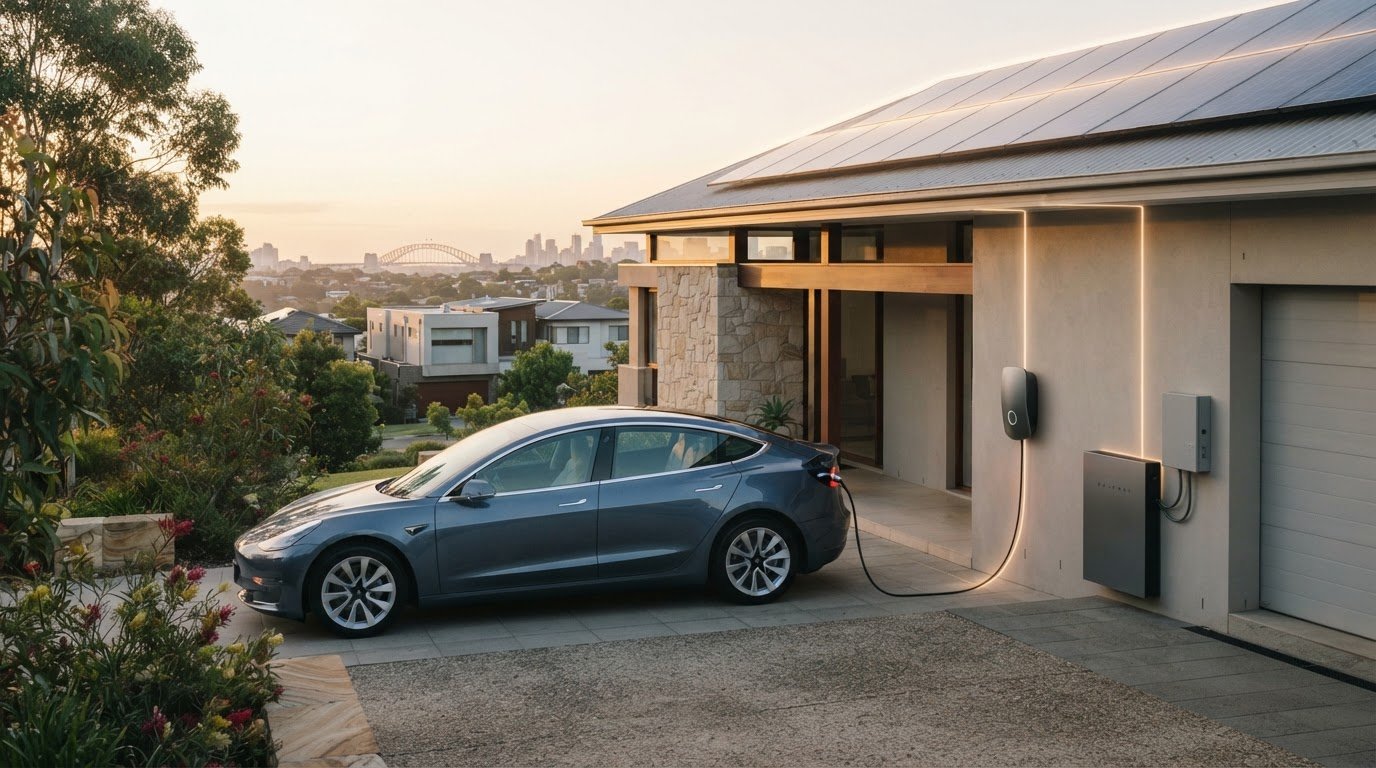
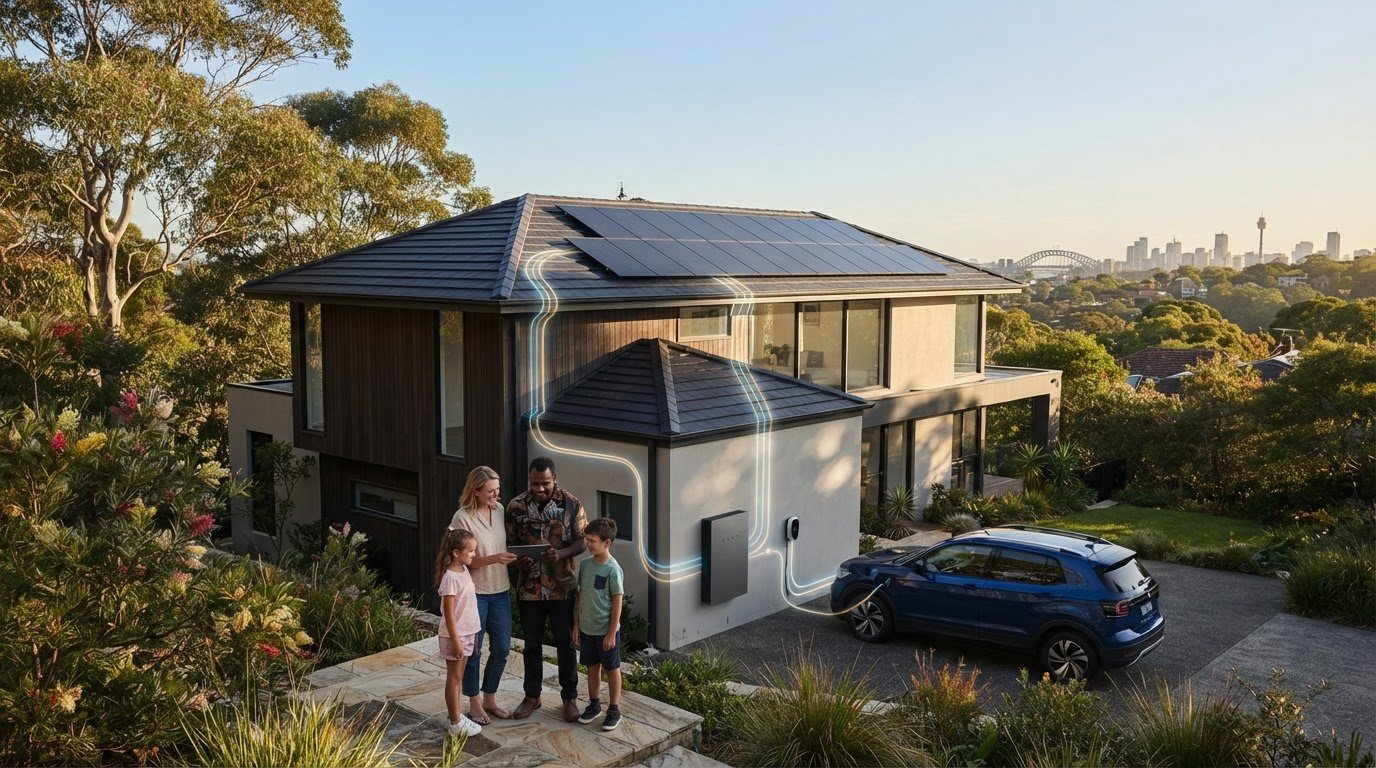
Future plans: Think about possible changes, such as an electric vehicle, new appliances, working from home or a renovation. These can inform design discussions, but shouldn’t be treated as a certain forecast of future demand.
This comparison is a starting point for a tailored residential solar assessment. Sky High Solar and Electrical installs 6.6kW and 10kW solar systems for residential and commercial properties, with system planning shaped by the site and its energy needs.
What should you compare when considering home solar?
Consider the factors together rather than scoring each one in isolation. A home with modest usable roof space but consistent daytime electricity use presents a different design question from a home with more roof area and most demand after sunset. Household size alone won’t show appliance use, time-of-day patterns or roof constraints, so it can’t determine the right system.
Use your electricity bill as a practical reference and note planned changes without assuming they will happen. A design can account for current use and relevant future considerations without relying on a generic size guide. Sky High Solar and Electrical offers 6.6kW and 10kW system installations; the right fit depends on the property and household requirements.
Are solar panels worthwhile without a battery?
Solar panels can supply household electricity without a battery. The home can use available solar generation as it is produced, while surplus electricity may be exported to the grid. A battery is a separate option that stores some generated electricity for later use, such as when panels aren’t generating. Whether storage suits a household depends on its circumstances, so consider it separately from the core solar assessment.
Sky High Solar and Electrical installs FOX ESS battery storage and hybrid inverters, including GoodWe and FOX ESS options. A dedicated Sydney home battery guide can help you explore storage as a separate decision from whether the roof, household use and solar design fit together.
Steps to plan a safe solar installation for a Sydney home
A clear plan connects household energy use with the roof, electrical setup and local connection requirements. These practical steps can make planning discussions more productive and help identify what needs attention before the system is switched on.
- Review your electricity bills. Gather recent bills and note when the household typically uses the most electricity. Include regular daytime activities and any major changes you’re considering, such as an electric vehicle or new appliances. This helps show how solar panels and home energy use may fit together.
- Record roof and access details. Note visible shade, potentially usable roof areas and access constraints around the property. Mention planned renovations or tree work that could change roof conditions. An on-site assessment can consider details that may be difficult to explain from a description alone.
- Identify your electricity distributor. The distributor responsible for the property can affect connection requirements. Check your bill or retailer information to identify the distributor, then include that detail in planning so the relevant requirements can be assessed.
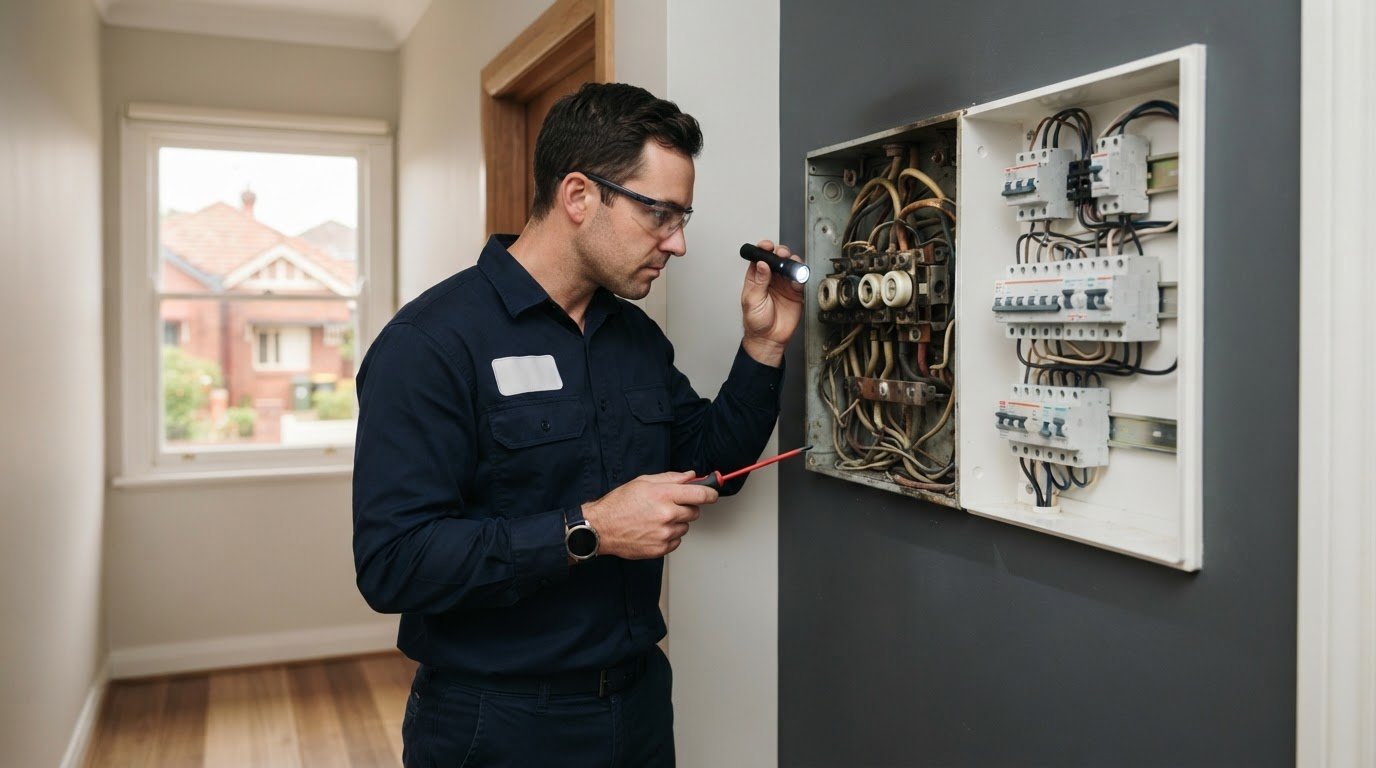
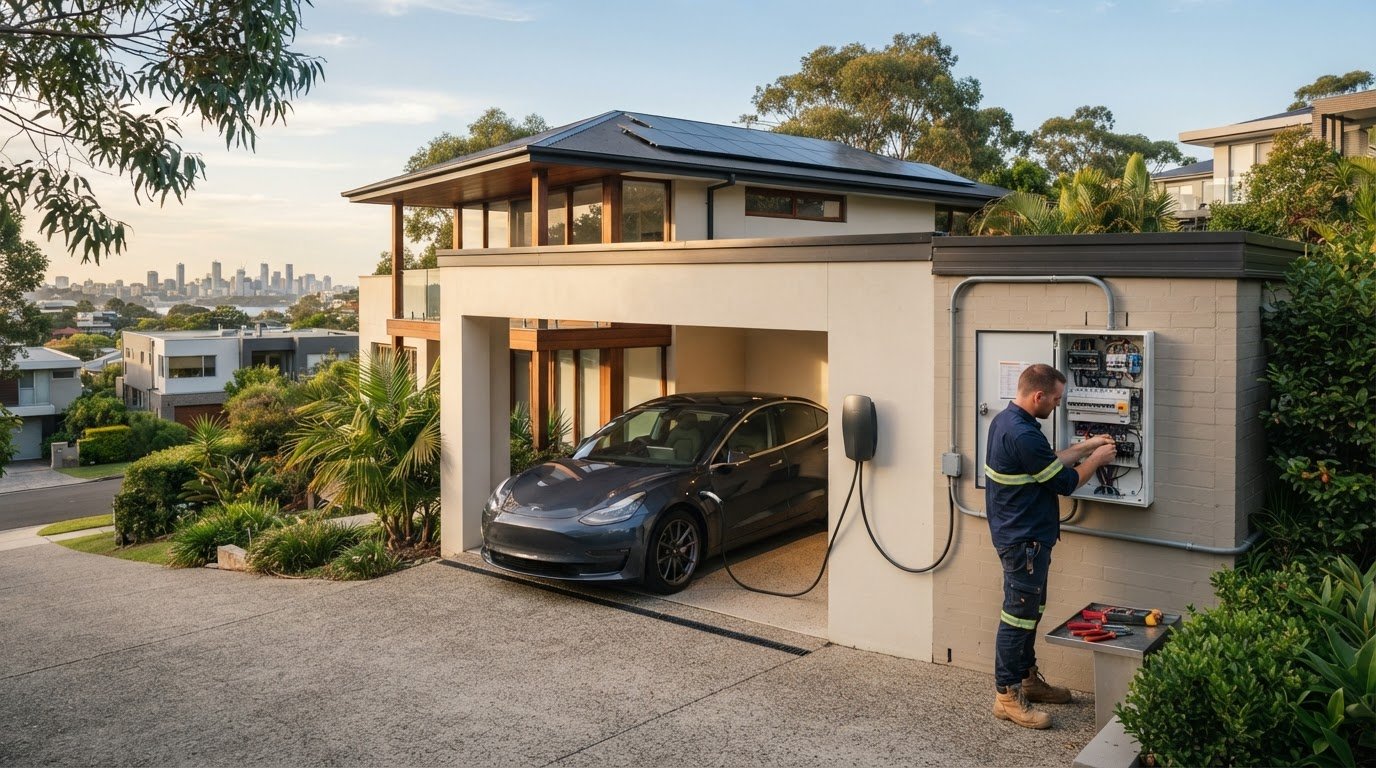
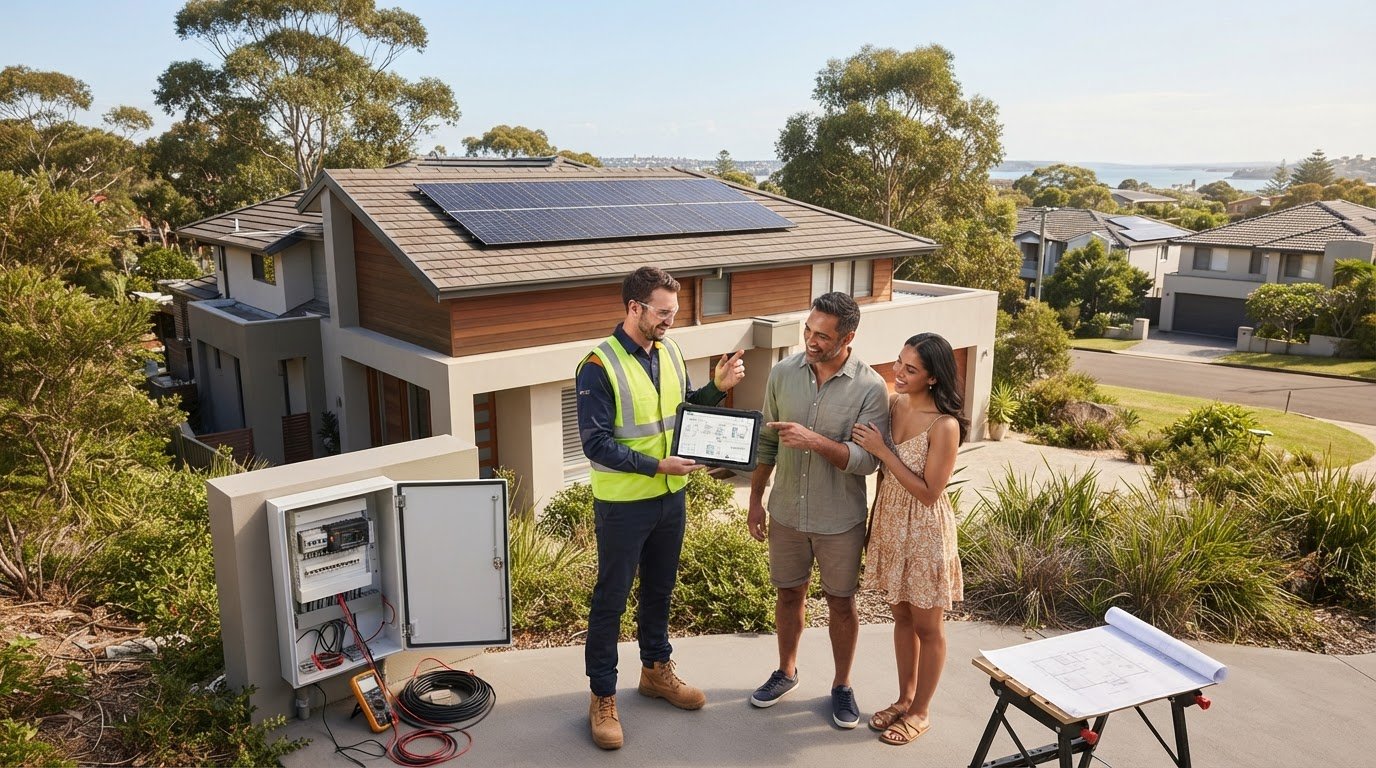
- Discuss the design and electrical conditions. A licensed installer should assess the roof and existing electrical setup, including whether electrical work or switchboard changes are needed. The design should account for household use, site conditions and applicable connection requirements, rather than treating installation as a panel-only job.
- Check current incentive terms. Australian and NSW solar or battery incentives can have eligibility criteria and change over time. Before relying on an incentive, check current official programme information for the relevant system, household and installation requirements. Don’t assume eligibility or registration steps are the same for every property.
- Review the completed installation. After installation, the system should be commissioned and reviewed, with its operation and relevant handover information explained. Keep the documents provided, including the certificate of compliance electrical work (CCEW) for applicable electrical work. The CCEW records that the electrical work it covers complies with relevant requirements.
What should you prepare before a Sydney solar assessment?
Gather your electricity bills and note when appliances or other substantial loads are usually used. Add observations about shade at different times, roof access and planned changes to home energy use. If you know the property’s electricity distributor, include that detail. This gives the assessment a useful starting point, while a site review can establish conditions that bills alone can’t show.
What happens after the panels are installed?
Commissioning and handover help establish that the installed system has been checked and that you understand the information provided about it. Checks and documentation depend on the work completed, so don’t assume a fixed sequence or timeframe. Keep the CCEW with your other system records for future reference.
Sky High Solar and Electrical provides solar installation and licensed electrical work for Sydney homes. Plan your Sydney home solar installation with roof, energy use and electrical considerations brought into one practical process.
Plan home solar with a Sydney installer who handles the details
A suitable home solar plan brings together three essentials: what the roof can accommodate, how the household uses electricity and what the property’s electrical setup requires. Looking at just one factor can miss important details. Considering them together helps shape a system around the home rather than treating solar as a standard package for every roof and routine.
This joined-up approach matters in Sydney, where roof conditions and household patterns vary from one property to another. An assessment can connect available roof space and shading with electricity use, then account for electrical conditions and applicable connection requirements. The aim is a considered plan, not a promise of a particular bill reduction or generation level.
What does a professional home solar assessment cover?
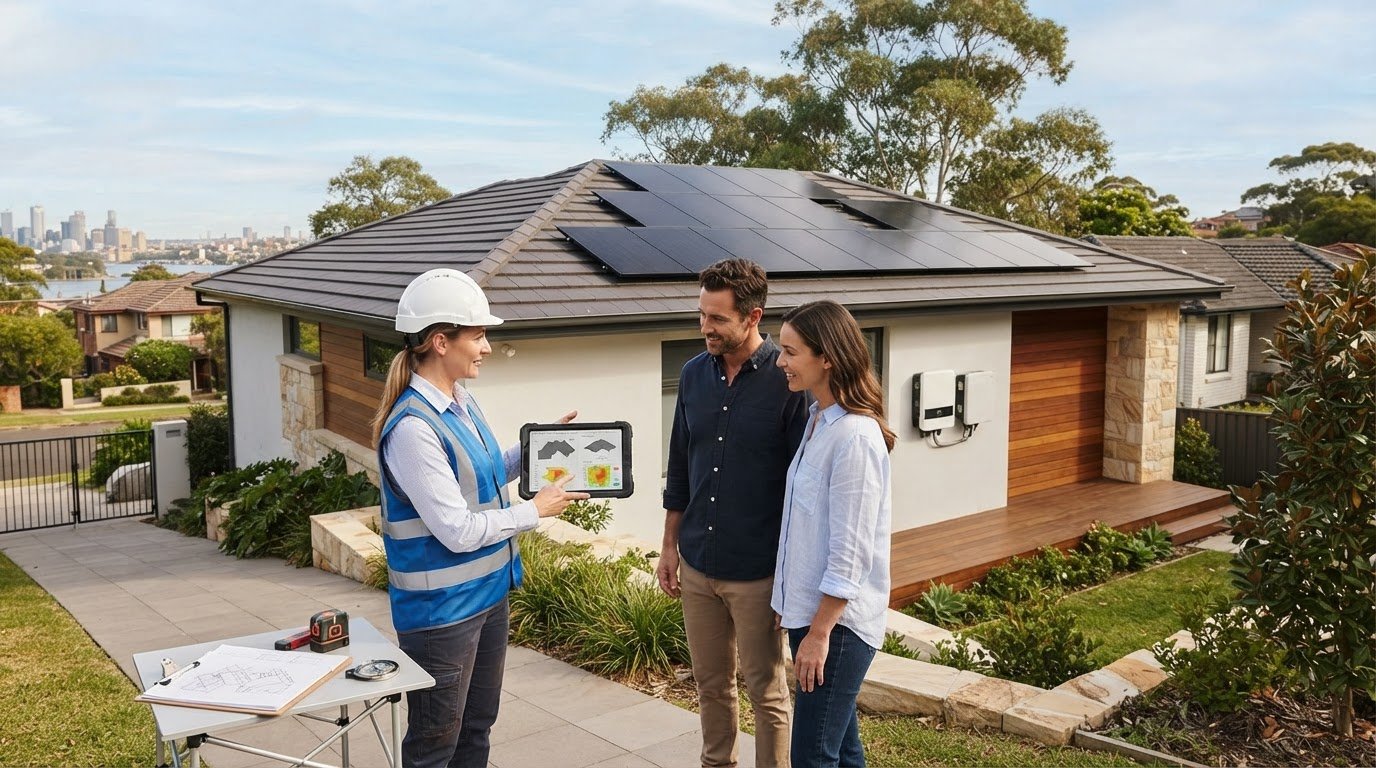
An assessment considers how roof conditions and household needs fit together. Electricity bills and notes about when energy is used help explain household demand. A site review considers usable roof areas, shading and relevant electrical conditions. Together, these details inform a design for your home rather than a one-size-fits-all package.
Electrical work is an important part of the picture. A licensed installer should assess the existing electrical setup and the connection requirements for the property. If electrical work is carried out, the certificate of compliance electrical work (CCEW) documents compliance for the work it covers. The design and paperwork should reflect the actual project, without assuming every home needs the same changes.
Some households may need electrical work beyond the solar installation itself. A switchboard upgrade, for example, may be relevant if the existing setup needs attention. Solar system servicing is a separate consideration for owners who already have panels and want to address their system’s condition. Distinguishing these needs helps keep planning focused on the work your home requires.
How can Sydney homeowners take the next step?
Before discussing a residential solar installation, gather recent electricity bills, note when the household tends to use the most power, and write down questions about roof access or shade. Include future plans, such as a possible electric vehicle or changes to appliances, as context rather than assumed requirements. These details help make the discussion specific to your home.
Sky High Solar and Electrical provides residential solar installation, licensed electrical work and solar system servicing in Sydney. Bring your questions about the roof, household use and priorities to a discussion about the options for your property.
If you’re considering solar panels and home energy changes, get in touch with Sky High Solar and Electrical to discuss a residential solar installation for your Sydney home.
Turn your solar questions into a practical next step
You don’t need to settle every detail before starting a conversation. Decide what matters most to your household: using more of your own generation, planning for future energy changes or understanding what your property can support. A short list of priorities gives the assessment a clear purpose and keeps decisions grounded in your circumstances.
For solar panels and home energy planning, bring those priorities together with the questions you still have. Discuss what’s practical for your property, what needs assessment and which decisions can wait. That supports an informed choice without assuming a particular system will suit every home or deliver a guaranteed result.
Sky High Solar and Electrical can help you plan residential solar for your Sydney home. Discuss a solar assessment for your Sydney home and take the next step towards a system suited to your roof and household needs.
Frequently Asked Questions
Is solar suitable for every home in Sydney?
No, solar isn’t automatically suitable for every Sydney property. A compact terrace roof, a tree-shaded block and a large, open roof each present different design considerations. Roof space, orientation, shading, electrical conditions and household energy use all matter. Shade or a less favourable direction doesn’t by itself rule out panels. A site assessment can clarify which options fit your home.
Can solar panels power a home at night?
No, solar panels generate electricity from sunlight, so they don’t produce solar power at night. When generation falls, a home can draw electricity from the grid. A battery can store some solar energy for later use, but it’s a separate system choice, not an automatic part of every installation. Neither panels nor a battery should be assumed to provide uninterrupted power in every situation.
How much electricity do home solar panels generate in Sydney?
There isn’t one reliable generation figure for every Sydney home. Output depends on system design and site conditions, including roof orientation, shading and weather. A property-specific estimate is more useful than a general daily or annual average. Estimated generation isn’t the same as the electricity your household uses directly: some may be used at home, while surplus may be exported.
What happens if my roof is shaded?
Shade can reduce generation, but the effect depends on how much of the roof is shaded, where the shade falls and at what times. A nearby tree, for example, may cast different shadows in the morning and later in the day, and that pattern can change with the seasons. An assessment can review roof areas and shading before a design is prepared. A shaded roof isn’t automatically unsuitable.
Do I need a battery with home solar panels?
No, a battery isn’t required for solar panels to generate electricity for daytime use. Without storage, the household can use available solar generation as it occurs, while surplus may be exported. A battery can store some generated electricity for later, but whether it suits you depends on your energy habits, system design and current incentive conditions. For a deeper comparison, explore a separate Sydney home battery guide.
Are there solar rebates for Sydney households in 2026?
Potential support may be available, but eligibility and programme terms depend on the incentive and household circumstances. Australian and NSW schemes can have different conditions relating to the system, property and installation. Check current Australian Government and NSW Government guidance before including a rebate in your decision. Don’t assume you qualify based on a general online example, as requirements and registration steps can vary.
What happens after solar panels are installed?
After installation, the system should be commissioned and checked, with relevant information provided for the completed work. The post-installation review helps you understand the handover and keep useful records. For applicable electrical work, Sky High Solar and Electrical provides a certificate of compliance electrical work (CCEW), documenting compliance for the work it covers. Keep this with your solar and electrical paperwork.