

 Sydney
 0452 243 240
Blog
Solar Panel ROI NSW: The 2026 Guide to Payback and Feed-In Tariffs

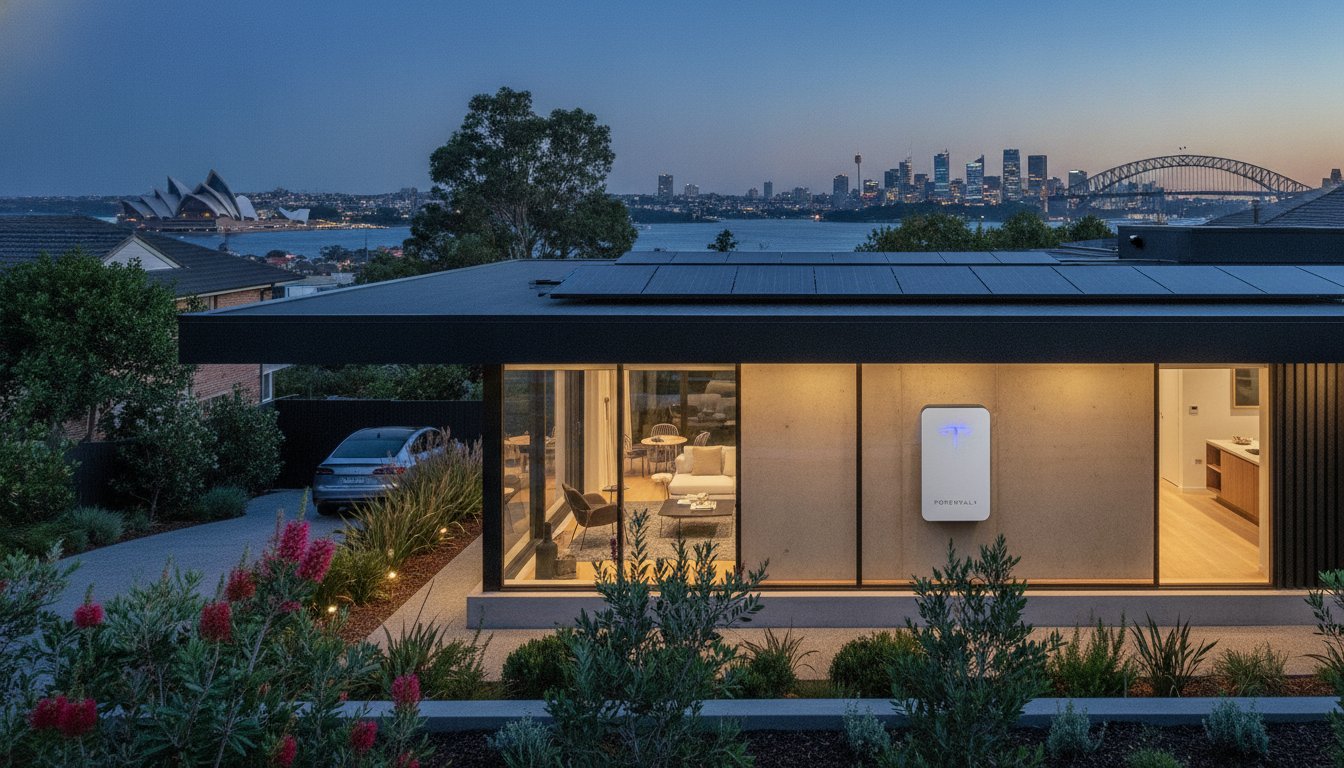
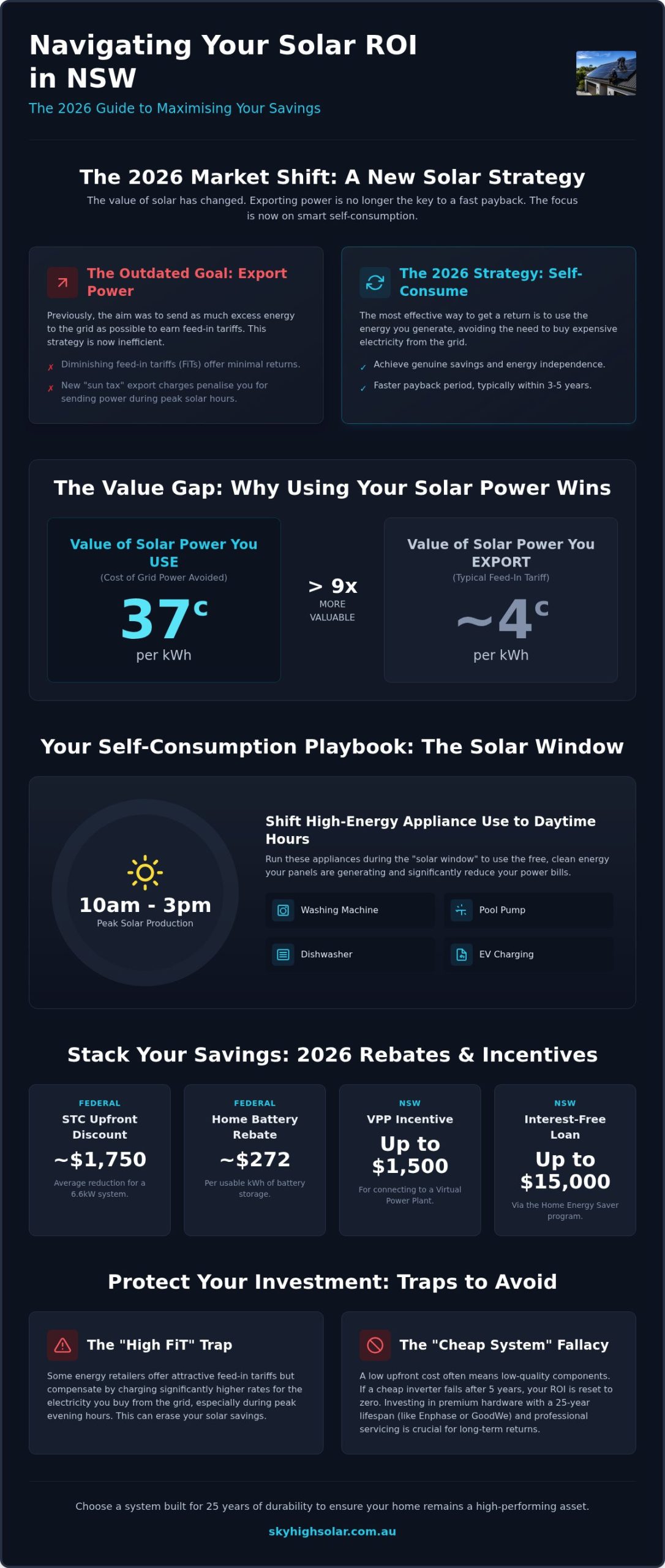
Sending your excess solar energy back to the grid in 2026 is no longer the shortcut to a fast payback. For many homeowners, it is actually a missed opportunity for genuine savings. With the introduction of export charges during peak daylight hours and feed-in tariffs often sitting as low as 4c per kWh, the traditional logic for solar panel roi nsw has fundamentally shifted. It’s understandable to feel frustrated when you’re producing clean energy only to be penalised by the “sun tax” while grid prices remain near 37c per kWh.
We believe that a transition to modern energy should feel rewarding and secure, not confusing. This guide will show you how to navigate the 2026 market to achieve a true return on investment and avoid the hardware traps that keep your bills high. We’ll break down the current 3 to 5 year payback window and explain how smart self-consumption, powered by premium inverters and storage, is the key to energy independence. You’ll gain the confidence to choose a system built for 25 years of durability, ensuring your home remains a high-performing asset in a rapidly evolving landscape.
Key Takeaways
- Learn why 2026 marks a shift from chasing feed-in tariffs to prioritising self-consumption for the best financial outcome.
- Identify the hidden “High FiT Trap” that energy retailers use to offset solar credits with higher peak usage rates.
- Discover how to stack federal and state incentives to lower the initial cost of high-quality hardware like the FOX ESS CQ7 battery.
- Use our 5-step framework to calculate a realistic solar panel roi nsw based on your specific energy habits and local network area.
- Understand how professional installation and ongoing servicing protect your investment and ensure your system lasts for its intended 25-year lifespan.
What Determines Your Solar Panel ROI in NSW? (2026 Update)
Calculating your solar panel roi nsw involves more than just looking at the price tag on a quote. It is the balance between your total upfront investment, including any necessary switchboard upgrades, and the cumulative reduction in your quarterly power bills. In 2026, the variables have shifted. While Solar power in Australia continues to see record adoption, the financial benefits now rely less on what the grid pays you and more on how much grid power you can avoid buying.
Federal incentives remain a cornerstone of this calculation. Small-scale Technology Certificates (STCs) still provide a significant upfront discount, often reducing the cost of a 6.6kW system by approximately $1,700 to $1,800. This incentive effectively lowers the “out of pocket” barrier, allowing homeowners to see a faster return on their capital. For most Sydney households, a high-quality 6.6kW solar system serves as the ideal baseline for ROI, providing enough capacity to cover daytime loads while leaving room for future battery expansion.
The “Self-Consumption” Metric: Your Secret ROI Weapon
The most important figure in 2026 isn’t your feed-in tariff; it’s your self-consumption rate. With grid electricity prices in Sydney hovering around 37c per kWh and export rates as low as 4c, every unit of energy you use at home is worth nearly nine times more than the unit you sell back. Shifting heavy appliance usage to the “solar window” between 10 am and 3 pm is essential. Running pool pumps, dishwashers, and washing machines during these hours ensures you aren’t hit with “Bill Shock” when your quarterly statement arrives. Homeowners who fail to adapt their habits often find their solar panel roi nsw takes years longer to materialise because they’re still buying expensive power at night while giving away their own energy for a pittance during the day.
System Longevity and the Cost of Downtime
A “cheap” solar system is often the most expensive one you’ll ever buy. If a low-quality inverter fails after five years, your ROI resets to zero, or worse, becomes negative once you factor in replacement costs. Consistent solar system servicing is vital to maintain peak yield and identify potential issues before they cause total system failure. Choosing high-quality inverters from brands like Enphase or GoodWe protects your investment by offering robust warranties that ensure your system remains a productive asset for its full 25-year lifespan.
The 2026 Cost Breakdown: Installation, Rebates, and Incentives
Investing in solar is a strategic decision that requires a clear understanding of the financial landscape. In 2026, your initial outlay is shaped by the quality of hardware you select, such as Tier 1 panels and sophisticated hybrid inverters. While the sticker price of a system is the first thing most homeowners look at, the true solar panel roi nsw is determined by how effectively you stack various government incentives to lower that barrier to entry. Sydney households can currently benefit from a combination of federal discounts and state-specific programs that make high-end technology more accessible than ever before.
The Federal STC (Small-scale Technology Certificate) scheme continues to act as a significant upfront discount. For a standard 6.6kW system, this typically reduces your costs by approximately $1,700 to $1,800. However, the real story in 2026 is the “Cheaper Home Batteries” rebate. This federal program offers about $272 per usable kWh of storage, which can be combined with the NSW VPP incentive of up to $1,500. When you factor in the NSW Home Energy Saver program, which provides interest-free loans of up to $15,000, the transition to a solar-plus-battery setup becomes a manageable monthly commitment rather than a daunting capital expense. A thorough professional assessment can clarify these variables before you commit to a specific hardware package.
Switchboard Upgrades: A Necessary Foundation
Many homeowners in older Sydney suburbs, particularly those with pre-1990s properties, are surprised to find “hidden costs” in their initial quotes. Before a modern solar system can be safely commissioned, your electrical foundation must be up to code. An outdated switchboard often lacks the physical space for new solar breakers or the safety features required for high-voltage components. Investing in a board refresh isn’t just a regulatory hurdle; it’s a critical safety step that also prepares your home for future EV charging integration. You can find more technical details in our Essential Guide to Switchboard Upgrades.
STC Phase-Out: Why Waiting Costs You Money
The Federal solar rebate is a diminishing asset. The STC scheme is designed to reduce in value every year on January 1st until it concludes in 2030. This annual reduction creates a “cost of delay” for homeowners who hesitate. By waiting another year, you’re essentially choosing to pay more for the same technology as the government subsidy shrinks. 2026 represents a vital window to secure these incentives while they still cover a substantial portion of the installation cost, ensuring your solar panel roi nsw remains as high as possible from day one.
Chasing the Best Solar Feed-In Tariff in NSW: Avoiding the Trap
Many Sydney homeowners fall into the trap of selecting an energy retailer based solely on the highest advertised feed-in tariff (FiT). While a 12c or 15c export rate looks attractive on a marketing brochure, it’s often a “High FiT Trap” designed to mask predatory usage charges. Retailers frequently inflate their standard electricity rates or daily supply charges to subsidise these higher export credits. For your solar panel roi nsw to remain on track, you must look at the total bill rather than just one enticing number. A plan offering a modest 5c FiT paired with a low 30c usage rate will almost always outperform a flashy 12c FiT plan that charges 45c per kWh for the power you buy at night.
The Independent Pricing and Regulatory Tribunal (IPART) provides voluntary benchmarks for feed-in tariffs in NSW, but these are not mandated minimums. In 2026, these rates remain market-driven, reflecting the high volume of solar energy flooding the grid during the day. Because the wholesale value of solar is often lowest when the sun is brightest, retailers have little incentive to offer high credits without recouping that cost elsewhere. This makes your self-consumption strategy, as discussed earlier, the primary engine of your financial return.
Sydney Network Peak Times and Your ROI
Your physical location in Sydney dictates which distribution network manages your poles and wires, which fundamentally changes your peak pricing windows. Households on the Ausgrid network (covering Sydney Central and the North) face different time-of-use structures than those on the Endeavour Energy network (covering the West and South). Aligning your rooftop solar for homes with these specific windows is crucial. For instance, if your network’s peak rates begin at 4 pm, a west-facing panel array or a battery system can help you avoid those expensive charges as the sun goes down. Be aware that “Flexible Exports” are now more common, where networks may remotely limit your exports during times of high congestion to maintain grid stability.
Finding the “Sweet Spot” Plan
The most effective way to compare offers is by using the federal government’s “Energy Made Easy” tool with your actual interval data. This data shows exactly when you use power and when you export it. A household with a large 10kW system will have a different “sweet spot” than one with a smaller 6.6kW system. Large exporters might benefit from a slightly higher FiT even if usage rates are higher, whereas low exporters should almost always prioritise the lowest possible usage rate. We recommend an annual plan review, as the “best” tariff in the NSW market typically shifts every six months as retailers adjust their portfolios.
How to Calculate Your Solar Payback Period: A 5-Step Framework
Calculating your solar panel roi nsw doesn’t require complex software, but it does require realistic data. While many online calculators use “perfect world” assumptions, your actual payback period depends on your specific household habits and local conditions. We use a structured five-step framework to move beyond guesswork and find your true break-even point.
- Step 1: Determine Total System Cost. Start with the full price of the installation, including any switchboard work or microinverter upgrades, then subtract the federal STC discount.
- Step 2: Estimate Annual Generation. Sydney averages 3.9 peak sun hours per day. Multiply your system size (for example, 6.6kW) by 3.9 to find your average daily output, then multiply by 365.
- Step 3: Calculate Your Self-Consumption Ratio. Estimate how much of that daily output is used instantly by your home. High-performing households often achieve 40% to 60% through smart appliance scheduling.
- Step 4: Factor in Avoided Costs and Credits. Calculate the value of the power you didn’t buy from the grid (at approximately 37c per kWh) and add the value of the power you exported at your specific feed-in tariff rate.
- Step 5: Find the Payback Year. Divide your total net cost from Step 1 by your annual savings from Step 4.
The 6.6kW vs 10kW ROI Comparison
A common misconception is that a smaller system always pays for itself faster. In reality, a 10kW solar system often delivers a superior ROI due to the “economy of scale.” The fixed costs of installation, such as scaffolding, engineering certificates, and travel, remain relatively stable regardless of system size. For a typical four-bedroom Sydney home with high daytime energy needs or an electric vehicle, the 10kW option provides the overhead required to maximise self-consumption and significantly shorten the long-term payback window.
Real-World Factors: Shading, Dirt, and Degradation
Environmental factors can quietly erode your solar panel roi nsw if left unaddressed. A 10% drop in efficiency caused by accumulated dust or salt spray can add 1.5 years to your payback period. In shaded Sydney suburbs like the North Shore, Enphase microinverters are an essential investment because they allow each panel to operate independently, preventing one shaded panel from dragging down the performance of the entire string. Professional cleaning and servicing are ROI-positive activities that ensure your hardware continues to perform at its peak for decades. To see how these variables apply to your roof, you can book a comprehensive site assessment with our specialist team.
Maximising ROI with Batteries and EV Charging
Energy independence represents the final frontier of residential energy strategy. While solar panels provide the generation, storage is what allows you to decouple your home from the volatility of the grid. In the 2026 market, achieving a superior solar panel roi nsw is increasingly dependent on your ability to store energy for use during expensive evening peak periods. By shifting your reliance away from the grid, you protect your household against future retail price hikes and the “sun tax” export charges that diminish the value of daytime production.
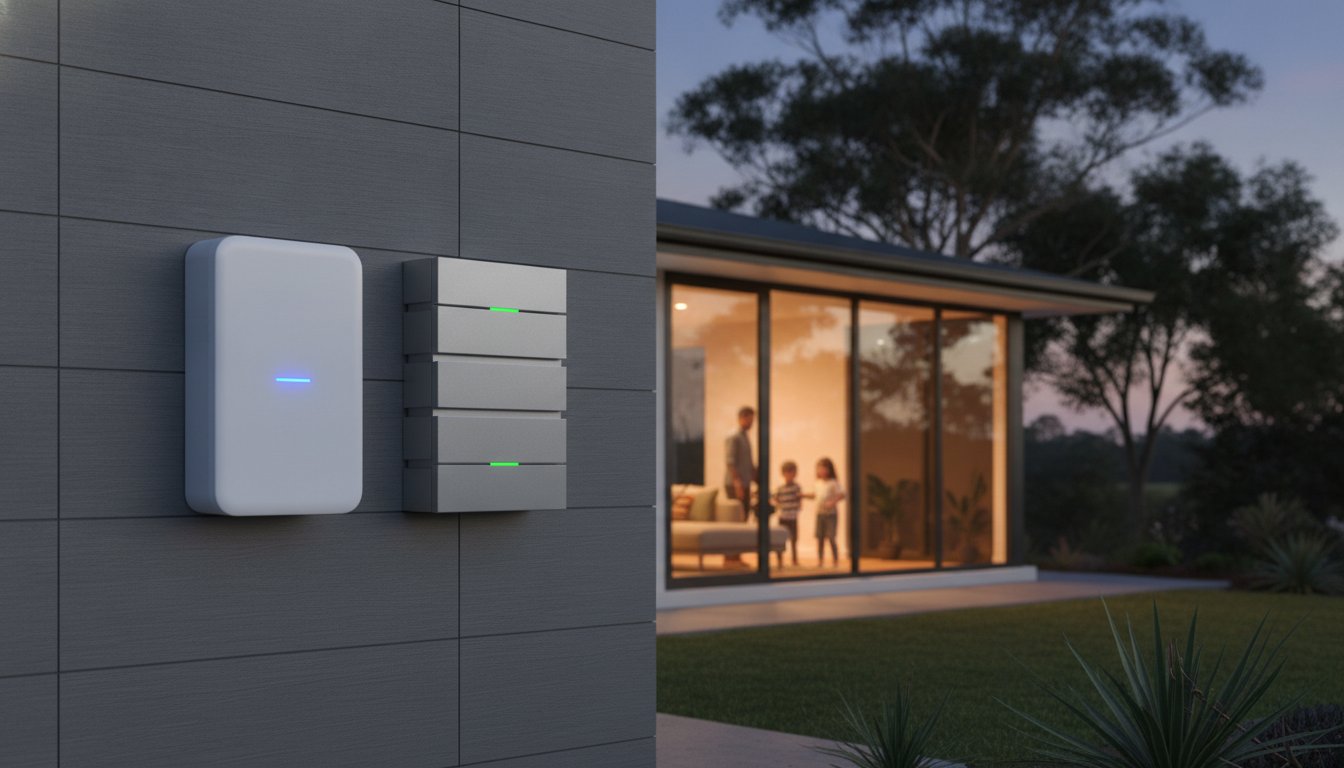
High-performance storage solutions like the FOX ESS CQ7 High Voltage Storage Battery offer a distinct technical advantage. High-voltage systems are more efficient at converting and storing energy, ensuring that every drop of excess solar is captured rather than lost to heat or conversion inefficiencies. Beyond bill savings, your battery can become a secondary revenue stream through Virtual Power Plants (VPPs). By connecting your storage to the NSW grid during times of high demand, you can access one-off incentives of up to approximately $1,500, which directly offsets your initial hardware investment and shortens your payback period.
The EV Charging Payback
For many Sydney families, the largest potential boost to their solar panel roi nsw comes from the garage. Switching from a petrol-powered vehicle to an electric vehicle (EV) charged by your own solar panels can save the average household thousands of dollars in annual fuel costs. The SigenStor Integrated Solar Inverter and EV DC Charger simplifies this transition by combining generation, storage, and fast charging into a single, streamlined unit. An EV is essentially a “battery on wheels” with a capacity often ten times larger than a standard home battery, allowing you to soak up massive amounts of excess solar and eliminate your petrol bill entirely.
Future-Proofing Your Investment
We recommend a “battery-ready” approach for every new installation. Utilising a hybrid inverter like the GoodWe ET G2 ensures that even if you don’t install a battery today, your system is prepared for seamless integration tomorrow. This foresight prevents the need for costly equipment replacements as your energy needs evolve toward 2030. True ROI isn’t just a number on a spreadsheet; it’s the peace of mind that comes from blackout protection and the resilience of a home that remains powered regardless of grid stability. Designing for your future needs ensures your investment remains a high-performing asset for decades to come.
Securing Your Energy Future in 2026
The landscape of solar panel roi nsw has moved beyond simple export credits. Today, the most significant financial gains are achieved by integrating high-quality storage and timing your consumption to match your system’s peak production. By avoiding the common traps of high-FiT retail plans and prioritising durable hardware like Enphase, GoodWe, or FOX ESS, you ensure your system remains a productive asset for decades. Transitioning to a modern energy model doesn’t have to be complex when you have a trusted partner to guide you through the technical details.
Navigating these variables requires local expertise and a focus on long-term value. With over 10 years of Sydney-specific electrical experience, our team provides the steady hand needed to future-proof your home. As premium partners for FOX ESS, Enphase, and Tesla, we offer reliable, local support you can actually talk to when you need it most. We’re committed to helping you remove the complexity from your power bills while building a more resilient home for the years ahead.
Request a Personalised Solar ROI Audit from Sky High Solar and Electrical to discover your home’s true saving potential. Taking control of your energy footprint is a rewarding step toward a more sustainable and cost-effective future.
Frequently Asked Questions
What is the average solar panel ROI in NSW for 2026?
The average solar panel roi nsw currently falls between 3 and 5 years for a standard 6.6kW installation. This timeframe is achieved by offsetting grid power priced at nearly 37c per kWh with solar energy that effectively costs about 4.1c per kWh over the system’s 25-year life. Your specific payback depends heavily on your self-consumption rate and how much energy you shift to daylight hours.
Is a 6.6kW solar system still the best value for Sydney homes?
A 6.6kW system remains a high-value starting point for smaller households, but it’s no longer the automatic choice for everyone. Families planning to add an electric vehicle or a FOX ESS battery often find that a 10kW system provides a better long-term return. The larger capacity ensures you can capture enough energy during winter or overcast days to keep your storage topped up and your bills low.
How do NSW feed-in tariffs affect my payback period?
Feed-in tariffs in NSW now range from 4c to 8c per kWh, which is significantly lower than the retail cost of buying power. Because of this gap, relying on exports will lengthen your payback period. The most efficient strategy in 2026 is to use as much of your own solar power as possible, effectively “paying” yourself the full retail rate of 37c per kWh instead of accepting a small credit.
Does the NSW battery rebate make solar storage worth it now?
The federal battery rebate has significantly improved the financial case for storage. With a rebate of approximately $272 per usable kWh and the ability to stack this with the $1,500 NSW VPP incentive, the out-of-pocket cost for high-quality storage has dropped. These combined incentives help modern battery systems pay for themselves much faster than was possible in previous years.
What is the “solar tax” and how does it impact my return?
The “solar tax” refers to export charges introduced by some distributors for sending power to the grid between 10 am and 3 pm. While this can impact your solar panel roi nsw if you export a lot of energy, it’s easily managed. You can avoid these charges entirely by using your solar power for heavy appliances during those hours or storing the excess in a battery for evening use.
How much does a switchboard upgrade add to my solar ROI calculation?
A switchboard upgrade is an investment in your home’s electrical foundation. While it adds to the initial cost, it’s often a regulatory requirement for older Sydney homes to ensure safety and solar readiness. This one-off expense also prepares your property for future high-load additions like EV chargers, ensuring your system remains a high-performing asset for decades.
Can I get a better ROI by joining a Virtual Power Plant (VPP)?
Joining a VPP can provide an immediate boost to your ROI through a one-off incentive payment of up to $1,500. Beyond this initial payment, VPPs often offer higher feed-in tariffs or ongoing credits in exchange for occasionally using your battery to support the grid during peak demand. This makes high-voltage storage solutions even more financially attractive for Sydney homeowners.
Should I choose Enphase microinverters or a string inverter for the best ROI?
The choice between Enphase microinverters and a premium string inverter like GoodWe depends on your roof’s complexity. Enphase microinverters provide the best ROI on roofs with shading issues or multiple orientations because they allow each panel to work independently. For simple, unshaded north-facing roofs, a high-quality hybrid string inverter offers a reliable and cost-effective path to a fast payback.