

 Sydney
 0452 243 240
Blog
Microinverters vs String Inverters Australia: The 2026 Sydney Homeowner’s Guide

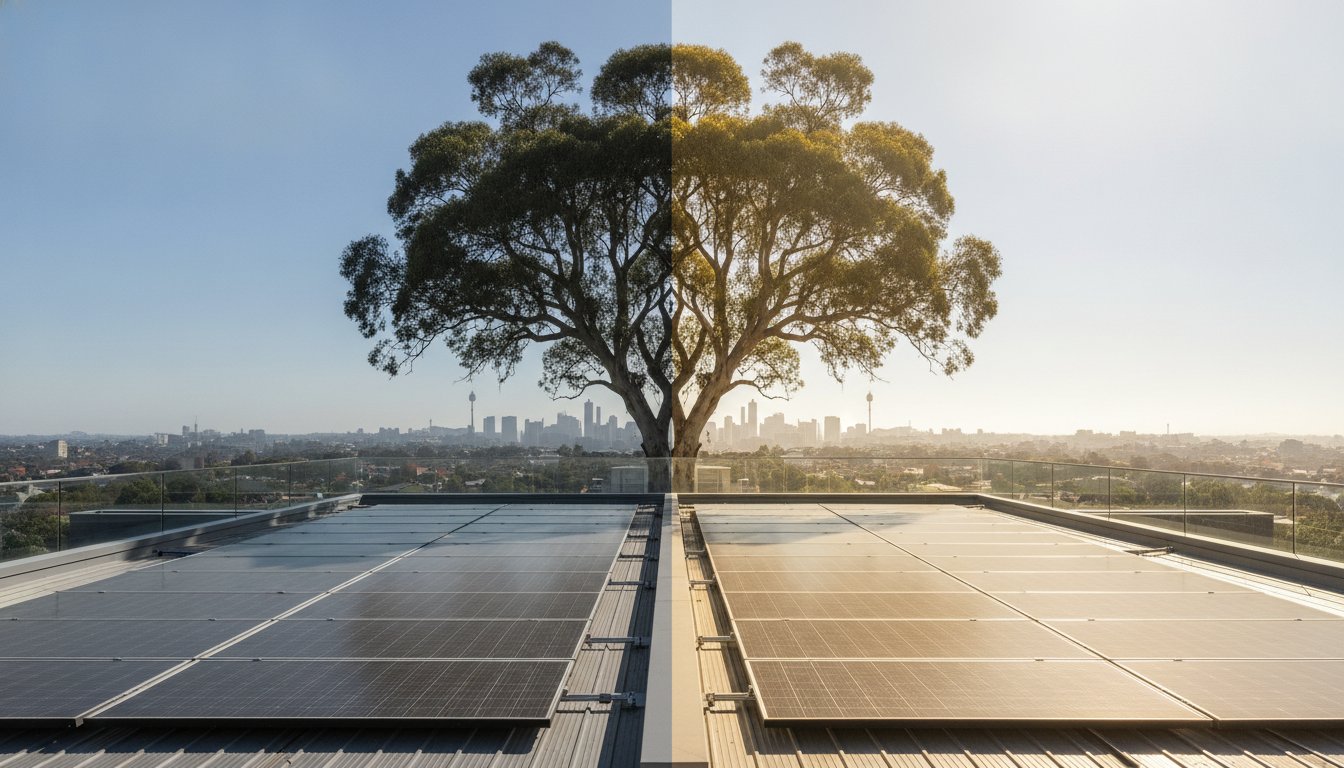
The most affordable solar quote sitting on your kitchen bench might actually be the most expensive mistake you make for your Sydney home. While a standard system looks good on paper, the real test arrives during a punishing 45-degree January heatwave or when a neighbour’s gum tree begins to cast long afternoon shadows. Understanding the nuances of microinverters vs string inverters Australia is no longer just for tech enthusiasts; it’s the key to ensuring your rooftop remains a high-performing asset for decades rather than a maintenance liability.
We know how frustrating it is to receive three different quotes with three completely different technology recommendations. You deserve a system that generates maximum power regardless of shading and comes with a 25-year warranty that actually means something. This guide will clarify which inverter technology will maximise your energy yield and survive the unique Sydney climate. We’ll explore the technical reliability of Enphase microinverters compared to robust string options like GoodWe, giving you the clarity needed to future-proof your home for the EV and battery revolution ahead.
Key Takeaways
- Understand the fundamental technical differences between microinverters vs string inverters Australia to choose the system that best matches your roof’s unique layout.
- Discover why independent panel control is essential for Sydney properties affected by intermittent shading from neighbouring trees or multi-storey homes.
- Learn how superior thermal management and salt-grade enclosures protect your solar investment from Sydney’s intense summer heatwaves and coastal conditions.
- Evaluate the long-term ROI of premium systems that can deliver up to 15% more energy yield over their lifespan compared to traditional central setups.
- Gain a clear framework for selecting inverter technology that seamlessly integrates with your future electric vehicle charging and battery storage requirements.
The Core Difference: How String and Microinverters Work
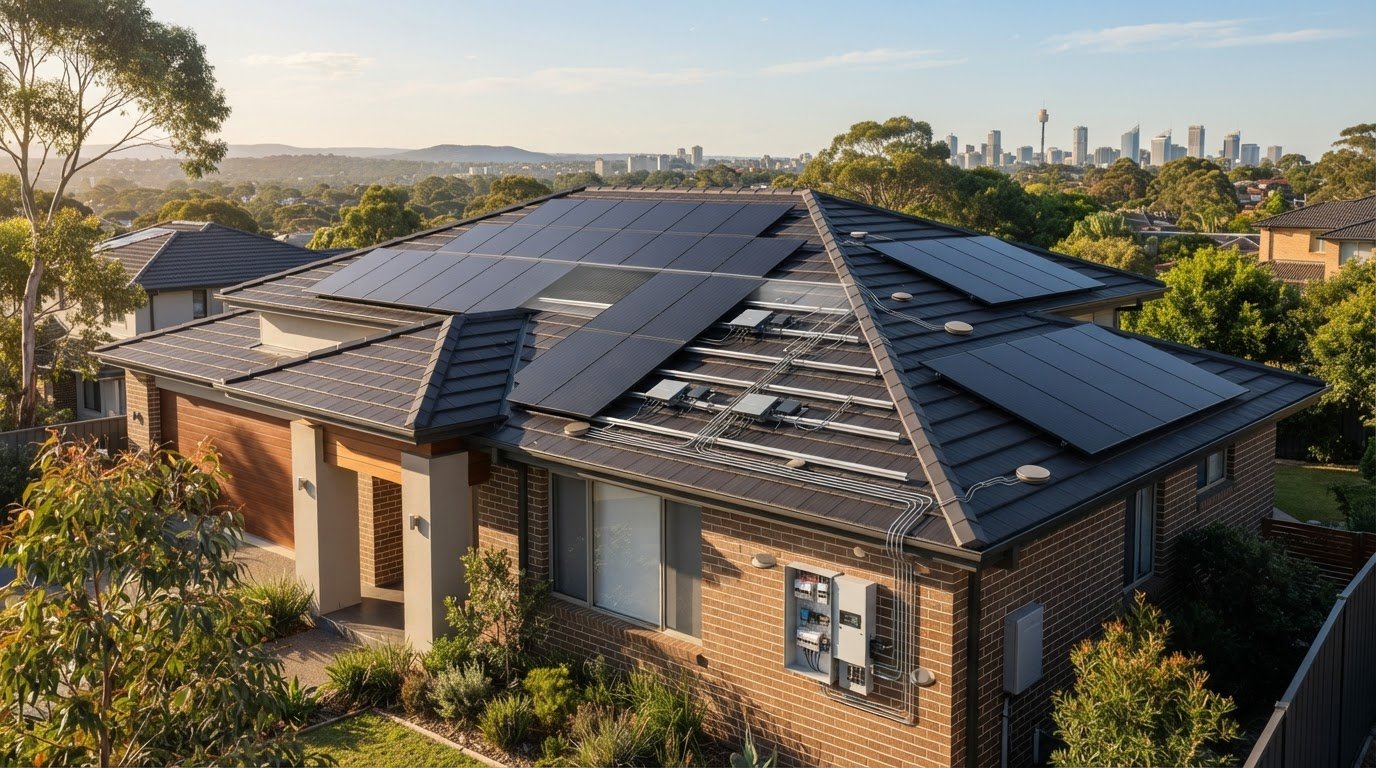
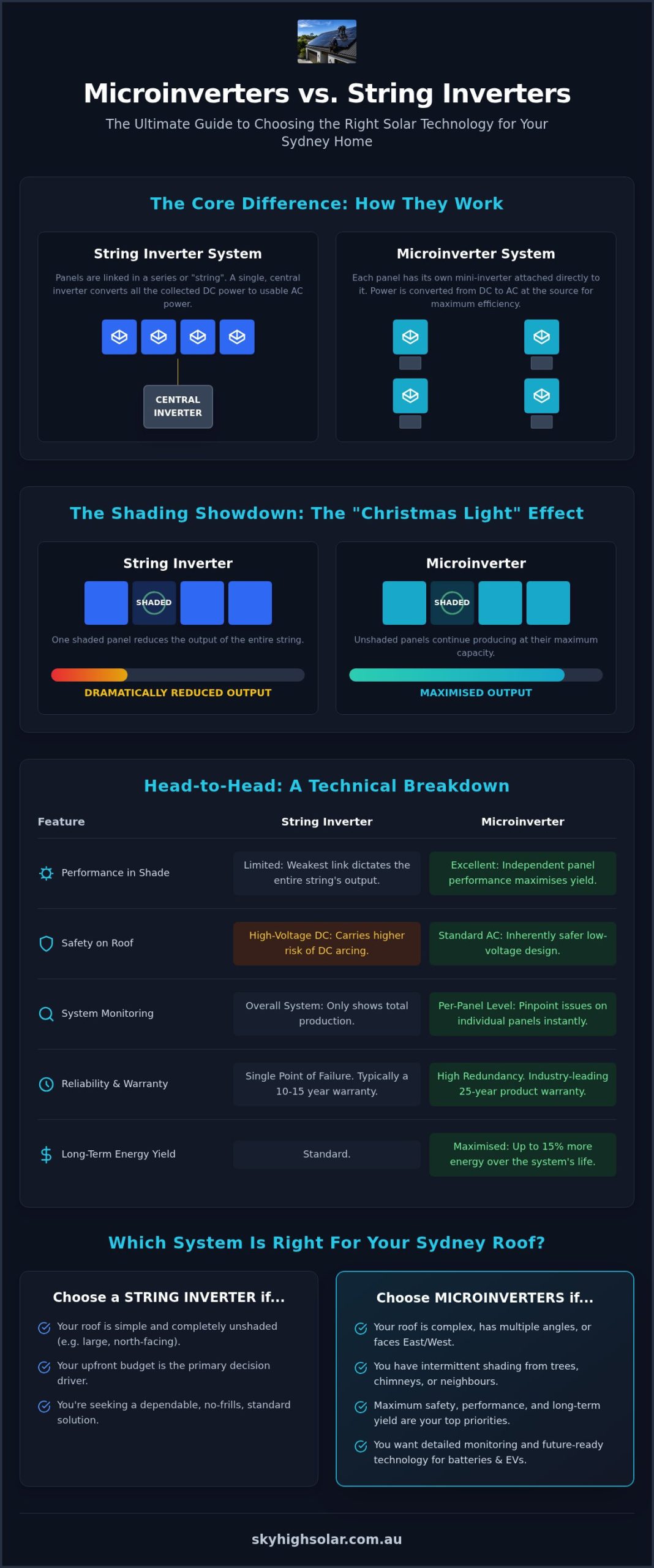
Choosing between microinverters vs string inverters Australia often feels like deciding between a central computer and a network of smart devices. A string inverter acts as a single, central brain for your entire solar array. All the panels are wired together in a series, or “string,” and the energy they produce is sent down a high-voltage DC line to a box on your wall. This box converts the power into AC electricity for your home.
The microinverter approach is fundamentally different. Instead of one central unit, each individual solar panel has its own dedicated mini-computer attached to the back. These units convert power at the source. This distinction is vital for Sydney homeowners because it changes how your system handles environmental challenges and electrical safety. When weighing up microinverters vs string inverters Australia, the primary consideration is often how your roof interacts with the environment.
Safety is a significant factor. String systems carry high-voltage DC power across your roof and down into your home. Microinverters convert that power to AC immediately at the panel level. This shift to AC power reduces the risk of high-voltage DC arcing, providing a layer of protection that many families find reassuring. It’s a cleaner, more intelligent way to manage energy that places safety at the forefront of the design.
String Inverters: The Traditional Workhorse
String inverters, such as the reliable units from GoodWe, are the established standard for many installations. They manage high-voltage DC power efficiently and remain the most cost-effective entry point for standard 6.6kW solar systems in Sydney. These systems are robust and well-suited for straightforward installations where the goal is dependable, no-frills energy production.
These systems perform exceptionally well on simple, north-facing roofs with zero shading. However, they follow the “Christmas light” logic. If one panel in the string is shaded by a chimney or a neighbour’s tree, the output of every other panel in that string drops to match the weakest link. It’s a reliable, budget-friendly choice if your roof has a clear, unobstructed view of the sky throughout the day.
Microinverters: The Modern Specialist
Enphase microinverters represent the premium, intelligent end of the market. By converting power at the panel level, they eliminate the single point of failure that exists with central inverters. If one microinverter experiences a technical glitch or a single panel is covered by a stray leaf, the rest of your system continues to produce power at its maximum capacity. This redundancy ensures your home keeps generating energy even when individual components face challenges.
This independent operation provides superior reliability for complex Sydney rooftops. You also gain granular intelligence through panel-level monitoring. Instead of seeing one total production number, you can use a smartphone app to see exactly how much energy every individual panel is contributing to your household. This transparency makes it easy to identify performance issues or maintenance needs before they impact your electricity bill.
Overcoming Shading: Why Microinverters Win on Complex Sydney Roofs
Sydney’s residential landscape presents a unique set of obstacles for solar energy production. From the iconic purple canopy of a mature Jacaranda to the towering presence of a neighbouring ‘McMansion’ extension, shadows are an inevitable part of urban living. When comparing microinverters vs string inverters Australia, the way your system handles these shadows determines whether your investment thrives or merely survives.
A single leaf or a thin shadow from a chimney can ‘choke’ a traditional string inverter system. Because the panels are wired in a series, the entire string’s output is limited by its weakest performer. This is particularly problematic for multi-aspect roofs that face East, West, and North. Microinverters allow these panels to operate independently, ensuring that a shadow on one side of the house doesn’t sabotage the generation on the other. This independent control also manages the ‘mismatch’ factor, where panels age or collect dust at different rates over 25 years.
The ‘Christmas Light’ Effect Explained
Think of a string system like an old set of Christmas lights; when one bulb fails or dims, the whole strand suffers. While modern panels have bypass diodes to help current flow around shaded cells, they aren’t a perfect fix for Sydney’s complex shading patterns. They often result in significant energy loss. Microinverters solve this by providing individual Maximum Power Point Tracking (MPPT) for every panel. This means each unit is constantly adjusting to find its own peak performance, regardless of what its neighbour is doing. When assessing microinverters vs string inverters Australia, the ability to harvest every available watt is paramount.
Sydney Heritage and Multi-Level Challenges
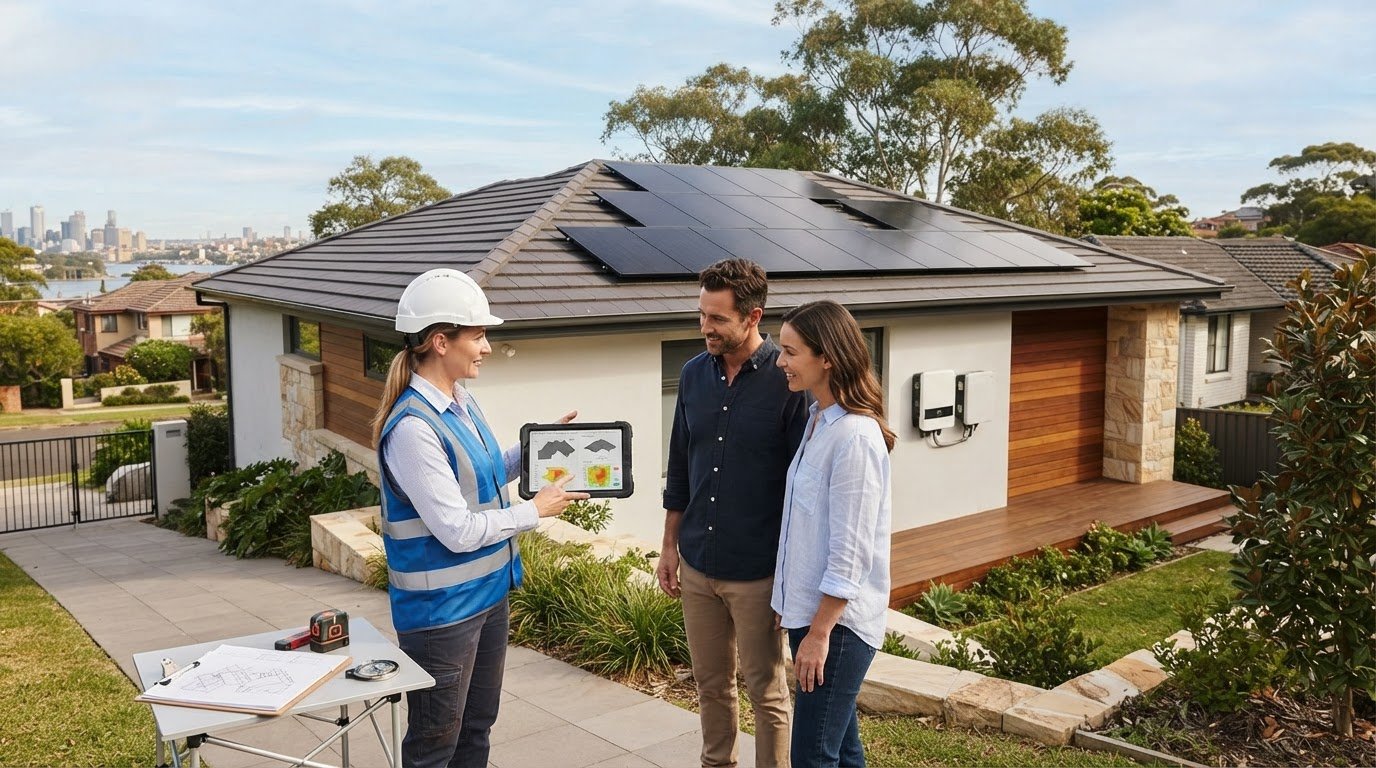
Inner West terraces and North Shore heritage homes often feature complex rooflines with dormer windows, gables, and limited contiguous space. These ‘chopped up’ roofs make it difficult to install a traditional string system that requires long, uniform rows of panels. Installers often prefer microinverters for these properties because they offer total design flexibility. You can place panels on three different roof facets and still achieve a high-performing 10kW solar system. If you aren’t sure how your roof’s orientation will impact your bills, it’s worth booking a professional Sydney site inspection to map your specific shading profile.
Durability in the Australian Climate: Heat, Salt, and Lifespan
Sydney’s climate is a rigorous testing ground for solar technology. Between the humid salt air of the Eastern Suburbs and the intense inland heat of Western Sydney, every component faces constant environmental stress. When deciding between microinverters vs string inverters Australia, durability isn’t just a technical specification; it’s the foundation of your long-term savings. Components that fail prematurely turn a smart investment into a recurring expense.
Salt spray is a silent killer for electronics in coastal postcodes. High-grade, corrosion-resistant enclosures are essential for any system installed within reach of the sea breeze. While central inverters require robust housing in a garage or on an external wall, microinverters are designed with specialised polymer casings that resist the corrosive effects of the Harbour’s air. Regardless of the technology you choose, engaging a licensed electrical contractor for regular solar system servicing is the most effective way to ensure your hardware remains sealed and safe against the elements.
Surviving the Sydney Summer
Sydney summers regularly push temperatures past 40 degrees, creating a phenomenon known as ‘thermal derating’. This is when an inverter throttles its power output to prevent internal components from melting. Central string inverters are particularly susceptible to this, especially if they are mounted on a west-facing wall that bakes in the afternoon sun. This creates a paradox where your system produces less energy exactly when the sun is at its brightest.
Microinverters handle these heatwaves differently. They are installed in the shaded air gap between your solar panels and the roof surface. This position allows for natural convection and passive cooling, which keeps the electronics within their optimal operating temperature range. By spreading the thermal load across the entire roof rather than concentrating it in one central box, the system maintains higher efficiency during the hottest hours of the day.
The 25-Year Investment Mindset
When evaluating microinverters vs string inverters Australia, the warranty period reveals the manufacturer’s confidence in their product’s lifespan. Most high-quality string inverters come with a 10-year warranty. Because these units work harder to manage the entire roof’s voltage, they often require replacement at least once during the 25-year life of the solar panels. This creates a hidden ‘mid-life’ cost that many initial quotes fail to mention.
Enphase microinverters are built as solid-state devices with no moving parts, allowing them to offer 25-year warranties that match the lifespan of the panels themselves. This longevity comes from a design that minimises technical complexity and internal stress. Choosing a system with this level of protection provides genuine peace of mind. It ensures your household remains powered by a reliable, high-tier asset that won’t require a costly overhaul just as it reaches its peak earning potential.
The Financial Breakdown: Upfront Investment vs 25-Year ROI
When comparing microinverters vs string inverters Australia, the immediate hurdle is often the “premium gap.” For a standard Sydney home, opting for microinverters typically requires a higher initial investment. However, viewing this purely as an upfront cost misses the broader financial trajectory of a 25-year asset. A solar system is a long-term power plant on your roof, and its value is measured by the total energy it produces over its entire lifespan.
Panel-level optimisation can increase annual energy yield by 5% to 15%. In the context of 2026 NSW energy markets, where feed-in tariffs have tightened, every additional kilowatt-hour your system generates is vital. This extra power directly offsets expensive grid electricity during peak times. A critical part of the ROI calculation is the mid-life replacement cost. Most string inverters will require at least one full replacement during the life of the panels. When you factor in the cost of a new unit and the specialised labour required for installation, the initial savings of a string system often evaporate by year twelve.
String Inverters: The Budget-Friendly Entry
For investment properties or homes with perfectly clear, north-facing roofs, the lower entry price of string inverters makes practical financial sense. High-quality brands like GoodWe or FOX ESS provide a robust solution without the premium price tag. If your roof has zero shading and a simple layout, the extra yield from microinverters might not justify the additional spend. It’s about matching the technology to the specific economic goals of the property. For many Sydney homeowners, this “no-frills” approach offers the fastest path to a zero-dollar electricity bill on a modest budget.
Microinverters: The Yield Maximiser
On complex or shaded rooftops, microinverters often pay for themselves significantly faster through sheer performance. They also offer hidden financial value through granular monitoring. By spotting a single underperforming panel early, you prevent months of lost generation that would go unnoticed in a string system. Beyond the yield, microinverters make future expansion remarkably simple. If you decide to add more panels for an EV charger in three years, you don’t need to replace a central inverter. You simply add more panels with their own micros. You can request a detailed ROI comparison to see how these savings apply to your specific Sydney postcode.
How to Decide: A Step-by-Step Selection Framework
Making the final choice between microinverters vs string inverters Australia involves more than just comparing two technical data sheets. It requires a clear understanding of how your home will evolve over the next decade. Follow this systematic framework to ensure your decision aligns with both your current roof geometry and your future energy goals.
- Step 1: Shading Analysis. Request a professional shading map of your property. If your Sydney home is hemmed in by taller buildings or protected trees, the independent control of microinverters is almost always the superior choice.
- Step 2: Future-Proofing. Evaluate your roadmap for a solar battery or electric vehicle. Your choice of inverter today dictates how easily you can integrate these technologies tomorrow.
- Step 3: Roof Geometry. Look at your roofline. Multi-level roofs or heritage homes with small, separate sections benefit from the design flexibility of microinverters. Simple, large, north-facing planes are often perfectly served by a high-quality string system.
- Step 4: Warranty Alignment. Compare the long-term security of a 25-year microinverter warranty against the lower upfront cost of a string inverter. Consider if you are comfortable with a likely replacement cost in 10 to 12 years.
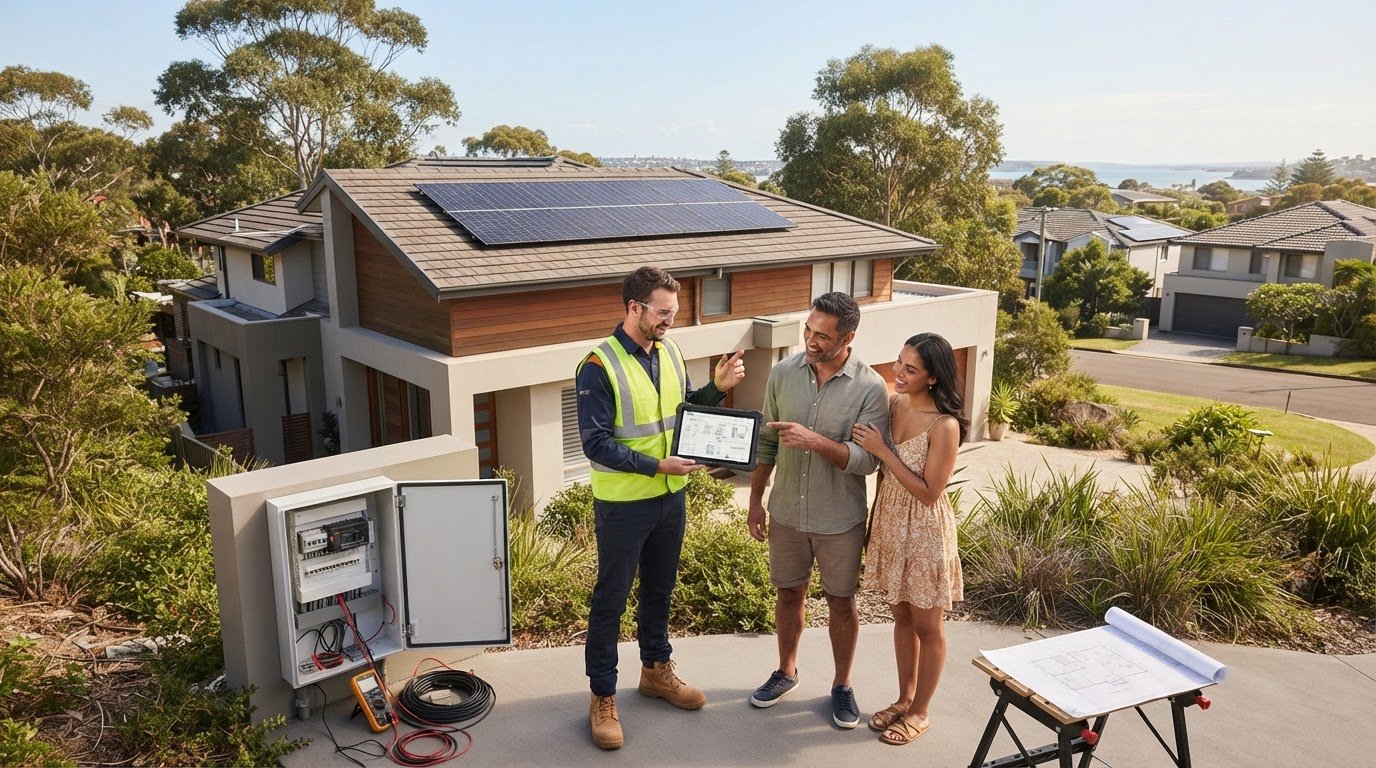
- Step 5: Expert Installation. Always choose a licensed Sydney electrical contractor rather than a simple retailer. This ensures the person designing your system understands the local grid requirements and safety standards.
Battery and EV Readiness
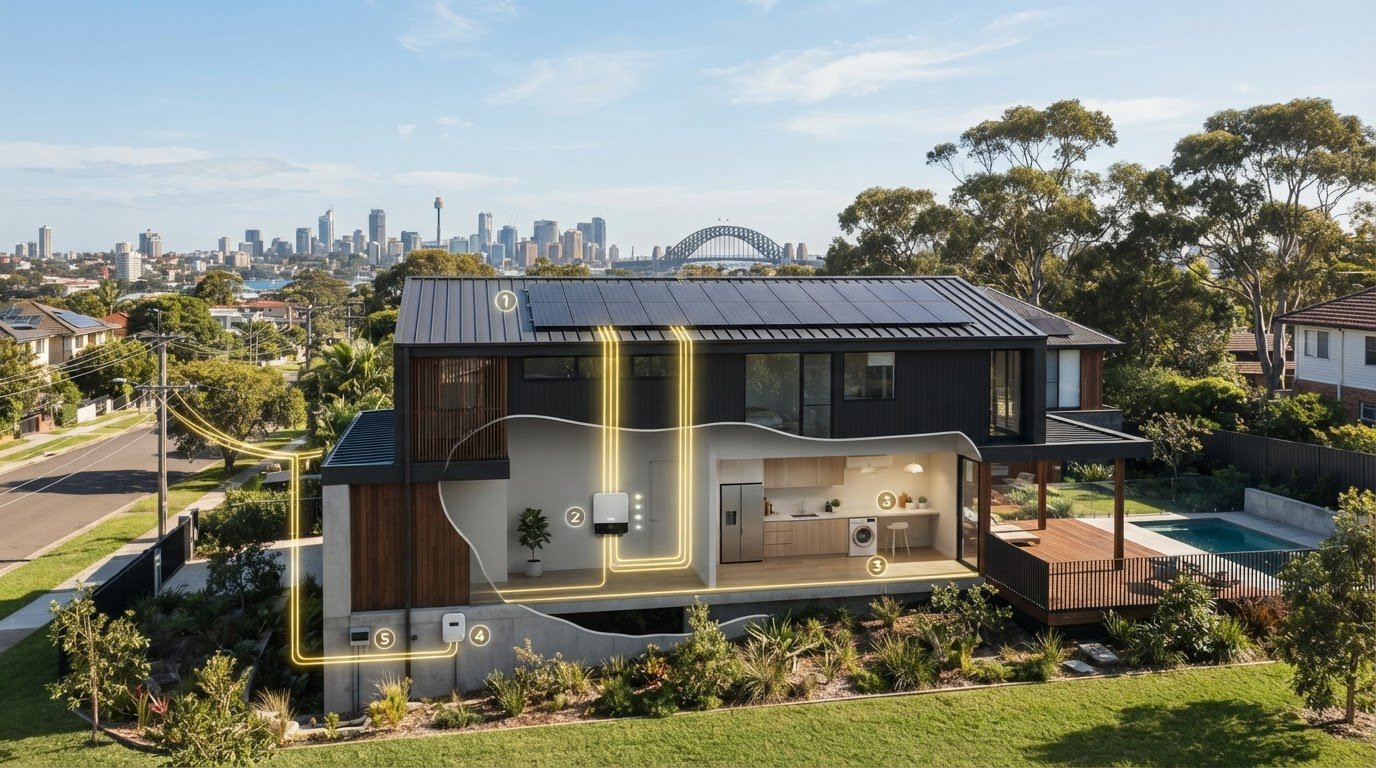
The landscape of home energy is shifting toward total integration. String inverters like the GoodWe ET G2 are often ‘hybrid ready,’ meaning they can connect directly to high-voltage storage solutions like the FOX ESS CQ7. This is a streamlined, cost-effective path for many households. For those seeking the absolute cutting edge, the SigenStor 5-in-one hub offers a sophisticated integration of solar, battery storage, and EV charging in a single unit. Alternatively, the Enphase ecosystem uses an AC-coupled battery approach, which allows you to expand your storage capacity incrementally as your family’s needs grow.
The Sky High Solar and Electrical Recommendation
We don’t believe in a one-size-fits-all approach to solar. Since 2013, we’ve helped Sydney homeowners navigate the complexities of microinverters vs string inverters Australia by focusing on site-specific data. As licensed electrical contractors, we prioritise the technical integrity of every installation. We offer premium Enphase microinverters for those demanding maximum yield and longevity, alongside robust string options for straightforward, budget-conscious projects. Finding the right balance between technology and value starts with an honest assessment of your rooftop. Book a Sydney site inspection to find your perfect inverter match and ensure your home is ready for 2026 and beyond.
Securing Your Energy Future with the Right Technology
The transition to solar is one of the most significant upgrades you’ll make to your property. While the debate over microinverters vs string inverters Australia often focuses on technical specs, the real value lies in matching the right hardware to your specific rooftop. Whether you prioritise the maximum yield of Enphase microinverters on a shaded Inner West terrace or the cost-effective reliability of a GoodWe string system for a clear, north-facing home, the goal is a system that performs without compromise.
As licensed NSW electrical contractors and local Sydney experts since 2013, we’ve seen how the right choice today prevents maintenance headaches tomorrow. Our team of certified Enphase and Tesla installers is ready to help you navigate these choices with clarity and professional oversight. Taking control of your energy future starts with a clear plan and a reliable partner who understands the unique demands of the Sydney climate.
Get a Custom Sydney Solar Quote & Shading Analysis
We look forward to helping you build a high-performing solar asset that serves your home for decades to come.
Frequently Asked Questions
Are microinverters really worth the extra cost in Sydney?
Microinverters provide superior value for Sydney homes affected by shading from trees or neighbouring buildings. While the initial investment is higher, the ability to generate up to 15% more energy annually means they often pay for themselves through lower electricity bills. When comparing microinverters vs string inverters Australia, the decision usually rests on your specific roof layout. For a complex roof, the increased yield and 25-year warranty justify the premium upfront spend.
Do microinverters fail more often because they are on the roof?
Modern microinverters are engineered to withstand the intense heat trapped between your roof and solar panels. They lack the moving parts and large capacitors found in central inverters, which are often the first components to fail. Enphase units undergo rigorous testing to ensure they survive Sydney’s humid summers and coastal salt air. Their decentralised nature means that even if one unit fails, the rest of your system continues to function perfectly.
Can I mix and match different panel brands with microinverters?
You can technically mix panel brands and models when using microinverters because each panel operates as an independent power station. This flexibility is a significant advantage if you need to replace a single panel in ten years or if you want to expand your system using newer technology. Unlike string systems, where every panel must match the lowest performer, microinverters allow you to optimise your rooftop generation regardless of varying panel specifications.
Which inverter is better if I want to add a Tesla Powerwall later?
Both inverter types are compatible with the Tesla Powerwall, but they integrate differently. The Powerwall is an AC-coupled battery, making it a natural fit for Enphase microinverter systems. This setup is straightforward for licensed electricians to install and manage. If you choose a string system, you can still use a Powerwall; however, you might also consider ‘hybrid ready’ inverters like the GoodWe ET G2, which are designed specifically for high-voltage battery storage from the start.
What is the warranty difference between Enphase and a standard string inverter?
The warranty gap is substantial. Enphase microinverters typically come with a 25-year limited warranty, which aligns with the expected lifespan of your solar panels. In contrast, most high-quality string inverters offer a 10-year warranty. This difference reflects the durability of the technology. When evaluating microinverters vs string inverters Australia, homeowners should factor in the likely cost of replacing a string inverter at least once during the system’s total operational life.
Does my Sydney council have rules about where inverters are placed?
Sydney local councils often have specific guidelines regarding the visibility and safety of solar infrastructure, especially in heritage conservation areas. String inverters are typically mounted on external walls or in garages, which can sometimes clash with aesthetic requirements. Microinverters are tucked neatly under the panels, making them invisible from the street. This discreet placement often simplifies the approval process for heritage-listed terraces in areas like Paddington or the Inner West.
How do I monitor my solar production with each type of inverter?
Monitoring capabilities differ significantly between the two technologies. String inverters provide a total production figure for the entire system, usually through a dedicated smartphone app. Microinverters offer granular, panel-level monitoring. This allows you to see exactly how much energy every individual panel is producing in real time. This level of detail makes it much easier for you to spot issues like a single dirty panel or shade from a newly grown tree branch.
Can I upgrade from a string inverter to microinverters later on?
Upgrading from a string system to microinverters is technically possible but often requires a complete rewiring of your rooftop. This process involves removing all panels to install the microinverters and changing the DC cabling to AC. Because of the high labour costs involved, it is rarely a cost-effective path. It is almost always better to choose the technology that matches your long-term goals during the initial installation phase to avoid redundant expenses later.