

 Sydney
 0452 243 240
Blog
6.6kW Solar System Sydney: The Complete 2026 Homeowner’s Guide


For most Sydney homeowners, the 6.6kW solar system isn’t just a popular choice; it is the definitive “Goldilocks” solution for achieving genuine energy independence in 2026. You’ve likely felt the persistent frustration of rising NSW power prices or felt overwhelmed by conflicting quotes from “solar cowboys” who prioritise a quick sale over your long-term savings. It’s natural to worry about whether your roof space is being used efficiently or if your setup will be obsolete the moment you decide to plug in an electric vehicle.
We believe that choosing the right system is about more than just hardware; it’s about securing a reliable, future-proof energy hub for your home. This guide explains how to maximise your ROI with a 6.6kw solar system, navigating the latest 2026 rebates and the critical shift toward high-efficiency self-consumption. We will walk you through the technical essentials of battery compatibility, the benefits of working with a local Sydney electrical specialist, and how to ensure your investment delivers lower quarterly bills and total peace of mind.
Key Takeaways
- Understand why 6.6kW of panels paired with a 5kW inverter is the “Goldilocks” configuration for Sydney homes, allowing you to maximise the federal STC rebate.
- Discover how a 6.6kw solar system can deliver a return on investment in as little as 3 to 5 years by prioritising daytime self-consumption over low grid feed-in tariffs.
- Compare premium hardware options, including high-efficiency N-type cells and smart inverters from brands like Enphase and GoodWe, to suit your specific roof and shade conditions.
- Learn how to future-proof your home for the next decade with integrated battery storage solutions like the FOX ESS CQ7 and SigenStor EV DC chargers.
- Identify why partnering with a local, licensed electrical specialist is essential for managing complex switchboard upgrades and meeting Sydney’s specific grid regulations.
Why the 6.6kW Solar System is the Sydney Residential Standard
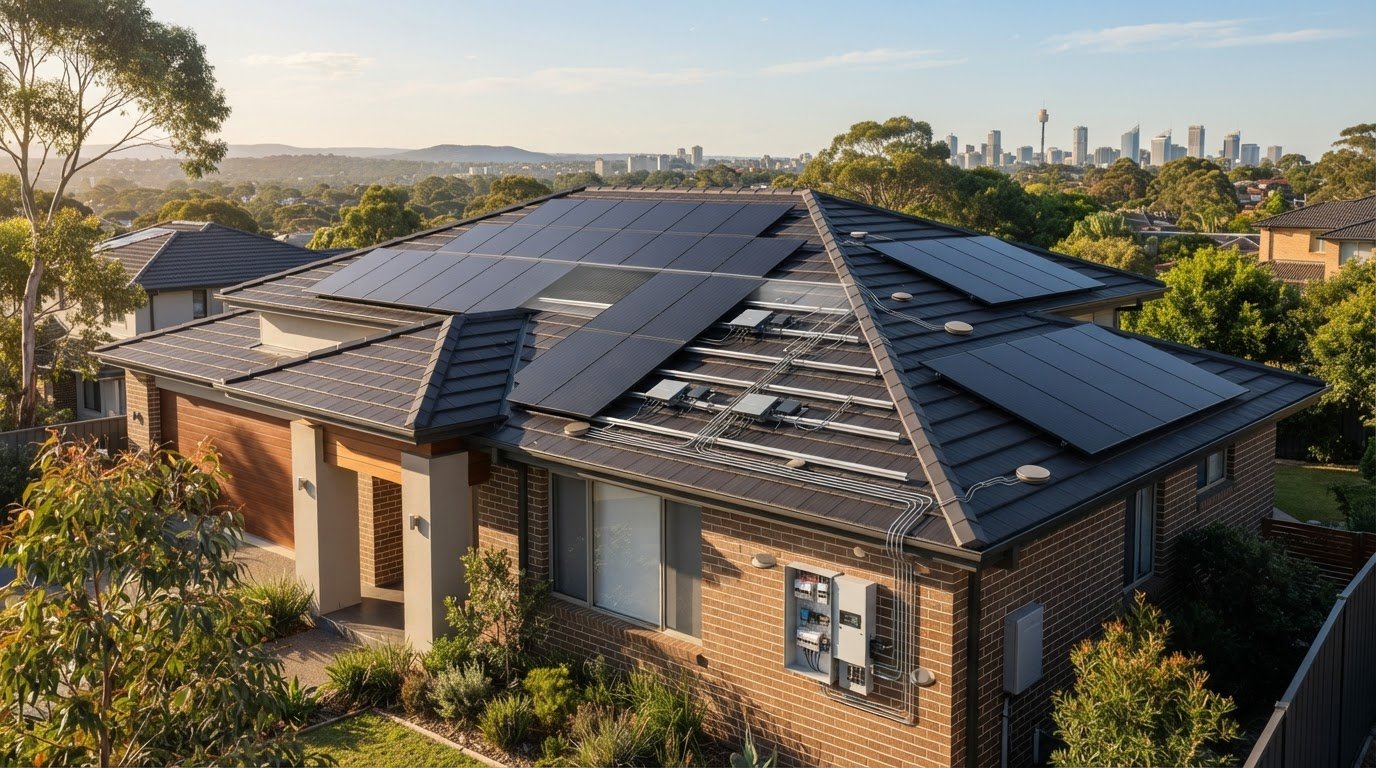
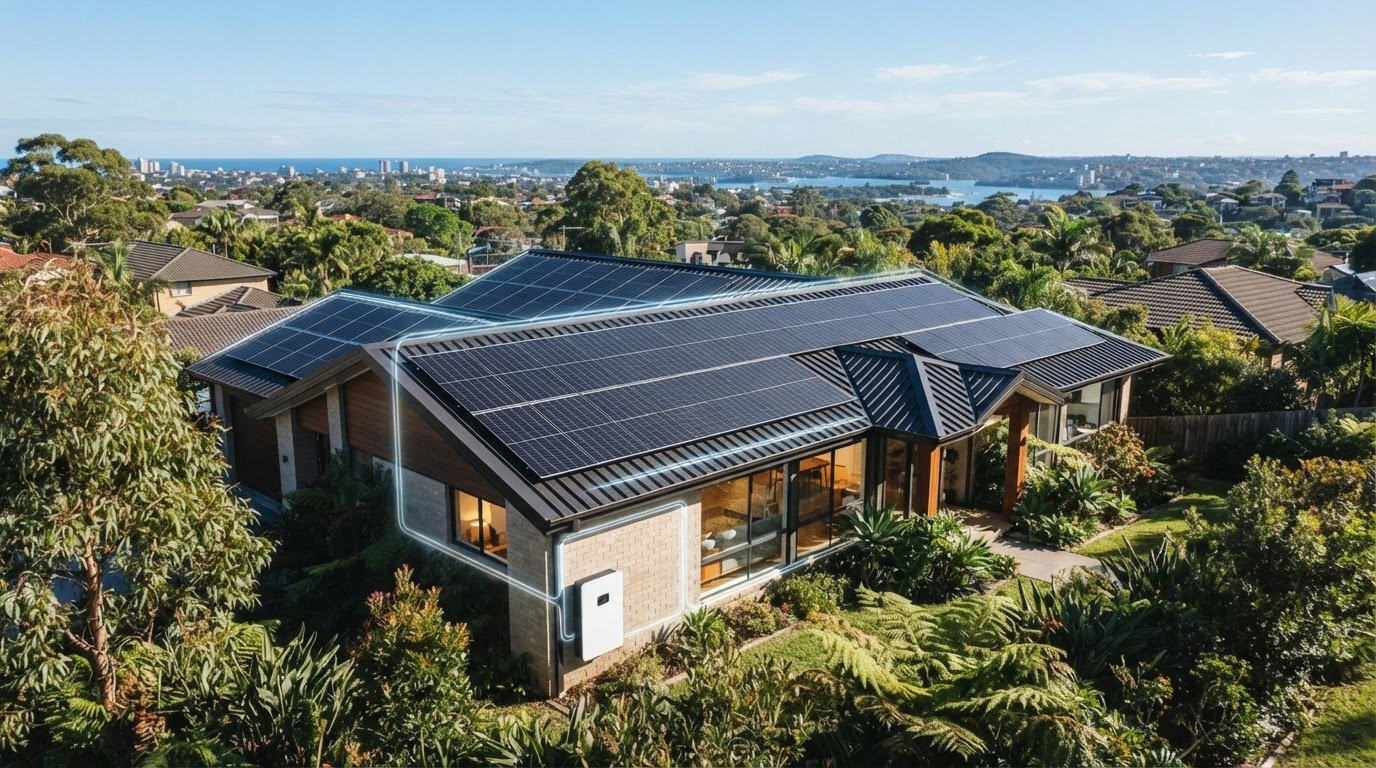
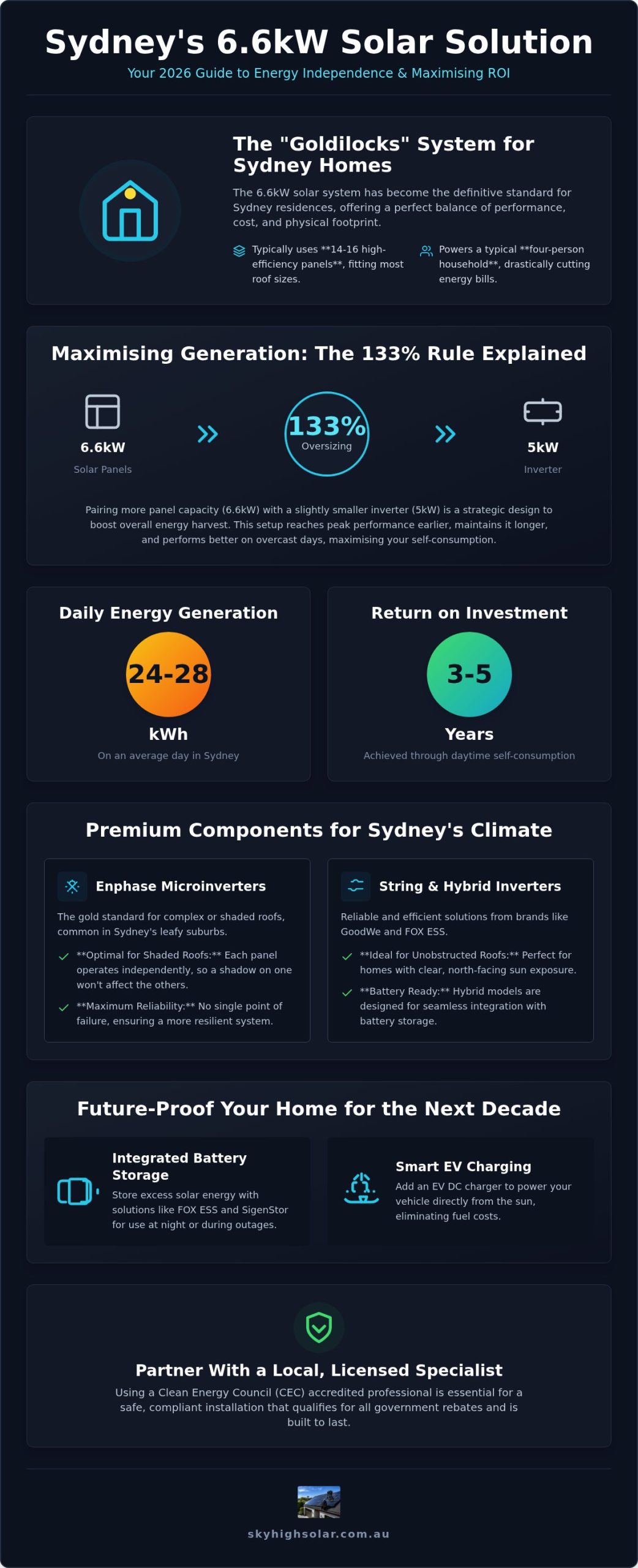
Sydney homeowners often find that a 6.6kw solar system provides the most balanced approach to energy independence. This specific capacity has become the benchmark for residential installations because it aligns perfectly with both consumer budget expectations and the physical constraints of local properties. Whether you are living in a compact Inner West terrace or a sprawling family home in the Hills District, this configuration typically requires around 14 to 16 high-efficiency panels. This makes it a versatile fit for most roof-lines while still generating enough power to significantly offset the quarterly bills of a typical four-person household.
Beyond physical fit, this size is engineered to maximise financial returns. By installing a 6.6kw solar system, you are tapping into a setup that generates between 24 and 28 kWh on an average day in Sydney. For a family using major appliances during daylight hours, this can eliminate a substantial portion of the daily power draw from the grid. It’s a practical, high-quality solution to combat the volatile energy prices currently seen across NSW, providing a steady hand for your household budget.
The 133% Rule: Why 6.6kW Panels on a 5kW Inverter?
You might wonder why we pair 6.6kW of panels with a 5kW inverter. This practice, known as “oversizing,” is permitted up to 133% of the inverter’s capacity under Australian standards. It ensures your photovoltaic system reaches its peak performance earlier in the morning and maintains it later into the afternoon, especially during Sydney’s overcast winter days. This configuration also simplifies grid connection, as most NSW distributors like Ausgrid and Endeavour Energy have streamlined approval processes for 5kW inverters. Inverter clipping is a strategic design choice where the peak energy potential of the panels slightly exceeds the inverter’s capacity to ensure more consistent power delivery throughout the day.
STCs and the NSW Solar Rebate in 2026
The federal government’s Small-scale Technology Certificate (STC) scheme remains a cornerstone of solar affordability. These certificates act as a point-of-sale discount, often reducing the upfront cost of your array by thousands of dollars. However, it’s vital to remember that the number of certificates you receive reduces every year on January 1st as the program phases out. For 2026 installations, acting earlier in the year ensures you capture the maximum possible incentive. To remain eligible for these savings, your system must be installed by a Clean Energy Council (CEC) accredited professional who understands the specific safety and performance standards required for the Sydney climate.
Premium Components: Selecting the Best 6.6kW Hardware
Selecting the right hardware for your 6.6kw solar system is a choice that dictates your energy security for the next 25 years. In Sydney’s coastal environments, salt mist corrosion is a genuine concern for suburbs like Cronulla or Manly, while the intense summer heat in Penrith demands hardware that won’t throttle performance under pressure. We recommend N-type solar cells because they offer superior efficiency and slower degradation compared to older P-type technology. This allows you to generate more power from the same roof footprint, which is essential if your space is restricted by gables, vents, or complex angles.
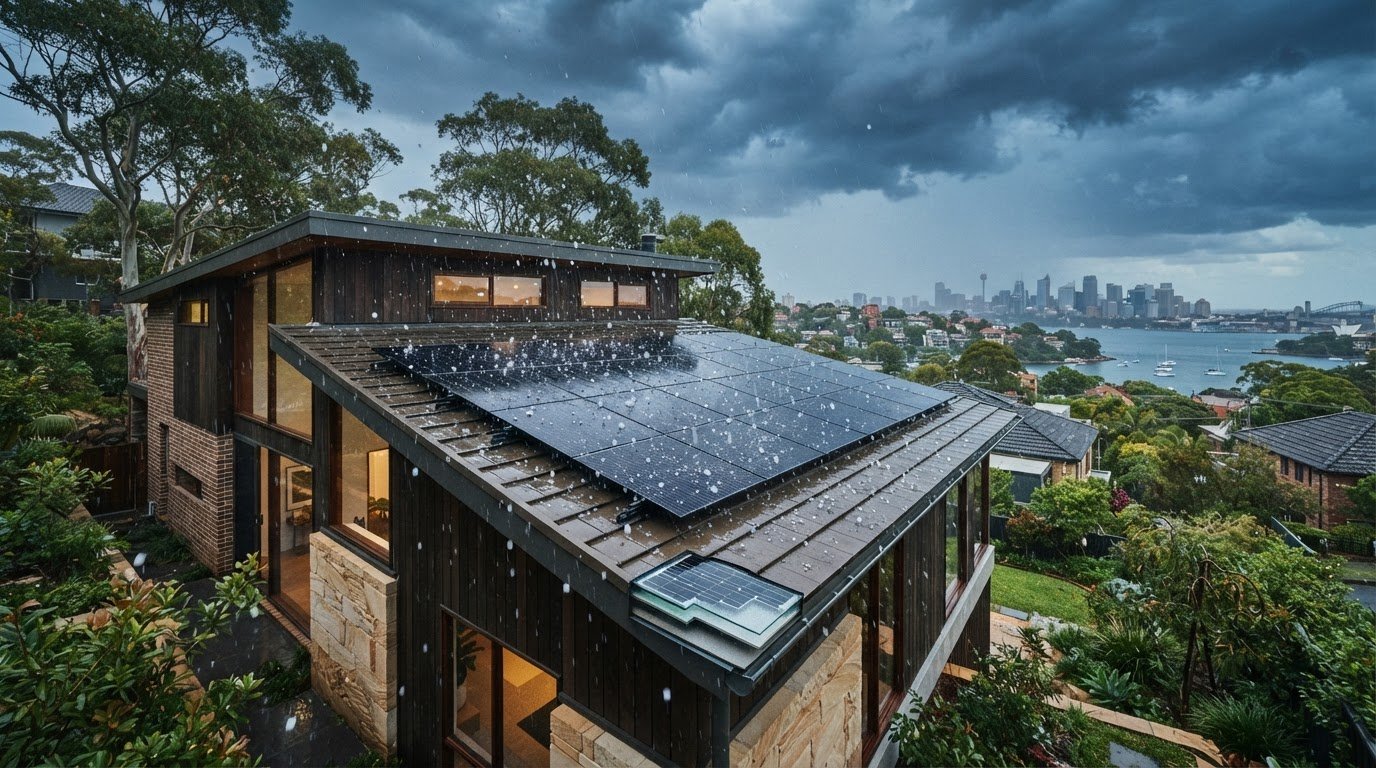
Durability is the hallmark of a premium installation. By choosing tier-1 hardware, you ensure your system survives the volatile Sydney climate while maintaining peak output. Modern systems also include sophisticated monitoring apps, allowing you to track your generation and household consumption in real-time from your smartphone. If you’re unsure which hardware suits your specific roof-line, a professional assessment from a licensed electrician can clarify your options.
Enphase Microinverters: The Solution for Shaded Sydney Roofs
Enphase microinverters are often the gold standard for Sydney’s leafy suburbs, such as the North Shore or the Inner West. Unlike a traditional string system where one shaded panel can drag down the performance of the entire array, microinverters allow each panel to operate independently. This creates a resilient system with no single point of failure, ensuring that a stray shadow from a chimney or a neighbour’s gum tree doesn’t cripple your production. When comparing Enphase vs String Inverters, the choice often comes down to your specific roof complexity and long-term reliability goals.
GoodWe and FOX ESS: Reliable String and Hybrid Solutions
For homes with clear sun access, the GoodWe ET G2 Hybrid HV Inverter serves as an intelligent brain for your household. It is a robust solution that manages energy flow with precision, making it an excellent foundation for a 6.6kw solar system. Similarly, FOX ESS three-phase inverters are becoming the standard for larger Sydney residences with higher power demands. Hybrid inverters are essential for future battery additions because they eliminate the need for an expensive second inverter when you decide to add storage later. These units are designed for seamless integration, providing a stable platform as your energy needs evolve.
Performance Analysis: Daily Generation and ROI in Sydney
Understanding the financial viability of a 6.6kw solar system in Sydney requires looking past generic marketing figures. It’s about how many kilowatt-hours (kWh) actually reach your appliances when you need them most. In the current NSW energy market, the financial benefit has shifted from selling power back to the grid to prioritising self-consumption. Because retailers now charge significantly more for grid power than they pay for your exports, the “arvo” energy you use to run your home is your most valuable asset.
The typical payback period for a high-quality 6.6kW installation in Sydney now sits between 3 and 5 years. This rapid return on investment is driven by the widening gap between retail electricity prices and feed-in tariffs. With the 2026-27 IPART benchmark for NSW feed-in tariffs set between 3.4 and 6.5 cents per kWh, and median rates often hovering around 4 cents, every unit of solar energy you consume yourself is worth roughly six to eight times more than a unit you sell back to the grid.
Sydney Seasonal Generation Breakdown
Sydney’s coastal climate and latitude mean that solar production varies throughout the year. During a January heatwave, your 6.6kw solar system works at its peak to help offset the heavy cost of running air conditioning. In contrast, the shorter days of July require a more disciplined approach to energy use. The following table provides a realistic expectation of daily generation based on average Sydney sunlight hours.
| Season | Average Daily Output (kWh) | Primary Benefit |
|---|---|---|
| Summer | 28 – 32 kWh | Offsetting peak air conditioning loads |
| Autumn | 22 – 26 kWh | Steady generation for household appliances |
| Winter | 15 – 18 kWh | Covering baseline refrigeration and standby power |
| Spring | 26 – 30 kWh | Maximum efficiency before summer heat peaks |
Maximising Your Return on Investment
To achieve the fastest ROI, we recommend a “Solar Soak” strategy. This involves shifting heavy energy tasks, such as running pool pumps, dishwashers, and washing machines, to the middle of the day. This approach is particularly effective at bypassing the “sun tax” export charges that some Sydney distributors apply between 10 am and 3 pm. By using your power as it’s generated, you reduce your reliance on the expensive evening grid. For households with consistently high energy demands that exceed these daily averages, exploring 10kW Solar Systems may provide a more comprehensive long-term saving.
Future-Proofing: Batteries and EV Charging Integration
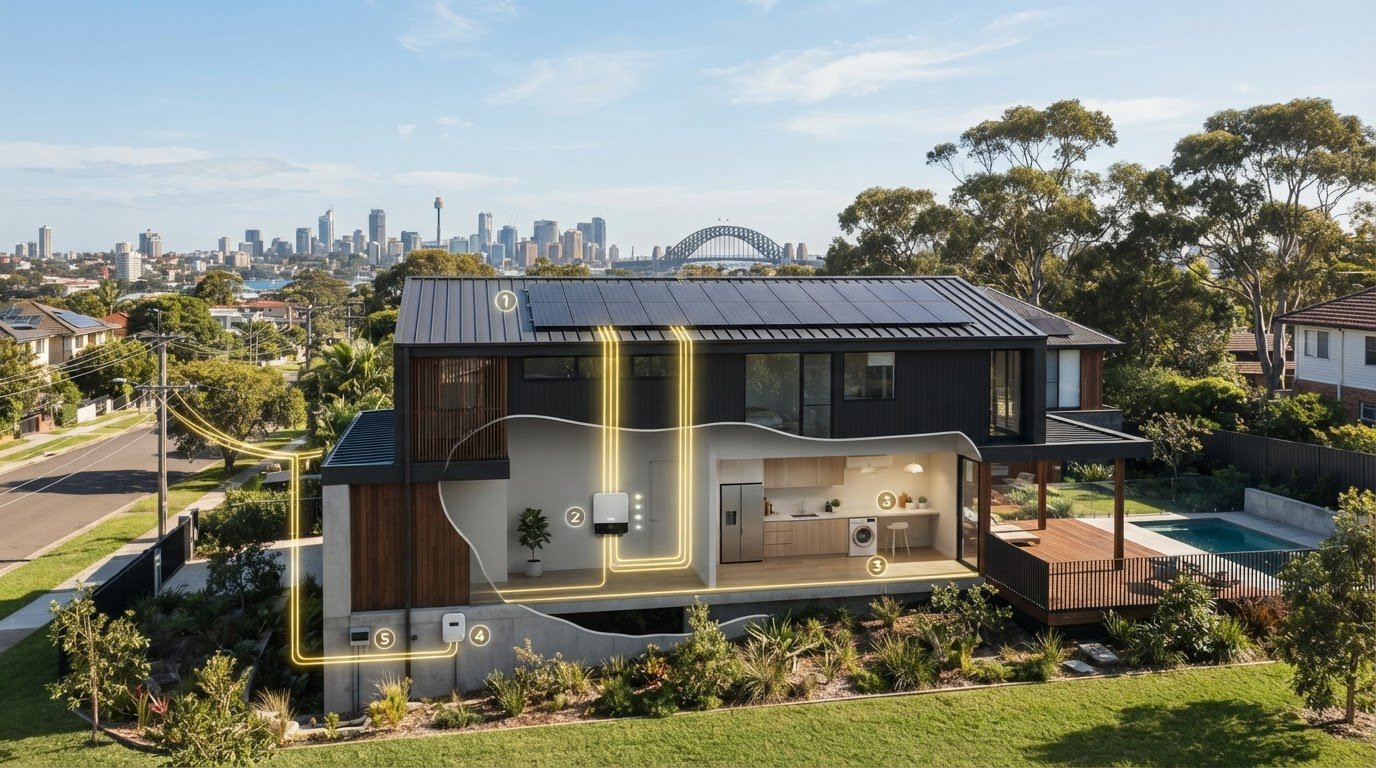
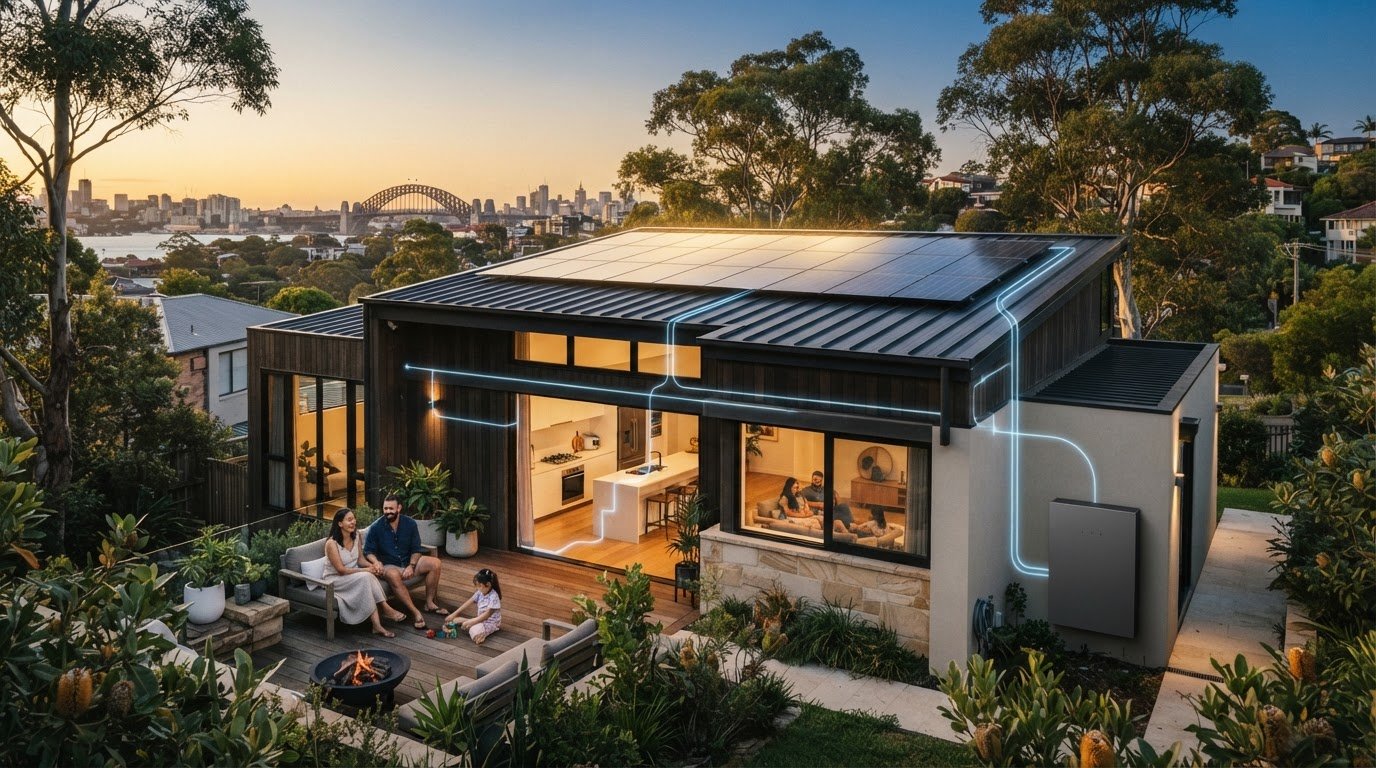
A high-quality 6.6kw solar system serves as the central nervous system for a modern, electrified home. While the panels generate the energy, the true potential of your investment is unlocked when you pair it with intelligent storage and transport solutions. In 2026, the transition to a battery-ready home has become a practical necessity rather than a luxury. This is particularly true as feed-in tariffs remain low and evening energy costs continue to climb across the Sydney basin. By planning for storage now, you ensure your household is prepared for the next decade of energy evolution.
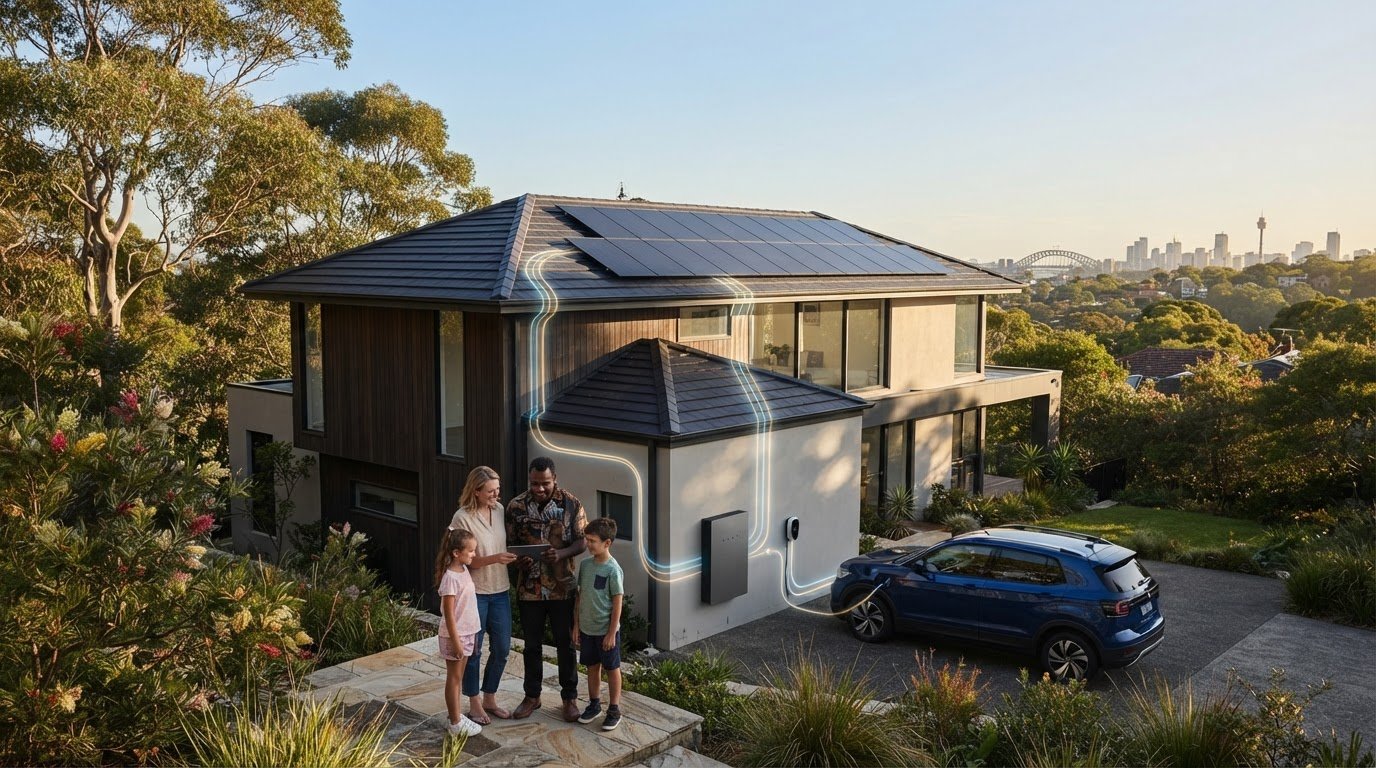
The synergy between solar generation and electric transport is where the most significant savings are found. A well-designed 6.6kw solar system can provide enough surplus energy to fuel a daily commute, effectively turning your roof into a private petrol station. This shift toward a self-contained energy ecosystem is supported by new government initiatives, making it the ideal time to consult with a licensed Sydney electrician about your home’s capacity for these upgrades.
Adding a FOX ESS or Tesla Battery
Homeowners now have access to sophisticated storage options that maximise self-consumption. The FOX ESS CQ7 is a high-voltage solution specifically engineered for Australian conditions, offering excellent durability and high-speed charging capabilities. In contrast, the Tesla Powerwall 3 remains a popular choice for its sleek design and high peak power output. Choosing between them often depends on your specific household load and whether you intend to participate in a Virtual Power Plant (VPP). The Australian Government’s Cheaper Home Batteries Program now offers a discount of approximately 30% on eligible installations, while joining a NSW VPP can provide an additional incentive of up to $1,000. For a deeper look at these technologies, see our guide on Solar Battery Storage Sydney.
SigenStor: The Ultimate EV Integration
For those planning to transition to an electric vehicle, the SigenStor energy hub represents a significant leap forward in home infrastructure. This 5-in-one system combines your solar inverter, battery storage, and an integrated EV DC charger into a single, modular unit. By using a DC-to-DC charging architecture, you can fuel your car directly from your solar array without the energy losses typically associated with converting power back and forth to AC. This efficiency ensures you capture every possible watt of sunlight to power your vehicle for free. Our SigenStor Guide provides a technical breakdown of how this hardware simplifies your energy footprint while providing a future-proof solution for new Sydney builds.
Why Sky High Solar is Sydney’s Trusted 6.6kW Installer
Choosing an installer for your 6.6kw solar system is a decision that impacts the safety and efficiency of your home for decades. At Sky High Solar and Electrical, we distinguish ourselves by being licensed electrical specialists rather than just another solar sales agency. This distinction is vital because a solar array is a complex high-voltage electrical asset that requires precise integration with your existing infrastructure. Our team handles every aspect of the project, from the initial engineering to the final grid connection, ensuring that your system meets the rigorous standards required for Sydney’s unique environment.
Our deep roots in the local community mean we possess an intimate understanding of the requirements set by NSW network distributors. Whether your property is governed by Ausgrid or Endeavour Energy, we manage the technical applications and compliance paperwork to ensure a seamless transition to clean energy. We also navigate the nuances of Sydney council regulations, particularly for heritage-listed areas where panel placement must be both efficient and discreet. This local expertise prevents the costly delays and technical hurdles that often plague installations managed by non-specialised providers.
Beyond the Panels: Switchboards and Safety
Many older Sydney homes, particularly in the Inner West and Eastern Suburbs, feature electrical infrastructure that was never designed to handle the bidirectional flow of a modern 6.6kw solar system. Before installation can proceed, a switchboard upgrade is often necessary to accommodate new smart meters and high-quality circuit breakers. We prioritise your family’s safety by installing premium safety switches and Fi-relés that provide superior protection against electrical faults. Our commitment to professional solar system servicing ensures that your installation remains in peak condition, significantly reducing long-term fire risks and maintaining the structural integrity of your electrical hub.
Get a Tailored 6.6kW Quote for Your Sydney Home
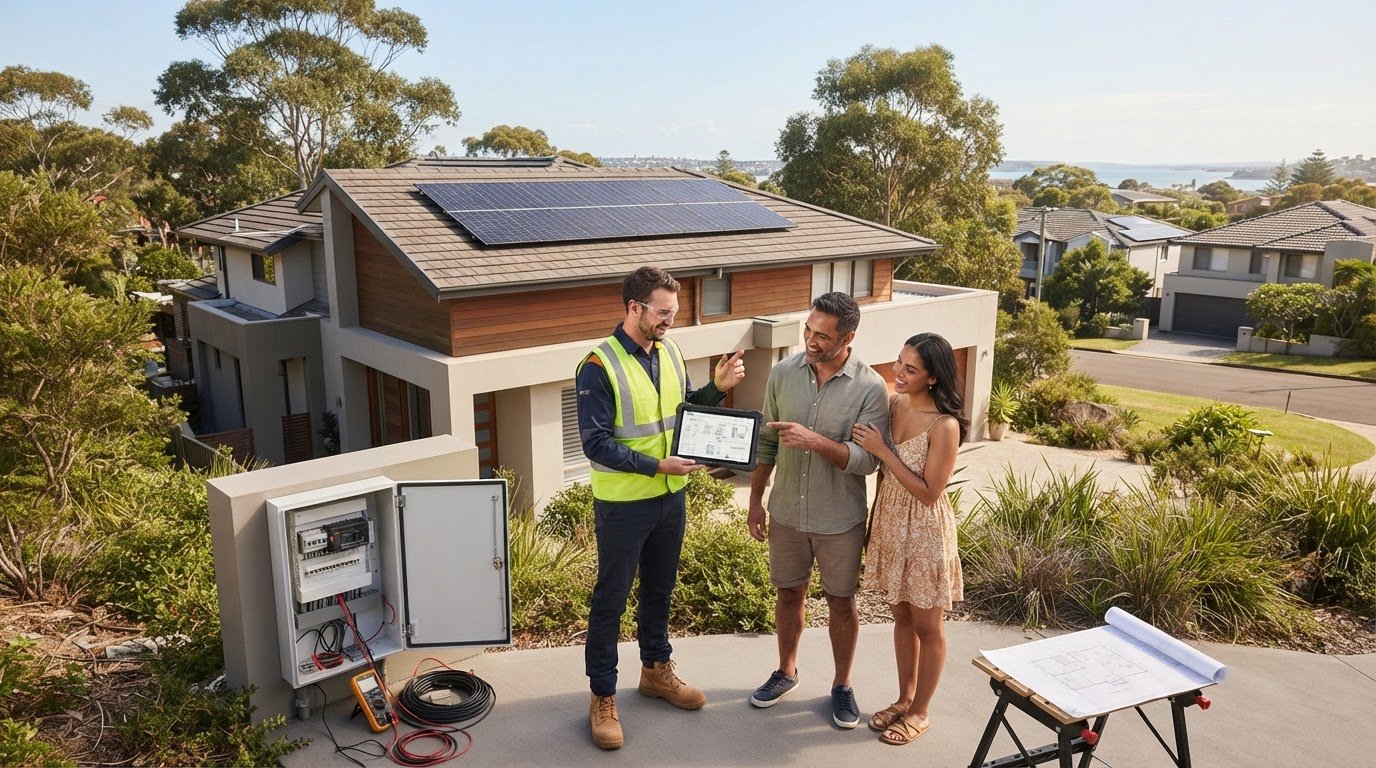
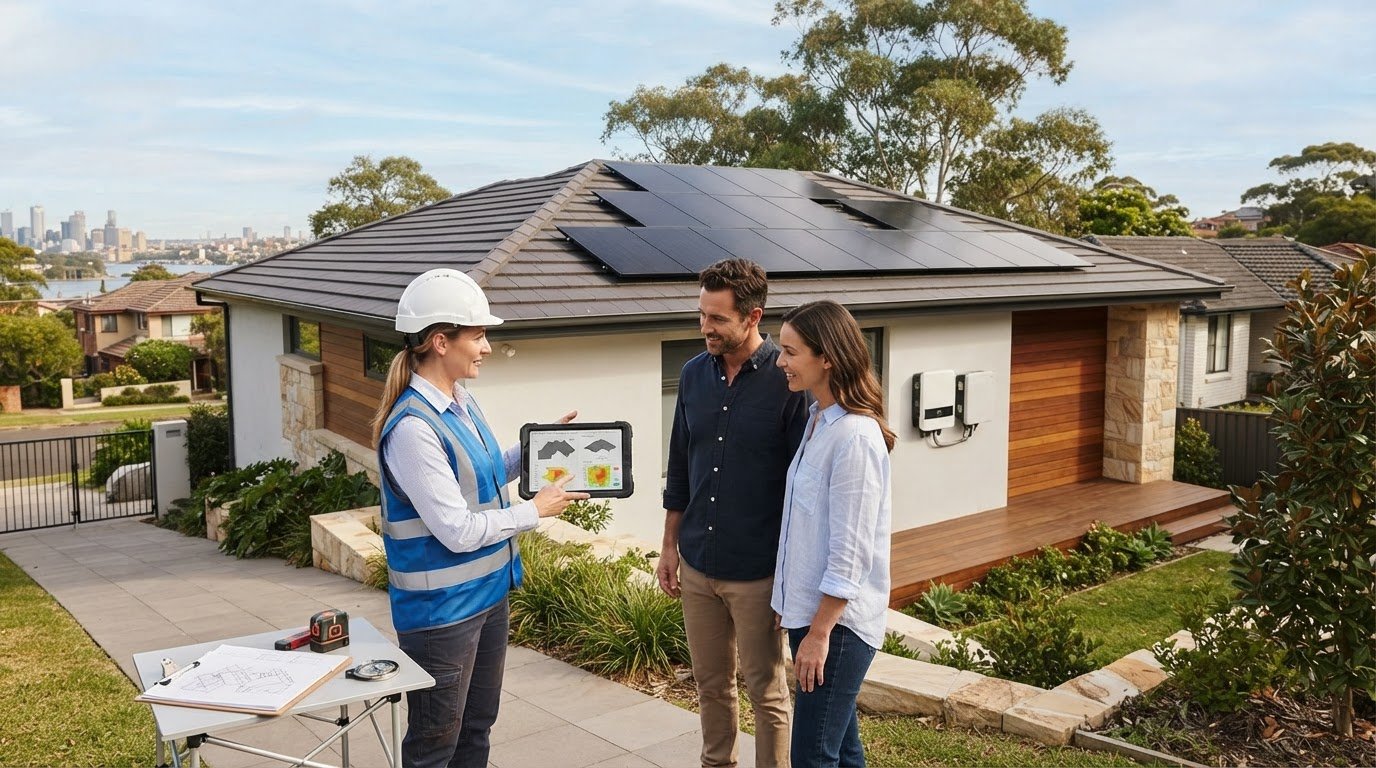
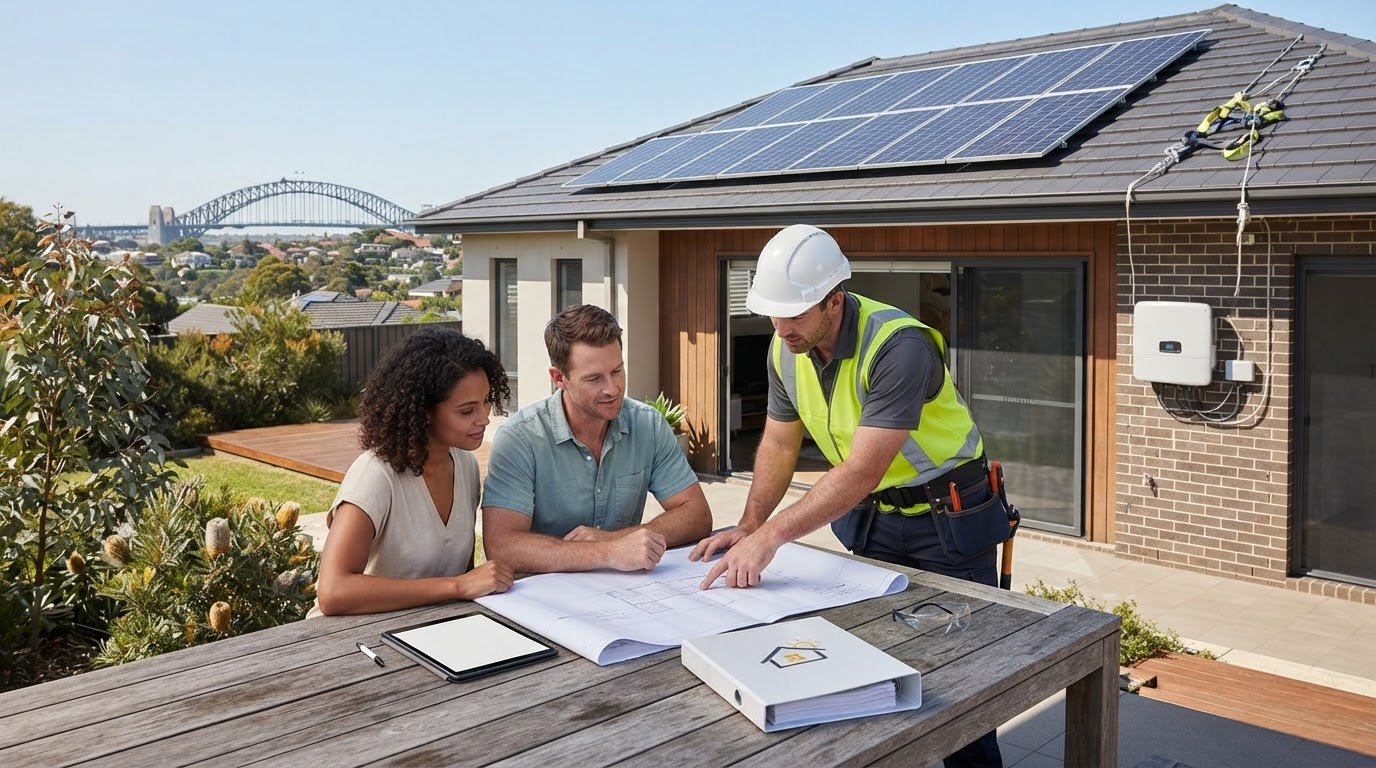
We believe that a “satellite quote” generated from a computer screen is no substitute for a physical site inspection. Every Sydney roof has its own set of challenges, from the pitch of the tiles to the specific shading patterns cast by neighbouring structures. During our site audit, we assess your switchboard, measure your roof space, and customise your panel placement to capture maximum sun exposure. This methodical approach ensures that the performance models we provide are accurate and achievable. To start your journey toward energy independence with a team that values quality over volume, you can Book your Sydney solar assessment with Sky High Solar and Electrical today.
Securing Your Energy Independence in Sydney
A well-engineered 6.6kw solar system represents more than just a reduction in your quarterly power bills; it is a long-term commitment to a more sustainable and self-sufficient lifestyle. By selecting high-efficiency components and prioritising daytime self-consumption, you can bypass the volatility of the NSW energy market and achieve a rapid return on investment. As the transition toward electric vehicles and home storage accelerates, having a future-ready foundation becomes essential for every modern household.
At Sky High Solar and Electrical, we bring the precision of licensed Sydney electricians to every project. We don’t rely on high-pressure sales tactics; instead, we focus on delivering technical excellence through our premium hardware partners, including Enphase, Tesla, and FOX ESS. Our team specialises in navigating the latest NSW battery rebates and complex EV integrations, ensuring your system is as intelligent as it is durable. It’s time to take control of your energy future with a partner who is deeply rooted in local experience and committed to quality.
Request Your Custom 6.6kW Solar Quote Today and discover how a specialised approach to solar can transform your home’s energy footprint. We look forward to helping you join thousands of other Sydney families in making the switch to a cleaner, more reliable future.
Frequently Asked Questions
Is a 6.6kW solar system big enough for a 4-bedroom home in Sydney?
A 6.6kw solar system is generally suitable for a 4-bedroom Sydney home with moderate energy needs. It generates enough power to run essential daytime loads like refrigeration and standby electronics while providing surplus for heavy appliances. If your household has high consumption, such as multiple air conditioners or a heated pool, you might consider shifting your usage to midday or exploring a larger system to avoid drawing from the expensive evening grid.
How many solar panels are in a 6.6kW system in 2026?
In 2026, a standard system typically consists of 14 to 16 high-efficiency panels. The exact number depends on the wattage of the individual modules used. Modern N-type cells often range between 415W and 475W per panel, allowing for a smaller footprint on your roof without sacrificing total output. This compact design is particularly beneficial for Sydney properties with limited or complex roof space that requires precise panel placement for maximum sun exposure.
What is the average cost of a 6.6kW solar system in Sydney?
The investment for a 6.6kW system varies based on the quality of hardware and the complexity of your installation. Factors such as whether you choose premium microinverters or a standard string inverter, along with the specific requirements of your Sydney roof-line, will influence the final result. We recommend focusing on the long-term value of tier-1 components that offer better durability and longer warranties, as these typically provide a superior return on investment over time.
Can I add a battery to my 6.6kW system later?
You can certainly add a battery to your system at a later date. To make this transition seamless, we suggest installing a hybrid inverter, such as the GoodWe ET G2, from the outset. This “battery-ready” approach avoids the need for additional equipment and reduces future labour costs. Adding storage allows you to capture excess solar energy generated during the day for use during peak evening periods, significantly increasing your household’s energy independence.
How much will a 6.6kW solar system save me on my NSW power bill?
Savings depend heavily on how much of the generated energy you consume during daylight hours. By using major appliances while the sun is shining, you can significantly reduce your reliance on the grid and lower your quarterly power bills. Most Sydney homeowners find that a well-optimised 6.6kw solar system delivers a return on investment within 3 to 5 years. This is especially true given the current benchmark feed-in tariffs in NSW, which favour self-consumption over exporting power.
Do I need to upgrade my switchboard for a 6.6kW installation?
Many older Sydney homes require a switchboard upgrade to meet current safety standards and network distributor requirements. As licensed electricians, we assess your existing infrastructure to ensure it can safely manage the power generated by your solar array. This often involves installing modern safety switches and ensuring there is enough space for a smart meter. A compliant switchboard is essential for the safe operation of your system and is a mandatory requirement for grid connection.
How long does a 6.6kW solar installation take in Sydney?
The physical installation of the panels and inverter usually takes a single day. However, the entire process includes a site audit, technical design, and the management of applications with your network distributor, such as Ausgrid or Endeavour Energy. After the installation is complete, there is a brief period for the final inspection and meter reconfiguration before you can officially start exporting power. We handle all the technical paperwork to ensure your transition to solar is as efficient as possible.
What happens to my 6.6kW system during a Sydney blackout?
For safety reasons, a standard solar system will automatically shut down during a blackout to prevent power from being fed back into the grid while technicians are working. This is known as anti-islanding protection. If you require power during an outage, you will need a hybrid system paired with a battery and a specific backup function. Solutions like the FOX ESS CQ7 or Tesla Powerwall are designed to provide reliable backup power to essential circuits when the grid fails.