

 Sydney
 0452 243 240
Blog
Tesla Powerwall 3 vs FOX ESS CQ7: Which Battery Suits Your Sydney Home?

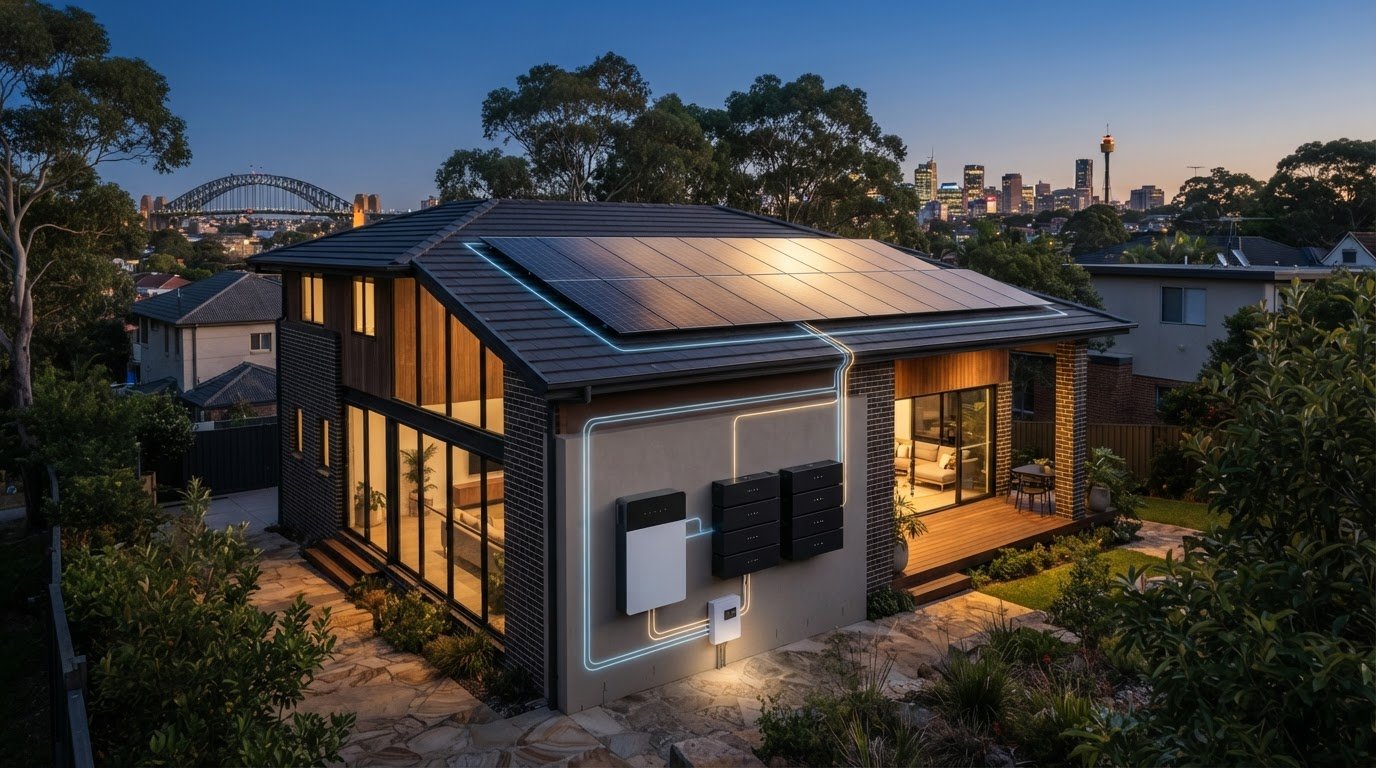
The most recognisable battery isn’t automatically the best fit for your Sydney home. Tesla Powerwall 3 may suit one household, while the modular FOX ESS CQ7 may suit another. The right choice depends on your solar system, backup priorities and how much electricity you use after sunset.
Brand names and headline capacity figures don’t tell you whether a battery will integrate with your existing or planned solar, which circuits it can support during an outage, or how much stored energy your household can use. Compare the whole system against your needs, rather than relying on a product name or a single specification.
This comparison covers the practical differences between Tesla Powerwall 3 and FOX ESS CQ7, including system compatibility, storage and blackout planning. It also explains which technical details to compare and how current federal and NSW incentives may affect overall value, subject to eligibility. Sky High Solar and Electrical has served Sydney since 2013, designing solar and battery installations around household energy needs, electrical safety and long-term performance. Use the guidance below to plan a suitable, compliant battery installation.
Key Takeaways
- Compare Tesla Powerwall 3 and FOX ESS CQ7 against your solar setup, backup priorities and household energy use.
- Look beyond headline capacity to system design, inverter integration and expansion options.
- Review your electricity use and existing equipment before choosing a battery configuration.
- Check current federal and NSW incentives, including eligibility and installation requirements.
- Account for site conditions, electrical design and compliant installation when planning a Sydney home battery.
Tesla Powerwall 3 and FOX ESS CQ7: What Sydney households should compare first
Choosing between Tesla Powerwall 3 and FOX ESS CQ7 isn’t just a brand decision. The right fit depends on your solar system, when your household uses electricity, what you want powered during a blackout and how the battery will be installed. A battery that suits a new solar system may not be the best match for an existing installation.
Start by deciding what you want the battery to do. Are you aiming to store surplus solar for the evening, keep essential equipment running during an outage, or both? These goals overlap, but they require different system planning. Battery storage can shift solar energy to later in the day; blackout backup depends on the system configuration and the loads it’s designed to support.
What does a home battery need to do for your household?
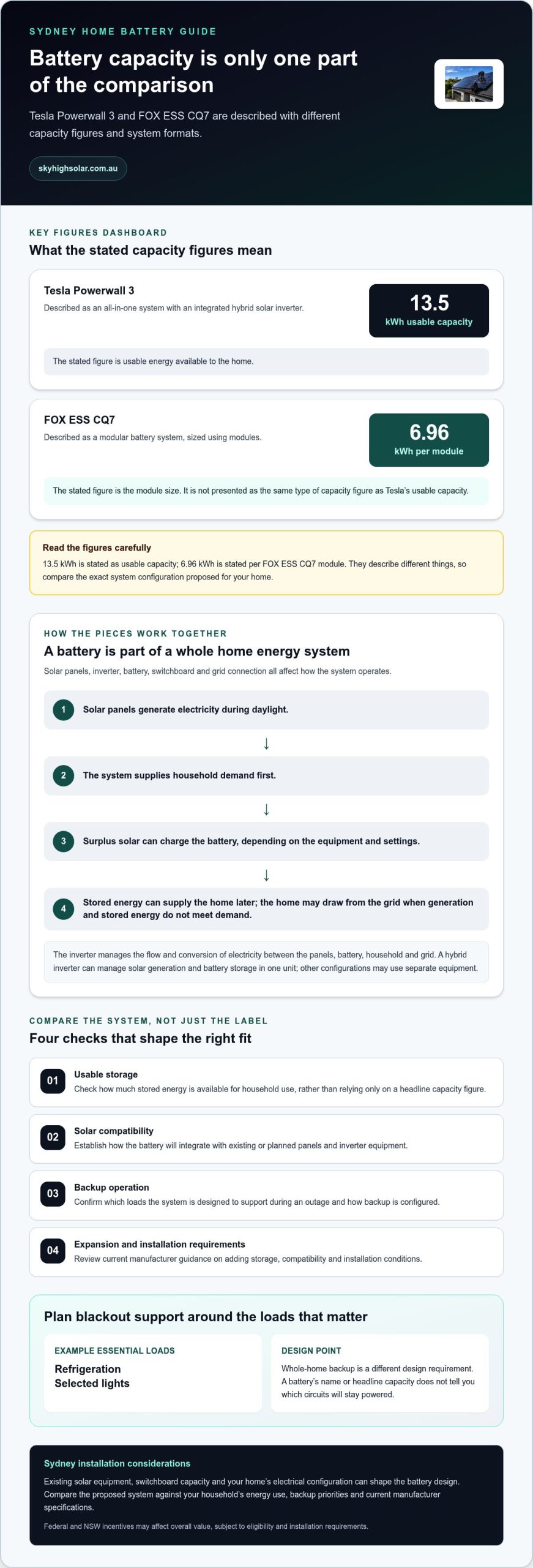
Review your electricity use across the day. If your home uses more power after sunset, storing daytime solar may help you use more of your own generation. For blackout planning, identify essential loads such as refrigeration or selected lights. Backup for the whole home is a different design requirement, so don’t assume it from a battery’s name or headline capacity.
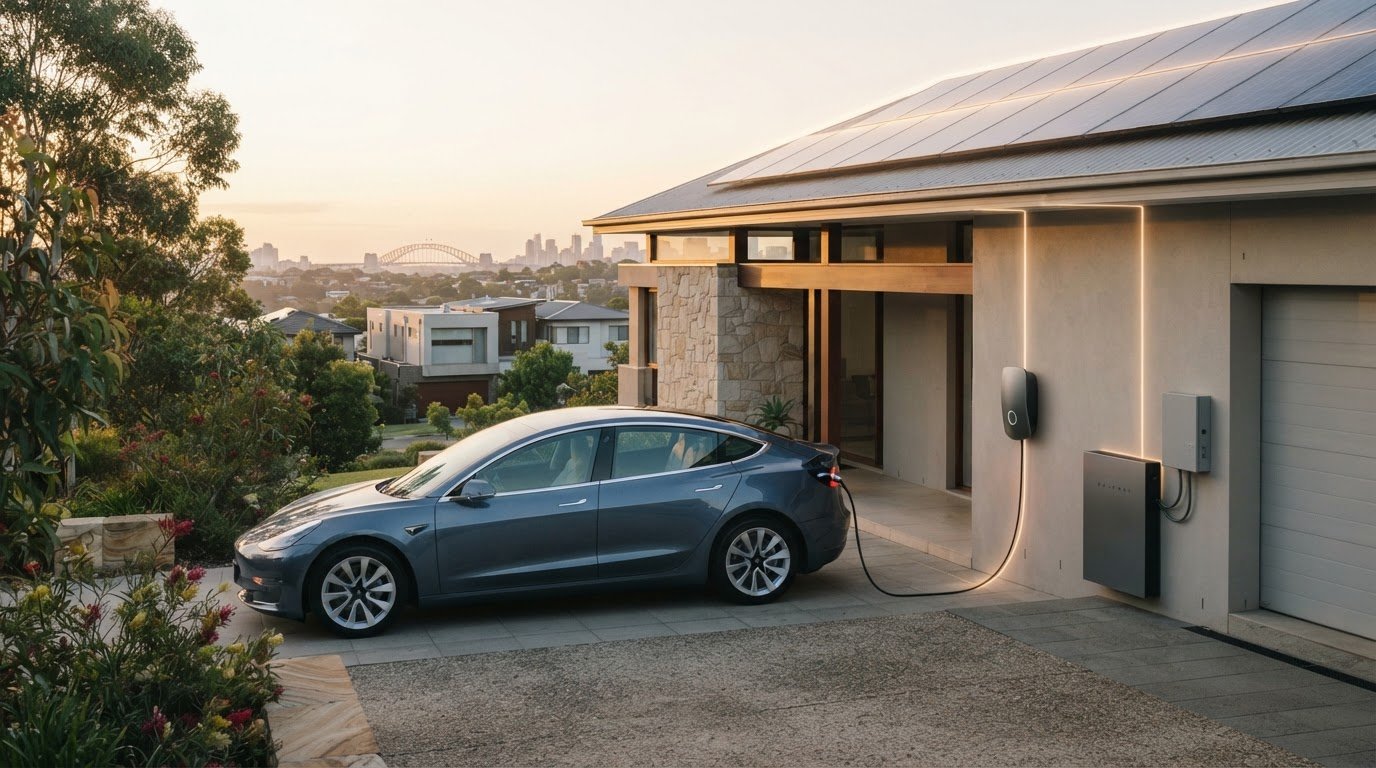
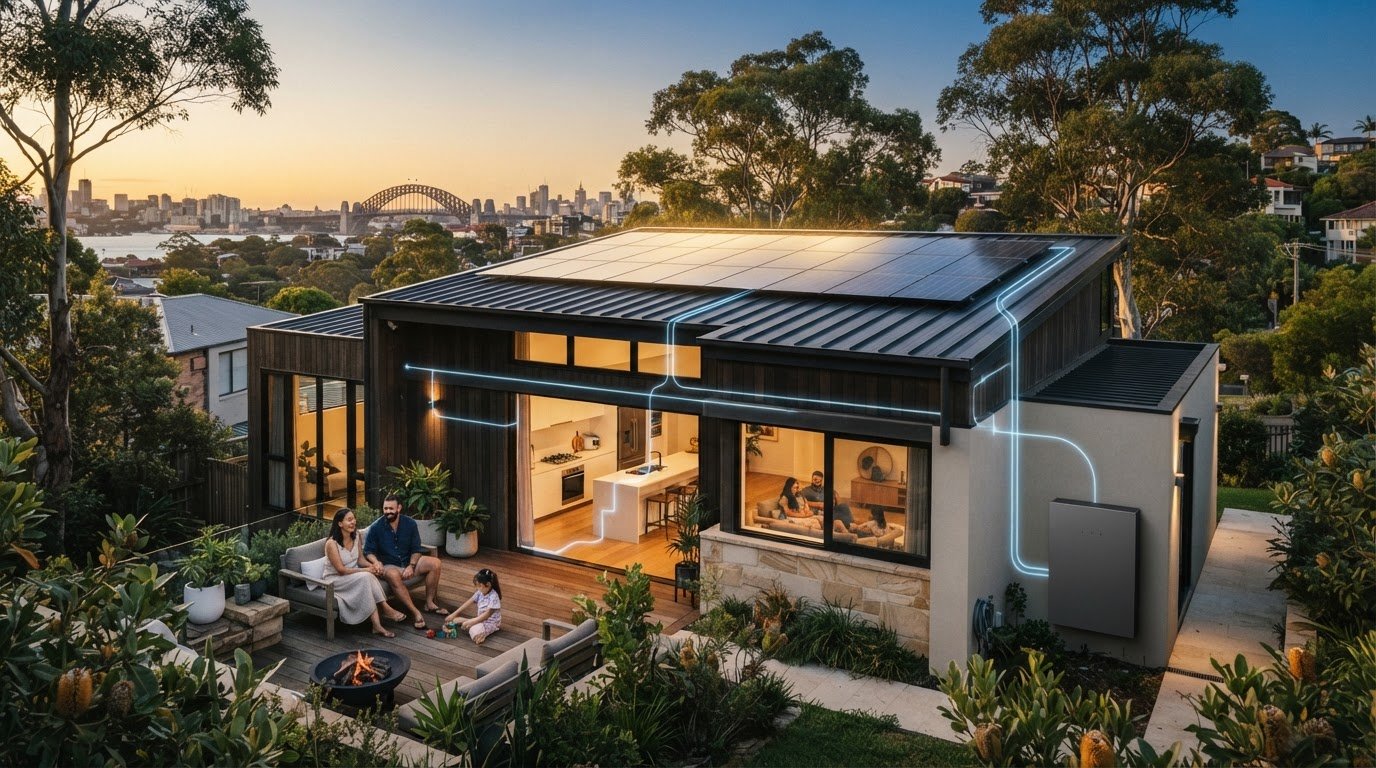
Grid-stable battery storage stores surplus electricity and supplies it later, helping a home rely less on the grid.
Which details shape a battery comparison?
Apply the same checks to both systems, comparing current manufacturer information with your home’s actual setup. The Tesla Powerwall page provides background on the product family, but your decision should be based on the specifications for the model and configuration being considered.
- Usable storage: How much stored energy is available for household use?
- Solar compatibility: How will the battery integrate with your existing or planned panels and inverter?
- Backup operation: Which loads can the system support during an outage, and how is backup configured?
- Expandability: Can you increase storage later, and what equipment or design changes could that involve?
These checks matter whether you’re considering Tesla Powerwall 3 or FOX ESS CQ7. Existing solar equipment, switchboard capacity and your home’s electrical configuration can all shape the installation design. For a new system, assess the panels, inverter and battery together rather than treating storage as a standalone purchase. There’s no universal winner: the useful comparison is the one that reflects your household’s needs and equipment.
How Tesla Powerwall 3 and FOX ESS CQ7 fit into a solar system
A home battery works alongside your panels, inverter, switchboard and grid connection. Its operation depends on how those parts are configured, so comparing battery names alone won’t show how the system will work at your property.
How do solar generation and battery storage work together?
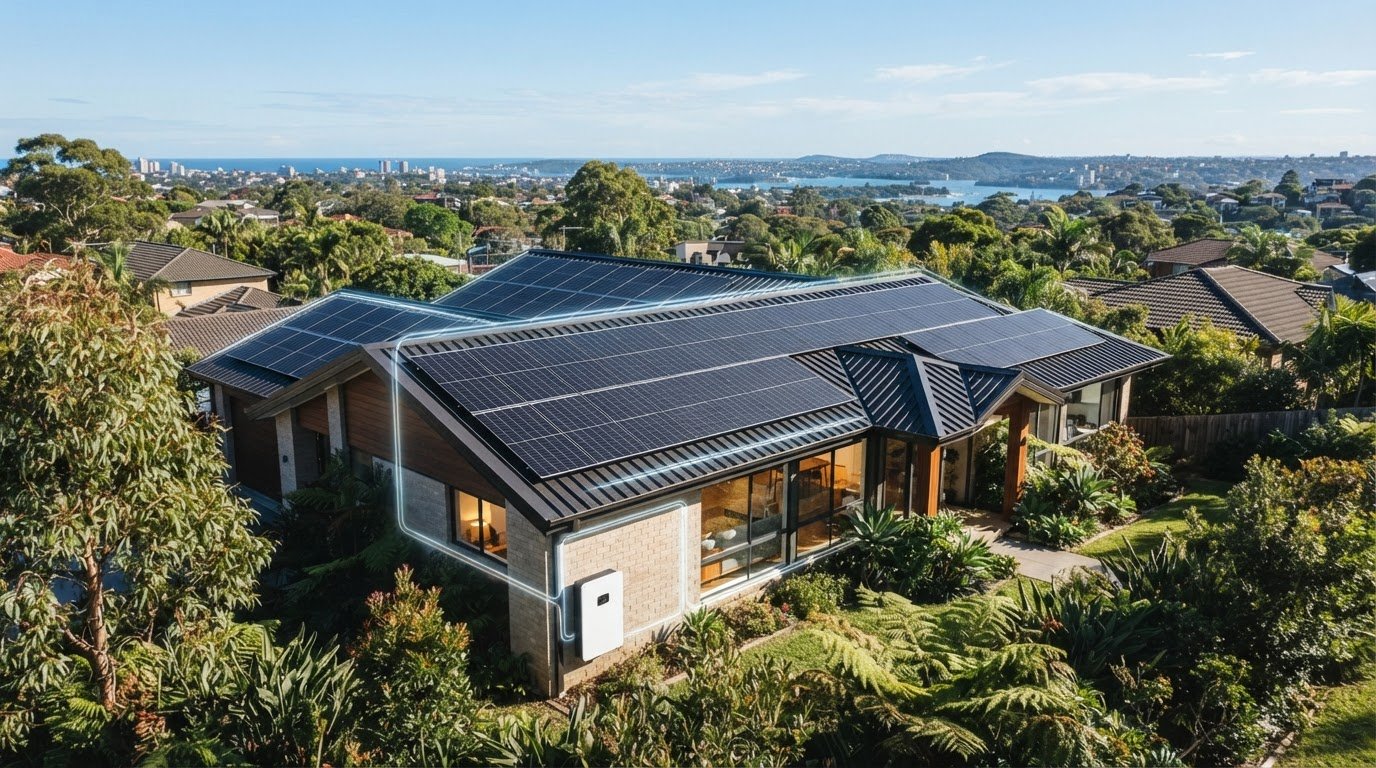
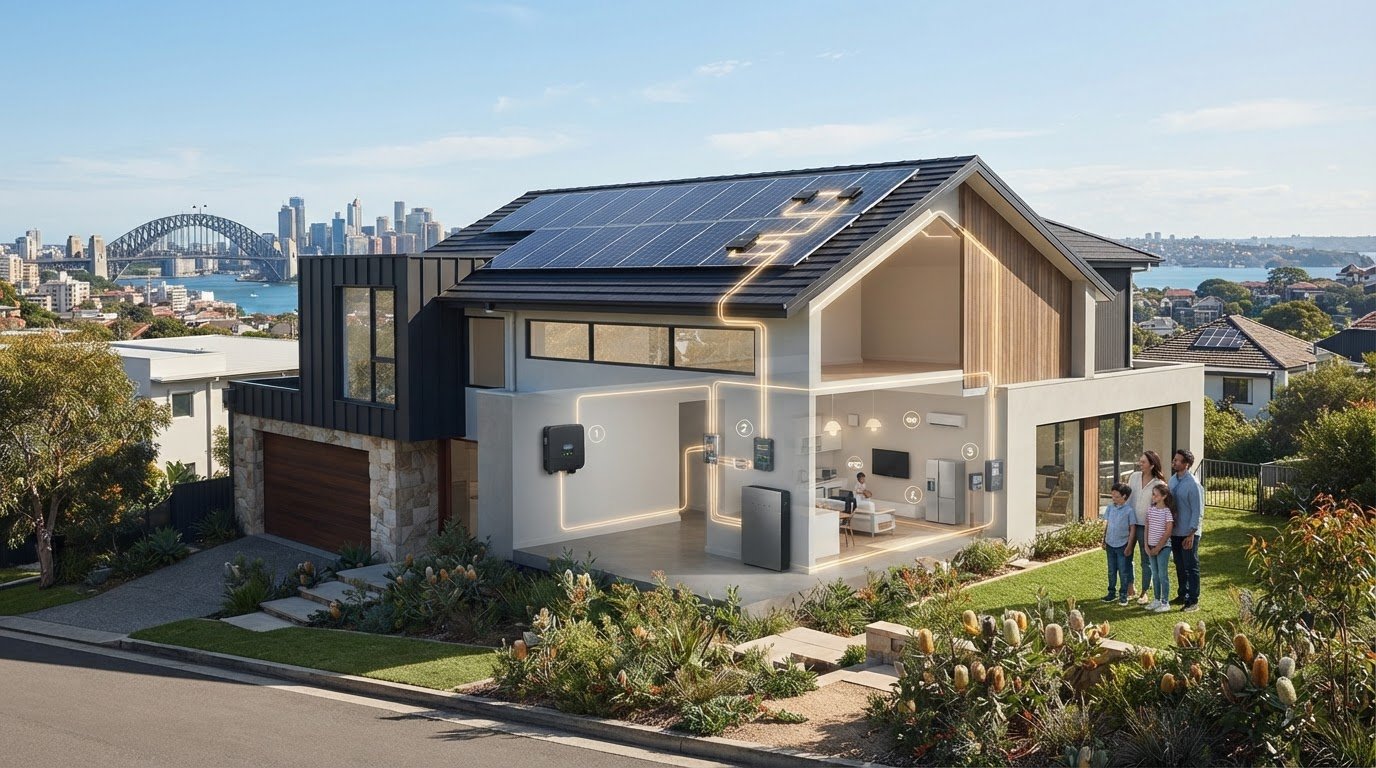
Solar panels generate electricity during daylight. The system supplies household demand first, and surplus generation can charge the battery, depending on the equipment and settings installed. Later, stored energy can supply the home. If generation and stored energy don’t meet demand, the home may draw electricity from the grid. Depending on the configuration, excess solar may also be exported.
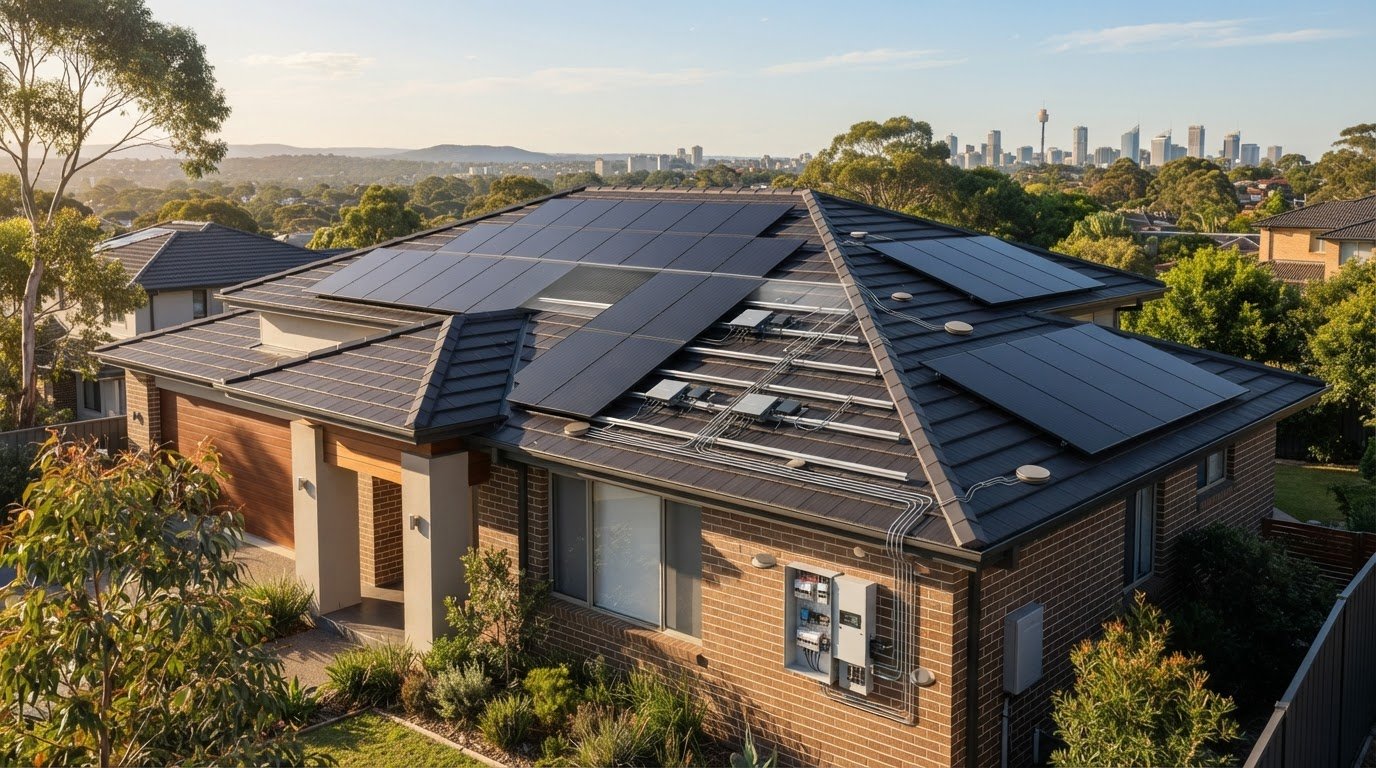
The inverter manages the flow and conversion of electricity between the panels, battery, household and grid. A hybrid inverter can manage solar generation and battery storage in one unit. Other configurations may use separate equipment. During a blackout, backup depends on the installed system and circuit configuration. Storing solar energy alone doesn’t determine which parts of the home will remain powered.
For a fuller explanation of how storage fits into a home energy plan, see Solar Battery Storage Sydney: The Ultimate 2026 Homeowner’s Guide.
What should you verify about each battery system?
Compare the same details for both products using current manufacturer specifications and the proposed system design. As at October 2026, the product information supplied for this comparison describes Tesla Powerwall 3 as an all-in-one system with an integrated hybrid solar inverter and 13.5 kWh of usable capacity. FOX ESS CQ7 is described as modular, with 6.96 kWh modules. In practical terms, one is presented as an integrated battery-and-inverter system, while the other is sized using modules. Compare the exact configuration proposed for your installation.
- Usable capacity: Check the energy available to your home, not just the nominal capacity figure.
- Inverter arrangement: Establish what equipment is included and how it will connect to your existing or planned solar system.
- Backup capability: Check how backup operates and which circuits the design is intended to support.
- Expansion and operating requirements: Review current manufacturer guidance on adding storage, compatibility and installation conditions.
These checks are particularly useful when adding a battery to existing solar, because the installed inverter and electrical layout influence the design. Sky High Solar and Electrical assesses battery choice as part of your home energy system. For context on the options, read about our Sydney solar and battery solutions.
Tesla Powerwall 3 vs FOX ESS CQ7: compare the details that affect your decision
Compare both batteries against the same criteria, then match the details to your solar equipment and backup priorities. The product information below is based on research available in October 2026. Check the specifications and requirements for the exact model and configuration against current manufacturer documentation.
- Usable capacity: Tesla Powerwall 3 is stated at 13.5 kWh. FOX ESS CQ7 uses 6.96 kWh modules, with total storage depending on the number of modules in the system.
- System design: Tesla Powerwall 3 is an all-in-one system with an integrated hybrid solar inverter. FOX ESS CQ7 is modular high-voltage storage; its inverter arrangement depends on the wider system design.
- Backup: Backup operation and supported loads depend on the system configuration for both options. The research information states up to 10 kW continuous output for Tesla Powerwall 3 in Australia. Check the relevant output and backup details for the proposed FOX ESS CQ7 system.
- Expansion: Tesla Powerwall 3 can be configured with up to four units for a stated total capacity of 54 kWh. FOX ESS CQ7 storage is assembled from 6.96 kWh modules. Review compatible expansion options and requirements for each proposed design.
Which system may suit an existing solar installation?
Your existing panels, inverter and switchboard can affect how a battery connects and operates. An assessment identifies integration requirements before installation, including whether the proposed configuration suits the equipment already at your home. Review the site and current product documentation before settling on a system. Backup planning should also identify the circuits you want supported, rather than assuming the battery will power every appliance during an outage.
Which system may suit a new solar and battery project?
For a new installation, plan the panels, inverter, battery and backup arrangement as one system. If your household uses more electricity in the evening, stored solar may be a priority. If blackout protection matters most, define the essential loads the design should support. The integrated inverter approach of Tesla Powerwall 3 and the modular design of FOX ESS CQ7 are different considerations, but neither makes one option the automatic choice.
Before deciding, compare current manufacturer specifications for usable capacity, inverter compatibility, output, backup operation, expansion limits and operating requirements. These details may vary by configuration. Sky High Solar and Electrical assesses battery options alongside your solar and electrical setup. Explore Sydney solar and battery solutions.
Choosing and installing a home battery in Sydney: a practical checklist
A suitable battery starts with a clear picture of how your home uses and generates electricity. Work through these steps before comparing proposals for Tesla Powerwall 3 or FOX ESS CQ7:
- Review household use: Note when you consume the most electricity and how much you want to use after sunset.
- Set backup priorities: Decide which essential circuits you want supported during an outage, rather than assuming the whole home will run on battery.
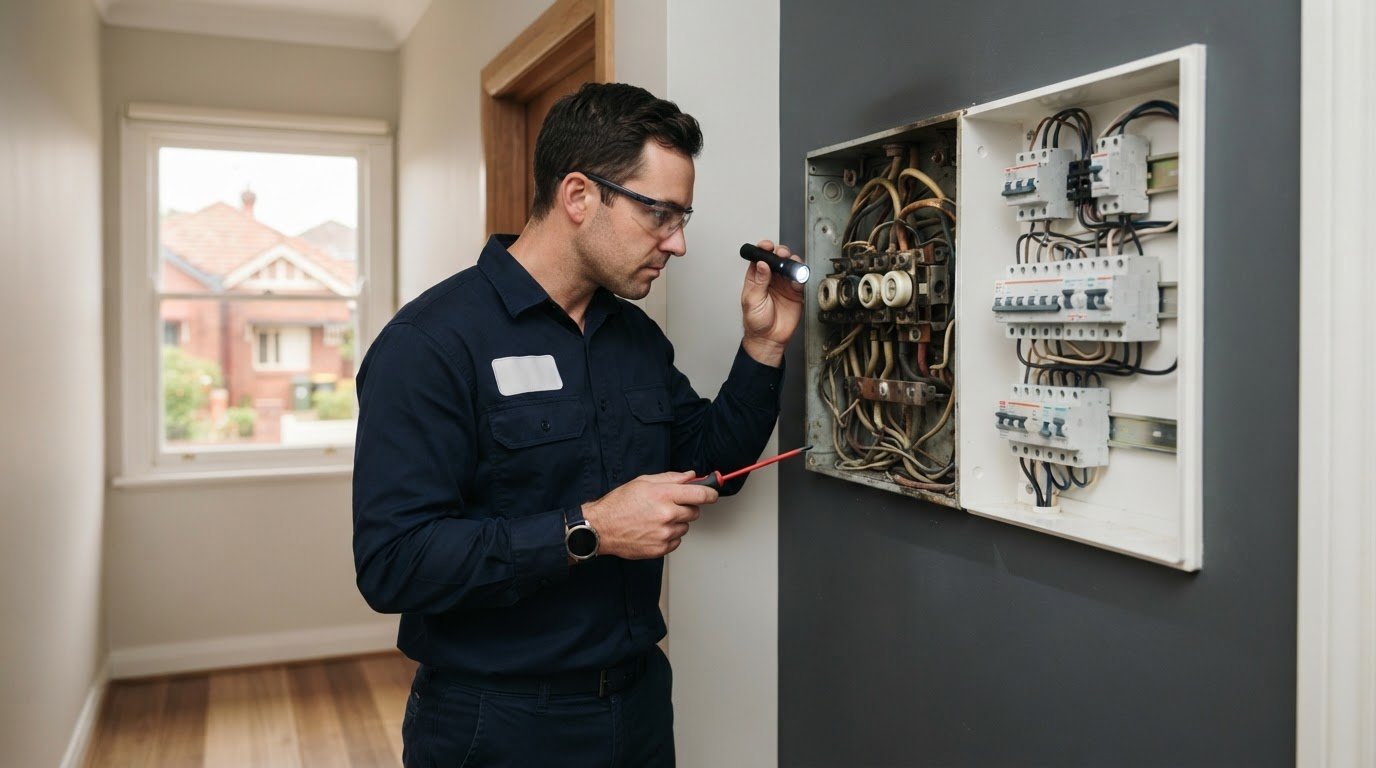
- Inspect existing equipment: Record details of your solar panels and inverter, and include the switchboard and electrical configuration in the assessment.
- Compare complete system designs: Consider battery capacity, compatibility, backup setup and possible future expansion together.
- Check incentives: Review current federal and NSW programme rules, eligibility and application steps before factoring an incentive into your decision.
What should a Sydney battery assessment cover?
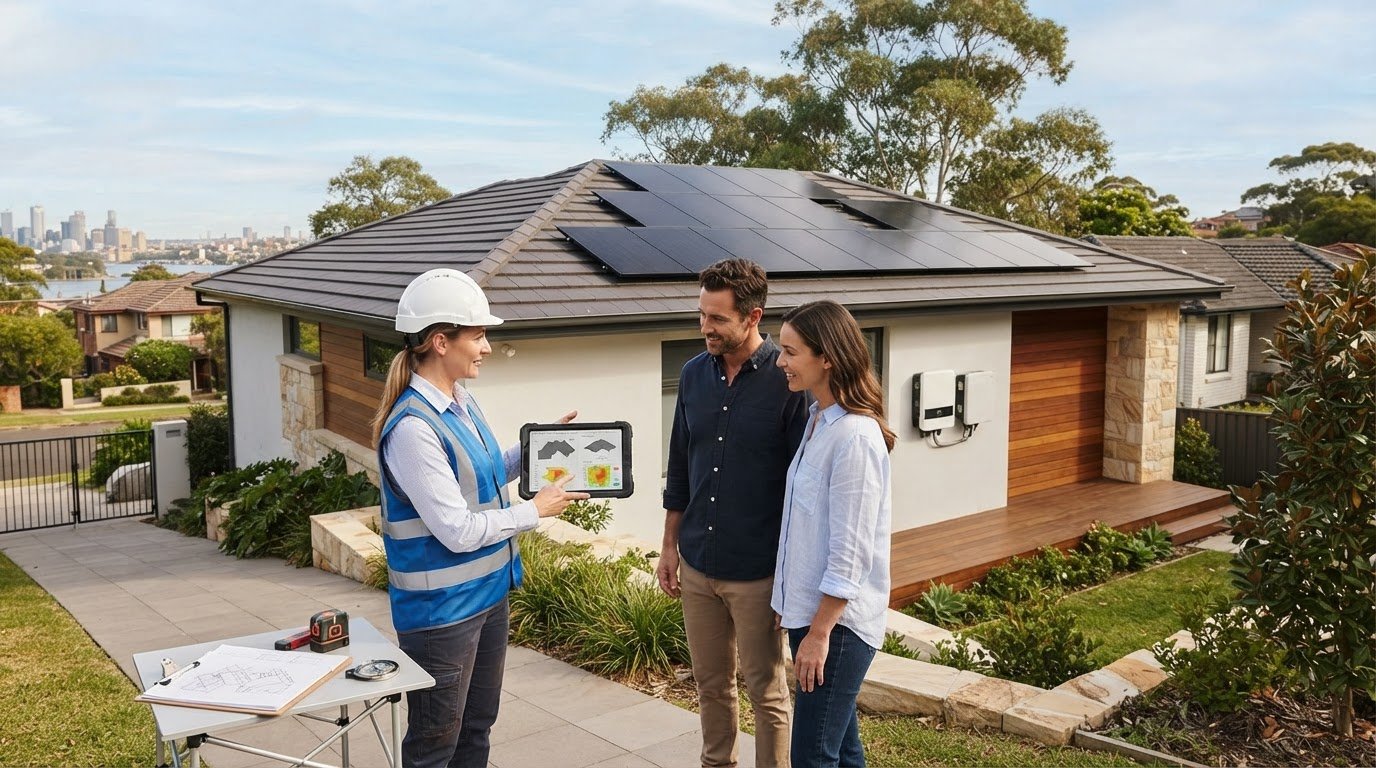
A site-specific assessment brings your electricity use, solar generation, backup priorities and existing equipment into one plan. The switchboard and other electrical requirements matter too, as they can affect how the system is connected and what work the installation involves. Sydney homes vary in layout and existing equipment, so the design should reflect the actual site. Sky High Solar and Electrical assesses battery options as part of your home’s solar and electrical system, supporting a safe, compliant installation.
How should you check battery rebates and incentives?
Incentive rules can change, and eligibility may depend on the household, battery and installation circumstances. Review current federal programme guidance and NSW scheme details before relying on a discount. For the NSW Peak Demand Reduction Scheme (PDRS), check the current household eligibility criteria and whether the relevant incentive requires participation in a Virtual Power Plant (VPP). Don’t assume a particular battery or installation qualifies, or include a payment in your budget before reviewing the current programme conditions and application process.
For more background on available support, see NSW Solar Battery Rebate: How to Save Money in 2026. Use it as a starting point, then review the latest official programme information before making a decision. Incentives can affect overall value, but they don’t replace a careful assessment of system fit, backup needs and installation requirements.
Ready to plan around your home’s equipment and energy priorities? Explore a Sydney home battery assessment.
How Sky High Solar and Electrical can help with your Tesla Powerwall 3 decision
A battery recommendation should reflect how your home generates and uses electricity, not just the product name. Sky High Solar and Electrical assesses Tesla and FOX ESS options as part of your wider solar and electrical system, matching the proposed design to your existing equipment, household energy use and backup priorities.
What does a project-led battery recommendation consider?
The assessment brings together your solar generation, when your household uses power and what you want to keep running during an outage. It also considers your existing panels, inverter and switchboard configuration, along with site requirements that may affect system layout and installation. Product specifications are matched to the proposed design, rather than assumed from a general comparison. This gives you a clear basis for weighing Tesla Powerwall 3 against FOX ESS CQ7 for your home.
What happens after you decide to explore a battery?
The process moves from assessing your household and existing equipment to system design and professional installation. Electrical work and compliance requirements are part of the planning. Where applicable, a certificate of compliance electrical work (CCEW) documents completed electrical work. The design should set out how the battery integrates with solar and how the system is intended to operate, including any planned backup circuits.
Sky High Solar and Electrical is Sydney-owned and operated, with licensed electrical contractors since 2013. After installation, solar system servicing can help you monitor your system as your household needs change. A considered design also gives you a practical reference for future maintenance and system decisions.
To get started, consider your recent electricity use, the solar equipment already at your home and which circuits matter most during a blackout. These details help focus the assessment on your priorities. Discuss a Sydney solar and battery installation.
Make your next battery decision with confidence
The better choice between Tesla Powerwall 3 and FOX ESS CQ7 depends on how your solar system fits together and what you need from stored energy. Compare usable capacity, inverter arrangement, backup operation and expansion options using current product information. Then weigh those details against your household’s electricity use, existing equipment and blackout priorities.
A site-specific design matters too. Your solar generation, switchboard and electrical requirements shape how a battery can be integrated, installed and serviced over time. Incentives may affect overall value, but review current programme rules and eligibility before including them in your plans.
Sky High Solar and Electrical is Sydney-owned and operated, with licensed electrical contractors since 2013. The team provides solar system servicing and electrical contracting, and can assess your battery choice as part of your home energy system. Discuss a Sydney solar and battery installation and share your household usage, existing solar equipment and backup goals. A clear plan is the first step towards a system suited to your home.
Frequently Asked Questions
Can Tesla Powerwall 3 work with an existing solar system?
It may, but compatibility depends on your existing panels, inverter and electrical configuration. The battery needs to be assessed alongside the equipment already installed, as integration requirements can affect the system design. Review the home’s solar and electrical equipment against current Tesla manufacturer documentation. This helps establish whether the existing system can accommodate Tesla Powerwall 3 and whether changes are needed.
Is Tesla Powerwall 3 better than FOX ESS CQ7?
Neither battery is automatically the better choice for every Sydney home. Compare current verified specifications, usable storage, backup priorities and how each option integrates with your solar system. Your existing inverter and electrical setup can also affect suitability. A system-level assessment considers the battery alongside your household’s energy needs and site requirements, giving you a more useful basis for deciding than brand reputation or one specification alone.
How much battery storage does a Sydney home need?
The right amount depends on your household’s electricity consumption, when you use power, how much solar you generate and what you want backed up during an outage. Review recent electricity bills or usage data to understand your patterns, including evening demand. Use this information as part of the system design rather than choosing capacity by rule of thumb. A project assessment and verified product specifications help determine a suitable battery size.
What happens to a Tesla Powerwall 3 during a blackout?
Tesla Powerwall 3 can provide blackout protection when installed as part of a suitable system, but its operation depends on the configuration and the loads the system is designed to support. Don’t assume every circuit or appliance will keep running. Review current Tesla documentation and have the proposed backup arrangement clearly set out, including which circuits are supported and how the system is intended to operate during an outage.
Can I add battery storage to solar panels I already have?
Battery storage may be added to an existing solar system, but the design depends on your panels, inverter, switchboard and the battery’s integration requirements. Existing equipment can affect which configuration is suitable and whether electrical changes are needed. A site assessment identifies these factors before installation. Don’t assume every system can accept Tesla Powerwall 3 or FOX ESS CQ7 without modification; suitability depends on the home and current product requirements.
Are there battery rebates for Sydney homeowners in 2026?
Federal and NSW battery incentives may be available, but programme status, eligibility and application requirements can change. Check current official guidance against your household circumstances and proposed system before factoring any discount into your plans. The Peak Demand Reduction Scheme (PDRS) may have specific participation and eligibility conditions, so review current NSW requirements before relying on it. Don’t assume a battery or installation qualifies without checking the rules that apply to your project.
Does a home battery provide backup power for the whole house?
Not necessarily. Backup capability depends on the battery system, installation configuration and circuits included in the design. Essential-load backup may support selected circuits, while whole-home backup is a different system expectation and shouldn’t be assumed. For either Tesla Powerwall 3 or FOX ESS CQ7, compare current technical documentation with the proposed setup. The designed backup arrangement should clearly identify which household loads are intended to operate during an outage.