

 Sydney
 0452 243 240
Blog
Choosing between two solar inverters for your home

The most expensive inverter isn’t automatically the best choice for your Sydney home. Choosing a GoodWe inverter vs a Fronius inverter depends on what matters most in your system, from battery backup during blackouts to efficiency, monitoring, noise and cooling.
It’s sensible to look beyond the brand name: an inverter needs to suit your panels, household energy use and plans for battery storage. GoodWe hybrid inverter systems can provide backup with a battery, with a switchover time under 10 milliseconds.
This comparison explains how the brands differ on features that affect everyday use, then offers a practical guide to choosing for your home. Consider Sydney conditions, including the installation location, and how system design can match equipment to your priorities. By the end, you’ll have a clearer basis for choosing an inverter that fits your solar plans.
Key Takeaways
- For blackout protection, compare how each inverter works with a battery and which household circuits need backup.
- Match inverter efficiency and MPPT capacity to your roof layout to make better use of your solar panels.
- Compare the monitoring tools for clear, useful information, and consider inverter noise and cooling when choosing its location.
- Use your priorities, battery plans and home setup to guide the choice, with professional system design helping bring the components together.
Backup power and blackout protection
Grid-connected solar inverters generally stop supplying power during a blackout. Backup requires a compatible battery and a system designed to keep selected circuits operating safely.
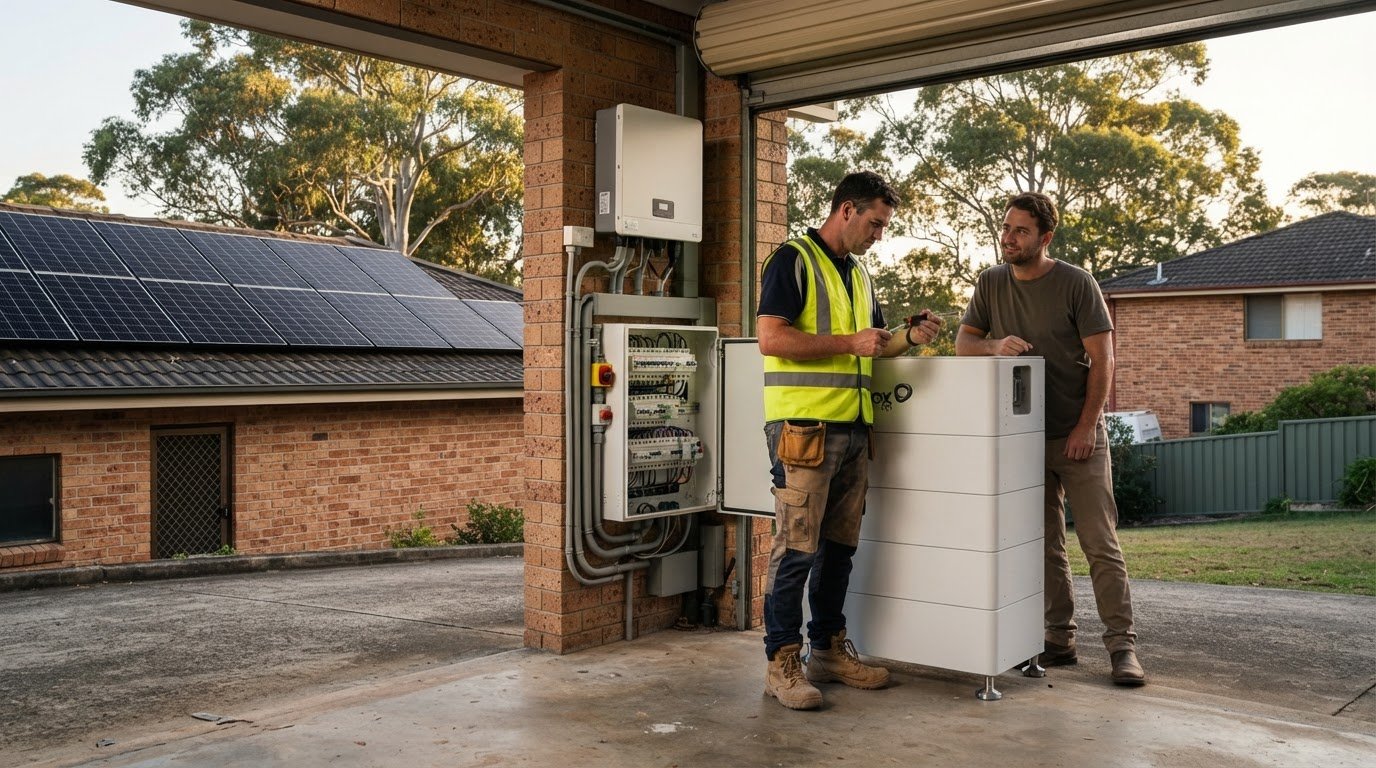
A hybrid inverter may provide backup when paired with a compatible battery, but the setup depends on the system design. That transition can help keep supported loads running, but backup depends on the installed battery and circuit configuration. Fronius performance depends on the specific inverter and battery arrangement, so compare the complete system rather than the inverter name alone.
For Australian homes, the GoodWe DNS/EH Series is described as a string and hybrid inverter with power from 5 to 10 kW. The comparison also lists GoodWe inverter sizes of 10 kW and 15 kW. Select capacity around your solar array, household loads and phase connection; a Fronius model must likewise match those site requirements.
Battery compatibility depends on the model. Confirm that the inverter, battery and backup design work together, then identify which circuits need power during an outage. A battery does not automatically keep every household appliance running.
| Option | Backup path | Switchover | Key decision |
|---|---|---|---|
| GoodWe hybrid | AC coupling | Under 10 milliseconds with a battery | Check battery and backed-up circuits |
| Fronius inverter | Depends on system configuration | Depends on the selected system | Match model and battery arrangement |
| Either brand with storage | Designed around supported loads | Set by system design | Prioritise essential circuits |
Repair support depends on the model, warranty pathway and fault diagnosis. Keep clear records of the inverter, battery and installation to help guide a service assessment.
Australian installations must account for AS/NZS 4777.2:2020 Amd 2:2024, which has applied since 23 August 2025. The Clean Energy Council approved list contains over 3,800 inverter models. Rebates depend on the relevant scheme and system criteria, not the brand name alone.
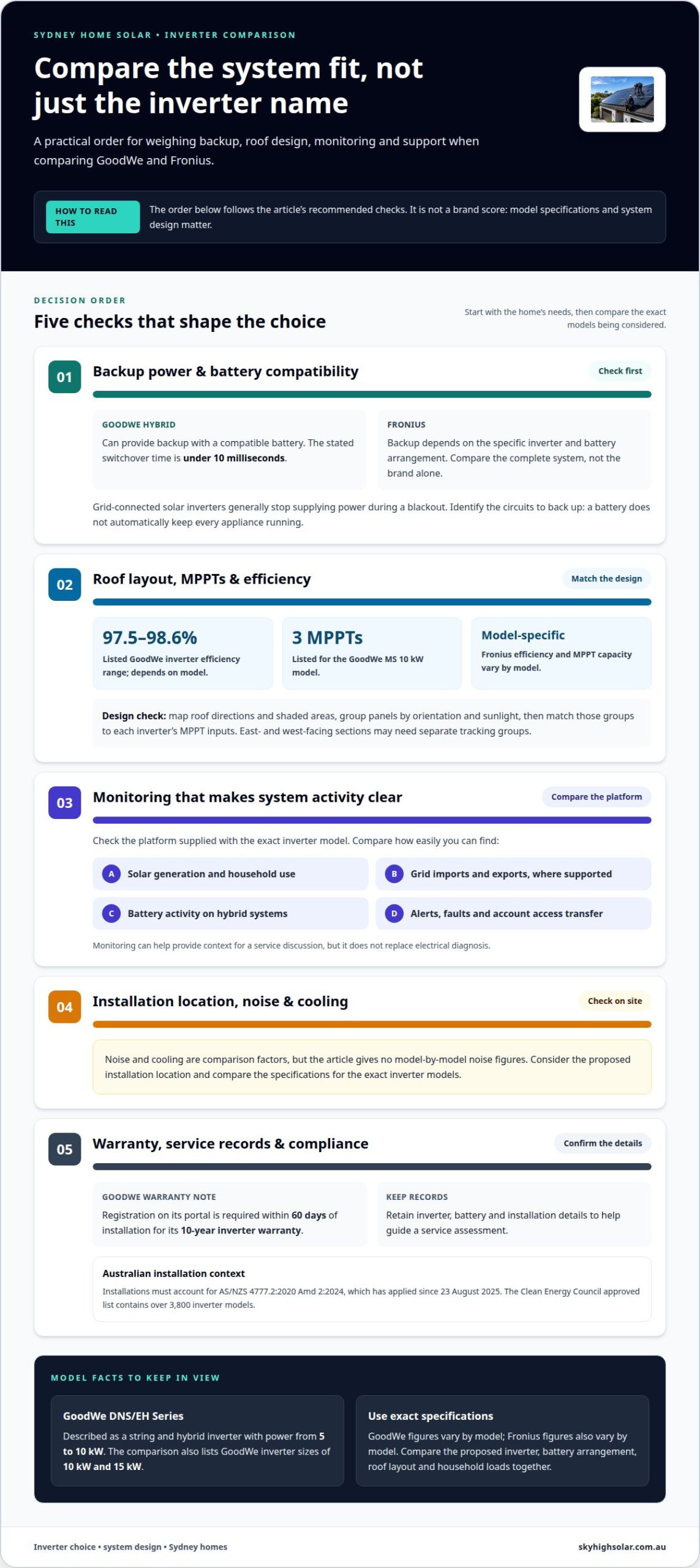
First match backup loads, battery compatibility and system size. Then compare monitoring and warranty support.
Efficiency and MPPT count
Efficiency figures compare conversion performance, while MPPT count affects how panels can be grouped. In Australia, a professional matches both to the roof layout and proposed array.
GoodWe efficiency and MPPT count
GoodWe inverter efficiency is listed at 97.5%-98.6%, depending on the model. The MS series has a listed peak efficiency of 97.7%, while the DNS/EH Series is listed at 97.0%. A GoodWe MS 10 kW model has three MPPTs, allowing the design to account for separate panel groups.
For a GoodWe inverter vs Fronius inverter comparison, use figures for the exact GoodWe model. Different roof orientations or shaded areas can affect how panels are grouped. MPPT count helps determine how those groups connect, but it does not predict household output.
Fronius efficiency and MPPT count
Fronius efficiency and MPPT capacity vary by model. Compare the published figures for the specific Fronius and GoodWe models under consideration, rather than relying on general brand claims. An installer can also assess whether the available trackers suit the panel groups planned for your roof.
A GoodWe inverter vs Fronius inverter assessment should use model-specific specifications. This keeps the comparison focused on your proposed system, not assumed differences between brands.
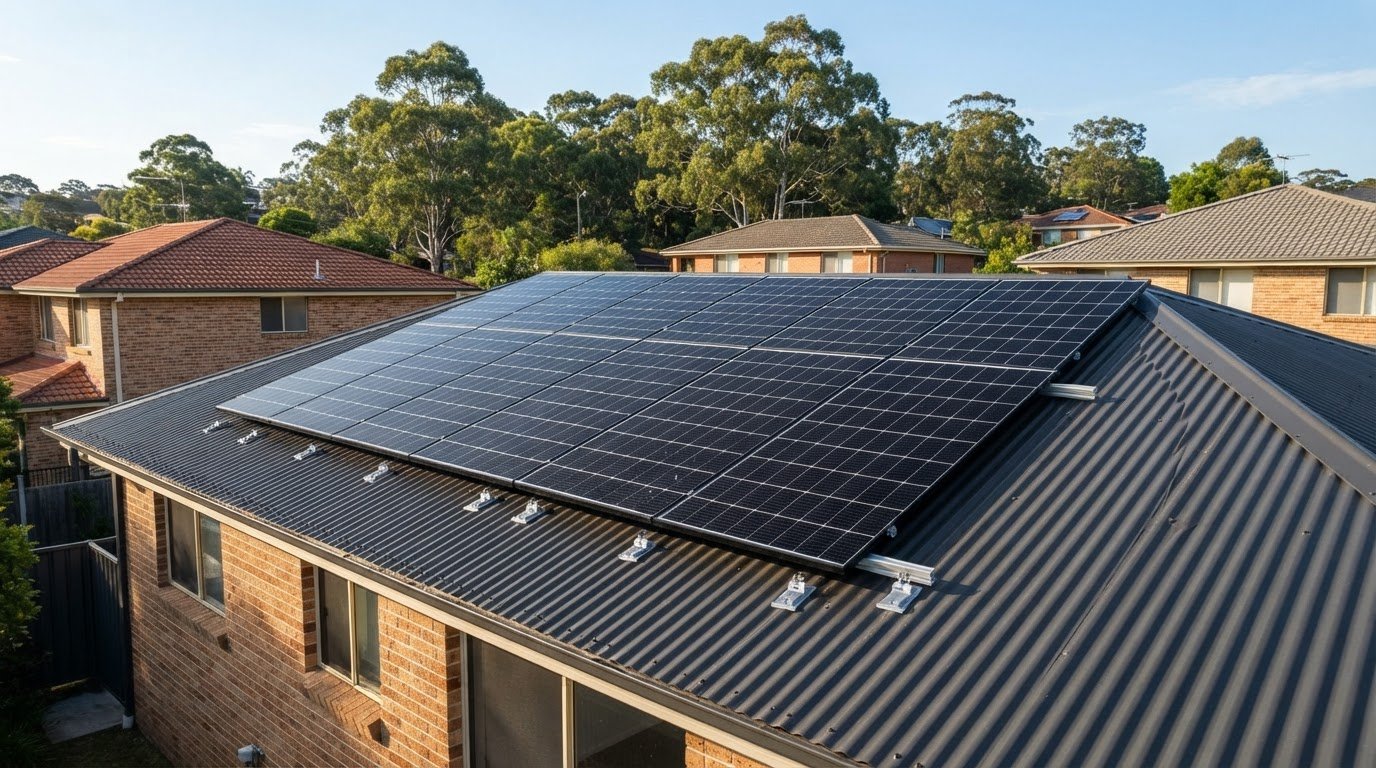
To compare models, a professional maps roof directions and shaded areas, then checks the panel strings against each inverter’s MPPT inputs and design limits. For example, east- and west-facing roof sections may need separate tracking groups. This design check shows whether a proposed model suits your roof.
- Map roof faces and identify shaded sections.
- Group panels by orientation and sunlight conditions.
- Match panel groups to the inverter’s MPPT inputs.
- Compare model efficiency and design specifications.
Use the completed system design, not efficiency figures alone, to guide your final choice.
Monitoring apps and portals
Monitoring helps you understand how your solar system performs after installation. For GoodWe and Fronius, compare the platform supplied with the exact inverter model, not just the brand. Ask to see sample screens, and check whether key readings are easy to find on a phone and computer.
Useful comparisons include solar generation, household consumption, and grid imports and exports, where supported. A daily view, for example, can help explain why evening use draws power from the grid. A longer view may show how generation changes with the season or roof conditions. Look for a platform that makes these patterns clear rather than burying them in technical graphs.
For a hybrid system, check how the monitoring platform presents solar generation and battery activity. See whether readings appear together or on separate screens, as this affects how quickly you can understand when stored energy is being used. The right choice depends on what your household wants to monitor.
- Compare the live power view with daily and longer-term summaries.
- Check whether generation, consumption and battery readings appear clearly.
- Look for a straightforward way to identify system alerts or faults.
- Confirm who receives account access and how it transfers after installation.
Monitoring can also provide useful context for service discussions. A clear date range or fault record can help an installer assess a performance concern. It does not replace electrical diagnosis, but may help establish when an issue appeared. Compare how each platform displays this information before deciding.
Warranty administration is separate from app monitoring. GoodWe warranty registration must be completed on its portal within 60 days of installation for its 10-year inverter warranty. Keep installation details and registration records with your system documents. Compare the support process for the exact Fronius model as well, so the portal’s convenience isn’t mistaken for warranty coverage.
Noise and cooling
Noise can affect where an inverter suits your Sydney home. GoodWe inverters have a stated noise level under 25 dB(A). Compare that figure with the exact Fronius model’s published data, rather than assuming every inverter from either brand sounds alike.
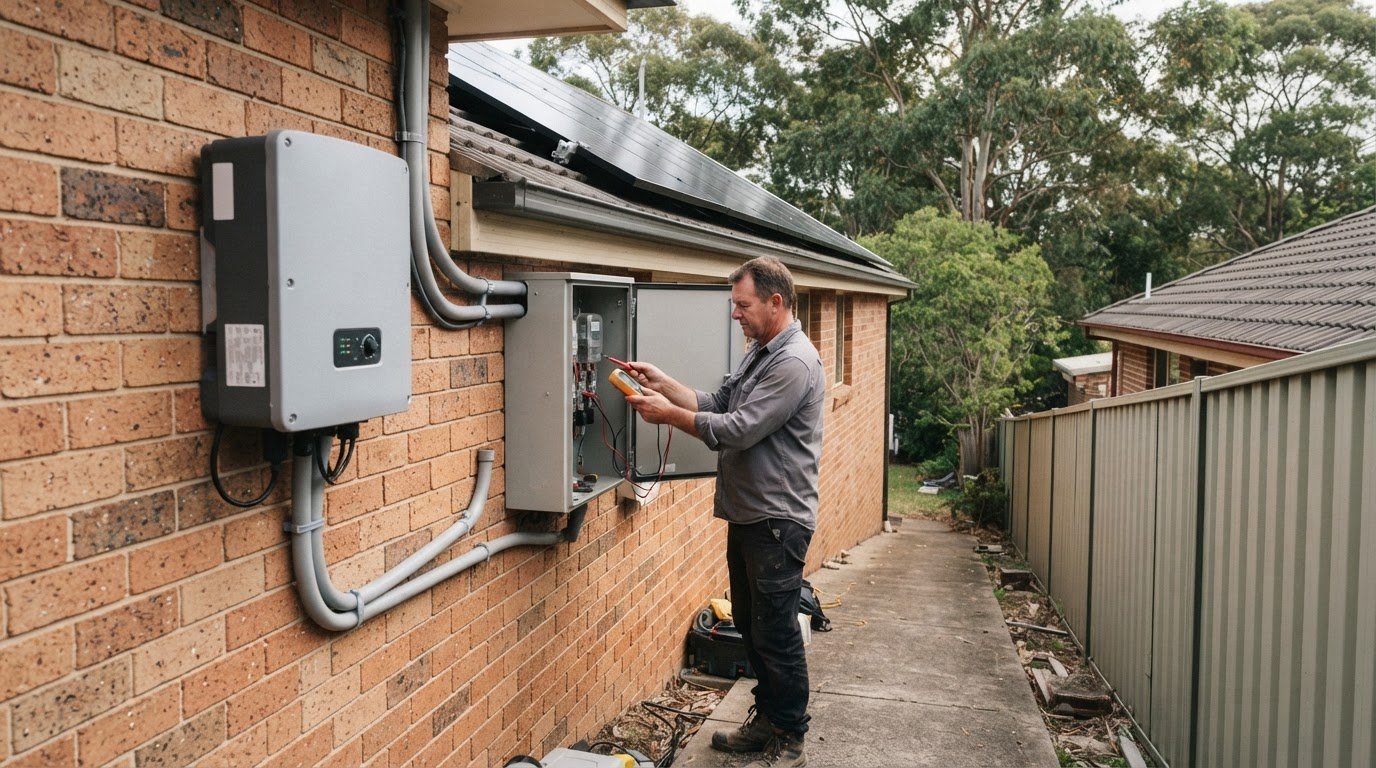
Cooling matters too. An inverter must release heat during operation, and its design and installation location affect the conditions around it. Sydney summer temperatures can reach 40°C or higher, so an exposed wall may experience demanding conditions. The installer considers airflow, direct sun, nearby windows and household living areas when selecting a suitable position.
A hybrid inverter manages battery functions alongside solar generation. Its installation must suit the equipment and allow appropriate airflow. Don’t place the unit in a cramped cupboard or beside a bedroom window just because it has a low noise rating. Consider access, ventilation and day-to-day comfort together.
For a meaningful GoodWe and Fronius comparison, review the noise and cooling specifications for each proposed model. Check the manufacturer’s guidance on operating conditions, installation clearances and cooling method. These details vary by model, so the brand name alone cannot tell you how a unit will sound or manage heat.
Discuss these practical points with your installer:
- Choose a wall location away from bedrooms and quiet outdoor areas.
- Keep the manufacturer’s specified clearances around the inverter.
- Consider afternoon sun and airflow at the proposed mounting position.
- Compare the exact model’s noise rating and cooling guidance.
Sungrow is another inverter brand, but adding it to a shortlist won’t settle the GoodWe-versus-Fronius decision. Compare models that suit your system design, then consider noise, heat management and installation location together. Noise may matter near a living space, while ventilation and shade deserve attention at an exposed Sydney installation.
Ask your installer to explain how the chosen location meets the model’s installation requirements. This connects the specifications to your home’s layout and helps you avoid choosing on noise figures alone.
Sky High Solar and Electrical: Hybrid HV inverter (GoodWe ET G2)
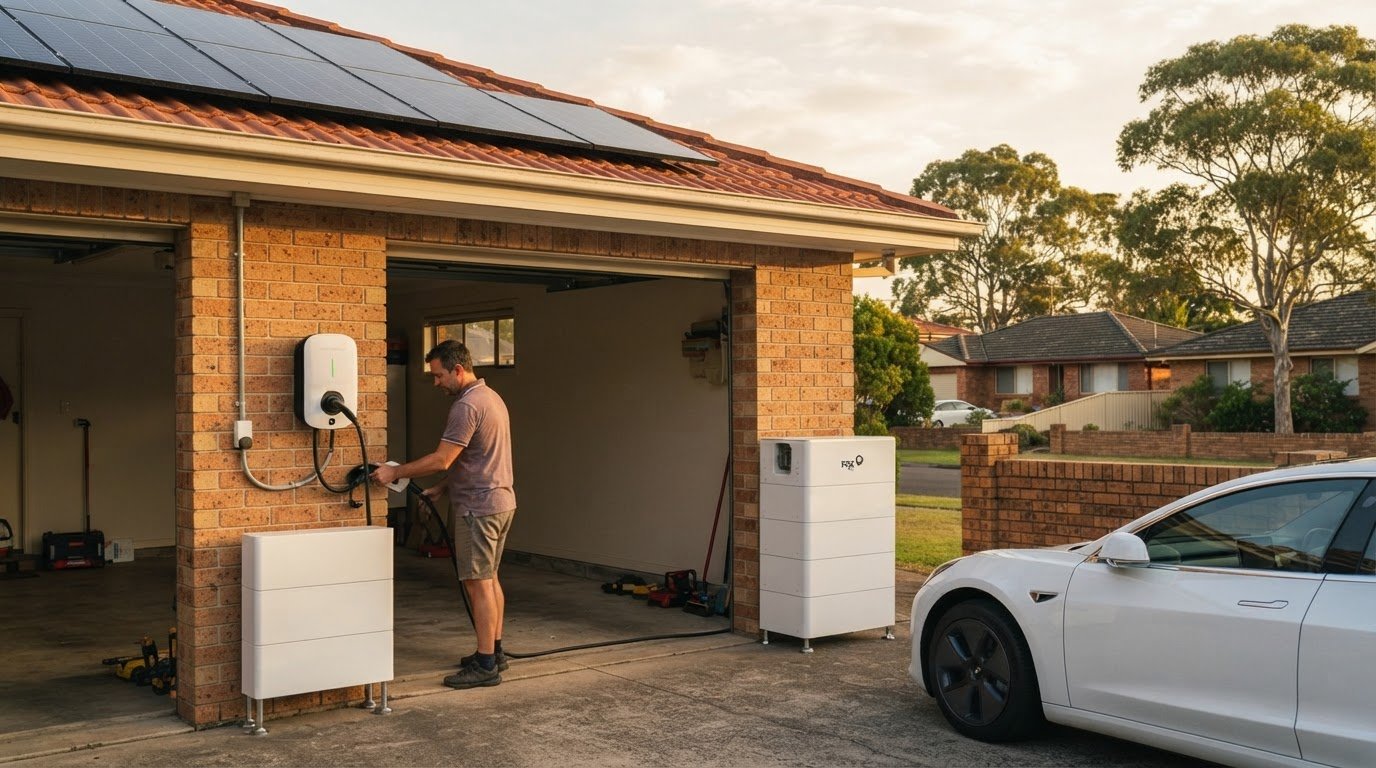
Sky High Solar and Electrical can help you assess whether the Hybrid HV inverter (GoodWe ET G2) suits your solar and battery plans. This hybrid inverter connects directly to high-voltage battery storage and supports future expansion without replacing the inverter.
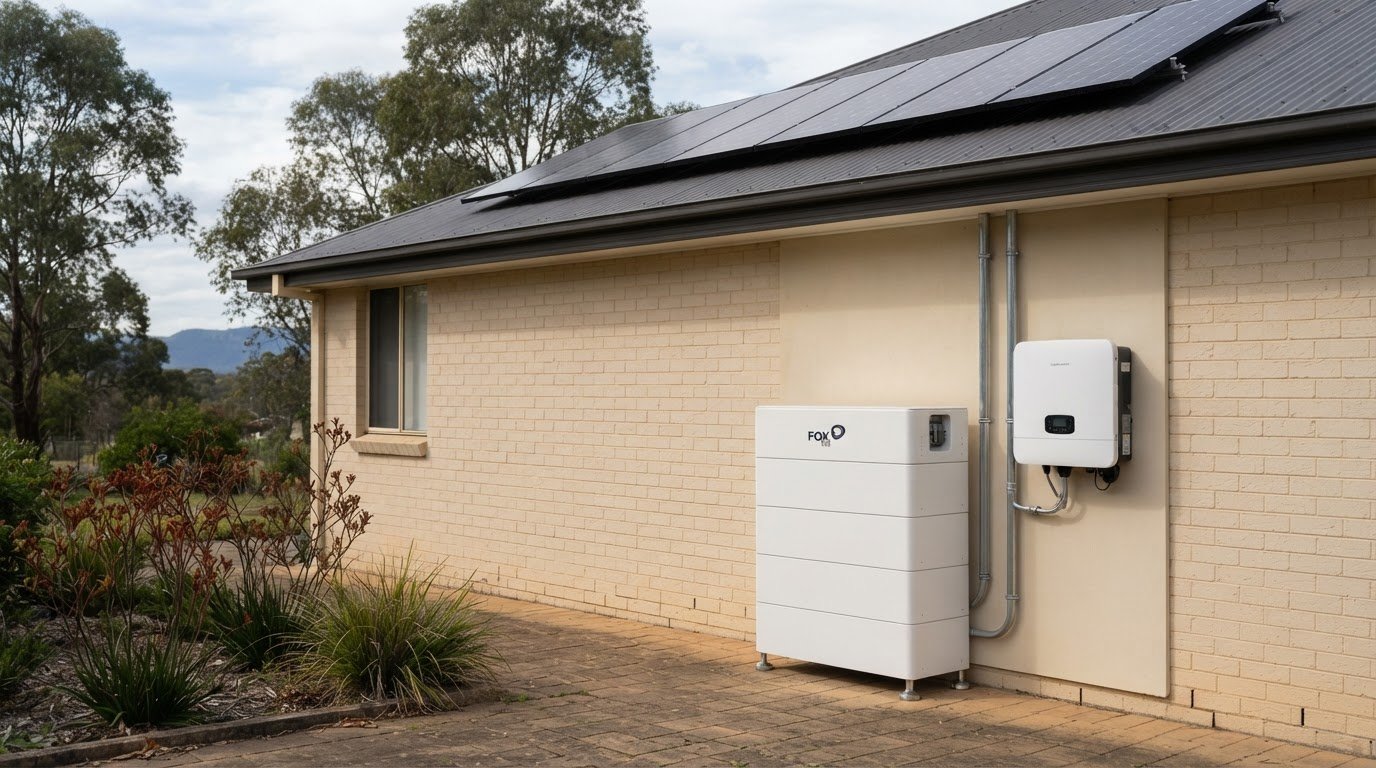
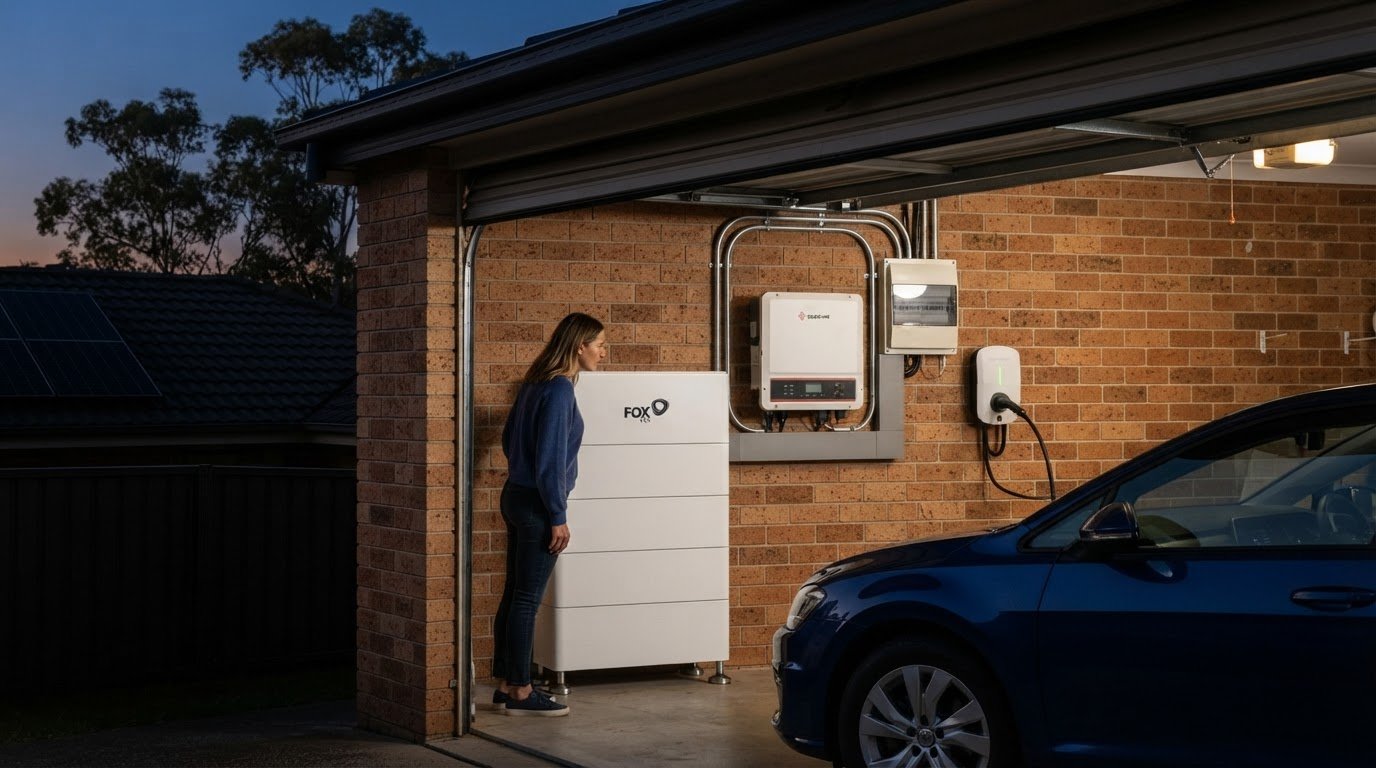
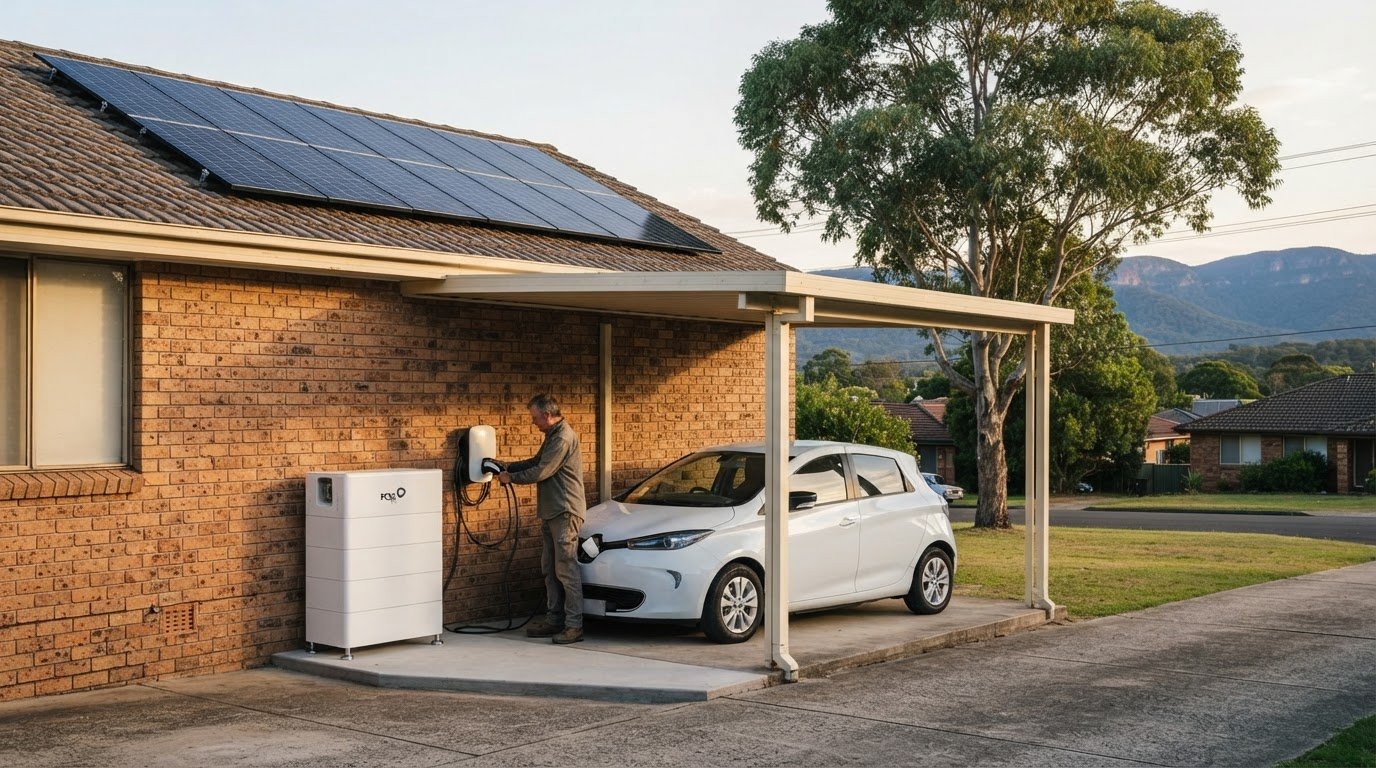
For a new home system, the inverter choice needs to fit the panel installation and your plans for storage. Sky High Solar and Electrical installs 6.6kw and 10kw solar systems, and offers the FOX ESS CQ7 High Voltage Storage Battery. The right combination depends on your household’s energy needs and the system design.
When comparing GoodWe with Fronius, focus on what matters in your home, including battery integration, monitoring and installation location. A professional assessment can connect those priorities with a suitable system configuration.
Contact Sky High Solar and Electrical to discuss your solar inverter and battery plans.
Plan for the energy needs ahead
Think beyond your current electricity use. A solar system is part of your longer-term energy plan, so consider how household routines, future upgrades and storage priorities may change. A GoodWe inverter vs Fronius inverter comparison is most useful when it supports those plans, rather than focusing on the brand name alone.
Before choosing a system, bring together the details that shape its design: your household’s energy priorities, property layout and plans to add electrical equipment. A clear brief helps turn those needs into a practical installation plan, with components selected to work together. It also gives you a useful basis for weighing priorities and making a considered decision.
For guidance on your next solar step, contact Sky High Solar and Electrical. A well-planned choice can help you move forward with confidence.
Frequently Asked Questions
What is the best solar inverter in Australia in 2026?
There’s no single best inverter for every Australian home. The right model suits your system design and has clear support arrangements. When reviewing a proposal, look for the exact model name and how it meets your household’s needs. For a Sydney home, a well-matched system matters more than a general brand ranking.
What warranties do these systems carry?
Warranty terms vary by model, so read the documents for the exact inverter and battery in your proposal. Note what each warranty covers, any exclusions and how to make a claim. Distinguish product cover from installation workmanship cover, as they may have separate terms. Keep purchase documents and installation records together for clearer service discussions.
Which GoodWe and Fronius models suit Australian homes and solar system sizes?
The GoodWe DNS/EH Series suits systems from 5 to 10 kW, and the comparison also lists GoodWe inverter sizes of 10 kW and 15 kW. Choose by matching the exact model to your array, household loads, roof layout and phase connection; GoodWe and Fronius models support single- and three-phase connections, while Fronius suitability depends on the selected model.
Australian inverter standards, grid connection rules and rebates for GoodWe and Fronius
Australian installations must account for AS/NZS 4777.2:2020 Amd 2:2024, which has applied since 23 August 2025. Check that the selected inverter suits the site’s phase connection and system design; the Clean Energy Council approved list contains over 3,800 inverter models. Rebates depend on the relevant scheme and system criteria, not the brand alone.