

 Sydney
 0452 243 240
Blog
Solar Power for Sydney Office Buildings and Business Benefits

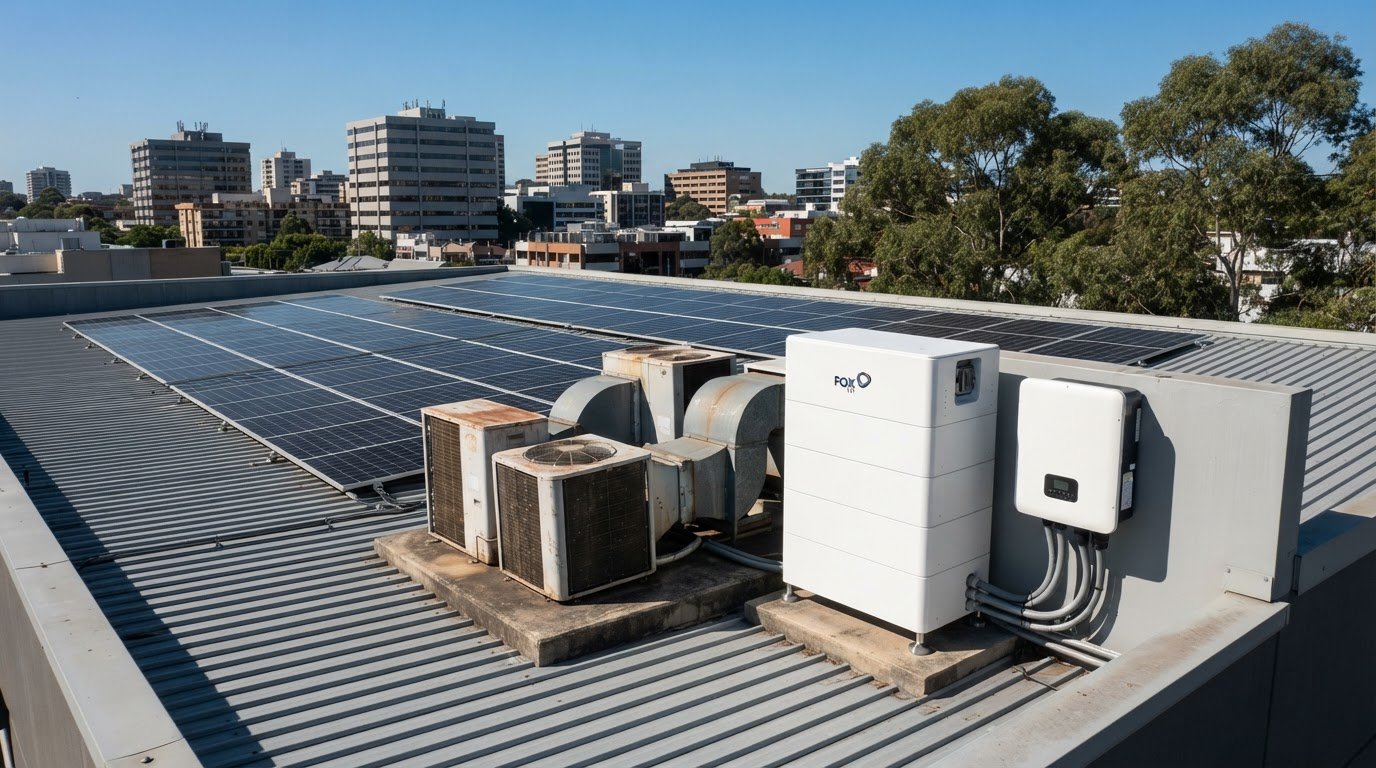
Solar can reduce an office’s grid use, but the value of solar power for office buildings in Sydney also depends on when the building draws electricity. A typical 10kW commercial system in Sydney is estimated to generate 39kWh per day on average.
If your office uses most of its electricity during daylight hours, solar can help align generation with demand. Commercial electricity bills may also include demand charges, measured in kW rather than the kWh used over time, so both the size and timing of peak demand matter.
This guide explains when commercial solar may be worthwhile, how businesses can benefit, and how battery storage can supply power during peak periods to help manage demand charges. It also covers factors that shape system design and what to consider when planning solar power for an office building in Sydney.
Key Takeaways
- Assess usable roof space and your office’s daytime electricity use to understand whether a commercial solar system suits the building.
- Explore how solar generation may reduce grid purchases, and learn which business tax considerations can affect the investment.
- Review your demand profile to see how battery storage could help manage peak periods alongside solar.
- Understand the factors that shape an installed system’s cost, so you can plan a design that fits your building and energy needs.
Is Commercial Solar Power Worth It In Sydney?
Commercial solar can suit Sydney offices when daytime electricity use aligns with rooftop generation. Roof capacity, business demand and grid electricity use all help determine whether a system is worthwhile.
Commercial System Design and Business Energy Use
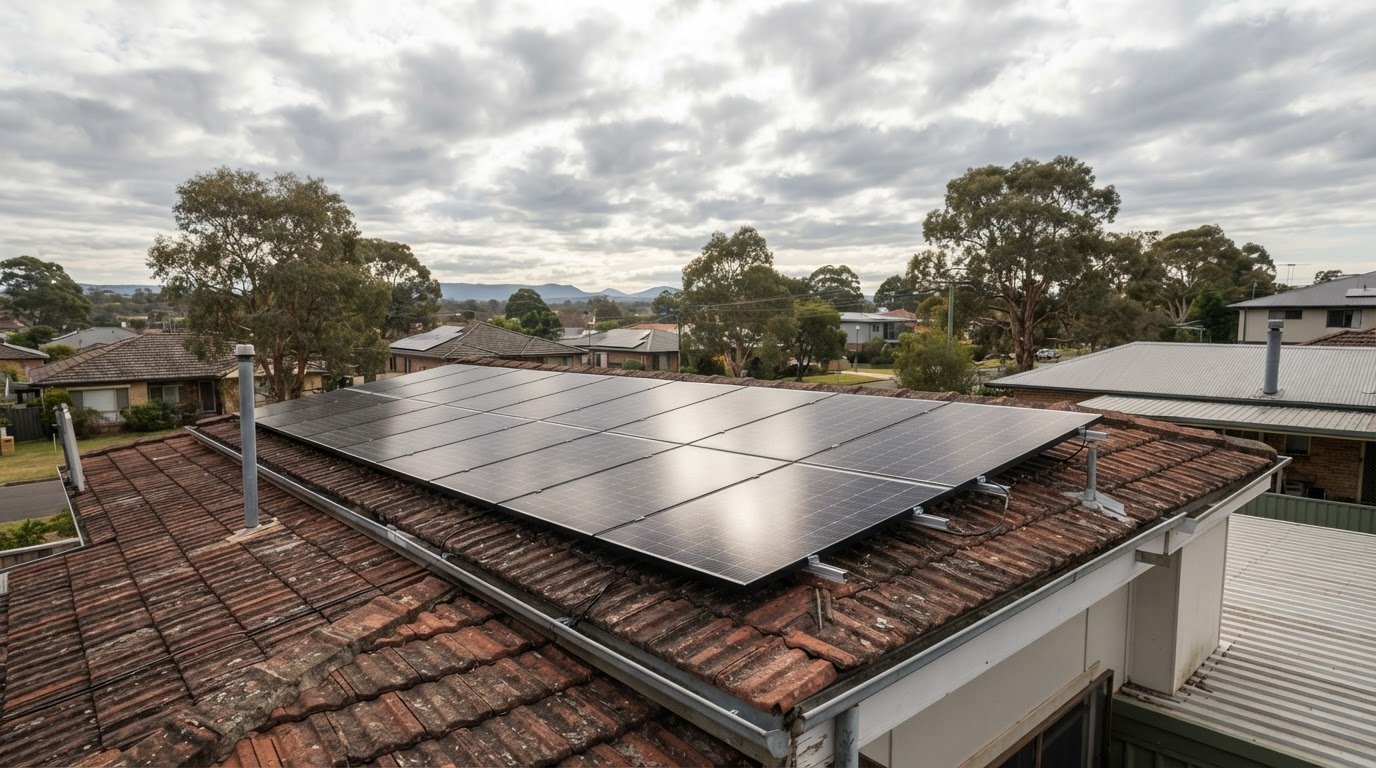
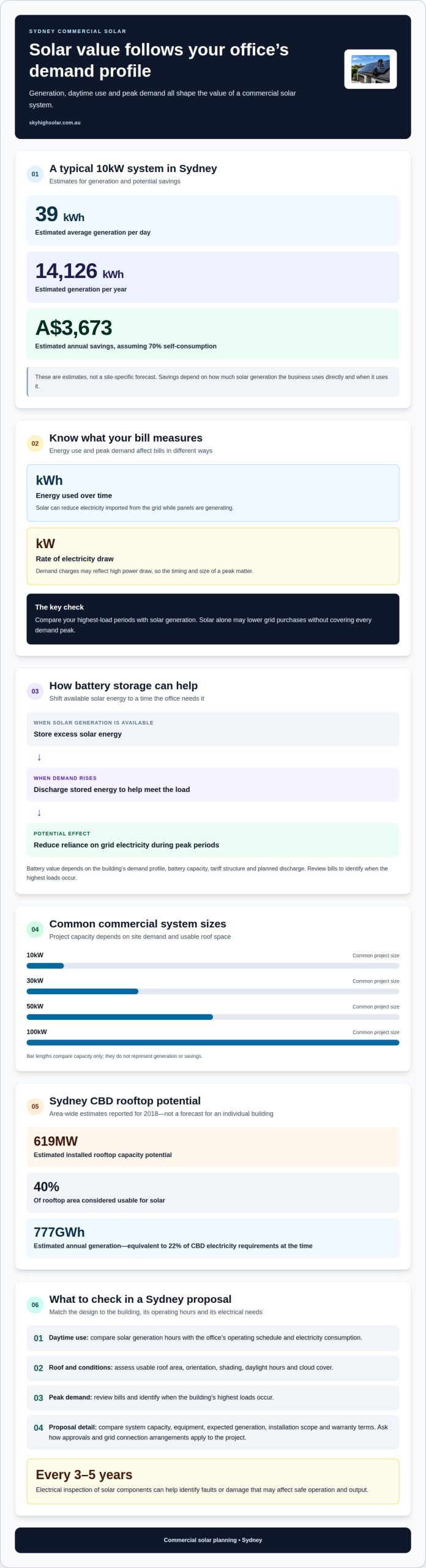
Design starts with the office’s electricity consumption during operating hours and the roof area available for panels. A typical 10kW commercial solar system in Sydney is estimated to generate 39kWh per day on average, or 14,126kWh annually. These figures provide context, not a site-specific forecast. How much generation the business uses directly is a key factor in potential savings.
Project Sizes and Installation Examples
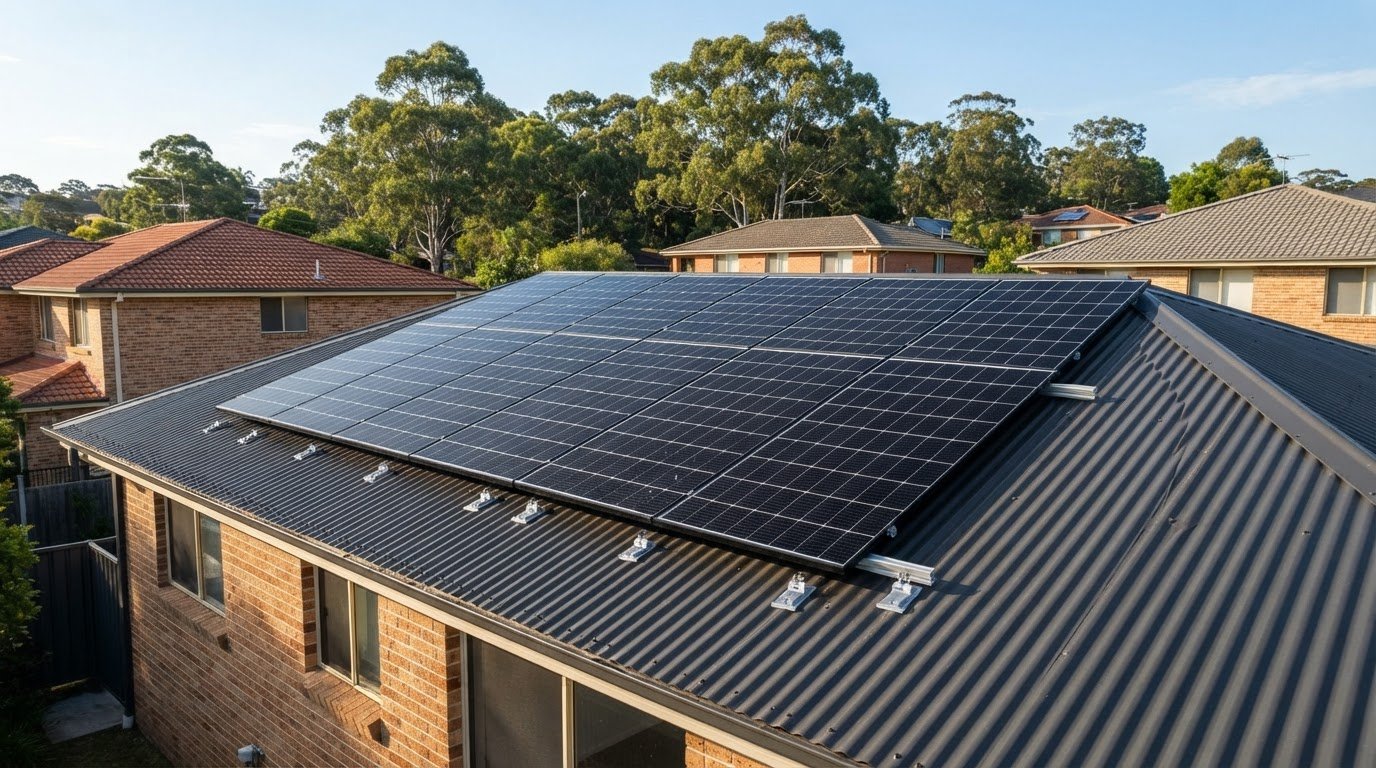
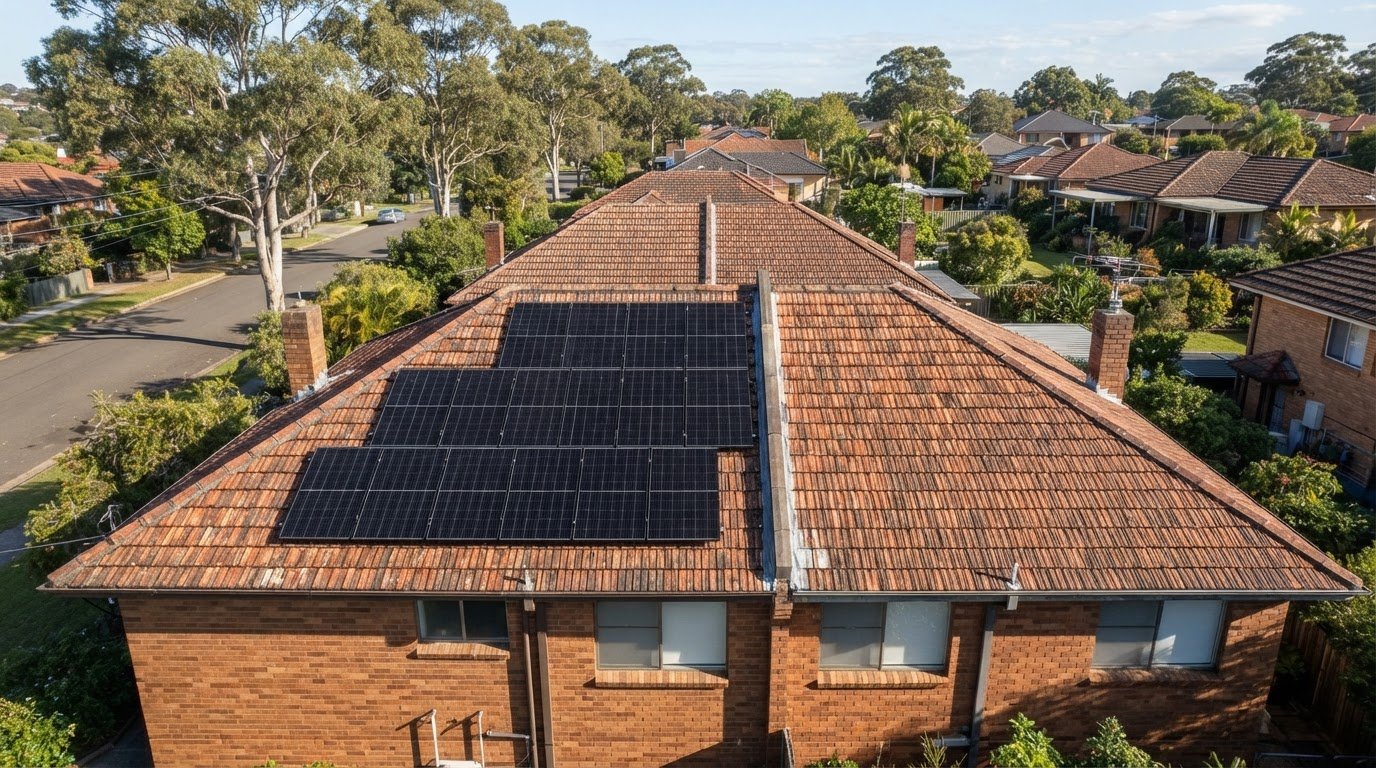
Commercial projects commonly use 10kW, 30kW, 50kW and 100kW systems, with capacity shaped by site demand and usable roof space. In 2018, Sydney CBD rooftop potential was estimated at 619MW of installed capacity, with 40% of rooftop area considered usable for solar. Estimated annual generation of 777GWh equalled 22% of CBD electricity requirements at the time. These figures describe area-wide potential, not individual buildings.
Installer Comparisons and Warranties
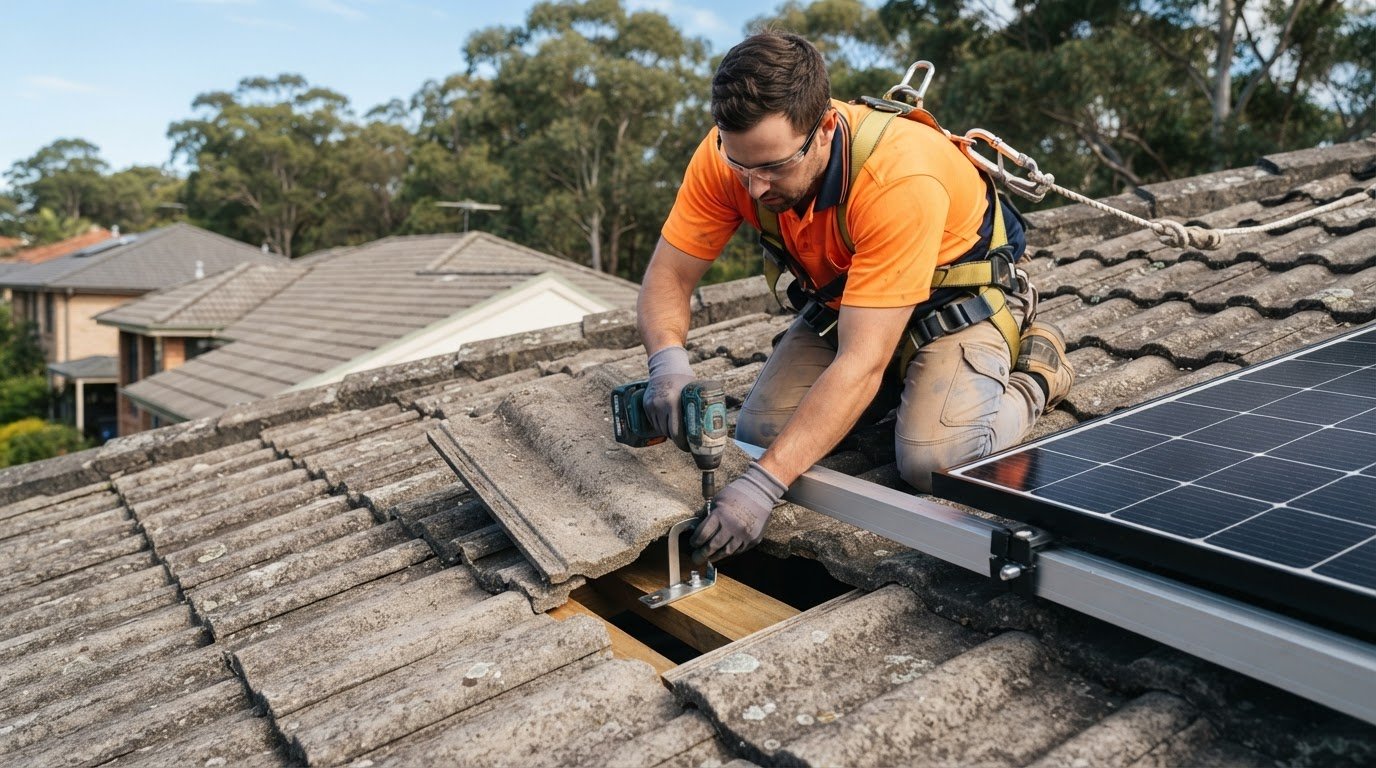
Compare proposals by system capacity, equipment, expected generation, installation scope and warranty terms. Check what the panel warranty covers, including product, performance and workmanship. For a Sydney office, the proposal should account for roof layout, access and electrical work. Costs depend on system size, equipment, roof conditions and project scope, so compare itemised proposals rather than headline totals alone.
Approvals and Grid Connection
For a Sydney project, relevant approvals and grid connection arrangements depend on the building and system design. Ask for these project steps to be clearly described in the proposal, without assuming one pathway applies to every site. Rooftop systems also need ongoing attention: electrical inspection of solar components every 3-5 years can help identify faults or damage that affect safe operation and output.
What are the benefits of solar power systems for a business?
For Sydney businesses, solar can reduce grid electricity use and support emissions goals. Its value depends on how closely generation matches operating hours and how the investment is assessed.
Seasonal generation varies with daylight hours, cloud cover, roof orientation and shading. System output changes throughout the year, so design should account for these conditions as well as the office’s consumption profile.
Business Tax Benefits
Tax outcomes depend on the business structure, asset ownership and current Australian tax rules, so an incentive should not be confused with a tax deduction. The Clean Energy Regulator states that the Renewable Energy Target provides Small-scale Technology Certificates for solar systems up to 100kW in capacity. Eligible certificates may reduce the upfront system cost, while the tax treatment of the purchase is a separate consideration for the business.
Daytime Generation and Business Consumption
Panels generate electricity during daylight, which can power office loads such as computers, lighting and air conditioning while staff are on site. Compare generation hours with the building’s typical operating schedule. The more solar power the office uses directly, the less electricity it needs to import during those periods. Exported power may earn feed-in tariff credits, but rates vary by arrangement.
Electricity Cost and Emissions Reductions
Using solar generation on site can lower grid purchases and reduce emissions associated with the electricity the business consumes. A typical 10kW commercial solar system in Sydney is estimated to save a business A$3,673 annually, assuming 70% self-consumption. That estimate illustrates why consumption timing matters: a business that uses more power while panels are generating can make better use of its output. Check the expected self-consumption and export assumptions in the system proposal.
For a tailored assessment of your building’s solar needs, explore commercial solar solutions.
Demand charges and battery storage
In Australia, commercial electricity customers can face demand charges measured in kW, unlike energy consumption measured in kWh. The distinction matters: kWh measures energy used over time, while kW describes the rate of electricity draw. A high power draw can affect a business bill differently from its total daily consumption. Solar panels reduce grid imports while generating, but may not cover every demand peak.
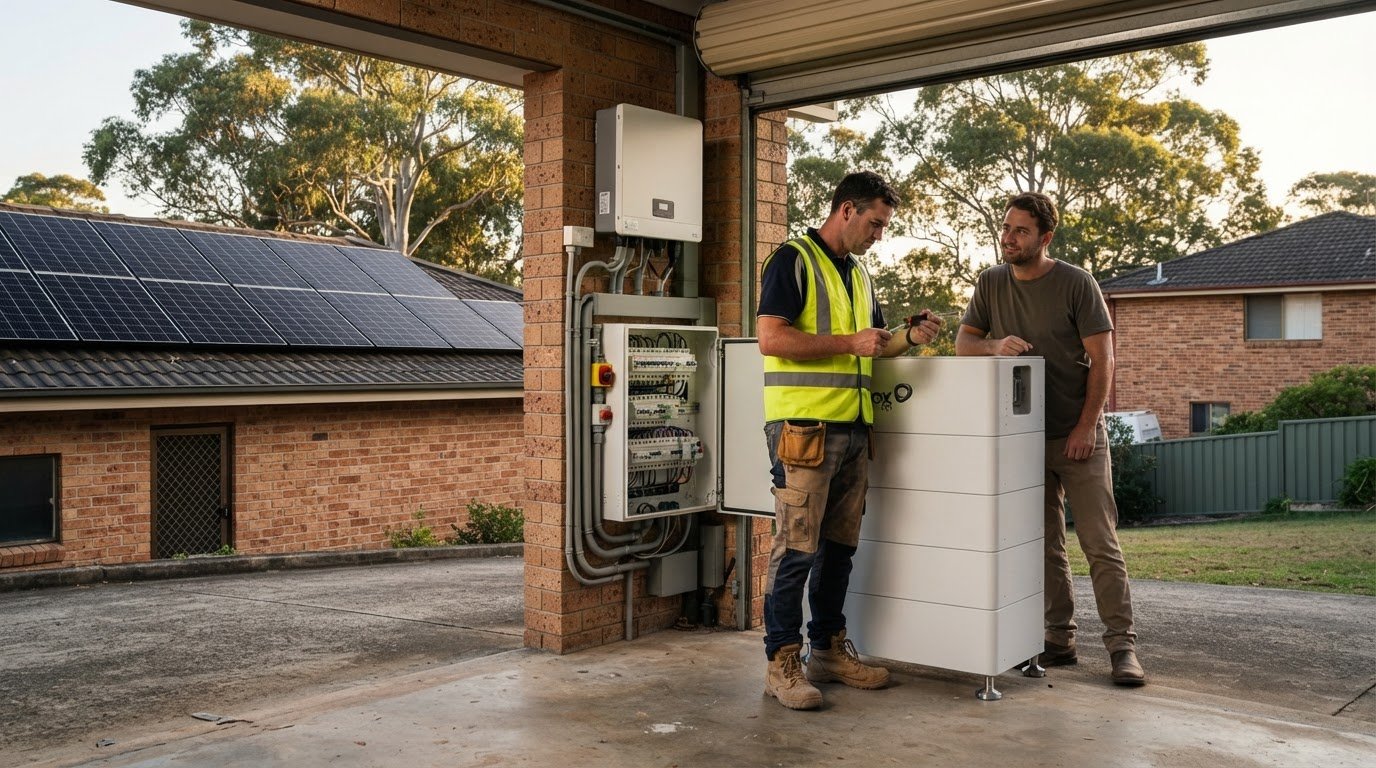
A commercial battery can store excess solar generation and discharge energy during peak periods. This may help reduce demand charges by lowering the building’s reliance on grid electricity when demand rises. A battery does more than increase solar generation: it shifts available energy to a time when the office needs it. Its size and operating strategy should reflect the building’s demand profile and when peaks occur.
To assess the investment, review electricity bills for demand charges as well as energy consumption. Identify when the office’s highest loads occur, then compare those periods with solar generation and the battery’s planned discharge. For example, if several building systems operate at once after solar output falls, stored energy may help meet some of that load. Savings depend on how well battery operation matches the tariff and actual demand pattern.
Solar alone may lower purchased electricity without addressing every demand peak. Adding storage changes when generated energy can be used. A suitable design considers the office’s load profile, available solar generation, battery capacity and demand-charge structure. It should account for when stored energy is needed, rather than assume the battery will reduce every peak. This comparison helps businesses judge whether storage adds enough value to the solar investment.
Commercial solar cost per kW installed in Sydney?
Installed cost per kW is calculated by dividing the total project price by system capacity. It offers a useful comparison point, but not a complete measure of value. Two Sydney office proposals with the same capacity can differ in equipment, roof layout, electrical work and installation scope. Compare the included work before deciding that a lower per-kW figure represents the better investment.
For example, a 10kW proposal’s total price can be divided by 10 to calculate its cost per kW. The calculation only works as a useful comparison when both proposals include similar items. Check whether the quoted scope covers panels, inverter equipment, mounting, electrical work, grid connection and commissioning. If one proposal excludes necessary work, its headline figure may understate the project’s final cost.
- System design: capacity, panel layout and equipment selection affect the project scope.
- Roof conditions: access, structure and layout can change installation requirements.
- Electrical work: existing infrastructure and any required upgrades affect the quoted scope.
- Project inclusions: connection, commissioning and battery storage should be clearly itemised.
Ask for an itemised proposal in Australian dollars, with system capacity, equipment, installation scope and exclusions clearly stated. Compare expected generation assumptions alongside the price, because a system’s value depends on how much electricity the office can use while it is generating. A battery changes the project scope, so assess it separately against the building’s demand profile and intended use.
The cost depends on system capacity, roof access, equipment, electrical work, connection requirements and included storage, and is provided after a quote request. To discuss a Sydney office project, request a commercial solar quote.
Per-kW cost varies with system capacity, roof access, equipment, electrical work, connection requirements and whether storage is included. Request an itemised quote to assess the project cost for your office.
Installation costs vary with system capacity, roof conditions, equipment, electrical work, connection requirements and whether storage is included. An itemised quote sets out the cost for a specific office building.
Sky High Solar and Electrical: Power points
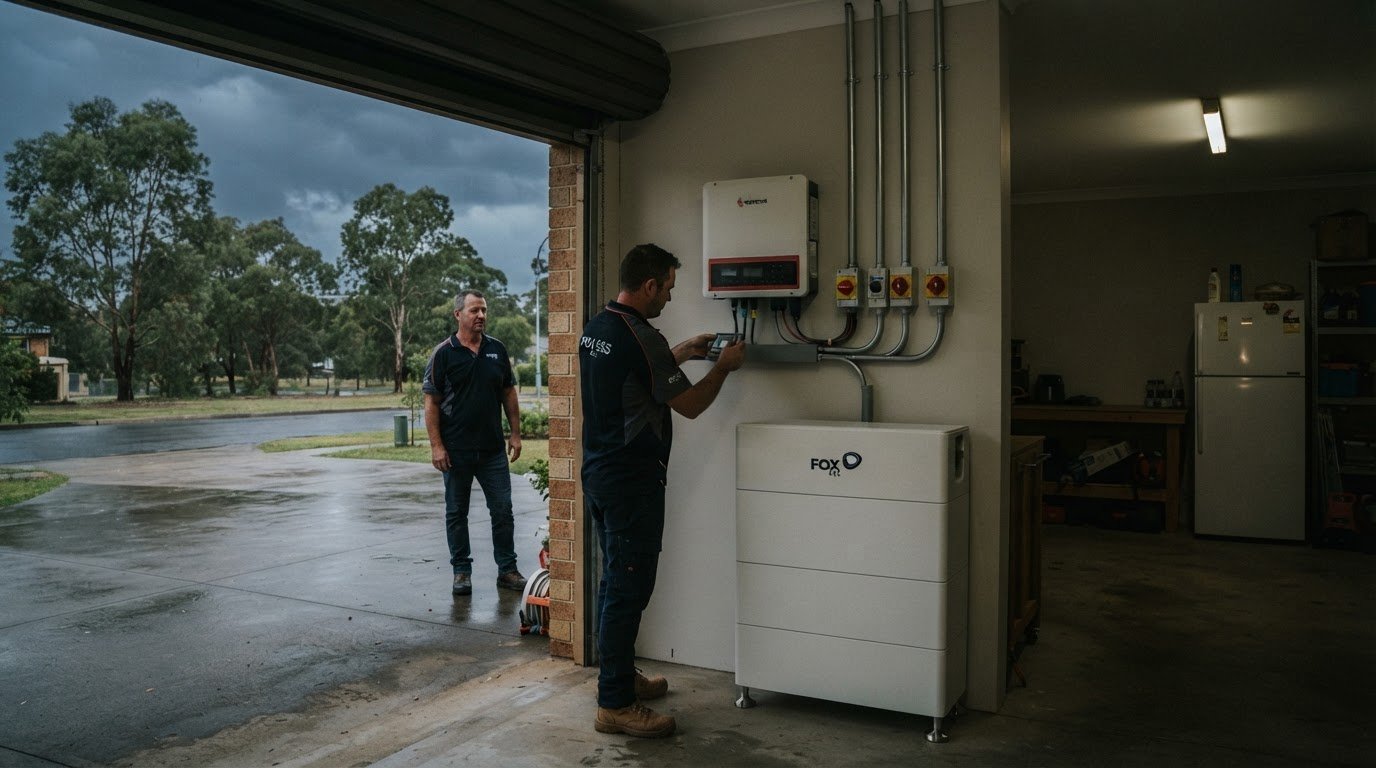
Sky High Solar and Electrical can help businesses planning solar installation or adding power points to an office. Its 6.6kw and 10kw Solar Panel Installation options give smaller commercial sites a starting point for assessing rooftop generation against daytime electricity use.
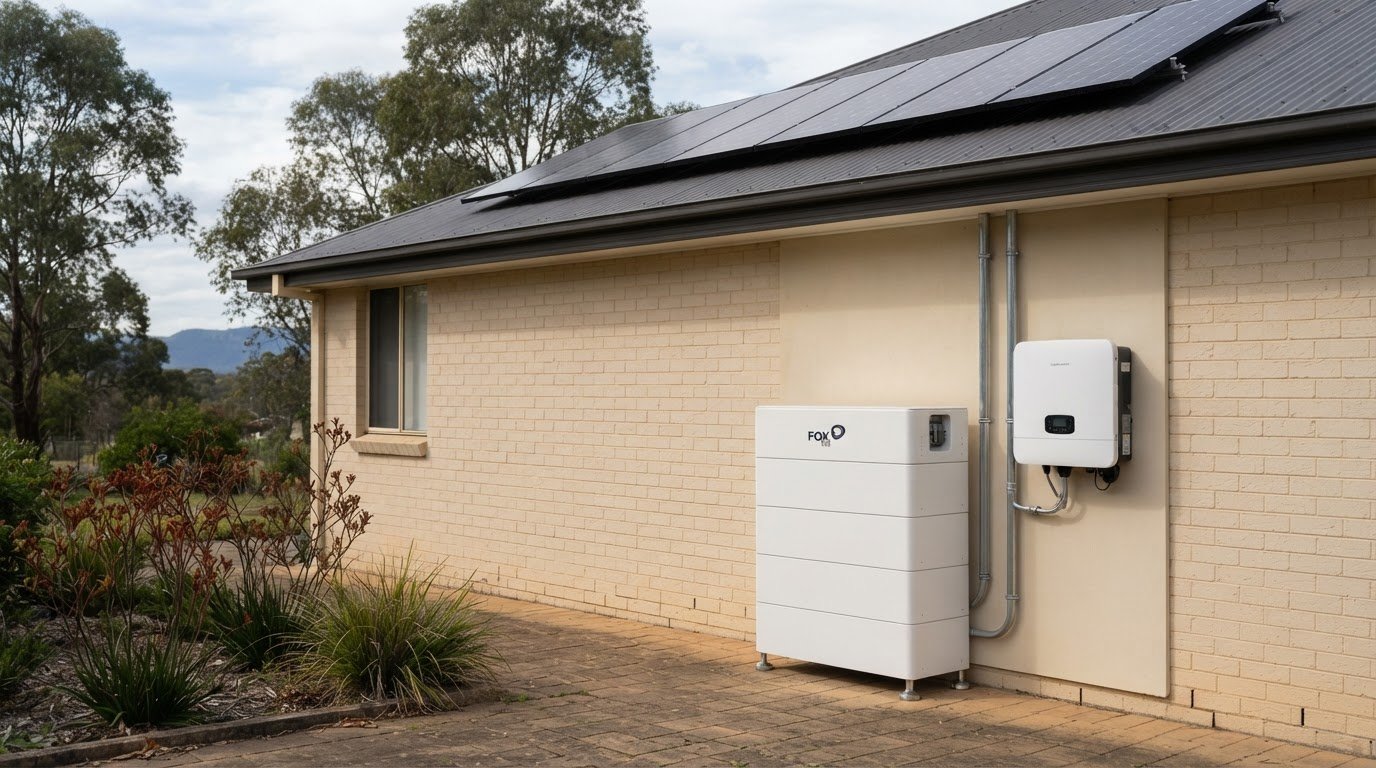
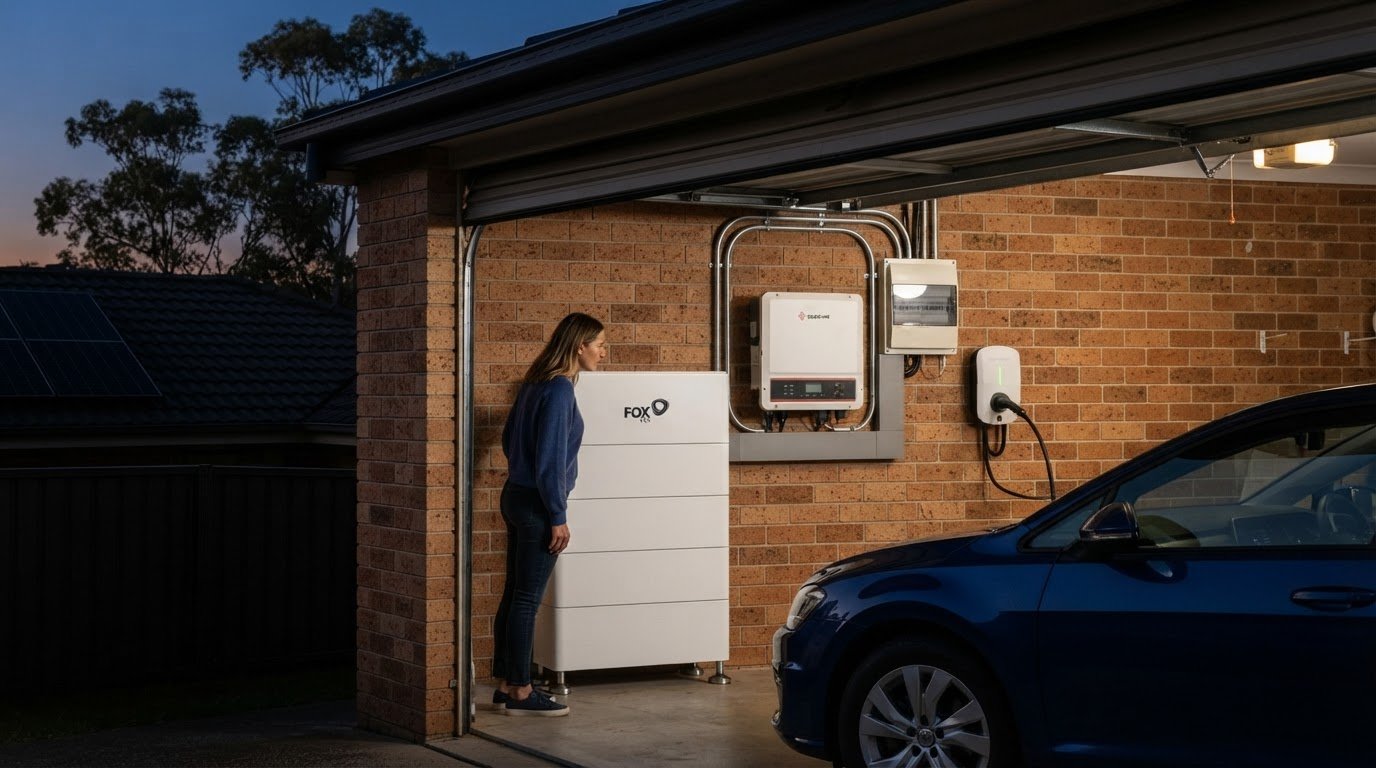
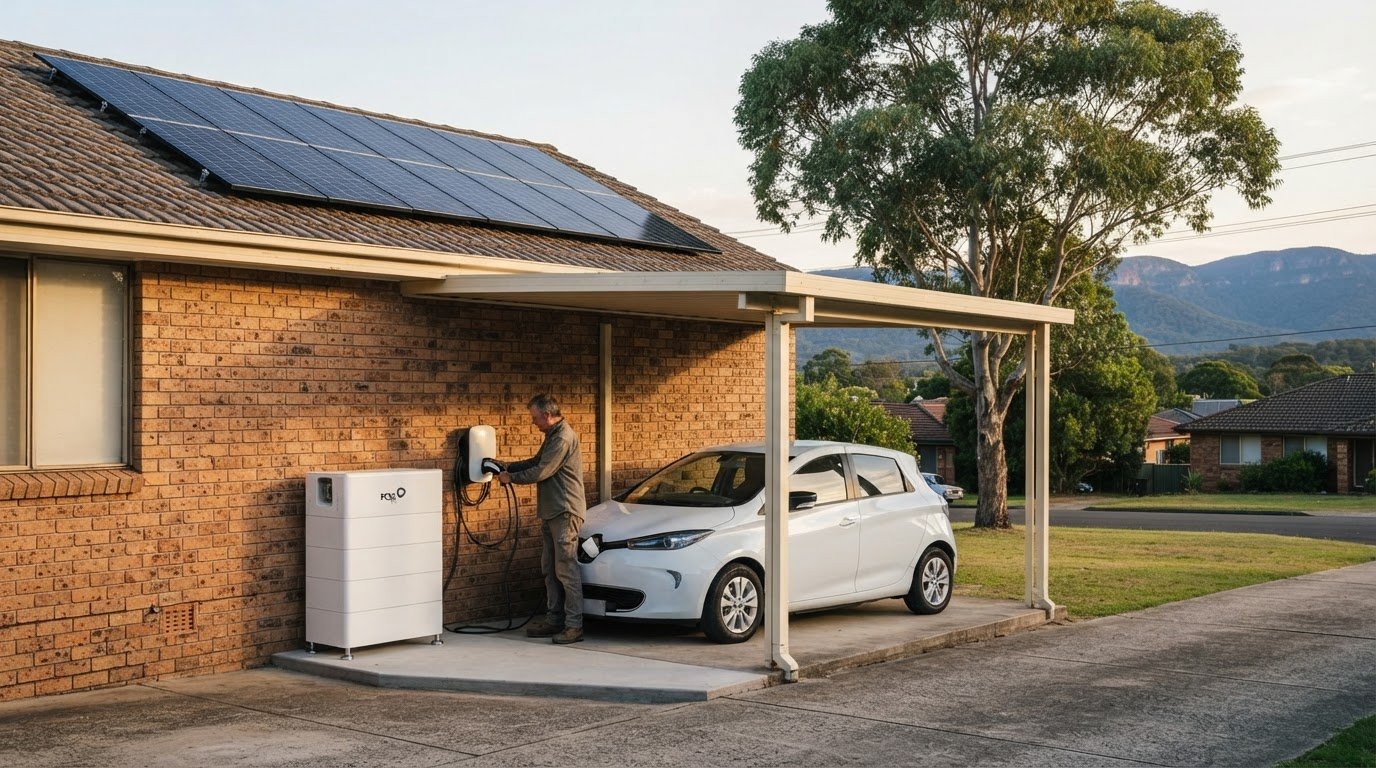
For businesses considering stored energy, the FOX ESS CQ7 High Voltage Storage Battery is another available option. System design should account for the building’s energy profile and how solar generation may align with demand, rather than treating battery storage as a default addition. Clear project requirements help shape a practical solution for the site.
Contact Sky High Solar and Electrical to discuss solar installation, battery storage or office power points.
Plan the next step for your office
Turn your building’s energy profile into a design brief. Bring together electricity-use patterns, roof information and priorities for stored energy. These details help shape a proposal around how the office operates, rather than treating solar capacity as a standalone decision.
For solar power for office buildings in Sydney, a strong plan connects system design with the building’s practical needs. Consider how solar generation, battery use and future changes to office operations fit together. A clear scope also makes it easier to understand what the installation includes and how it is intended to perform.
Sky High Solar and Electrical can discuss a suitable path for your commercial site. Contact Sky High Solar and Electrical to start planning an office energy solution. A considered design can help your business take its next step towards using more of its own solar generation.
Frequently Asked Questions
What Industries Suit Solar Power?
Commercial solar may suit organisations with substantial daytime operations and suitable roof space. Examples include schools, medical centres, warehouses, food-processing businesses and shopping centres. Each site has different constraints: a medical centre may have specialised electrical loads, while a warehouse may have broad roof areas. Building ownership, tenancy arrangements and operating schedules also shape whether a project is practical.
Why Install Solar Commercial Systems?
Commercial solar can support a business’s environmental objectives by adding on-site renewable generation to its energy mix. It may also help demonstrate practical progress towards sustainability targets to staff, tenants or customers. Define the project’s purpose, such as reducing grid reliance or supporting an emissions plan. Clear goals make it easier to assess whether the system design meets the business’s priorities.
What size solar system suits an office building in Sydney?
The right capacity depends on usable roof space, the building’s electrical infrastructure and how electricity use is divided between tenants or shared services. A design assessment can consider roof plans, switchboard capacity and consumption records, including interval data where available. These details help avoid sizing a system based on floor area alone. For a multi-tenant building, clarify which loads the system will serve and how generated electricity will be allocated.
How much can a Sydney office building save with rooftop solar?
Estimate savings by comparing electricity charges that solar could offset with the value of exported energy. Fixed supply charges may remain even when grid purchases fall. Review the tariff structure, export rate and expected system output together to understand the likely effect on the full bill.
What NSW rebates, incentives or tax deductions apply to commercial solar?
For larger systems, the Clean Energy Regulator says Australia’s Renewable Energy Target provides an ongoing Large-scale Technology Certificates incentive for systems larger than 100kW until 2030. Tax treatment is separate and depends on the business’s circumstances and how the asset is held and used. NSW household battery incentives should not automatically be treated as commercial business rebates.
How do office building energy use and peak demand affect solar system sizing?
Office schedules can reveal loads that daily or monthly bills may hide. Compare weekday and weekend use, air-conditioning start-up periods and shared services such as lifts. Short, simultaneous high-load periods can affect peak demand, even if total energy use appears moderate. Reviewing detailed consumption patterns helps distinguish steady demand from brief spikes before finalising system design.