

 Sydney
 0452 243 240
Blog
Family Owned Solar Company Services in Sydney

The value of solar depends on how well the system suits your property, not simply on how many panels are on the roof. Generating electricity onsite can reduce reliance on grid power and support lower-emissions energy use. When choosing a family-owned solar company in Sydney, look for clear advice on system design, installation and the needs of your home or business.
A local team can bring practical knowledge of Sydney properties and explain the move to solar clearly. This guide covers what to consider when choosing a solar company, where a Sydney-based family-run team works, and how residential and commercial systems can meet different energy needs. It also outlines solar panels, batteries, inverters and EV charging, so you can weigh options against your plans.
Key Takeaways
- Assess a solar company by its residential installation experience, system design approach and attention to safe, compliant electrical work.
- Local knowledge can help shape a solar solution around Sydney property conditions and the energy needs of your household or business.
- Compare how system size, battery storage and inverter options fit your electricity use before deciding on an installation.
- Explore residential and commercial solar options, including systems that integrate battery storage or EV charging, to plan for changing energy needs.
What Makes a Solar Company Reliable in Sydney?
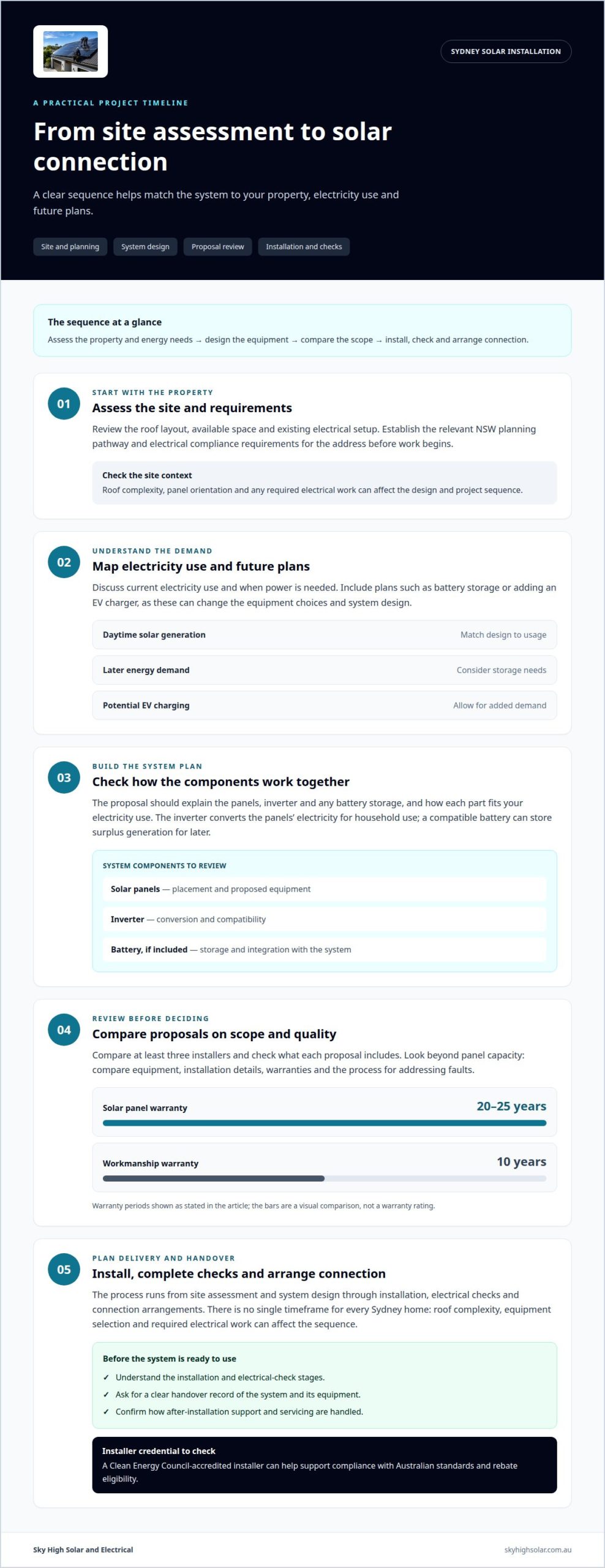
Planning requirements for Sydney properties depend on the site and proposed installation. Before work begins, establish the relevant NSW planning pathway and electrical compliance requirements for the address.
Experience matters because roof layout, electricity use, battery storage and future charging plans all affect system design. Look for an installer who can explain how these factors shape the equipment and installation.
Residential solar installation experience
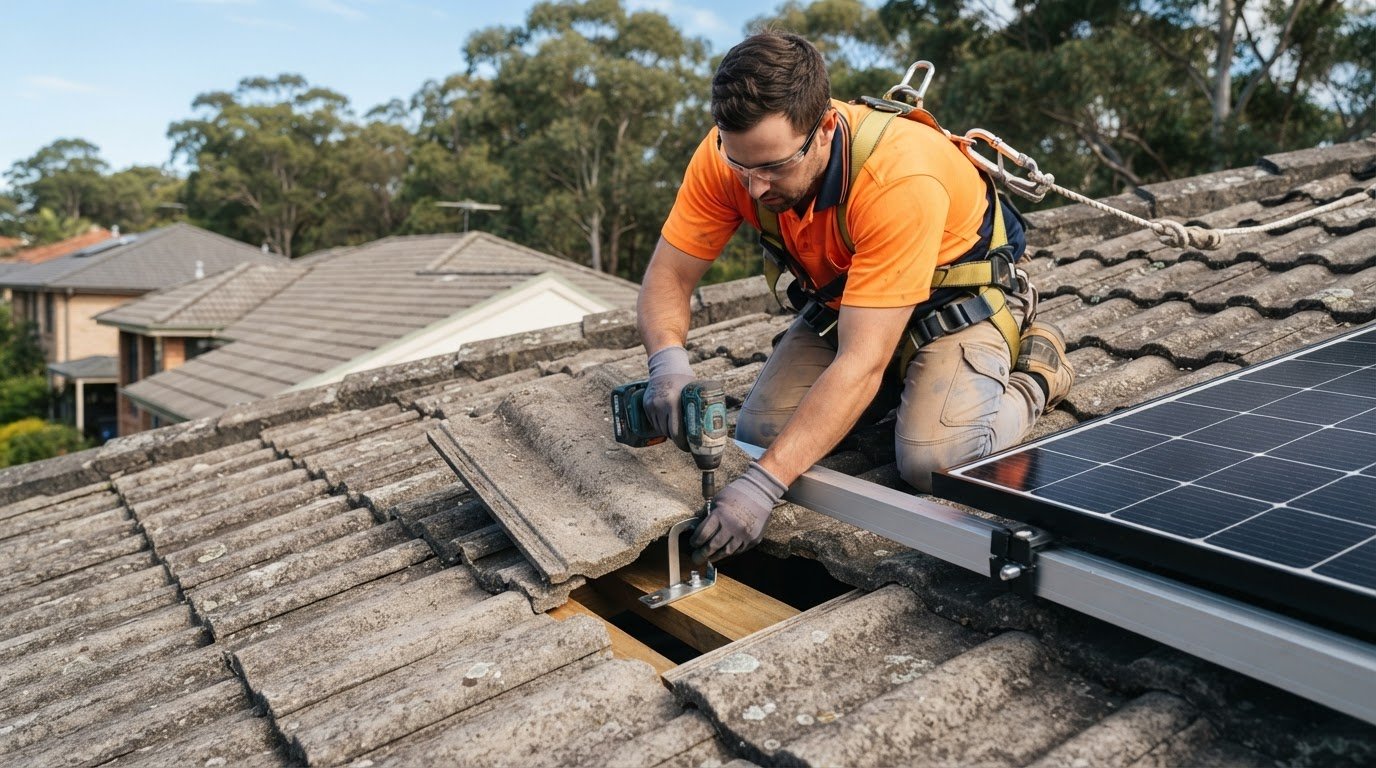
Residential experience means designing and installing solar panels and batteries around a home’s roof, electricity use and energy goals. Ask how the installer assesses panel placement, inverter compatibility and battery integration, and how they will explain the proposed system.
Compare at least three installers and review the scope of each proposal. Look for solar panel warranties of 20-25 years and workmanship warranties of 10 years, alongside installation details and the process for addressing faults.
Solar equipment and services
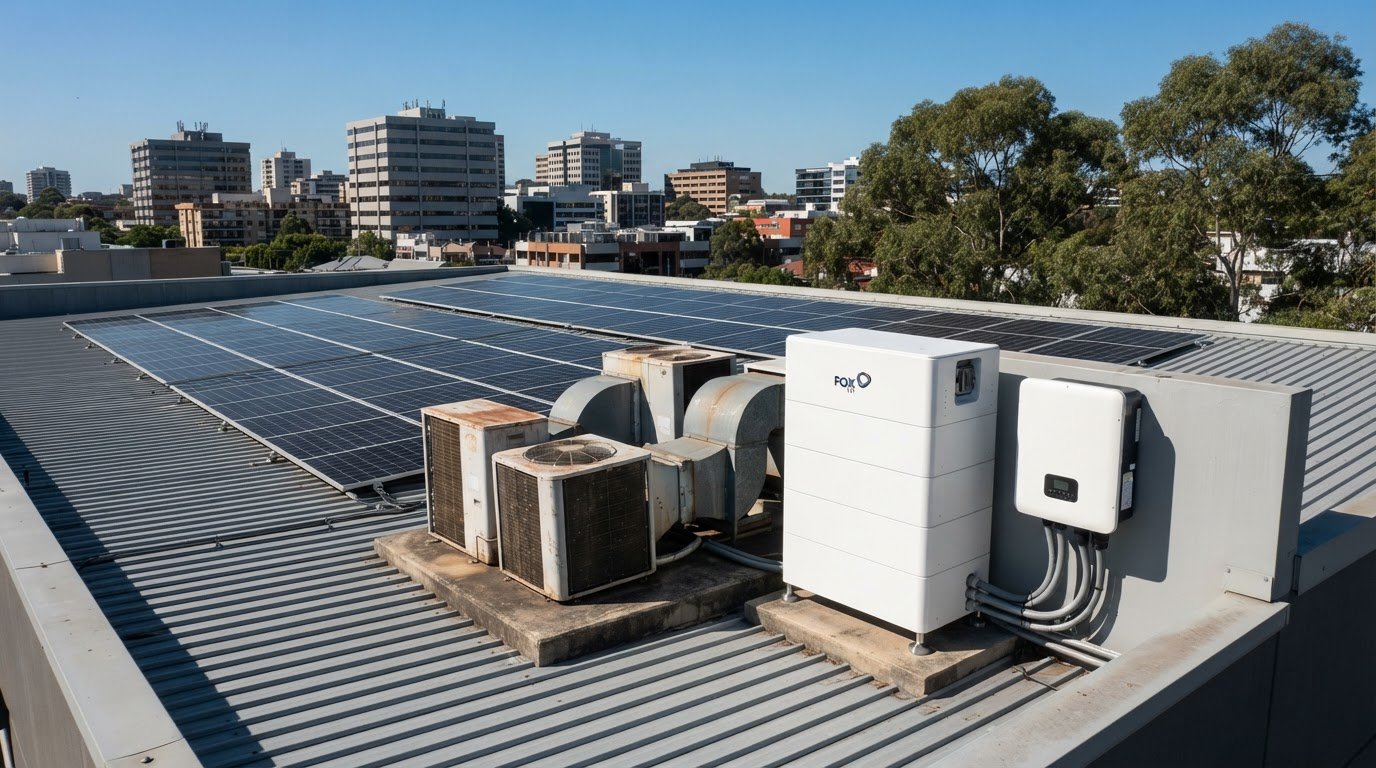
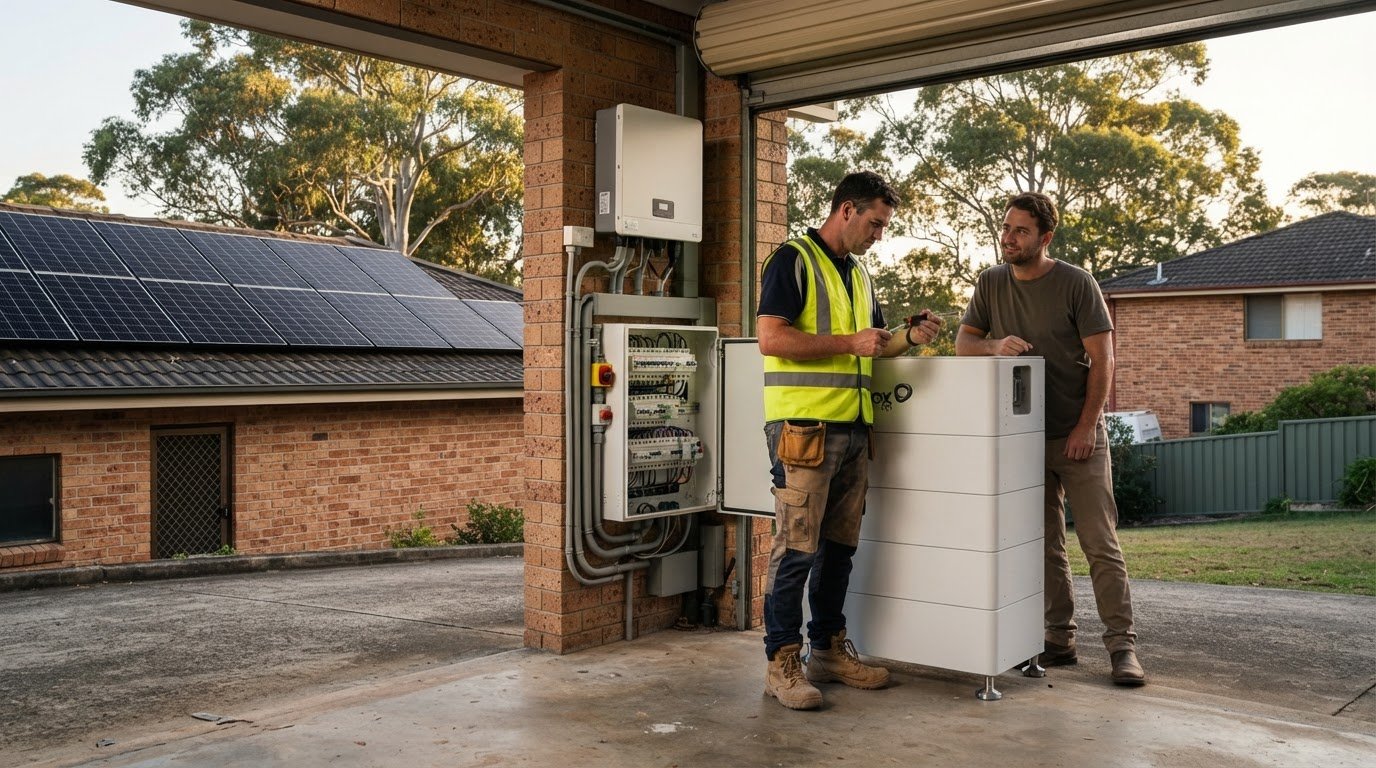
A solar and battery system brings panels, an inverter and storage together. The inverter converts the panels’ electricity for household use, while a compatible battery stores surplus generation for later. Ask how the design accounts for your current usage and plans, such as adding an EV charger.
Battery and EV charging experience is useful when you want these technologies to work as part of one energy system. A licensed electrical contractor can assess the electrical setup and explain whether the proposed equipment is compatible. For example, a home with daytime solar generation may use stored energy later, while an EV charger adds another demand to consider.
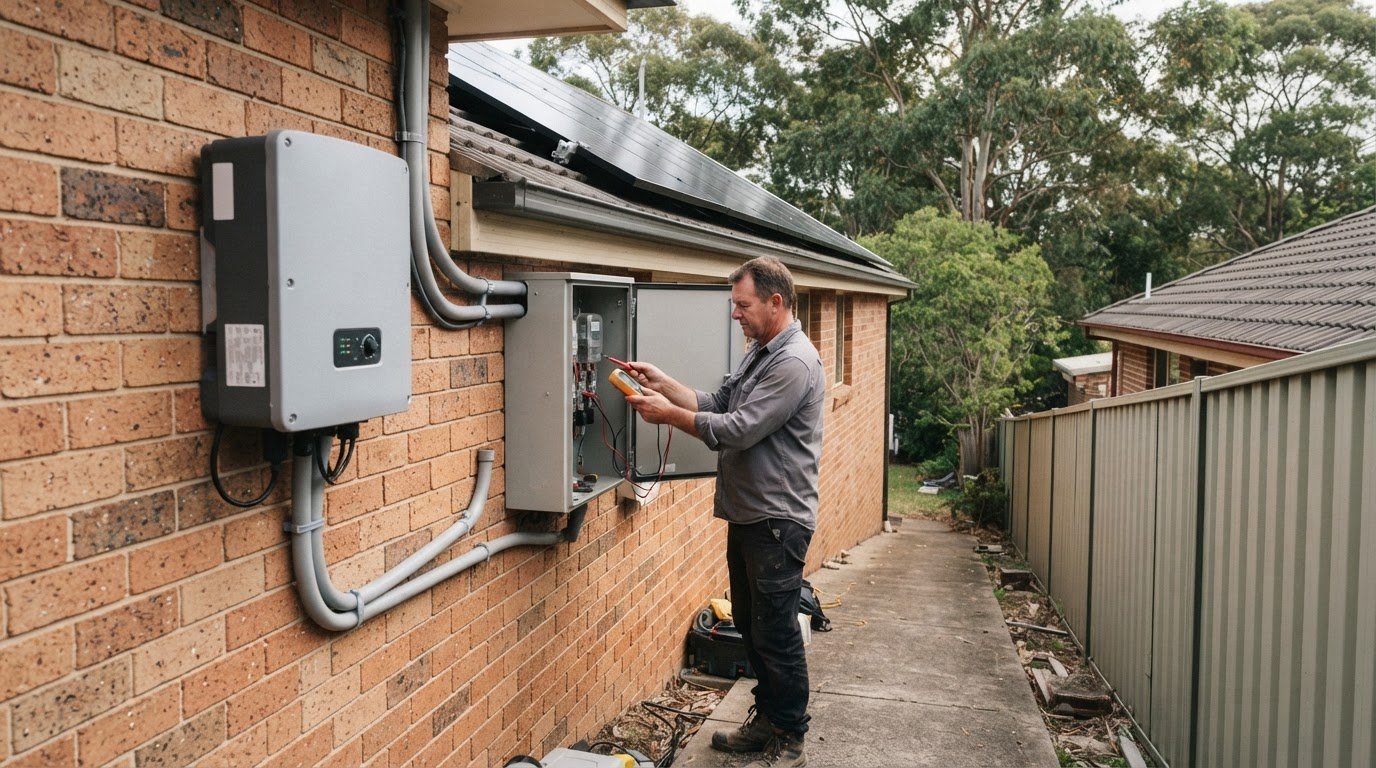
Quality solar advice should cover equipment selection, installation, electrical safety and after-installation support. A Clean Energy Council-accredited installer can help support compliance with Australian standards and rebate eligibility. Ask for a clear explanation of the proposed panels, inverter, battery and how each component fits the system.
Family-run solar company history and Sydney service area
Local roots can help a solar team understand Sydney properties, weather exposure and energy use. A family-run business with a clear local history gives households and businesses a point of reference when considering renewable energy, solar installation and ongoing support. Look for a consistent account of ownership and local operations, alongside practical information about how projects are planned and supported.
Service reach matters after installation, particularly if a system needs attention later. Sky High Solar and Electrical serves Penrith, Parramatta, the Blue Mountains, Richmond, Liverpool, Sydney Metro, the Northern Beaches and surrounding regions. This coverage gives Sydney households and businesses a clear picture of where the team works.
If your property is outside these areas, the stated coverage should not be taken to mean all of NSW. Naming your suburb and project location at the outset helps establish whether the site is within the service area and supports planning for installation or later servicing.
Technical support is most useful when the system design, installation details and servicing history can be considered together. For example, an inverter fault or battery concern may require information about the equipment and its setup. A clear handover gives the owner a useful record of the system, while a defined service process helps connect that information to the next maintenance step.
A useful sales approach explains the proposed system, expected energy use and any relevant rebate considerations. A quote should make equipment and installation scope understandable without treating projected savings as guaranteed. Before deciding, map daytime electricity use, battery needs and potential EV charging against the proposed design. To talk through your Sydney solar plans, get local solar guidance.
Residential and commercial solar systems
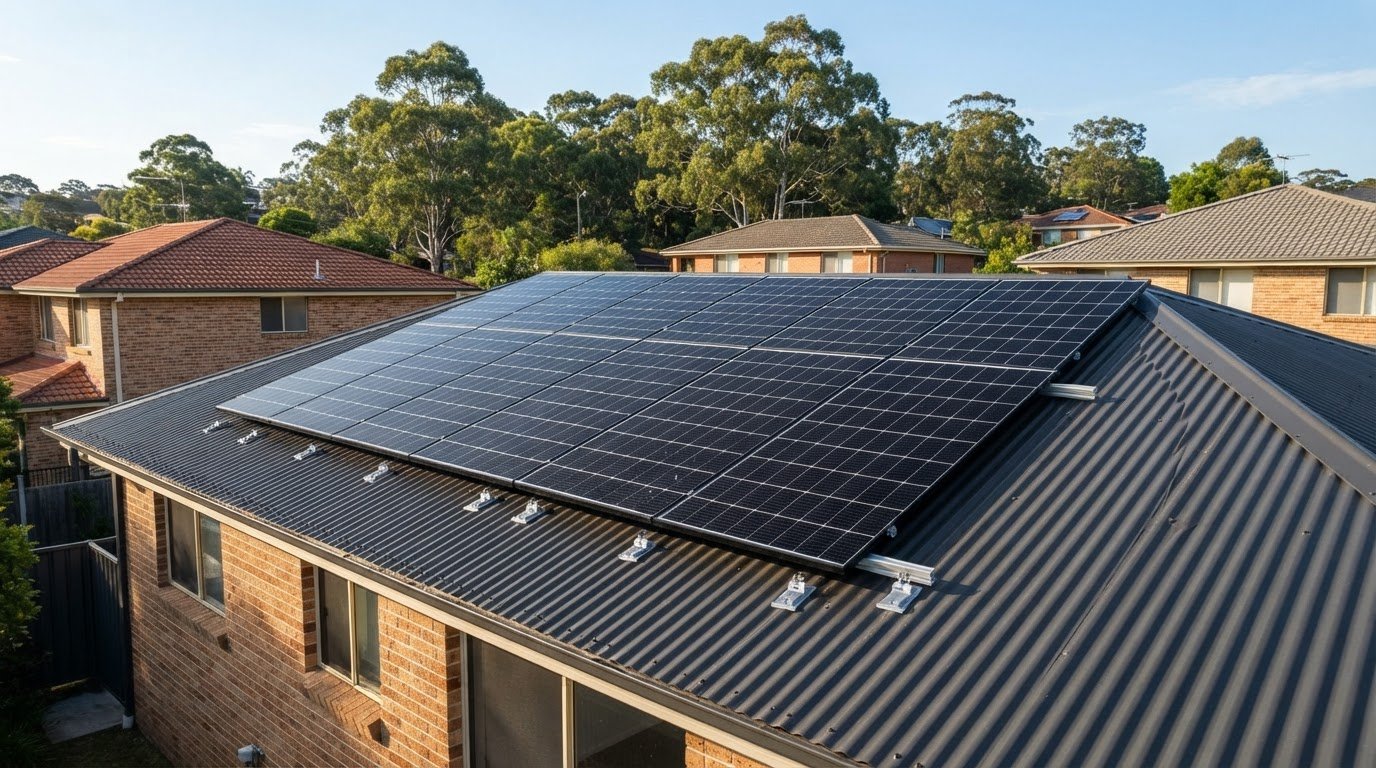
A suitable solar system starts with the property’s energy use, roof layout and clean-energy plans. For Sydney homes and businesses, the design also determines how solar power, storage and battery systems work together.
Quotes, packages and Sydney pricing
A useful quote sets out the proposed panels, inverter, installation scope and any battery storage. Compare packages by checking which equipment is included and how the design suits your electricity use, rather than judging by panel capacity alone. Sydney pricing depends on system size, equipment, roof configuration and whether storage is included. Request a quote to see how these factors apply to your project.
Residential installation timeline
There is no single timeframe for a Sydney residential installation from quote to connection. The process runs from site assessment and system design through installation, electrical checks and connection arrangements. Roof complexity, equipment selection and required electrical work can affect the sequence. A clear project plan should explain each stage and what needs to happen before the system is ready to use.
When planning an upgrade, first review the existing panels and inverter compatibility. Adding a battery or changing the solar array may require a revised design, particularly if roof space or panel orientation changes. Relocating a system also calls for assessment of the new site, wiring and equipment layout before work is planned.
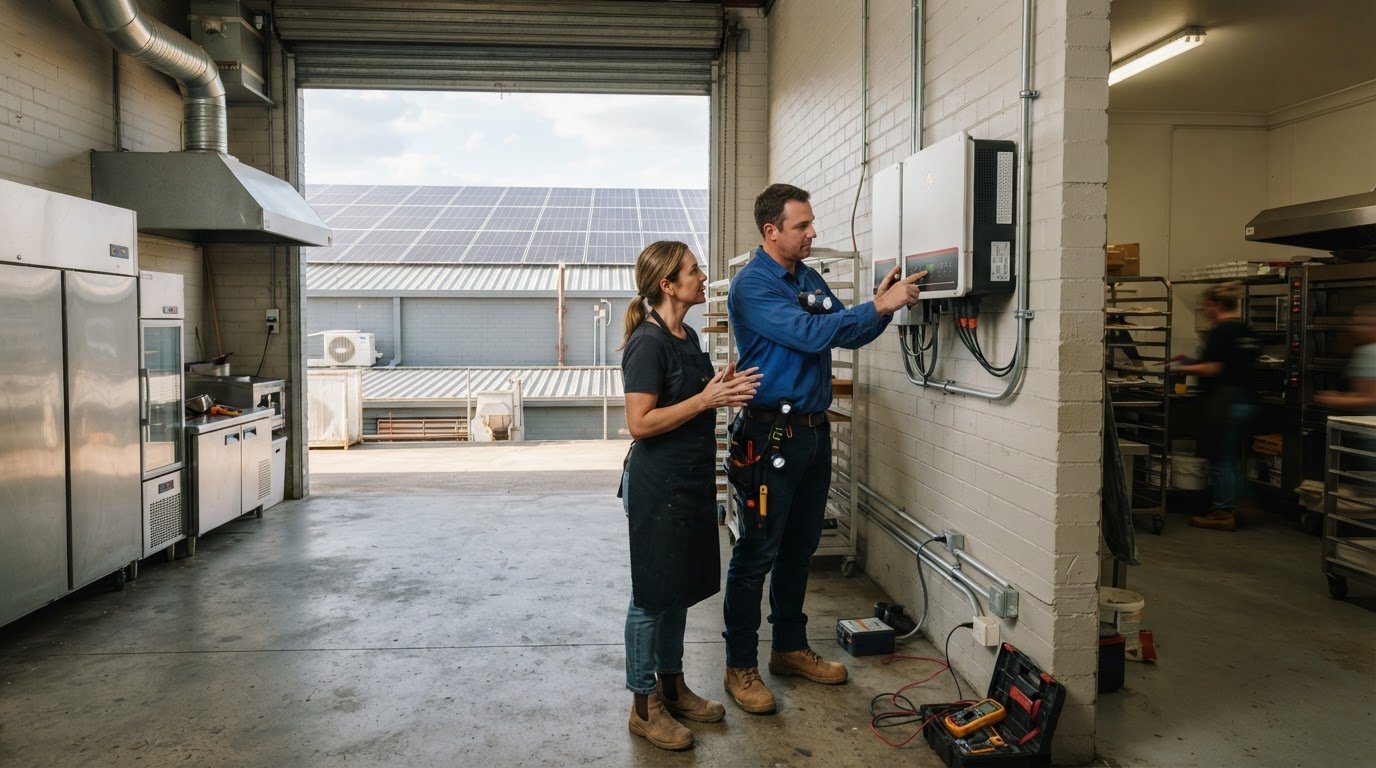
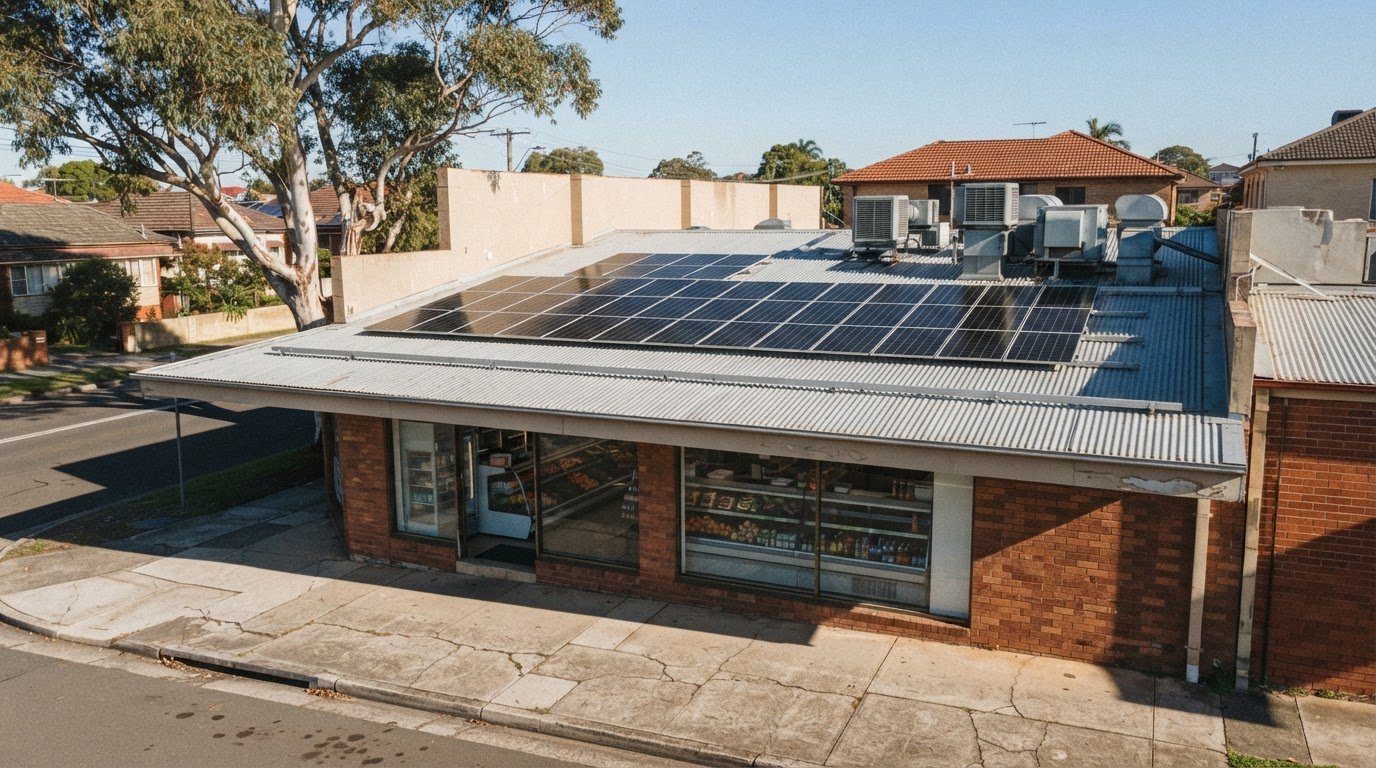
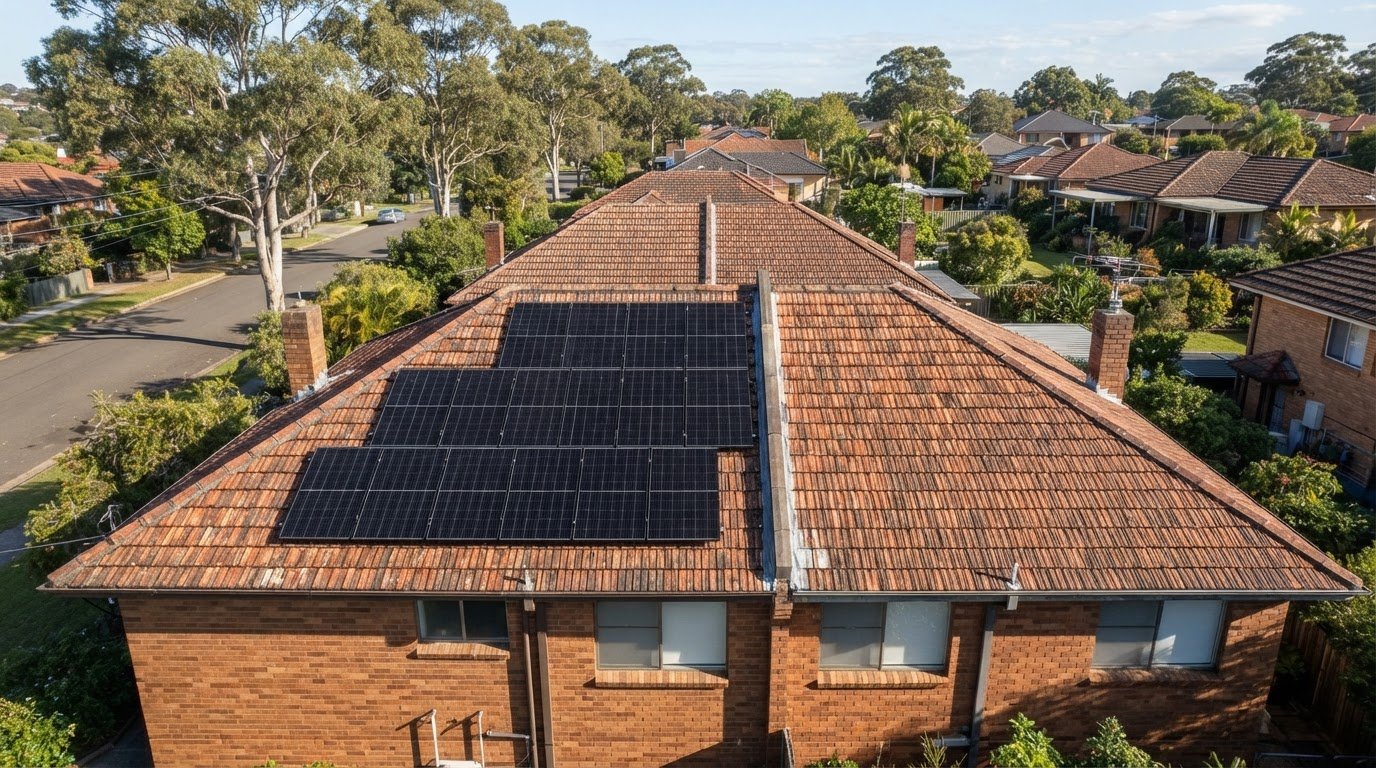
Commercial solar needs a design matched to the business’s operating hours and electricity demand. A warehouse using power during daylight may prioritise onsite solar use, while a business with later demand may consider battery storage. The system should account for available roof area, existing electrical infrastructure and future energy plans.
These steps help align solar power with practical needs: assess usage, design the system, then consider storage and future upgrades. This approach supports renewable energy planning without relying on one standard package for every Sydney property.
Family-owned solar company background and local presence
Sydney family ownership can offer a direct connection between a solar business and its local community. To assess what that means for your solar energy project, consider how the company’s history, local presence and customer support shape the work.
Which solar companies in Sydney are family owned? Sky High Solar and Electrical is a Sydney-owned and operated example. When making your decision, distinguish a family-owned business from a locally based installer, then compare how each explains the quote, installation and support.
Family business origins
A family-run background describes ownership, not a guarantee of installation quality or service. The useful question is how that business structure translates into clear responsibility for your project. For example, a quote should identify the proposed panels, inverter, solar battery and installation scope, so you can understand who is accountable for each part.
Review the details behind a solar panel warranty, including what it covers and how claims are handled. Ask how the installer documents system handover and responds to servicing needs. These practical details matter more to your electricity system than a family label alone.
Sydney local presence
Local presence is most useful when it informs site assessment and follow-up. A Sydney installer can consider the property’s roof, electrical setup and usage patterns when preparing a design. Compare quotes by reviewing the equipment and work included, rather than treating a business’s local identity as proof of value.
Check that the proposed installer is appropriately qualified and that the quote explains the system’s components and installation scope. A suitable battery and inverter depend on your energy use and system design, not simply on the company’s location.
For a grounded decision, weigh ownership background alongside written project details, warranties and servicing arrangements. If you’re planning solar in Sydney, discuss your solar project and the system options that fit your property.
Sky High Solar and Electrical
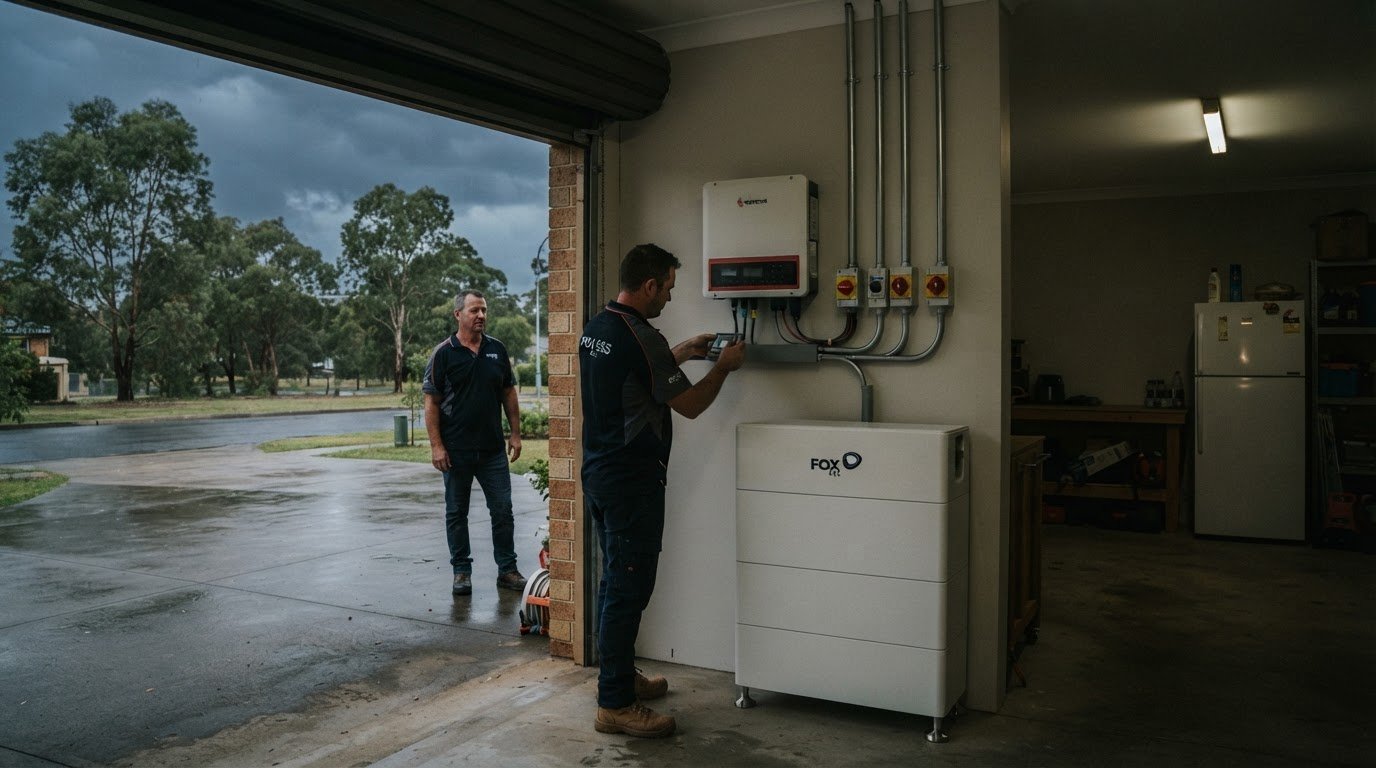
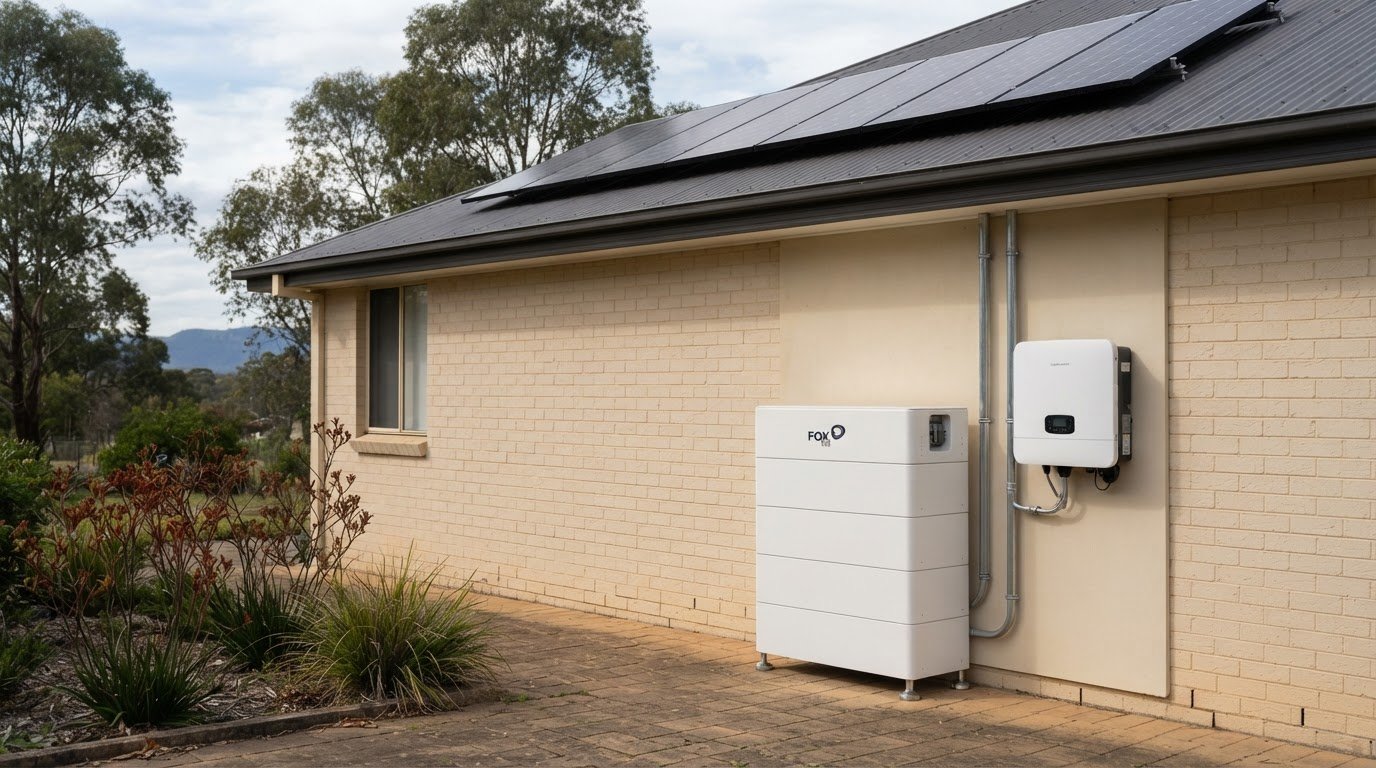
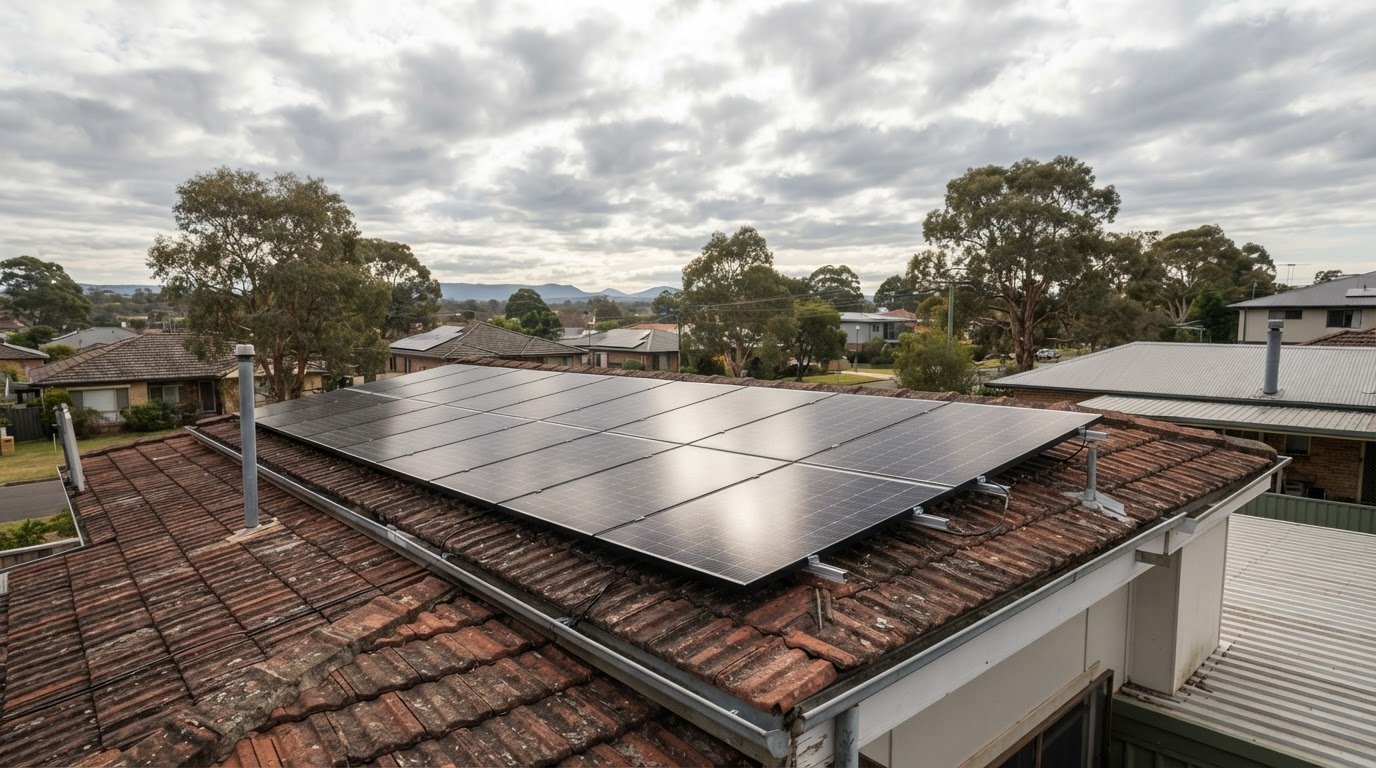
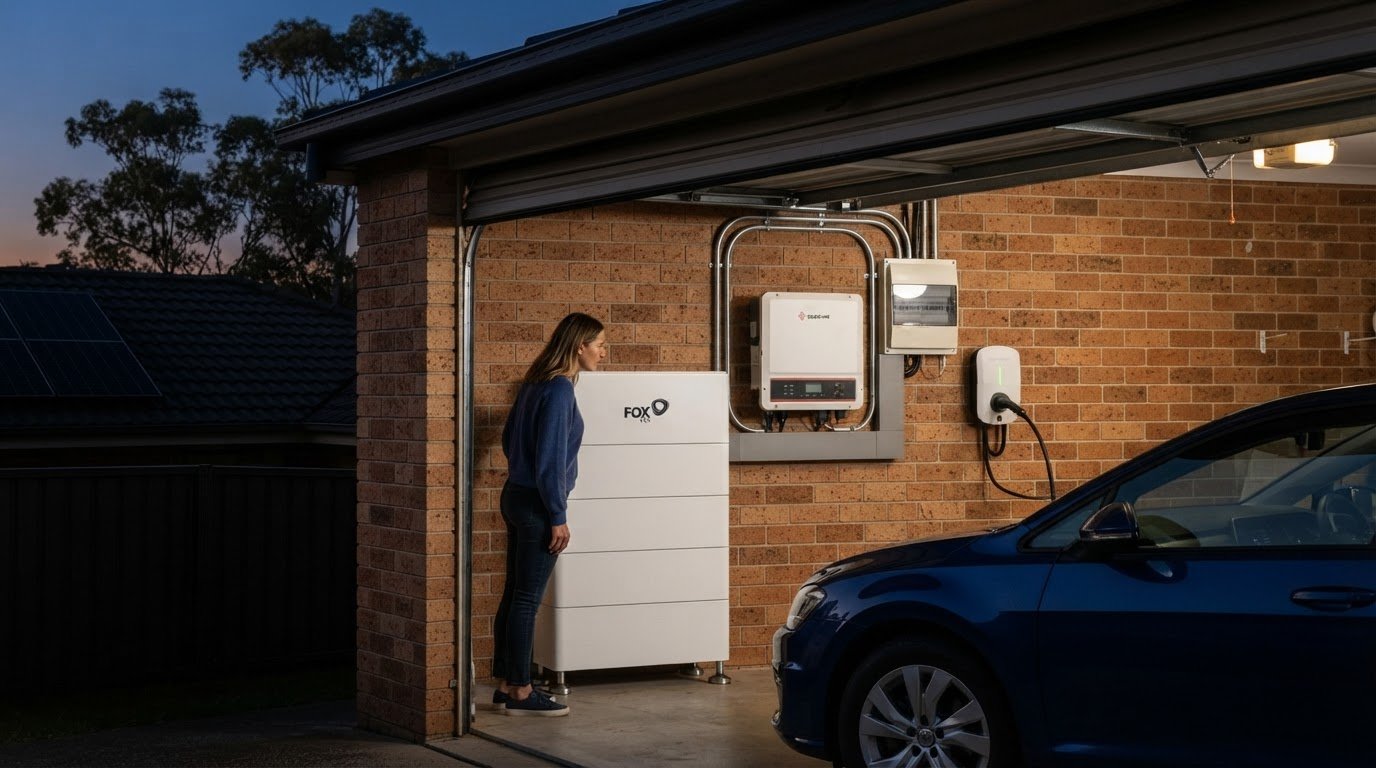
Sky High Solar and Electrical helps Sydney households and businesses plan solar around their electricity use, property and energy goals. Its options include 6.6kw and 10kw solar panel installation, the FOX ESS CQ7 High Voltage Storage Battery, and the SigenStor Integrated Solar Inverter & EV DC Charger.
These options can suit different plans, from generating solar power at home to adding battery storage or EV charging. The right system depends on your electricity use and which technologies fit the property. Discussing your needs helps clarify the design and relevant options.
Contact Sky High Solar and Electrical to discuss your solar plans.
Plan your next step with confidence
Choosing a family-owned solar company in Sydney can connect your project with a local team. To get started, outline your priorities: when you use electricity, whether you want battery storage, and whether EV charging may become part of your plans.
Sky High Solar and Electrical offers 6.6kw and 10kw solar panel installation, plus the FOX ESS CQ7 High Voltage Storage Battery. These options give you a starting point for discussing a system that suits your property and energy goals, rather than selecting equipment without considering how the parts work together.
Bring your questions about system design, equipment and installation to Sky High Solar and Electrical. The team can discuss solar and battery options for your home or business and help you decide on a practical way forward.
Contact Sky High Solar and Electrical to discuss your solar plans and take the next step at a pace that feels right for you.
Frequently Asked Questions
Why Install Solar?
Solar lets you generate electricity at your property and meet some of your household’s or business’s demand. Depending on when you use power and how much your system generates, this can reduce the amount of grid electricity you need to buy and support lower-emissions energy use. Reviewing your electricity habits helps clarify whether solar suits your plans.
What Solar Rebates and Government Incentives Are Available in NSW?
Eligible solar installations may receive an upfront discount through federal small-scale technology certificates (STCs). The STC deeming period is 5 years for systems installed in Australia in 2026 and 4 years for systems installed in 2027. Eligible battery installations may also qualify for the federal home battery rebate and NSW’s Peak Demand Reduction Scheme. The federal battery rebate is scheduled to step down from 1 January 2027.
Which Areas in Sydney Do You Service?
Sky High Solar and Electrical serves Sydney Metro, Penrith, Parramatta, the Blue Mountains, Richmond, Liverpool, the Northern Beaches and surrounding regions. Include your suburb when discussing your project, particularly if your property is near the edge of these areas. Your location helps establish whether the work falls within the service area and supports planning for installation or servicing.
How can I verify that a Sydney solar company is family owned and locally operated?
Look for a clear ownership statement and evidence of local operations, such as a stated Sydney history and service locations. These are separate details: local operation does not establish family ownership. Sky High Solar and Electrical is described as a privately owned Australian electrical and renewable energy firm, and as Sydney-owned and operated since 2013. Those facts establish local ownership and history, but do not identify it as family-owned.
What do Sydney family-owned solar companies charge for residential solar installation?
Residential installation prices vary with system size, panel and inverter selection, roof layout, electrical work and battery inclusion. The project price is provided after a quote request, based on those details. To compare quotes fairly, review the equipment and installation scope, and check whether electrical upgrades or storage are included. A lower total may reflect a different system configuration rather than equivalent inclusions.
How do Sydney family-owned solar companies compare on reviews, warranties, and workmanship?
Look for reviews that describe the installation process, communication and how issues were handled. Read warranty documents to understand which terms apply to equipment and which apply to workmanship. Check that the quote clearly identifies the included work and that electrical work is documented with a certificate of compliance electrical work (CCEW). These records give you more useful comparison points than a rating alone.