

 Sydney
 0452 243 240
Blog
Solar installation timeline in Sydney and what affects it

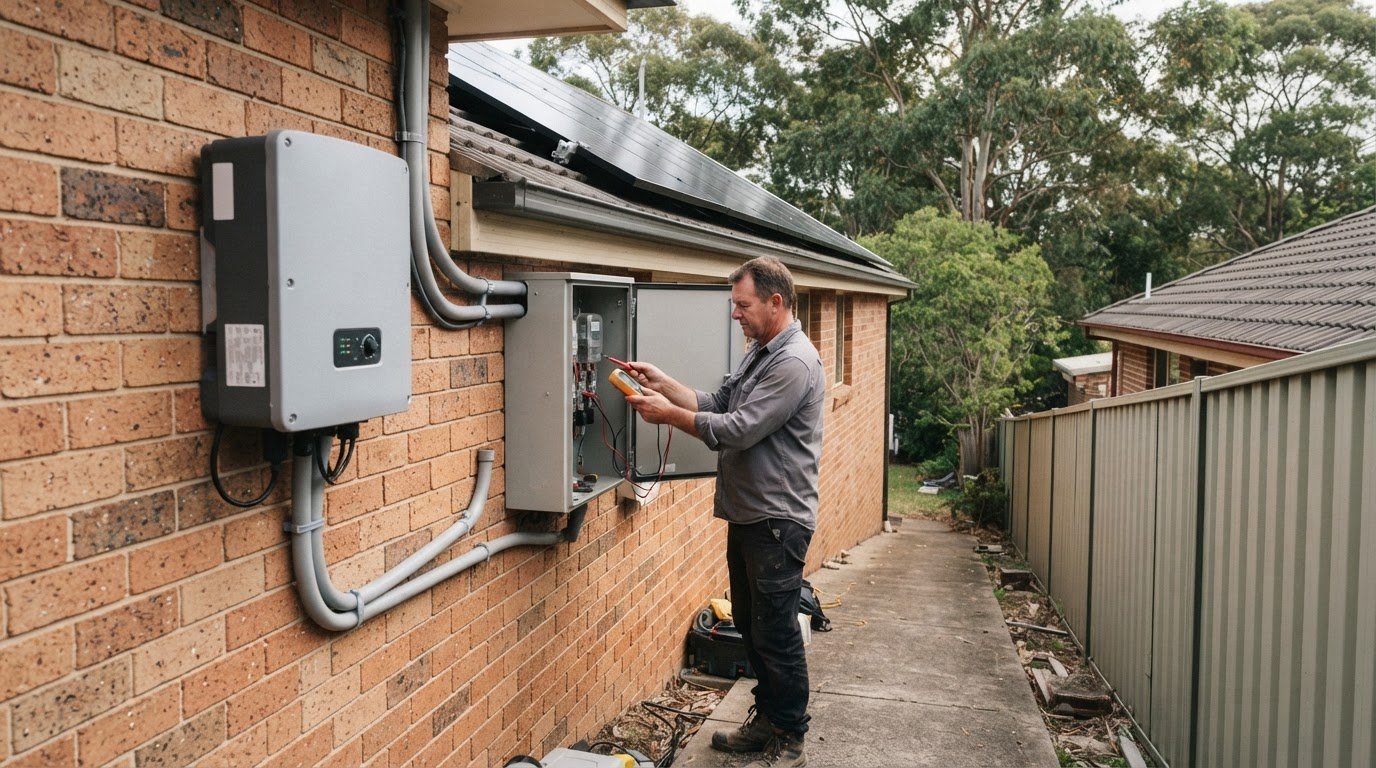
The panels may go up in a day, but that’s only part of the solar installation timeline in Sydney. From planning to activation, the full process averages 2-6 weeks; the on-site installation for a standard home system usually takes 1-2 days, while network approval can take about 1 to 4 weeks.
It’s understandable to want a clear date for when your system will be working. The solar installation timeline in Sydney depends on more than the installation itself: roof access and job complexity, weather, grid approvals and metering work can all affect timing.
This guide explains how the process moves from system design and approvals through to installation and activation. You’ll learn what can cause delays, what happens on installation day and how Sydney weather and local network requirements affect the overall timeframe, so you can plan with a clearer picture of what to expect.
Key Takeaways
- Allow around 2-6 weeks for the process from planning to activation, even though a standard home installation usually takes 1-2 days on site.
- Rain or storms, roof repairs and switchboard work can affect the installation schedule, so roof and electrical requirements matter early.
- Grid approval can take about 1 to 4 weeks in Sydney; applications and metering may add time before the system is ready to operate.
- Clear access to the roof and switchboard helps the installation proceed smoothly. The article explains what else to expect at each stage.
Does weather delay solar installation?
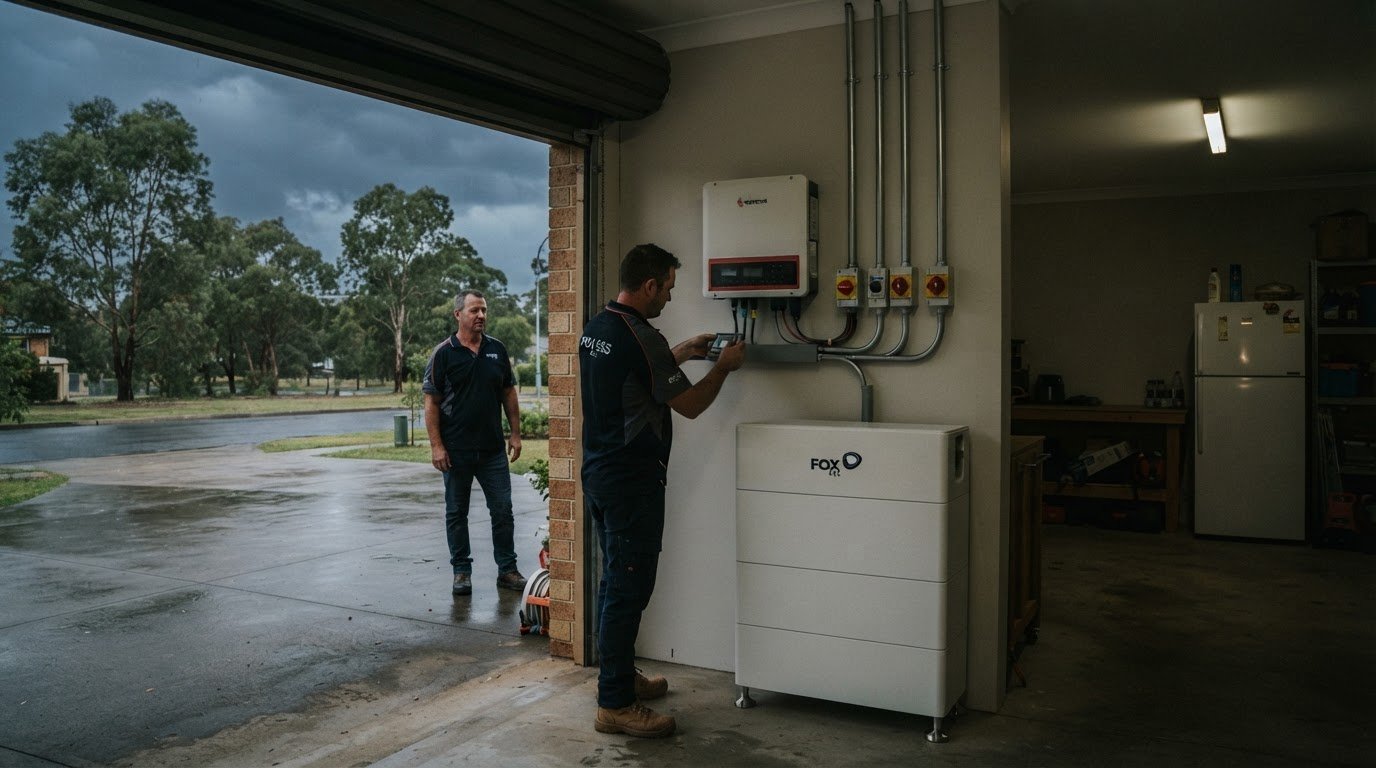
Yes. Rain or storms can delay roof work because installers need suitable conditions to work safely and fit equipment accurately. Solar installation in Australia can take 1-3 days, depending on system size and job complexity, so poor weather may shift the planned work or extend it. A weather delay affects the schedule, not the system’s ability to generate clean energy once installed.
A roof assessment helps identify issues before installation day. Solar panels can be installed on tile, metal and asphalt roofs, but the roof must suit the proposed system. The assessment considers roof condition, available space and access. If repairs are needed first, they can extend the process. Resolving roof issues before mounting equipment helps avoid interruptions during installation.
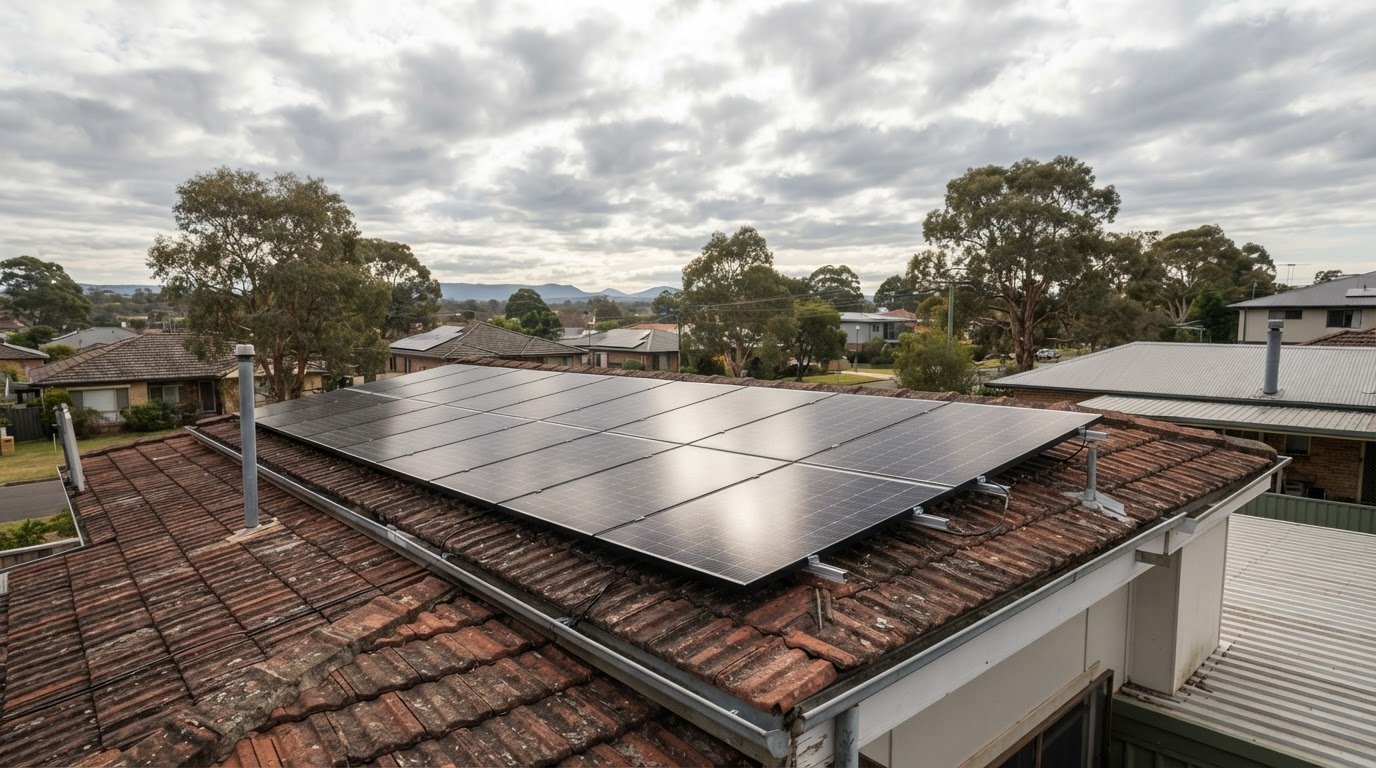
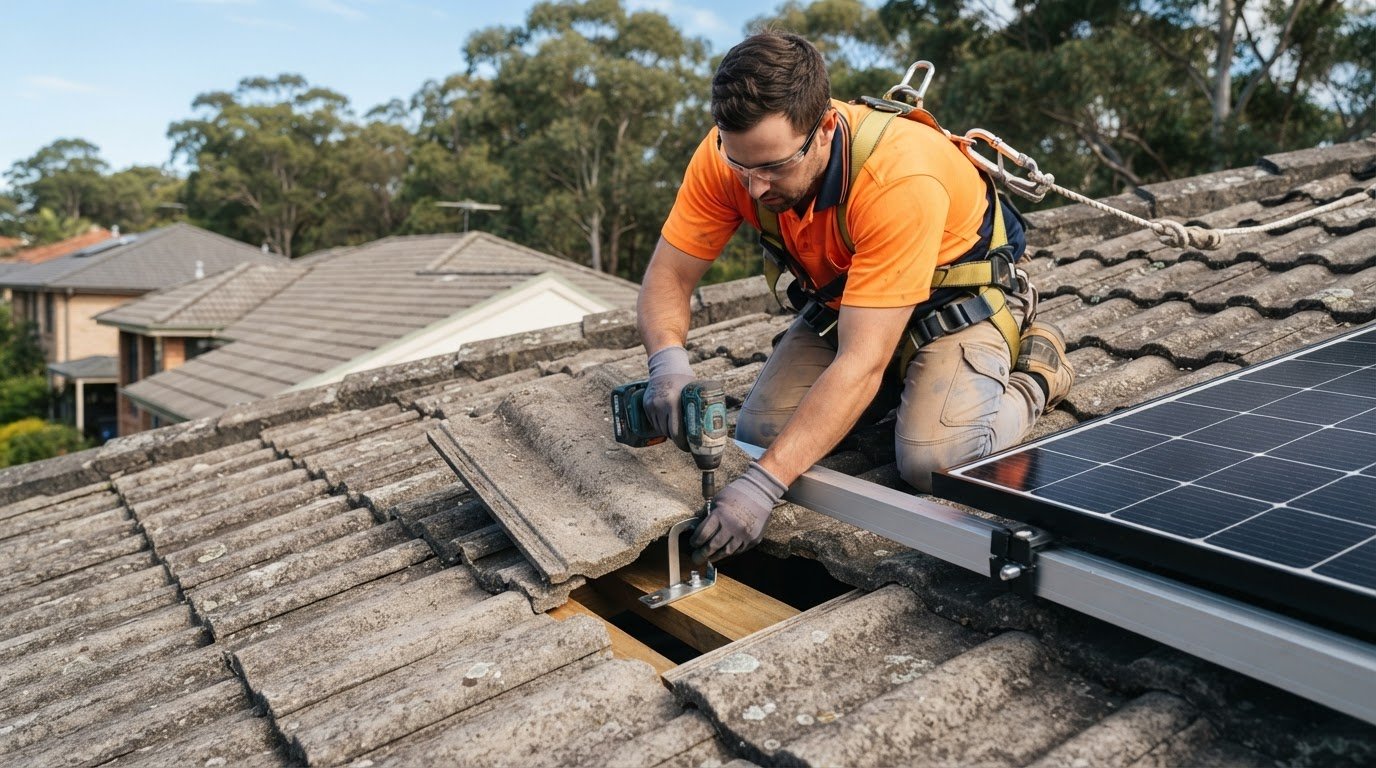
Tiled roofs need particular care. Installers may cut or grind tiles to fit the brackets that support panel rails and help prevent leaks. Proper professional installation should not damage the roof. Cracked tiles or other necessary roof repairs can affect the schedule. Roof access matters too: obstacles or limited working space can make preparation and panel placement more complex.
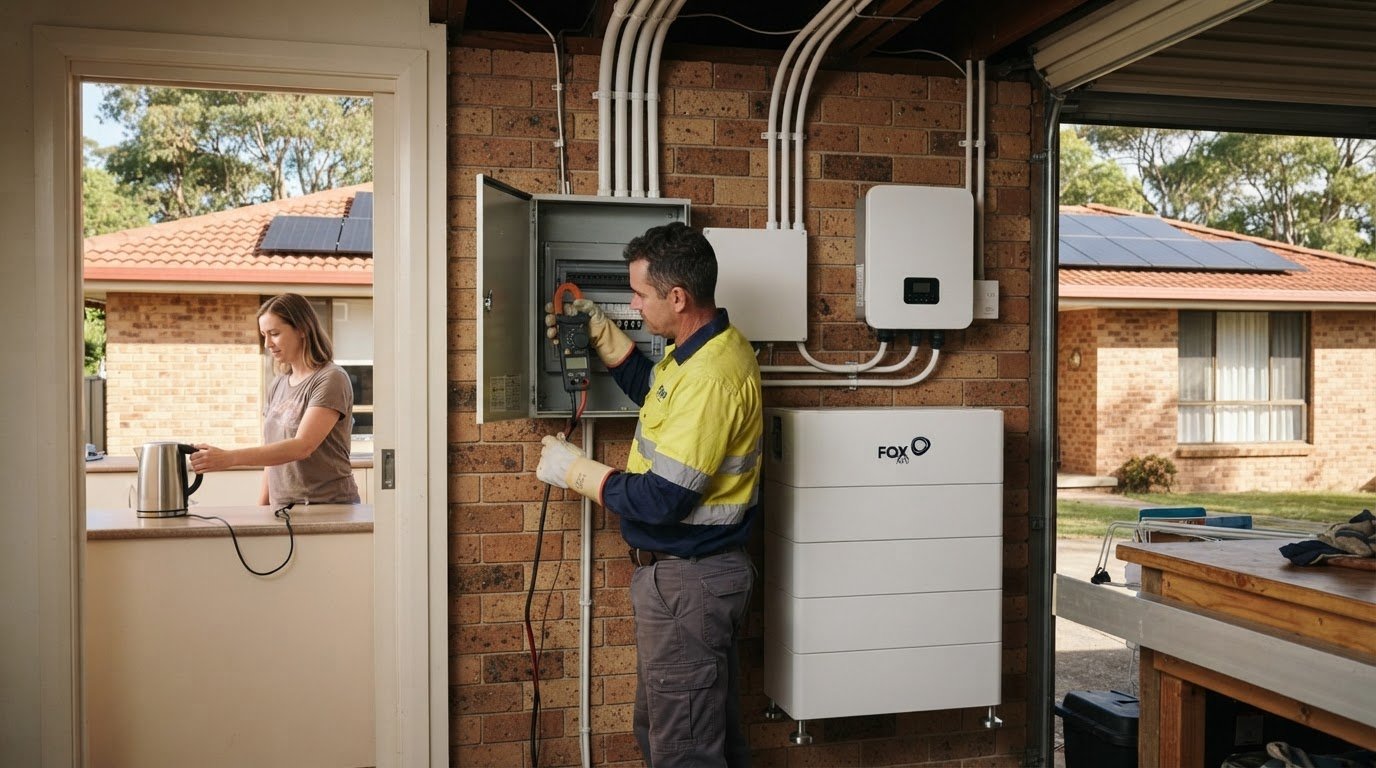
Electrical preparation can affect timing as well. A switchboard assessment identifies whether the existing equipment can support the planned solar connection or needs upgrading. Switchboard requirements, roof access and system size all influence the duration of a standard residential installation. If switchboard work is needed, it should be included in the project plan rather than treated as an afterthought.
Before work begins, the installation team assesses the roof and electrical setup, then plans equipment placement and access. This preparation helps identify weather-sensitive roof work, repairs and switchboard requirements early. You can help the day run smoothly by arranging clear access to the roof area and switchboard. These checks provide a practical installation plan, although rain, storms or unexpected roof conditions can still cause delays.
Do you handle grid paperwork and approvals?
Grid paperwork and approvals are separate from the physical installation. In Sydney, council approval may apply in specific circumstances, such as heritage controls or other property restrictions. Energy distributor approval can also affect when a system is connected.
Permits and council approvals
Council approval may be required for solar work at some properties. It does not apply to every Sydney solar installation. Heritage controls and other property restrictions may affect what approvals are needed, so check with your local council about the rules for your site. Energy distributor approval is a separate part of the process. Including any required approvals in the project schedule helps avoid treating installation day as the only milestone.
Distributor and network approvals
Network approval is the distributor’s assessment of a proposed solar connection to the local electricity grid. In Sydney, Ausgrid or Endeavour Energy may need to approve the system before it can be connected. The proposed inverter and system details inform the decision. Approval can affect when installation proceeds and when electricity can be exported to the network. It is separate from council permission and from switching on the inverter.
Grid connection paperwork
Grid paperwork records the proposed system and its connection details for network assessment. Accurate information helps the distributor consider the application against local network conditions. Metering arrangements also matter: a smart meter upgrade may be needed before the system can operate for monitoring and export. Grid applications, metering and local network rules may add a few business days for paperwork. A clear solar installation plan can show where these steps sit alongside the installation schedule.
Approval timeframes
Ausgrid or Endeavour Energy approval can take from a few business days to several weeks. Network approval in Sydney typically takes about one to four weeks, while approval for smaller systems is often completed within about one week. Solar panel approval and grid connection therefore have no single fixed timeframe. Metering can add time too: a smart meter upgrade typically takes about one to four weeks. Some systems may also need an independent audit or meter installation before they can be switched on. Allowing for these stages helps set realistic expectations, even if the panels are installed sooner.
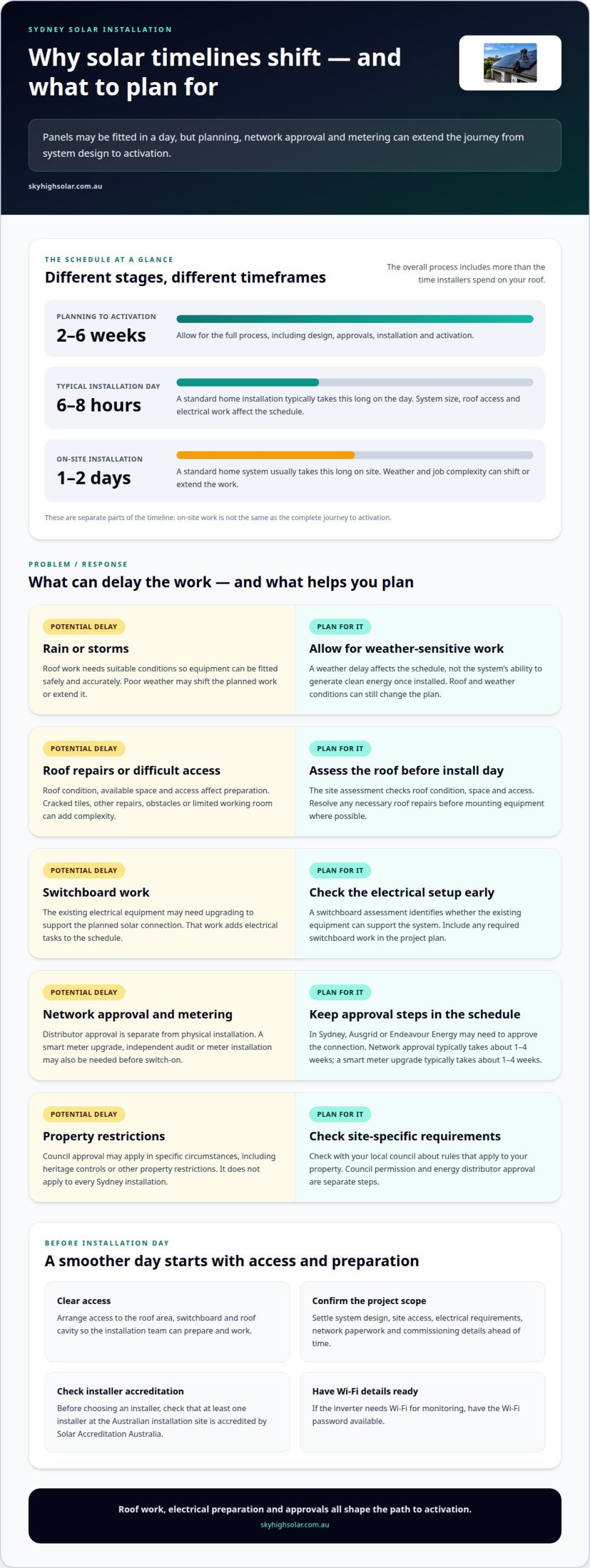
How Long Does Solar System Installation Take in Sydney?
A standard home installation typically takes 6-8 hours on installation day. System size, roof access and electrical work affect the schedule.
Preparation and installer communication
Preparation means settling the system design, site access and electrical requirements before installation day. It matters because unresolved details can disrupt panel mounting or commissioning. Before choosing a solar installer, check that at least one installer at the Australian installation site is accredited by Solar Accreditation Australia. Compare quotes for the proposed equipment, switchboard work, network paperwork and commissioning to make sure the project scope is clear.
Common causes of installation delays
Delays can result from complex roof access, larger systems, switchboard requirements or panel and inverter stock availability. A residential system with difficult access may take longer than one on a straightforward roof. Switchboard upgrades add electrical work, while unavailable equipment can affect scheduling. Confirming the system design and access arrangements in advance helps identify these issues before installation day.
Plan access to the roof, switchboard and roof cavity for installation day. You don’t need to stay home if installers can reach the roof and electrical panel. If the inverter needs Wi-Fi for monitoring, have the Wi-Fi password available. These practical steps help the team complete mounting, electrical connections and setup without waiting for access or information.
Installation and activation are separate milestones. After the panels and inverter are installed, inspection and system activation take 1-2 weeks. An independent audit or smart meter installation may also need to happen before the system can be switched on. Keep the sale contract, system specifications, safety certificate, warranties and commissioning sheet together after handover. This paperwork records the installed equipment and supports clear follow-up on the solar power system.
Overall solar installation timeline in Sydney
From planning to activation, the full solar system process takes 2-6 weeks on average. That timeframe includes design, approvals, solar panel installation and the steps needed before the system operates.
The stages have different durations, so installation day is only one milestone. An initial consultation and site assessment take 1-3 days. System design and proposal take 2-5 days. These early steps establish the system size, equipment layout and project requirements before work is booked.
Next, the network application and any metering work progress alongside installation planning. Network approval in Sydney typically takes about 1 to 4 weeks. A smart meter upgrade can also take about 1 to 4 weeks. These steps affect when the solar system can connect and export electricity, rather than how long the panels take to mount.
On site, Australian solar panel installation can take 1-3 days, depending on system size and job complexity. A standard residential system often takes 1-2 days. Roof access, switchboard requirements and equipment availability can change the schedule. Once installation is complete, inspection and system activation take 1-2 weeks.
Use the 2-6-week average as a planning window, not a promise that each stage will finish on a fixed date. Ask for a project schedule that separates design, network approval, installation and activation. That breakdown makes it easier to see whether a delay affects physical work or the connection process. A clear timeline also helps owners plan around roof access and any time needed at home.
For a solar solution planned around your property and connection stages, discuss your installation schedule.
Sky High Solar and Electrical
Sky High Solar and Electrical installs residential and commercial solar systems, helping you understand how system design and site requirements shape the project schedule. If you’re planning a 6.6kw or 10kw installation, the roof, switchboard and network connection all form part of the timing picture.
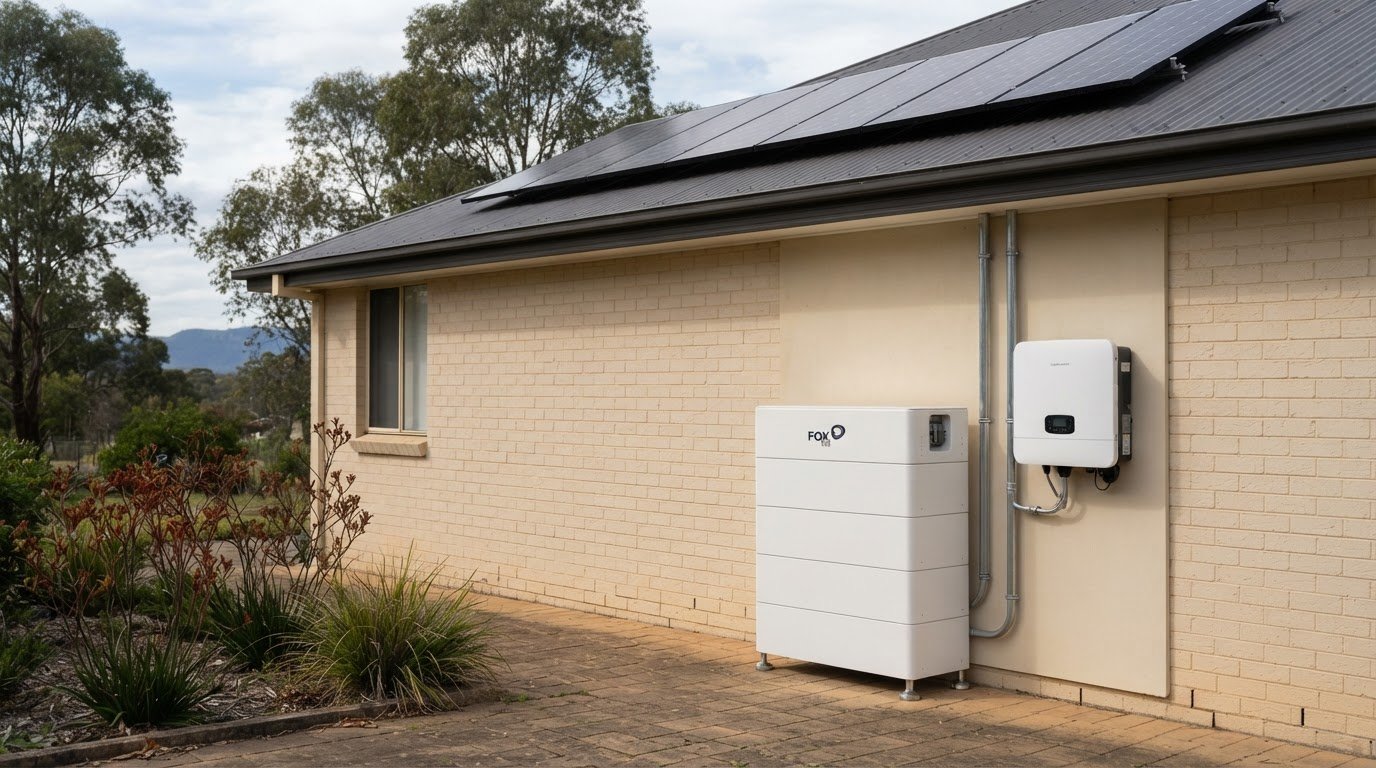
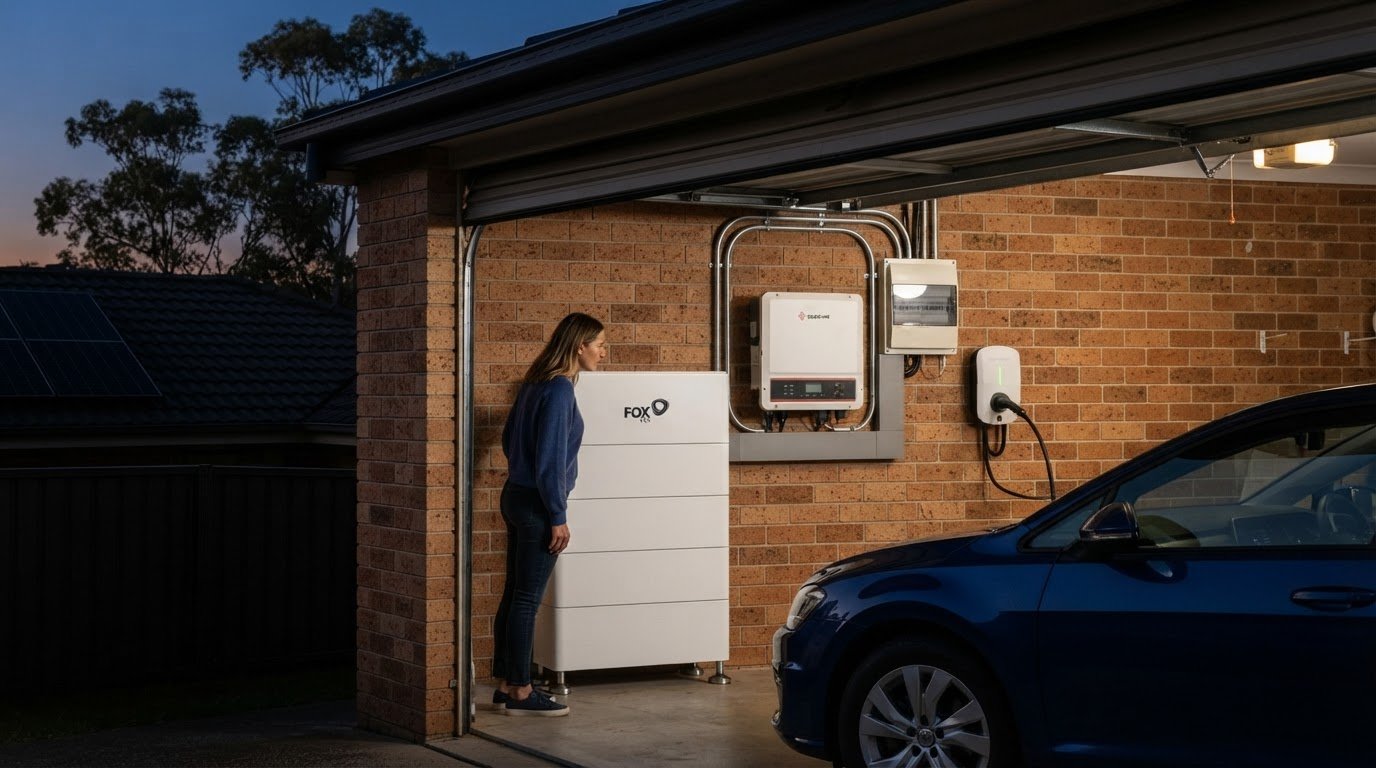
Discuss your property, energy use and preferred system with the team to clarify the installation scope and the stages ahead. If storage or EV charging is part of your plans, options include the FOX ESS CQ7 High Voltage Storage Battery and SigenStor Integrated Solar Inverter & EV DC Charger. The right configuration depends on the needs of your property and the solution you’re planning.
Contact Sky High Solar and Electrical to discuss your solar installation.
Plan your next step with confidence
Before moving ahead, consider how your household uses electricity and what you want solar to support. Clear priorities can help shape a system design that suits your property and long-term energy plans. Use the solar installation timeline in Sydney as a planning guide while deciding what matters most for your home.
Sky High Solar and Electrical can discuss your project requirements and explain how a system can be designed for your property. Bring your questions about energy goals and preferred setup to the conversation, so the next steps reflect your needs.
Ready to talk through your plans? Contact Sky High Solar and Electrical and take a considered step towards generating clean energy at home.
Frequently Asked Questions
How long does it take to install solar panels on a house?
A typical residential solar panel installation is generally completed in a single day, while complex work can take longer. This is the time for physical work at the property, not the full period until the system is operating. If you’re planning around household routines, arrange access to the roof and electrical area for the booked work, even if you won’t be home all day.
Does adding a battery make installation longer?
Yes. A typical residential battery installation in Sydney takes 5 to 12 hours of on-site work. Larger or more complex battery jobs may take 2-3 days. For an apartment, suitable access and body corporate approval also affect planning. Discussing battery placement and access as part of the system design helps clarify the work involved before installation is scheduled.
What Can Affect the Installation Time?
Beyond the roof and electrical setup, how well the proposed system suits your property can affect scheduling. Available roof space, household electricity use, network export conditions and budget all influence system size. If the site assessment leads to a revised design, the proposal and connection paperwork may need updating. Apartment battery work also depends on suitable access and body corporate approval.
How long does residential solar installation take in Sydney from quote to system activation?
Allow an average of 2-6 weeks from planning to activation. To interpret a quote’s schedule, clarify which milestone starts its timeframe: the initial assessment, acceptance of the proposal or approval to proceed. A written schedule can distinguish the project stages and show whether it includes the time between completed installation and the system being switched on.
How long does the on-site solar panel installation take in Sydney?
A standard home solar installation is typically completed in 6-8 hours on installation day. The accredited installer must be physically present for setup, a mid-installation check-up, and testing and commissioning. This sequence means the installer’s role continues beyond placing panels on the roof. The on-site work is complete only after the system has been tested and commissioned.
What are the steps in the Sydney solar installation process?
The process moves through consultation and site assessment, system design and proposal, connection arrangements, installation, then inspection and activation. During assessment, roof space, household consumption, network export conditions and budget help determine a suitable system size. Some systems can also account for future household energy needs. The proposal sets out the planned system before installation begins.