

 Sydney
 0452 243 240
Blog
Solar panel installation on tile roofs: costs and pricing

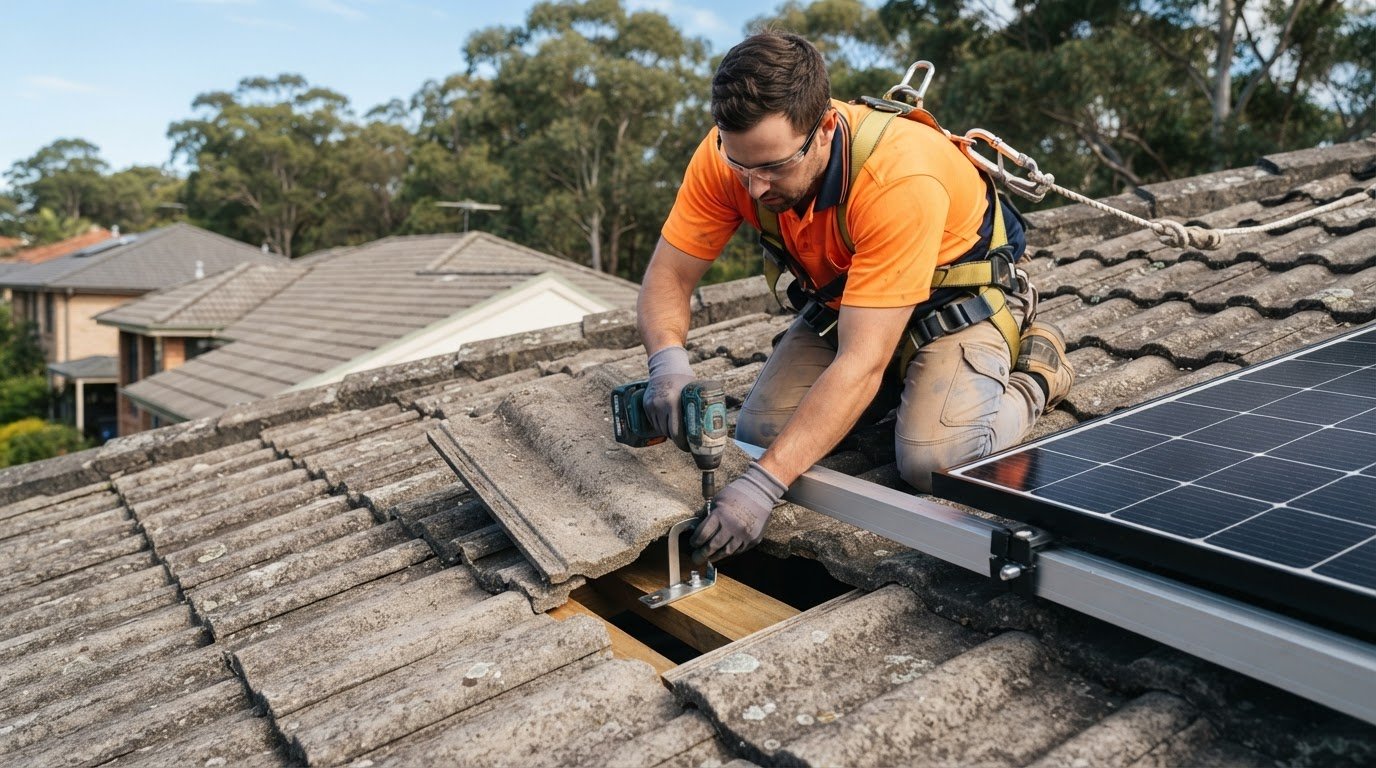
A tiled roof changes how solar panels are installed, but it does not rule out solar. In Sydney, the cost of solar panel installation on a tile roof depends on the roof’s condition, access and the mounting work required. Installers typically fix brackets to the roof structure and attach rails to support the panels, using brackets suited to the tile profile.
Ageing or damaged tiles and difficult roof access can add to the work involved. There is no single price for every tiled roof: the total depends on the property and system configuration. Roof condition, access, mounting requirements and system design all affect the scope, so a quote needs to reflect your home.
This guide explains how panels are fitted to tiled roofs and which roof features influence installation scope and cost. You’ll also learn how pitch, orientation, shading and structural condition factor into a solar assessment, so you can understand what matters for your Sydney home before deciding.
Key Takeaways
- Understand why tiled roofs need mounting planned around the roof structure and tile condition to keep the installation secure.
- See how roof pitch, north-facing orientation, shade and structural condition affect a system’s suitability and layout.
- Identify the roof and system details that influence the final price, rather than relying on a one-size-fits-all estimate.
- Learn how residential system size and roof-specific work shape Australian solar pricing, and what to consider when assessing a quote.
How solar panels are installed on tiled roofs?
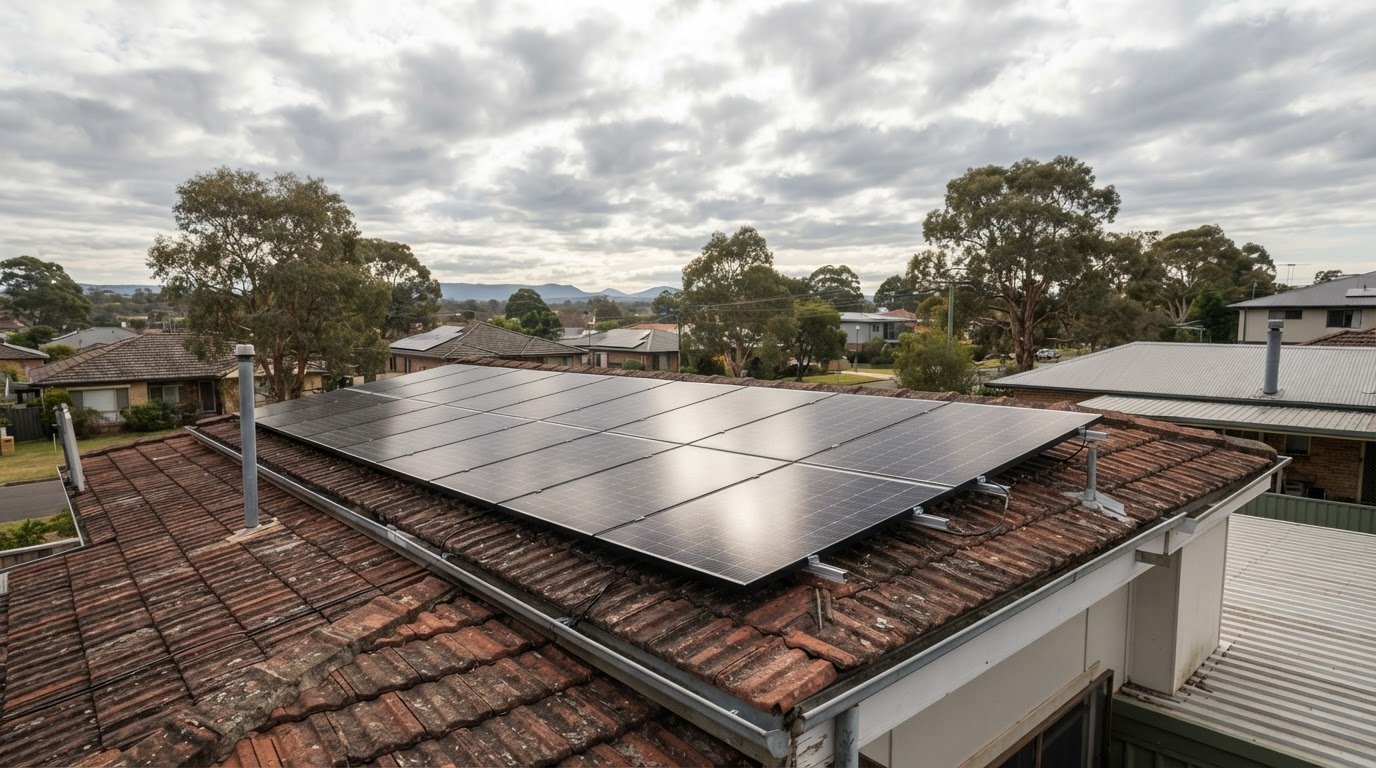
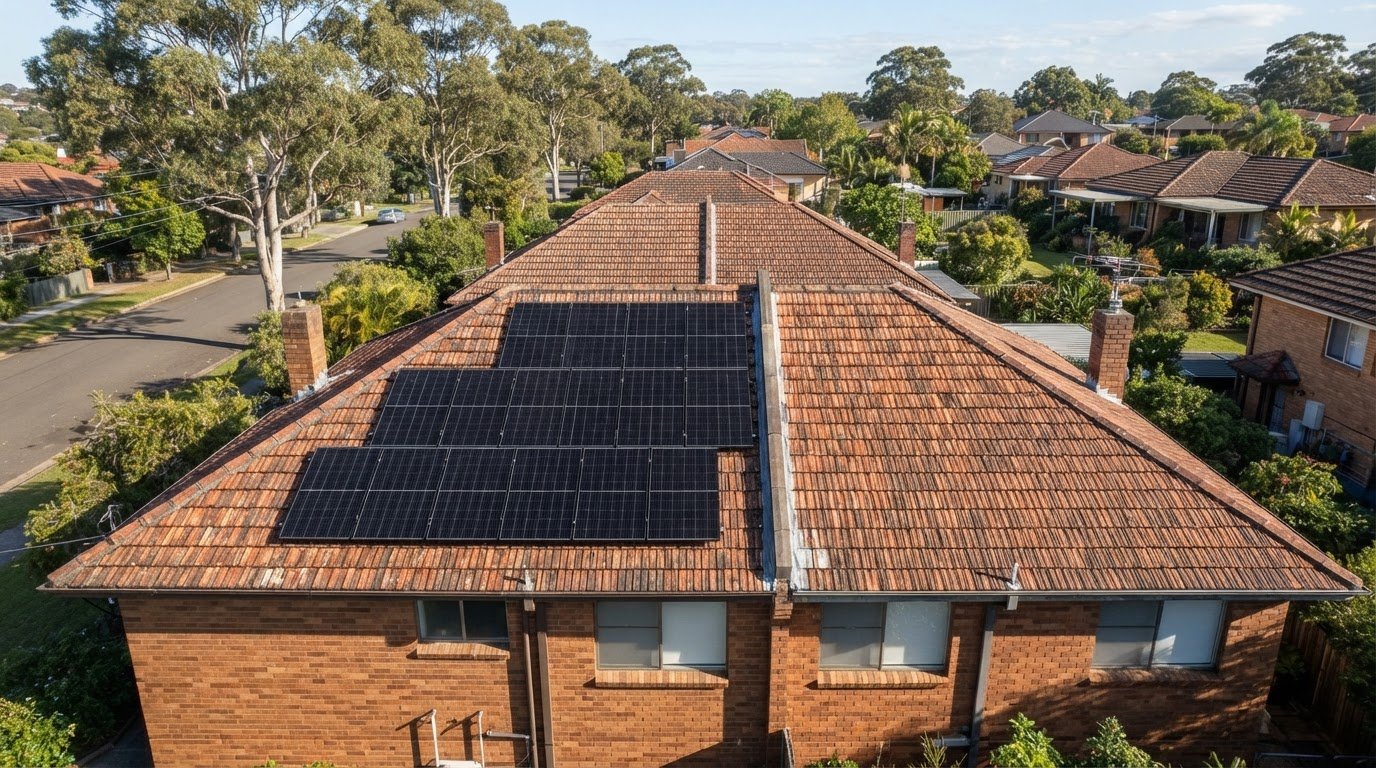
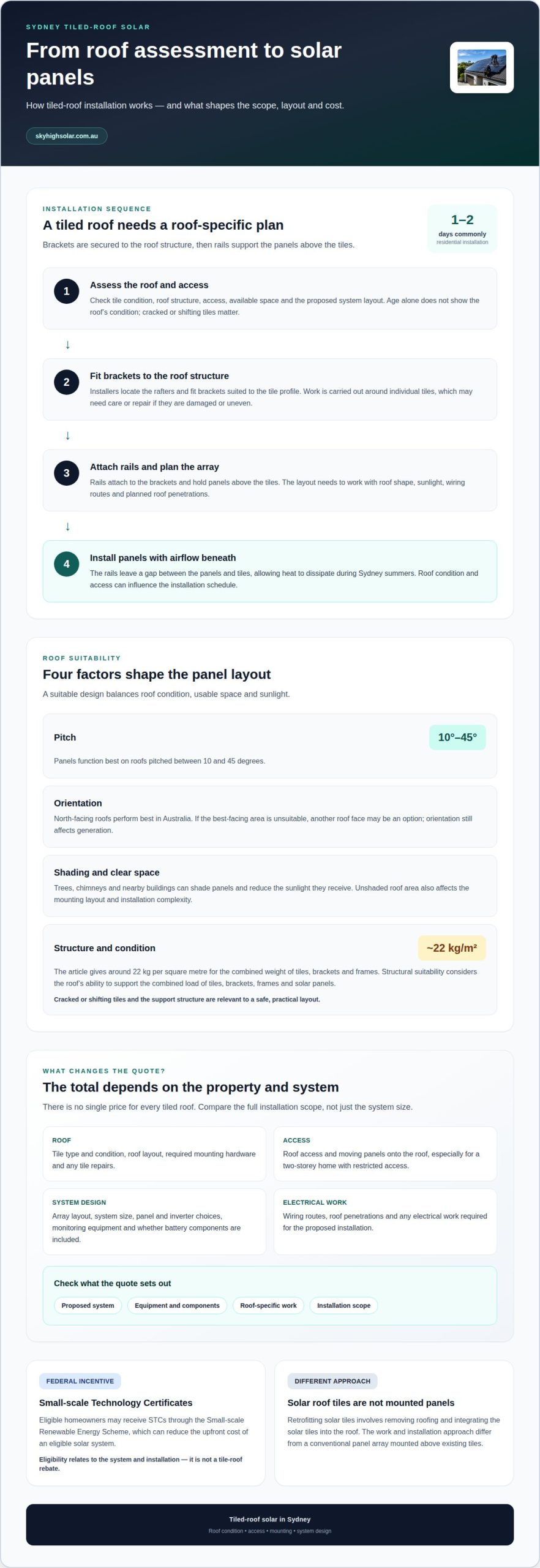
On a tiled roof, installers secure mounting brackets to the roof structure, then attach rails to support the panels. The tile profile, roof condition and access affect the installation work and its scope.
Tile Roof Installation Costs
Solar installation on a tiled roof requires mounting hardware suited to the roof tiles and structure. Installers locate the rafters, fit brackets, then attach rails while taking care around the surrounding tiles. This matters because damaged or uneven tiles can complicate the layout and require additional roof work. A residential installation commonly takes 1-2 days, with the roof’s condition and access influencing the schedule.
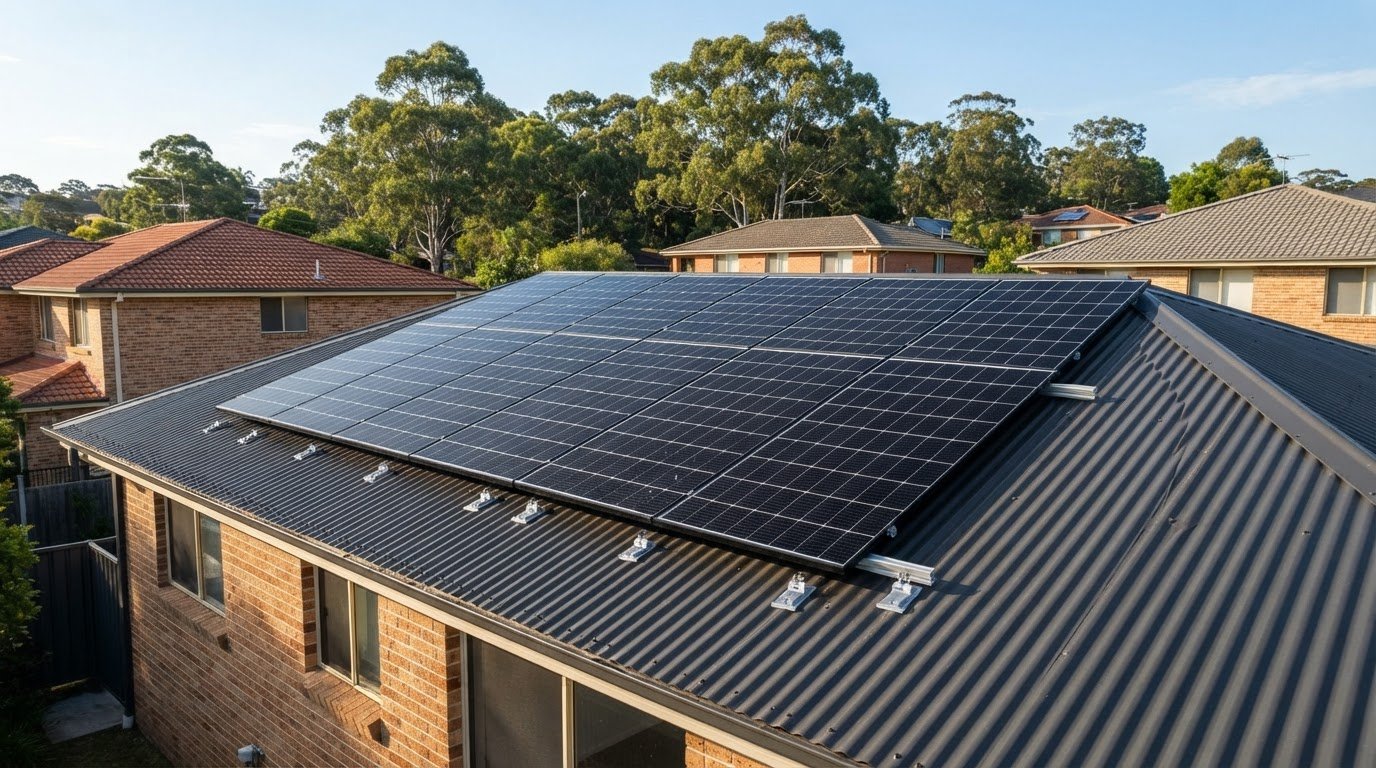
The rails hold panels above the tiles, leaving space for airflow beneath the array. That gap allows heat to dissipate during Sydney summers. Because tiled roofs need a different mounting approach from metal roofs, account for roof-specific labour and materials when comparing the overall system scope.
Additional Mounting and Installation Costs
Tiled-roof mounting involves brackets and labour to secure the array to the roof structure. Stainless steel brackets may be needed, and installers must work around individual tiles rather than fastening directly to a continuous sheet. Roof access, tile type, array layout and any tile repairs all affect the work involved.
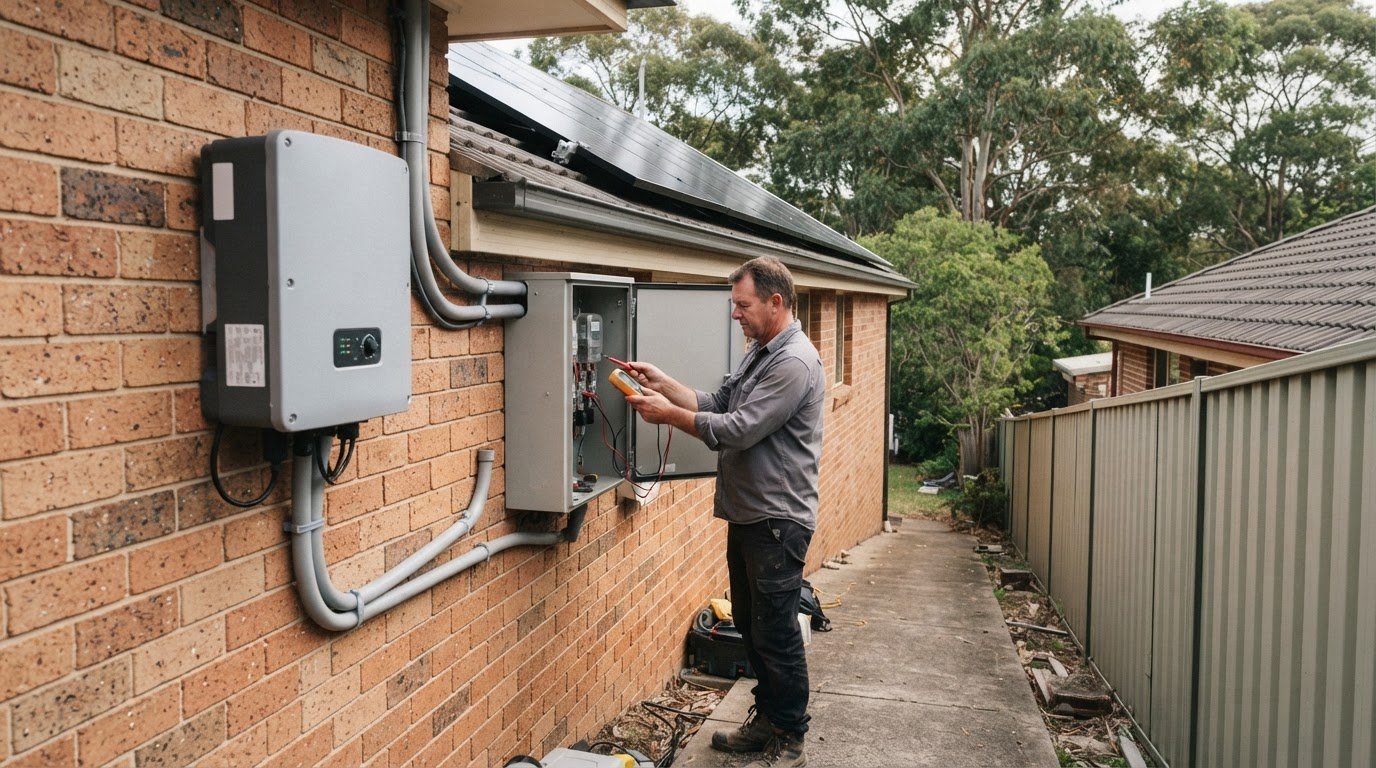
Moving panels onto the roof can also shape the installation plan, especially for a two-storey home with restricted access. Wiring routes and roof penetrations need to be planned alongside the mounting points, so the array layout, electrical work and roof details work together. The total depends on these property and system factors, so a quote should reflect your specific project.
Australian homeowners may be eligible for federal Small-scale Technology Certificates (STCs) through the Small-scale Renewable Energy Scheme, which can reduce the upfront cost of an eligible solar system. The incentive applies to the system, not specifically to a tiled roof, and eligibility depends on the installation.
Solar roof tiles differ from panels mounted above existing roof tiles. Retrofitting solar tiles involves removing roofing and integrating the solar tiles into the roof, so the work and installation approach differ from those for a conventional panel array.
Roof pitch, orientation, shading and structural condition
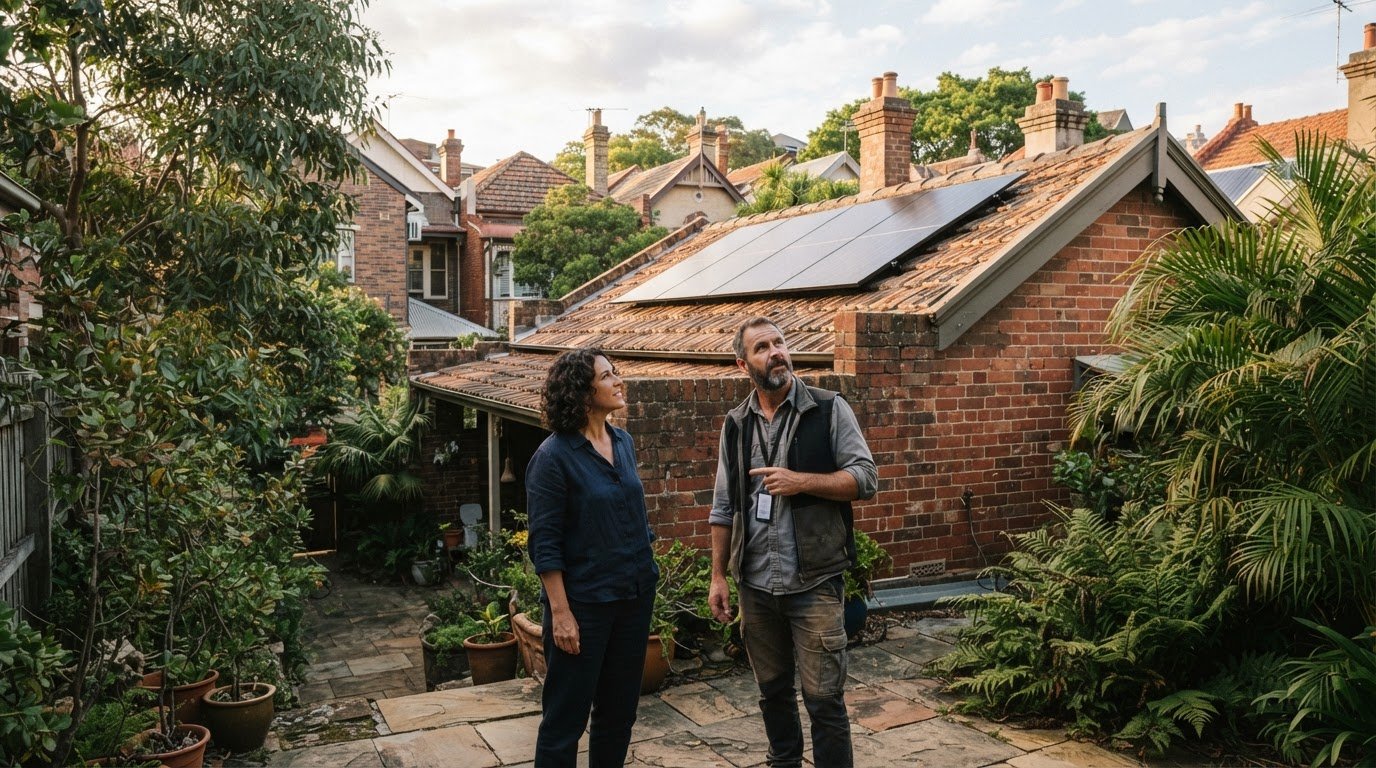
Roof shape and condition determine how much suitable panel area is available and where panels can be placed. In Sydney, orientation, shading and structural suitability also influence the system layout and expected electricity generation.
Roof Pitch, Orientation and Shading
Pitch describes the roof’s slope, while orientation identifies the direction its surface faces. Solar panels function best on roofs pitched between 10 and 45 degrees, and north-facing roofs perform best in Australia. These factors help determine panel placement and the energy a roof can produce.
Nearby trees, chimneys or buildings can shade panels and reduce the sunlight they receive. For example, a clear north-facing roof area may suit an array better than a shaded section, even if both have a similar pitch. On tiled roofs, the amount of unshaded space also shapes the mounting layout and installation complexity.
Roof Weight and Structural Suitability
Structural suitability means the roof can support the combined load of its tiles, mounting brackets, frames and solar panels. The combined weight of tiles, brackets and frames is around 22 kg per square metre of roof area. This makes the roof’s existing condition and support structure relevant to a safe, practical layout.
A roof’s age alone does not show its condition. Cracked or shifting tiles and other signs of deterioration matter during an assessment. If the best-facing area is unsuitable, another roof face may be an option, but its orientation and shading still affect generation. A suitable layout balances roof condition, available space and sunlight.
These factors explain why quotes can differ between homes. Roof pitch, orientation, shading, structural condition, access and system layout all affect the work involved. The total depends on your roof and system, so the quote should reflect your property.
A roof-specific solar installation assessment can bring these factors together before the system layout is settled. That helps align panel placement with the roof’s structure and the household’s electricity needs.
Australian residential solar system prices
Residential solar prices in Australia depend on the system design, equipment and installation requirements. A 6.6 kW system and a 10 kW system have different generation capacities, so the right comparison starts with household electricity use and suitable roof space. A larger system may suit higher daytime demand, while the smaller option may better match a household’s needs.
Compare what each quote includes, not just the system size. Panel and inverter choices, installation work, monitoring equipment and battery components can change the package. A solar-only system and one designed with battery storage, for example, have different configurations. Check that the quoted total makes the equipment and installation scope clear.
For a tiled-roof home, roof-specific work also affects the overall price. Roof condition and layout, access for installation, and any required electrical work can change the scope. A quote should outline the proposed system, its components and installation work so you can see how the design suits your property.
Federal incentives may affect the cost of an eligible residential solar system. Small-scale Technology Certificates are part of Australia’s Small-scale Renewable Energy Scheme, and eligibility relates to the system and installation. This is not a tile-roof rebate. Its effect on the upfront amount depends on the eligible system details.
The price of a solar system depends on your property, system size, selected equipment and installation requirements; the exact figure is provided in a quote for your case. When reviewing options, compare systems with similar capacity and inclusions. For instance, comparing two 6.6 kW proposals is more useful than comparing a 6.6 kW system with a 10 kW system as though their scope were identical.
What is the average cost of solar panel installation on a tile roof in Australia?
There is no average that represents every tiled-roof solar installation in Australia. The total depends on the system selected and the work required at the property. Tiled roofs can need roof-specific mounting, while condition, layout and access affect installation scope. A single figure is therefore a poor guide to the cost for an individual home.
System capacity is one factor. A 6.6 kW system and a 10 kW system differ in size and generation capacity, so they aren’t like-for-like price comparisons. Equipment selection and whether the design includes battery storage also affect the quoted scope. Compare proposals with matching capacity and inclusions to understand the difference between their totals.
Roof-specific work can affect the total beyond the solar equipment itself. Tile profile influences mounting choices, while roof condition and access shape installation requirements. A complex layout or electrical work can add to the scope. For example, a straightforward roof layout may require different work from a home with restricted access or tiles needing repair.
Eligible systems may receive support through Australia’s Small-scale Renewable Energy Scheme, which uses Small-scale Technology Certificates. Eligibility relates to the system, not the tiled roof. Check that the quote clearly explains the incentive’s effect on the total and identifies the system components, mounting work and other inclusions.
The price depends on your roof, system capacity, equipment and installation scope; the exact figure is provided in a quote for your case. A clear breakdown helps you understand what drives the total. Request a tailored solar quote for your tiled-roof project.
A reliable average cannot be given without details of the system and property.
Sky High Solar and Electrical
Sky High Solar and Electrical installs residential solar systems, helping you match a design to your tiled roof and household needs. If you’re weighing roof-specific work against system size, an assessment can clarify the factors shaping your project’s scope.
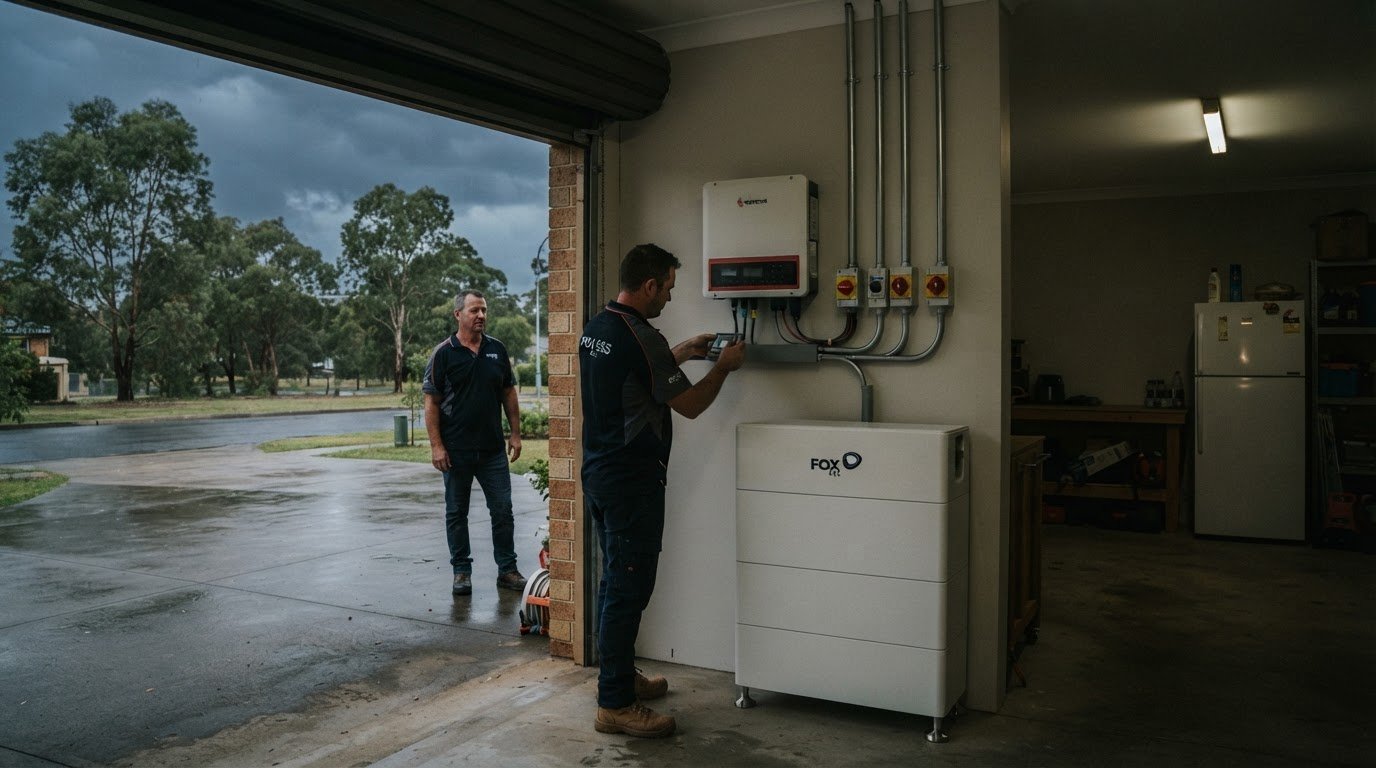
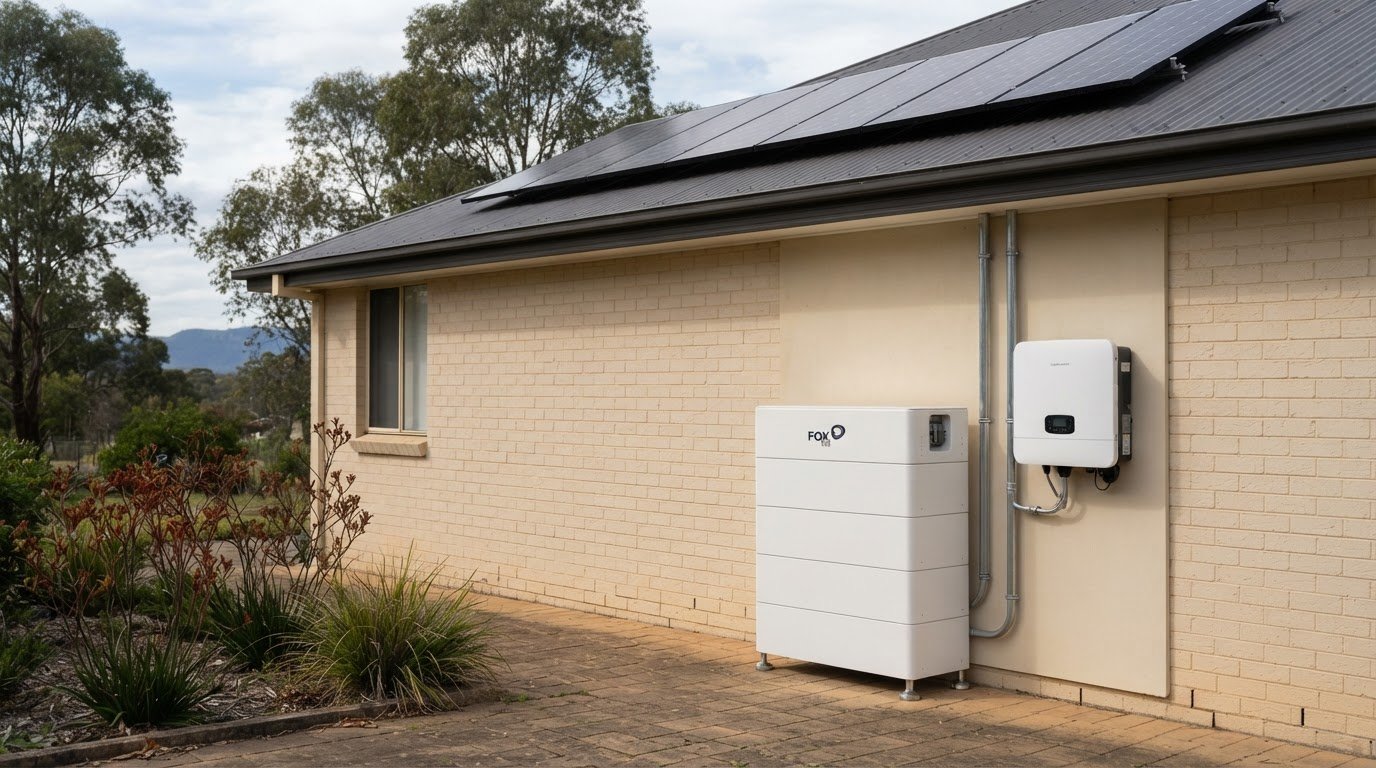
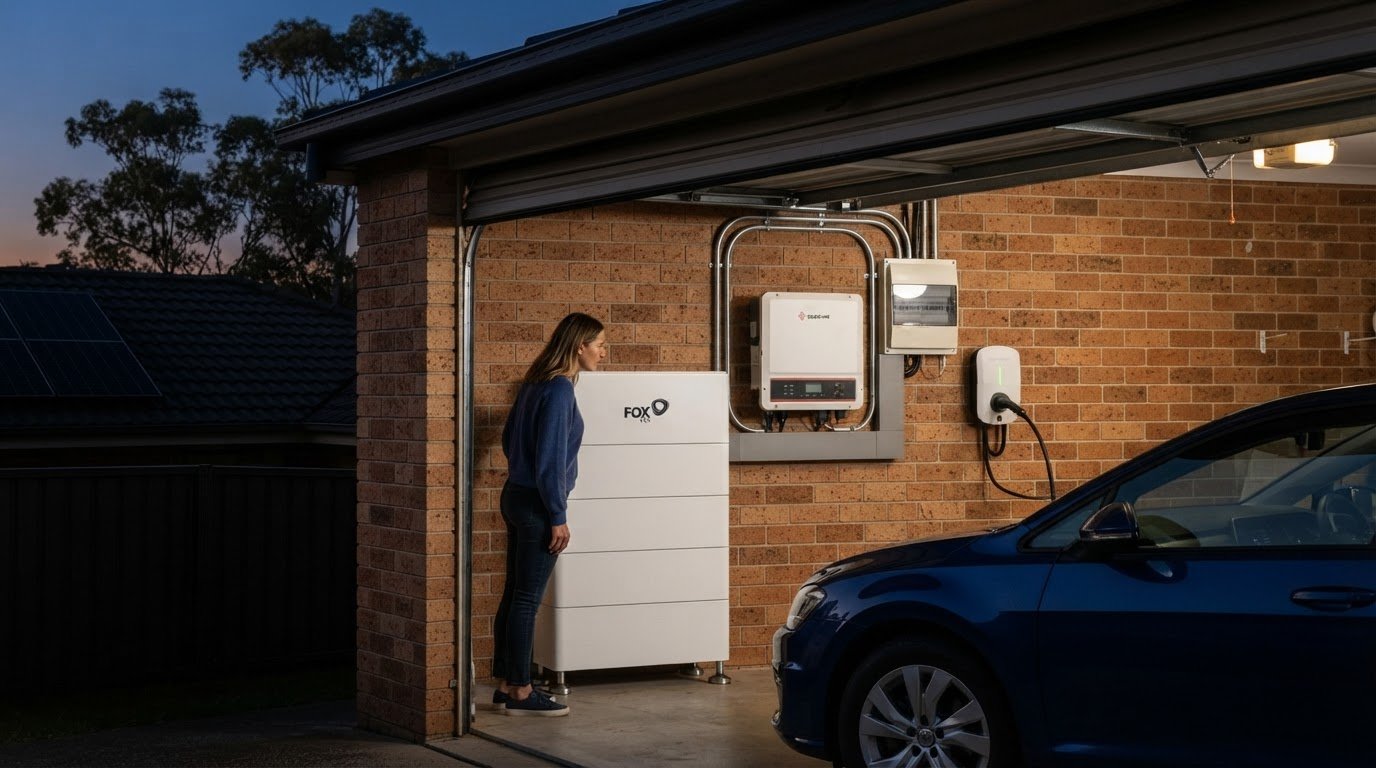
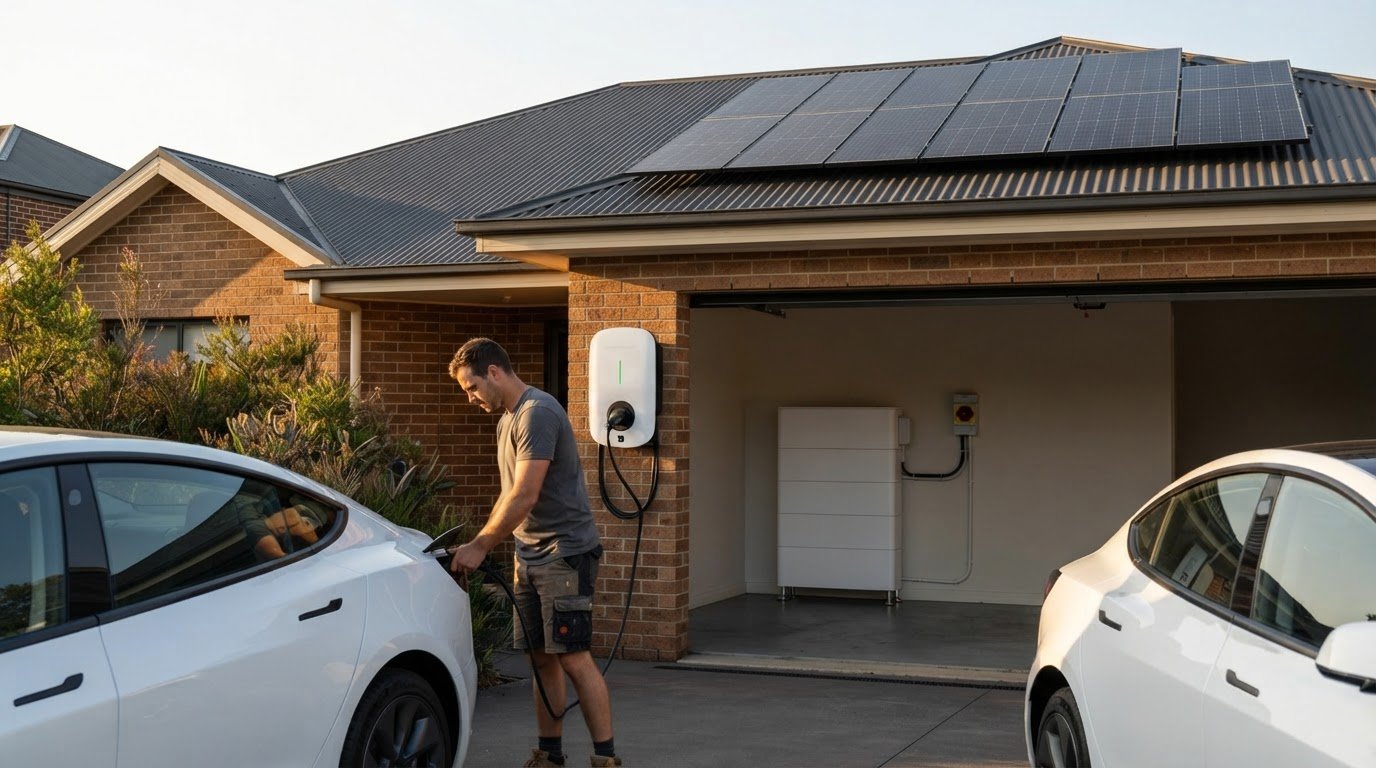
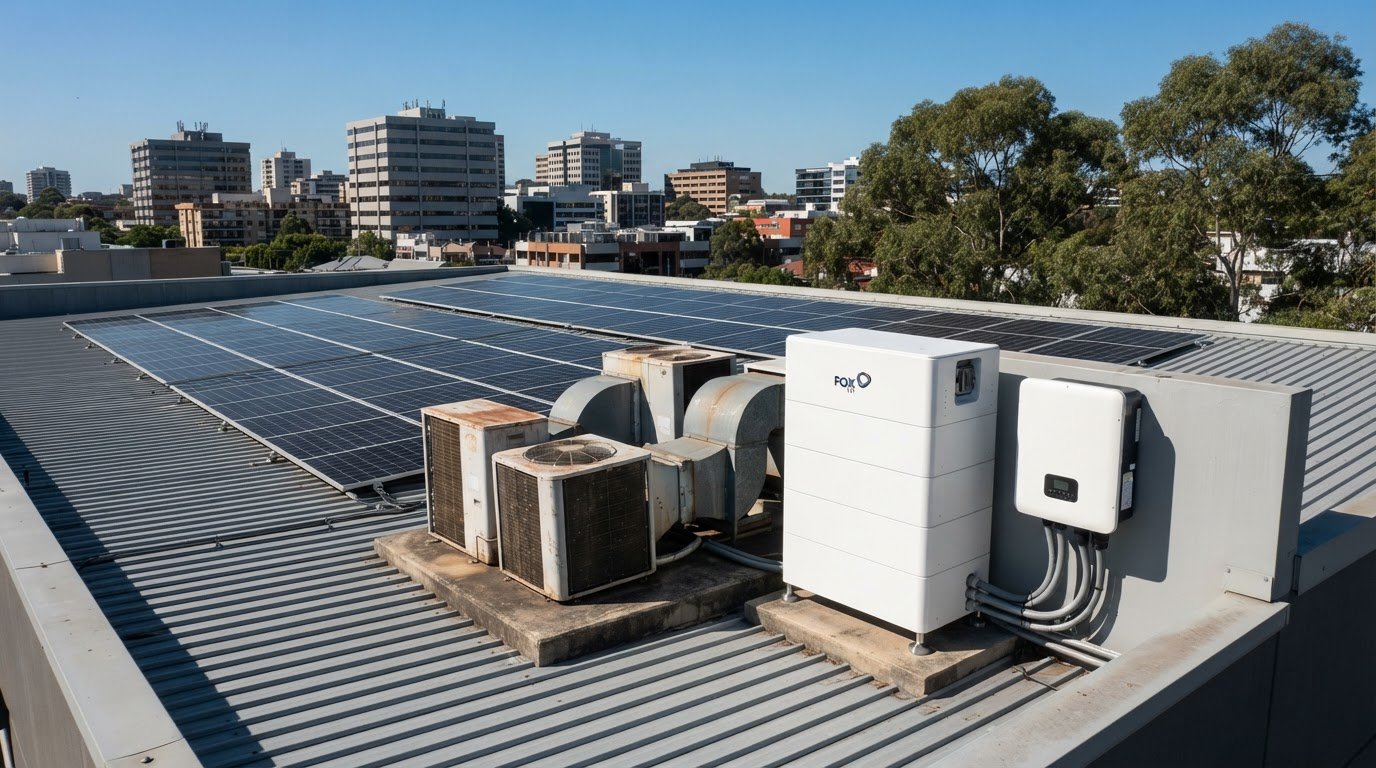
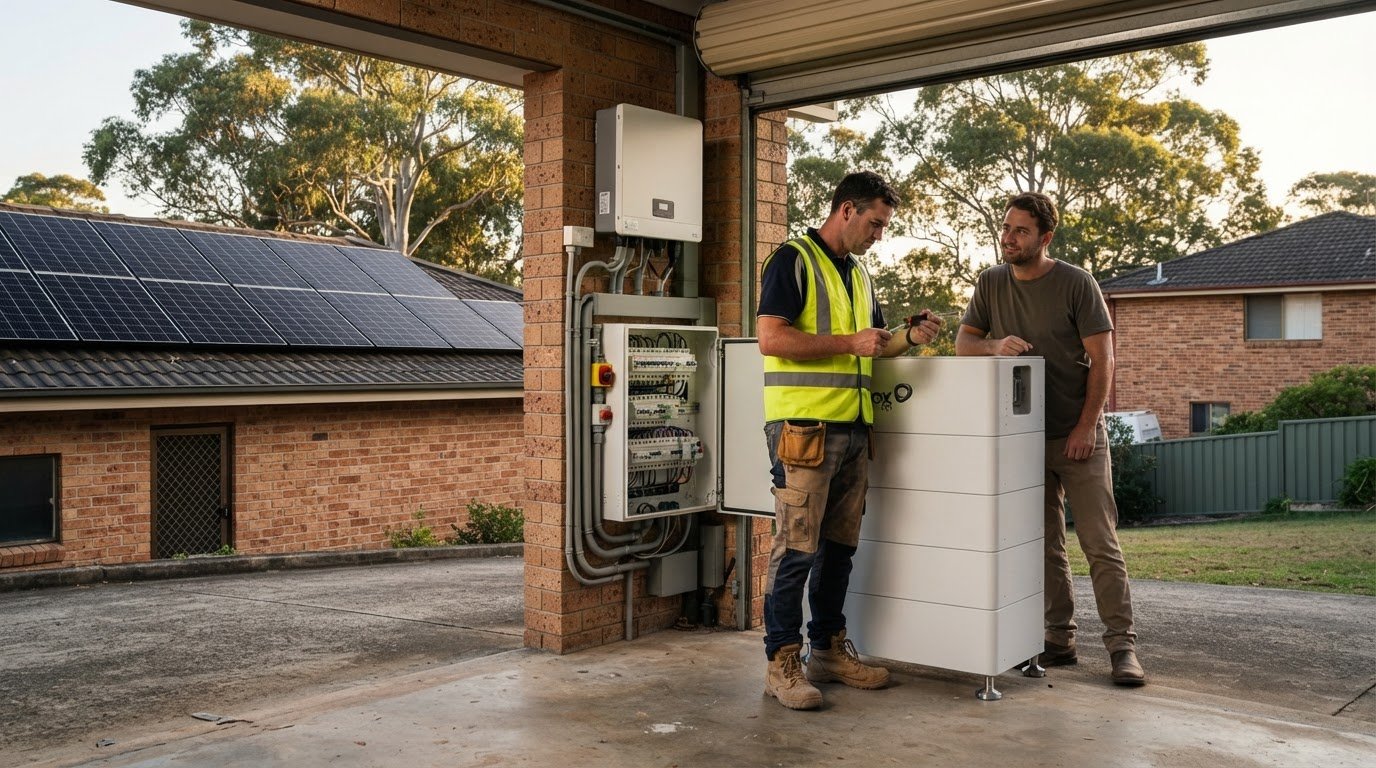
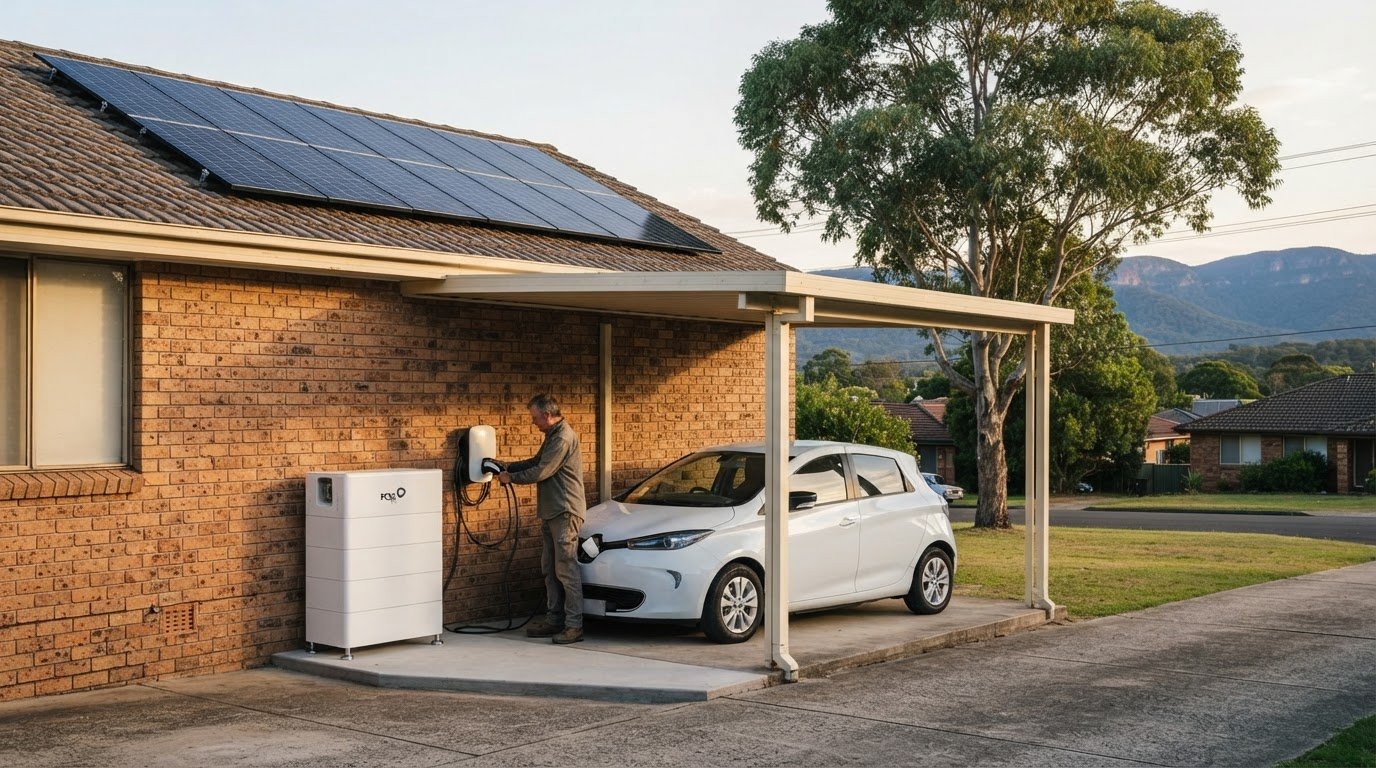
Available options include 6.6kw and 10kw Solar Panel Installation. The right choice depends on your electricity use, suitable roof area and installation requirements. If you’re also considering storage or EV charging, the FOX ESS CQ7 High Voltage Storage Battery and SigenStor Integrated Solar Inverter & EV DC Charger are available as part of the broader energy setup.
Discuss your roof, preferred system capacity and energy goals to establish a clear project plan. Contact Sky High Solar and Electrical to discuss solar panel installation for your tiled roof in Sydney.
Plan a solar system around your home
Let your household’s energy priorities guide the next decision. Consider when you use electricity, whether your needs may change and how solar fits your plans. The cost of solar panel installation on a tiled roof is one part of the picture, alongside the value you place on using more self-generated power.
A useful next step is to turn those priorities into a project brief: note your main energy goals and the roof areas you want considered. This gives the design discussion a clear starting point. Explore a solar plan for your home and take a considered step towards cleaner energy.
Frequently Asked Questions
Is Solar Worth It for Australian Homes and Businesses?
Solar can be worthwhile when a property uses a good share of its own generation. Australian locations receive an average of 4-6 peak sun hours daily, depending on location. Payback varies with the system cost, your electricity use, tariffs and solar generation, so a 3-5-year return is not guaranteed. For a business, compare daytime electricity demand with likely generation. Your usage pattern and the value of exported electricity shape the financial case.
How much extra does installing solar panels on a tile roof cost compared with a metal roof?
There is no fixed surcharge for every tiled roof. Any difference depends on the roof’s mounting requirements and installation scope. Colorbond metal roofs do not incur an extra charge for solar installation, while tiled roofs may need additional mounting materials. For a fair comparison, separate roof-related work from the panels, inverter and other system components in each quote.
What factors affect the cost of solar installation on tile roofs, including system size and roof complexity?
System size and roof complexity affect installation scope, while household electricity use helps determine a suitable capacity. A home with higher daytime demand may need a different design from one with modest consumption. Compare proposals with equivalent system capacity and equipment, then check whether battery storage or other electrical work is included. This helps avoid comparing different packages by their headline totals alone.
What are typical Australian prices for 6.6 kW, 10 kW and 13 kW solar systems on tile roofs?
There isn’t one typical installed total that applies to 6.6 kW, 10 kW and 13 kW systems. Those figures describe capacity, not the full package or roof work. For a useful comparison, match the system size, panel and inverter inclusions, battery provision and installation scope. A 13 kW proposal should be assessed against your property’s electricity needs, rather than treated as a direct price comparison.
What is the process for installing solar panels on a tile roof, and how long does it take?
A project typically moves from reviewing household electricity needs and roof suitability to planning the array, installing it and checking the finished system. On-site work is usually a short installation visit, while the time from assessment to operation also includes design and scheduling. Before work begins, clarify what the installation plan covers and what handover information you’ll receive.
What tile roof damage or leaks can occur during solar installation, and how can they be prevented?
Cracked or displaced tiles can let rain in, and a leak may become apparent only after wet weather. Reduce the risk by accounting for the roof’s existing condition and having the finished work inspected. If you notice a new damp patch or water mark after installation, note its location and arrange prompt assessment. Installing solar panels on a tile roof is not a DIY project.