

 Sydney
 0452 243 240
Blog
How to reduce your electricity bill with solar in Sydney

Solar can cut your electricity bill, but it won’t necessarily eliminate it. To reduce your electricity bill with solar in Sydney, use more of your solar power while it’s being generated: running energy-intensive appliances during daylight reduces the amount you need to buy from the grid. Homes that stay grid-connected also continue to pay supply charges, even when solar covers much of their electricity use.
If your electricity bill still feels high after installing solar, the issue may be when you use power, how much you export, or whether your system suits your household’s needs. This guide explains what solar can offset, when a larger system may help, and how batteries and practical home energy upgrades could further reduce grid use. You’ll also learn why using spare electricity at home may be more valuable than exporting it, so you can focus on changes that can make a real difference to your bills.
Key Takeaways
- Separate grid charges from energy use to pinpoint why your bill remains high after solar.
- Match system size to your household’s energy-use patterns before considering extra panels.
- Compare the value of using solar at home with the credit earned for exporting it.
- Explore eligible incentives and practical home upgrades to reduce the electricity you draw from the grid.
1. WHY IS MY ELECTRICITY BILL STILL HIGH AFTER GETTING SOLAR INSTALLED?
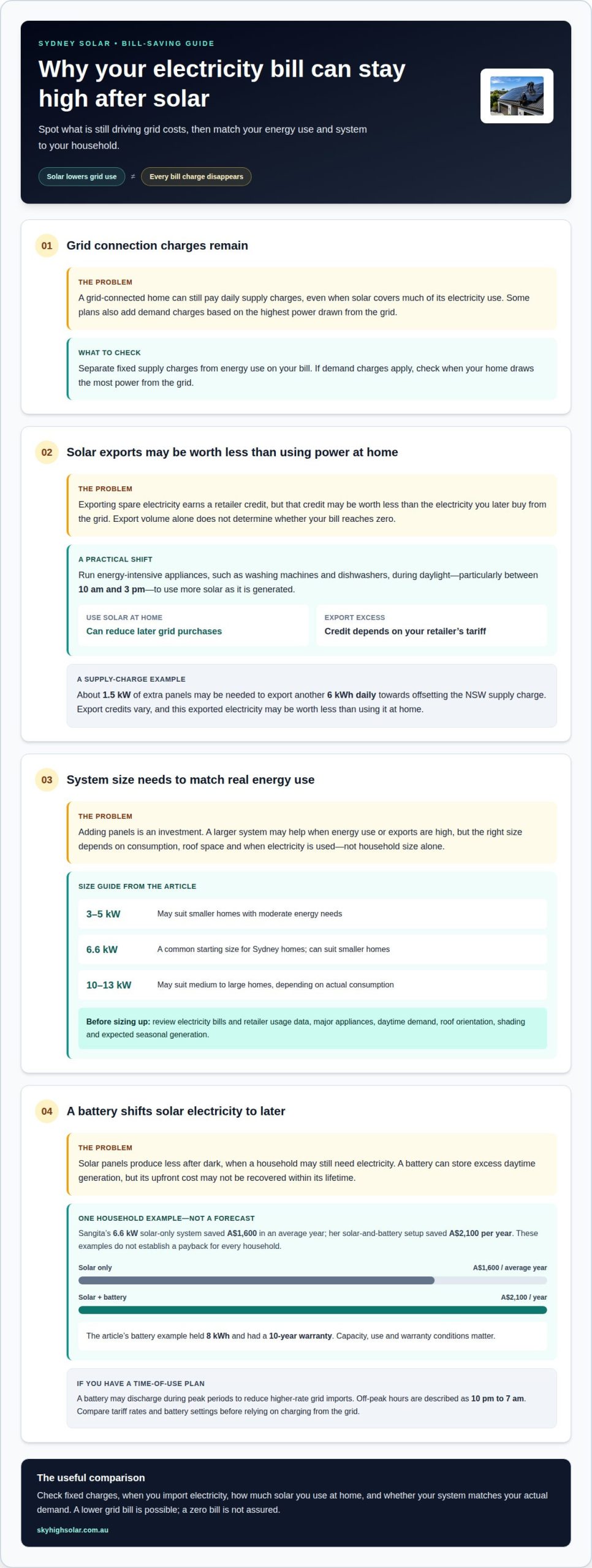
A solar connection won’t remove every charge from your Sydney electricity bill. Some plans also include demand charges based on the highest power drawn from the grid. Your bill can therefore remain high even when your panels export excess energy.
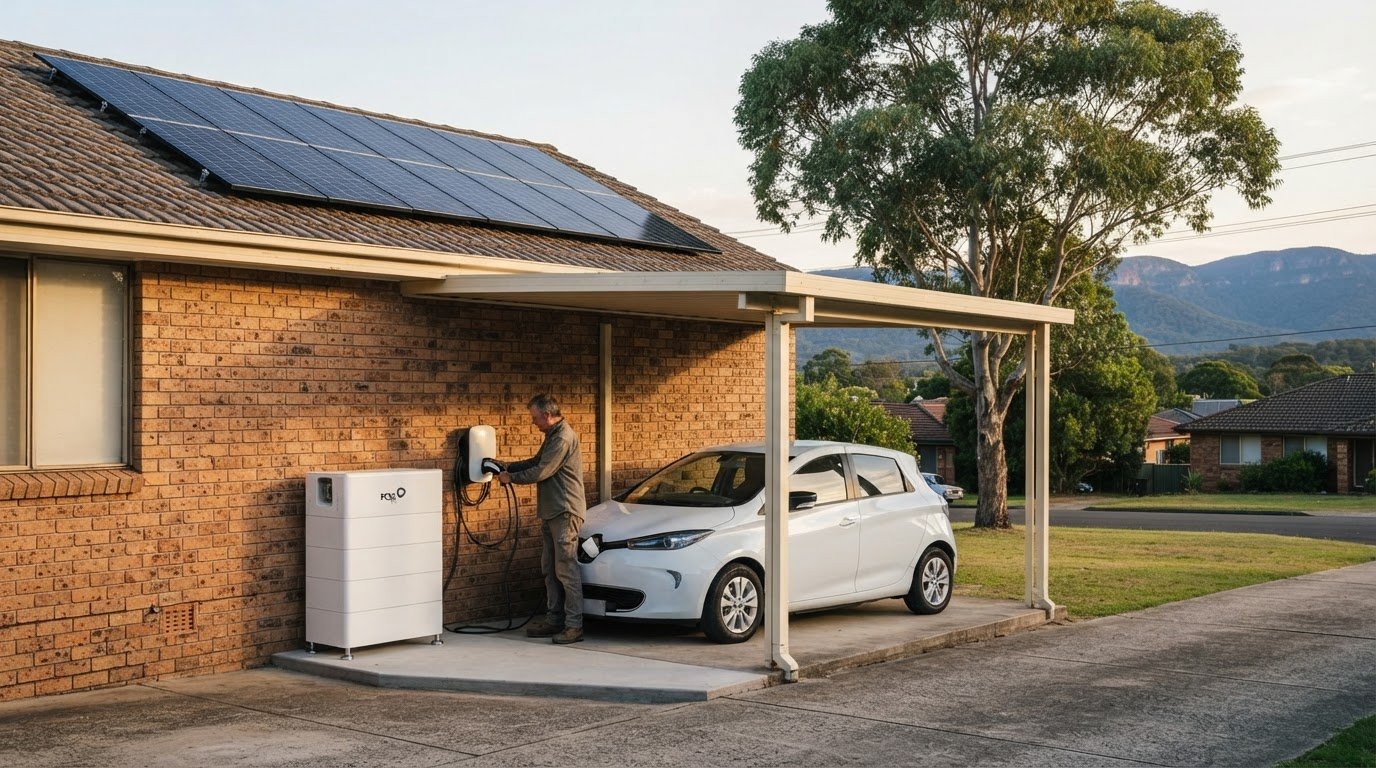
Battery ownership can change when your home uses its solar energy. The battery stores excess daytime generation, then supplies electricity when panels aren’t producing, lifting self-consumption. In one example, Sangita’s 6.6 kW solar-only system saved A$1,600 in an average year, while her solar-and-battery setup saved A$2,100 per year. Those examples don’t establish a payback for every household: a battery’s upfront cost may not be recovered within its lifetime. One example battery held 8 kWh and had a 10-year warranty, but capacity, use and warranty conditions matter.
A virtual power plant (VPP) links participating batteries to support the electricity grid. Joining may affect battery life, backup availability or warranty conditions, so understand how participation could affect your household’s stored energy. Keep enough charge for your own needs if backup power is a priority.
To maximise solar self-consumption, shift energy use into the generation window. Run high-energy appliances, such as washing machines and dishwashers, during daylight, particularly between 10 am and 3 pm. This uses solar power at home instead of exporting it and buying electricity later.
On a time-of-use plan, a battery can discharge during peak periods to reduce grid imports at higher rates. It can also charge from off-peak grid electricity, but compare tariff rates and battery settings first. In summer, schedule cooling and other major loads around solar production where practical.
2. Should You Oversize Your Solar System?
A larger solar system may increase savings if your household uses more energy or exports surplus generation. But extra panels are an investment, so size the system around consumption, roof space and when you use electricity. The design should show how much generation may be used at home, exported or supplemented with grid electricity.
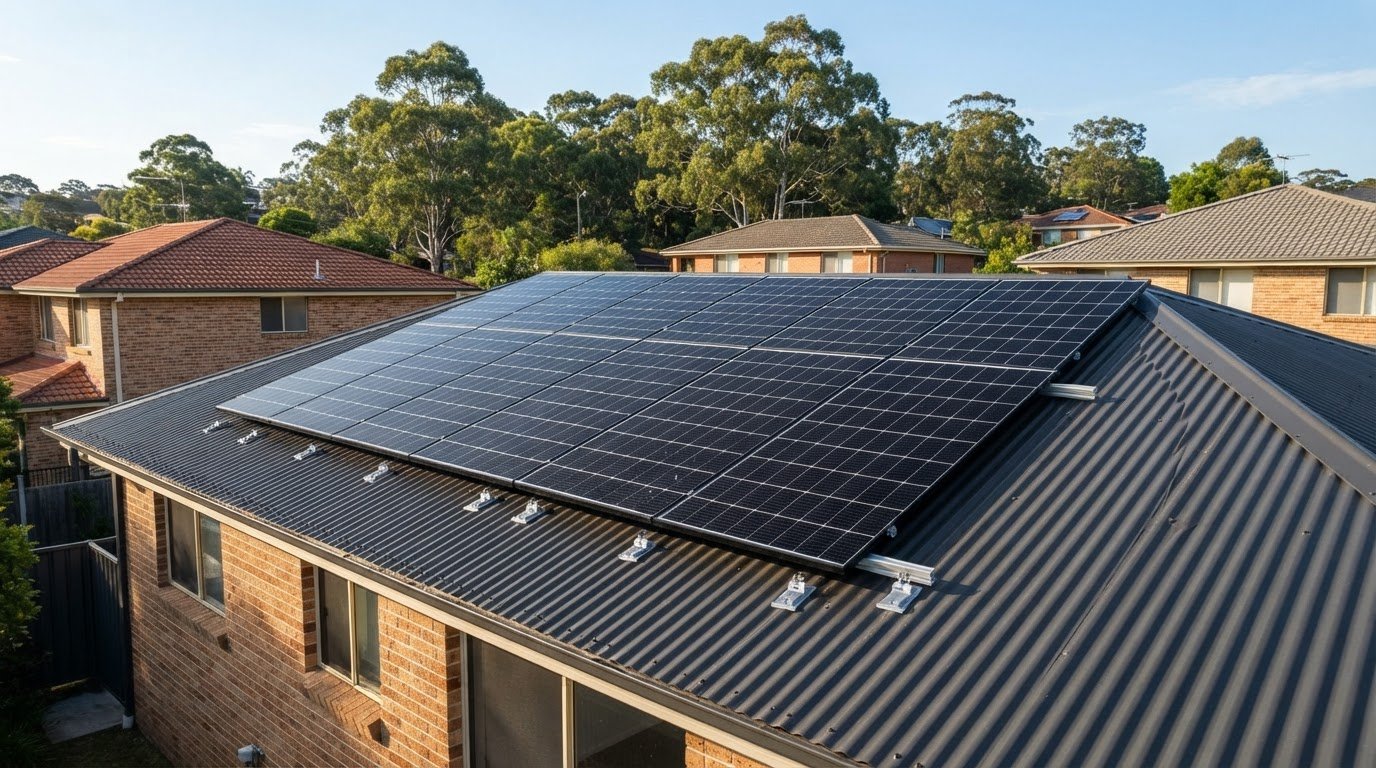
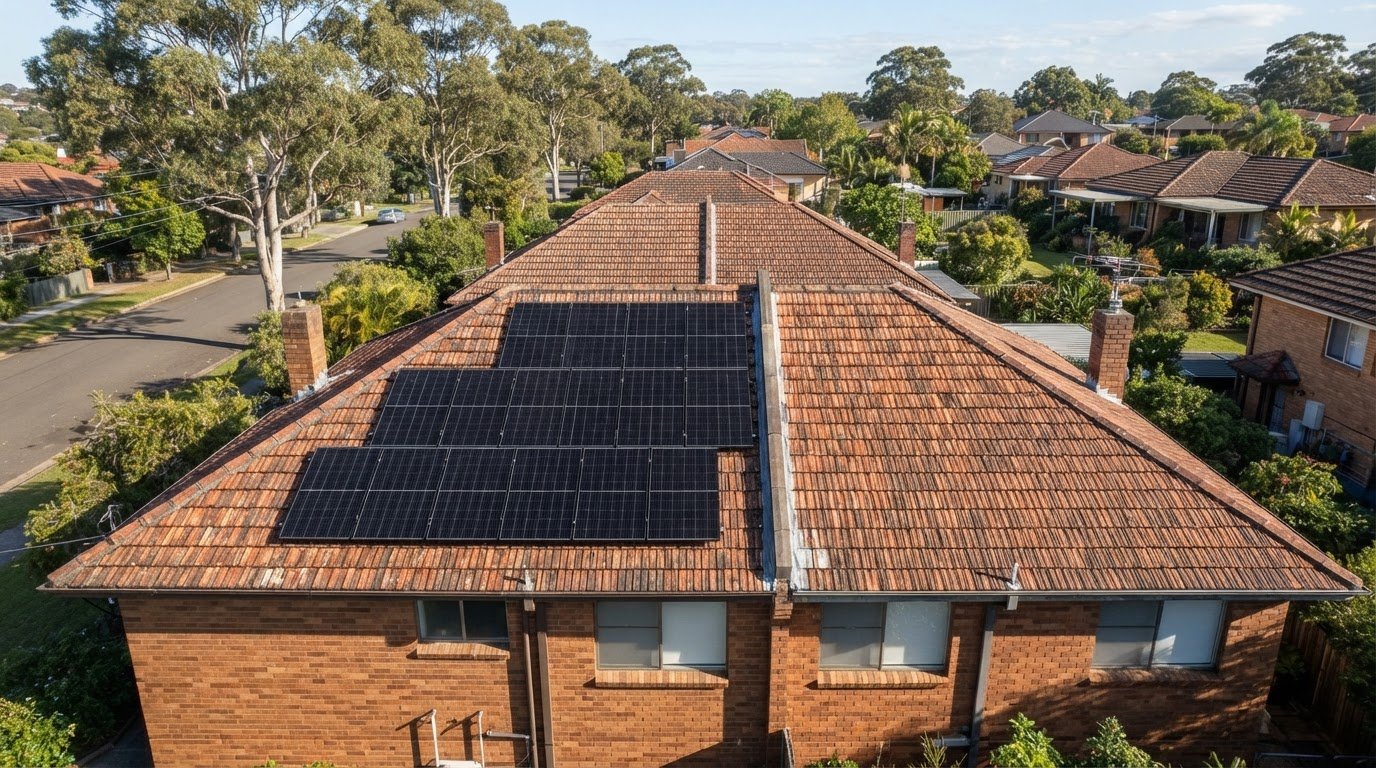
North-facing roof areas generally receive strong sunlight across the day. East- and west-facing panels can also suit households that use more energy in the morning or afternoon. Shading and usable roof area also affect the design.
Start with your electricity bills and retailer usage data, then note major appliances and daytime demand. A 6.6 kW system is a common starting size for Sydney homes and can suit smaller homes. Smaller homes with moderate energy needs may suit 3–5 kW, while medium to large homes may need 10–13 kW. The right choice depends on actual consumption, not household size alone.
Review the performance estimate for expected generation, roof orientation, shading and seasonal variation. Solar panels produce less on cloudy or rainy days than on clear days. About 1.5 kW of extra panels may be needed to export another 6 kWh daily towards offsetting the NSW supply charge, but those exports earn less value than electricity used at home.
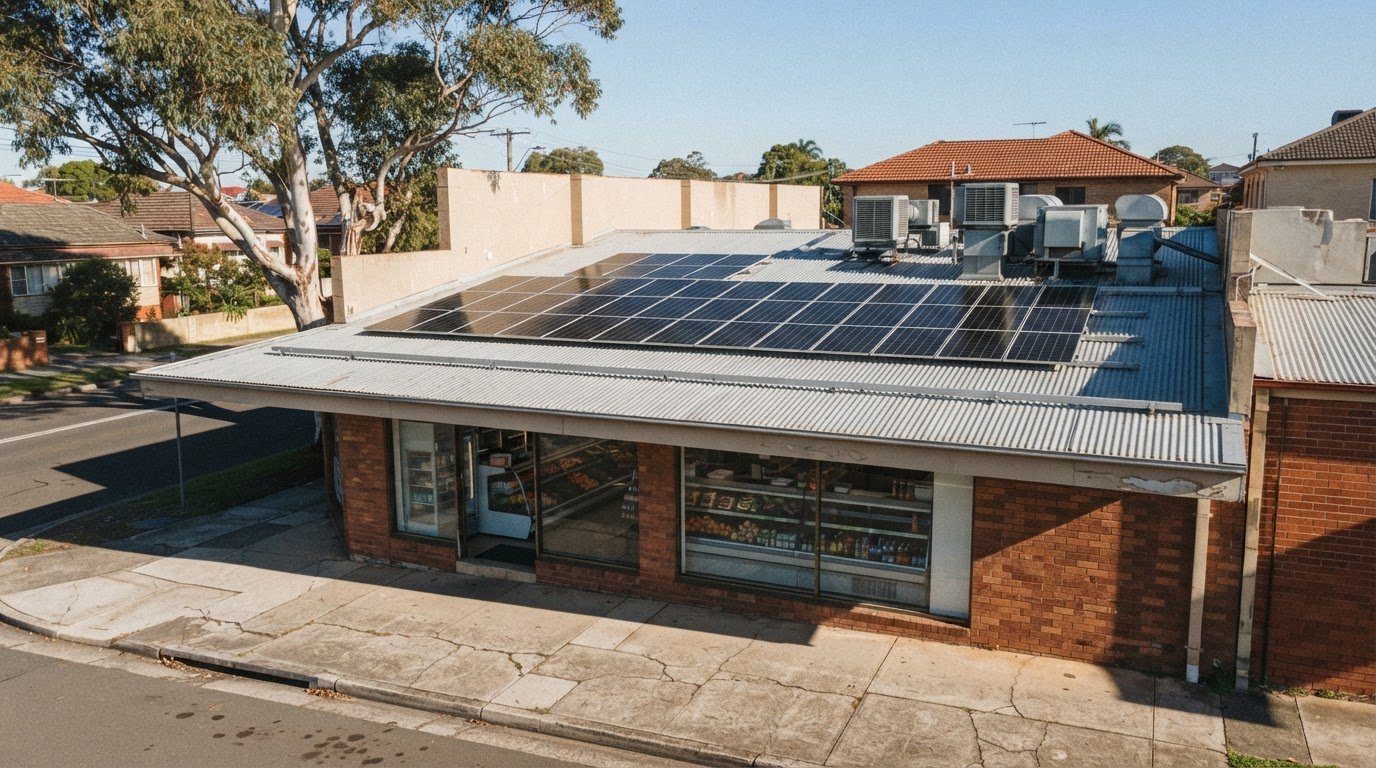
For businesses, system size should reflect operating hours and energy demand. A system that generates mainly when the premises are closed may export more excess power than one matched to daytime use.
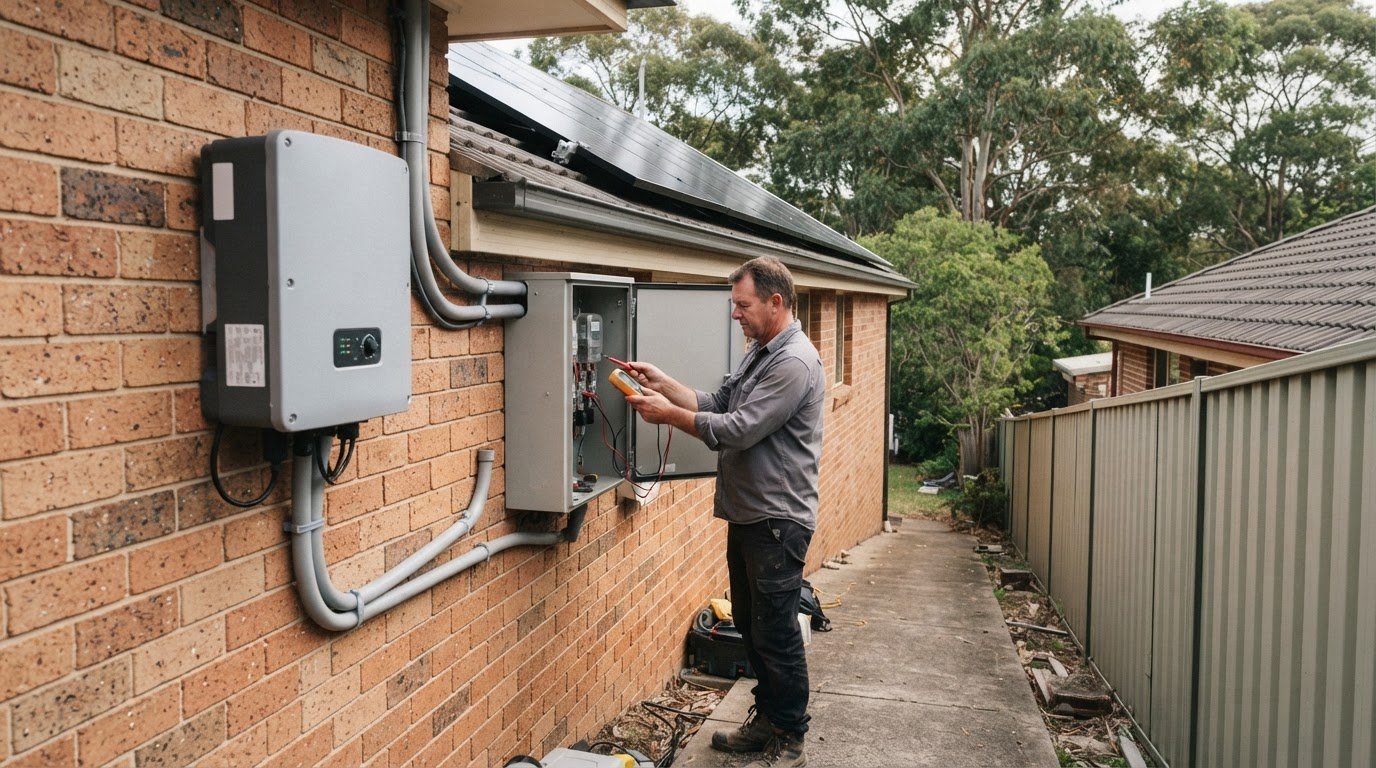
If output falls below the estimate, review inverter alerts and compare generation across sunny days before arranging professional servicing. Installation and solar panel warranty terms vary, so check what each covers, including equipment and workmanship. Solar panels can have a lifespan exceeding 25 years, making the design and warranty terms relevant to long-term value. For help investigating system performance, solar system servicing can identify faults that affect generation.
3. Can Solar Really Eliminate Your Power Bill?
Solar can substantially reduce grid electricity use, but a zero bill isn’t assured. To understand how to reduce my electricity bill with solar in Sydney, compare the value of using each unit at home with the credit earned for exporting it.
Feed-in tariffs have changed over time. Check your current plan’s export credit alongside its import rates. A higher feed-in tariff may not deliver the best overall value if grid electricity costs more when your home needs it.
Supply charges can also remain after solar installation. Exporting an additional 6 kWh per day could offset that charge, although the credit depends on your retailer’s tariff. This illustrates why export volume alone doesn’t determine whether the bill reaches zero.
Time-of-use tariffs apply different rates across the day. Off-peak hours are described as 10 pm to 7 am, and peak periods can make evening imports more expensive. Use solar power directly during generation where possible, then review monitoring data to see when your household imports electricity. That comparison can guide changes to appliance schedules and help assess whether your current tariff suits your consumption.
Separate upfront incentives from ongoing export credits. The federal Small-scale Renewable Energy Scheme provides an upfront discount on a solar system in 2026; feed-in credits instead depend on exported electricity and your retailer’s rate. Solar can reduce grid reliance, while supply charges and after-dark use may still leave a bill.
4. Solar incentives and related home energy upgrades
Pairing solar with efficient appliances can reduce the energy your household needs to buy. The federal Small-scale Renewable Energy Scheme (SRES) can reduce a solar system’s upfront cost. The federal battery discount is described as falling by about 16% on 1 January 2027, so timing may affect the incentive available for a battery installation.
In NSW, the Peak Demand Reduction Scheme (PDRS) provides upfront payments to households installing battery storage that can support the grid during peak demand. Consider how participation fits your need for stored energy and backup power. Incentives can help with upfront costs, but ongoing savings still depend on consumption, system design and appliance use.
Smart energy management can help align appliance use with solar generation. Review monitoring data alongside your household’s routines, then schedule flexible loads for periods when your panels are generating power. Predictive analytics can use generation and consumption patterns to guide those schedules, helping you avoid drawing expensive grid electricity when solar energy is available.
Cold washing is a practical change: heating water can account for up to 90% of a washing machine’s energy consumption. Use a cold cycle where suitable for the load and detergent. For drying, a 7-star heat-pump dryer can use over 60% less energy than a standard 2-star model, reducing the appliance’s demand over time.
Lighting is another upgrade to consider. Switching to LED lighting can reduce lighting energy use by up to 85%. Together, efficient appliances and solar can make more generated power available for household use, rather than exporting it. Some homeowners combining efficiency strategies with solar can reduce power bills by 80–90%, depending on their energy use and upgrades.
To assess whether your solar design suits these changes, arrange a solar system performance review and discuss how your appliances, generation and storage work together.
Sky High Solar and Electrical
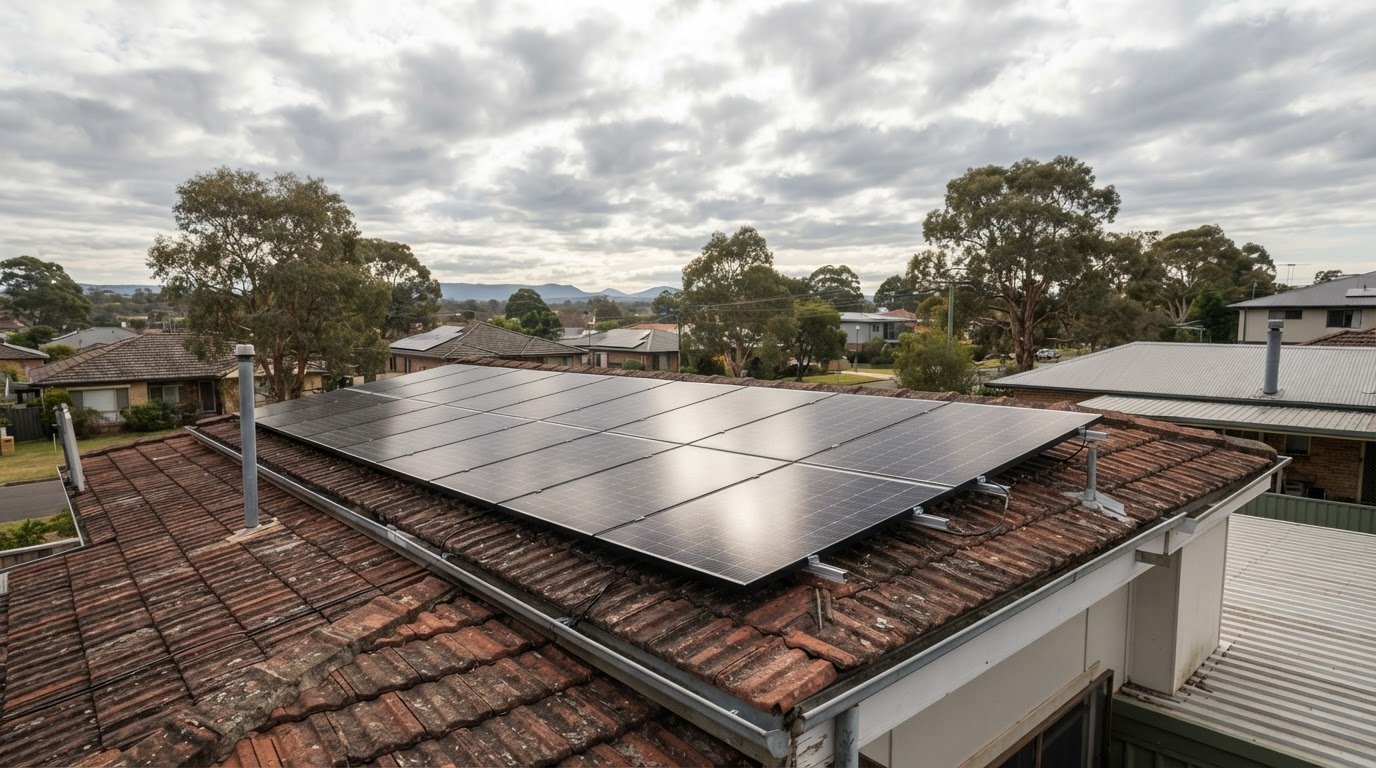
Sky High Solar and Electrical helps Sydney households assess whether their solar system suits their energy use and opportunities for lower grid reliance. If your current panels don’t align with your consumption, a 6.6kw or 10kw Solar Panel Installation can be considered against your roof, usage patterns and future energy needs.
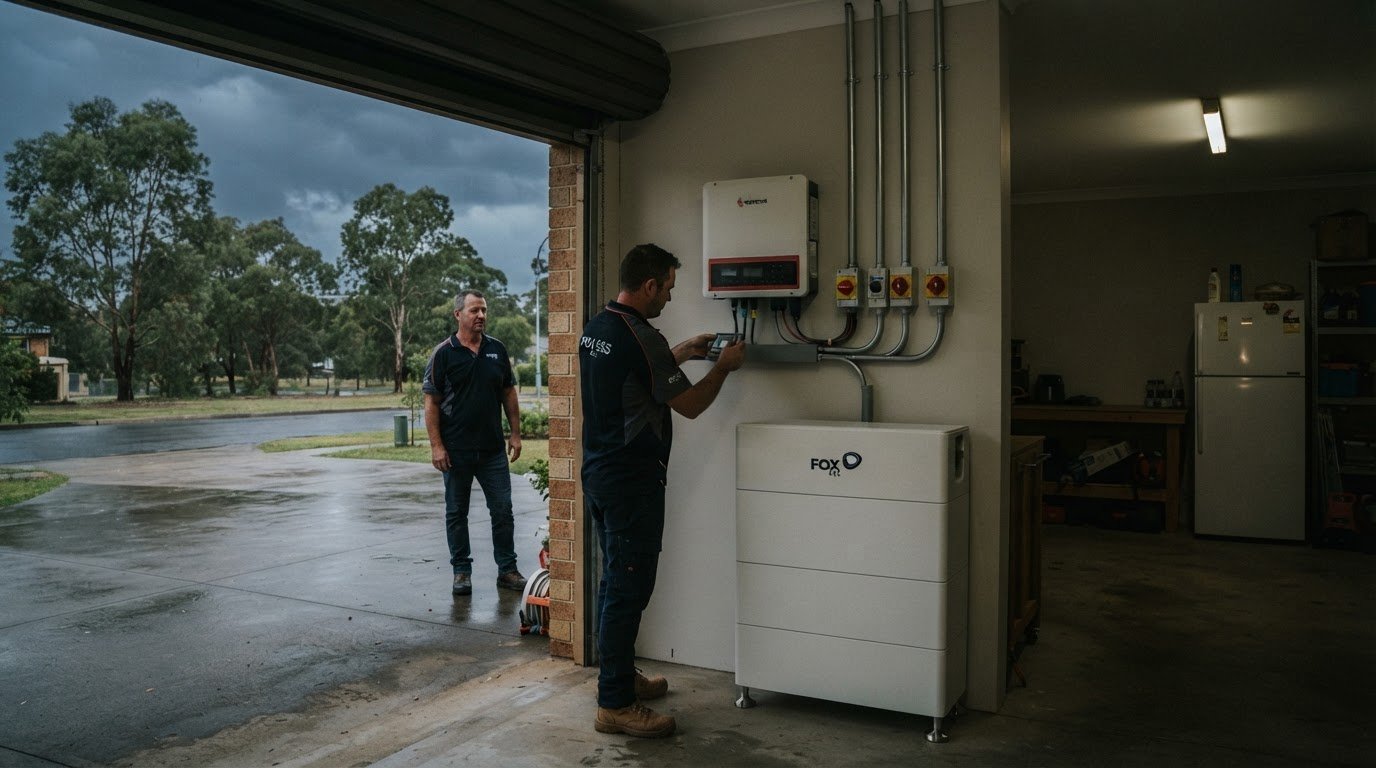
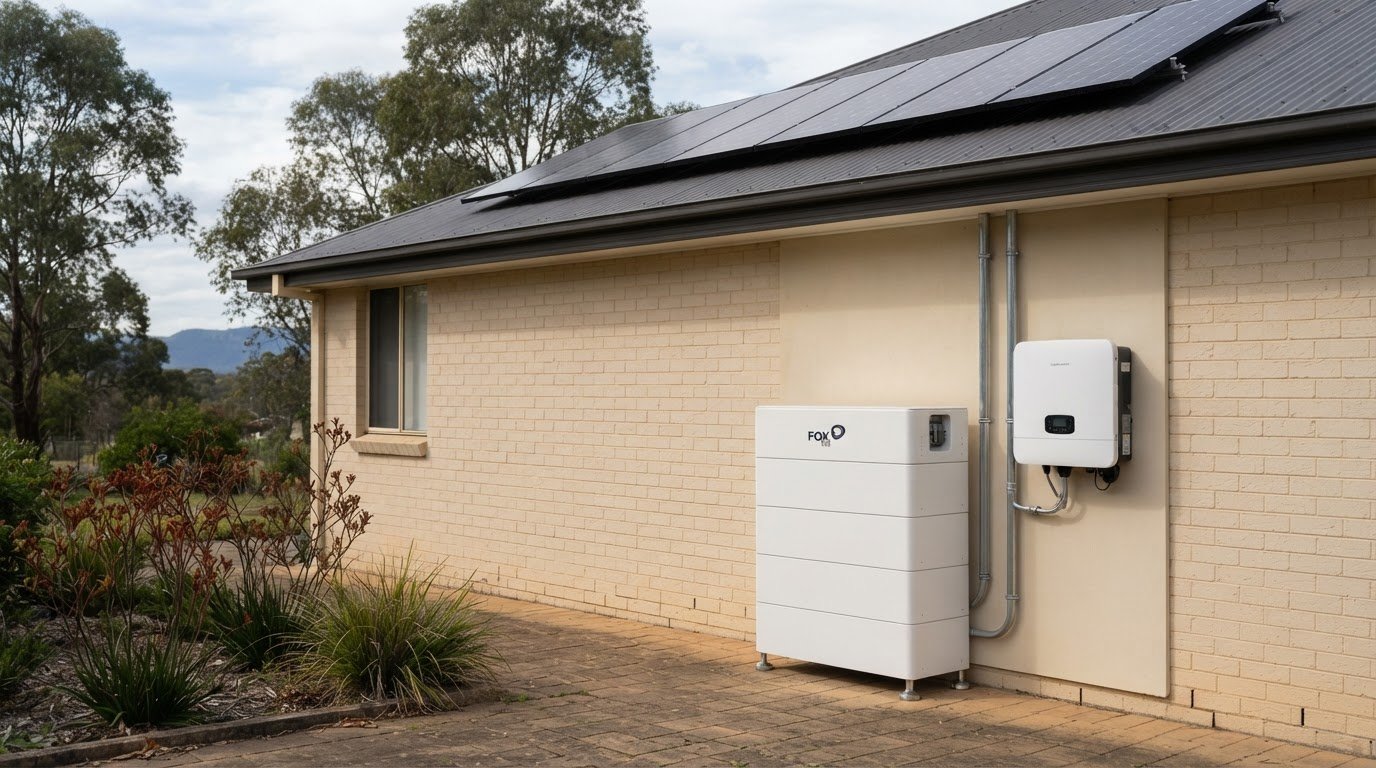
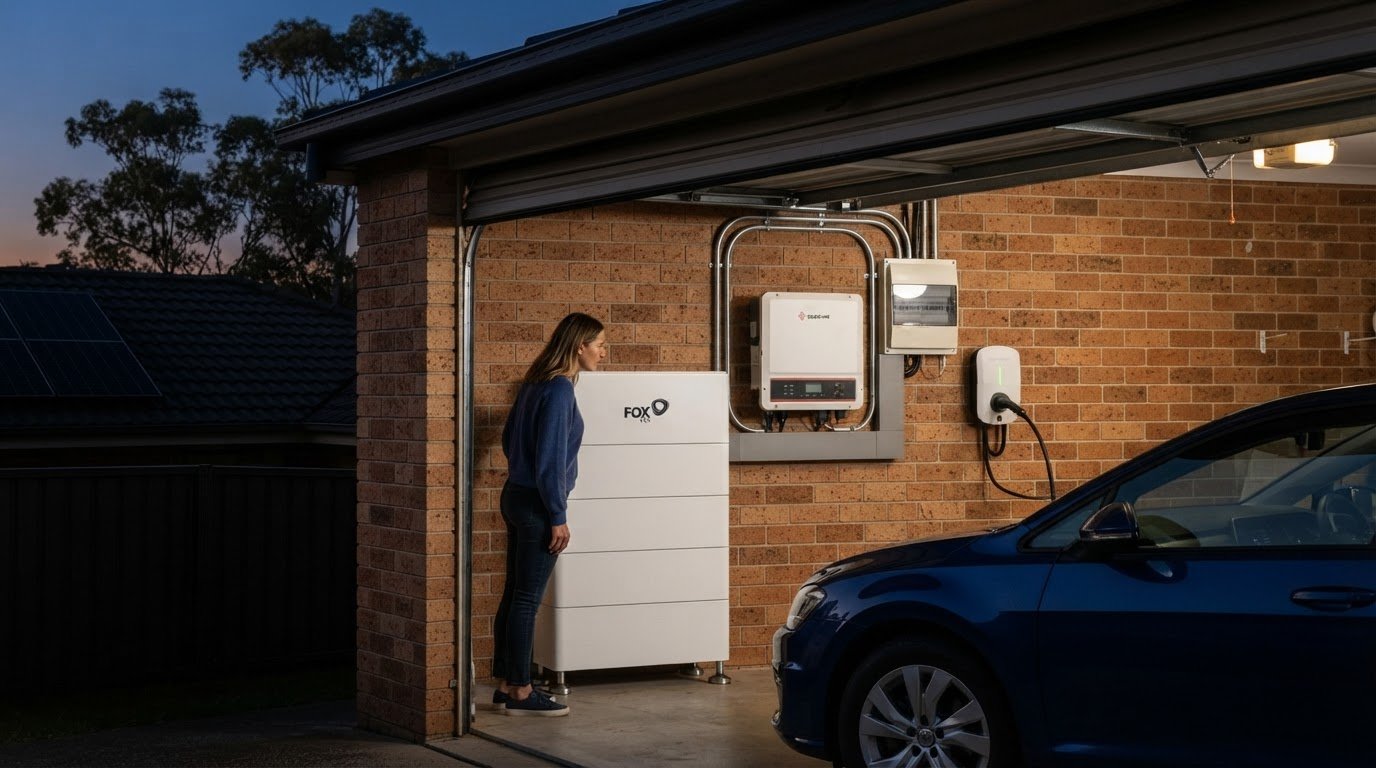
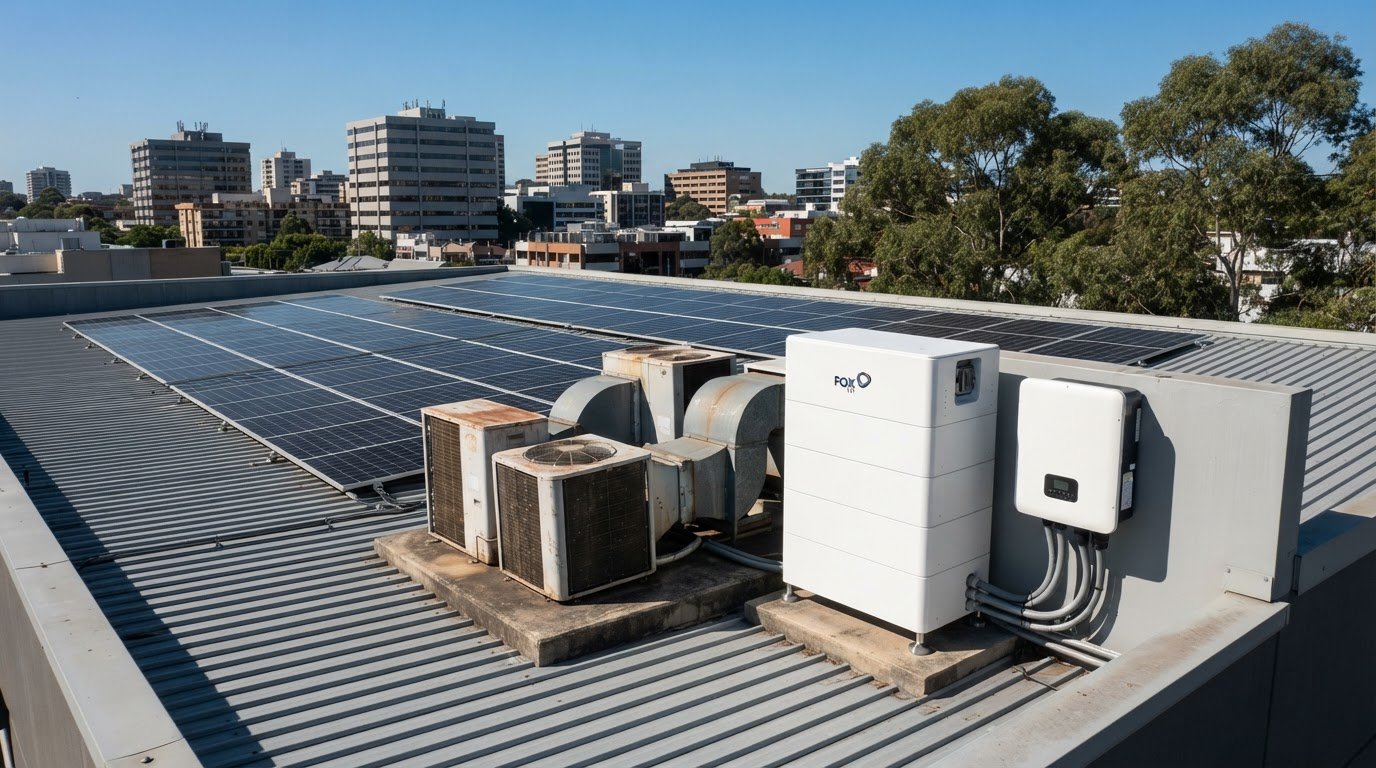
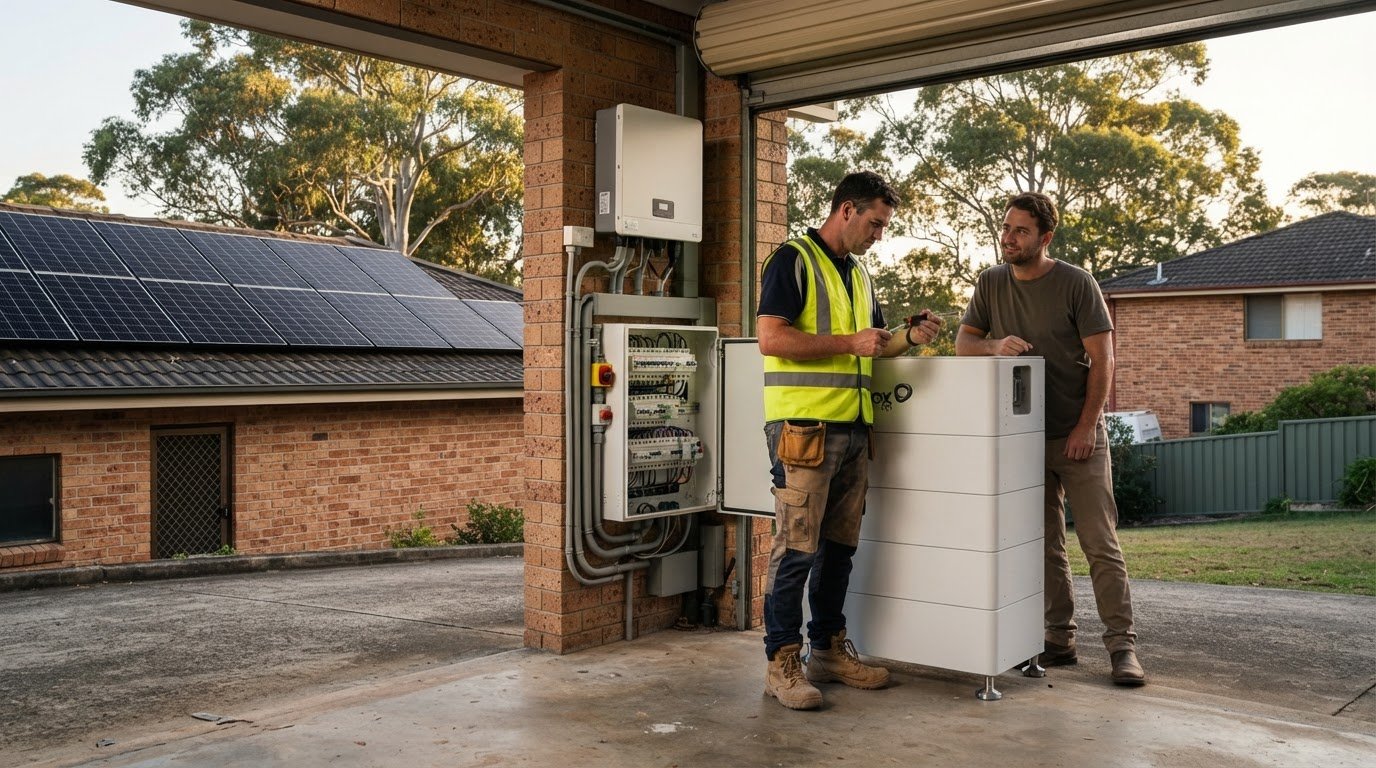
Where daytime generation exceeds immediate use, battery storage can hold solar energy for later consumption. Options include the FOX ESS CQ7 High Voltage Storage Battery and SigenStor Integrated Solar Inverter & EV DC Charger. The right configuration depends on how you use electricity, whether you need storage, and how charging fits your household routine.
If your existing system isn’t performing as expected, review its generation and your energy use before deciding whether an upgrade is appropriate. Sky High Solar and Electrical provides solar system servicing and can help you assess your system’s performance and electricity use.
Plan for the way your household uses energy next
The best next step is to make your solar setup fit how your household expects to use energy, not just how it operates today. A planned change, such as adding an electric vehicle or changing work patterns, can alter when you need power. Keep those priorities in view when deciding what to adjust, and measure progress against your goals for cost control, resilience and lower grid reliance.
That gives you a practical framework for how to reduce your electricity bill with solar in Sydney: connect your system’s role to your routines and future plans, then make changes with a clear purpose. You don’t need to make every upgrade at once. A considered plan can help you focus on the step that matters most to your home and avoid investing in capacity you won’t use. If you’re ready to plan what comes next, speak with Sky High Solar and Electrical. Take the next step at a pace that suits your home, with a clearer view of the outcome you’re working towards.
Frequently Asked Questions
Can Solar Really Eliminate Your Power Bill?
Not always. Even if solar covers nearly all your energy use over a billing period, your account can include charges unrelated to imported electricity. Compare average daily grid imports across similar seasons, rather than looking only at total bills. Billing periods can span different weather and household routines, so this comparison helps distinguish a change in solar performance from a temporary shift in consumption.
How Much Can I Realistically Save with Solar Panels in Sydney?
Treat this as an illustrative scenario, not a personal forecast. Your outcome depends on daytime use, weather, tariff structure and how much stored energy is available when your household needs it.
Is a Solar Battery Really Worth It in 2026?
It depends on how much grid electricity your household imports after solar generation ends. Review interval usage data across weekdays, weekends and seasons, then estimate how much of that demand a battery could cover. A household with little evening consumption may gain less financially than one with regular after-dark loads. Consider backup value separately from bill savings.
Should You Oversize Your Solar System?
It may suit your home, provided the design accounts for the inverter and your energy needs. The 133% oversizing rule allows solar panel capacity to be up to 133% of the inverter rating. Panel capacity and inverter rating are therefore different measures. Review the generation estimate across seasons and weigh extra panel area against your consumption profile and export value.
WHY ARE YOU BEING CHARGED FOR GRID CONSUMPTION WITH SOLAR?
A bi-directional smart meter records electricity consumption and exports separately. Its import readings show how much electricity your home draws from the grid, even while panels generate power at other times. Review meter data alongside appliance use to identify when imports occur. This can reveal whether grid consumption is concentrated in particular routines or spread across the day.
WHY IS MY ELECTRICITY BILL STILL HIGH AFTER GETTING SOLAR INSTALLED?
Standby devices can contribute to household consumption even when they appear switched off. Phantom loads can account for up to 10% of total household electricity use. Check which devices remain on standby overnight, then switch off equipment that doesn’t need continuous power. This reduces avoidable demand, helping solar generation cover a greater share of the electricity your home actually needs.