

 Sydney
 0452 243 240
Blog
Solar installer credentials: how to check licences and customer reviews

A polished quote and glowing reviews don’t prove that a solar installer is properly accredited or licensed. Knowing how to check a solar installer’s credentials means checking the individual installer’s Solar Accreditation Australia (SAA) status, not just the company name, and confirming the relevant electrical licence for work in NSW.
It’s reasonable to want confidence that your system will be installed safely and that you can access eligible small-scale technology certificates (STCs). SAA accreditation matters because accredited designers and installers are required for systems seeking STCs under the Small-scale Renewable Energy Scheme.
This guide explains how to check SAA accreditation, understand STC eligibility and NSW licence requirements, and assess a company’s experience and customer reviews. You’ll also learn to look beyond star ratings for signs of relevant solar work and reliable service, helping you make an informed choice for your Sydney home or business.
Key Takeaways
- Check the individual designer’s and installer’s current SAA accreditation, as accreditation belongs to the person, not the company.
- For rebate eligibility, confirm the system is designed and installed by appropriately accredited people and uses eligible products.
- In NSW, check that the electrical licence covers the work being performed, as well as confirming the installer’s relevant solar accreditation.
- Read customer reviews for recurring details about workmanship and communication, then consider whether the company has experience with projects like yours.
Do I need an accredited installer to claim rebates?
Yes. For Small-scale Technology Certificates (STCs) under Australia’s Small-scale Renewable Energy Scheme, the system must be designed and installed by appropriately accredited people.
The shift to Solar Accreditation Australia
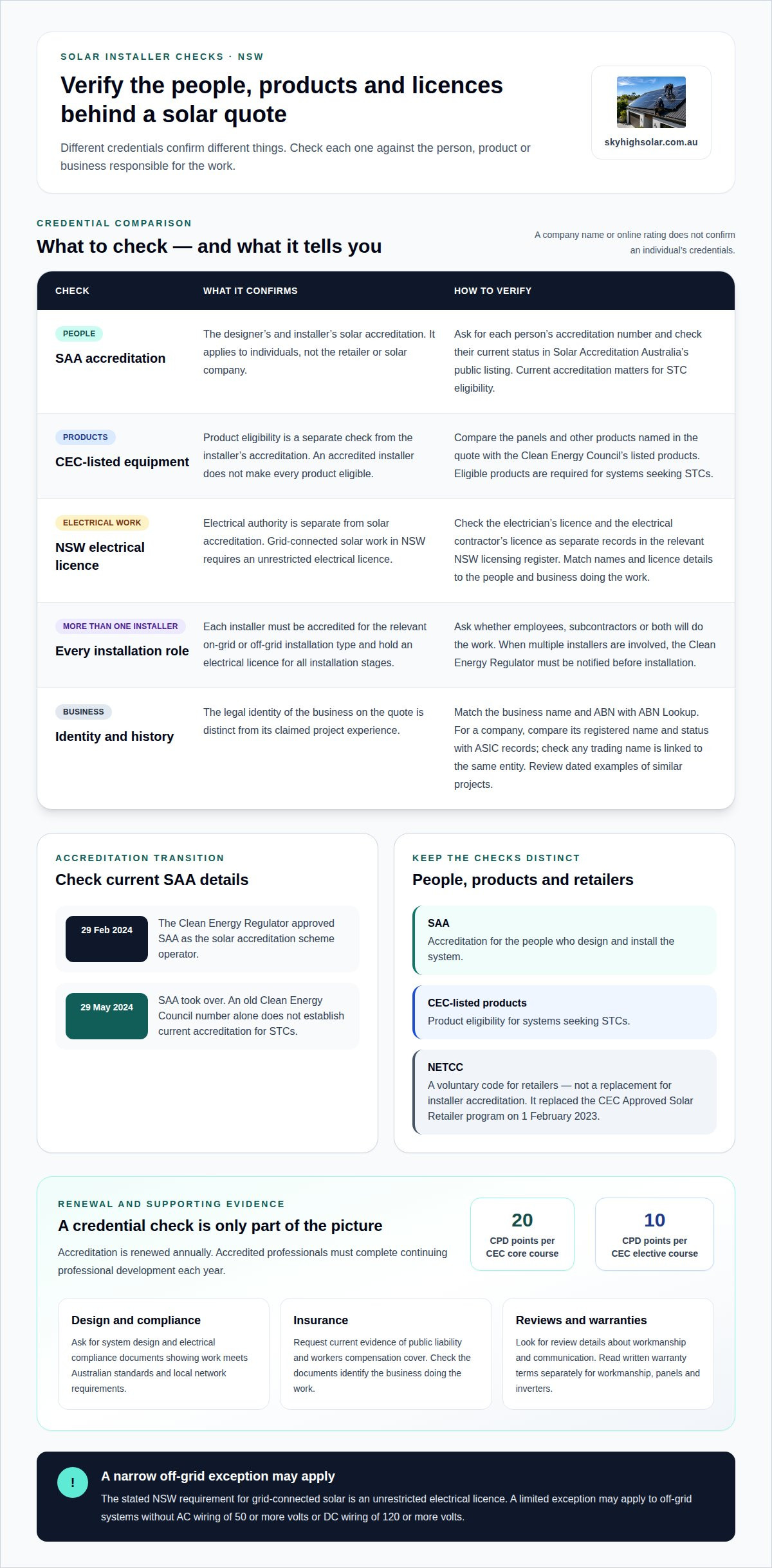
Solar Accreditation Australia (SAA) is Australia’s operator for solar installer and designer accreditation. The Clean Energy Regulator approved SAA as the scheme operator on 29 February 2024, and SAA took over on 29 May 2024. This transition matters because current accreditation details, rather than an old Clean Energy Council (CEC) number alone, determine eligibility for STCs.
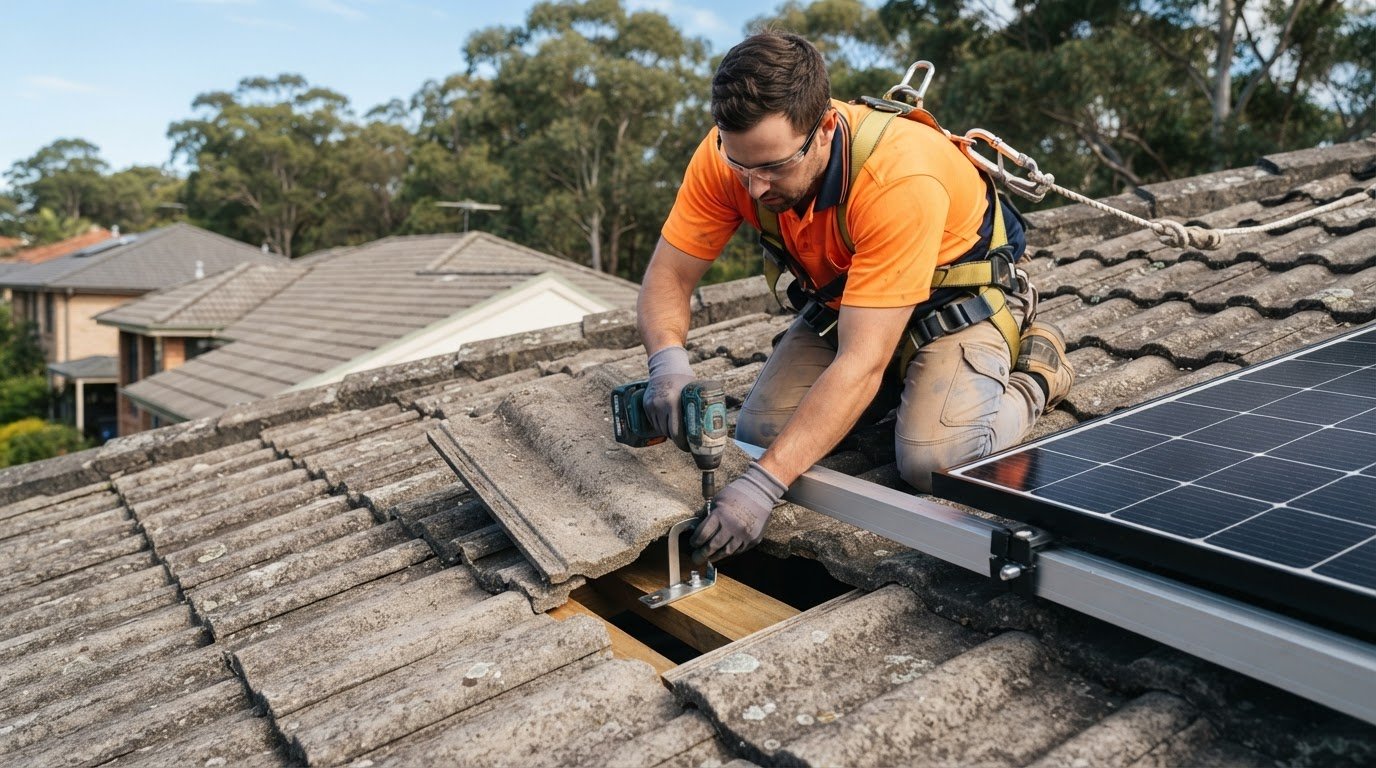
SAA accreditation applies to individual installers and designers, not the retailer or solar company. Ask for the person’s accreditation number, then check their current status in SAA’s public listing.
Installer accreditation and other approvals
Installer accreditation, approved products and business approval are separate checks. Solar Accreditation Australia (SAA) accreditation applies to the people who design and install a system, while Clean Energy Council (CEC)-listed products are required for systems seeking Small-scale Technology Certificates. Check that the products in the quote are listed: an accredited installer does not make every product eligible.
The New Energy Tech Consumer Code (NETCC) is a voluntary code for retailers, not a replacement for installer accreditation. The CEC Approved Solar Retailer program was replaced by the NETCC on 1 February 2023. Business approval and individual accreditation therefore serve different purposes.
Checking accreditation and STC authorisation
To check whether an installer is authorised for STCs, obtain their SAA accreditation number and verify their current status in SAA’s public listing. Accreditation must be renewed annually, and accredited professionals must complete continuing professional development each year. SAA recognises 20 CPD points for each CEC core course and 10 points for each CEC elective course.
For standards and grid connection, ask for the system design and electrical compliance documents. These should show that the work meets Australian standards and local network requirements.
For insurance, request current evidence of public liability and workers compensation cover. Check that the documents identify the business doing the work.
Review written warranty terms separately for workmanship, panels and inverters. Most accredited installers provide at least a five-year workmanship guarantee; some offer 10 years, while some panel performance warranties run for 30 years. Check the inverter warranty terms and the process for making a claim.
NSW electrical licence requirements
SAA accreditation and an electrical licence are separate credentials. Accreditation covers solar design or installation competencies; an electrical licence authorises electrical work under NSW rules.
For grid-connected solar in NSW, the stated requirement is an unrestricted electrical licence. A limited exception may apply to off-grid systems without AC wiring of 50 or more volts or DC wiring of 120 or more volts.
In NSW, tradespeople must present an electrician contractor licence and proof of Clean Energy Council accredited installer status. Check that the licence belongs to the electrician doing the work and covers the tasks involved. A company’s trading name alone does not establish an individual’s licence or accreditation.
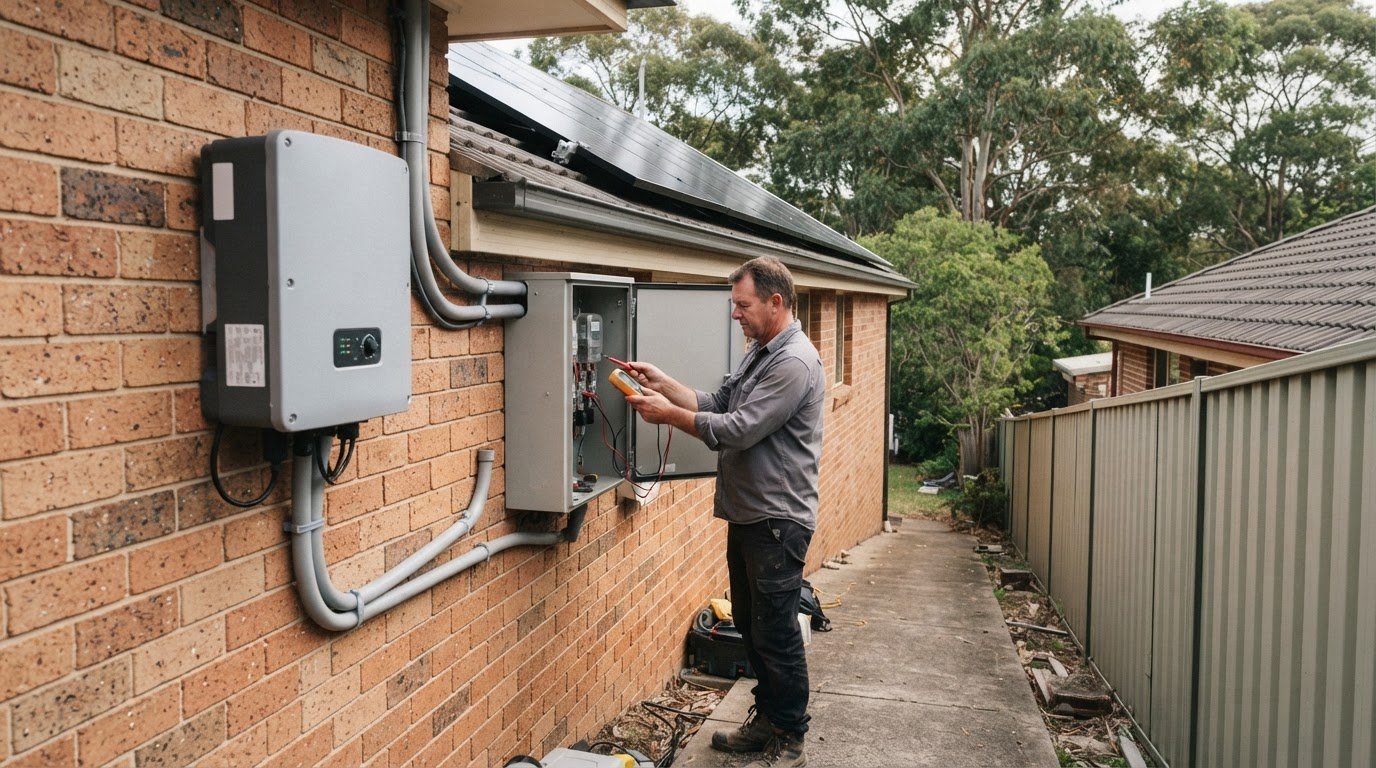
Check the electrician’s licence and the electrical contractor’s licence as separate records through the relevant NSW licensing register. Match the names and licence details to the people and business responsible for the electrical work. This is particularly important when the quote names one company but another contractor will carry out the installation.
Ask whether the installation will use employees, subcontractors or both. When multiple installers work on a small-scale system, each must hold accreditation for the relevant on-grid or off-grid installation type and an electrical licence for all installation stages. The Clean Energy Regulator must be notified before installation when multiple installers are involved.
These checks matter for safety and compliance, as well as Small-scale Technology Certificates under the Small-scale Renewable Energy Scheme. A designer’s credentials do not replace the installer’s electrical authority, and a Clean Energy Council credential does not replace a current NSW licence. Confirm who designs, installs, tests and commissions the system, then match each role to its required credentials.
Checking company experience and customer reviews
Company records, project examples and detailed reviews each reveal something different about a solar business. Consider all three: an impressive online rating alone says little about installation quality.
Verifying company details and trading history
Match the business name and ABN on the quote against the Australian Business Register’s ABN Lookup. For a company, compare its registered name and status with ASIC records, and check that any trading name is linked to the same entity.
Use registration details to establish the business identity, then assess its trading history separately. Look for dated project examples that identify the system type, panels and components installed. Ask whether the installers and designers responsible for those jobs still work with the business and whether it can provide relevant customer references.
These checks distinguish a company’s legal identity from the experience claimed in its marketing. A long trading history does not prove every crew member has the same experience, so compare examples with the work proposed for your property.
Read customer reviews for specific details, not just star ratings. A review describing an installation issue, communication and its resolution gives more useful context than a brief compliment. Look for recurring feedback about punctuality, workmanship, system performance and after-sales support across dates and platforms.
Check whether reviews describe comparable projects, such as rooftop solar with battery storage, and name the components involved. Installer accreditation concerns individual credentials; reviews show how customers describe their dealings with the business. Note how the company responds to criticism and whether its replies clearly address the issue.
Questions before signing a contract
Before signing, ask who will design and install the system, and whether any subcontracted crew will attend. Request the proposed panel and inverter models, installation scope, handover documents and process for resolving faults.
Request written warranty terms for workmanship and equipment, and clarify who handles each claim. Confirm the contract identifies the correct business entity and explains what happens if the agreed components or installation scope change. Clear answers help you assess whether the proposal matches the work and support described in reviews.
How to verify an Australian solar installer’s electrical licence?
An important part of how to check a solar installer’s credentials is verifying the electrical licence separately from solar accreditation. For grid-connect installer accreditation in Australia, applicants must provide a current electrical licence number. Use that number to check who is authorised to perform electrical work.
Search the electrical licensing register for the state or territory where the installation will take place. Compare the electrician’s name and licence status with the person identified for the job. Check any licence class or conditions against the quoted work, including wiring, connection and commissioning.
For a Sydney installation, focus on NSW requirements. The business name on a quote does not establish that the person doing the electrical work holds the relevant licence. Ask for the licence details of the electrician responsible, then check that the record identifies the same person.
- Match identities: Compare the licence holder’s name with the electrician identified for the project.
- Check the scope: Make sure the licence covers the proposed electrical tasks.
- Clarify the crew: Ask who will perform each stage if employees or subcontractors are involved.
If several installers are involved, record who handles installation, testing and commissioning. Each person’s role matters because electrical licensing and solar accreditation cover different requirements. A designer’s credentials do not establish the electrical authority of the person wiring the system.
For Sydney homeowners, how to check a solar installer’s credentials also includes keeping the compliance paperwork. In NSW, electrical work is documented through a certificate of compliance electrical work (CCEW). Check that the handover documents identify the completed work and responsible electrical contractor, then keep them with the system design and product information.
For help planning a solar project around its electrical requirements, discuss your solar installation with Sky High Solar and Electrical.
Sky High Solar and Electrical
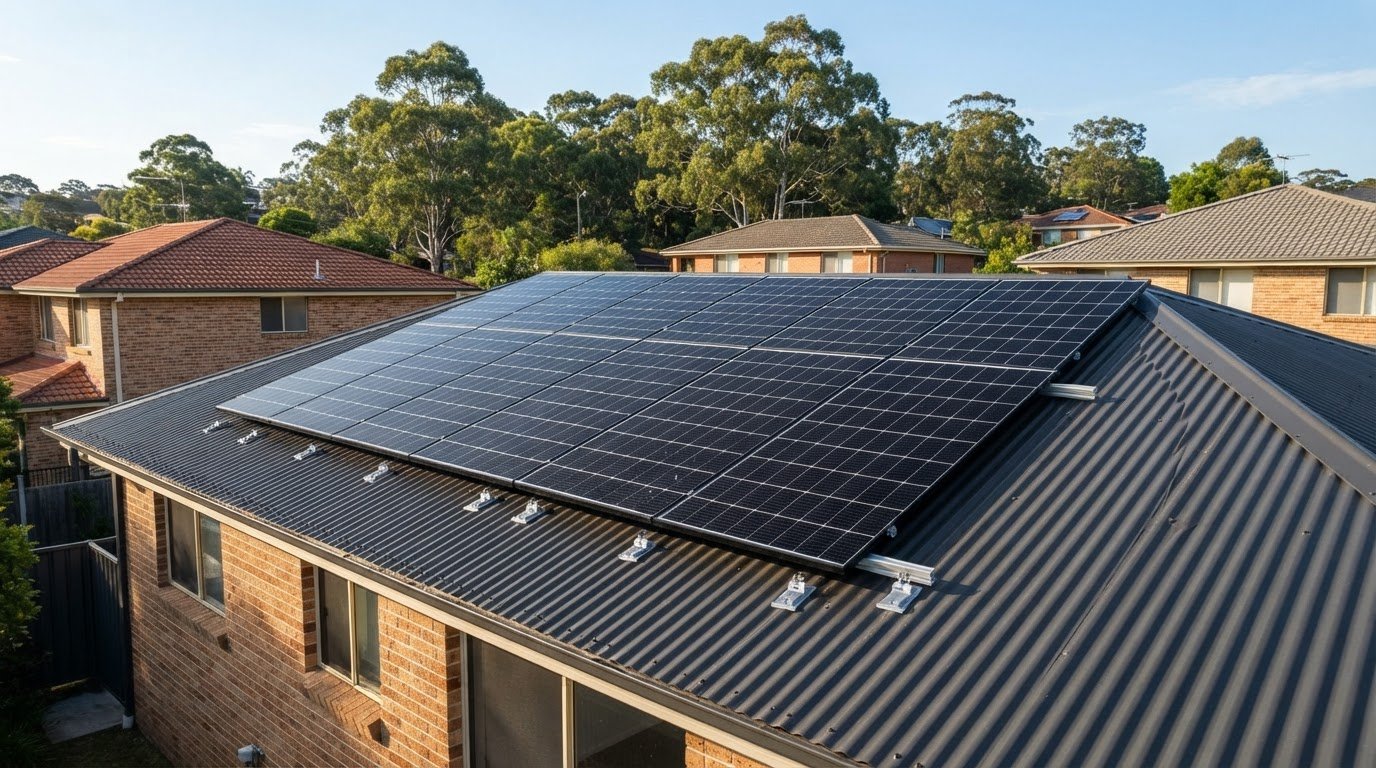
Sky High Solar and Electrical helps Sydney homeowners and businesses move from credential checks to a clearly scoped solar project. Its 6.6kw and 10kw solar panel installations provide options for different property requirements, while battery and integrated inverter choices can support broader energy plans.
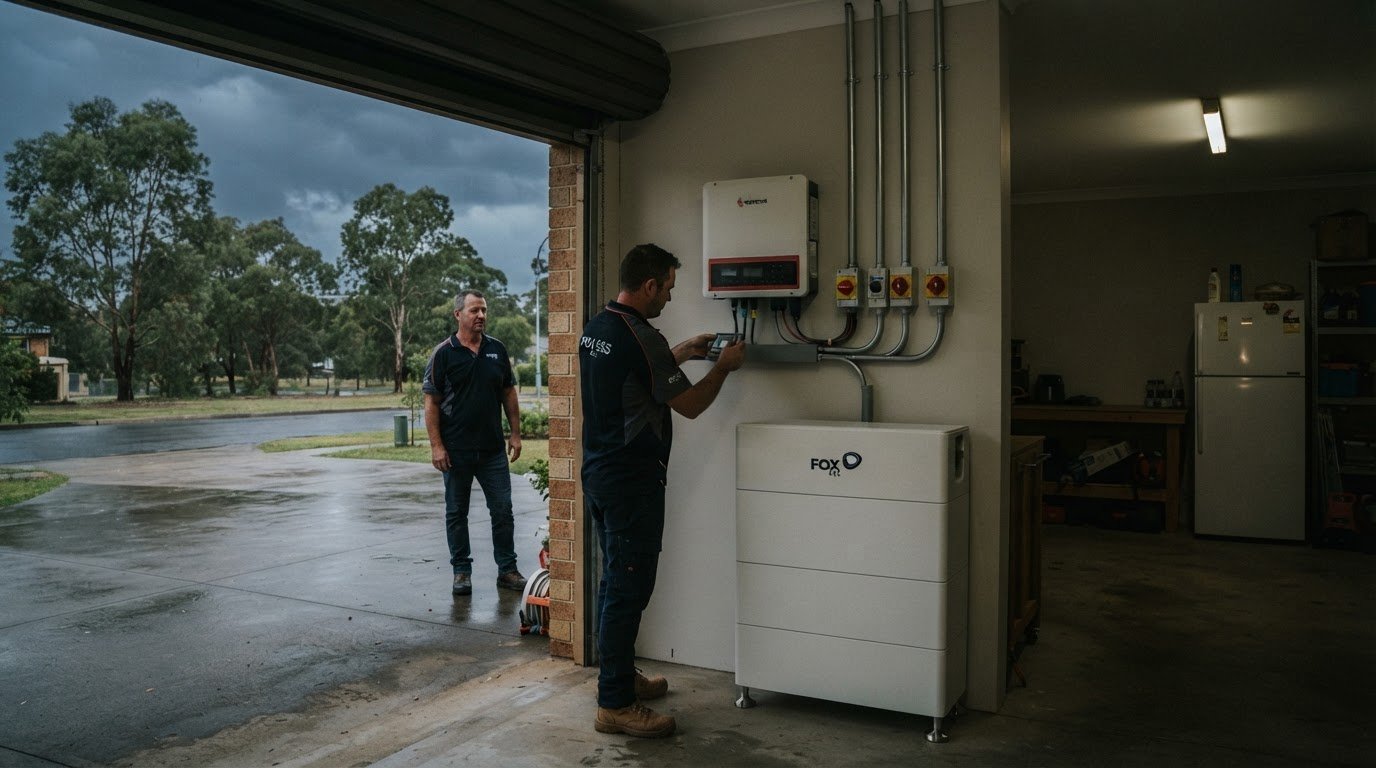
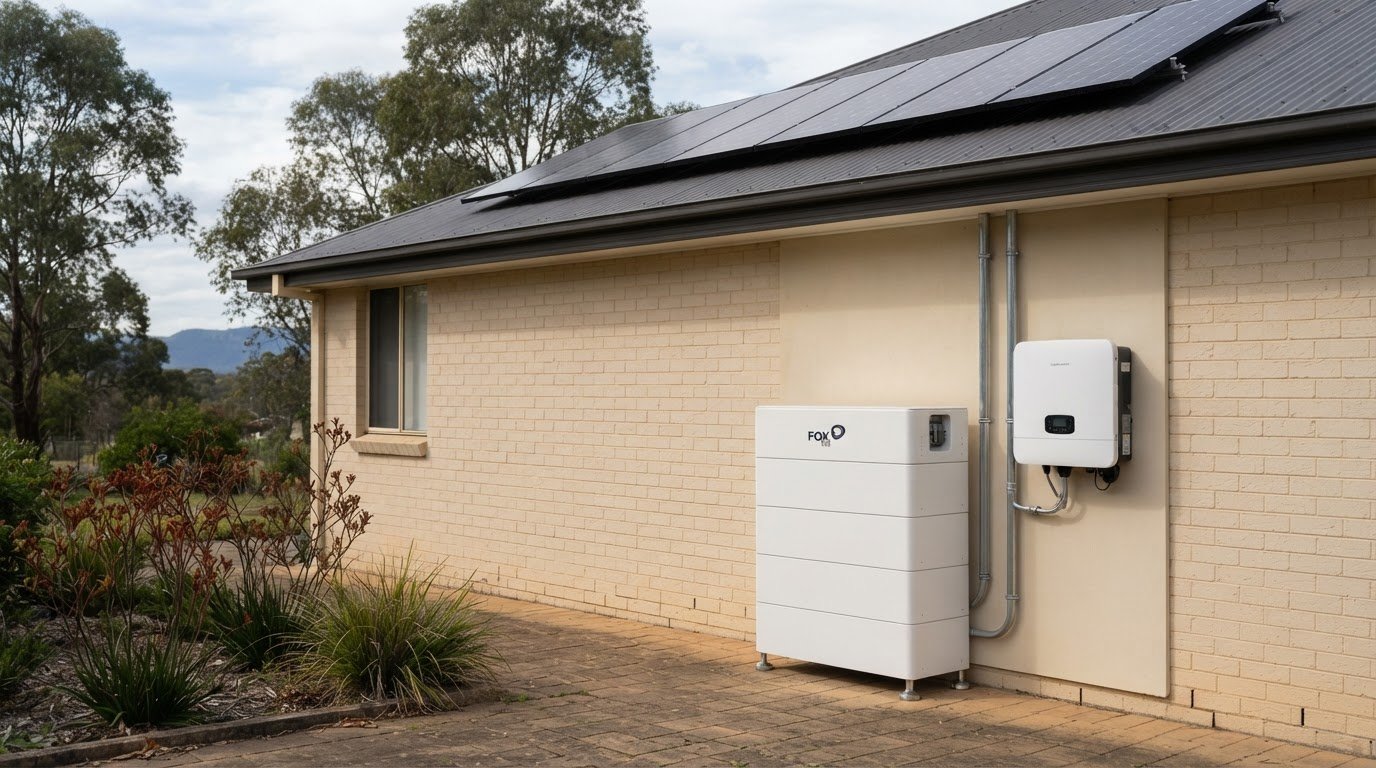
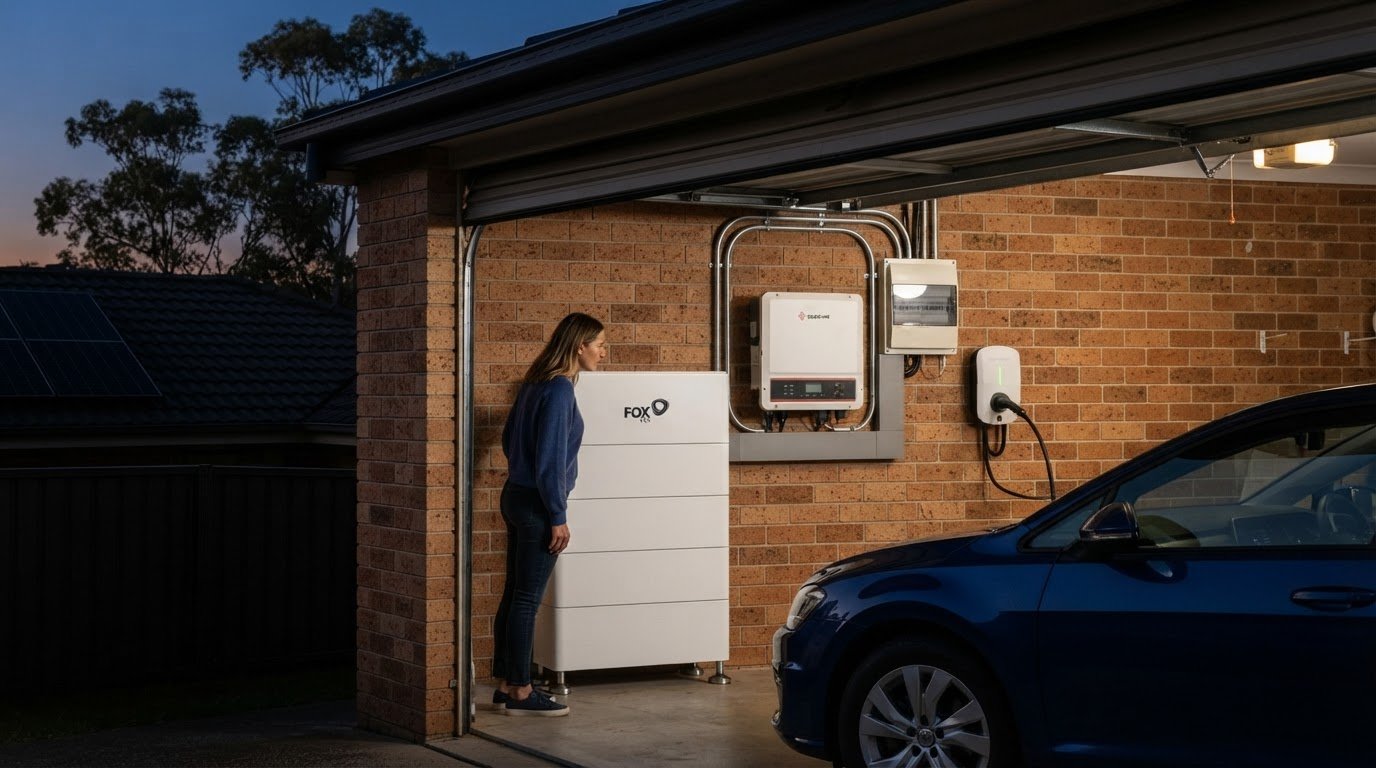
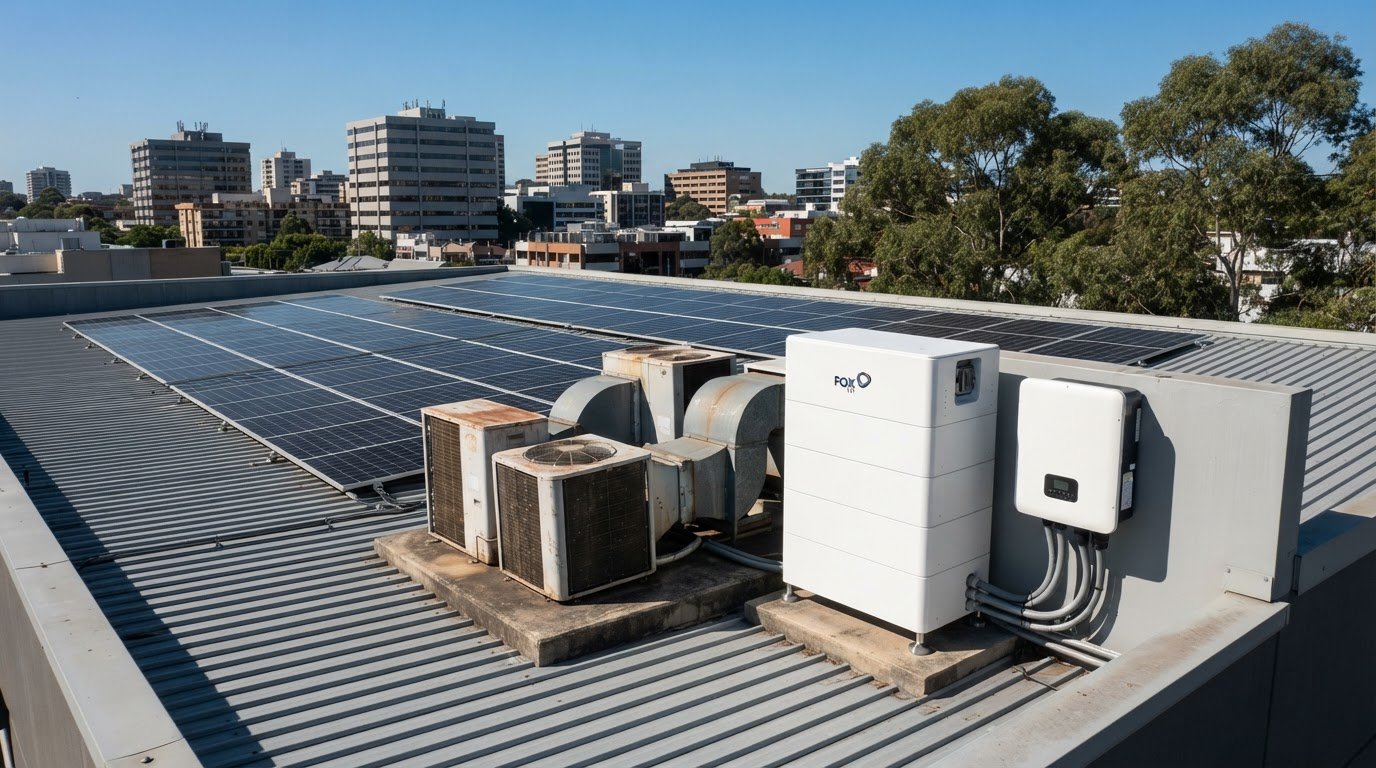
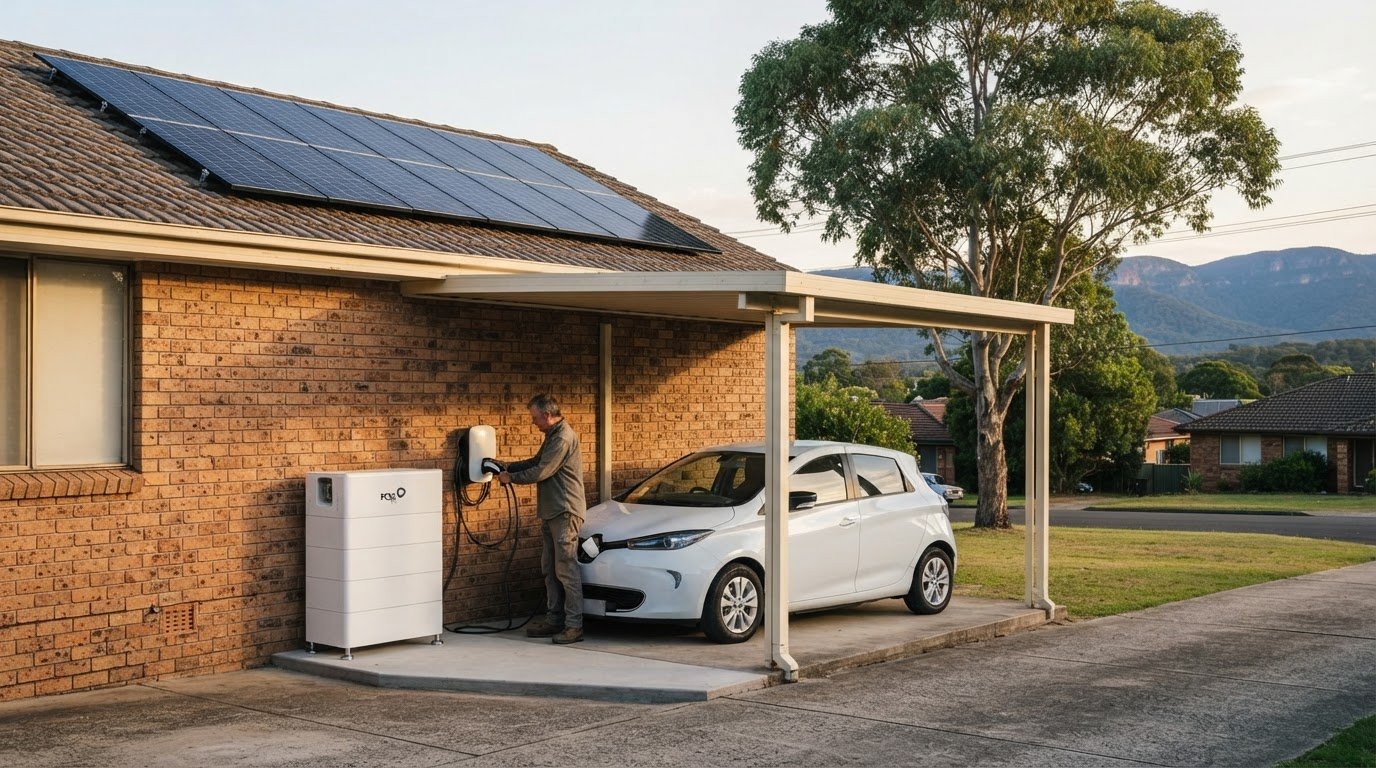
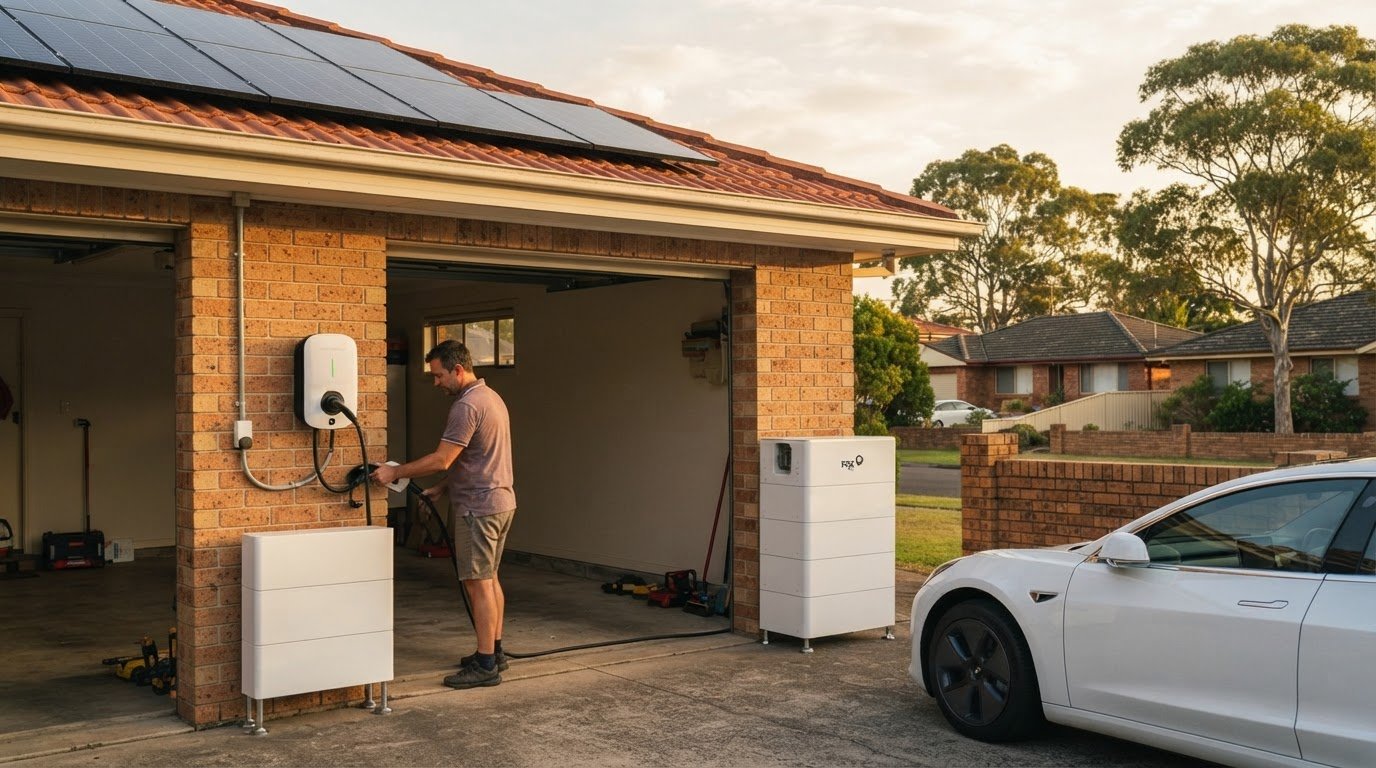
When you’re reviewing a proposal, understanding the system size, components and installation scope helps you assess whether it suits your property. Sky High Solar and Electrical can discuss these project details alongside options such as the FOX ESS CQ7 High Voltage Storage Battery and SigenStor Integrated Solar Inverter & EV DC Charger.
For a considered next step, contact Sky High Solar and Electrical to discuss your solar project.
Make your next solar decision with confidence
Connect your credentials checks with the system you actually need. A careful approach to how to check a solar installer’s credentials supports a clear project discussion: how your household or business uses electricity, what the proposed design includes, and which documents you’ll receive at handover.
Sky High Solar and Electrical offers 6.6kw and 10kw solar panel installations, as well as the FOX ESS CQ7 High Voltage Storage Battery. These options can help frame a conversation about system size and whether storage belongs in your plans. The right configuration depends on your property, energy use and priorities, so focus on getting a proposal that explains its choices in plain terms.
If you’re ready to discuss your solar project, contact Sky High Solar and Electrical and ask for a site assessment and itemised proposal covering system design, installation and handover documents.
Frequently Asked Questions
What Is SAA Accreditation?
Solar Accreditation Australia (SAA) accredits individual solar designers and installers in Australia. Accreditation indicates that the person has undertaken relevant training and meets the scheme’s requirements. A company representative discussing a system is not necessarily the accredited designer or installer who will do the work. Check the credentials of the people responsible for design and installation, not just the business name on the proposal.
What Does It Mean to Be a CEC Approved Installer?
It usually refers to an installer accredited through the former Clean Energy Council (CEC) program. Solar installer accreditation transitioned to SAA in 2024, so a CEC credential alone doesn’t establish current accreditation. A CEC accreditation number applies to installations completed before 29 May 2024, or until the installer received a new SAA accreditation number, whichever was earlier. For a current project, check SAA status.
What is a CEC Approved Retailer, and what replaced it?
A CEC Approved Retailer was a business recognised through the former retailer program, distinct from an individual installer’s accreditation. The New Energy Tech Consumer Code (NETCC) replaced the CEC Approved Solar Retailer program on 1 February 2023. NETCC is voluntary, and buyers aren’t required to purchase from an approved seller. Retailer approval and installer accreditation are separate checks, so one doesn’t establish the other.
How to check if a solar installer is accredited by Solar Accreditation Australia (SAA)?
Ask for the installer’s SAA accreditation number, then search for that individual in SAA’s public listing. Check that the listing shows current accreditation and covers the installation type, such as on-grid or off-grid work. If the project includes battery installation, confirm the person’s accreditation is relevant to that work. The company name alone will not identify an individual’s accreditation status.
What licences and accreditations are required for solar panel installation in Sydney?
For a Sydney installation, electrical work must be carried out by a NSW-licensed electrician. Check the contractor’s NSW electrical licence and confirm the individual designing and installing the solar system has current SAA accreditation for the relevant work. For grid-connected systems, also confirm the installer can meet the applicable connection requirements. Ask for a certificate of compliance electrical work (CCEW) when the electrical work is complete.
How to check solar installer reviews, complaints and disciplinary history in Australia?
Read reviews on more than one public platform and look for dated accounts describing specific issues, such as delays or a fault after installation. Compare the business’s responses for clear explanations and follow-up instead of relying on star ratings alone. For disciplinary information, search published notices from the relevant state electrical licensing authority. Use SAA’s listing to check accreditation status, not as a customer-review record.