

 Sydney
 0452 243 240
Blog
Hybrid Solar System Installation for Sydney Homes

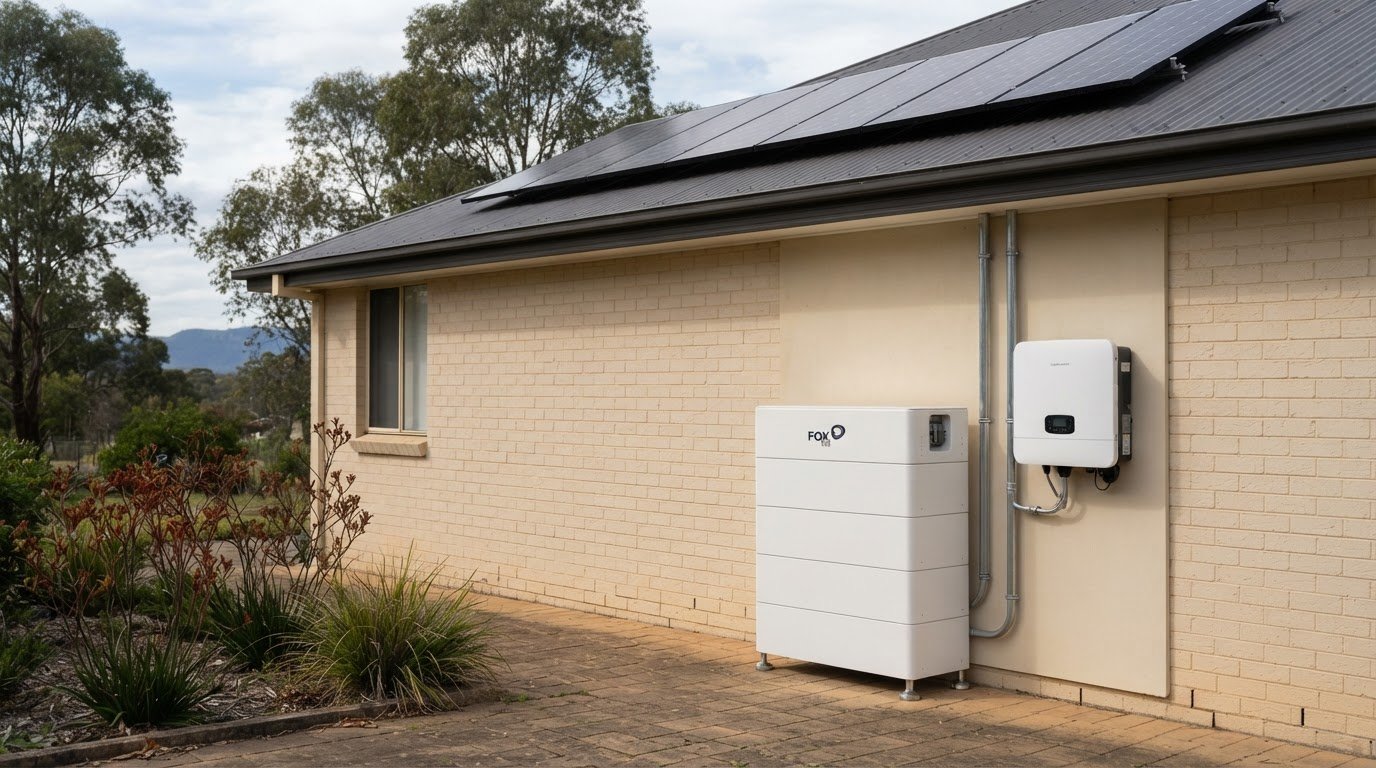
A home battery does more than store spare solar power. The value of a hybrid solar system installation in Sydney depends on how well the panels, inverter, battery and household energy use work together. Solar can power your home first, charge the battery with surplus generation and send any further excess to the grid. Stored energy can then help supply your home when solar production falls.
Look beyond battery capacity alone. Roof layout, switchboard requirements, when you use electricity and how the system connects to the grid all shape the design. Professional installation brings these details together so the system suits your home and supports your energy goals.
This guide explains how Sydney home solar and battery systems are designed and installed, what affects grid exports and which Australian and NSW incentives may apply. You’ll also learn what to expect during installation and how to assess the key decisions before moving ahead.
Key Takeaways
- Match your solar panels, inverter and battery to your roof layout and household energy use for a system designed around your needs.
- Use solar power at home first; surplus electricity may be exported to the grid for a feed-in tariff, depending on your plan and network rules.
- Explore solar and battery incentives before installation. According to the Australian Government Department of Climate Change, Energy, the Environment and, eligible battery capacity is between 5 kWh and 100 kWh, with the rebate capped at the first 50 kWh.
- Understand how system design, grid connection and eligibility affect your next steps before arranging professional installation.
Sydney residential solar and battery installation experience
For Sydney homes, a suitable solar and battery design depends on the roof, household usage and connection requirements. A 10kW system is estimated to generate 39.6 kWh per day in Sydney, though actual output varies with site conditions.
Local Installation Experience and Availability
Sydney properties range from detached homes to townhouses, with roof space, shade and switchboard layouts shaping each installation. A 10kW system’s estimated daily generation provides a useful planning reference, not a promise of household output. Local availability depends on the suburb, site access and the project’s scope. When assessing an installer’s experience, look for clear explanations of how the selected panels, inverter and battery storage fit your property and energy use.
Installation and Servicing Support
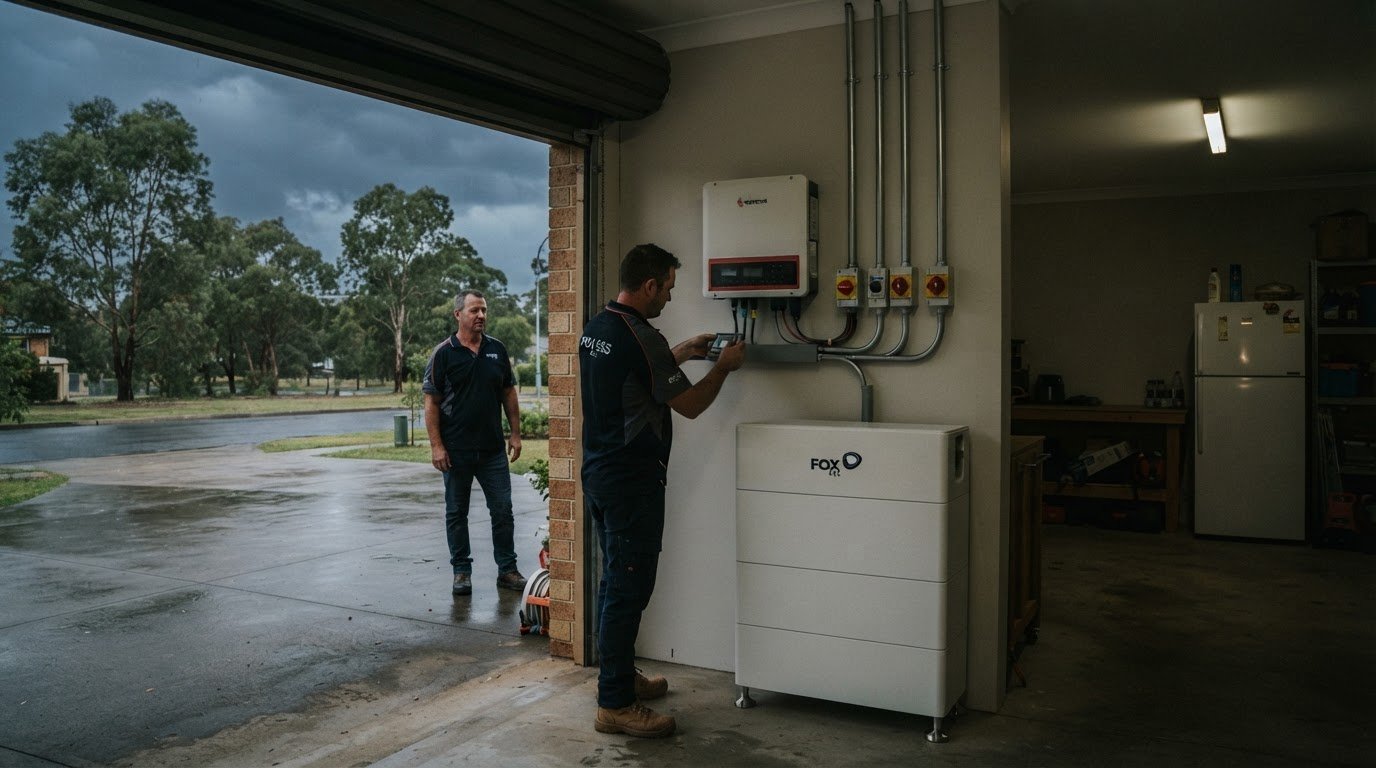
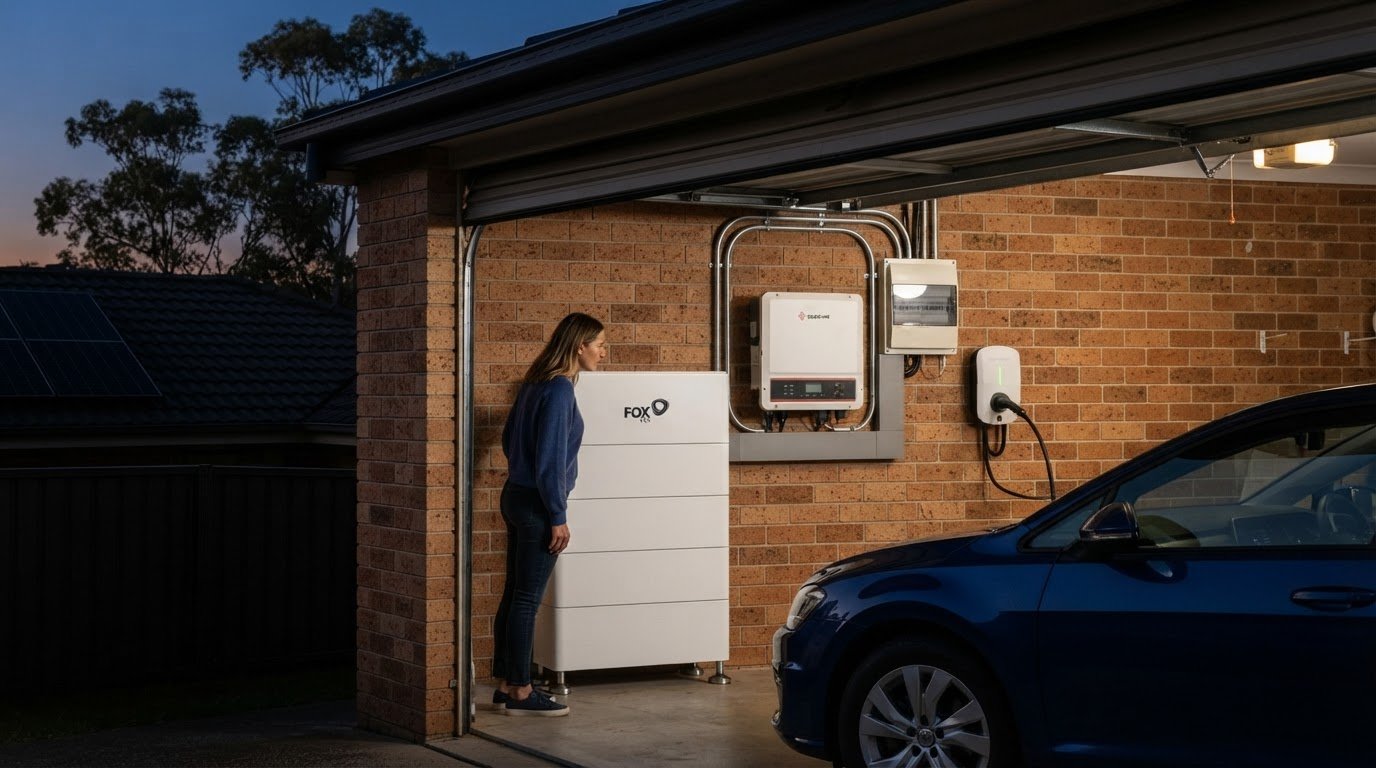
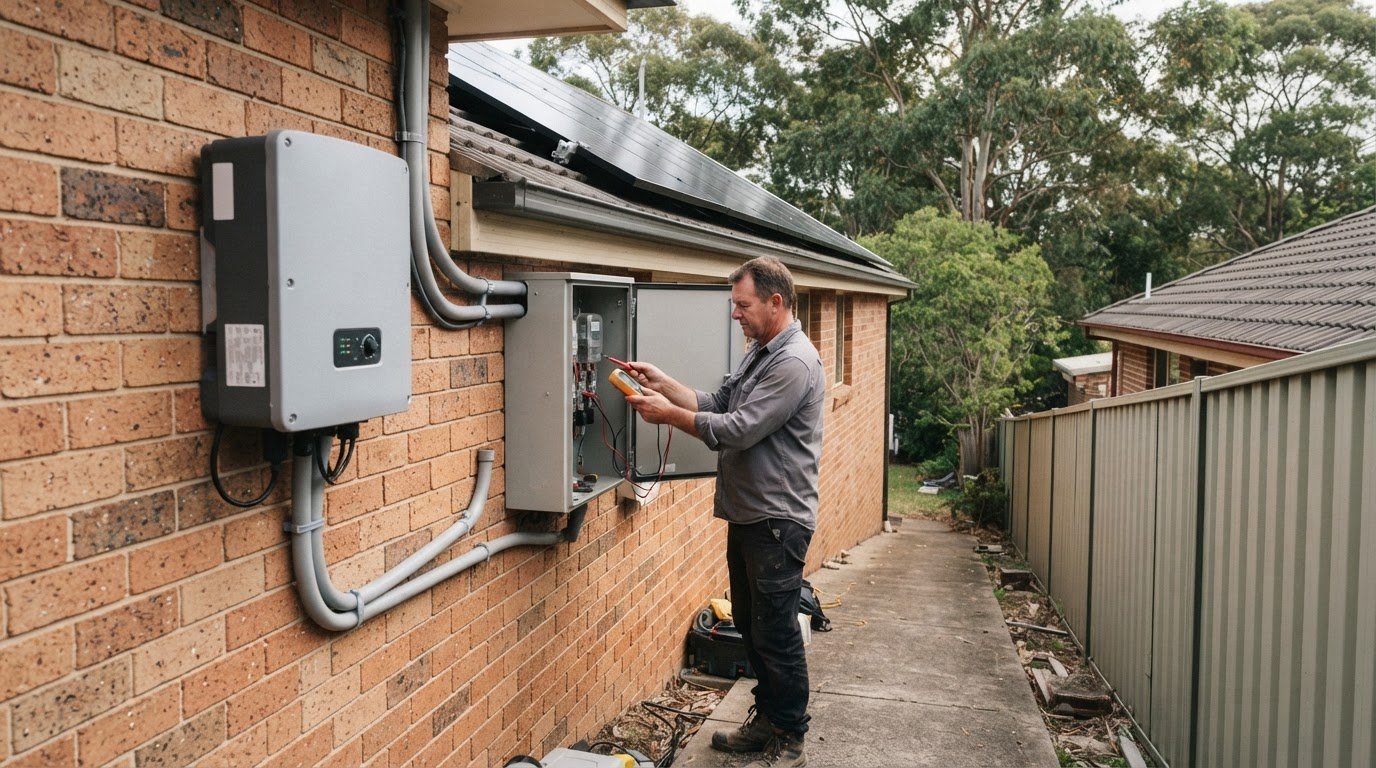
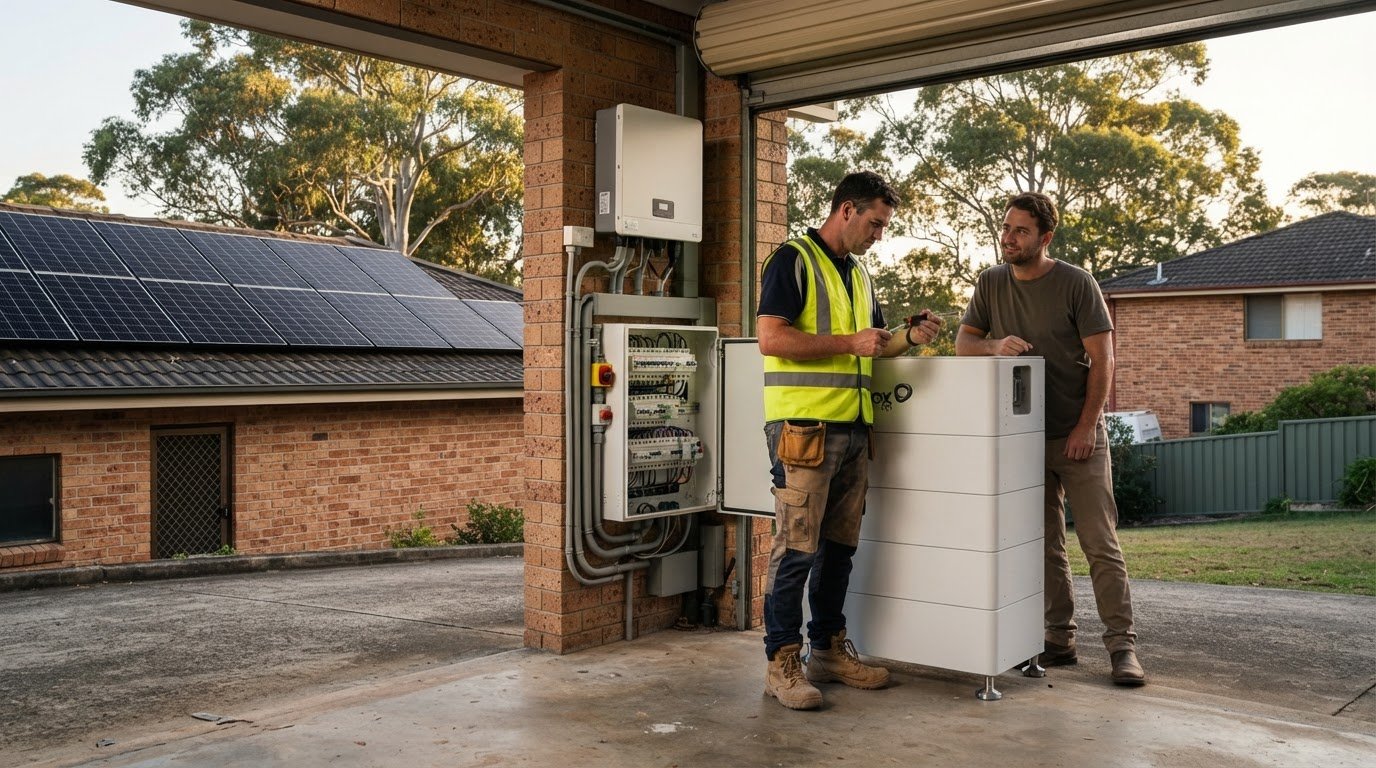
A residential installation combines roof-mounted panels, an inverter, battery storage and the electrical connections needed for the system to operate. AC-coupled batteries with integrated inverters can be added to many existing solar systems without major rewiring. Professional servicing can assess system condition and identify issues affecting generation or storage. Ask for a clear handover covering how the system operates, what its status indicators mean and where to direct servicing requests.
Approvals, Connections and Available Brands
Solar panel installation should be carried out by SAA-accredited installers. What approvals and connection rules apply to hybrid solar installation in Sydney? The connection process must account for local network requirements and the system design. Export settings and connection steps are addressed before commissioning.
Which hybrid solar and battery brands are available from Sydney installers? Options include Enphase, Tesla, FOX ESS, GoodWe and SigenStor. Product ranges differ, so the inverter and battery must suit the system design and household storage needs. Confirm that the proposed components are compatible and that the installation plan explains how they work together.
Residential solar system design and installation
For a hybrid solar system installation in Sydney, design starts with your roof, electricity use and storage goals. The panels, inverter and battery need to work as one coordinated system.
Rooftop Design and Installation
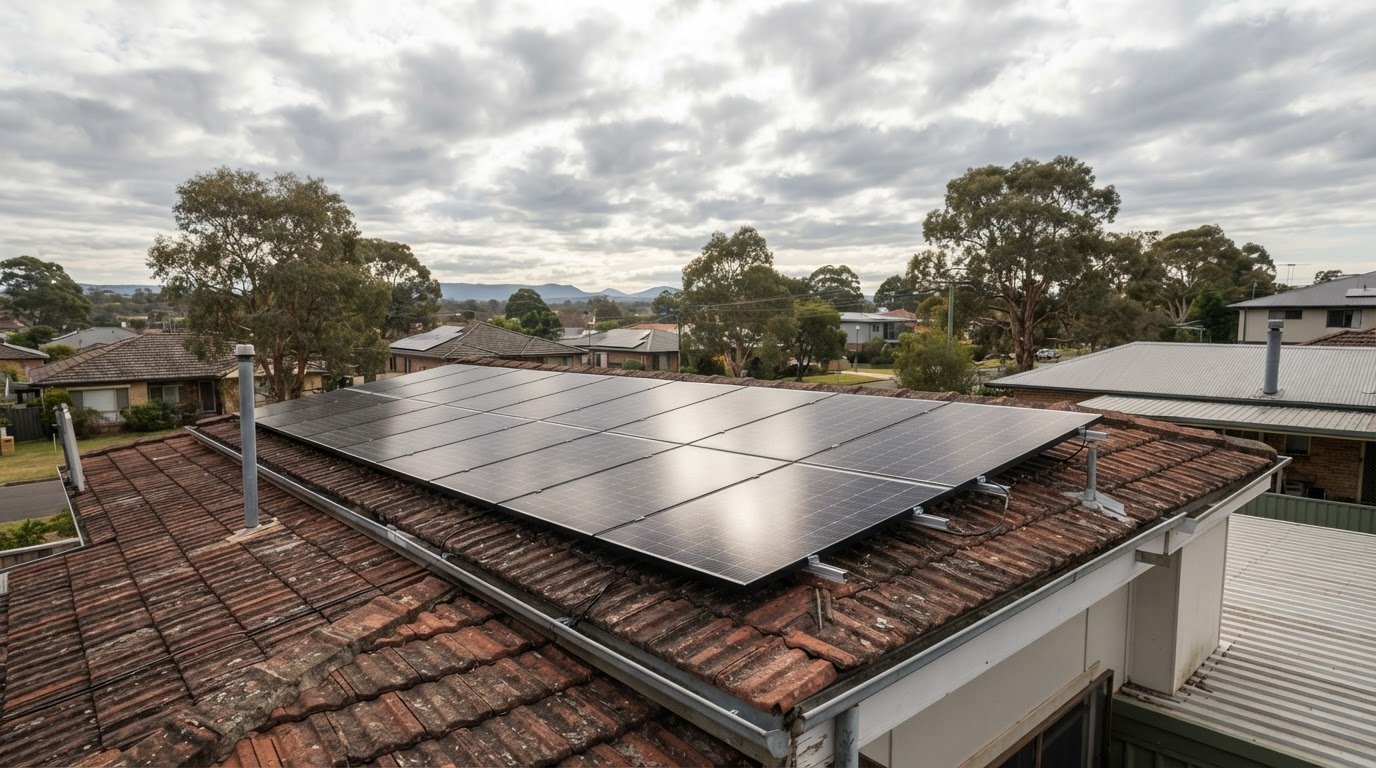
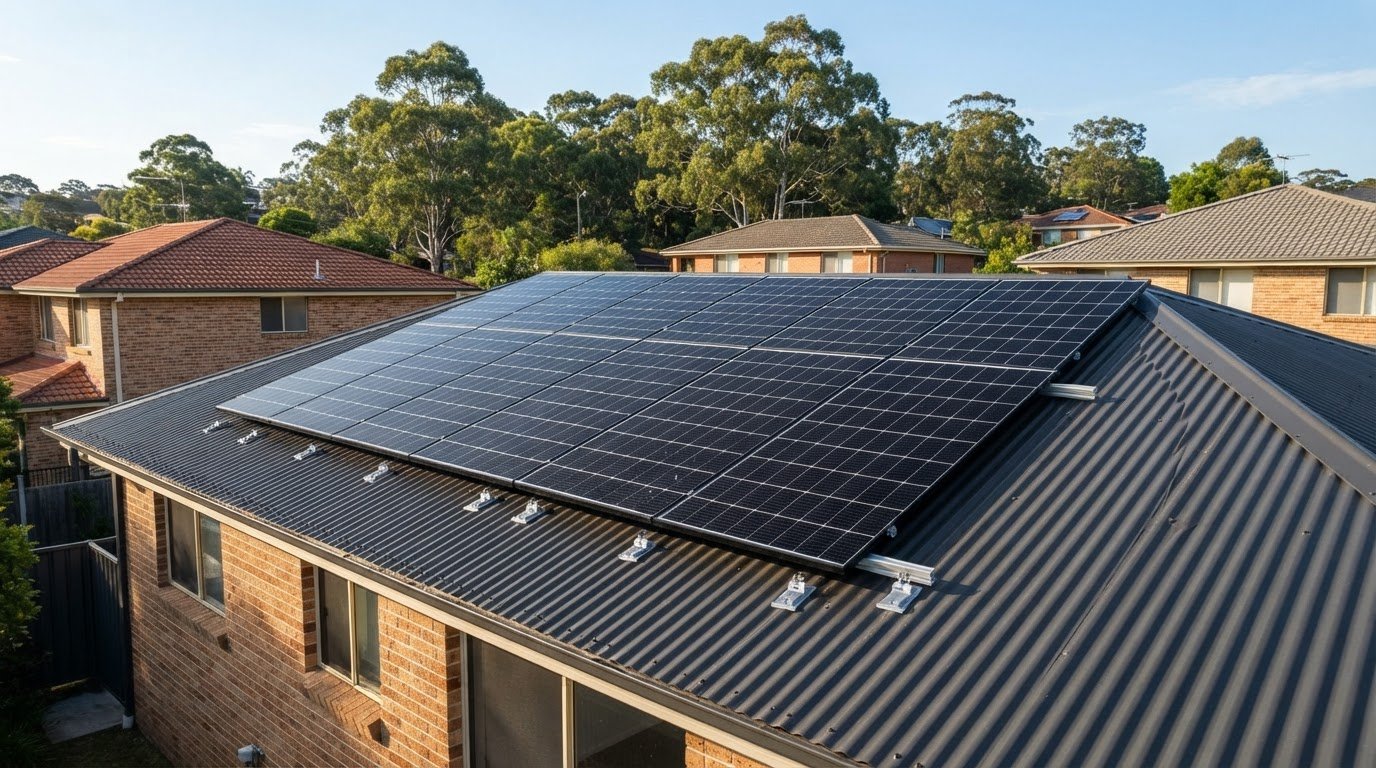
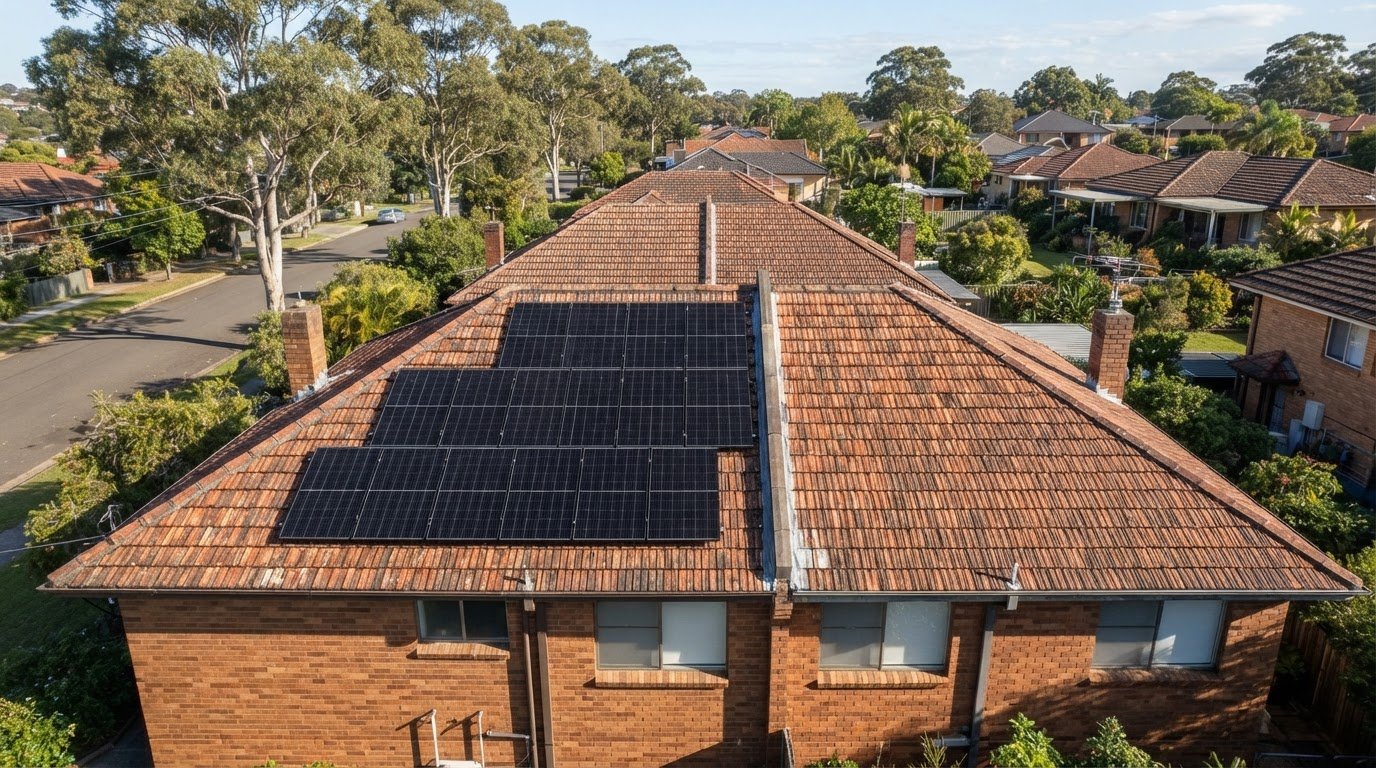
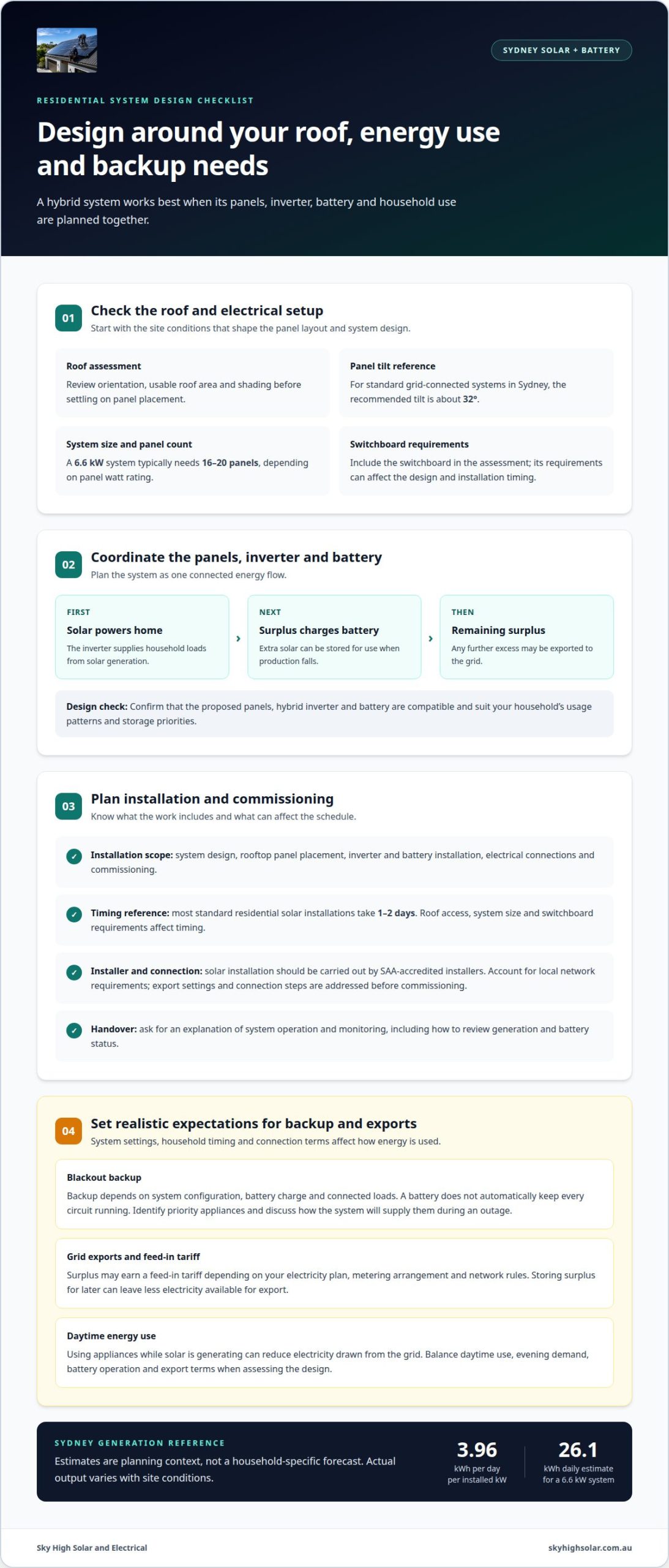
A professional rooftop assessment considers orientation, usable area, shading and the switchboard. Sydney’s recommended panel tilt for standard grid-connected systems is about 32 degrees. A 6.6kW system typically requires 16-20 panels, depending on their watt rating. These factors guide the panel layout and generation estimate. Solar is already common in some suburbs, where installations appear on as many as 70% of dwellings.
How Hybrid Solar Systems Work
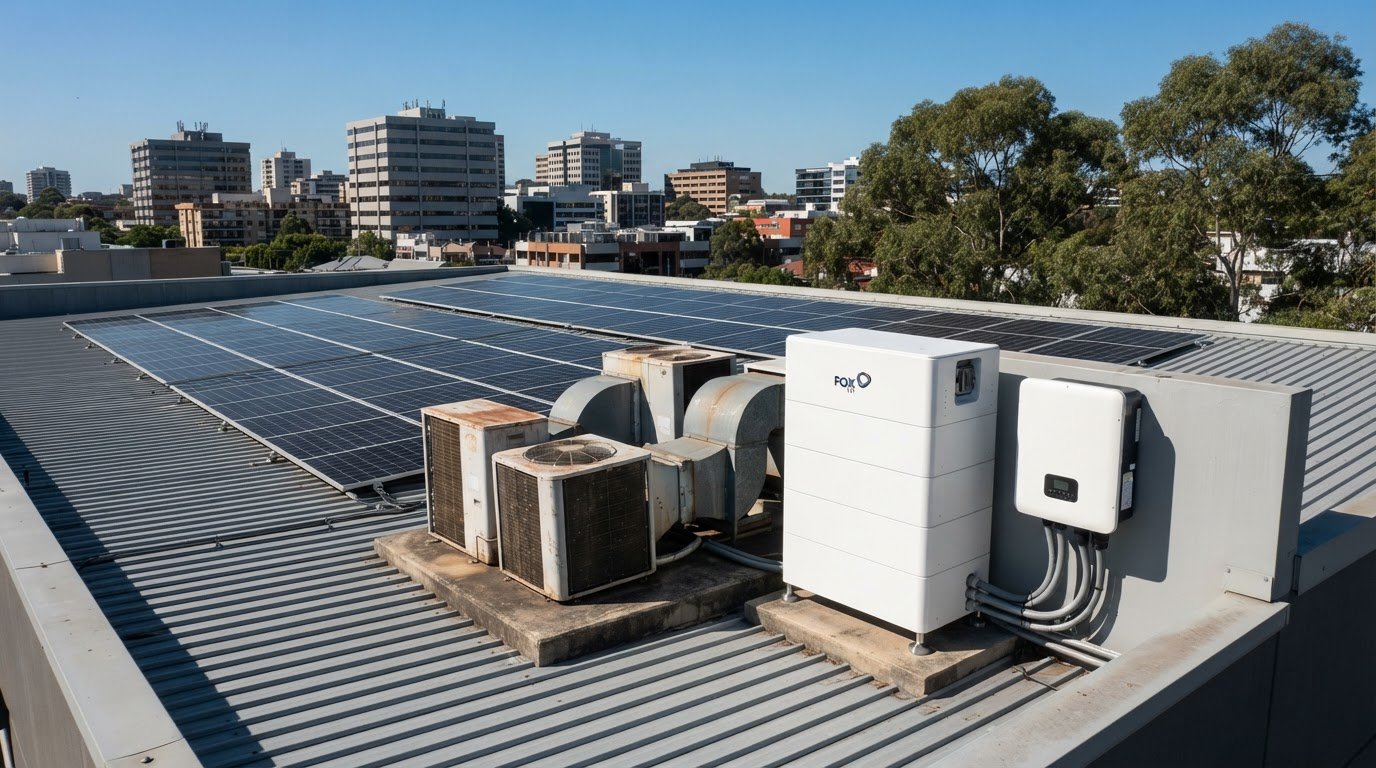
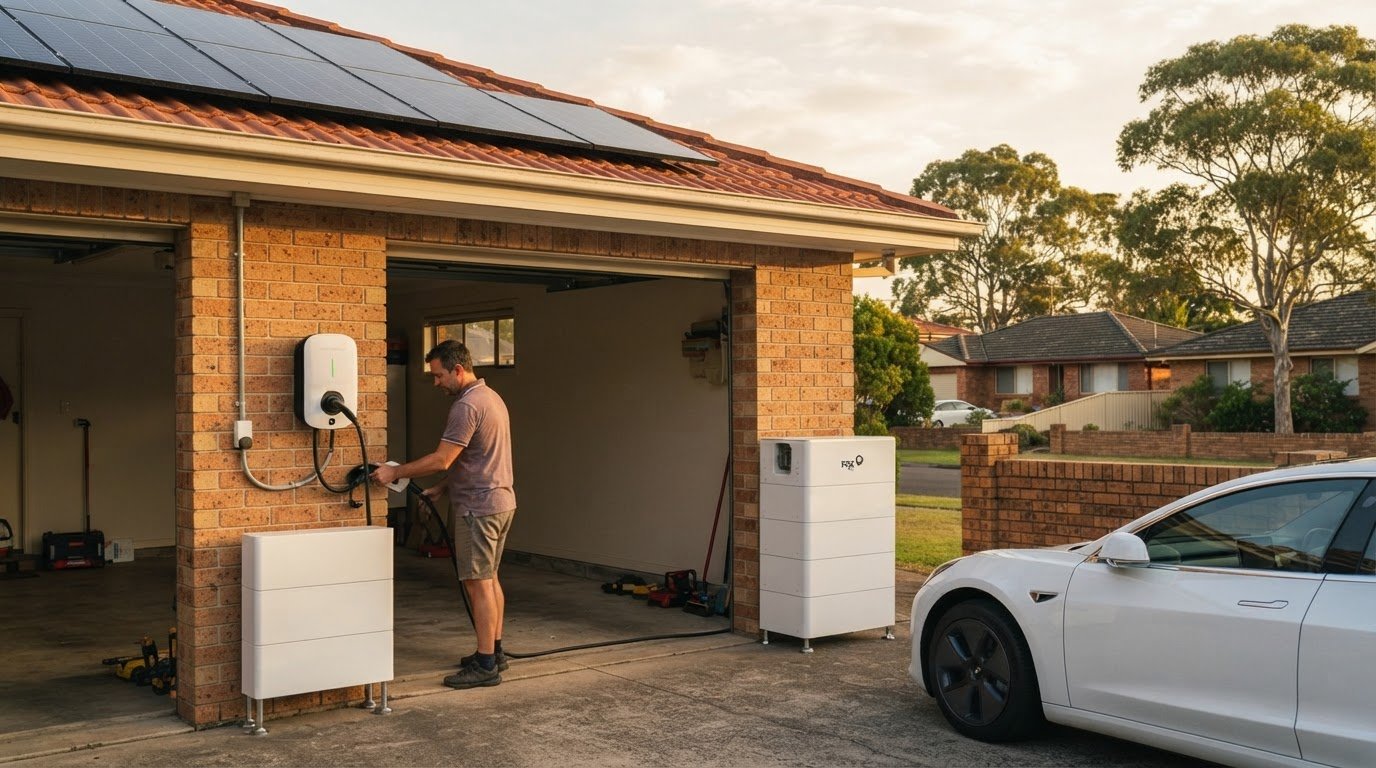
A hybrid system connects rooftop panels, a hybrid inverter and battery storage. The inverter supplies household loads from solar generation, then directs surplus energy to the battery. Stored electricity can be used later, and any remaining surplus may be exported to the grid. For a hybrid solar system installation in Sydney, the design should reflect your household’s usage patterns and storage priorities. A battery rebate may also influence equipment selection and planning.
Installation Steps and Timing
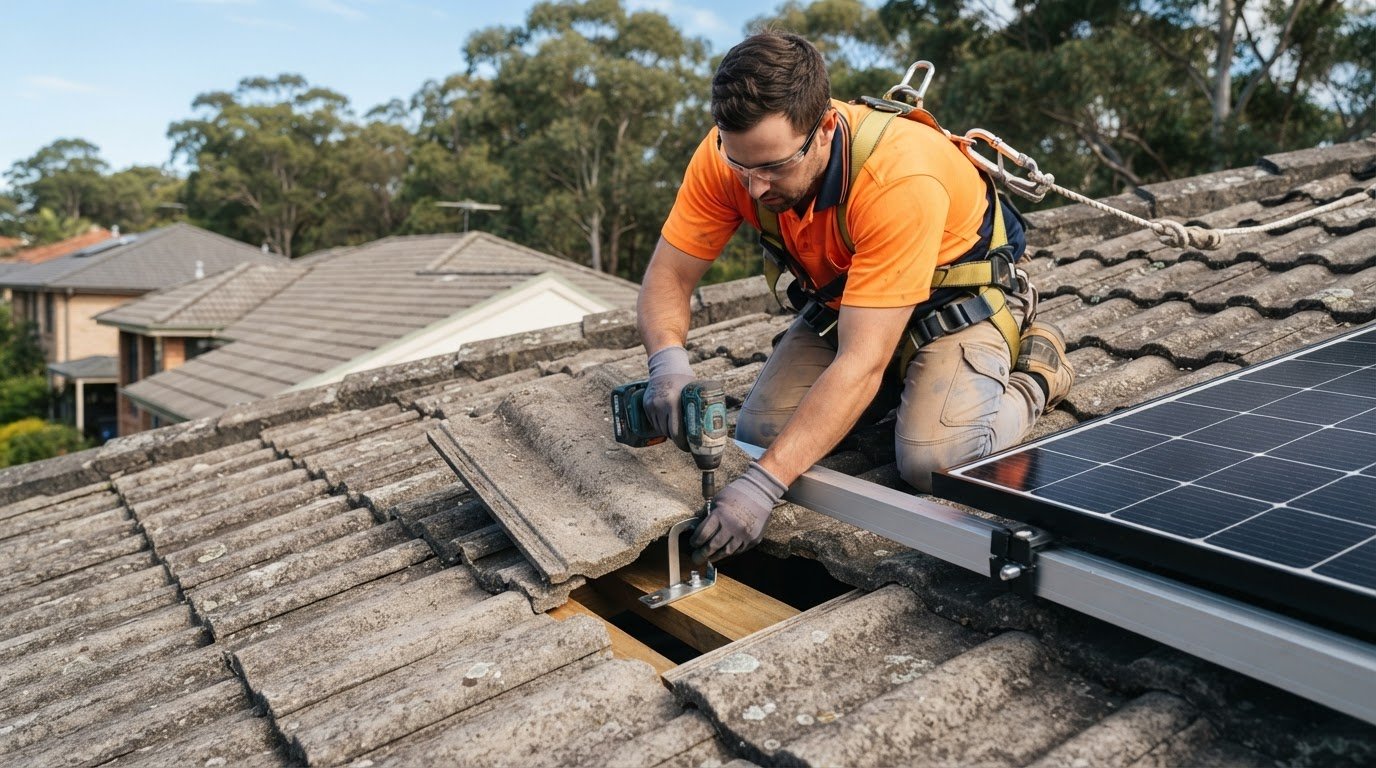
Professional installation covers the system design, rooftop panel placement, inverter and battery installation, electrical connections and commissioning. Most standard residential solar installations take 1-2 days. Roof access, system size and switchboard requirements affect timing. At handover, the installer explains system operation and available monitoring, so you know how to review generation and battery status.
System Limitations and Blackout Backup
Solar output varies with sunlight, roof shading and panel orientation, while savings also depend on household consumption. Blackout backup depends on the system configuration, battery charge and connected loads. A battery does not automatically keep every circuit running during an outage. During design, identify priority appliances and discuss how the chosen system will supply them in a blackout.
Grid-connected solar systems and electricity exports
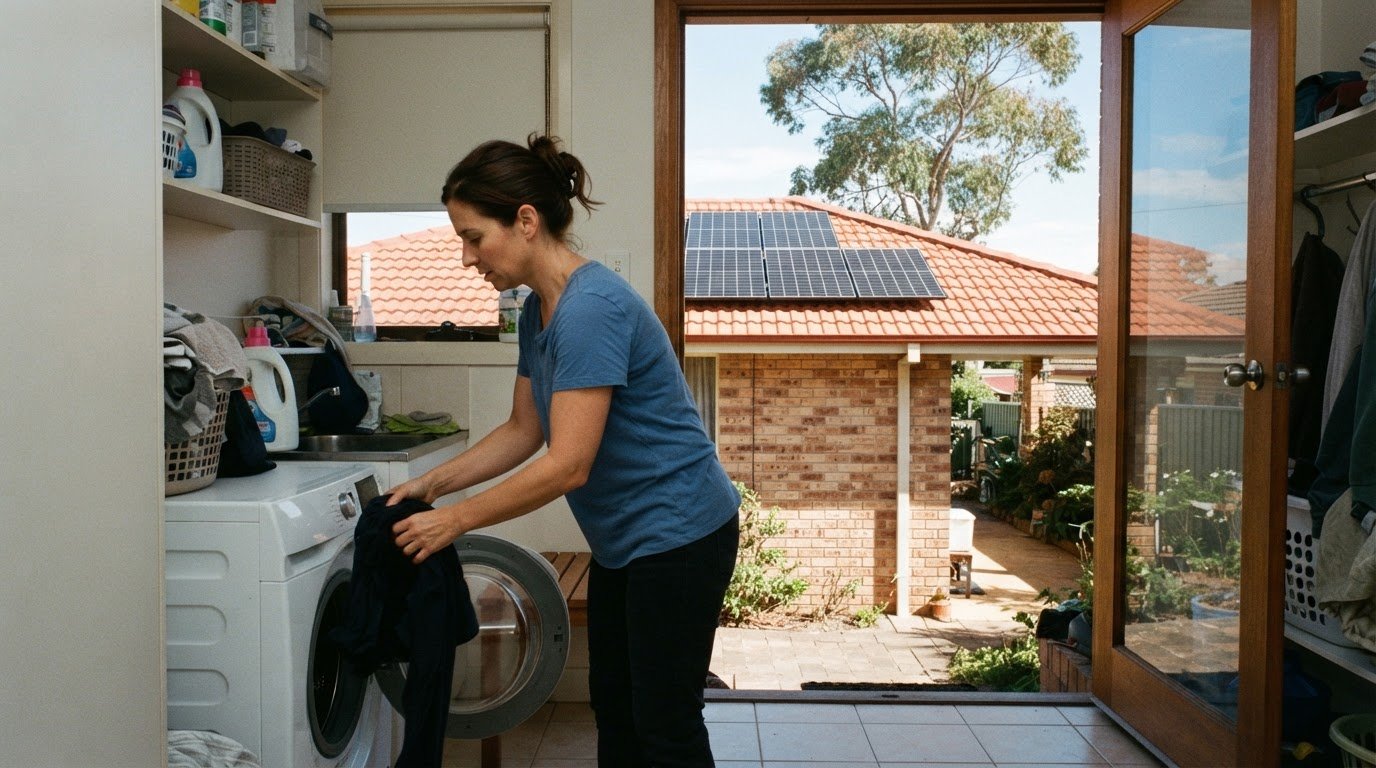
For a hybrid solar system installation in Sydney, plan around the electricity your household uses while solar panels are generating. Sydney systems are estimated to produce an average of 3.96 kWh per day for each kilowatt of installed capacity. A 6.6kW system is estimated to generate around 26.1 kWh daily, though household self-consumption depends on timing. Using appliances during solar production can reduce electricity drawn from the grid.
Surplus electricity may earn a feed-in tariff, depending on your electricity plan and network rules. Metering arrangements may affect whether you receive a feed-in tariff for exported electricity. A hybrid system can store surplus for later use, leaving less available for export. The right balance depends on daytime use, evening demand, battery operation and export terms.
How do hybrid solar systems compare with grid-tied solar and off-grid systems? Grid-tied solar uses the network and can export surplus; a hybrid system combines a grid connection with battery storage. An off-grid system operates without a grid connection, relying on its own generation and storage. Choose based on your preferred balance of network access, stored energy and self-sufficiency.
Sydney’s estimated output for a 3kW system is 11.9 kWh per day, or 4,336 kWh per year. These figures provide context, not a household-specific forecast. A Sydney savings analysis assumes electricity costs of 30c per kWh and a feed-in tariff of 5c per kWh. Since exported energy and purchased electricity have different values, increasing self-consumption can affect bill savings. Review your household’s usage alongside system capacity to understand how generation, storage and exports work together.
What rebates or incentives can I get for solar panel installation?
Australian rooftop solar systems may receive an upfront discount through the Small-scale Renewable Energy Scheme (SRES), using small-scale technology certificates (STCs). Eligible systems can have the discount applied upfront, reducing the amount payable at installation. The value depends on system eligibility and certificate settings. Make sure the proposal clearly shows the STC discount rather than presenting it as a separate cash payment.
Battery incentives have separate eligibility rules. The Australian Government Department of Climate Change, Energy, the Environment and says eligible battery capacity must be between 5 kWh and 100 kWh, with the rebate capped at the first 50 kWh. The Cheaper Home Batteries Program launched on 1 July 2025. Eligibility requires pairing the battery with a compliant solar PV system, selecting a battery on the CEC Approved Battery List and using a certified SAA or CEC installer.
In NSW, the Peak Demand Reduction Scheme (PDRS) may provide eligible households with upfront support for batteries that can support the grid during peak demand. The scheme is also described as allowing six years of VPP incentives upfront. Check how a virtual power plant arrangement affects battery operation, since participation can shape when stored solar power is available to your home.
After installation, monitoring helps you track solar generation, battery charging and household consumption. Ask for a handover explaining the monitoring tools, common status indicators and where to direct servicing requests. Keep installation records and warranty documents together. Review the warranty terms for each component, including what is covered, how claims are handled and whether conditions apply.
For a rebate-eligible battery installation, a certificate of compliance electrical work (CCEW) is required. Keep it with your system documents, alongside the final design and warranty information. If you need help maintaining system performance or addressing a fault, arrange solar system servicing.
Sky High Solar and Electrical: Solar System Servicing
Sky High Solar and Electrical provides Solar System Servicing when your system needs attention, its performance changes or you’re planning an upgrade. A service visit can assess the system and identify issues that may affect generation or battery operation.
For a new residential setup, the available options include 6.6kw and 10kw Solar Panel Installation, as well as the FOX ESS CQ7 High Voltage Storage Battery. The right combination depends on your roof, household electricity use and storage goals. For an existing system, servicing can help you understand its condition before deciding on next steps.
If you’re considering installation, adding battery storage or arranging maintenance, contact Sky High Solar and Electrical to discuss your solar system needs.
Plan a solar system that fits your next move
Your next step is to turn your energy priorities into a design brief. Consider whether you’re planning a new installation, adding storage to an existing system or arranging ongoing servicing. Your household’s usage patterns and future electricity needs can help shape those decisions.
For a hybrid solar system installation in Sydney, Sky High Solar and Electrical offers 6.6kw Solar Panel Installation, 10kw Solar Panel Installation and the FOX ESS CQ7 High Voltage Storage Battery. These options provide a starting point for discussing a system suited to your home, rather than choosing components in isolation.
Bring your questions about system goals, battery storage and maintenance to the discussion. A clear conversation can help you understand the options and decide what to explore next, without rushing your decision.
Contact Sky High Solar and Electrical to discuss your solar plans and take the next step with confidence.
Frequently Asked Questions
What about solar battery storage in Sydney?
Solar battery storage lets your household save some daytime solar generation for later use, such as evening lighting or cooking. Its value depends on how much power you use after sunset and how much surplus your panels produce. If backup matters, discuss which circuits need power during an outage and how the system is configured to supply them.
What is the financial return on solar for Sydney customers?
Solar can reduce the electricity you buy from the grid, with the benefit shaped by your self-consumption, export tariff and usage charges. A Sydney estimate puts first-year savings from a 6.6kW system at about A$1,207, updated March 2026. Treat this as an estimate, not a household-specific result: usage patterns and system design affect the actual financial return.
Are there government rebates available, and can you help with the process?
Eligible solar installations may receive an upfront discount through the Small-scale Renewable Energy Scheme, while eligible batteries may receive support through the Cheaper Home Batteries Program. Sky High Solar and Electrical handles the installation side of your solar project. Rebate applications and eligibility follow the relevant program rules, so keep installation and compliance documents with your system records.
Can a professional install solar now and add a battery later?
Yes. A battery can be added to an existing solar system, and AC-coupled batteries with integrated inverters can suit many existing setups without major rewiring. The installer assesses the current inverter, switchboard and system layout to plan the connection. If you expect to add storage later, raise this during the original design discussion so future integration is considered.
How does a professional determine what hybrid solar system size you need?
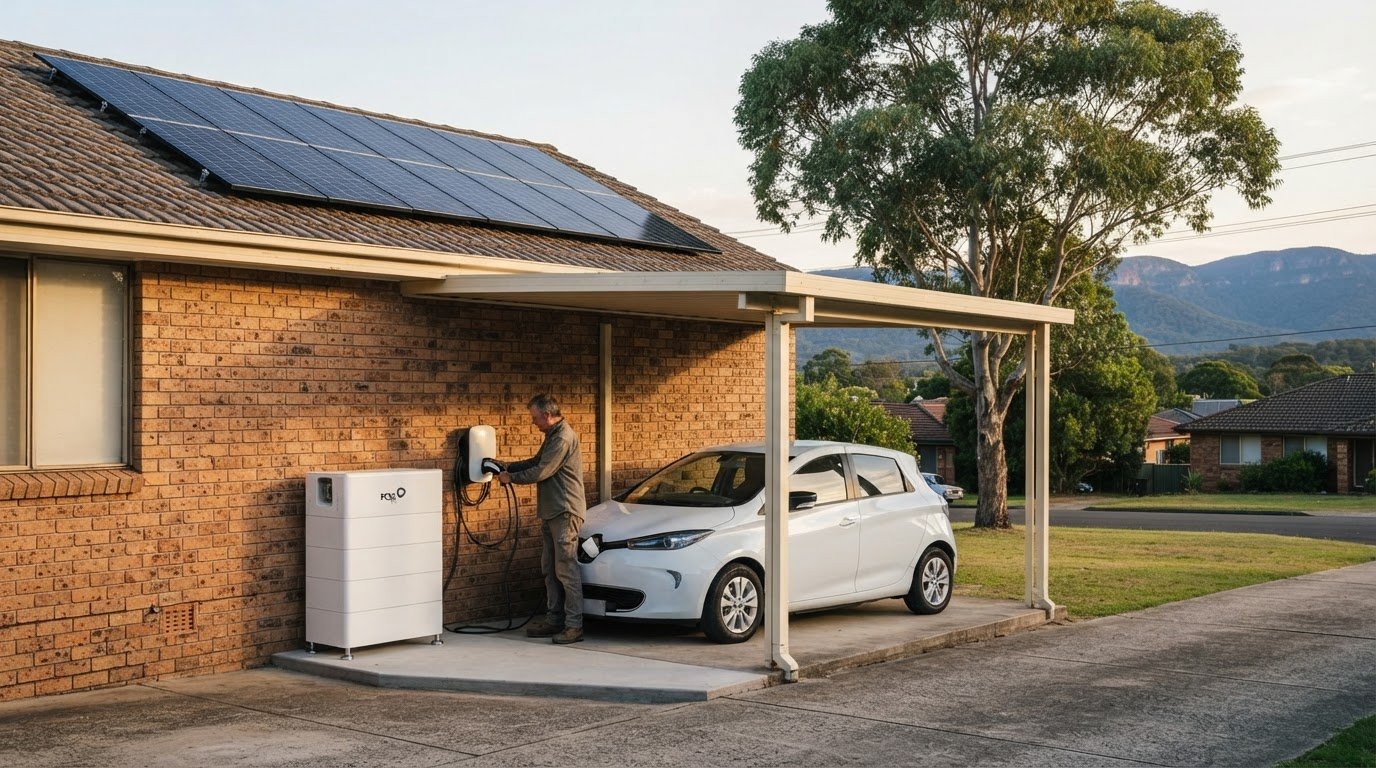
A professional sizes a system around your household’s electricity use, roof layout and preferred balance of solar self-consumption, battery storage and grid imports. Recent electricity bills help show consumption patterns, while planned changes, such as adding an electric vehicle, can also affect the design. The panel capacity, inverter and battery need to work together, rather than being selected as separate upgrades.
How long does it take to recover the cost of a solar system?
A Sydney estimate gives a 6.6kW solar system a 4.8-year payback period, updated March 2026. This estimate depends on the assumptions used for solar generation, electricity charges, exports and household consumption. Your own payback calculation should account for how much solar power you use directly, rather than relying only on exported energy or a general estimate.