

 Sydney
 0452 243 240
Blog
Solar Installation in Sydney: Timing, Rebates and Bill Savings

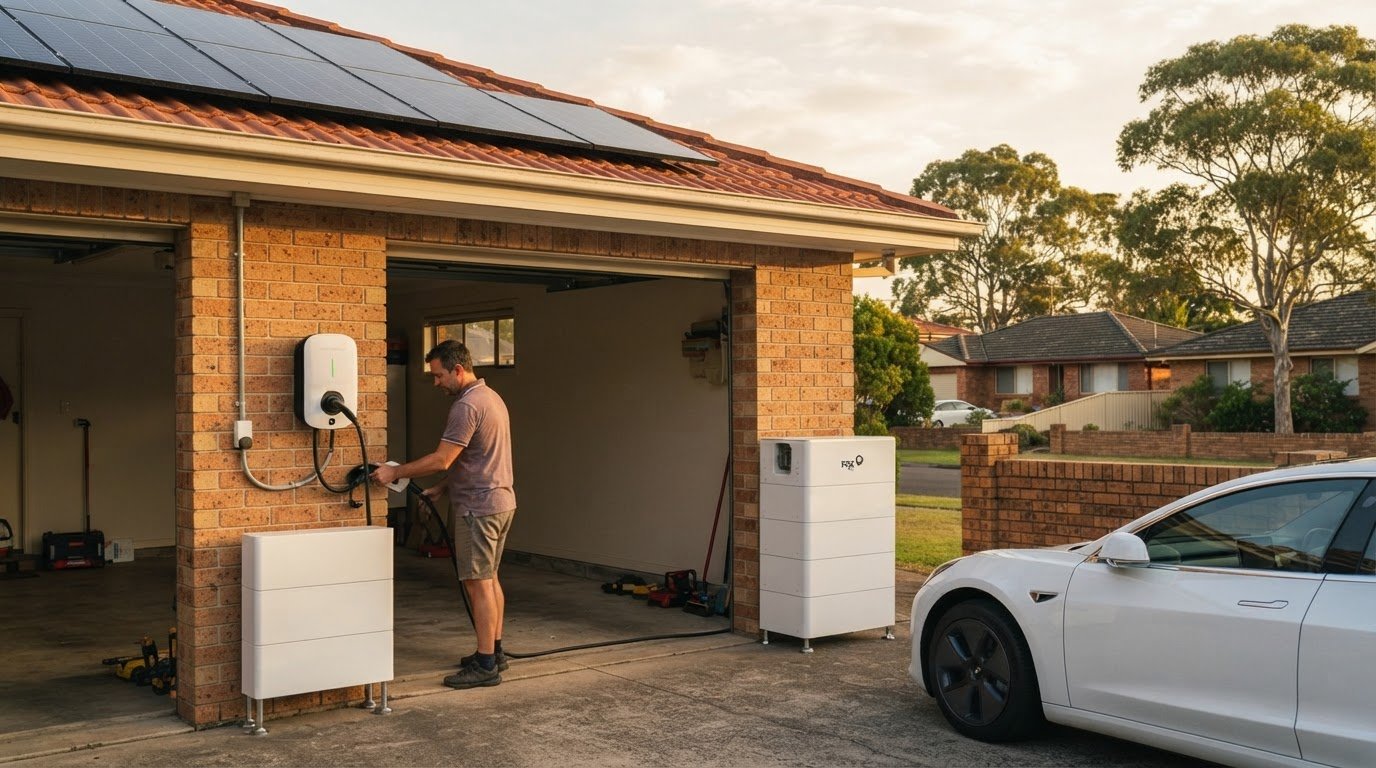
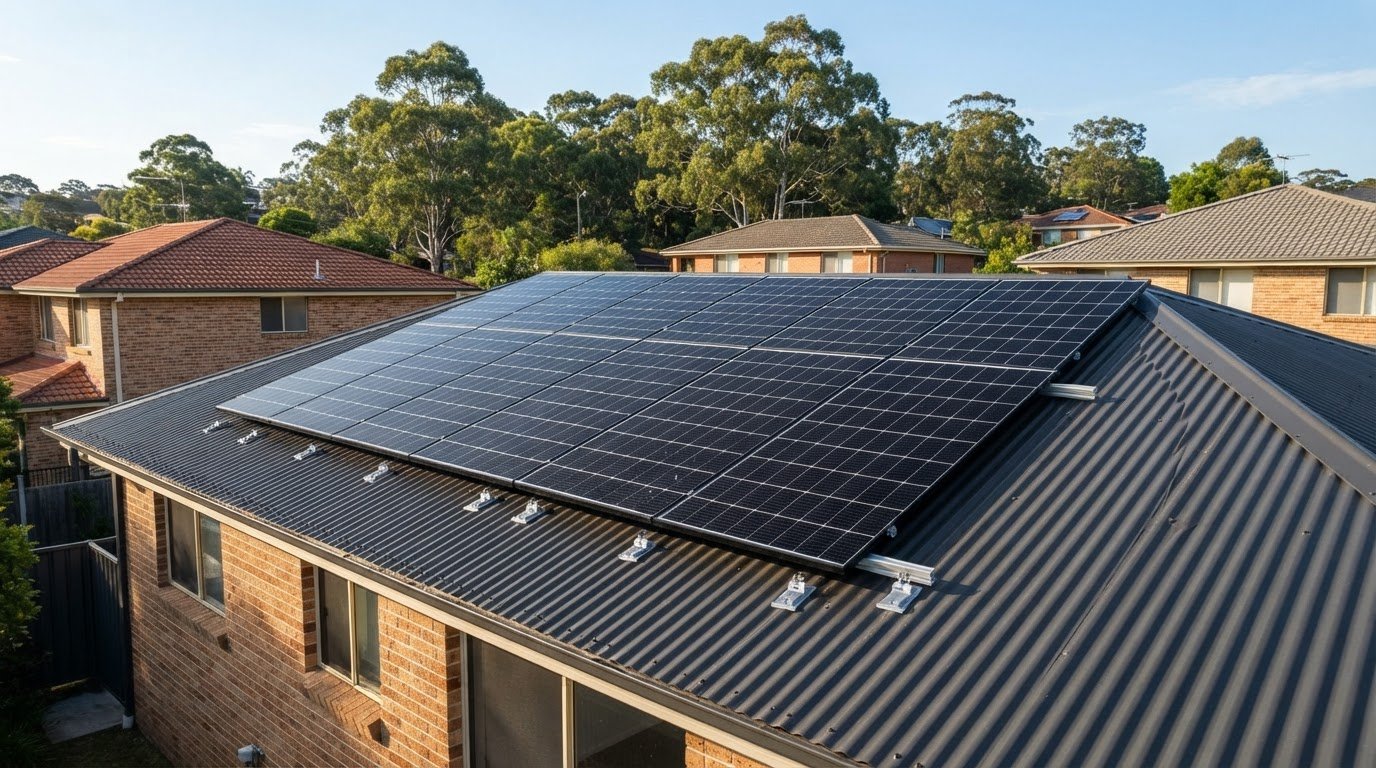
Most residential solar systems in NSW are installed within one day, depending on the job’s complexity. A peace of mind solar installation in Sydney also depends on practical details such as your roof, switchboard and household energy use. Adding a battery can store surplus solar energy for later, helping you rely less on grid electricity.
Before deciding, it helps to understand the installation process, NSW incentives and how solar and battery storage may affect your electricity bills. This guide covers the factors that shape savings, including system size, when your household uses power and how much electricity you draw from the grid. With these details in mind, you can make a considered choice about the system that suits your home and energy needs.
Key Takeaways
- Roof access, switchboard condition and network approvals can all influence your installation timeline.
- Check which solar incentives may apply in NSW, including the Small-scale Renewable Energy Scheme and selected council rebates.
- Match battery storage to when your household uses electricity to support greater energy independence.
- Estimate bill savings around your system size, daytime energy use and feed-in tariff rather than relying on a headline figure.
Solar batteries and energy independence
A home battery stores excess solar energy for use after panels stop generating. In Sydney, its value depends on your household’s electricity use and how the system is designed.
For Sydney homeowners seeking peace of mind with solar installation, the battery should suit daily energy needs. A residential solar and battery system should account for roof orientation, shading, available space and household consumption. Panels can generate electricity on cloudy days, although output is lower. An accredited installer can assess how these conditions affect generation and storage.
Common concerns include uncertainty about savings, battery use and outage protection. Results depend on solar generation, household demand and the battery’s intended role. A peace of mind solar installation in Sydney starts with a clear explanation of these factors before work begins.
Battery Storage and System Efficiency
A battery can increase the share of solar energy your home uses. Rather than exporting all excess power during the day, the system can store some for later. This may reduce reliance on grid electricity when household demand continues after solar generation falls.
Battery storage doesn’t increase the amount of electricity panels generate. Its value depends on solar output, battery capacity and household energy use. Consider when you use electricity, especially whether demand rises in the evening. This pattern helps you decide whether storing surplus energy suits your priorities.
Grid-Connected and Battery-Backup Systems
A grid-connected solar system remains linked to the electricity network. Solar power supplies the home when available, and excess generation can flow to the grid. A battery adds storage, allowing some solar energy to be used later rather than relying only on immediate generation.
Battery backup describes how stored electricity can be used during a grid outage. The arrangement depends on the system design and the household circuits it supports. Identifying which electrical loads matter most helps shape a suitable setup. Energy independence means meeting electricity needs mainly with your own generated and stored solar power, not necessarily disconnecting from the grid.
In Sydney, roof shading and orientation affect how much energy panels generate. Battery sizing should reflect that potential as well as household consumption. A well-planned system links generation, storage and usage instead of treating the battery as a standalone solution.
How Long Does A Solar Installation Take In NSW?
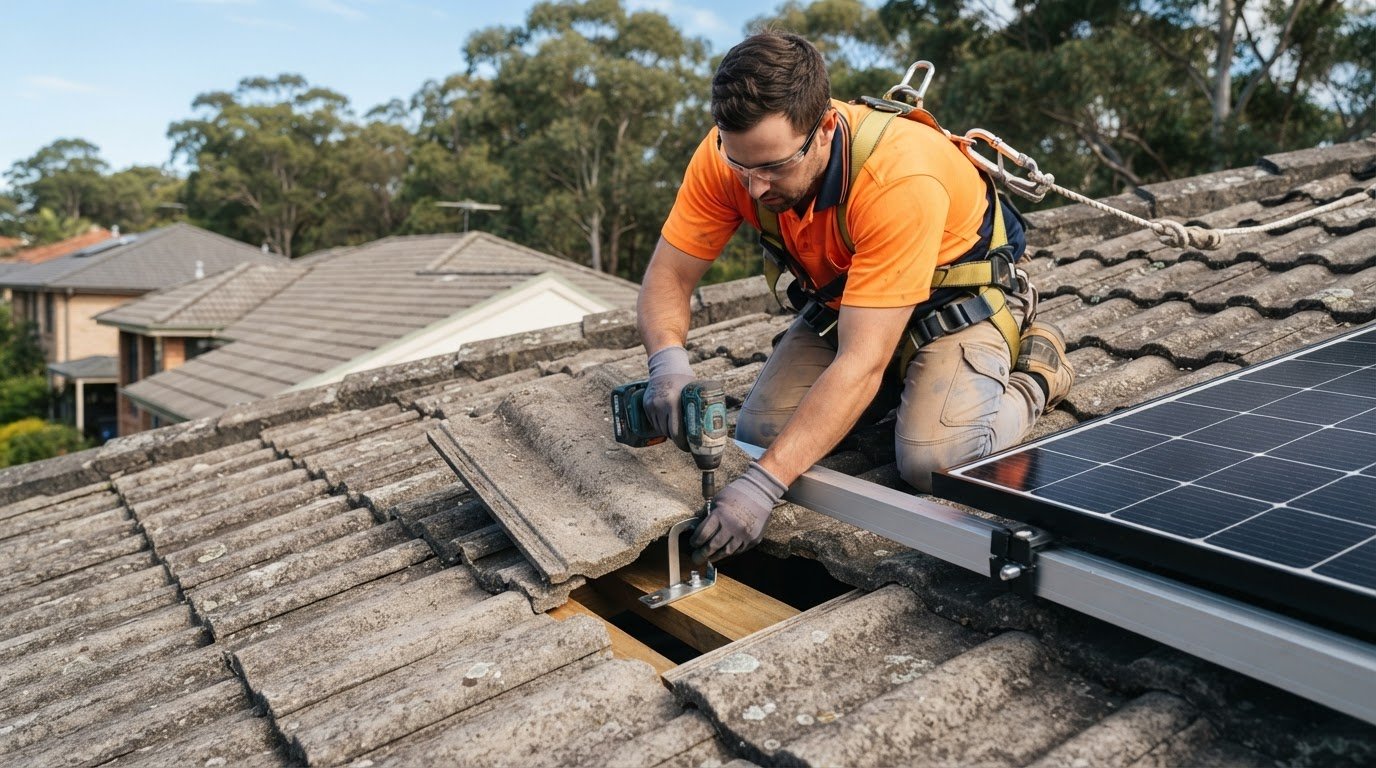
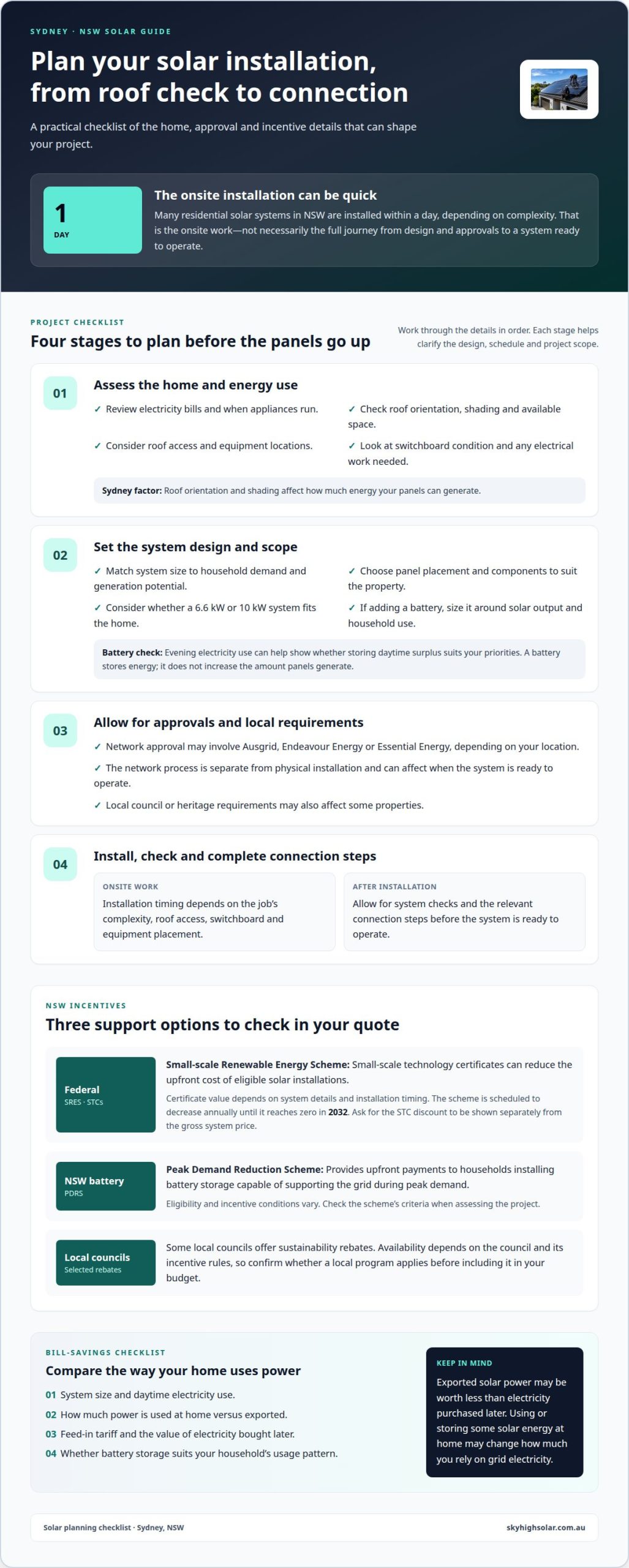
Many residential solar installations in Sydney are completed within a day, depending on complexity. This covers the onsite work, not every step from system design to connection. Roof access, switchboard condition, equipment placement and network approval can all affect the overall schedule.
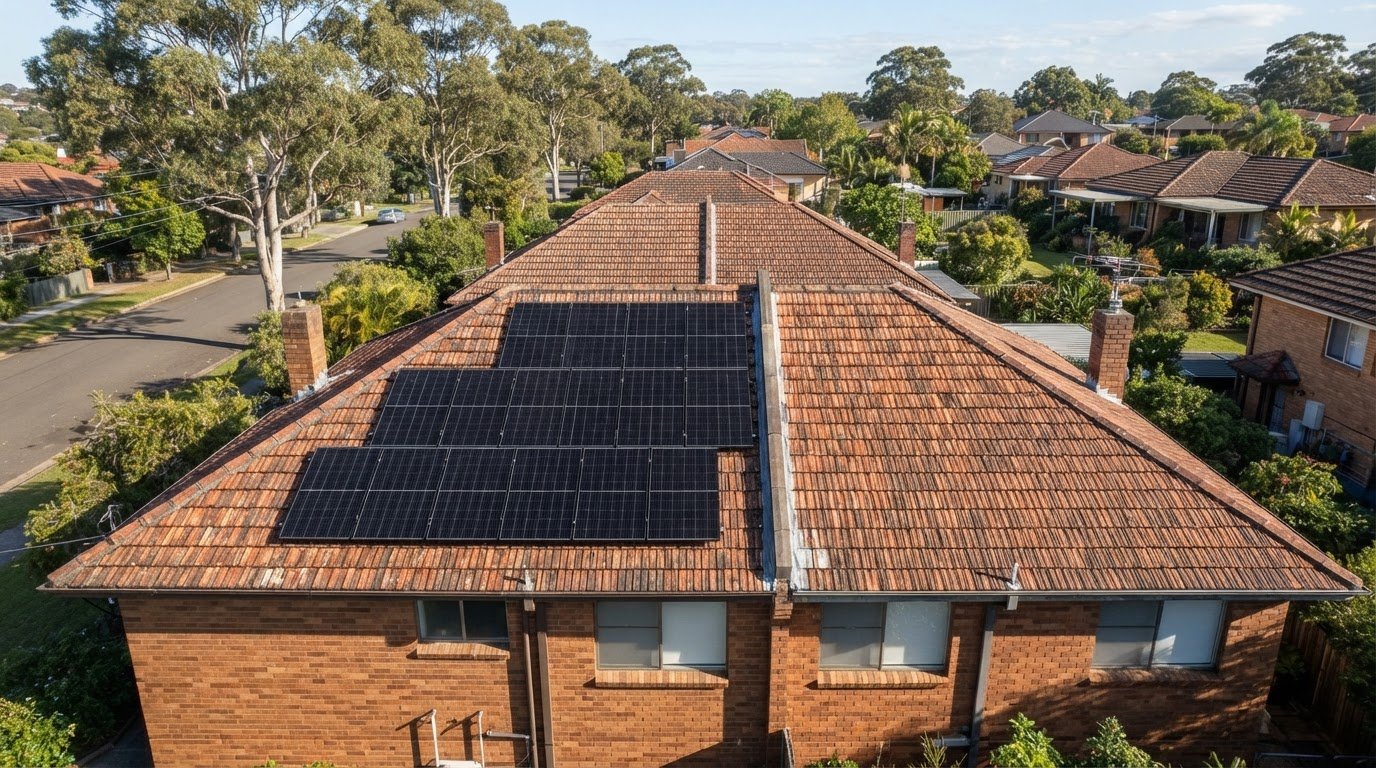
Residential solar system design starts with household electricity use. Reviewing bills and when appliances run helps establish the system size and how much solar energy you can use directly. Roof orientation, shading and available space also shape panel placement. A 6.6 kW or 10 kW system may suit different homes, but capacity should match generation potential and energy demand.
Installation costs depend on system size and components, as well as roof layout, access, electrical work and whether the project includes a battery. These factors shape the project scope and the quote. A larger system may require more panels and installation work, while a complex roof or switchboard changes can add steps.
To plan a reliable installation, the process typically moves through these stages:
- Assess household consumption, roof suitability, shading and equipment locations.
- Design the array and select components to suit the property and energy needs.
- Arrange the relevant network approval and installation planning.
- Install the system, then complete checks and connection steps.
In NSW, solar approvals may be handled by Ausgrid, Endeavour Energy or Essential Energy, depending on your location. This network process is separate from physical installation, so its timing can affect when the system is ready to operate. Local council or heritage requirements may also affect projects at some properties.
Australian homeowners may be eligible for incentives that affect a system’s net cost. When comparing system sizes, consider the design, installation scope and applicable incentives. A clear quote should set out the proposed capacity, equipment, installation work and any required electrical changes, so you can assess how the system fits your home before switching to solar.
What Solar Rebates and Government Incentives Are Available in NSW?
NSW households may be eligible for federal solar incentives, battery schemes and selected council rebates. The Small-scale Renewable Energy Scheme (SRES) provides support through small-scale technology certificates (STCs), which can reduce the upfront cost of eligible solar installations. Certificate value depends on system details and installation timing.
The federal STC scheme is scheduled to decrease annually until it reaches zero in 2032. This makes the timing of a solar installation relevant to the available incentive. Ask for the STC discount to be shown clearly in the quote, separate from the system’s gross price, so you can understand how it affects the amount payable.
NSW also has battery-related support. The Peak Demand Reduction Scheme (PDRS) provides upfront payments to households installing battery storage capable of supporting the grid during peak demand. Loan eligibility and incentive conditions vary, so assess each scheme against its specific criteria.
Some local councils offer sustainability rebates. These are separate from federal STCs and NSW programs, and availability depends on the council and the incentive rules. Check the relevant council’s current program before including a local rebate in your budget.
A feed-in tariff pays for solar power exported to the grid, but exported energy may be worth less than electricity purchased later. Using solar energy at home, or storing some in a battery, may therefore matter more than maximising exports.
To assess government incentives, identify whether your project includes solar, battery storage or both. Then separate upfront STC discounts, NSW battery payments, council rebates and any loan finance. This gives you a clearer picture of which support may apply and how each item affects the project’s overall cost.
Installation time and potential bill savings
Installation day is just one part of getting a solar system working at your property. Long-term bill effects depend on how closely generation matches the times you use electricity.
Solar Installation Time
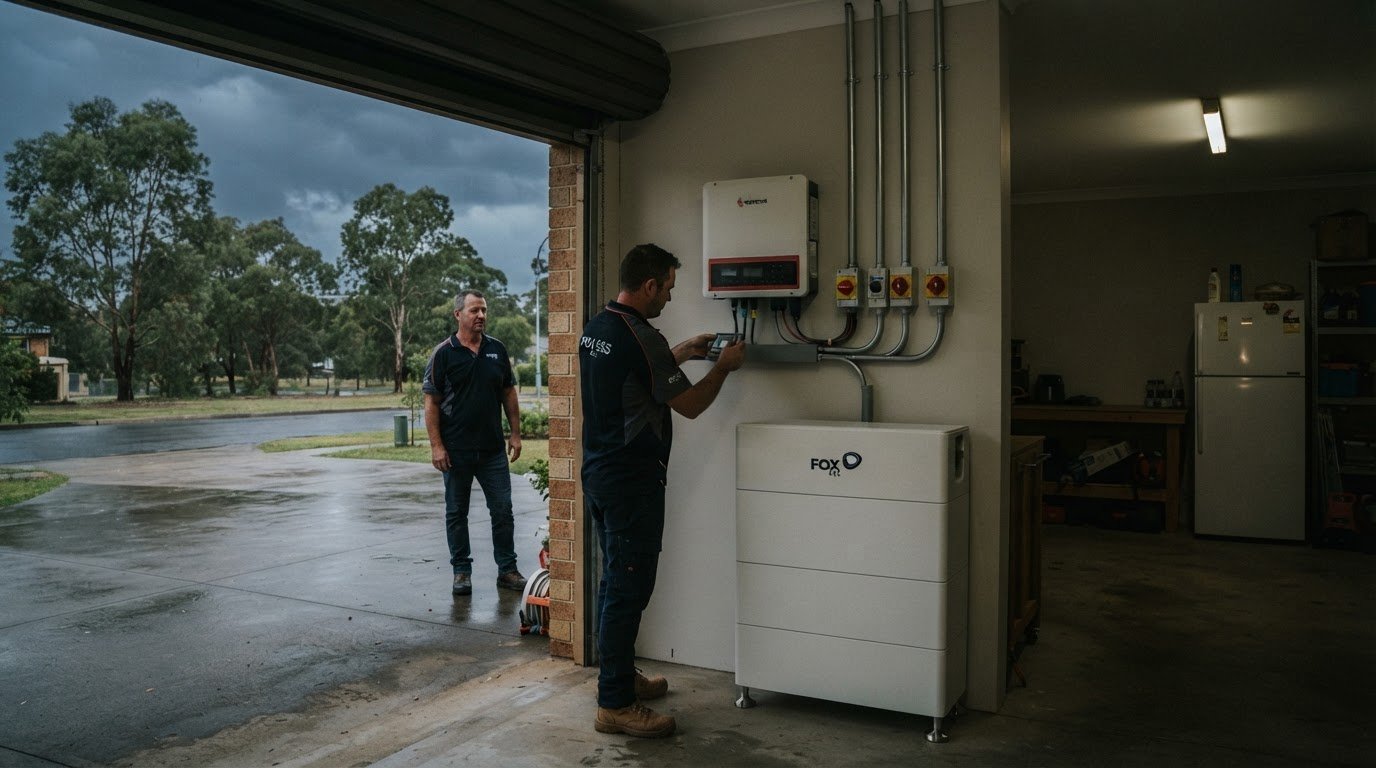
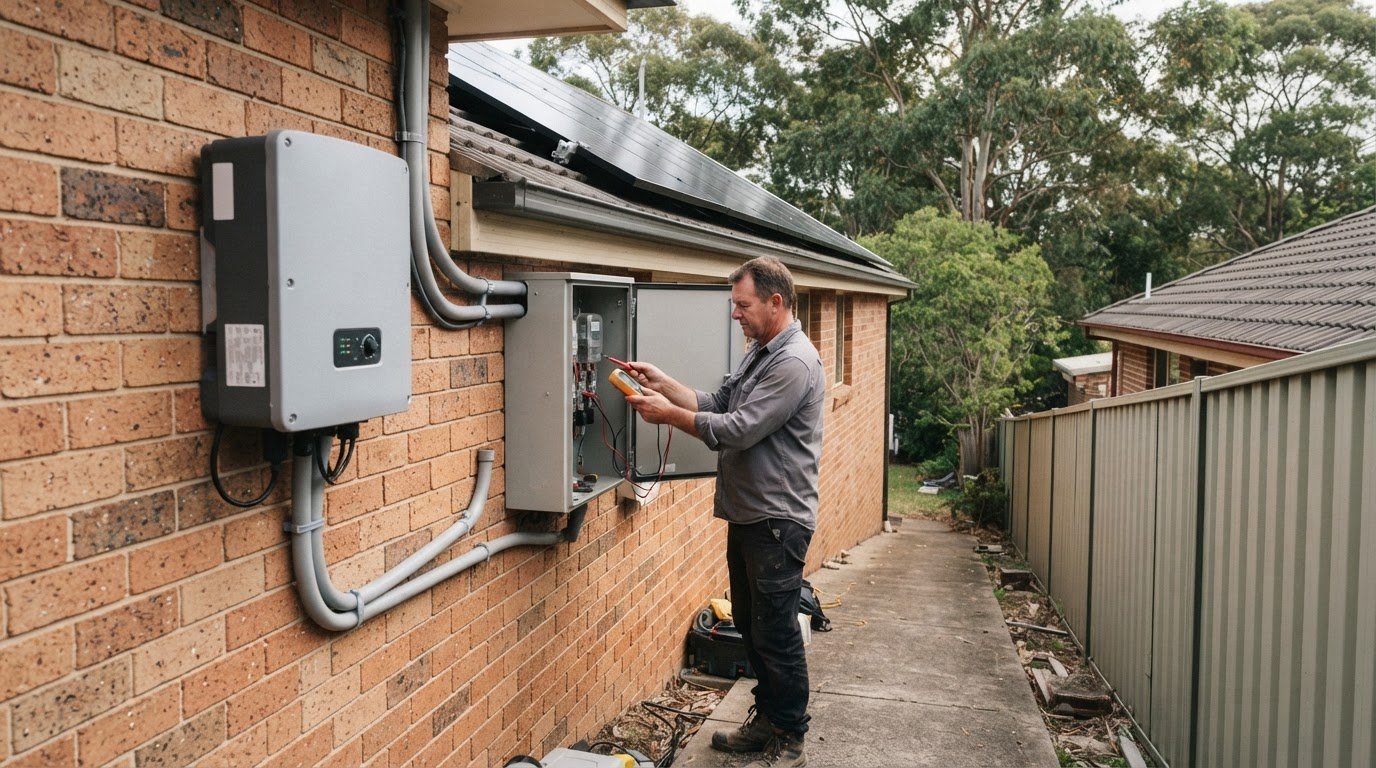
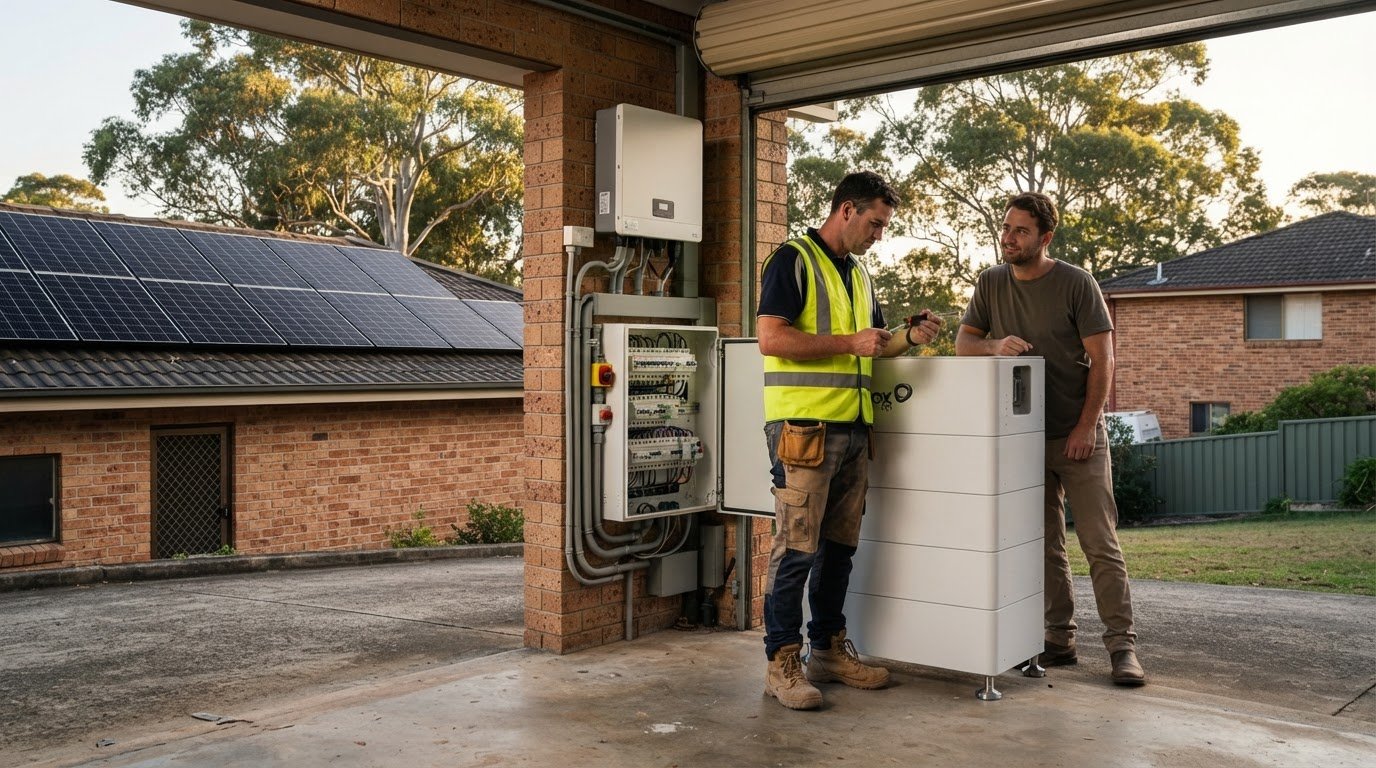
On installation day, panels and electrical equipment are fitted and the system components are connected. The sequence depends on roof layout and system design, including whether the project includes storage. After the physical work, commissioning checks confirm that the system is operating as intended. Meter arrangements and network connection steps can also affect when solar energy is available for household use.
Electricity Bill Savings
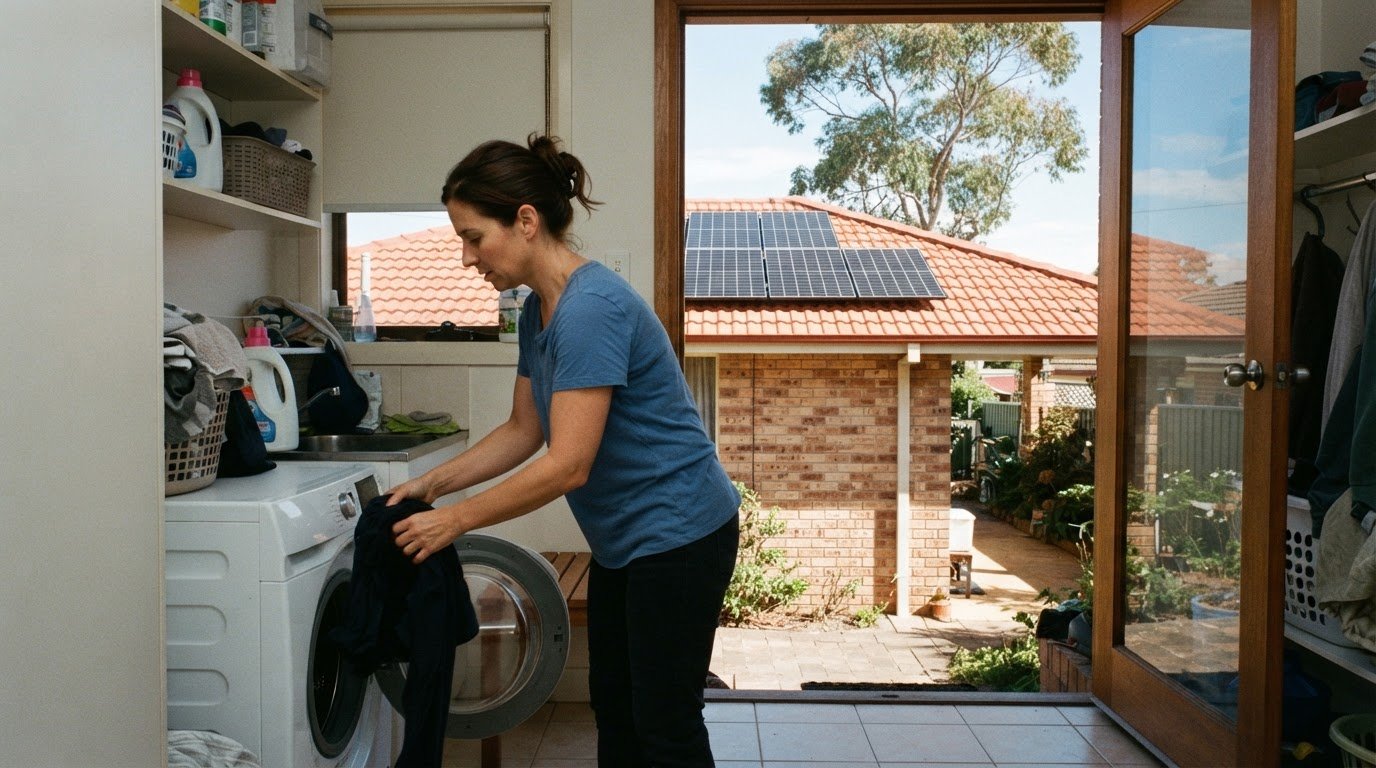
Solar can reduce the electricity you buy from the grid by supplying some of your demand directly. The value depends on how much power your home uses while panels are generating. For example, running suitable appliances during solar production can increase direct use. Consider residential solar performance alongside household routines, not just the system’s generation potential.
Solar Output and Payback Period
Payback compares the upfront system cost with the value of electricity savings and export credits over time. Actual output varies with roof orientation, shading, weather and system operation. The inverter also affects how solar electricity is converted for household use. A useful estimate considers these property-specific factors and household energy consumption, rather than treating rated system capacity as guaranteed daily output.
Savings and Feed-In Tariffs
A feed-in tariff is a credit for solar electricity exported to the grid. Its contribution depends on the retailer’s rate and the amount exported, while electricity purchased from the grid affects the other side of the bill. Compare the value of using solar power at home with export credits. Battery storage can shift some surplus generation for later use, changing how much energy is exported.
To discuss a system design around your property and energy use, request a solar installation quote.
Sky High Solar and Electrical: 6.6kw Solar Panel Installation
Sky High Solar and Electrical can help you match a solar system to your property and energy needs. Its 6.6kw and 10kw solar panel installations suit residential and commercial projects, while the right choice depends on factors such as electricity use and available roof space.
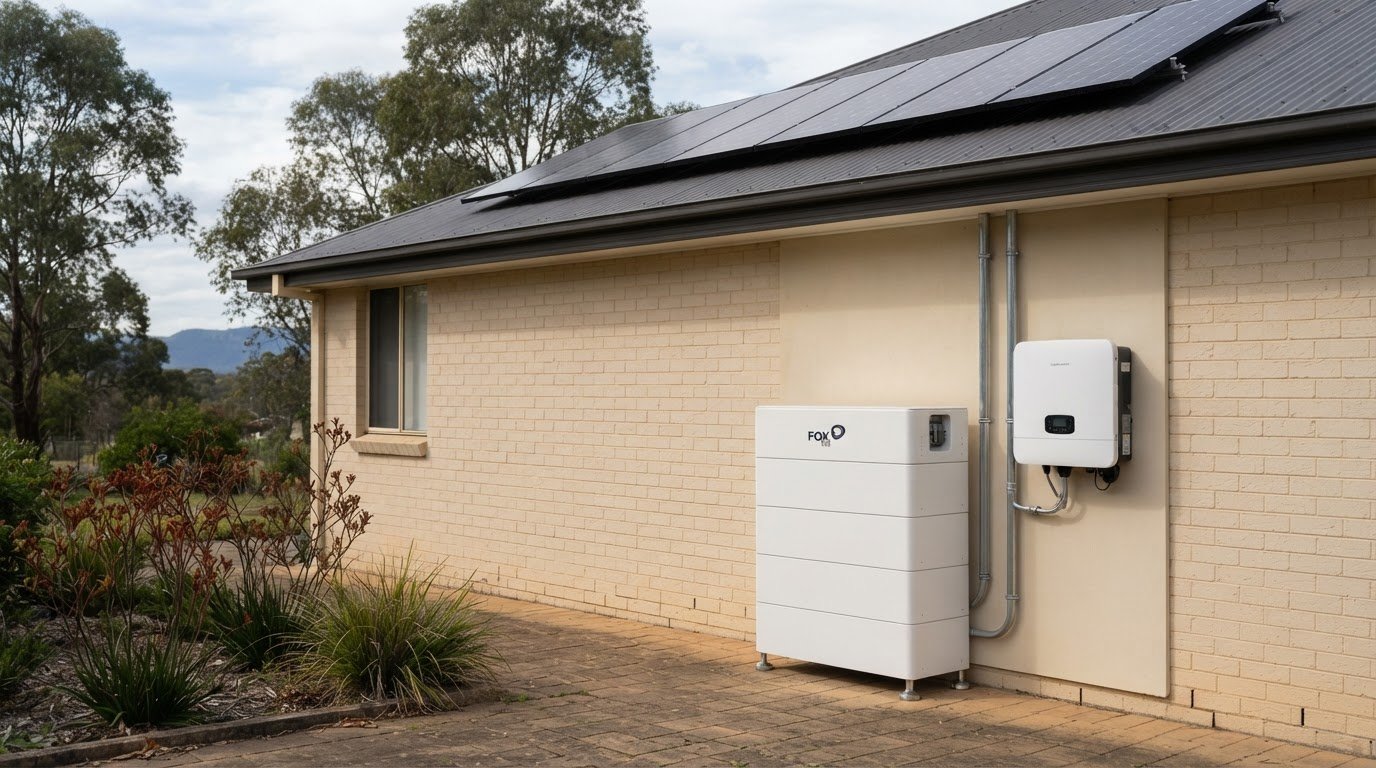
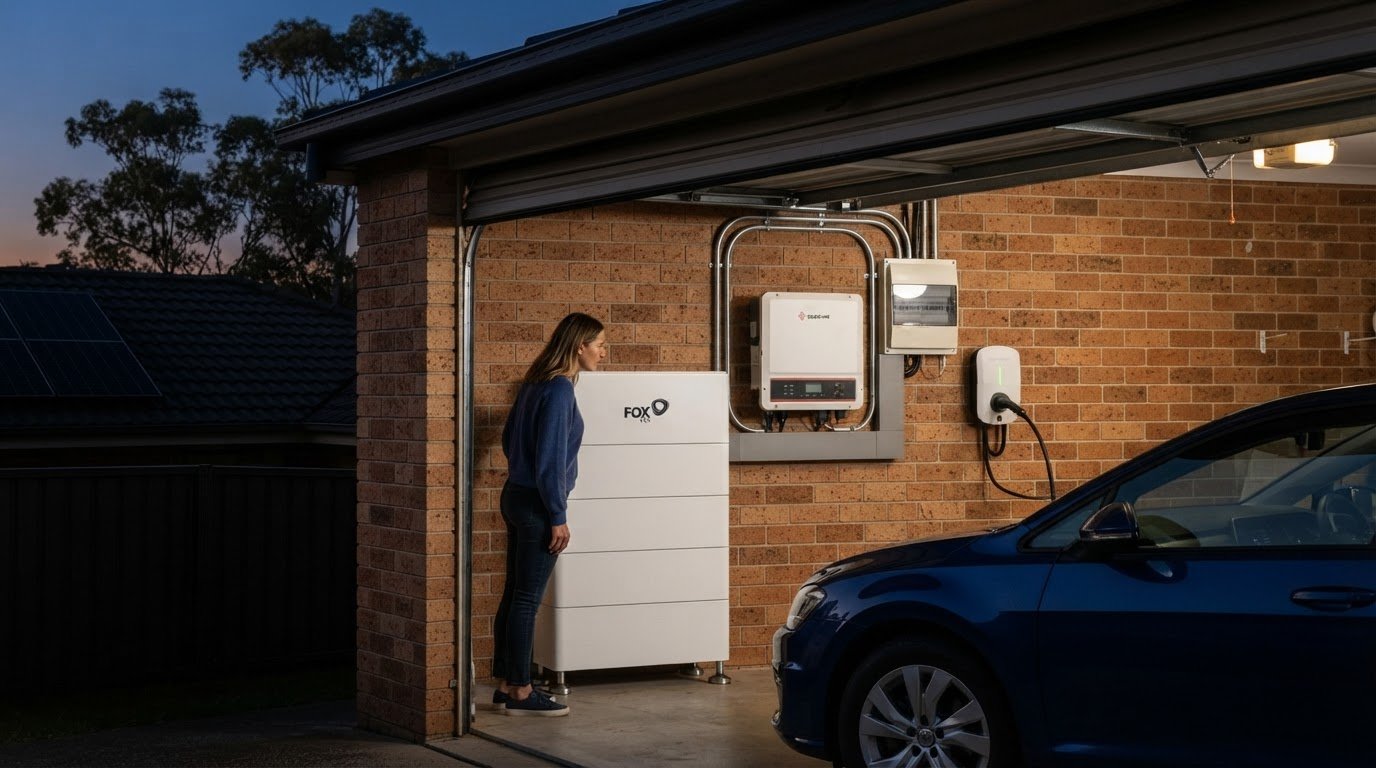
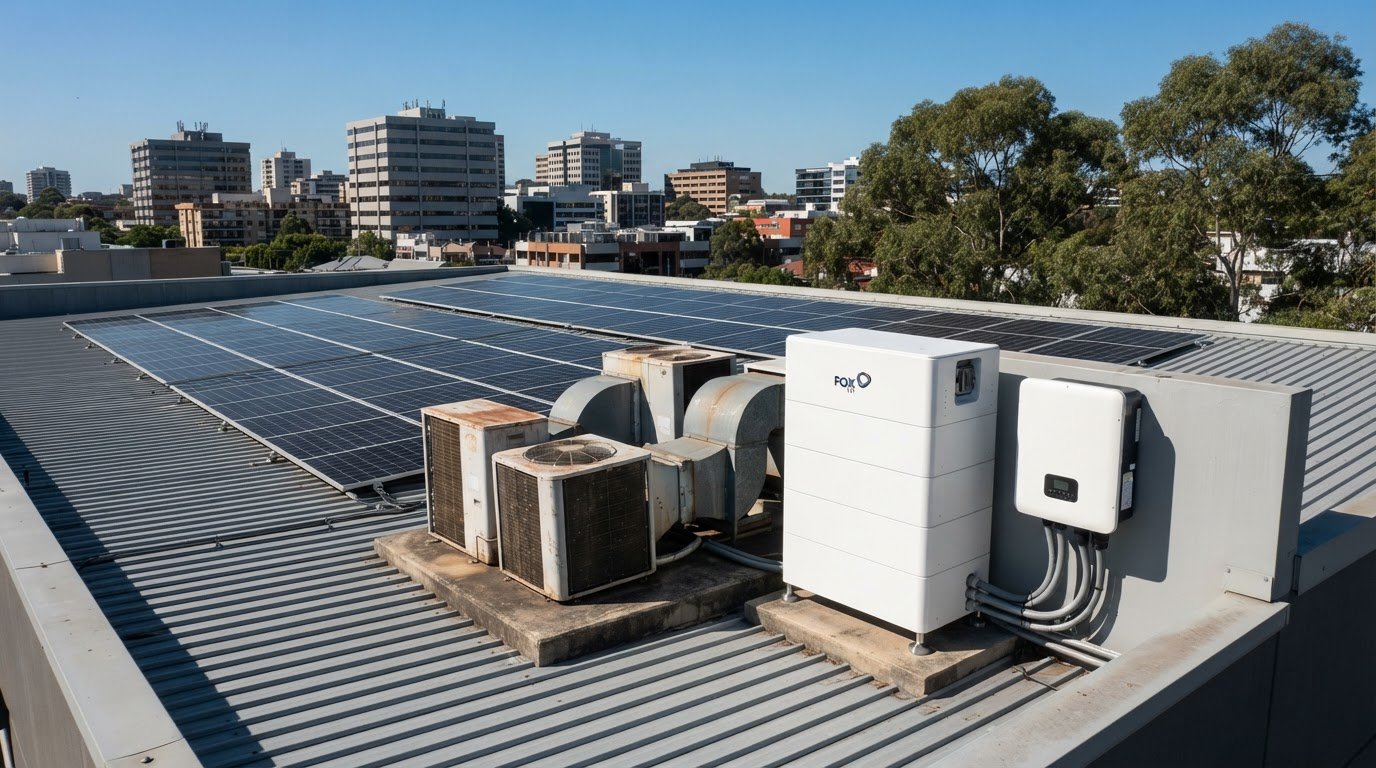
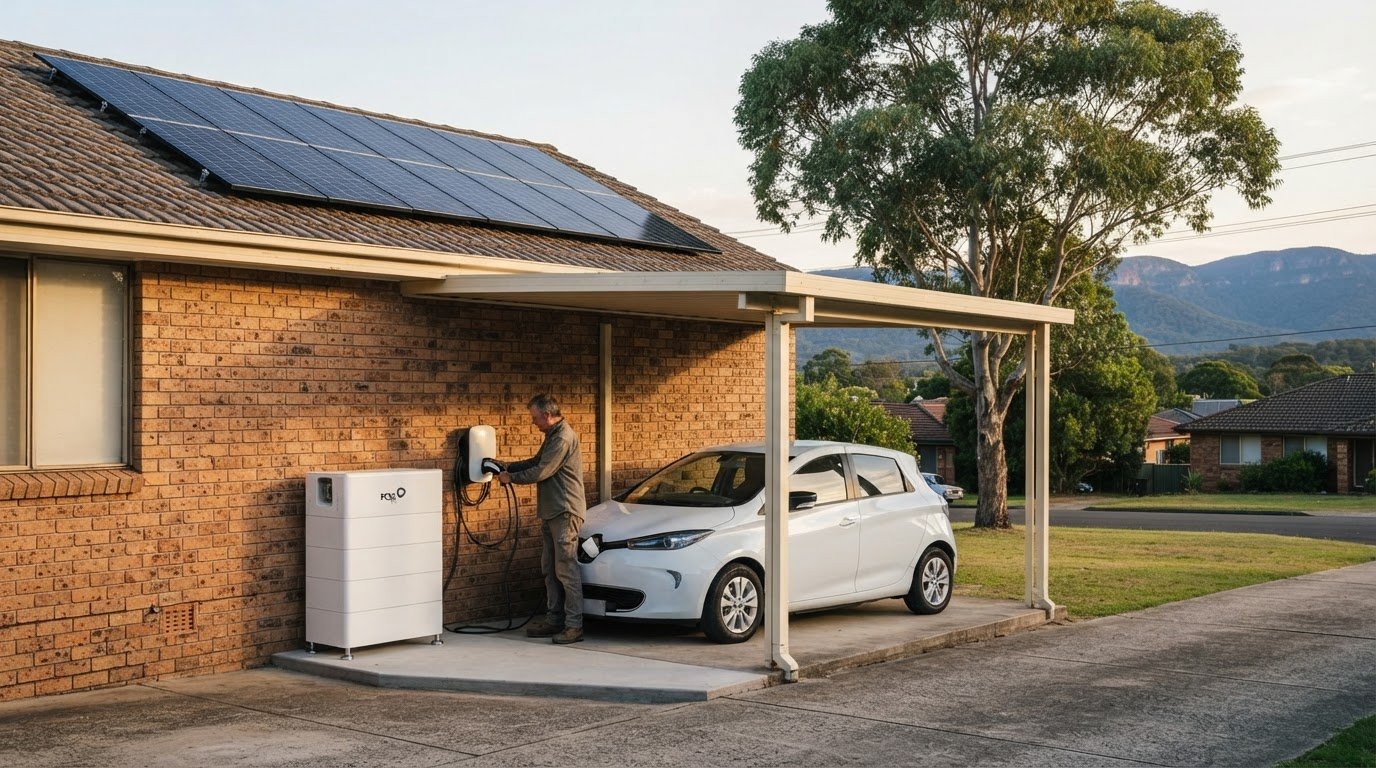
If you want to store excess solar generation, the FOX ESS CQ7 High Voltage Storage Battery is an option to consider. For a combined solar and EV charging setup, the SigenStor Integrated Solar Inverter & EV DC Charger brings those functions together. The next step is to discuss your household’s priorities, whether that’s reducing grid electricity use, adding storage or planning for EV charging.
Contact Sky High Solar and Electrical to discuss a solar installation suited to your Sydney property.
Plan your next step with confidence
Your energy needs may change as you add appliances, work from home or consider an electric vehicle. Thinking about those plans now helps shape a solar setup around more than today’s electricity use. The aim is a system suited to your property and the way you want to use energy over time.
For peace of mind with solar installation in Sydney, focus on a clear design, the role of any battery and how the system will support your household’s priorities. Sky High Solar and Electrical can help turn those considerations into a practical solar plan for your property.
Contact Sky High Solar and Electrical to discuss your solar plans and take the next step towards using more of your own generated power.
Frequently Asked Questions
Can I Put Solar On A South-Facing Roof?
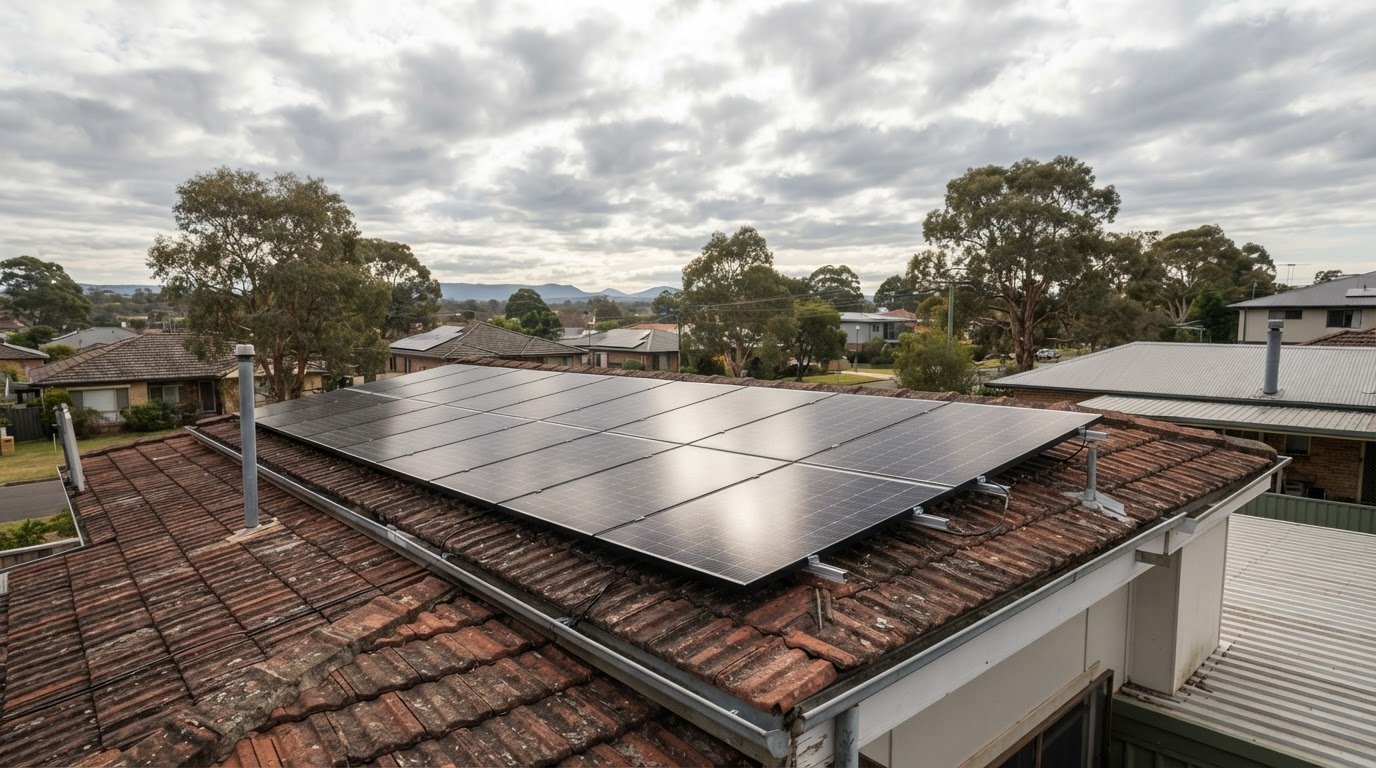
A south-facing roof can still be assessed for solar panels, but its orientation affects system design. The installer considers roof space, shading, panel direction and household electricity use together. For example, an unshaded section may be more suitable than a larger area affected by nearby trees. A site assessment helps determine whether your roof can support a practical solar layout.
Do I Need Council Approval For Solar Panels In NSW?
It depends on your property and the proposed installation. Listed heritage properties and homes in heritage conservation areas may face special requirements; in Sydney, a development application is generally required for solar panels in a heritage conservation area. In the City of Sydney, if a system protrudes more than 0.5 m, it must be installed more than 1 m from a neighbouring property boundary. Consider these factors during planning.
What Areas Do You Service?
Sky High Solar and Electrical serves Sydney Metro and surrounding regions, including Penrith, Parramatta, the Blue Mountains, Richmond, Liverpool and the Northern Beaches. Homeowners and businesses across these areas can plan residential or commercial solar installations with the company. Your suburb and property type help shape the project requirements, including roof access, system design and electrical work.
What Warranties Should I Actually Look For?
Look for clear, separate warranty terms covering panel performance, product defects and installation workmanship. Solar panels commonly have a 25-year performance warranty, while premium panel product warranties commonly last 10 to 25 years. Premium inverter product warranties commonly last 10 to 15 years. Workmanship coverage is another key consideration, with at least 10 years recommended for solar installation work.
How much does a solar panel installation cost in Sydney in 2026?
There isn’t one fixed cost for solar installation in Sydney; the price depends on the project and is provided after a quote request. System size, panel and inverter selection, roof layout, access, switchboard condition and battery storage all affect the scope. A quote should explain the equipment and electrical work included, so you can understand what shapes the proposed cost.
How do Sydney solar rebates and incentives affect installation costs in 2026?
Eligible incentives can reduce upfront costs or support battery investment. The federal Small-scale Technology Certificate scheme rebate is scheduled to decrease annually until it reaches zero in 2032. Eligibility and scheme conditions shape the benefit.