

 Sydney
 0452 243 240
Blog
Solar system monitoring apps for Australian homes

What if your solar system is generating power but you can’t tell how much your home is using? A solar system monitoring app in Australia can show generation, household consumption, battery charging and discharging, and electricity imported from or exported to the grid. For Sydney households, these readings help explain how solar production lines up with everyday energy use.
It’s natural to want a clear picture of whether your solar system is operating as expected. Monitoring lets you follow performance, review fault messages and see when your home is using solar power or drawing electricity from the grid.
This guide explains how manufacturer-specific platforms display system data, what to look for in real-time readings and how inverter type affects monitoring. You’ll also learn how to interpret the information and understand your system’s operation.
Key Takeaways
- Use monitoring to see solar generation, battery activity, household use and electricity flowing to or from the grid.
- Match the app to your inverter and battery, as features and the detail of stored system data can vary by brand.
- Check whether your setup can show whole-system or individual-panel performance, and how it connects to the internet.
- Use energy-use readings to spot when your household can make better use of solar power as it is generated.
Why Is A Good Solar Monitoring App Important?
A monitoring platform turns system data into a practical view of solar generation and household use. It can help you notice changes, understand battery activity and make informed energy-management decisions.
Solar and Battery Performance
Review solar production alongside system status, fault messages and historical results. An app or display can show whether panels are generating and whether the battery is operating. Compare similar periods rather than isolated readings, because conditions affect production. If an error appears, note its message and when it occurred. This context can help a technician investigate system performance.
Battery Charge and Discharge Tracking
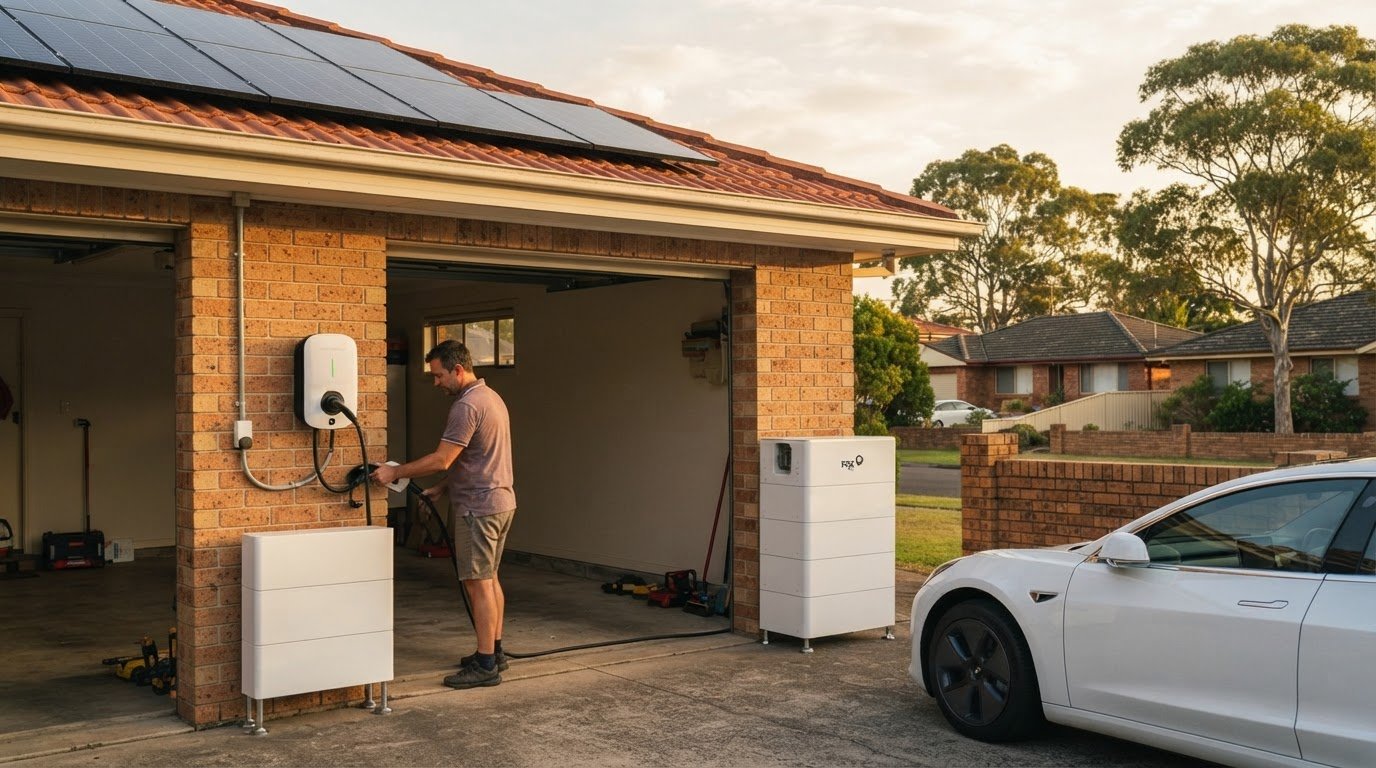
Battery tracking shows when stored energy is charging from solar and when your home draws on that reserve. Read charge and discharge information alongside generation and household use. For example, daytime charging followed by evening discharge shows how solar energy may be used after the panels stop producing. Monitoring can also help distinguish battery activity from electricity imported from the grid.
If the app stops updating, check whether your internet connection is working and whether the inverter or battery is reporting data. If generation looks low, review system status and fault messages, then compare readings from similar periods. A persistent fault or unexplained change in output needs professional assessment.
For Australian households, monitoring apps display system information, while a smart meter separately records electricity consumption and exports. App choice is not itself a government incentive. Eligibility for a scheme depends on that program’s terms.
Monitoring can also inform energy management beyond battery storage. PV water heating uses surplus solar generation to heat water, so compare production with household demand to see when excess energy may be available. The SunSPOT solar and battery calculator can support planning by estimating a property’s solar generation and battery needs. Treat its results as planning guidance, then compare them with your actual usage and system data.
Brand-specific solar monitoring apps
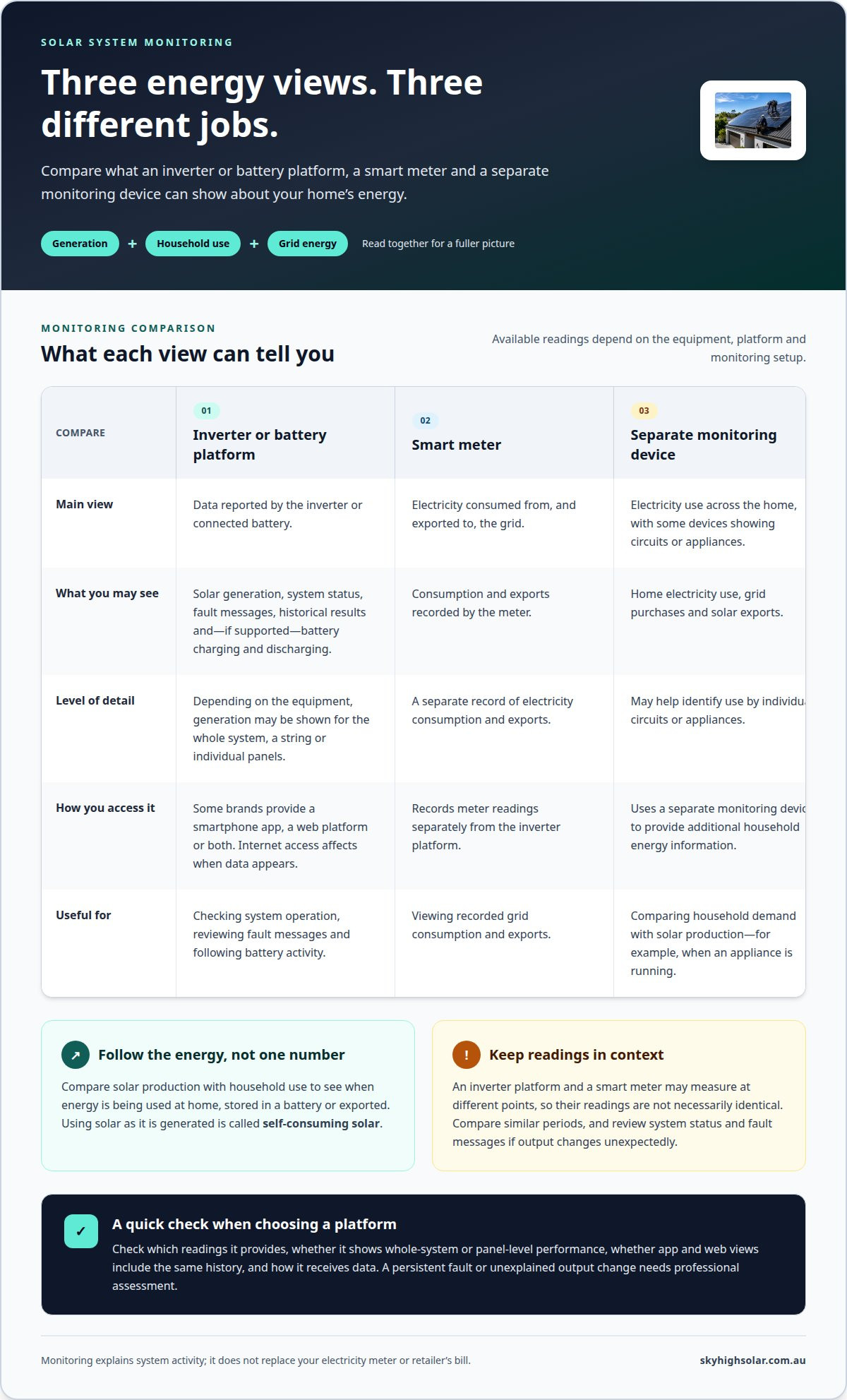
A solar system monitoring app in Australia can display data from an inverter or battery through a manufacturer’s platform. The available information depends on the equipment and monitoring setup, so compare the readings each option provides before relying on it.
App and Web Access
Some brands offer access through a smartphone app, a web platform or both. Web access can make charts easier to review on a larger screen, while an app provides a convenient view when you’re away from home. Check whether both formats show the same system information and historical records. Internet connectivity also affects when new data appears.
Inverter-Specific Platforms
Monitoring platforms are often linked to the inverter brand, such as Fronius. They may store past operating data and display inverter error states. Some compare generation with expected values or other systems, which can help investigate differences. The useful detail in a solar system monitoring app in Australia depends on the inverter model and connected equipment.
App Feature Comparisons
Compare generation history, system status, fault messages, battery readings and household energy information. Where the equipment supports it, check whether the platform reports generation by panel, string or whole system. This detail can help show whether a change affects one part of the array or its overall output. The app’s layout alone won’t tell you how much diagnostic information it provides.
App readings can differ from electricity-meter readings because they may measure data at different points. An inverter platform reports information from the inverter or battery, while a smart meter records consumption and exports. Treat them as separate views of energy flows, not identical measurements.
Privacy and cybersecurity depend on each platform’s data practices and account controls. Review privacy settings, limit unnecessary permissions and use a unique password. Because a solar system monitoring app in Australia relies on an internet connection to receive data, secure account access helps protect system information.
Real-time energy production and consumption data
A monitoring display can show when solar power is generated, used at home, stored or exported. Read production alongside consumption to understand how energy moves through your household, rather than judging performance by generation alone.
A separate monitoring device can show electricity use across the home, including individual circuits or appliances. It may also track grid purchases and solar exports. For example, compare an appliance’s use with solar production over the same period to see whether it runs while solar energy is available.
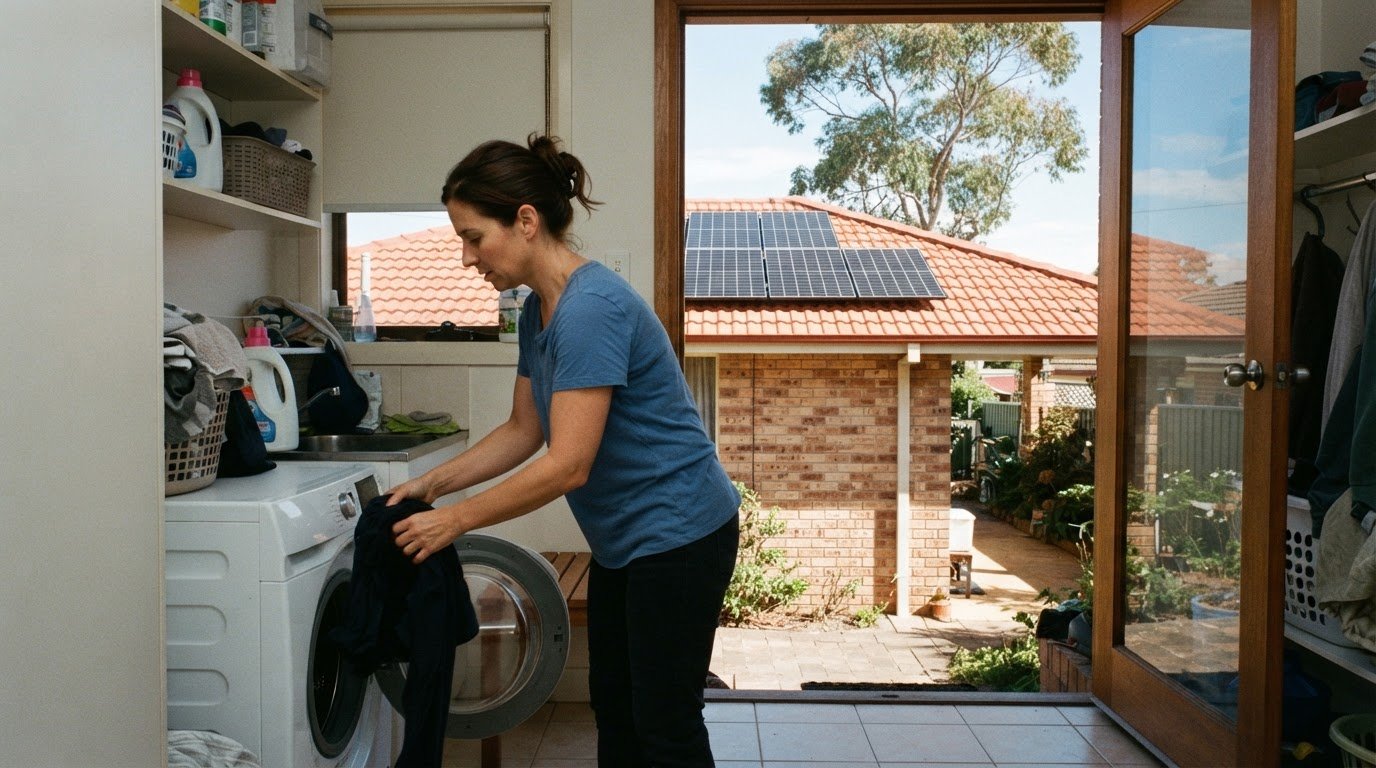
Using solar electricity as it is generated is called self-consuming solar. It may reduce your electricity bills, but the savings depend on factors such as household usage patterns, electricity tariffs and system design. Use monitoring data to identify when household demand is low or high, then consider whether flexible tasks can run during periods of solar production. This turns energy-use information into a practical energy-management routine.
Some platforms let you enter your electricity pricing plan and estimate financial savings. These estimates depend on the tariff details entered, including applicable usage charges and feed-in credits. They can help explain energy flows, but an app estimate is not the same as a retailer’s bill. Electricity plans and deals change regularly, so a government-backed comparison website can help you assess available offers.
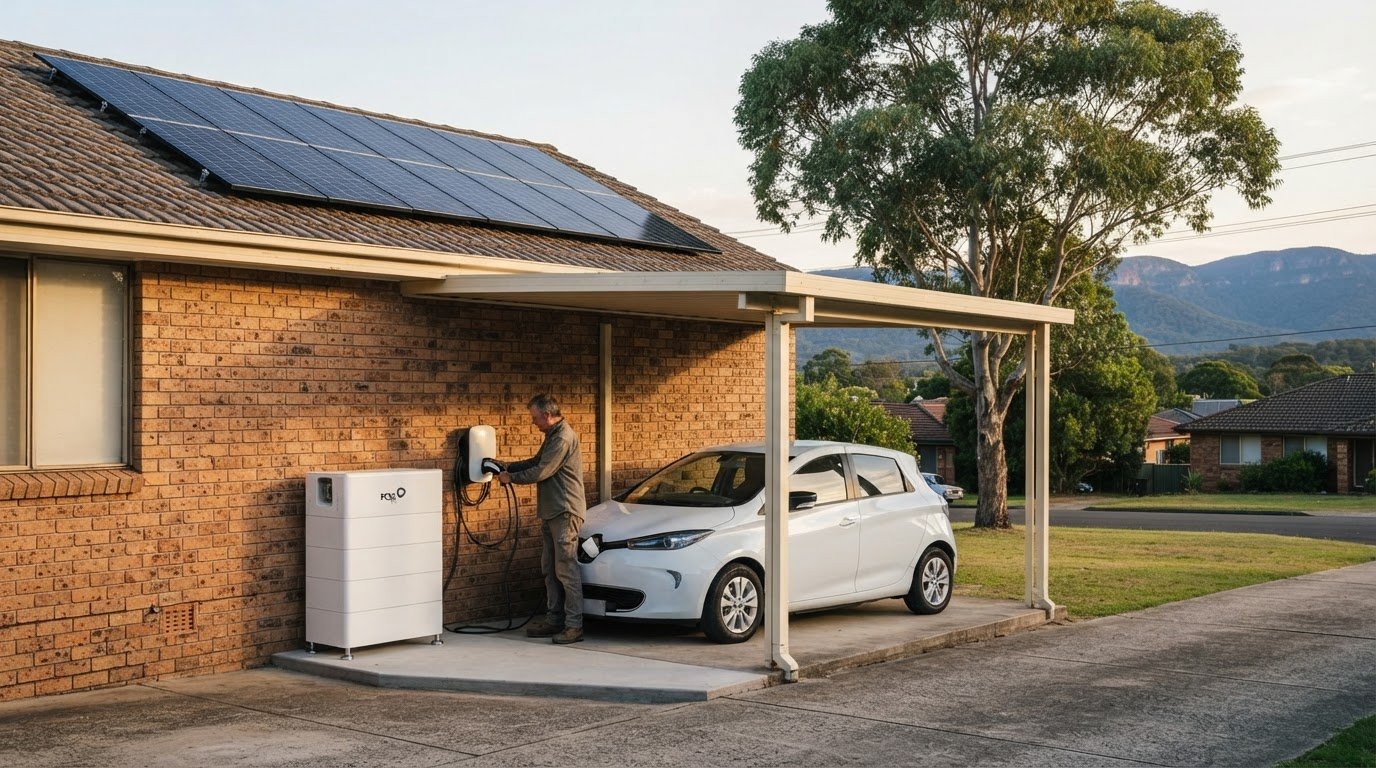
For households with a Tesla Powerwall 3, battery monitoring can add charge and discharge information to the household energy picture. Read those figures alongside solar production and home consumption to understand when stored energy is being used. The display helps you interpret system activity, while actual bill outcomes also depend on your plan and energy use.
Efergy in-line monitors can pair with a display or smartphone app to provide feedback on energy consumption. Compare household use, solar generation and grid imports over matching periods. This can show whether changes in energy habits are reducing reliance on purchased electricity.
Keep comparisons consistent: use the same time range for production and consumption, then note changes in household routines or tariff settings. This makes monitoring data more useful for planning solar use and assessing savings.
Solar system performance monitoring
Useful performance monitoring connects generation data with system status, electricity flows and the way solar equipment is configured. Read the level of detail that suits your question: a whole-system total shows broad changes, while panel-level information can help narrow down where they occur.
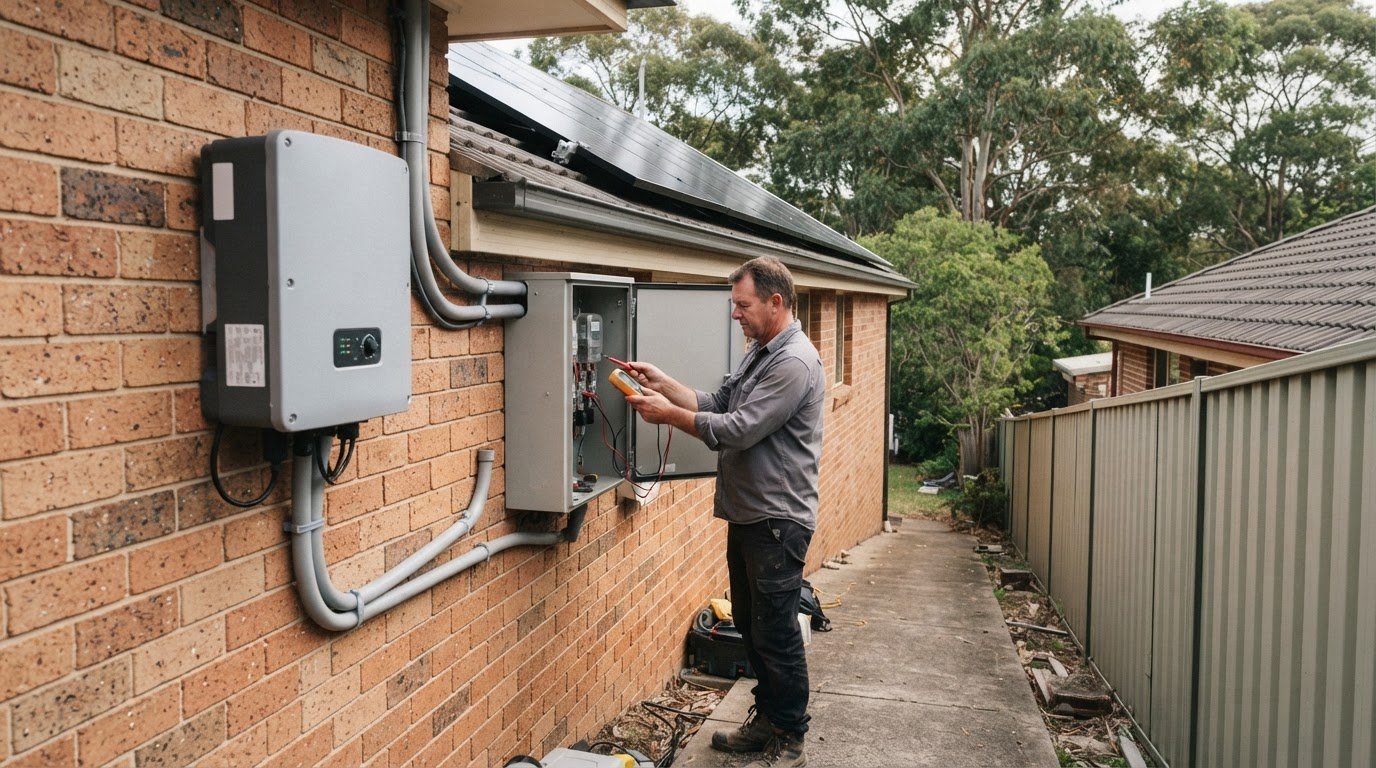
Monitoring devices can collect information from an inverter, battery or smart meter. They need an internet connection, supplied through an integral 4G or 5G connection, or a link to broadband through LAN, Wi-Fi or Bluetooth. If data stops appearing, the connection path is one part of the system to investigate.
With a string inverter, monitoring can show production across the solar system and sometimes across individual panel strings. This can help identify whether a change affects the whole array or a particular string. Microinverter monitoring can show generation from individual panels, making panel-level differences easier to locate.
Compare generation over matching periods and look for a consistent change rather than drawing conclusions from one reading. Some platforms compare actual output with expected values or other systems. This can help identify possible causes of a difference, while system status and fault messages provide useful context.
Brands such as Sungrow use their own system components and monitoring arrangements, so available information depends on the connected devices. Focus on what the platform measures and the detail it provides instead of assuming every app reports the same data. Where storage is installed, review generation alongside system status and battery activity.
If you’re concerned about performance, note when the change began, what the platform displays and whether system status shows an error. This gives a technician a clearer starting point for assessing the system. Don’t open electrical equipment or attempt repairs. Monitoring data describes system operation, but it does not replace a physical inspection.
Sky High Solar and Electrical: Solar System Servicing
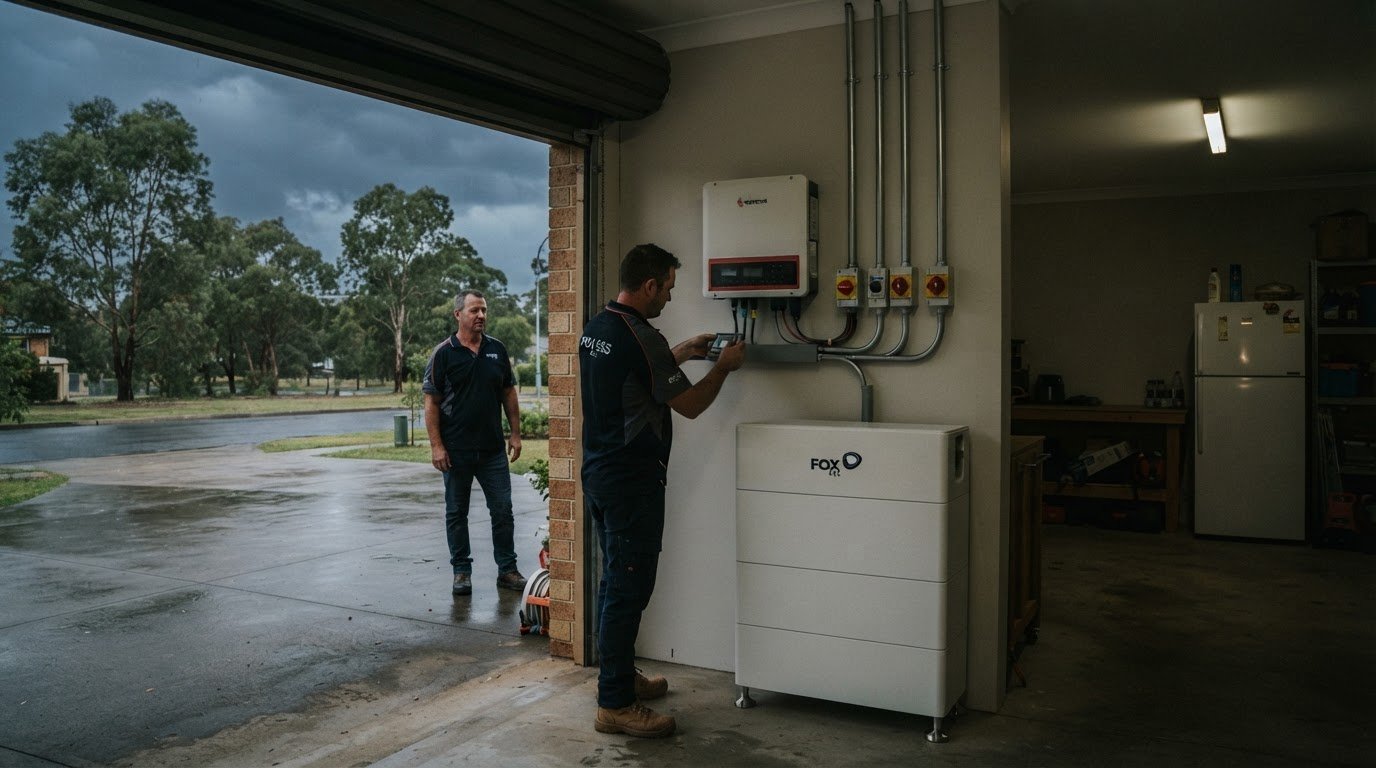
Sky High Solar and Electrical provides Solar System Servicing when monitoring shows persistent low generation, fault messages or unusual battery behaviour. App data can help describe the issue, while a service assessment examines the solar equipment and identifies what needs attention.
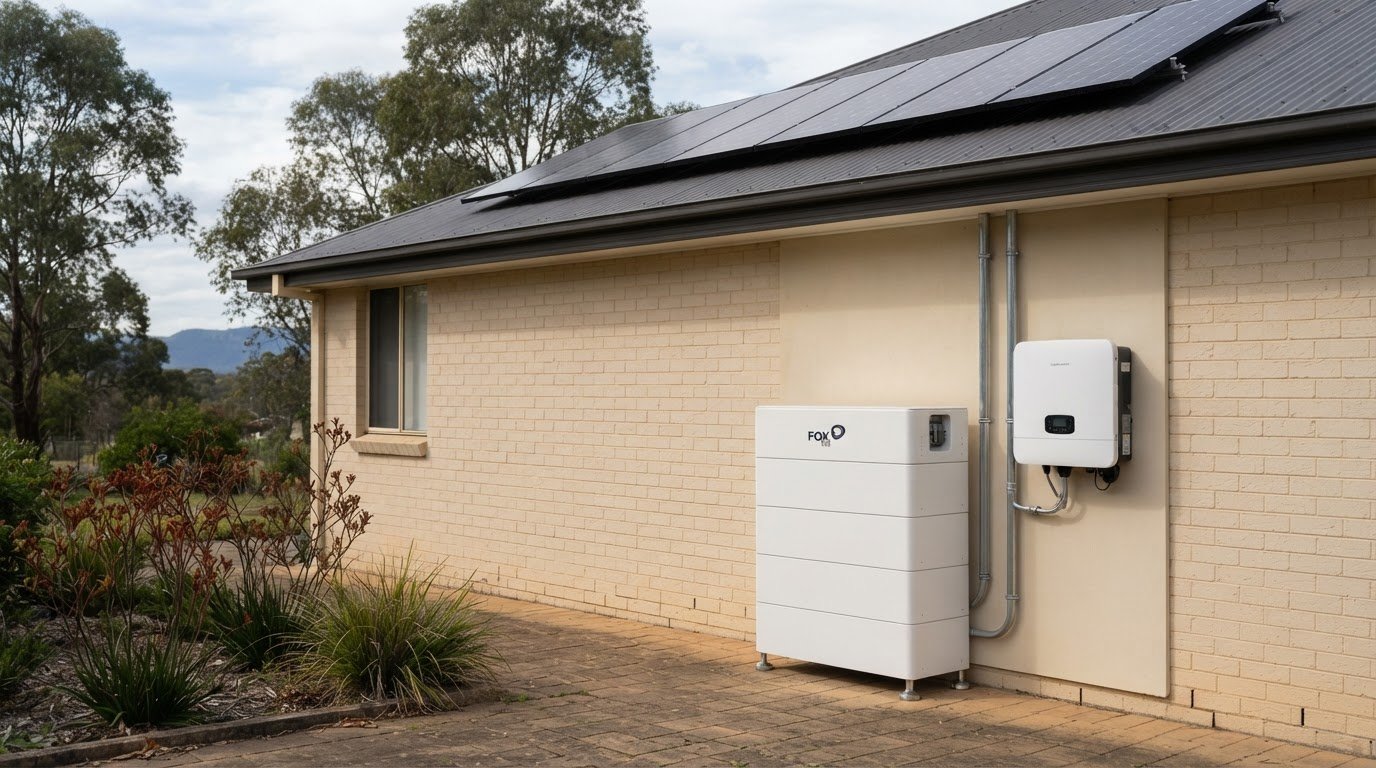
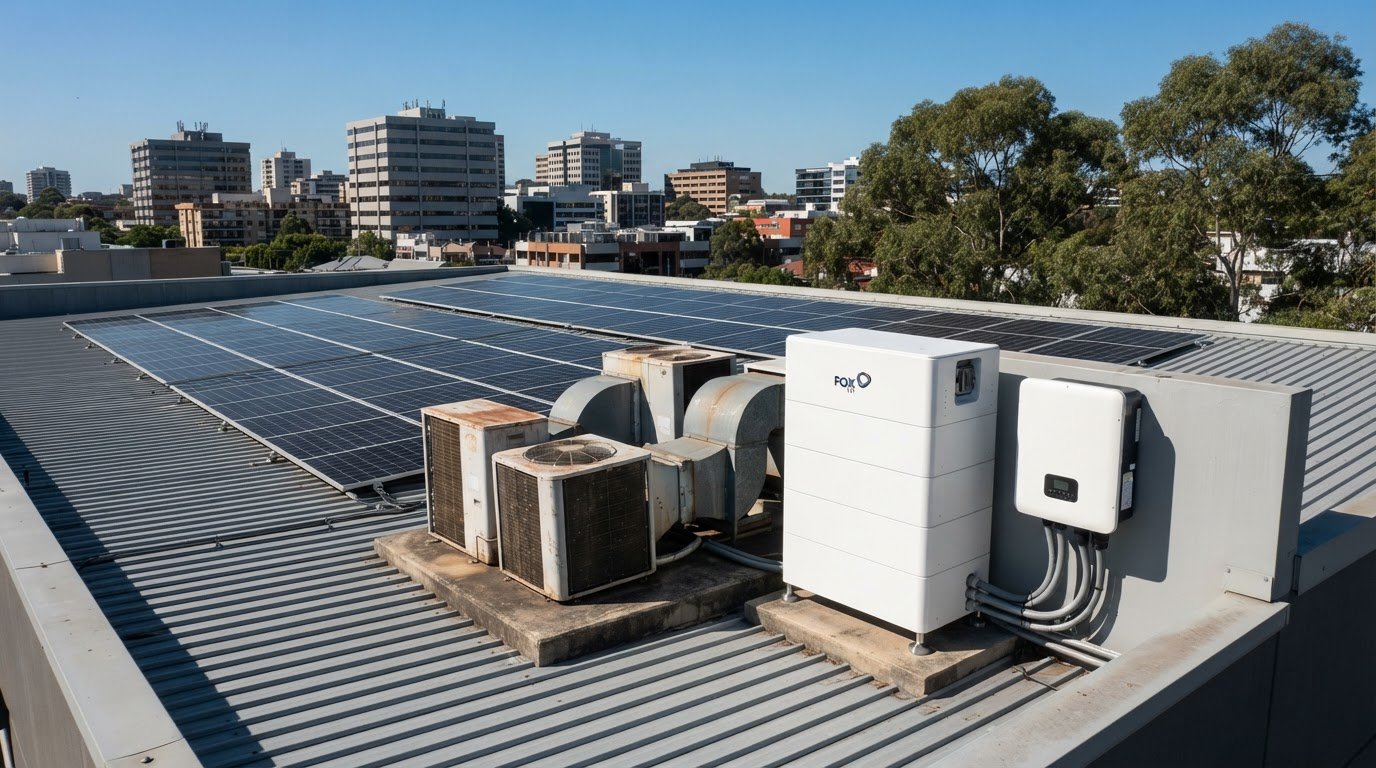
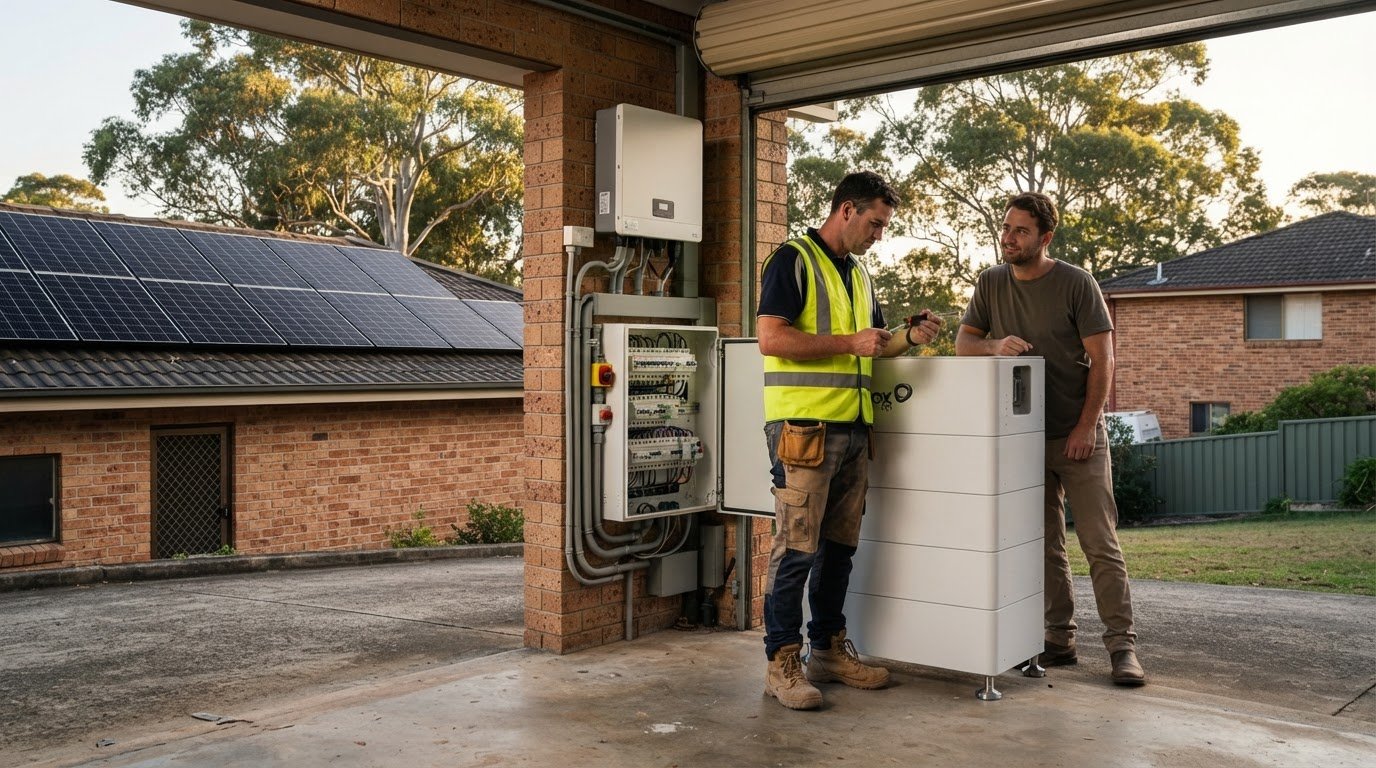
Before arranging servicing, note the change in system performance, any displayed fault code and when the issue began. This information gives the service team a useful starting point. If you’re planning a new system rather than investigating an existing one, Sky High Solar and Electrical also installs 6.6kw and 10kw solar panel systems and FOX ESS CQ7 High Voltage Storage Batteries.
If your solar system isn’t performing as expected, contact Sky High Solar and Electrical for Solar System Servicing.
Make your system data work for your next decision
Choosing a solar system monitoring app in Australia is only the starting point. Its value comes from using the readings to understand how your household’s energy needs change over time. A consistent record of system activity can help you describe performance concerns clearly and decide whether your setup still suits your home.
Keep a note of recurring changes in production, system status or battery behaviour. If these patterns concern you, professional servicing can assess the equipment behind the data. If you’re planning a new installation or battery storage, consider how monitoring can support your household’s energy goals from the outset.
Sky High Solar and Electrical can help with solar system servicing and residential solar installations. Contact Sky High Solar and Electrical to discuss a practical next step for your solar system. Clear information and the right technical support can help you make considered decisions about your home’s energy future.
Frequently Asked Questions
What can free solar system software help me do as a homeowner?
Free solar software can help you explore system options, review solar activity and plan household energy use. For example, use the SunSPOT solar and battery calculator to consider whether storage may suit your home, then use your system’s monitoring platform to understand its operation. These tools support planning and observation, but serve different purposes and depend on the information entered.
What solar monitoring apps are available in Australia?
Solar monitoring apps available in Australia include manufacturer platforms for compatible inverters or batteries, as well as platforms connected to separate monitoring devices. A solar system monitoring app in Australia may offer smartphone access, web access or both. Your property’s equipment determines which platform can receive its data, so start by identifying the inverter and monitoring setup.
Which Australian solar monitoring apps work with different inverter brands?
Some monitoring options are designed for a particular inverter brand, while separate devices can collect information from solar equipment and meters. Compatibility across brands depends on the device and system connection, so don’t assume one app supports every inverter. When choosing a solar system monitoring app in Australia, check which equipment it can read and whether it provides the data you need.
How do solar monitoring apps track generation, household consumption and grid exports?
Apps combine information from equipment that measures different parts of the energy flow. An inverter provides solar generation data, while a suitable monitoring device or smart meter can show household consumption and electricity exported to the grid. Viewing these readings together can help distinguish solar power used at home from excess generation sent through the meter.
Are solar monitoring apps free in Australia, or are there subscription fees?
Access and charges depend on the platform and its terms. Some systems provide an app or web view for their equipment, while separate monitoring services may have their own fees or conditions. Before using a platform, review whether core monitoring features require a subscription and whether optional services have separate charges. App fees are separate from solar installation costs.
Which Australian inverter brands have their own solar monitoring apps?
Inverter manufacturers with monitoring platforms include Fronius, Sungrow, Enphase, GoodWe and FOXESS. The available app and its functions depend on the model and connected equipment. In a household with components from different brands, one manufacturer’s platform may focus on its own equipment. Identify your inverter’s brand and model to find the monitoring option designed for your system.