

 Sydney
 0452 243 240
Blog
Commercial Solar or Battery Storage for Eastern Suburbs Sydney

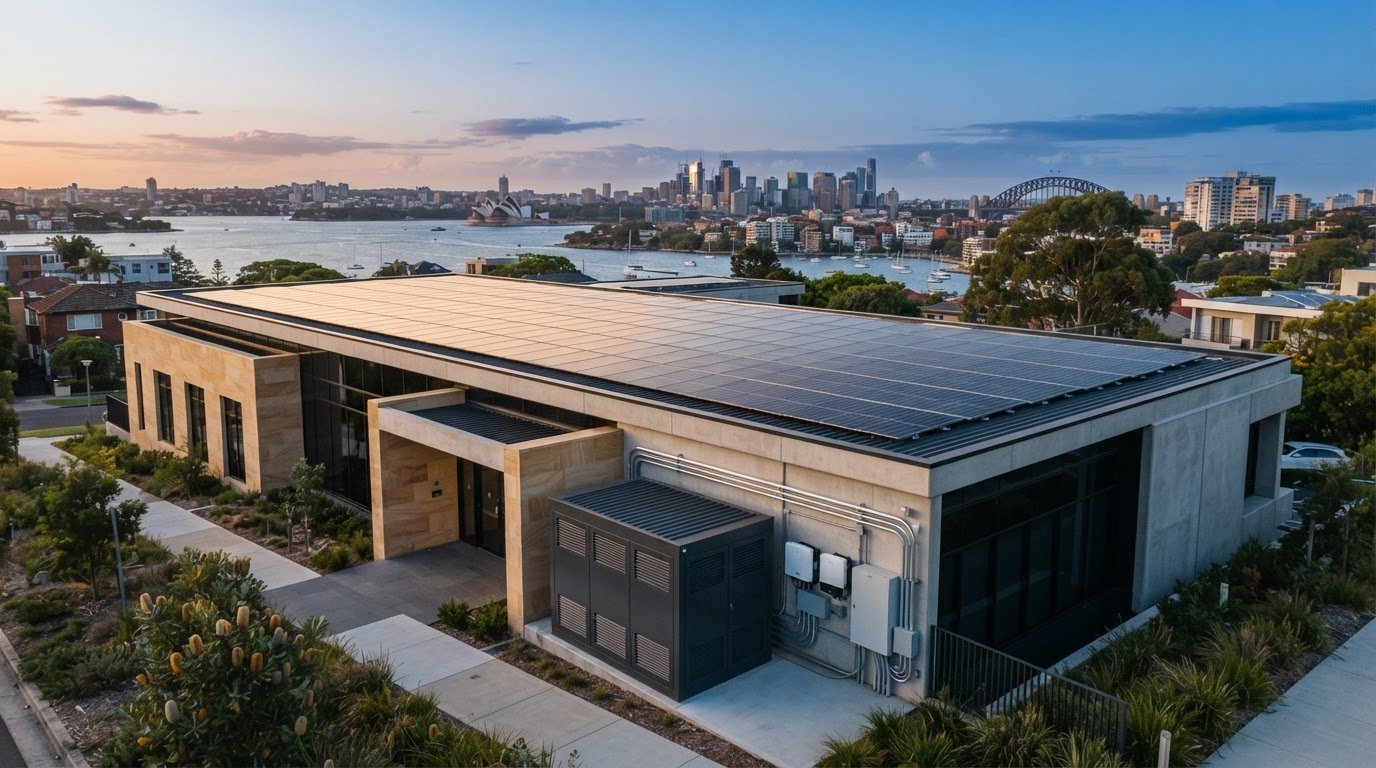
Solar alone is often the better starting point for a business that uses most of its electricity during the day; battery storage becomes more relevant when you need to store excess generation for later use. Commercial solar systems often have payback periods of 2 to 4 years, with results shaped by system design, roof conditions and how much of the power your business uses on site.
It’s reasonable to want lower energy bills without investing in equipment that doesn’t match your operating hours. For businesses considering commercial solar Eastern Suburbs Sydney, start by comparing daytime electricity use with demand after sunset. Then assess whether solar panels, battery storage or a staged approach best fits your site.
This guide from Sky High Solar and Electrical explains what affects potential savings, how to weigh solar against battery storage and what to consider when planning an installation across Sydney. Local site conditions and your business’s energy profile help determine which system is suitable.
Key Takeaways
- Compare your business’s electricity use with when solar generation is available to identify which system design best fits daily operations.
- Assess roof space, shading, electrical infrastructure and site requirements when planning an installation across Sydney’s Eastern Suburbs.
- Consider battery storage when your business needs to use solar energy beyond daylight hours, and weigh its role alongside your daytime loads.
- Explore how a tailored solar system or storage option can support your energy goals, with the right choice guided by your site and usage profile.
Commercial Solar or Battery Storage?
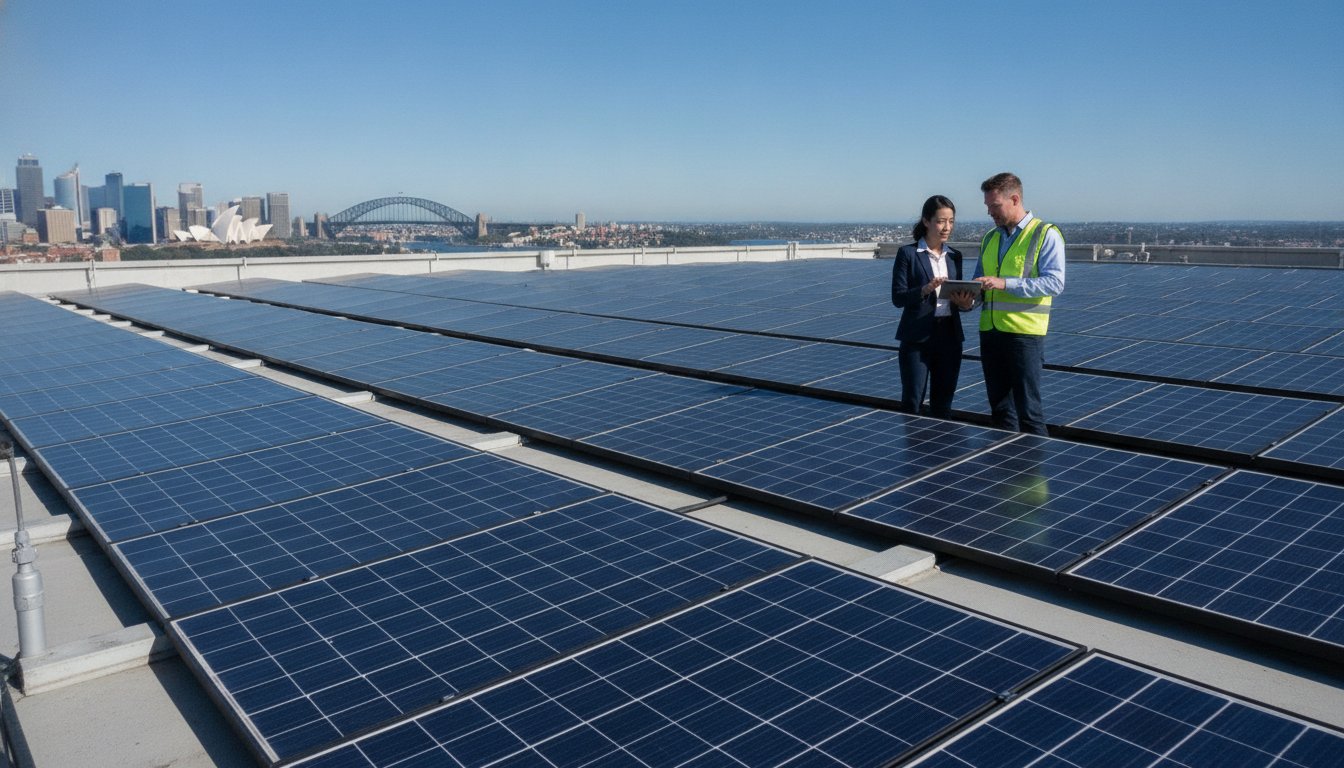
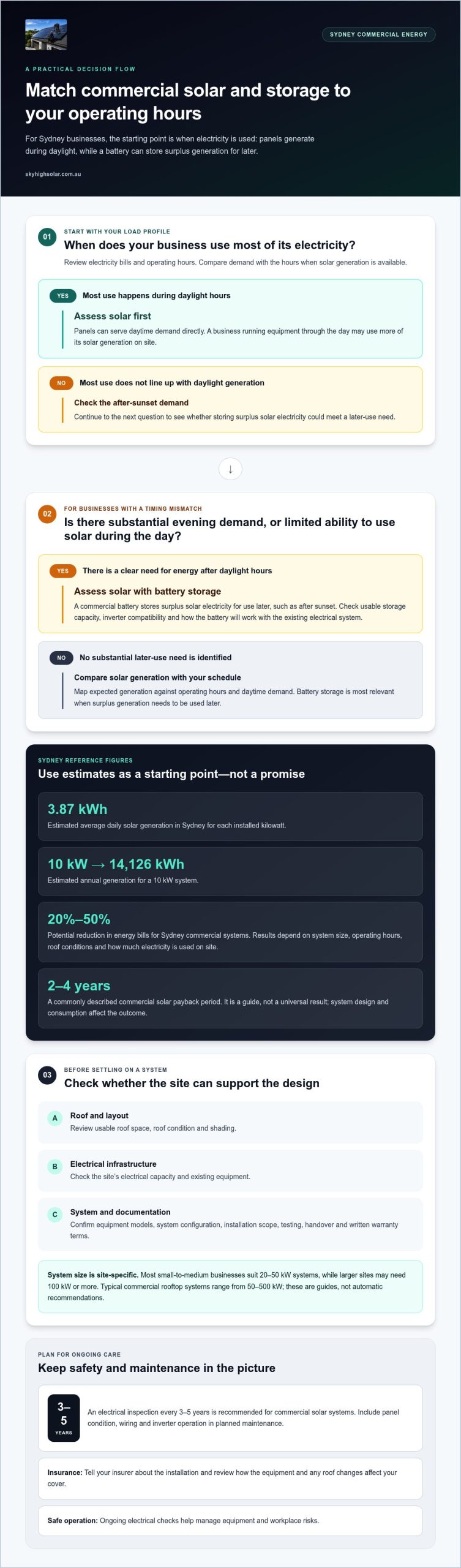
For many businesses, rooftop solar is the first option to assess because panels generate electricity during daylight hours. In Sydney, a solar system is estimated to produce an average of 3.87 kWh per day for each installed kilowatt. A 10 kW system is estimated to generate 14,126 kWh annually, giving businesses a practical starting point for comparing generation with their daytime demand.
Commercial solar savings depend on how much generated electricity your business uses on site. Sydney commercial systems can reduce energy bills by 20% to 50%, with the result shaped by system size, operating hours, roof conditions and electricity use. For example, a business running equipment through the day may use more solar generation directly than a site that is quiet during daylight hours.
Payback periods also vary with system design and consumption. Commercial solar systems are often described as having a payback period of 2 to 4 years, but this is a guide, not a universal result. For a commercial solar project in Sydney’s Eastern Suburbs, compare expected generation with your electricity bills and operating schedule. A site assessment can help establish whether rooftop space and daytime demand align with a suitable system.
Battery storage meets a different need: it stores surplus solar electricity for use later, such as after sunset. It may suit a business with substantial evening demand or limited ability to use solar generation during the day. If most electricity use happens while panels are generating, assess solar first before considering storage.
Maintenance, insurance and safety need to be part of the decision. An electrical inspection every 3-5 years is recommended for commercial solar systems; include panel condition, wiring and inverter operation in planned maintenance. Tell your insurer about the installation and review how the equipment and any roof changes affect your cover. Safe installation and ongoing electrical checks also help manage equipment and workplace risks.
To compare options, map electricity use by time of day, review roof space and shading, then compare expected solar generation with your operating hours. This clarifies the roles: panels can serve daytime demand, while a battery can shift some stored generation to later use.
Solar installation coverage across Sydney’s Eastern Suburbs
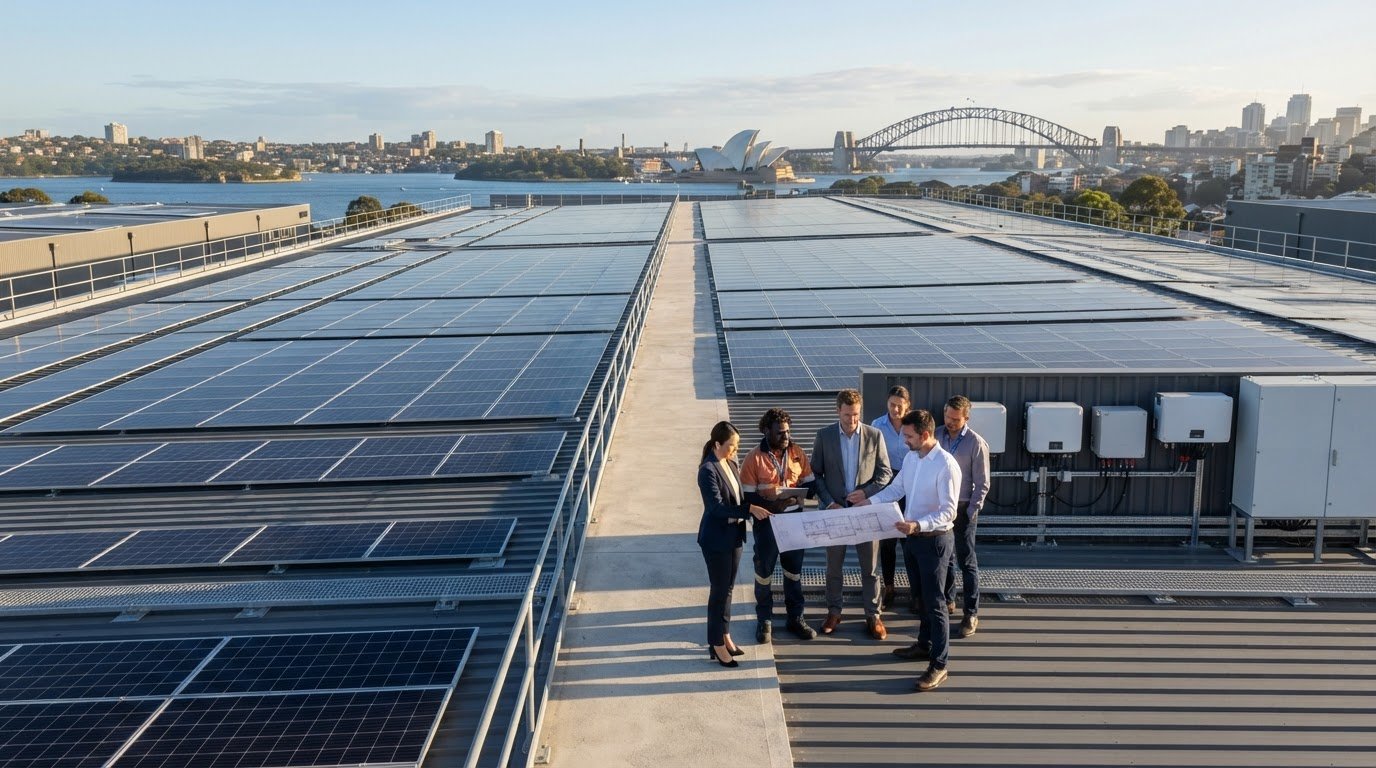
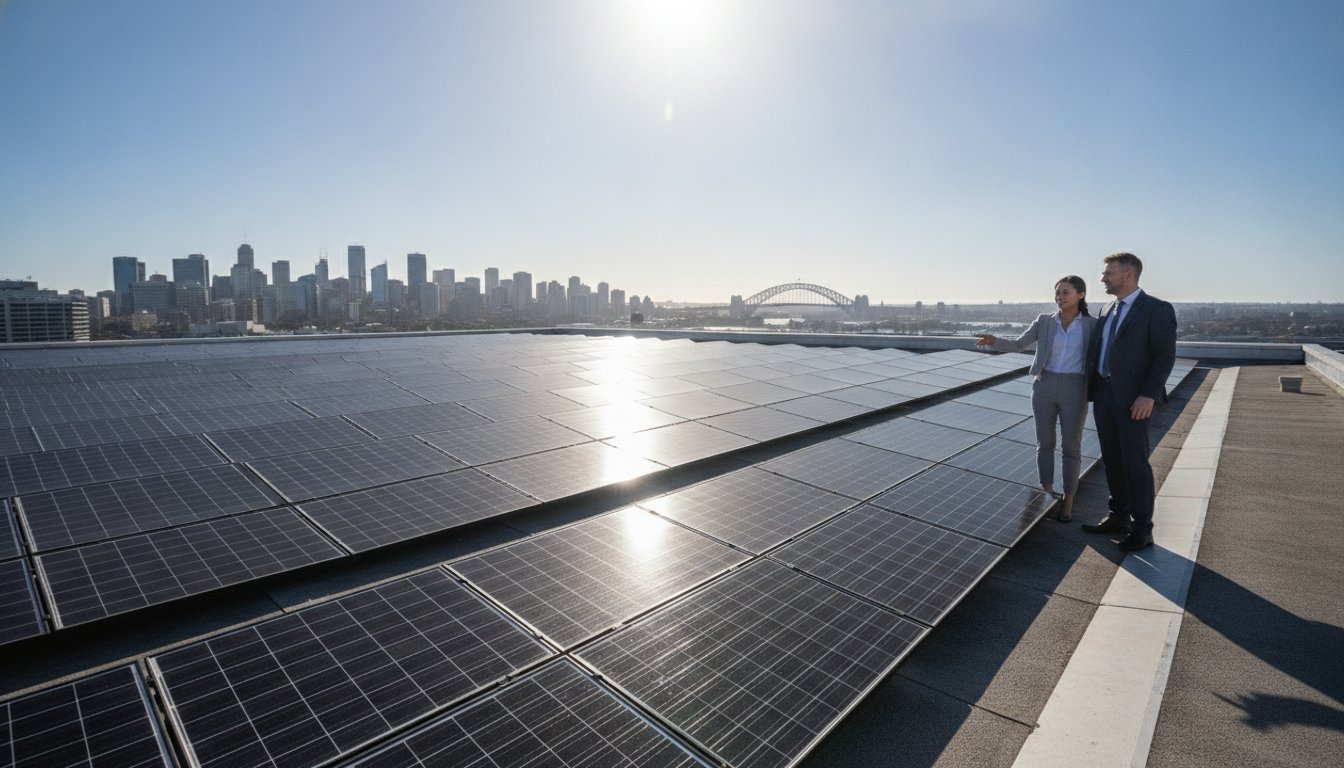
Planning commercial solar starts with your site, energy use and available roof area. In Sydney’s Eastern Suburbs, these factors help shape the system design and practical steps from assessment through to operation.
Commercial installation process
Begin by reviewing electricity bills, operating hours, roof condition and existing electrical infrastructure. These details inform the proposed solar design and whether a battery suits your business’s energy profile. Before installation, clarify the project scope, equipment, warranty terms, testing and handover. Keep the system documentation after installation and arrange ongoing electrical inspections.
System sizes for local businesses
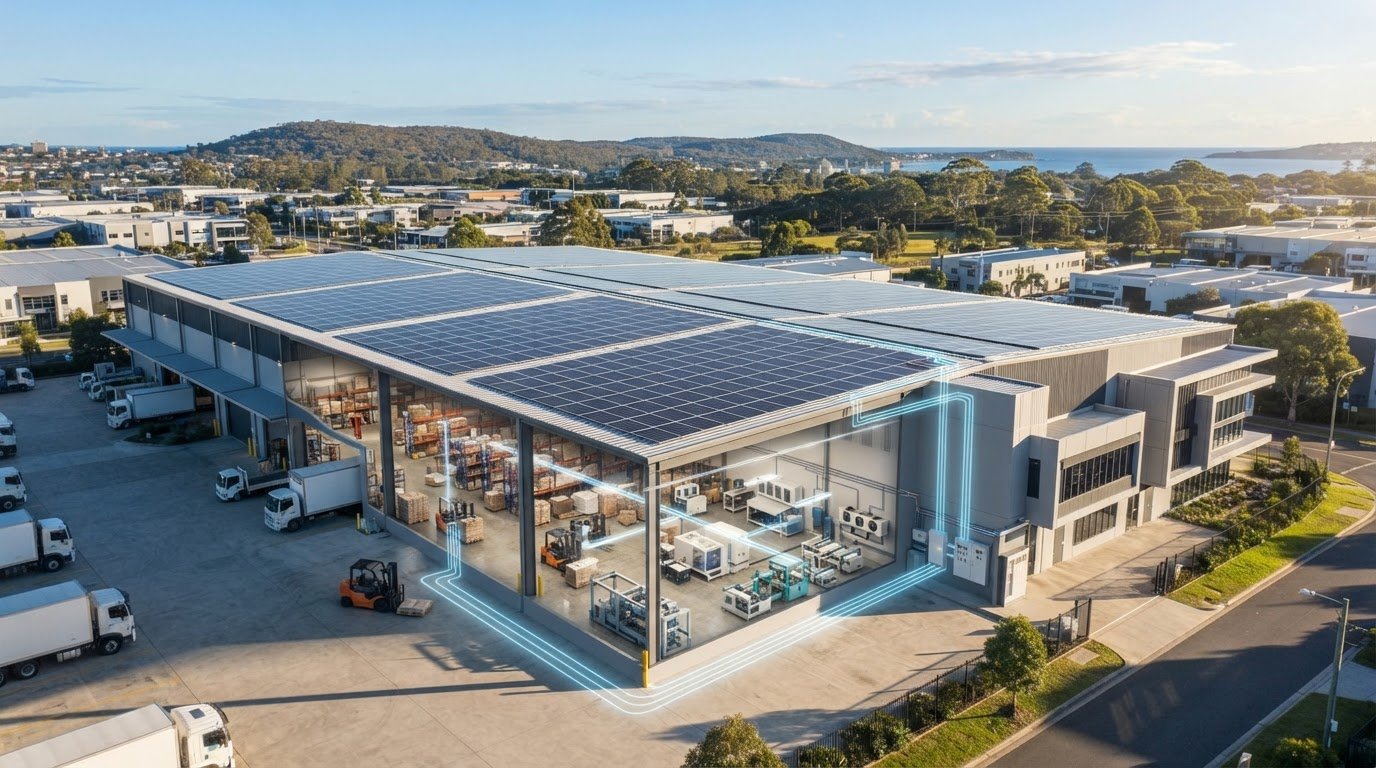
Most small-to-medium businesses suit commercial solar systems of 20-50 kW, while larger sites may need 100 kW or more. Typical commercial rooftop systems range from 50-500 kW, but these figures are guides, not automatic recommendations. A warehouse with broad roof space and daytime machinery has different requirements from a shop with limited roof area. Match the maximum practical system size to usable roof space, electricity demand and the site’s electrical capacity.
Compare accreditation and licensing details alongside written warranty terms. Warranty terms vary by product and installer, so check that component and workmanship coverage is clearly documented.
Customer experiences are most useful when they describe a comparable business, site constraints and system performance against expected use. Look for details about installation, communication, commissioning and follow-up, rather than relying on broad claims about renewable energy benefits.
For a site-specific next step, explore commercial solar installation options and consider how the proposed system would fit your roof and operating schedule.
Commercial battery storage
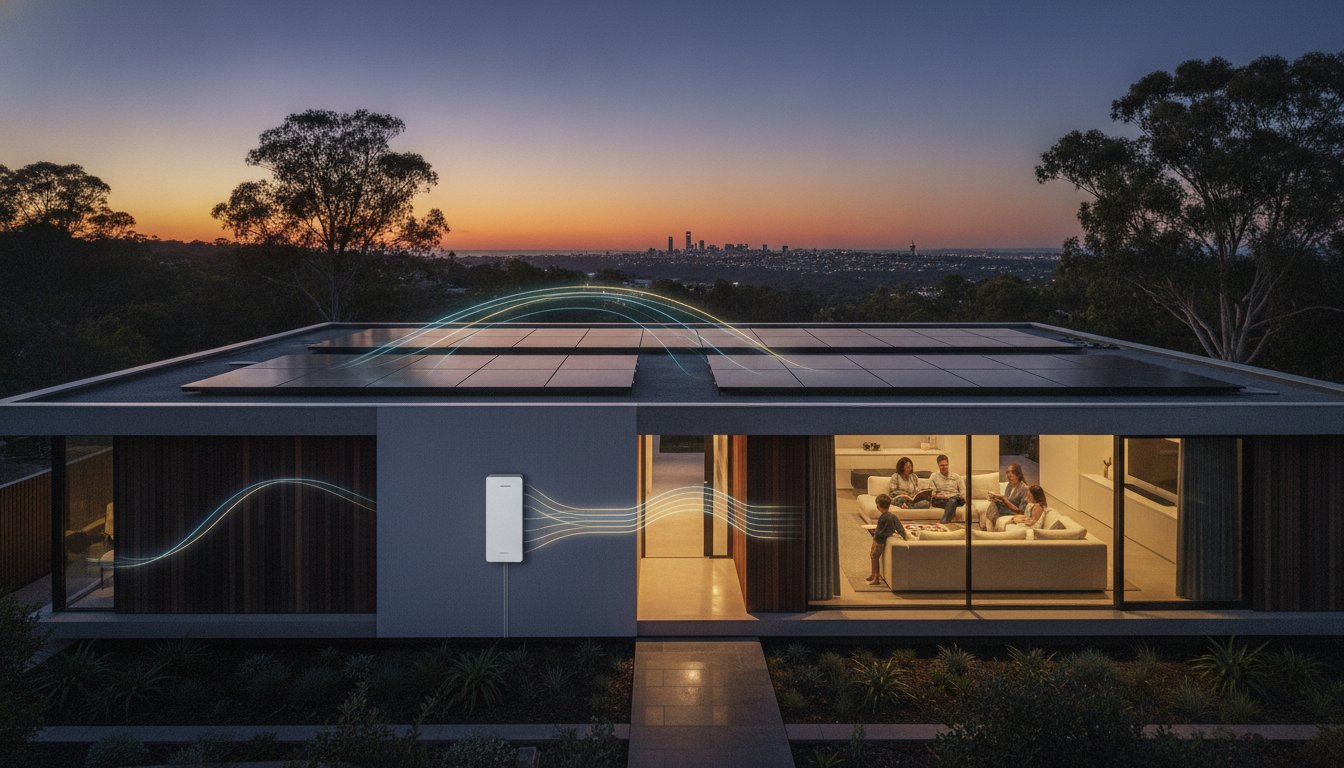
A commercial battery stores surplus solar electricity for use when panels aren’t generating. Its value depends on your business’s load profile, storage needs and system design.
Commercial battery storage options
Start by identifying which business operations continue after daylight hours. A site with evening demand may use stored solar generation later, while a business that consumes most power during the day may prioritise panels without storage. Compare usable storage capacity, inverter compatibility and how the battery will work with your existing electrical system. These factors show whether storage fits your needs.
Solar and battery equipment
Solar panels, inverters, batteries and roof-mounting equipment need to work as one system. Check that the inverter design supports the intended storage setup and that the mounting approach suits the roof structure and layout. Ensure the project documentation specifies equipment models, system configuration, installation scope and written warranty terms. This clarifies component responsibilities and coverage if servicing is needed.
Government assistance can reduce upfront costs for eligible rooftop solar. Australia’s Small-scale Renewable Energy Scheme provides an incentive for most new residential and business rooftop solar systems. Small-scale Technology Certificates (STCs) apply to eligible solar systems up to 100kW, with their value generally reflected upfront in the system price. Eligibility and the amount depend on the system and its installation details.
Businesses may also be eligible for incentives such as STCs, Large-scale Generation Certificates (LGCs) and depreciation benefits. These work differently, so distinguish an upfront certificate discount from tax treatment or ongoing certificate arrangements. The system’s size and structure affect which options are relevant.
NSW battery incentives require careful distinction. The Peak Demand Reduction Scheme (PDRS) provides upfront payments to households installing batteries that support the grid during peak demand. This household incentive should not be treated as a commercial battery discount. For a business, assess storage based on electricity use, equipment requirements and applicable business incentives.
Before committing, compare the battery warranty with the inverter warranty and installation coverage. Plan for equipment location, maintenance access and system monitoring. A clear equipment schedule and handover documentation help your team understand the installation and maintain it over time.
Residential and commercial solar suitability in Sydney’s Eastern Suburbs
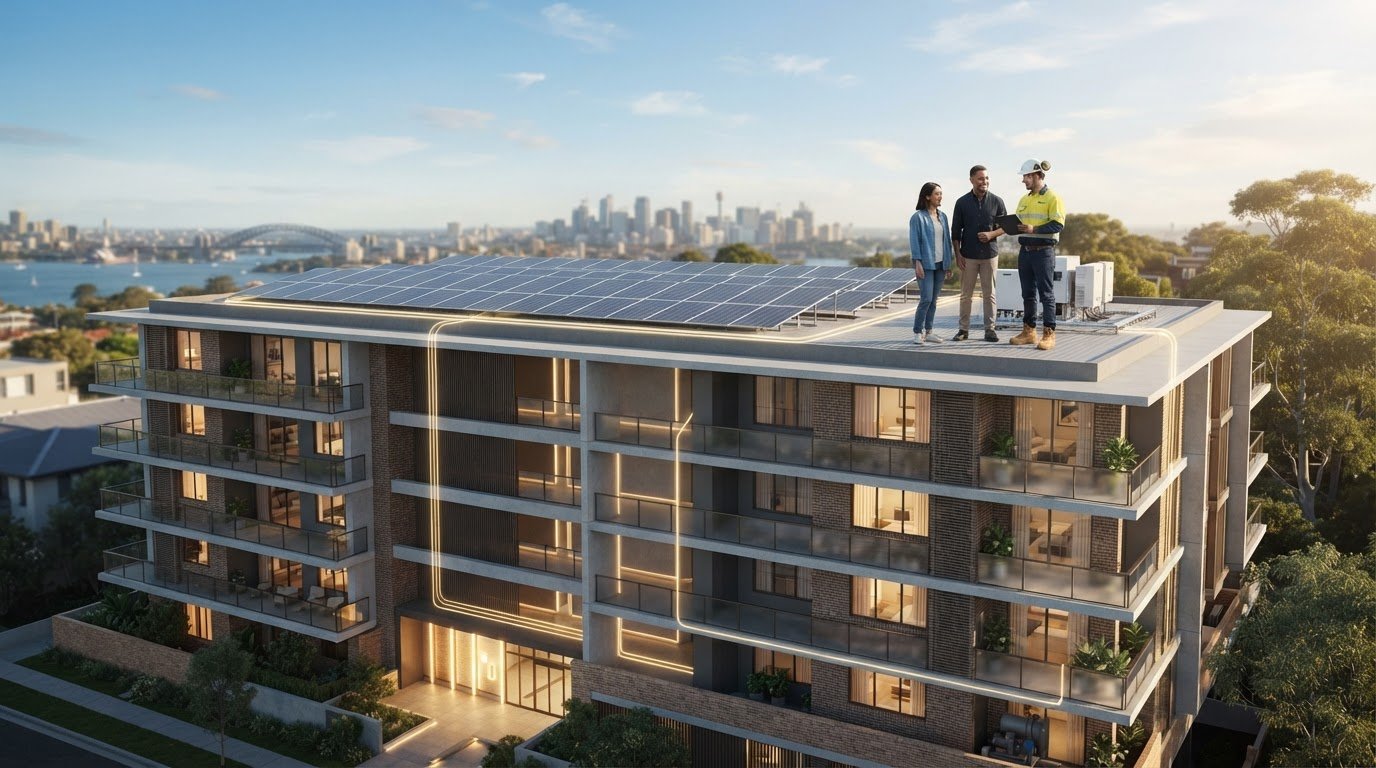
Suitability depends on roof space, shading and when a property uses electricity. Sydney receives approximately 7 to 8 hours of quality sunlight each day, but a site’s orientation and obstructions affect how much solar power its panels can produce.
For residential solar, compare annual electricity use with daytime consumption before choosing a system. A household using more power during daylight can consume more generation directly. Businesses should map operating hours and major loads, such as refrigeration or workshop equipment, against available roof area. The same solar investment can suit one property and fit another poorly.
Roof condition, shading, network connection and heritage constraints can all affect a commercial installation. Usable space and shade from nearby buildings influence panel placement; network capacity can shape system design and export arrangements. Heritage controls may limit changes to visible roof areas, so consider the property’s planning context.
Use this assessment sequence to compare options:
- Review electricity bills and identify daytime demand.
- Map roof sections, shade, access and existing equipment.
- Consider network connection needs and any heritage restrictions.
- Compare system design with consumption, available rebates and long-term plans.
Rebates can affect the upfront investment, but eligibility depends on the system and scheme requirements. The Australian Government’s Small-scale Renewable Energy Scheme supports eligible rooftop solar systems. Assess any incentive alongside expected self-consumption, rather than treating it as a substitute for a suitable design.
For a mixed-use Eastern Suburbs property, such as a residence above a shop, separate the household and business load profiles first. That step shows whether one system can serve the site effectively or whether different operating patterns need separate consideration. A tailored solar suitability assessment can bring roof conditions, electricity use and system design into one practical plan.
Sky High Solar and Electrical: 6.6kw Solar Panel Installation
Sky High Solar and Electrical helps businesses assess whether a 6.6kw Solar Panel Installation or 10kw Solar Panel Installation fits their site and electricity use. These system options can suit smaller commercial properties where roof space and daytime demand inform the design.
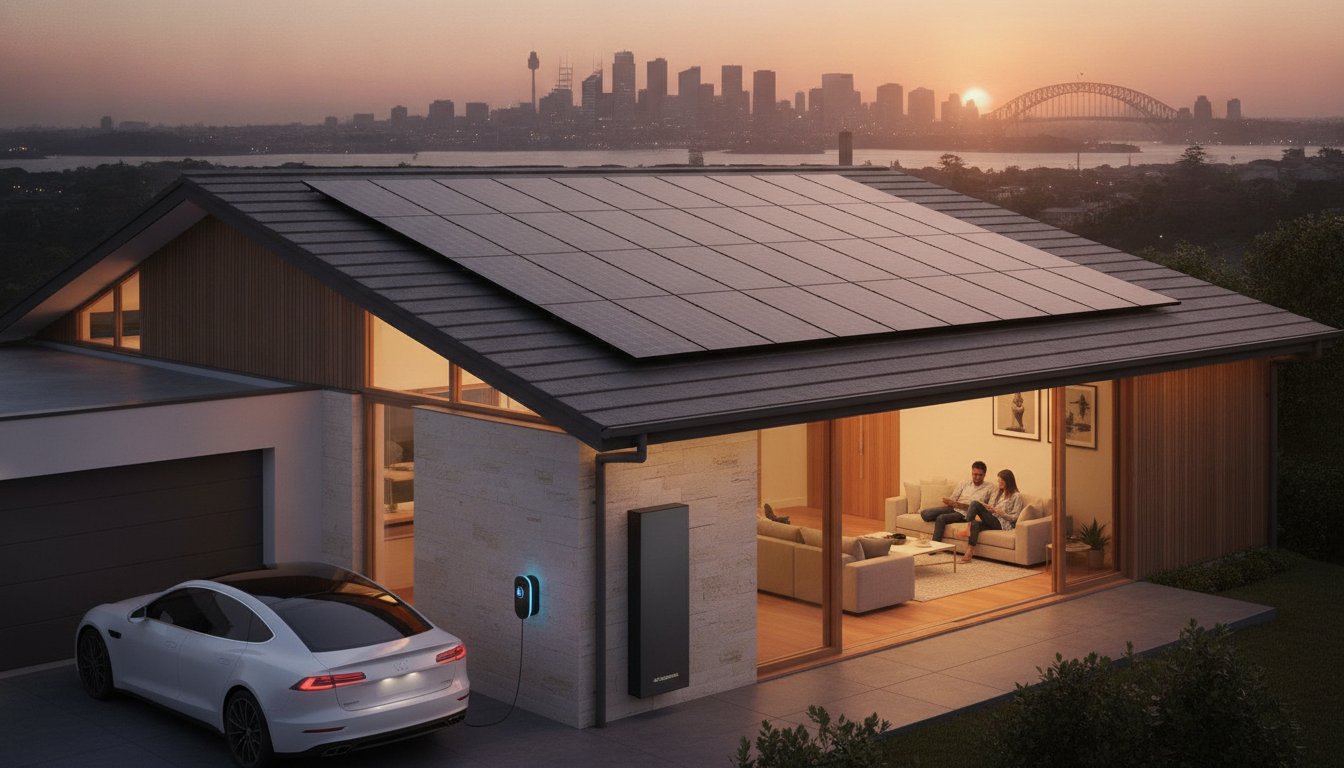
For businesses looking to store excess solar generation, the FOX ESS CQ7 High Voltage Storage Battery is an available battery option. The SigenStor Integrated Solar Inverter & EV DC Charger may suit sites planning to combine solar generation with EV charging. The right configuration depends on the property’s energy profile and installation requirements.
When your business is ready to plan a solar or storage upgrade, contact Sky High Solar and Electrical or visit skyhighsolar.com.au to discuss your project.
Make your next energy decision with purpose
Plan for how your business may change, not just the electricity it uses today. If you expect new equipment, longer operating hours or electric vehicle charging, include those needs in the system design discussion. Looking ahead can help align a solar investment with your site’s future energy demands.
For a commercial solar project in Sydney’s Eastern Suburbs, the next step is to bring together your electricity bills, operating schedule and available roof information. Sky High Solar and Electrical offers 6.6kw and 10kw solar panel installations, as well as the FOX ESS CQ7 High Voltage Storage Battery. Those options provide a starting point for discussing generation and storage against your business requirements.
Talk through your site and energy goals with Sky High Solar and Electrical. A considered plan can help your business move towards more deliberate energy use and a lower reliance on grid electricity.
Frequently Asked Questions
What Could Solar Save Your Business?
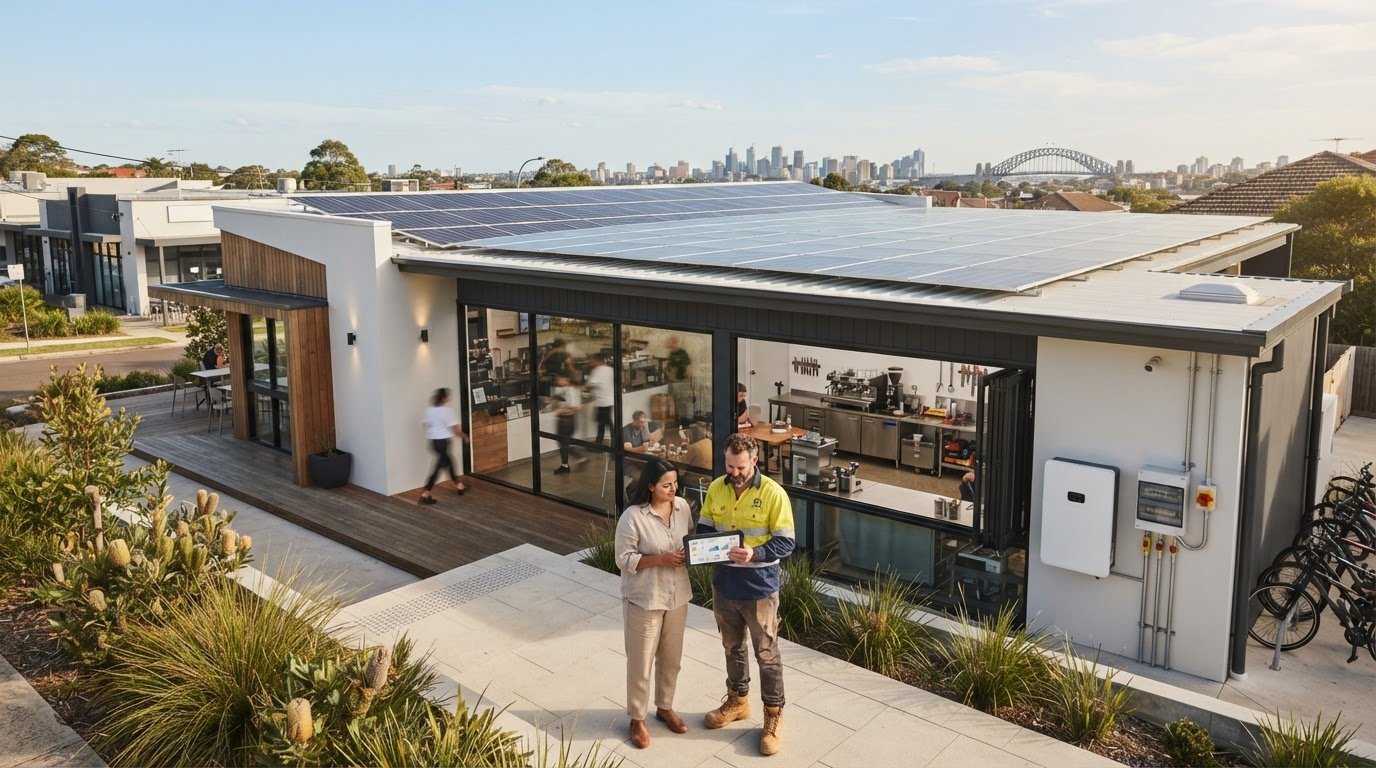
Solar can reduce the electricity your business buys from the grid. Potential savings depend on how much generated power you use on site. Compare electricity bills with operating hours and major equipment loads to build a realistic estimate. For example, a café running refrigeration and kitchen equipment during daylight may use more solar generation directly than a site operating mainly at night.
How much does a commercial solar system cost in NSW?
The project price depends on the system design and the work required at your property. Key factors include system size, roof access and condition, equipment selection, electrical infrastructure and whether battery storage is included. For a useful comparison, assess proposed designs against the same site requirements and energy-use profile. This makes differences in equipment and scope clearer than headline figures alone.
Do I need council approval for commercial solar in NSW?
Commercial rooftop solar installations in NSW generally don’t require development application approval, according to PSC Energy. The property’s planning context still matters, particularly for heritage sites or other site-specific constraints. Identify relevant property controls and consider how panels could affect visible roof areas before planning work. Ground-mounted systems and unusual installations may involve different planning considerations.
How Much Does It Cost to Install Solar Panels?
Installation pricing depends on the system design and work required at your property. Key factors include panel quantity, roof layout and access, inverter choice and switchboard requirements. When comparing proposals, review the specified equipment, installation scope and warranty terms together. A lower upfront figure may reflect a different system configuration or scope.
Is Commercial Solar Power Worth It In Sydney?
Commercial solar can be worthwhile for a Sydney business that can use a substantial share of its solar generation during operating hours. Review bills, business hours and energy-intensive processes, then compare them with expected generation. A business operating mainly after dark has a different energy profile from one running daytime refrigeration or machinery. This assessment clarifies the role of solar and whether storage merits consideration.
What Are the Advantages of Solar Energy?
Solar lets a business generate electricity on site, reducing grid purchases when generation matches demand. It adds renewable energy to day-to-day operations and can support planning for future electrical loads. For example, a business considering new equipment can include its expected daytime consumption in the system design. The practical benefit depends on matching the equipment, roof space and operating needs.