

 Sydney
 0452 243 240
Blog
A Comprehensive Guide to Battery Storage in Sydney for 2024

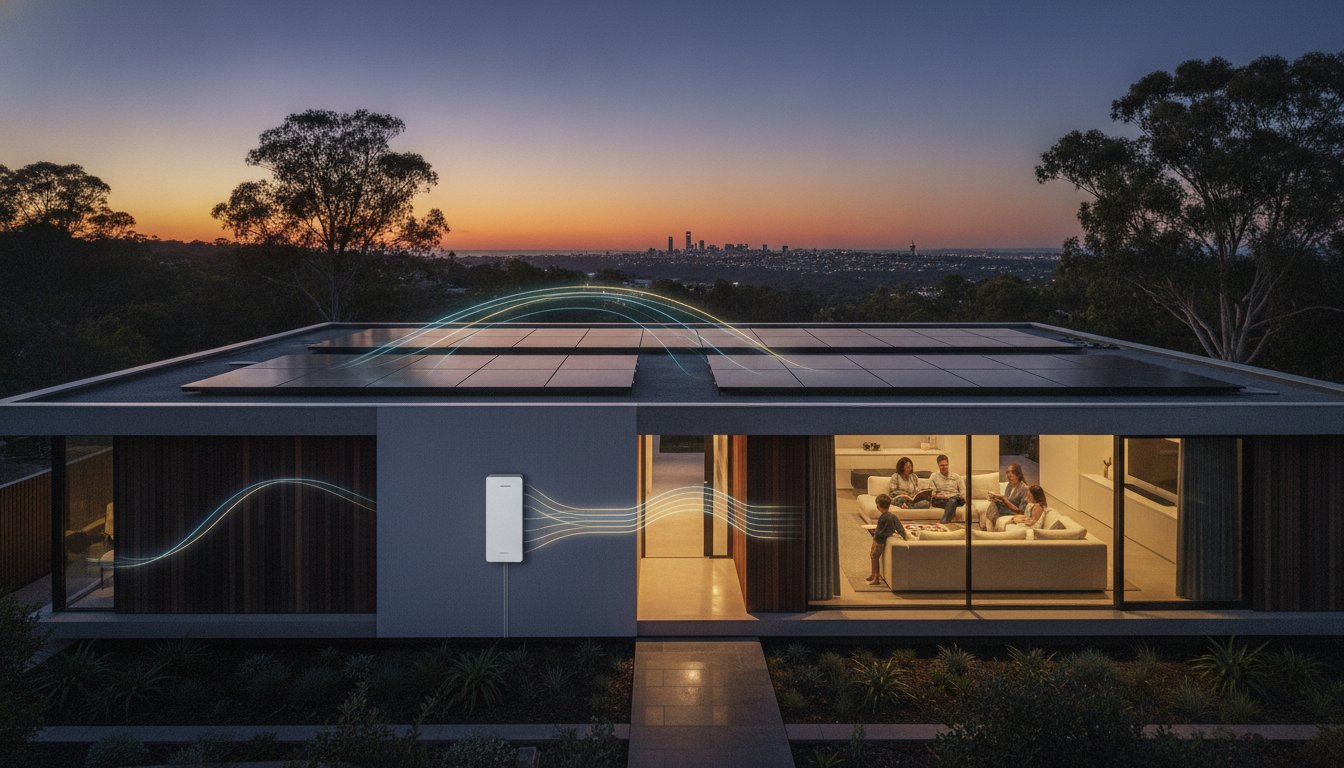
Installing home battery storage in Sydney means answering a few practical decisions up front: how much evening load you actually draw, which hardware path fits that load, what NSW grid and rebate rules apply, and whether your existing solar can take a battery without a full rip-out. Get those choices right and you store excess solar for peak tariffs while keeping backup power available in outages. For exact generation estimates on your roof and tariff, ask for a customised estimate.
Key Takeaways: Installing battery storage in Sydney requires matching a 10kWh to 13.5kWh capacity to your evening load to maximize ROI through the Peak Demand Reduction Scheme.
- Typical Sydney systems range from 10kWh to 13.5kWh to cover standard evening peak tariffs.
- Payback periods extend significantly unless your household consumes at least 4kWh of electricity overnight.
- Choose the Tesla Powerwall 3 for integrated backup or GoodWe ET G2 for modular expansion.
- The article details how the NSW PDRS rebate is forfeited if installation begins before approval.
Match battery setups to how your Sydney home actually uses power
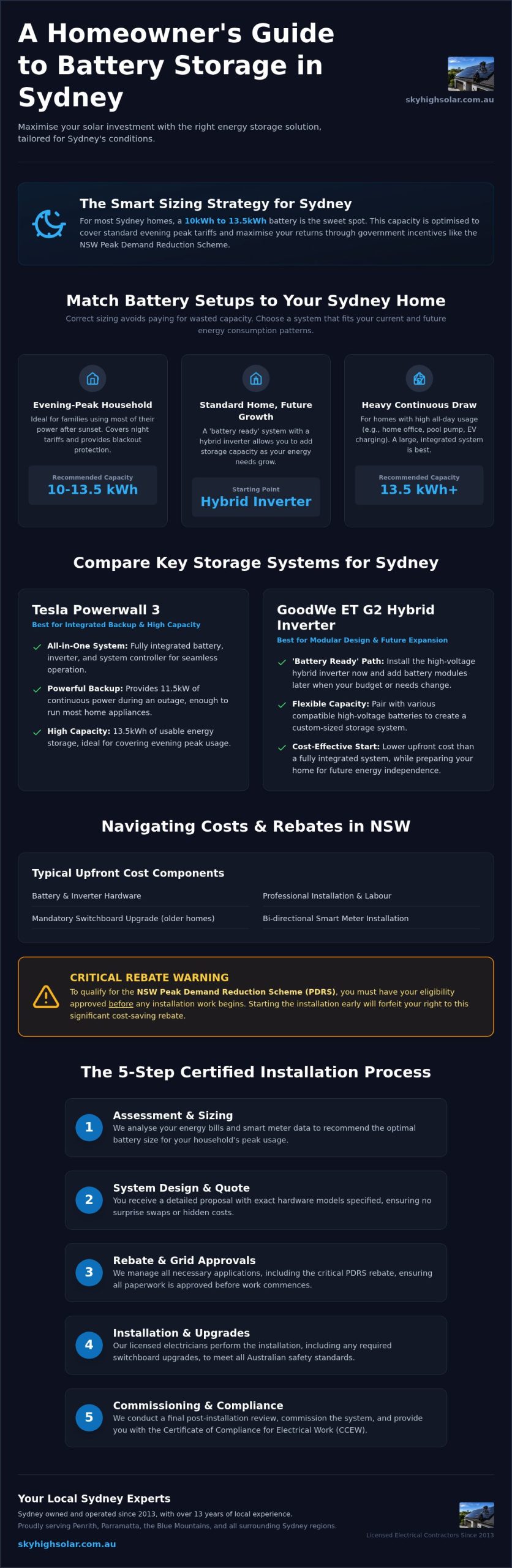
Matching your Sydney energy usage to the right system configuration determines your total system savings. Correct sizing avoids paying for wasted capacity; an oversized unit without enough solar generation simply stretches the payback period.
Typical situations we size for:
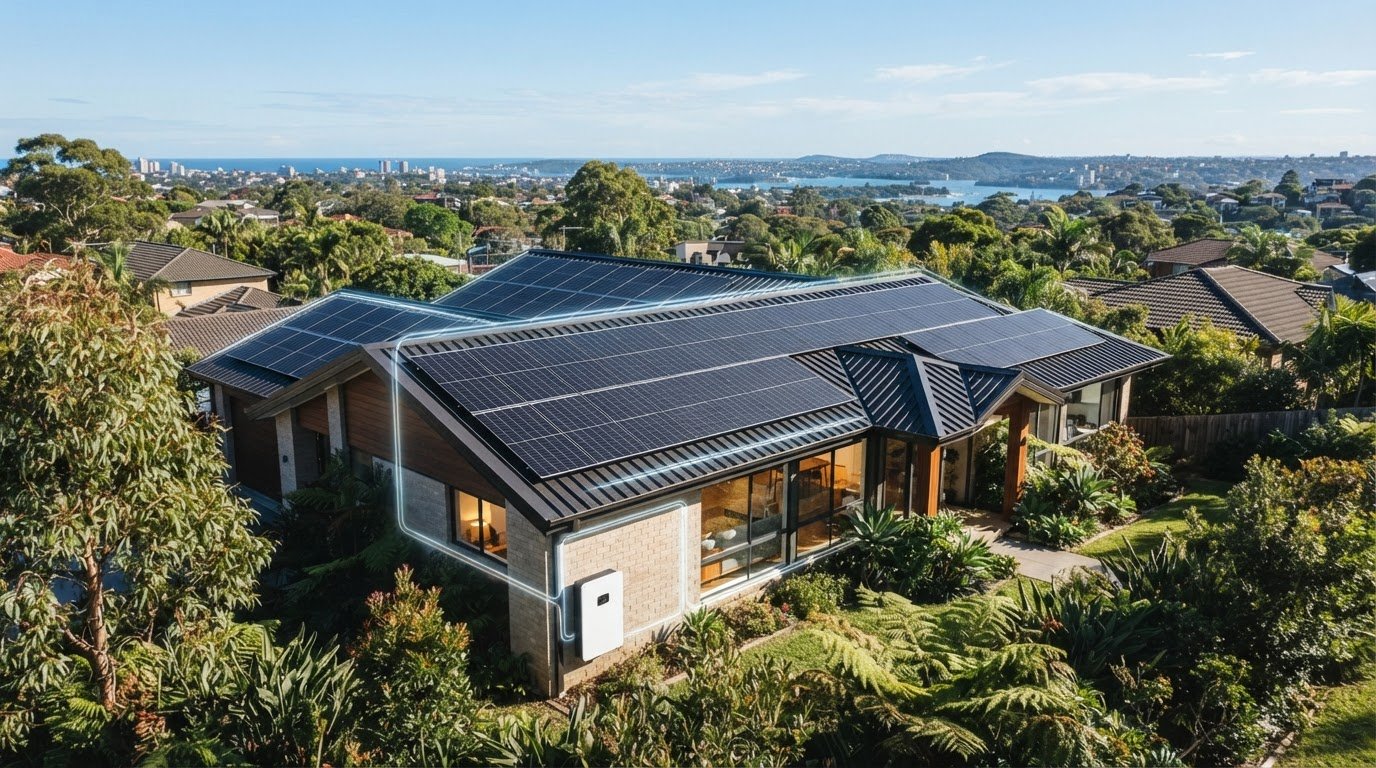
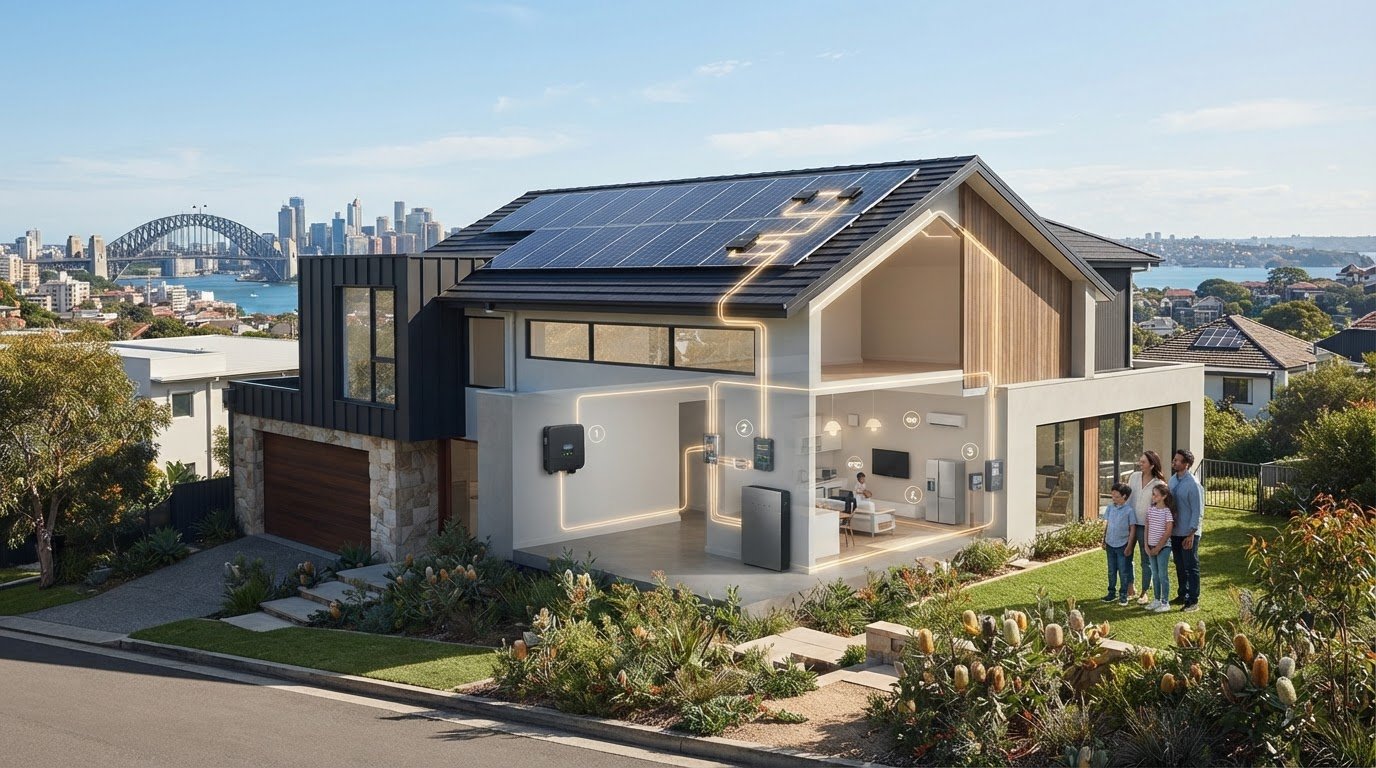
- Evening-peak household with outage concern: a 10kWh–13.5kWh integrated pack (for example a Tesla Powerwall 3) covers night tariffs and power outage protection (anti-islanding protection).
- Standard home that may grow later: a battery ready path with a GoodWe ET G2 hybrid inverter lets you add high-voltage storage when demand rises.
- Heavy continuous draw: fully integrated high-voltage storage from day one so generation is not left uncaptured.
You can select a Tesla Powerwall 3 for high-capacity backup, or choose a battery ready (Hybrid HV inverter) unit to add capacity later. Exploring modular battery options lets you compare these storage paths directly.
Think of your storage setup like a water tank; buying a massive tank is useless if your roof catchment area cannot fill it. The GoodWe ET G2 hybrid inverter works well for standard households planning future additions, while heavy power users benefit sooner from fully integrated high-voltage storage.
Request your personalised quote today.
What size battery do I need for my home?
Your optimal storage capacity depends directly on your daily household consumption during peak evening tariff windows. Sizing means matching peak usage against your generation so you do not pay for idle kilowatt-hours.
Selecting an oversized battery resembles buying an empty commercial freight truck just to haul weekly household groceries. Most Sydney homes needing power outage protection run efficiently on a 10kWh to 13.5kWh system. Sky High Solar and Electrical evaluates your power demand so output lines up with financial returns. Review our detailed Sydney battery storage guide for long-term load planning. Choosing a battery ready setup allows simple future expansion if your energy demands grow later. A well-matched capacity reduces grid dependency while supporting stronger returns.
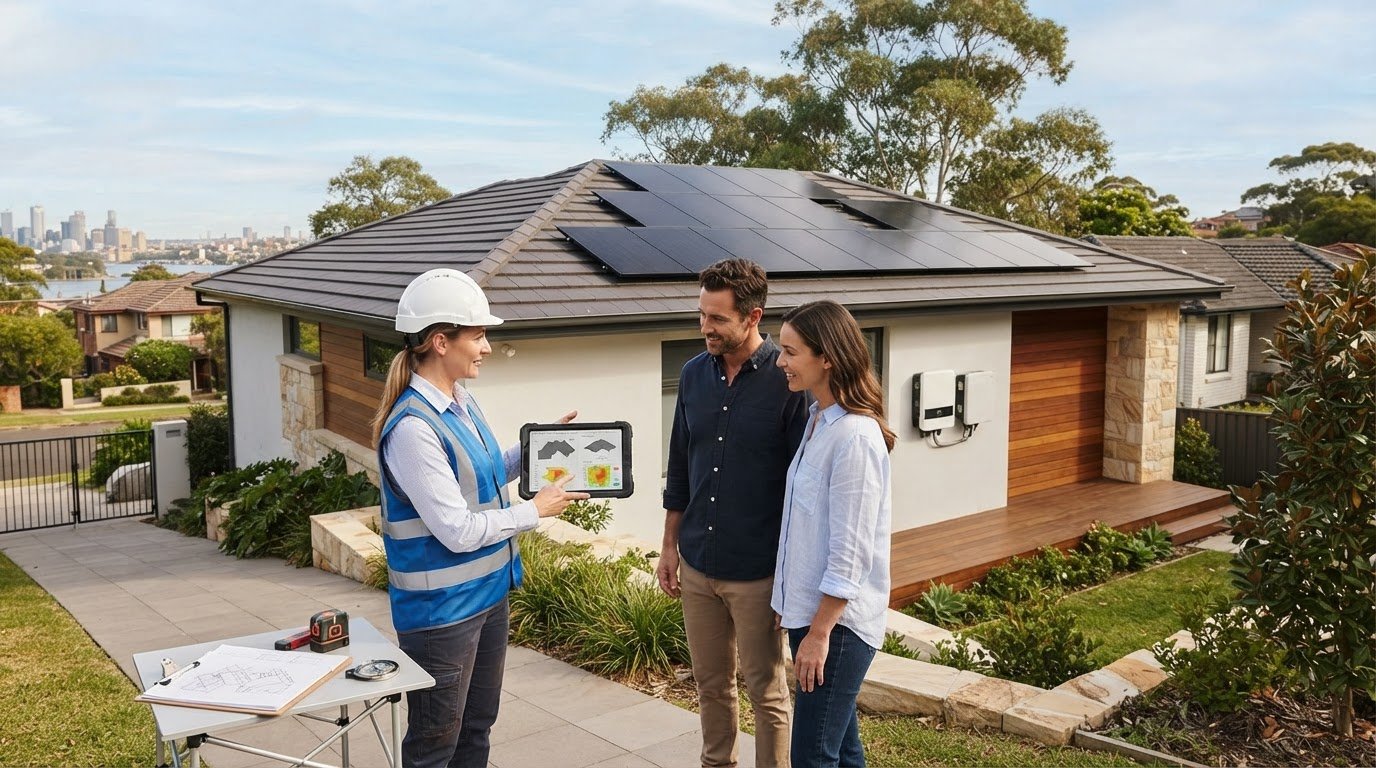
Proper panel angle heavily impacts daily harvesting capacity for battery storage setups.
Tip: Review your smart meter data during peak evening hours before selecting your battery capacity.
Posting in the forum.cleanenergyreviews.info discussion titled "Melbourne South East & Mornington solar installers", one user noted:
"I hope your Solar installers are going to use a Tilted Racking or you will only harvest approx. 4 hours of Peak energy, and that equates to 18kWh of energy if panels are installed Flat & not tilted." (source)
Correct panel tilt keeps daytime generation high enough to fill your chosen battery before evening peak hours begin. Without sufficient panel inclination, daytime solar collection drops sharply and leaves storage undercharged.
Know the real costs of battery storage components in Sydney
Total installation costs depend on site requirements, system sizing, and fees that only appear once work starts.
Secret hardware swaps and long grid connections often drive up costs and drag out schedules. Demand written guarantees that name exact equipment models before you sign.
Hardware expenses vary widely. Based on top ten local installer quotes, market price data ranges from lower entry tiers up to premium complete systems. A personalised quote establishes exact numbers for your home layout.
Upfront costs often include electrical upgrades. Older residential switchboards usually need a mandatory switchboard upgrade (RCBO protection) to handle high-voltage battery storage safely.
                                switchboard upgrade (RCBO)
│
┌────────────────────────────┴────────────────────────────┐
▼                                                         ▼
direct integration                                  meter replacement delay
│                                                         │
   [certificate of compliance                              [bi-directional smart meter]
electrical work (CCEW)]                                              │
│                                                         ▼
└────────────────────────────┬────────────────────────────┘
│
▼
grid-stable battery storage
A reliable company keeps the job compliant end to end. You can review the Fox ESS battery guide for long-term hardware reliability context.
Every completed job requires a certificate of compliance electrical work (CCEW) to confirm safety standards. Your provider also coordinates with your energy retailer on metering so export is recorded for your feed-in tariff; in NSW, smart meters fitted in recent years are already bi-directional by default, so a replacement is only needed when your site still has an older meter. Be cautious with high feed-in tariffs, as they often mask higher baseline electricity rates.
Writing in the "Melbourne South East & Mornington solar installers" thread on forum.cleanenergyreviews.info, a member asked:
"Is that after STC rebates? $6200 seems a little dear for that system if so, and I’d say $9k for Seraphim and Enphase ~4.75kW seems high too." (source)
That forum comment shows why homeowners push for itemised pricing and clear rebate arithmetic before committing to an installer.
How the NSW Peak Demand Reduction Scheme cuts costs
The Peak Demand Reduction Scheme (PDRS) lowers your setup costs through upfront financial discounts on grid-stable battery storage. Across Sydney installs, property owners miss out on thousands in incentive value when work starts before paperwork is locked in. Securing official approval before turning a single screw protects your financial return.
Claiming state incentives reduces grid reliance during maximum load periods. Compliant home energy systems must meet strict safety standards to qualify for government support. Our certified team handles this pre-approval process alongside your Sydney solar installation setup.
Failing to wait for formal paperwork approval burns your rebate cash instantly. Get your approval letter first.
Tip: Ensure your installer secures rebate approval prior to installation work to prevent forfeiting government incentives.
Compare Tesla Powerwall 3 and GoodWe ET G2 for Sydney homes
Tesla Powerwall 3 and the GoodWe ET G2 hybrid inverter suit different energy goals and existing setups; both can support backup when the system is designed for it, yet they take different hardware paths.
Homeowners lose incentives when installation timing does not align with compliance schedules. A post-installation review and a certificate of compliance electrical work (CCEW) confirm local standards and help secure eligible Peak Demand Reduction Scheme (PDRS) rebates.
| Feature | Tesla Powerwall 3 | GoodWe ET G2 |
|---|---|---|
| System Type | Integrated Battery Storage | Hybrid HV Inverter |
| Backup Function | Power Outage Protection | Battery Ready |
| Target Setup | All-in-One Solar Storage | Expandable High-Voltage Storage |
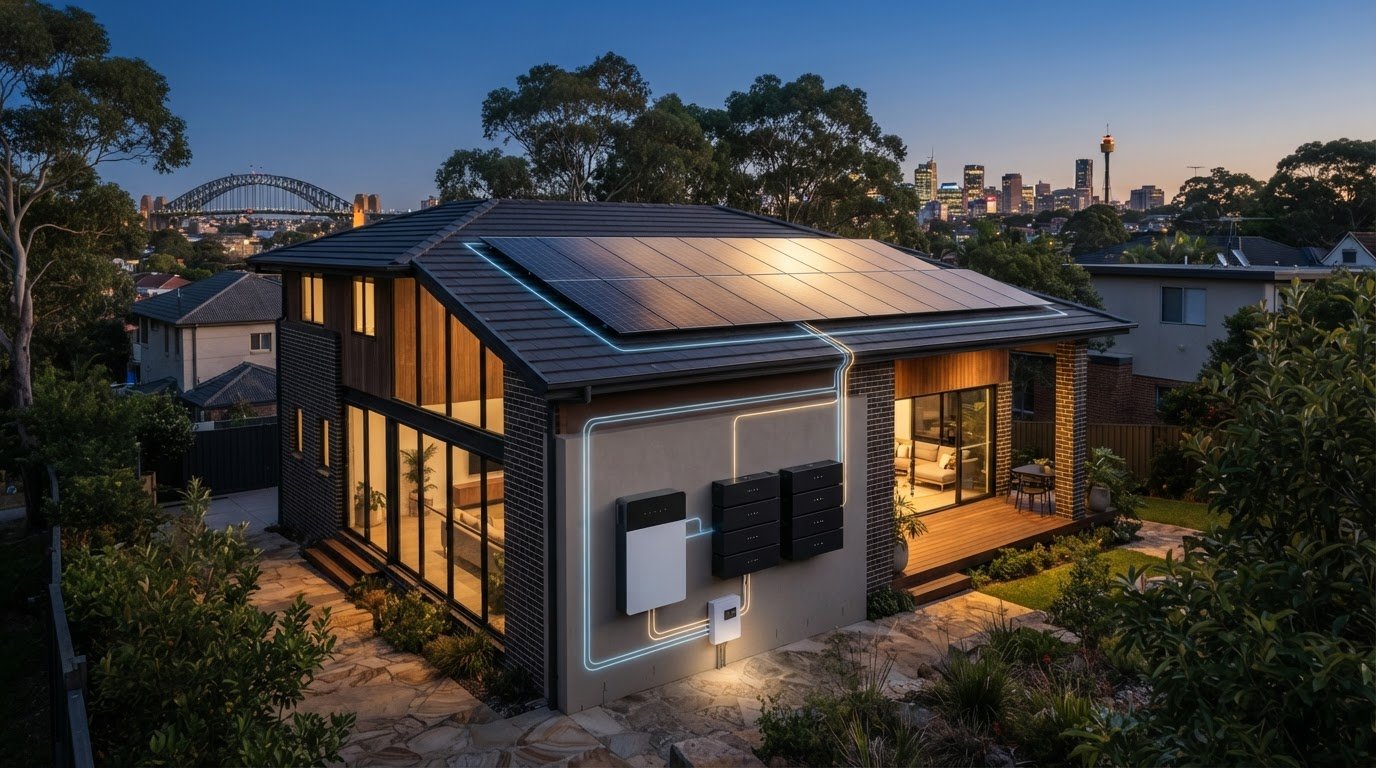
Tesla suits all-in-one storage where battery and inverter arrive as one package. GoodWe fits modular expansion: the hybrid HV inverter is battery ready, so you add storage when budget or load justifies it. Neither path blocks backup; the difference is whether storage is integrated from day one or staged.
Contact Sky High Solar and Electrical for tailored Sydney guidance on which path fits your evening load.
Can I pair a solar battery with my existing solar system?
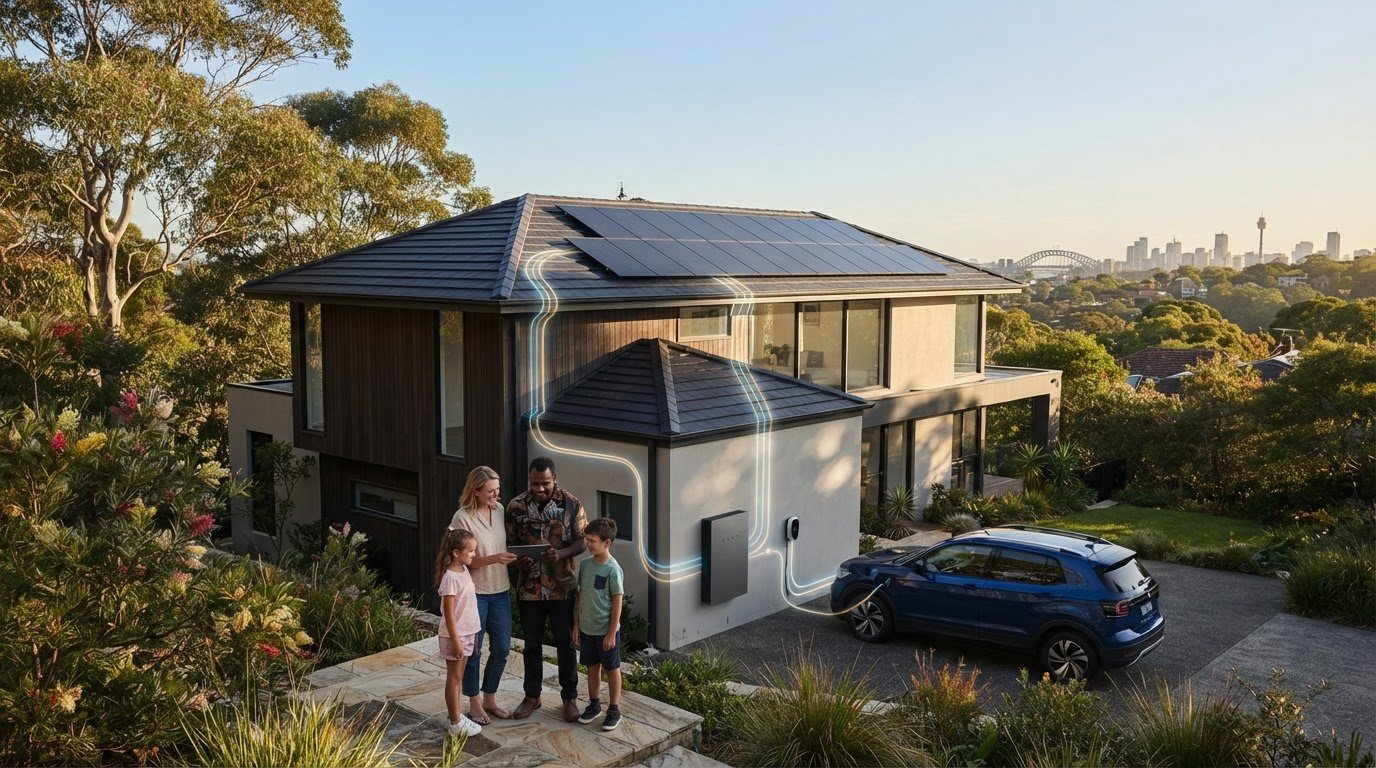
Yes, you can integrate a battery into your current Sydney solar setup without replacing your existing panels.
Adding AC-coupled storage works with almost any legacy setup. Alternatively, replacing your current unit with a battery ready system streamlines future expansion. Licensed installers manage this transition while performing an essential switchboard upgrade. An aging switchboard often lacks space for safety components such as an RCBO or mandatory power outage protection.
Proper system sizing helps you avoid the High FiT trap, where high export rates mask increased daily usage fees. Claim incentives such as the Peak Demand Reduction Scheme (PDRS) to offset upfront installation expenses. Experienced team members handle grid approvals and local compliance so you are not left with the paperwork. Sky High Solar and Electrical issues a certificate of compliance electrical work (CCEW) upon final inspection.
A commenter in the forum.cleanenergyreviews.info thread "Melbourne South East & Mornington solar installers":
"The building is only 1 year old and the builder has installed an A/C cable from the roof to the switchboard in preparation for solar. The whole install with micro inverters should be relatively easy." (source)
Existing wiring simplifies retrofits, yet you still need clear communication from installers on grid approvals and post-installation support.
Complete 5 steps for a certified Sydney battery installation
A compliant storage setup protects your investment and confirms the promised equipment actually arrives.
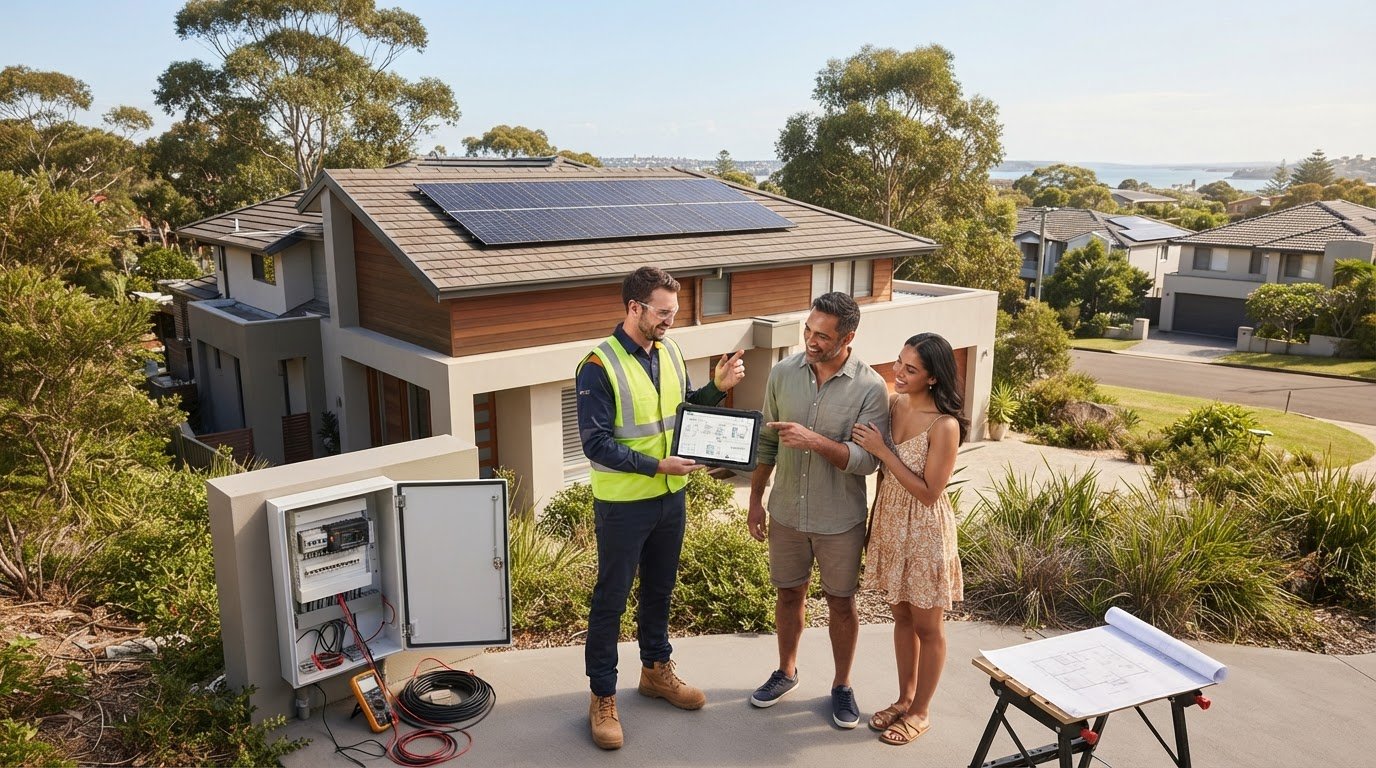
- Detailed Site Assessment: Technicians inspect your switchboard upgrade needs and solar array to size the system.
- Transparent Proposal: You receive an itemised quote listing the exact hardware, such as a Tesla Powerwall 3 or GoodWe ET G2 hybrid inverter.
- Professional Installation: Licensed electrical contractors handle the physical mounting and safety wiring.
- Compliance Certification: The installer issues a certificate of compliance electrical work (CCEW) to confirm Australian standards are met.
- Post-Installation Review: A final post-installation review verifies system operation and registers your Peak Demand Reduction Scheme (PDRS) grid-stable battery storage incentives.
Sky High Solar and Electrical has been operating since 2013 and focuses on clear guidance through each step. Request a personalised quote when you are ready to start.
How Sydney heat and humidity shorten battery life without upkeep
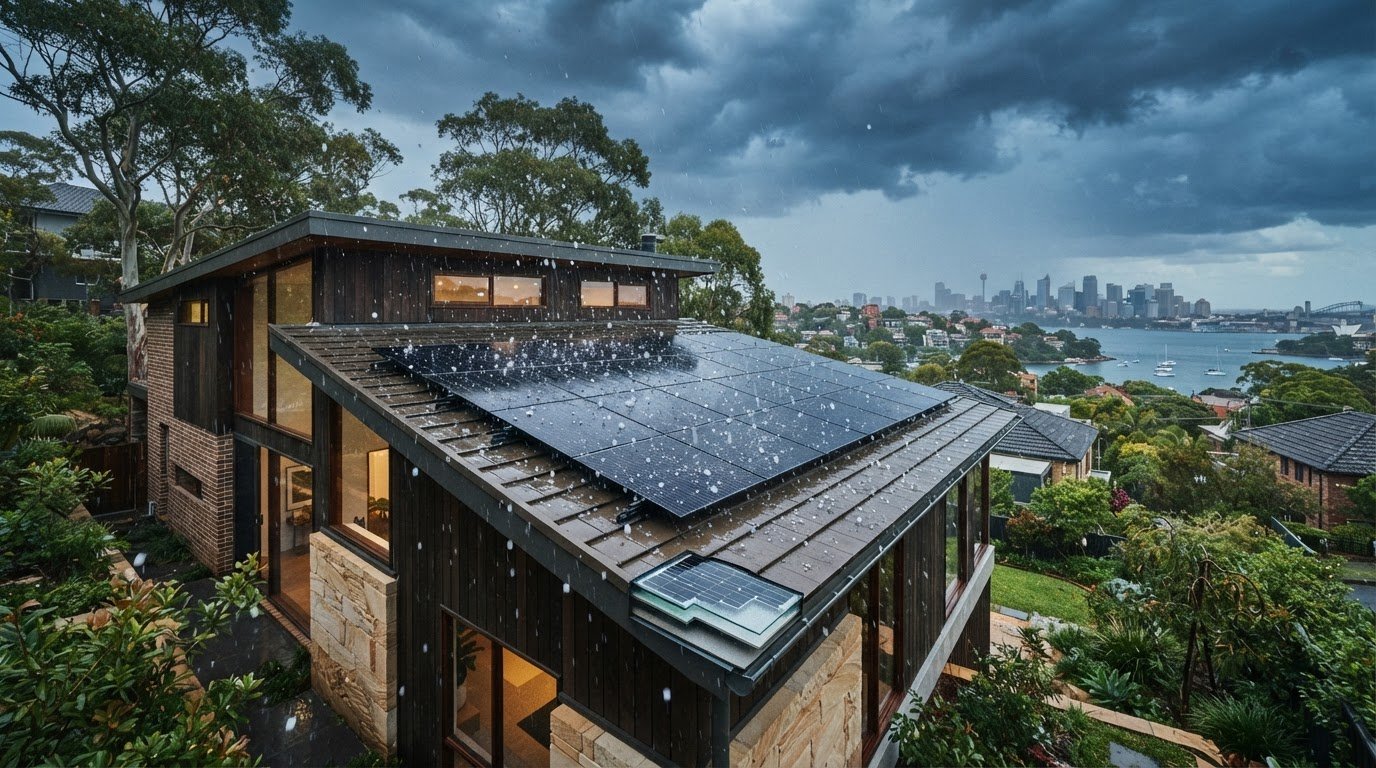
Sydney summer heat combined with high coastal humidity degrades household solar battery components faster than dry heat alone. Your solar panels face corrosive salt-mist and heavy summer humidity; damp ocean air accelerates oxidation on exposed terminals, while internal ambient heat forces thermal management systems to run continuously.
Field observations show thermal stress shortens unshaded battery lifespans significantly, and salt air corrodes standard electrical enclosures.
An annual solar health check limits humidity damage before it becomes a costly failure. Sealed, high-voltage units on a Hybrid HV inverter (battery ready) path protect sensitive electronics. Schedule an audit with Sky High Solar and Electrical to safeguard your system: hidden moisture inside unserviced casings still causes premature board failure even when the pack looks sealed.
Why low night usage makes battery storage unprofitable
Low evening power consumption drastically extends your payback period.
From installer site visits, households drawing under four kilowatt-hours overnight rarely generate enough grid savings to justify the initial outlay. Stored solar then sits idle instead of Offsetting expensive peak tariffs.
Low energy users gain more by maximising daytime self-consumption directly. High evening power consumers, by contrast, see clearer value from storing excess solar. Falling into the High FiT trap (misleading high feed-in tariff) further hides true grid costs if your evening draw remains low.
To calculate your household return on investment, ask for a customised estimate based on your evening load.
Frequently asked questions
How much do the batteries cost?
Battery storage Sydney hardware pricing depends heavily on capacity and your choice of inverter technology. Local market listings reflect a wide range of rates based on capacity and features. Request a personalised quote to determine exact installation costs for your property.
What extra installation costs might I incur?
Older main switchboards often require an upgrade to handle high-voltage battery connections safely. A switchboard upgrade includes adding an RCBO for modern circuit protection. You may also incur expenses if your array needs extra wiring to clear shade.
How does the NSW battery rebate work?
The NSW Peak Demand Reduction Scheme (PDRS) offers upfront financial incentives for installing eligible grid-stable battery storage. This scheme reduces the total investment required for qualified installations across Sydney. Qualified solar installers apply this discount directly to your initial proposal.
What is solar battery storage, and how does it work?
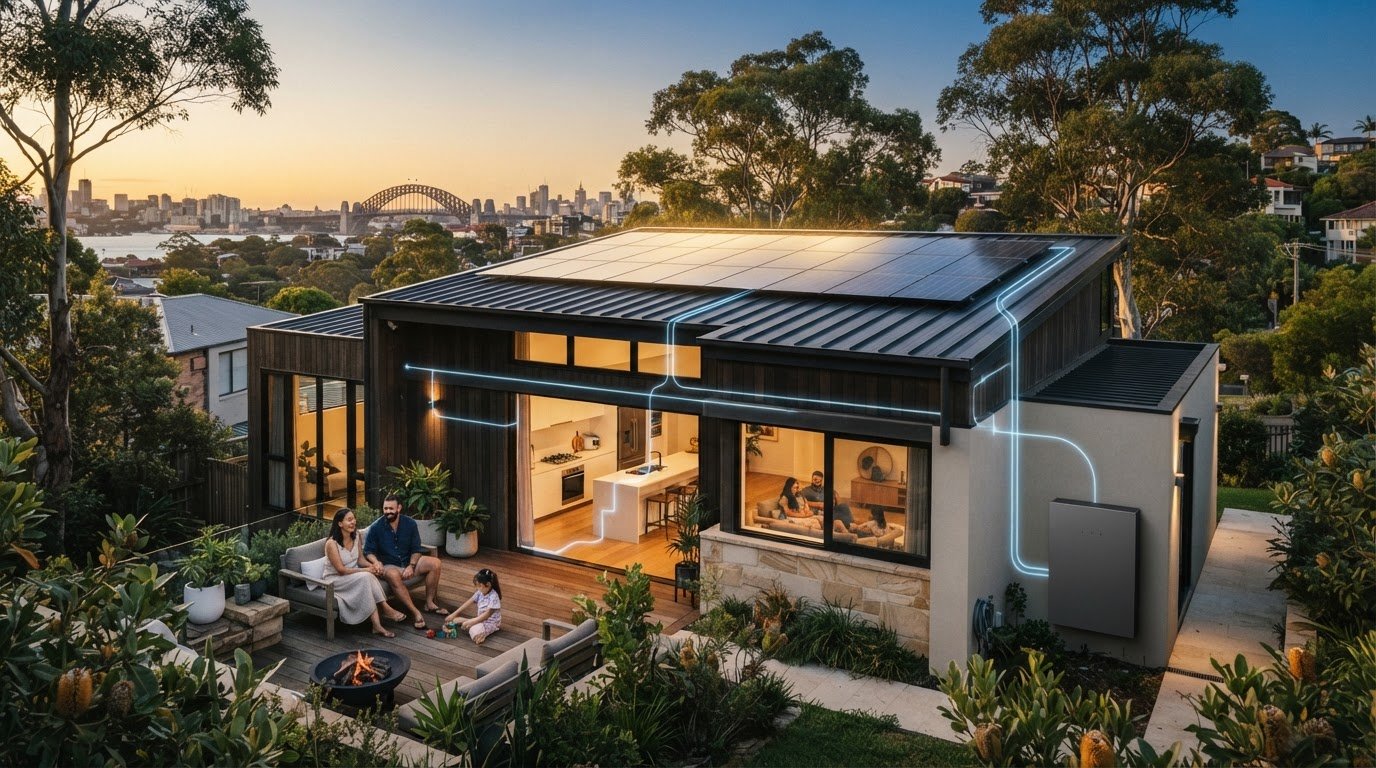
Solar battery storage captures excess energy generated by your panels during daylight hours for later use. It keeps power running during outages through power outage protection, raises self-consumption, and lowers reliance on the main grid.
Can I pair a solar battery with my existing solar system?
You can integrate energy storage with an existing array by using a battery ready setup. Selling power back (feed-in tariff) remains an option, yet low export rates often mean storing your energy yields better value. Contact the team to schedule a site audit for your home.
Securing Your Energy Future
The same decisions that open this guide close it: size storage to your evening load, pick an integrated pack or a battery ready hybrid path, lock NSW rebate approval before work starts, and confirm whether your current solar can take a retrofit. Grid-stable battery storage then protects your home from rising grid costs and summer power outages. Modern systems such as the Tesla Powerwall 3 deliver reliability when local blackouts occur; a GoodWe ET G2 hybrid inverter keeps expansion open if your load is still growing.
Licensed electricians here have delivered local installations since 2013. You receive a certificate of compliance electrical work (CCEW) for safety, and each project includes a thorough post-installation review so the system meets NSW standards.
Contact the Sky High Solar and Electrical team for your personalised quote on battery storage options.