

 Sydney
 0452 243 240
Blog
Commercial Solar Energy: 2026 Price Levels, ROI, and System Sizing

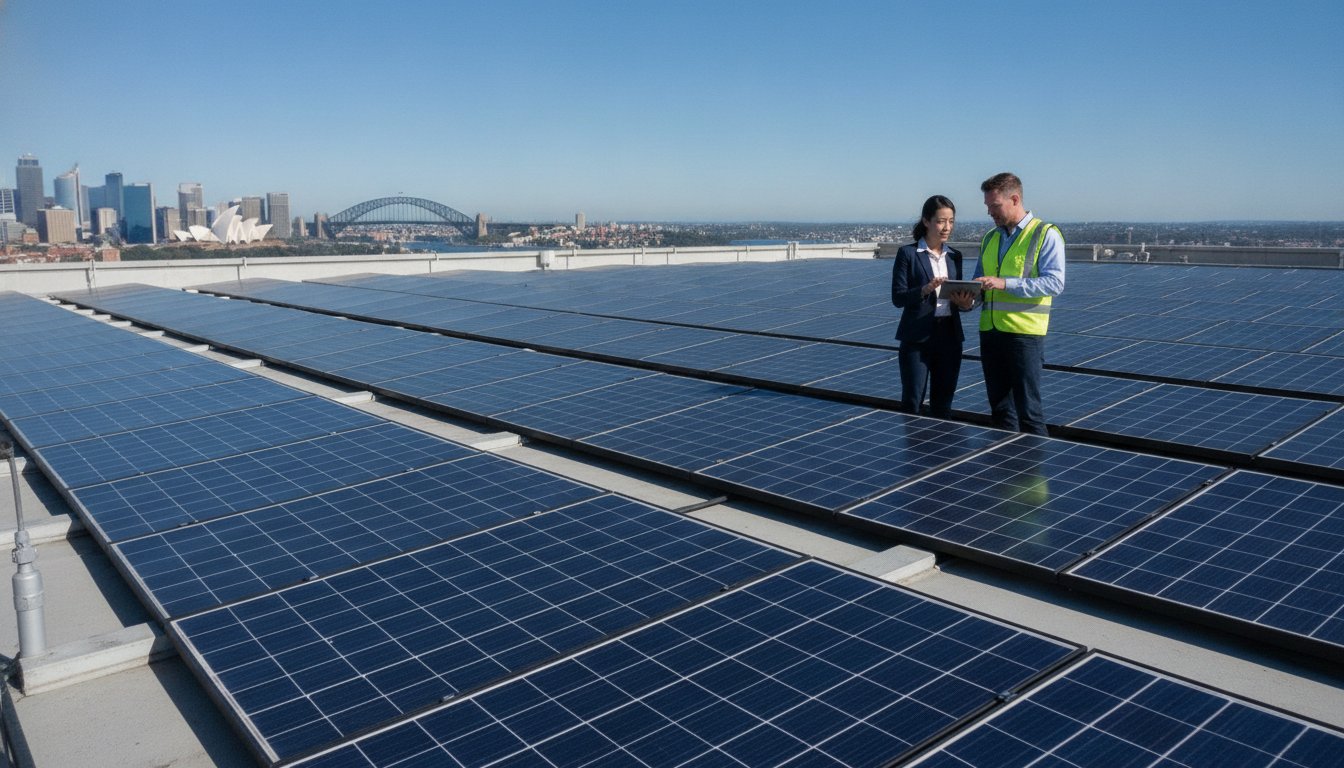
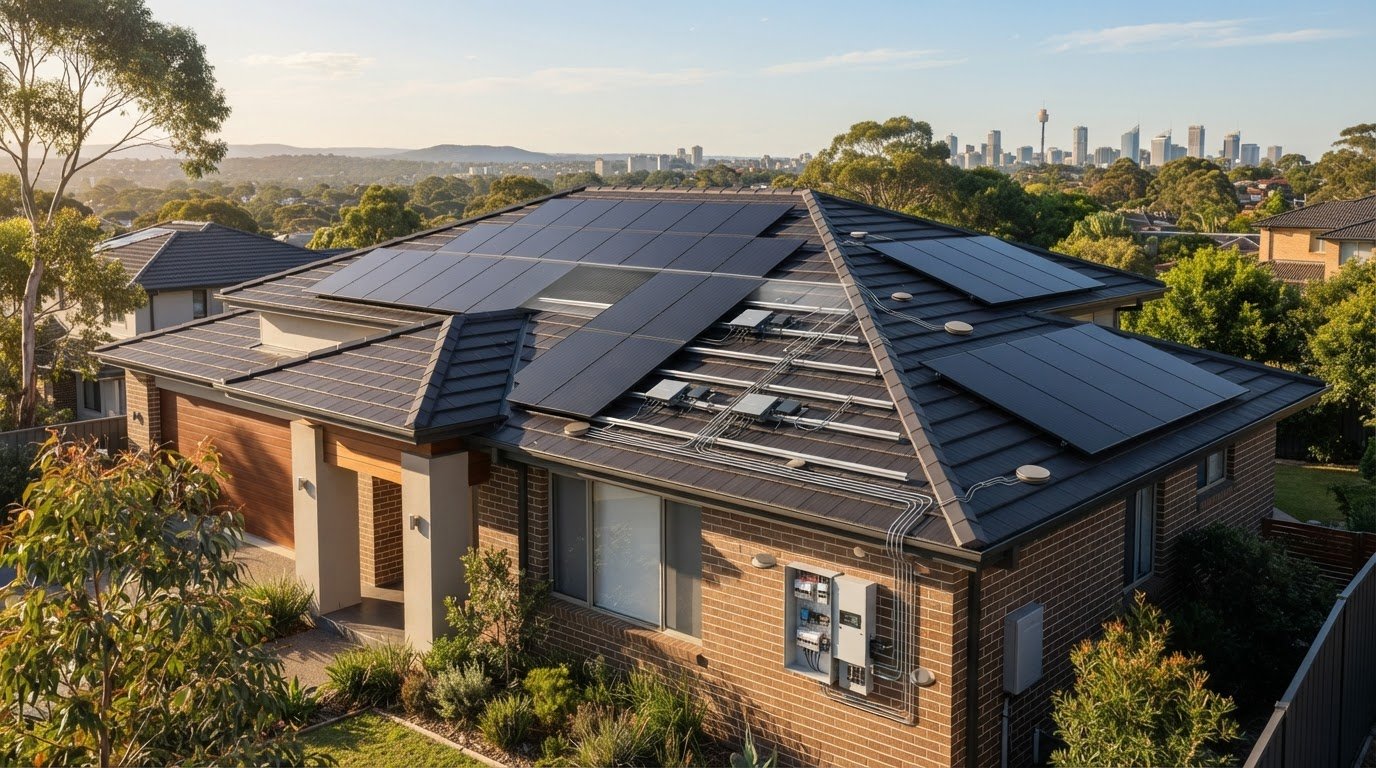
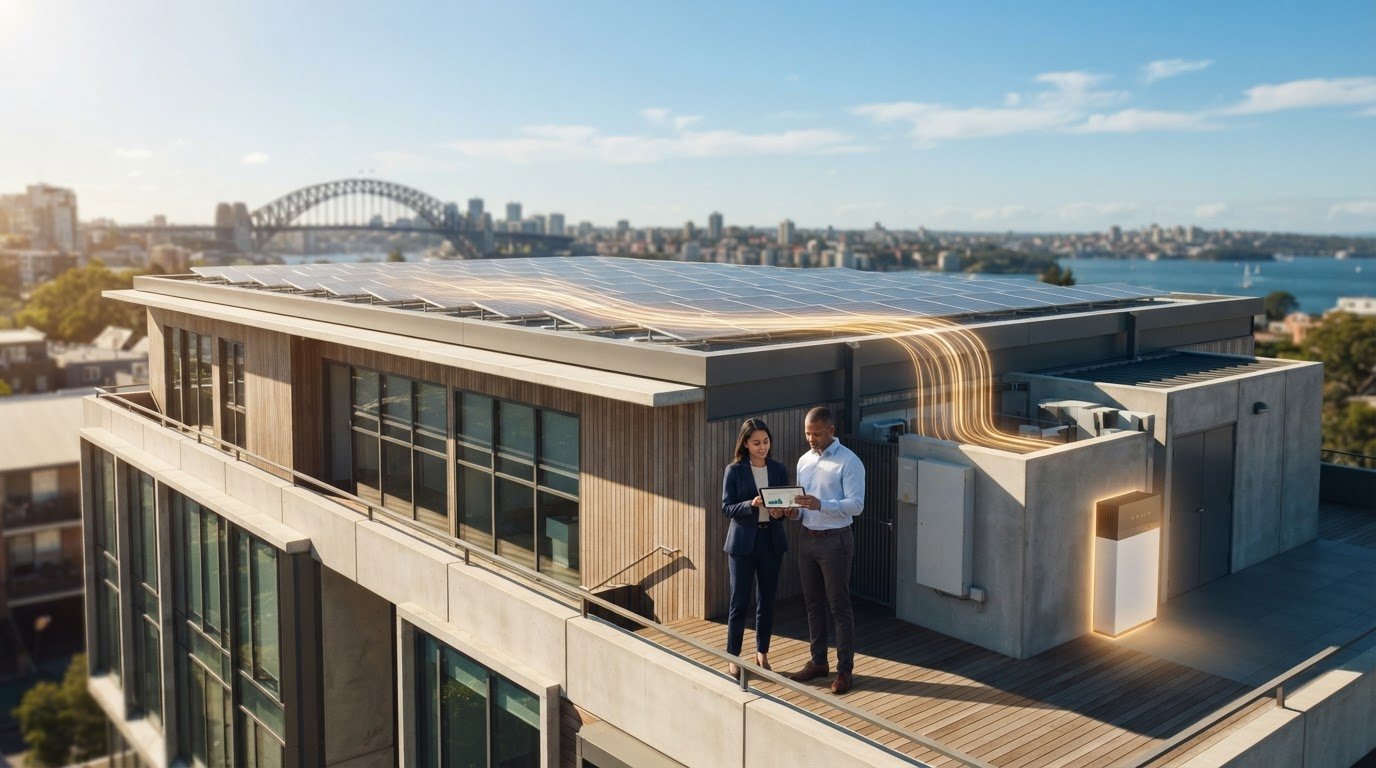
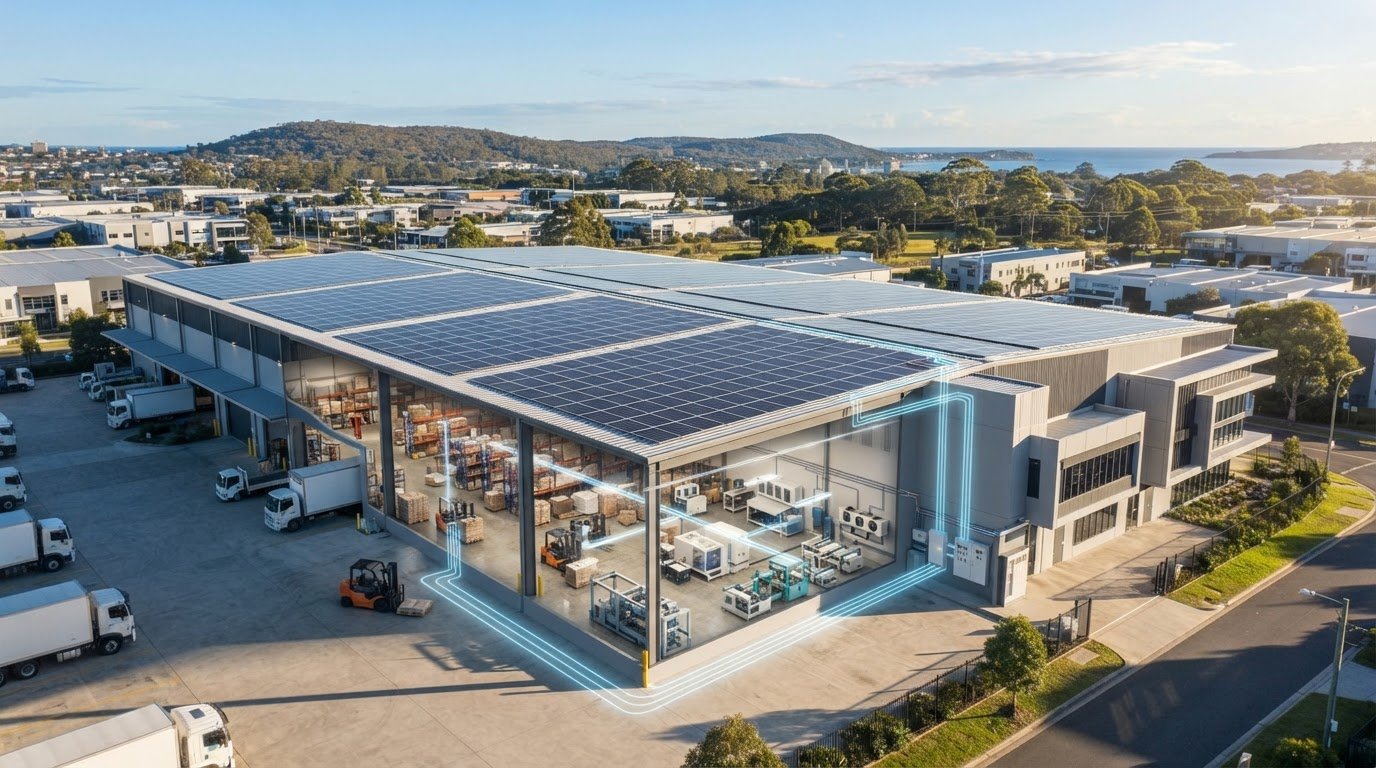
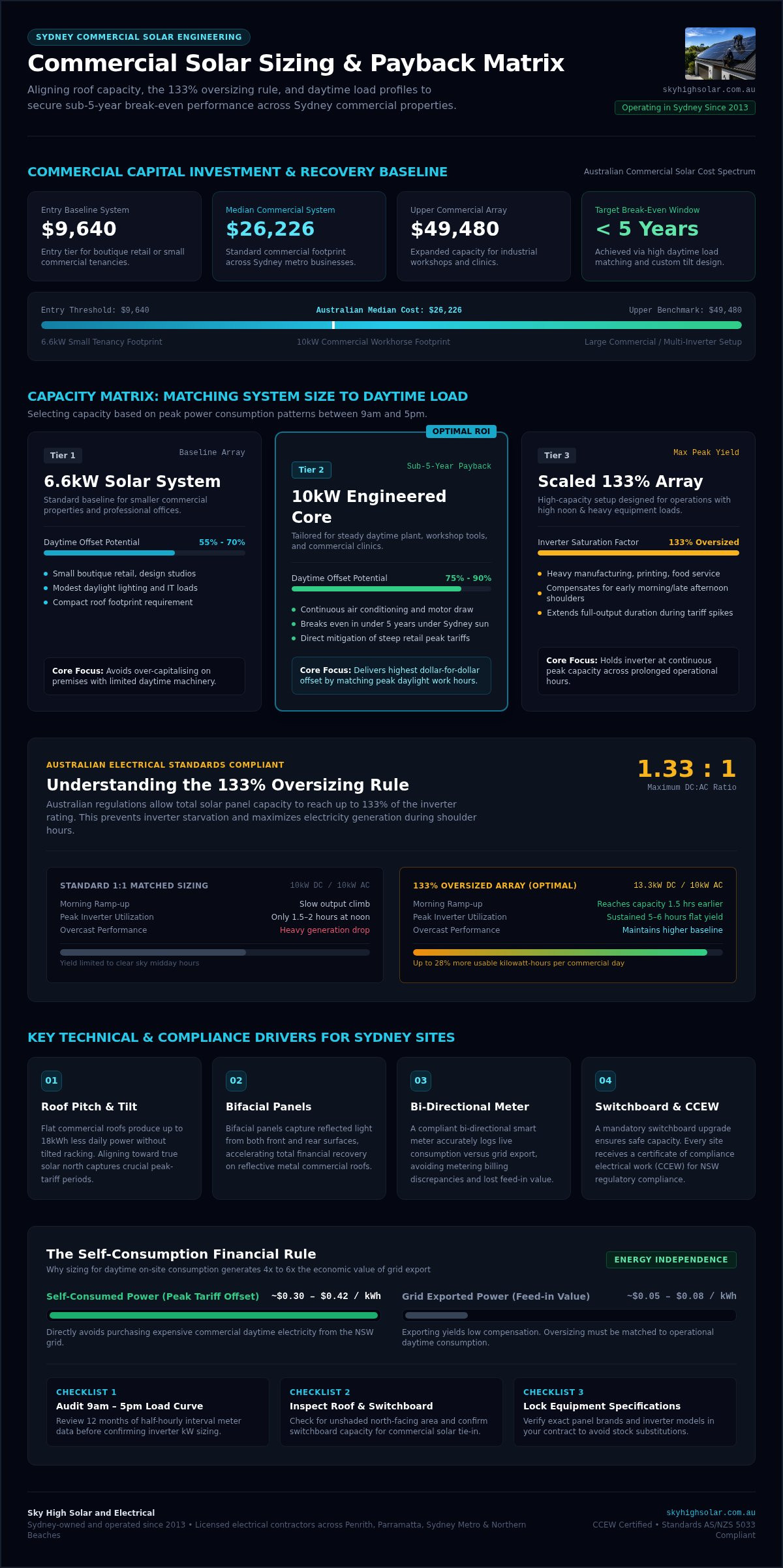
Commercial solar energy allows Sydney businesses to offset high daytime power rates by generating clean electricity directly on-site. Commercial solar systems across the Australian market typically range from $9,640 to $49,480, with a median market cost of $26,226 depending on system size and site setup, according to market listings. The decisions that shape your result are practical ones: is daytime load high enough to justify on-site generation, which capacity matches your roof and tariff profile, which financing path preserves cash flow, and is the building structurally ready. Getting those calls right helps you manage operational overheads while building long-term energy independence.
Key Takeaways: Commercial solar energy systems typically cost between $9,640 and $49,480, delivering a five-year break-even point for businesses that align generation with high daytime loads.
- A well-engineered 10kW commercial solar setup can reach full break-even within 5 years.
- Solar is a poor investment unless your building is free of severe shading and structural defects.
- Therefore, smaller commercial properties should use a 6.6kW solar array as their standard starting baseline.
- The article’s 133% oversizing rule calculation shows how to maximize inverter yield during peak tariffs.
Match system size to your daytime load and growth plan
Wrong capacity locks you into grid peak rates or stranded capital, so start from how your site actually draws power between 9am and 5pm. Three patterns show up often:
- A small office or retail tenancy with modest daylight loads usually starts cleanly on a 6.6kW Solar System, the standard baseline for smaller commercial properties.
- A workshop or clinic with steady daytime plant benefits from a well-engineered 10kW layout aimed at break-even within 5 years.
- A larger roof with high noon demand can apply the 133% oversizing rule so the inverter yields more usable power during tariff peaks.
Selecting the right commercial setup depends on your daily operational load and peak power consumption patterns. Correct sizing reduces expensive grid reliance during daytime production hours and helps you capture feed-in value without overspending on unused capacity.
For expanding enterprises, reading our guide on commercial solar strategy helps map long-term scaling options. Treat the array as plant equipment tuned to your roof, switchboard, and operating hours. Larger commercial sites need higher output; oversizing within the 133% rule lifts inverter yield when the sun is strongest. Sky High Solar and Electrical assesses your site to deliver compliant, high-yielding installations. Ask for a site-specific capacity review when you are ready to compare options.
Shorten commercial payback by design, not by guesswork
Payback is won or lost in how much daytime energy you self-consume, not in a generic online estimate. Commercial solar returns investment by Offsetting grid tariffs. In this guide you will see how a well-engineered 10kW system can reach break-even in under 5 years, insulating your business from volatile energy pricing. Custom layout design changes those recovery timelines. Generic yield calculators treat roof tilt as a flat spreadsheet and miss how pitch and azimuth alter absorption. Custom site modelling beats basic estimates because roof tilt and orientation drive real generation.
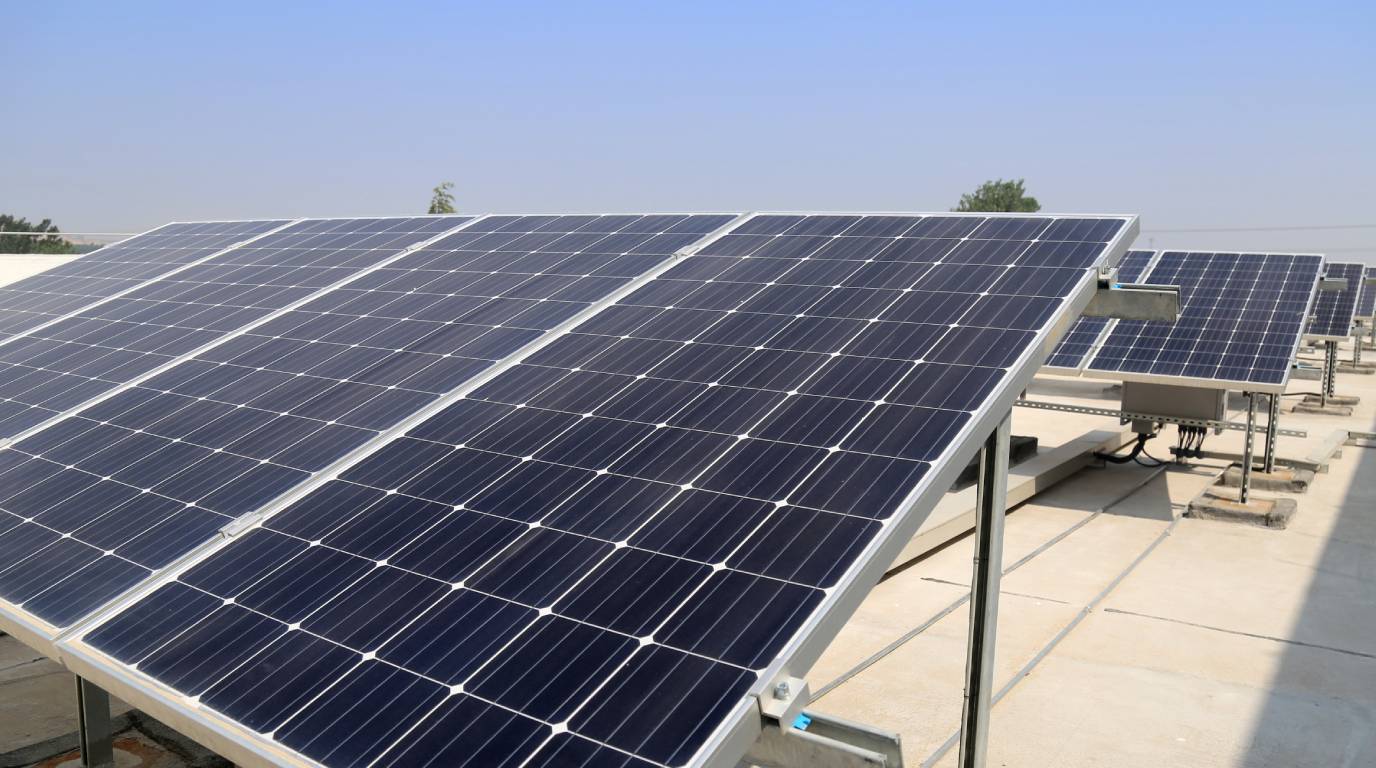
Sydney receives strong annual solar irradiance under local climate conditions, and panels aimed toward true solar north typically harvest more during high-tariff operating hours. High daytime usage shortens payback because self-consumed energy avoids expensive retail peak rates. Modern double-sided solar panels (bifacial panels) collect reflected light and can accelerate financial recovery when the roof and ground conditions suit them. Choosing proper panel tilt remains critical for your returns; work with our Sydney solar team when you want that modelling done against your tariff, not a default template.
Tip: Calculate your daytime self-consumption ratio before sizing, as exporting excess power yields significantly lower returns than Offsetting peak commercial grid rates.
On the forum.cleanenergyreviews.info thread "Melbourne South East & Mornington solar installers", one user noted:
"I hope your Solar installers are going to use a Tilted Racking or you will only harvest approx. 4 hours of Peak energy, and that equates to 18kWh of energy if panels are installed Flat & not tilted." (source)
Real-world panel positioning directly affects total daily generation and whether your installation hits target payback schedules. Proper physical alignment helps commercial sites harvest usable energy throughout high-tariff operating hours.
What a commercial solar system actually delivers on site
A commercial solar system generates high-capacity electricity to reduce your company’s operational costs and reliance on the grid. The practical deliverable is lower daytime overhead with hardware that matches the contract you signed.
Our team manages your complete installation so quoted hardware stays intact without equipment substitutions. We coordinate each project to limit post-installation delays with your bi-directional smart meter (a two-way meter that tracks power drawn and solar sent back). You can book installation and maintenance support when you want design, install, and upkeep handled as one scope. Solid engineering protects your bottom line when daytime tariffs are the cost driver.
An overlooked risk: unannounced component swaps during stock shortages often degrade total output. Verify your physical equipment against your contract before setup.
| System Aspect | Details |
|---|---|
| Target Function | Lower operational overhead |
| Grid Integration | Bi-directional smart meter usage |
| Component Security | Protection against stock substitutions |
Oversizing the system (133% oversizing rule) supports stronger return for daytime-heavy operations when the roof and inverter allow it.
Fund the array without draining working capital
You do not need a single cash hit to get commercial solar on the roof if the financing path matches how you hold assets. Solar Power Purchase Agreements (PPAs) suit companies seeking zero capital expenditure, whereas chattel mortgages fit businesses that want full asset ownership. Ownership matters because it lets you claim local tax benefits directly.
Securing government rebates demands strict administrative timing. A buyer lost a government rebate because the system was installed before approval was received. Secure official written approval from government scheme administrators before any physical installation starts on your roof.
Beyond the array itself, integrating an EV charging upgrade can future-proof facility infrastructure when fleet or staff charging is already on the roadmap. Sky High Solar and Electrical manages your compliance paperwork to safeguard incentives such as the NSW Peak Demand Reduction Scheme (PDRS). If you want eligible incentives protected, ask for a personalised quote before hardware is ordered.
Connect and install without missing rebate windows
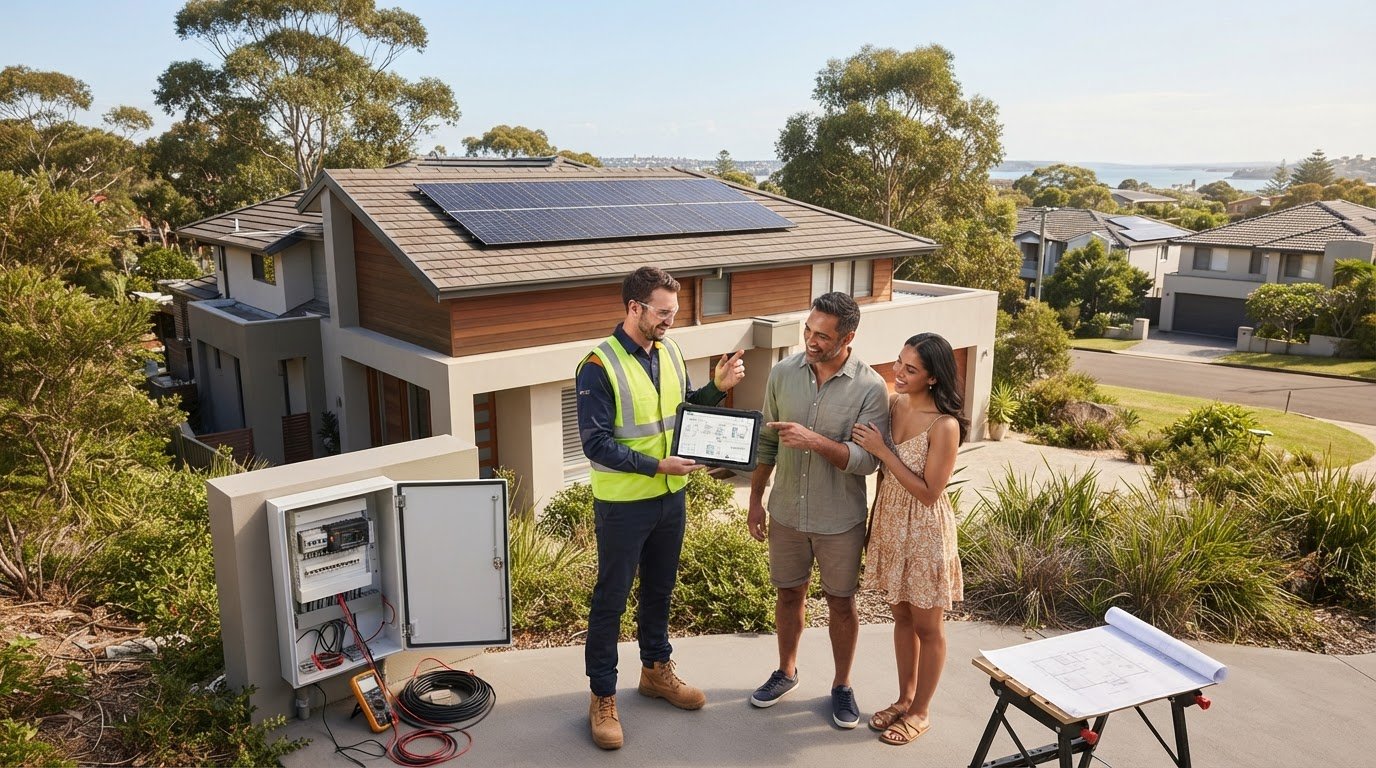
A certified commercial solar installer protects you against compliance delays and missed incentives. Project timelines collapse when grid applications go in late, so sequence the work before you buy panels.
- Engineering audit: Assess your switchboard upgrade needs and roof layout to prevent structural delays.
- Grid application: Submit connection requests to the local network before purchasing hardware.
- Professional installation: Secure double-sided solar panels and mounting hardware safely.
- Compliance review: Obtain your certificate of compliance electrical work (CCEW) to confirm Australian safety standards.
- Final commissioning: Perform a post-installation review to secure applicable incentives, including the NSW Peak Demand Reduction Scheme (PDRS) where you qualify.
Timing dictates financial returns. According to the Queensland Treasury 2026 emergency backstop mechanism policy, network operators mandate strict export controls during grid emergencies. Missing installation windows can forfeit solar panel warranty terms and upfront discounts. Sky High Solar and Electrical manages regulatory sign-off so you can collect subsidies you are entitled to. Sky High Solar and Electrical also confirms hardware inventory before installation begins, which limits mid-project substitutions.
A commenter in the solarquotes.com.au thread "Sky Solar Energy Reviews":
"Sky Solar Energy suck you in with a slick sales pitch and cheap quote. When it comes time to instal they conveniently can’t get stock of the contracted equipment so they try and substitute with alternatives." (source)
That complaint shows how weak installer communication and unexpected equipment swaps disrupt timelines and put government rebates at risk. Strict grid approvals and confirmed stock before install day are how you avoid the same failure mode. Request accurate Sydney-site pricing when you want that sequence locked in writing.
Cut peak demand charges with batteries and EV charging
Pairing high-voltage batteries with fast chargers cuts commercial peak demand charges when vehicles and plant spike together. Coupling grid-stable battery storage with an EV DC charger can avoid expensive grid upgrade costs during rapid vehicle charging cycles.
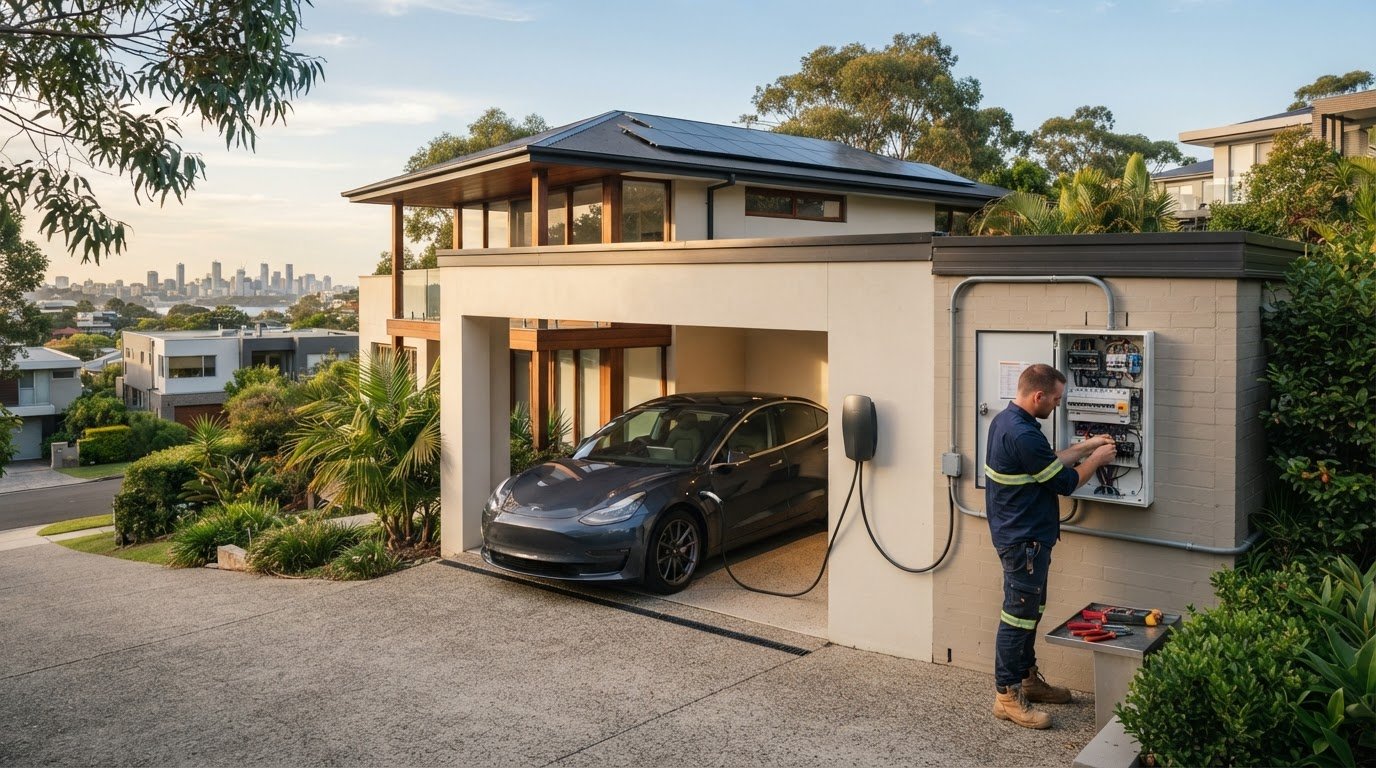
Unmanaged high-voltage EV charging can trigger severe demand spikes that inflate network tariffs for your commercial facility. A Hybrid HV inverter (GoodWe ET G2) directs stored solar power straight to chargers and shields your site from sudden demand surges. Managing these heavy loads requires a mandatory switchboard upgrade so increased current stays within safe limits.
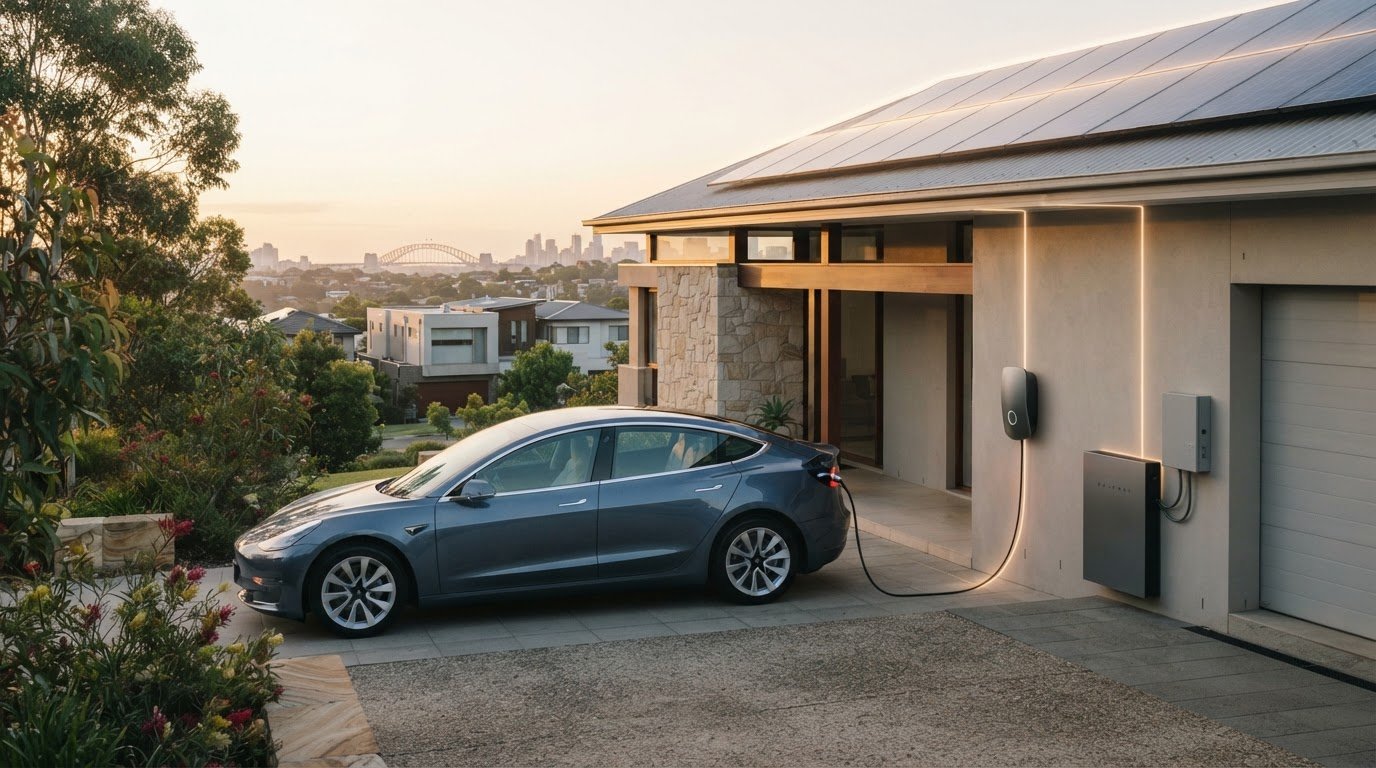
Integrating a Tesla Powerwall 3 lets your business store low-cost solar energy and discharge it when fleet charging demand hits its daily peak. Installing with an official certificate of compliance electrical work (CCEW) confirms that your high-voltage installation meets strict NSW electrical safety standards.
Choosing local Sky High Solar and Electrical specialists protects your asset under a complete solar panel warranty. Sky High Solar and Electrical can align battery discharge windows with your charger load profile. Tell us your fleet charging pattern and we will shape a storage layout around it.
When commercial solar energy is the wrong choice
Commercial solar power is a poor investment if your building has severe shading or structural roof defects.
In installation field work, compromised timber framing that cannot support heavy hardware shows up often. Rooftop repairs must precede any mounting system.
Buyers have been left frustrated when promised panels or refunds did not materialise. You avoid that outcome by demanding clear equipment warranties and fully transparent contracts. High feed-in tariffs can distract from inflated retail usage rates if self-consumption was never modelled.
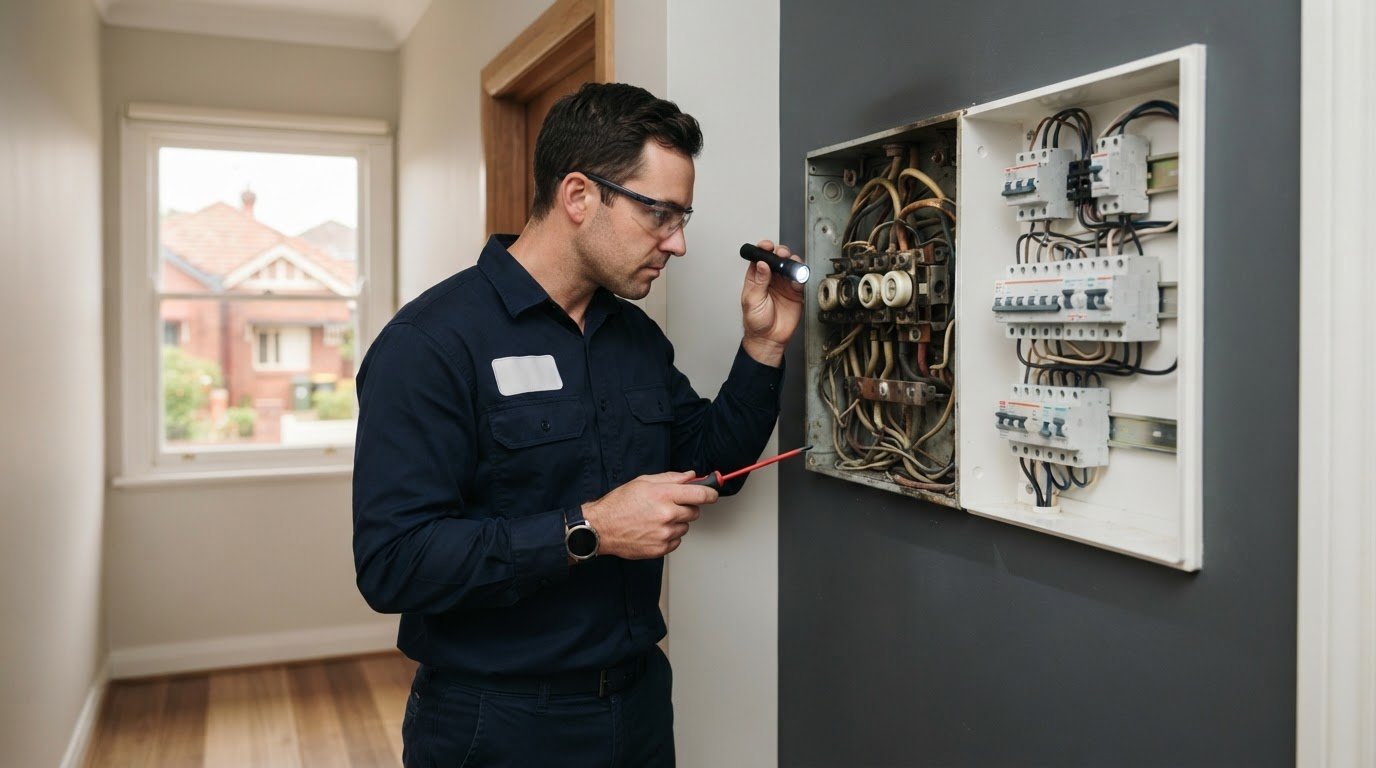
Never sign with low-cost operations that skip site evaluations. For older properties, a complete switchboard upgrade (replacing or enhancing an existing electrical switchboard to meet modern safety and capacity standards) is often essential before generation equipment goes live. Request a roof and switchboard assessment from Sky High Solar and Electrical if you are unsure whether your Sydney site is ready.
Keep grid paperwork and sign-off off your desk
We handle post-installation paperwork, grid approvals, and distributor communication so you do not chase follow-ups or pending refunds.
Administrative delays sour the experience long after the physical setup wraps up. We assign a dedicated coordinator to manage your grid provider directly until each connection approval is finalised.
Our team provides a certificate of compliance electrical work (CCEW), confirming your installation meets Australian safety standards. That documentation helps your network operator approve your feed-in connection without avoidable delay.
Operating since 2013, Sky High Solar and Electrical manages detail from initial design through to final network sign-off across Sydney. Contact the team when you want commercial energy admin handled end to end.
Frequently asked questions
How can commercial solar reduce my business energy bills?
Commercial solar energy cuts operational expenses by generating electricity on your roof during high-tariff daylight hours. By generating power locally, your business avoids paying retail network charges for that consumed energy. Designing your array with double-sided solar panels captures extra ambient light and can further lower grid draw when site conditions suit them.
What financing methods are available for commercial solar?
Businesses can fund commercial solar energy projects through capital expenditure, green loans, or leasing arrangements. Federal Small-scale Technology Certificates (STCs) provide an immediate upfront discount on eligible system sizes. You can also write off capital expenses on a faster schedule or access state programmes such as the NSW Peak Demand Reduction Scheme (PDRS). A personalised quote will show the returns path that fits your facility.
Can I get solar power without upfront costs?
Power Purchase Agreements (PPAs) and equipment leases allow your firm to adopt solar power with zero upfront capital outlay. These structures let you pay solely for the electricity produced or make predictable monthly lease payments. Your business saves when the solar generation rate sits below standard commercial grid tariffs. Over time you build price certainty while protecting cash flow.
How much electricity will a commercial solar system generate?
System capacity, roof orientation, and weather conditions determine the daily power yield of your solar installation. A 6.6kW Solar System generates reliable electricity for smaller commercial premises with basic daylight loads. Mid-sized operations often choose a well-engineered 10kW system to cover higher daytime usage and reach break-even quickly. Sky High Solar and Electrical lays out panels to lift output under typical Sydney climate conditions.
What are the benefits of battery storage for a commercial site?
Battery systems store excess solar generation during the day for use during peak evening demand hours. Installing grid-stable battery storage, such as a Tesla Powerwall 3, protects your operations against sudden network power outages. Pairing storage with a hybrid inverter gives your site control over energy management and load shifting. Ask for a battery layout matched to your energy profile when storage is part of the brief.
Lower corporate energy costs with a scoped commercial design
You can lower operational overheads in 2026 by investing in commercial solar energy when daytime load, roof condition, and financing line up. That is the same decision set this article opened on: size for real consumption, fund without starving cash flow, and only proceed when the structure and switchboard are ready.
Our team brings over 13 years of local electrical experience across Sydney. We manage each project step, including full compliance, certified installations, grid connection management, and the CCEW documentation your network operator expects. Managing energy expenses now protects your business against rising utility tariffs, with admin and distributor follow-ups kept on our side of the fence.
Request your tailored site design and quote today at skyhighsolar.com.au. More on this: Skyhigh Solar.