

 Sydney
 0452 243 240
Blog
Residential Solar and Battery Packages Sydney: The 2026 Homeowner’s Guide

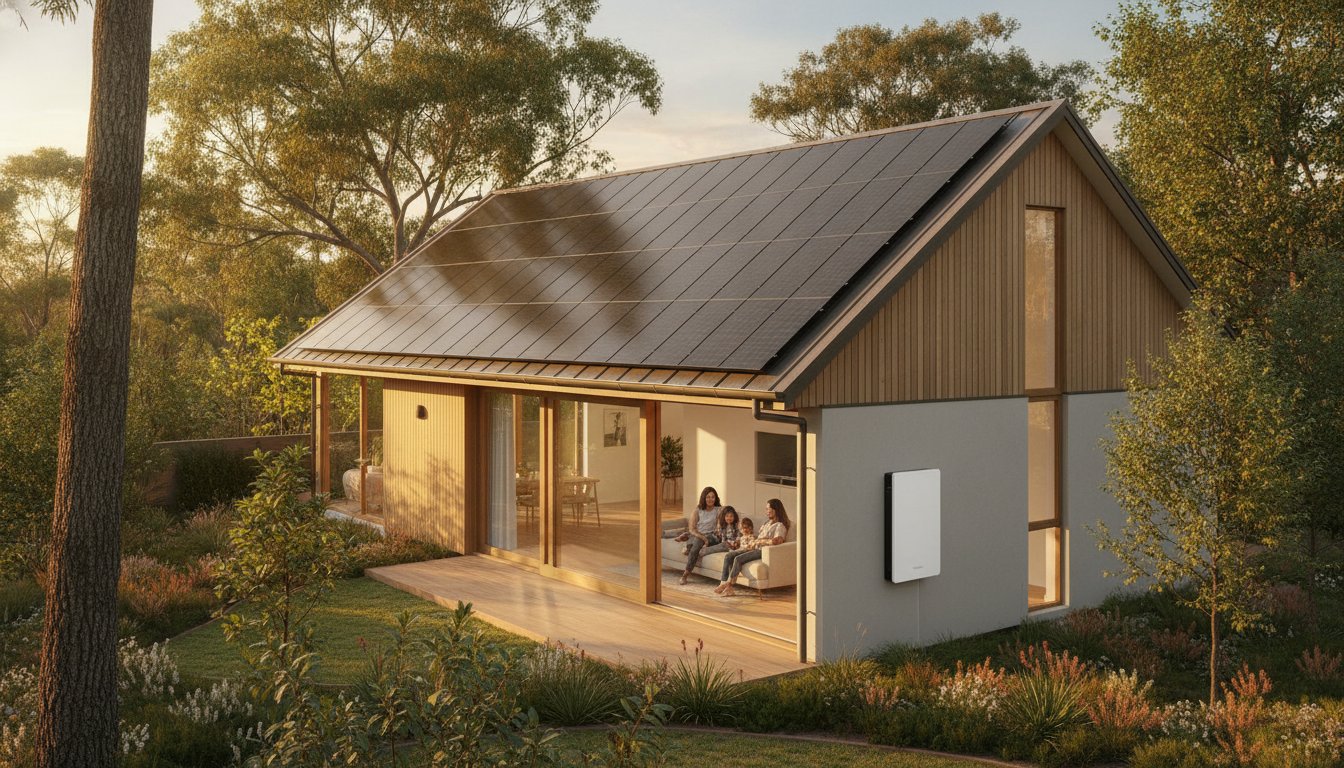
The most expensive brand on the market isn’t always the smartest investment for your Sydney home. You’ve likely felt the frustration of watching electricity prices climb while trying to decipher conflicting advice about the residential solar and battery packages Sydney homeowners are currently considering. It’s a valid concern, especially when your system must endure the corrosive salt-mist of the coast and the punishing 2026 summer humidity in Western Sydney suburbs like Penrith and Parramatta. You need a solution that offers more than just hardware; you need a system that delivers long-term value and peace of mind.
We believe that modern energy should be simple, reliable, and transparent. This guide shows you how to choose the right integrated system to achieve genuine energy independence and drive quarterly bills toward zero. You’ll learn how to maximise the NSW Peak Demand Reduction Scheme (PDRS) and why a Certificate of Compliance Electrical Work (CCEW) is your ultimate safety net. We provide a methodical look at the 2026 landscape, from the high-voltage performance of the Tesla Powerwall 3 to the reliability of Enphase IQ9N microinverters. Since 2013, we’ve acted as a steady hand for local families, and this guide shares that decade of expertise to help you secure a seamless, high-quality installation.
Key Takeaways
- Learn how to navigate the NSW Peak Demand Reduction Scheme (PDRS) to secure upfront payments for battery storage and avoid the misleading High FiT trap.
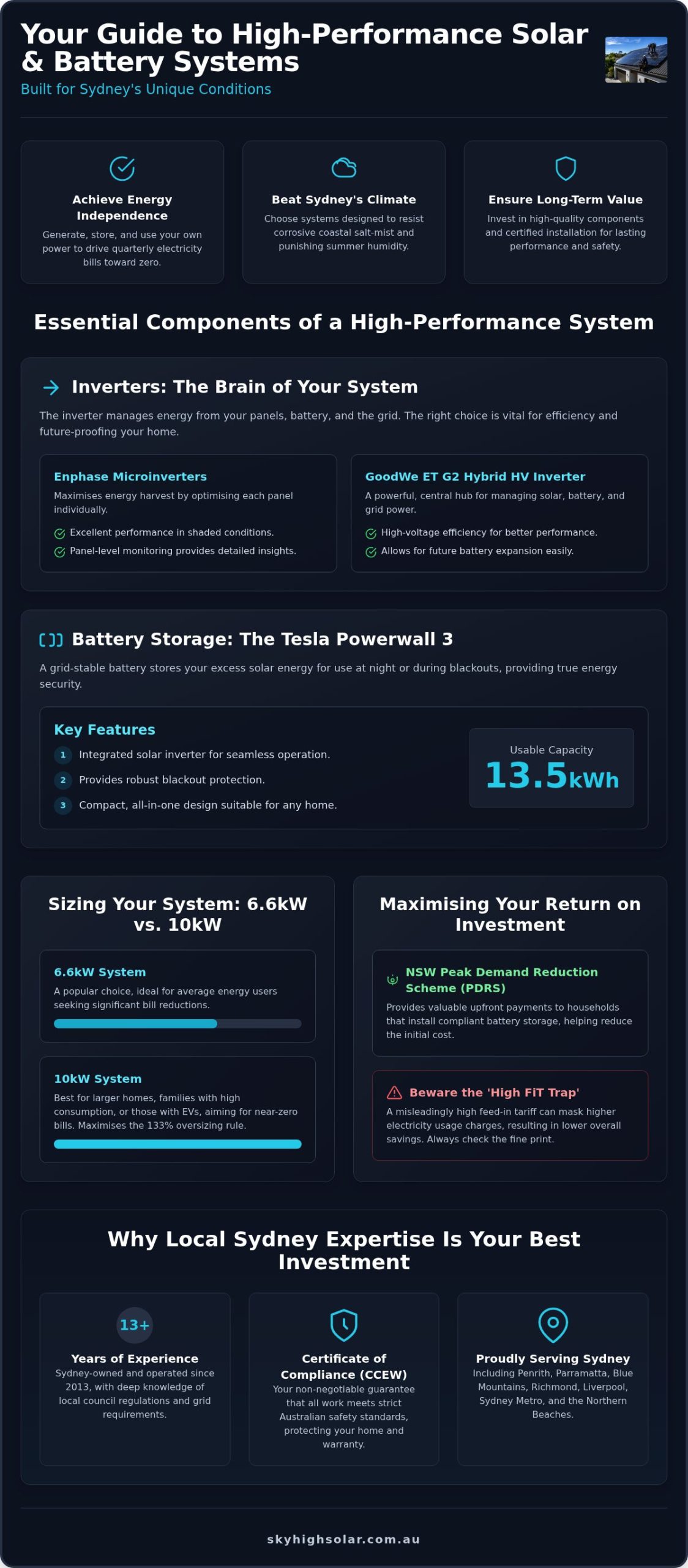
- Discover why high-voltage components like the GoodWe ET G2 hybrid HV inverter and Enphase microinverters are vital for resisting Sydney’s corrosive salt-mist environment.
- Understand how the 133% oversizing rule allows residential solar and battery packages Sydney households install to maintain peak performance during the humid 2026 summer.
- Compare the long-term energy yield of 6.6kW and 10kW systems to determine which configuration best supports your goal of near-zero quarterly power bills.
- Identify the critical role of a Certificate of Compliance Electrical Work (CCEW) in protecting your warranty and ensuring your system meets strict Australian safety standards.
The Evolution of Residential Solar and Battery Packages in Sydney
Solar power has undergone a radical transformation over the last decade. In the past, a typical installation was a passive “solar-only” system that simply fed energy back into the grid for a small credit. Today, the residential solar and battery packages Sydney homeowners invest in have evolved into sophisticated, integrated energy hubs. These modern systems combine high-efficiency panels, hybrid inverters, and grid-stable battery storage to create a self-sustaining loop of power that prioritises your home’s needs.
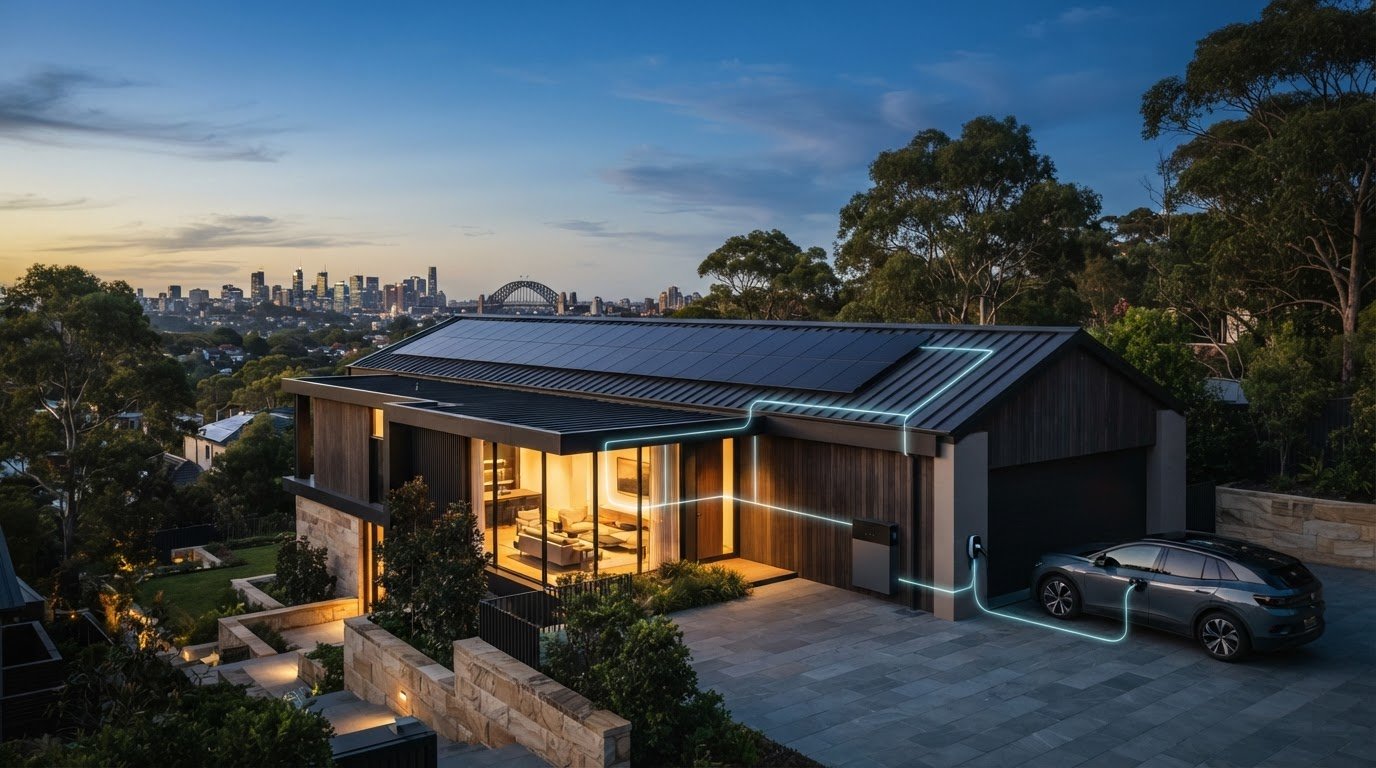
When you look at the Essential Components of a Solar System, you’ll see that the focus has shifted from simple generation to intelligent management. 2026 is the year of energy independence because the technology has finally caught up with our local needs. We’re seeing a move toward future-proofing homes with additions like EV DC chargers, ensuring that your roof doesn’t just power your toaster, but also your transport. This transition makes the old-school approach look obsolete by comparison.
Why Sydney Homes Need Integrated Solutions
Sydney families face unique energy pressures. Our consumption often peaks in the late afternoon and early evening, exactly when solar production begins to taper off. This is particularly evident in suburbs like Parramatta and Penrith, where humid summer heatwaves drive air conditioning use to its limit. Integrated solutions solve this by using high-voltage batteries to store midday sun for evening use. As Sydney moves away from gas toward fully electric homes, having a system that can handle heavy household loads is essential for keeping quarterly bills near zero.
The Shift to Grid-Stable Battery Storage
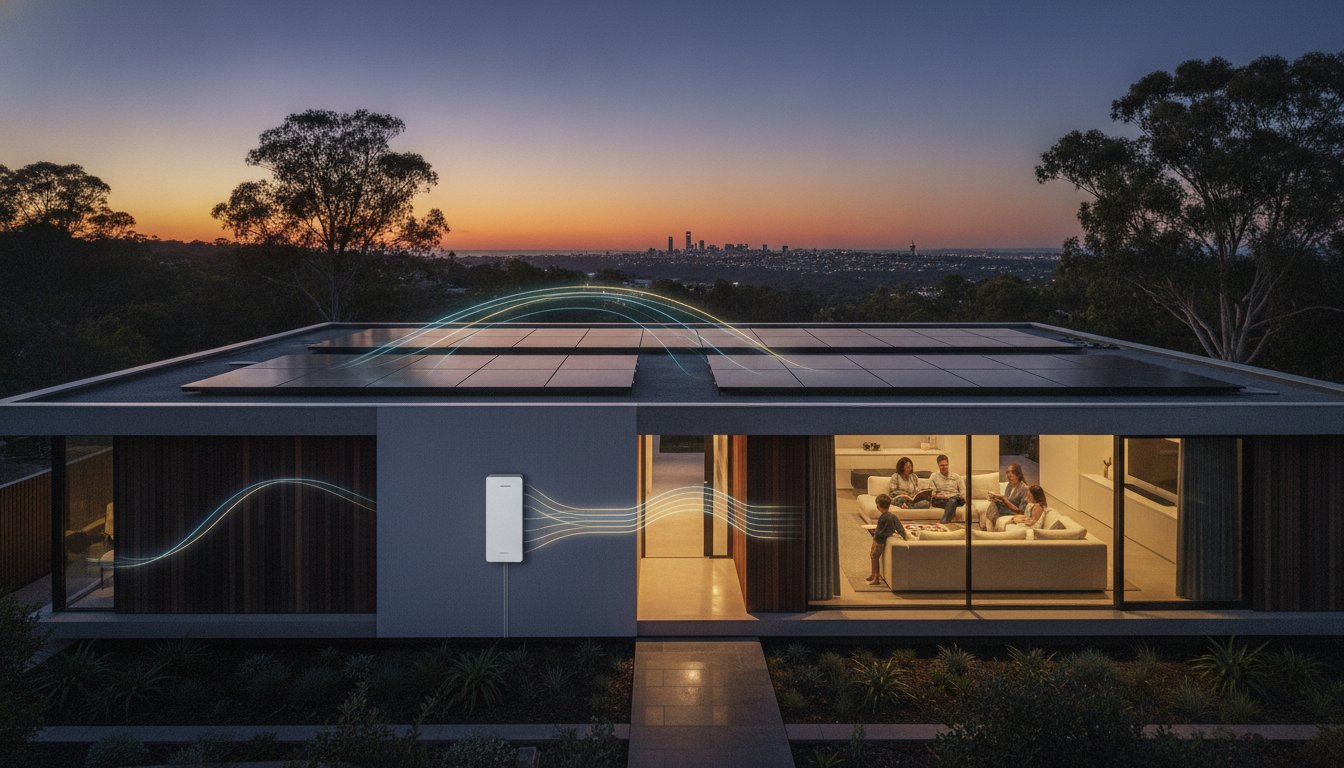
Grid-stable battery storage refers to systems that can provide a steady, reliable discharge of power regardless of what’s happening with the wider network. High-voltage batteries like the FOX ESS CQ7 are leading this shift. They support the local NSW grid during times of extreme demand while providing vital blackout protection for your home. Since 2013, we’ve seen how suburban Sydney can be prone to localised outages during storm seasons. A grid-stable system ensures your home remains a sanctuary of light and power when the rest of the street goes dark. It’s about more than just savings; it’s about the certainty that your energy supply is under your control.
Essential Components of a High-Performance Sydney System
Your solar panels fight a silent, daily battle against Sydney’s corrosive salt-mist and punishing 2026 summer humidity. To win this battle, high-performance residential solar and battery packages Sydney homeowners select must prioritise hardware durability over the lowest price point. Selecting premium components ensures your system continues to generate power efficiently even when the coastal air is thick with salt or the Western Sydney heat reaches its peak.
Inverters: The Brain of Your Solar Package
The inverter determines how effectively your home uses the energy your panels capture. Enphase microinverters provide panel-level optimisation, meaning if one panel is shaded by a stray gum tree, the rest of the system continues at full capacity. Alternatively, the GoodWe ET G2 Hybrid HV Inverter offers a reliable solution for those seeking high-voltage efficiency and future scalability. According to the Australian Renewable Energy Agency, the shift toward smarter, bi-directional inverters is a key driver in national energy stability. For a Sydney household, a hybrid inverter is an intelligent device that simultaneously manages power from solar panels, battery storage, and the grid to prioritise your self-consumption. These units are essential for future-proofing, as they allow you to add more storage without replacing your entire core system.
Battery Storage: Tesla Powerwall 3 vs FOX ESS CQ7
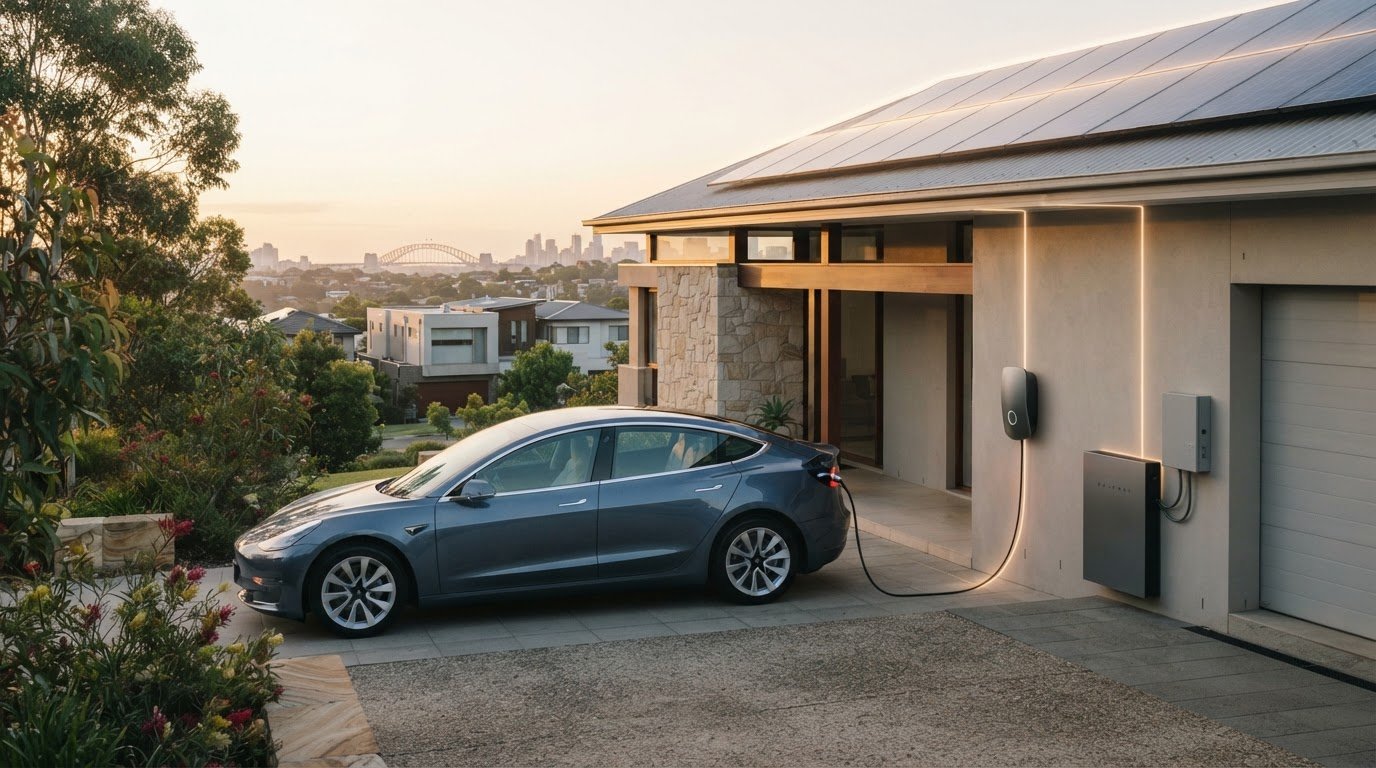
Reliable storage is the difference between a system that saves you money and one that gives you true energy independence. The Tesla Powerwall 3 has become a benchmark in the industry, featuring a usable capacity of 13.5kWh and an integrated solar inverter designed for seamless blackout protection. It’s a compact, all-in-one solution that handles the heavy lifting of a modern home. However, the FOX ESS CQ7 high voltage storage battery is a compelling alternative for those focused on discharge efficiency. High-voltage storage allows for faster charging and discharging cycles, which is critical when you need to power multiple high-draw appliances during a humid Sydney evening. Both options provide the grid-stable battery storage required to keep your lights on when the local network faces peak demand pressure.
Beyond the battery, the SigenStor integrated system represents the latest in “5-in-one” innovation, combining the inverter, battery, and an EV DC charger into a single vertical stack. This reduces installation complexity and saves valuable garage space. Regardless of the hardware you choose, a professional switchboard upgrade is often necessary to ensure your home’s electrical foundation can safely handle these modern, high-load energy hubs. This ensures your investment meets all Australian safety standards while delivering the near-zero power bills you expect.
Maximising ROI: NSW Rebates and the High FiT Trap
Achieving the best return on investment for residential solar and battery packages Sydney homeowners install requires a clear understanding of the 2026 incentive landscape. It’s easy to get lost in the jargon of certificates and schemes, but the financial benefits are substantial when you know how to navigate the system. Since 2013, we’ve seen many families miss out on savings simply because they didn’t have a clear roadmap of the available subsidies.
Understanding Upfront Savings and Rebates
The primary driver for reducing the initial cost of your system is the Small-scale Renewable Energy Scheme (SRES). This federal program provides what is commonly known as the STC upfront discount. For a 10kW system in Sydney, which sits in Zone 3, these certificates can significantly lower your out-of-pocket expenses. It’s a point-of-sale discount that we apply directly to your quote, ensuring you don’t have to wait months to see the benefit.
In 2026, the federal battery rebate provides additional relief for those adding storage. This incentive is tiered, with the highest rates applied to the first 14kWh of capacity. For instance, a 13.5kWh battery like the Tesla Powerwall 3 currently attracts a federal rebate of approximately $3,367. When combined with the NSW Peak Demand Reduction Scheme (PDRS) payment, the economics of battery storage become even more compelling. The PDRS provides upfront payments to households that install grid-stable battery storage capable of supporting the local network during peak times, effectively rewarding you for being a responsible energy user.
Avoiding the High Feed-In Tariff Trap
One of the most common mistakes we see is falling for the High FiT Trap. Energy retailers often lure customers with a high feed-in tariff, such as 15 cents per kilowatt-hour, while masking much higher electricity usage charges and daily supply fees. If you’re paying 45 cents for every unit of power you pull from the grid to get that 15-cent credit, you’re likely losing money overall. The goal of a modern integrated package is energy independence, not selling power back to the grid for pennies.
To ensure your billing is accurate, a bi-directional smart meter is essential. This device records both what you consume and what you export in real-time, allowing for a transparent view of your savings. We recommend reading the fine print on Sydney energy contracts carefully. A lower FiT paired with a lower usage rate is almost always better for a household with a battery, as you’ll be drawing very little from the grid anyway. By focusing on self-consumption rather than exports, you protect yourself from retail price hikes and maximise your long-term value.
Sizing Your System: The 6.6kW vs 10kW Decision
Selecting the right capacity for residential solar and battery packages Sydney families install is a balance between your current energy spend and your future goals. The decision typically centres on two main sizes: the standard 6.6kW array and the larger 10kW powerhouse. Getting this right prevents you from either under-producing energy or over-investing in capacity you won’t use. Since 2013, we’ve helped homeowners navigate these choices by focusing on their specific daily kilowatt-hour (kWh) consumption patterns.
A critical factor in modern system design is the 133% oversizing rule. This regulation allows you to install a solar panel capacity up to 133% of your inverter’s rating. For example, a 5kW inverter can be paired with 6.6kW of panels. This is the residential standard in Sydney because it maximises energy production during the early morning and late afternoon when the sun is lower. It ensures your inverter operates at its peak for a longer duration, providing more usable power to your home and battery storage throughout the day.
The Case for the 6.6kW Residential Standard
For most average-sized households in suburbs like Richmond or Parramatta, a 6.6kW system remains the “sweet spot” for value and performance. This size generates enough energy to cover typical daytime loads while comfortably charging a 10kWh solar battery for use after sunset. It provides a balanced return on investment without requiring significant roof space. For a detailed breakdown of costs and performance expectations, you can read our 6.6kW Solar System Sydney guide.
When to Step Up to a 10kW System
High-energy households often find that 6.6kW isn’t quite enough to reach energy independence. If your home features a swimming pool, ducted air conditioning, or an electric vehicle, a premium 10kW solar system is often the more effective choice. The increased energy yield allows you to run high-draw appliances during the day while still having enough surplus to fill a large-capacity battery. This is particularly useful for complex Sydney rooflines where a split-array configuration is needed to capture light across different orientations. You can learn more about these high-performance setups in our 10kW Solar Systems guide.
Choosing the correct size is the first step toward a near-zero power bill. If you’re unsure which capacity fits your roof and lifestyle, we recommend a professional solar health check to assess your current usage and roof potential.
Why Local Sydney Expertise is Your Best Investment
Choosing residential solar and battery packages Sydney providers offer involves more than just picking a brand name. It requires a partner who understands the local geography, from the high wind ratings of the Northern Beaches to the intense heat cycles of Penrith and Parramatta. A visionary specialist approach ensures your installation isn’t just a transaction but a long-term asset designed for Sydney’s specific conditions. Since 2013, we’ve seen that local knowledge is the difference between a system that merely functions and one that thrives for decades.
The Sky High Solar Standard since 2013
Sky High Solar and Electrical has been operating since 2013, acting as a steady hand in a rapidly evolving industry. As licensed electrical contractors with over 13 years of local experience, we’ve seen technologies come and go, but our commitment to quality remains constant. We proudly serve a broad range of regions, including Liverpool, the Blue Mountains, and the entire Sydney Metro area. This longevity means we’re here to support your solar panel warranty and provide professional solar system servicing long after the initial install. We don’t just set and forget; we ensure your energy independence is maintained through regular check-ups and a thorough post-installation review to confirm compliance and rebate registration.
Safety and Compliance in NSW
Safety is the foundation of every high-performance energy hub. Unlike some “solar cowboys” who cut corners on compliance, every job we complete is backed by a Certificate of Compliance Electrical Work (CCEW). This is a legal requirement in NSW that confirms your system meets all Australian safety standards. It’s your ultimate protection for insurance and warranty claims, providing the peace of mind that your home’s electrical integrity is sound. We believe transparency in documentation is just as important as the technical install itself.
Modern systems require modern infrastructure. We include essential safety features like RCBOs and anti-islanding protection in every installation to protect both your family and the grid. For many older homes in suburbs like Parramatta, a switchboard upgrade is a non-negotiable step to safely manage the high electrical loads of a 10kW system or a Tesla Powerwall 3. This systematic approach ensures that your transition to renewable energy is safe, rewarding, and built to last. If you’re concerned about your existing setup, you should organise a solar health check with our Sydney team today to ensure your home is ready for a modern energy upgrade.
Secure Your Energy Independence in Sydney
The transition to a fully electric home is a significant step toward long-term financial stability and environmental responsibility. By selecting high-performance residential solar and battery packages Sydney families can finally detach from rising grid costs and protect their homes from unpredictable blackouts. Success in 2026 requires more than just hardware; it demands a strategic approach to system sizing, an understanding of the NSW Peak Demand Reduction Scheme, and a firm commitment to safety through a Certificate of Compliance Electrical Work.
Sky High Solar and Electrical has been a steady hand in the local industry since 2013. As licensed electrical contractors, we specialise in integrating premium components from Enphase, Tesla, and FOX ESS to create seamless, intelligent energy hubs. We don’t just install panels; we build durable systems designed to withstand the unique humidity and coastal conditions of the Sydney Metro region. It’s time to take control of your power bills with a partner you can trust. Get a tailored residential solar and battery quote for your Sydney home today. Your journey toward a near-zero power bill starts with a single, expert conversation.
Frequently Asked Questions
How much does a premium 6.6kW system cost after federal rebates in Sydney?
The final cost depends on panel choice and roof complexity, but federal rebates significantly reduce the upfront investment. For a 6.6kW system, the Small-scale Renewable Energy Scheme (SRES) provides an upfront discount via Small-scale Technology Certificates (STCs). In Sydney’s Zone 3, these savings offset a substantial portion of the hardware costs. We provide a transparent breakdown in every quote to ensure you see the exact value of the federal incentives applied.
What is the NSW Peak Demand Reduction Scheme (PDRS) and how do I claim it?
The NSW Peak Demand Reduction Scheme (PDRS) is a state government incentive providing upfront payments to households installing battery storage. To claim it, your battery must be capable of supporting the grid during peak demand periods. As a licensed installer, we handle the technical registration and paperwork to ensure these payments are deducted from your total system cost. This makes high-quality residential solar and battery packages Sydney homeowners select more affordable while supporting the local energy network.
Is the Tesla Powerwall 3 the best solar battery for Sydney homes in 2026?
The Tesla Powerwall 3 is a leading choice for 2026 due to its 13.5kWh usable capacity and integrated solar inverter. It offers sturdy blackout protection and high-voltage storage capabilities. While it’s a premium option, we also recommend alternatives like the FOX ESS CQ7 for households seeking specific discharge efficiencies. The best battery depends on your home’s energy profile, which we assess during our initial consultation to ensure long-term value and energy independence.
Do I really need a switchboard upgrade for a new solar and battery package?
Most older Sydney homes require a switchboard upgrade to safely manage the high electrical loads of modern solar and battery packages. Modern systems involve high-voltage batteries and potentially EV charging, which demand updated safety components like RCBOs. We assess your existing switchboard as part of our site inspection to ensure your home meets current Australian safety standards. This ensures your installation can handle increased power flow without risk to your property’s electrical integrity.
What is the 133% oversizing rule and how does it help my energy production?
The 133% oversizing rule is a regulation allowing your solar panel capacity to be up to 133% of your inverter’s rating. For a standard 5kW inverter, you can install 6.6kW of panels. This helps maximise energy production during the early morning and late afternoon when sunlight is less intense. It ensures your inverter operates at its peak for a longer duration, providing more energy to charge your battery and run appliances across your Sydney home.
How long does a typical residential solar and battery installation take in Sydney?
A standard residential solar and battery installation typically takes one to two days to complete. Our team of licensed electrical contractors manages the whole process, including the physical mounting of panels and the technical wiring of the inverter and battery. We coordinate with you to minimise disruption, ensuring all safety checks and the post-installation review are completed before we leave. This systematic approach ensures your new energy system is ready for immediate operation.
Can I charge my EV directly from my solar battery using an EV DC charger?
Yes, you can charge your electric vehicle directly from your solar battery using an EV DC charger like the SigenStor system. This integrated solution connects to your solar or battery storage to reduce conversion losses, making the process more efficient than traditional AC charging. It’s an ideal way to use your stored solar energy to power your transport. This setup further reduces your reliance on the grid and lowers your overall carbon footprint in Sydney.
What is a Certificate of Compliance Electrical Work (CCEW) and why is it important?
A Certificate of Compliance Electrical Work (CCEW) is official documentation confirming that your electrical installation meets Australian safety standards and is legally compliant. In NSW, this is a mandatory requirement for all new residential solar and battery packages Sydney. It serves as your guarantee that the work was performed by a licensed professional. This document is vital for maintaining your solar panel warranty and is often required for insurance and government rebate purposes.