

 Sydney
 0452 243 240
Blog
Reasons to Show Your Boss Why Business Solar Is Worth It

Solar makes a stronger business case when it is measured against the electricity a site actually uses. If you’re working out how to convince your boss to invest in solar, focus on practical value: daytime power use, potential bill savings, and a clear account of the project’s costs and benefits.
It’s reasonable to ask whether solar will suit your workplace. The answer depends on when the business uses electricity, how well a system can match that demand, and what happens to surplus power. For Sydney businesses that operate during the day, using solar as it is generated can reduce the need to buy electricity from the grid.
This article explains how daytime solar use can support your financial case, help reduce a business’s carbon footprint, and fit alongside potential commercial rebates. You’ll also find a straightforward way to present the decision to your boss, including the practical factors that affect system sizing and long-term value.
Key Takeaways
- Build a business case around when your workplace uses electricity and how solar generation could align with that demand.
- Identify which operational loads could run during daylight hours to make better use of on-site solar power.
- Connect solar investment to your organisation’s environmental priorities by considering its electricity-related carbon footprint.
- Assess which commercial incentives may apply in Australia and factor eligibility into the project’s financial case.
1. Why invest in solar energy for business?
Commercial solar is most suitable when a business’s electricity use aligns with solar generation. Compare grid-only supply with system ownership and a power purchase agreement, considering who owns the asset, how payments are structured, and who is responsible for the system. The right option depends on how the business wants to fund and manage its energy supply.
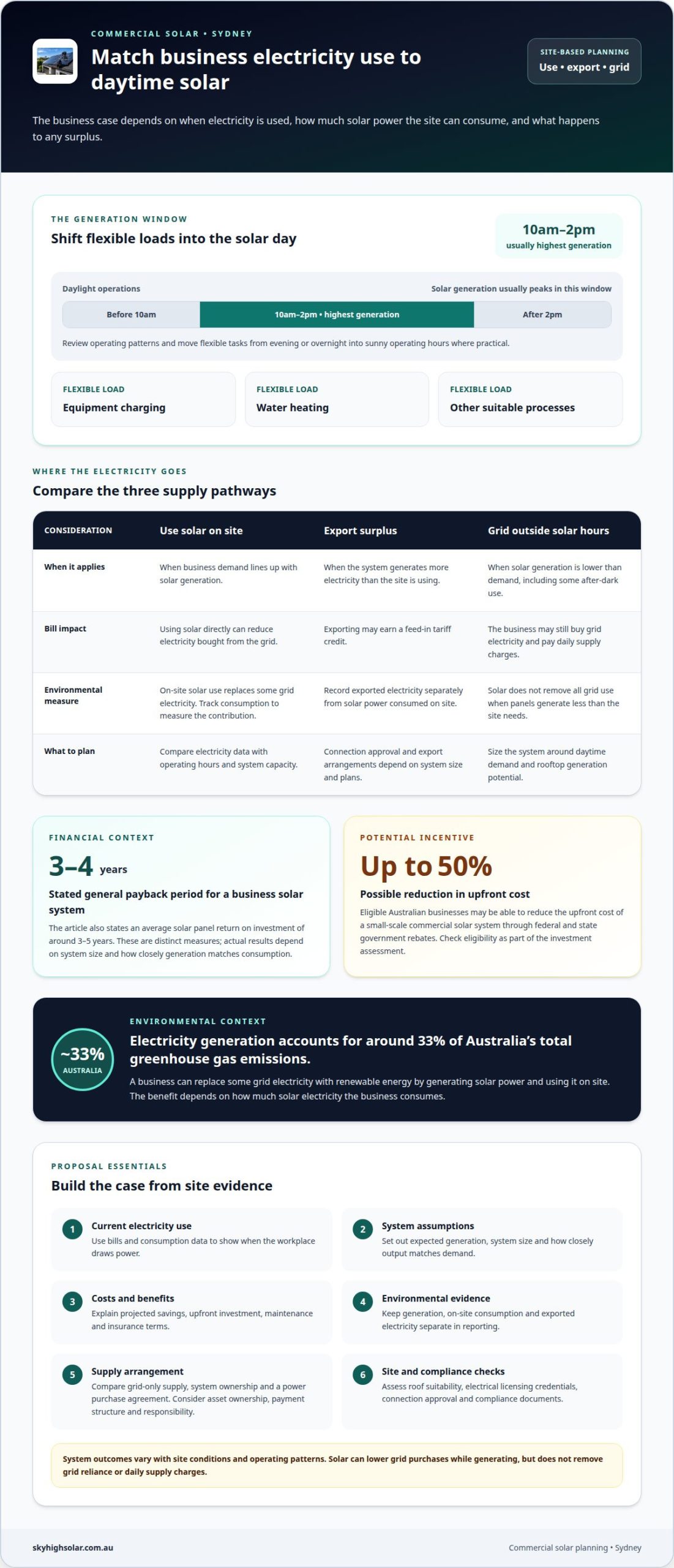
Financial benefits come from avoided grid purchases and any value for exported surplus. A business solar system generally pays for itself in 3 to 4 years through energy-bill savings; the stated average solar panel return on investment is around 3 to 5 years. Actual results depend on system size and how closely generation matches consumption.
Solar can suit both homes and businesses, but their electricity-use patterns differ. A household’s evening demand may not match a workplace’s operating hours. Match system capacity and equipment performance to the site’s electricity use and expected time at the premises. Using solar energy can also help lower a business’s carbon footprint.
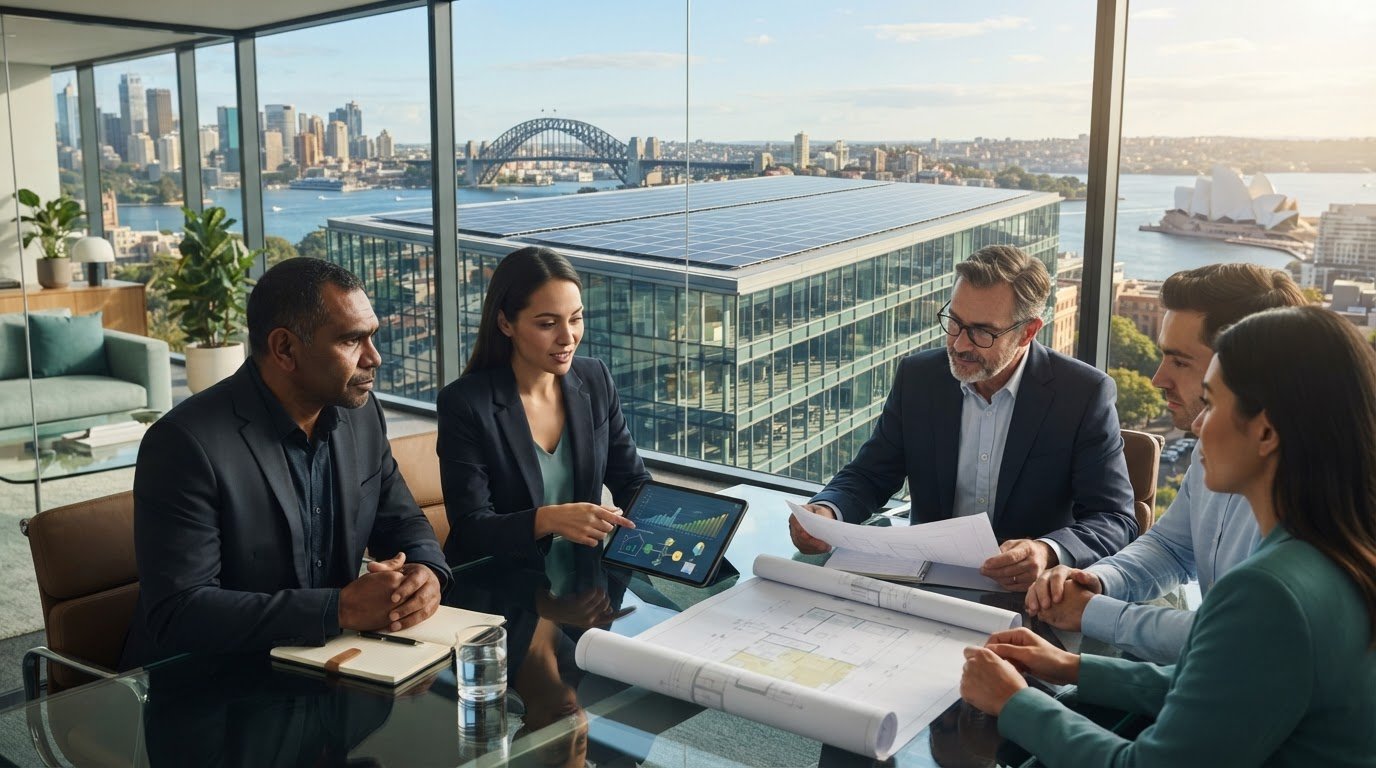
To understand how to convince my boss to invest in solar, prepare a concise proposal covering current electricity use, system assumptions, projected savings, and environmental objectives. Compare ownership with a power purchase agreement, explain the assumptions behind your projections, and specify the decision needed to assess a site-specific design.
The stated deadline for Australia’s temporary A$150,000 instant asset write-off threshold was 31 December 2020, according to the Australian Taxation Office. Don’t present it as a current incentive.
Include lifecycle considerations such as system maintenance, roof suitability, and insurance terms. For installer due diligence, review electrical licensing credentials and the compliance documents supplied for completed work. These checks help decision-makers assess safety and ongoing responsibilities alongside the financial case.
2. Shifting electricity use to daytime solar generation
Solar panels generate electricity in daylight, with generation usually highest between 10am and 2pm. Scheduling flexible equipment during this window can help a business use more solar power as it is produced. Review operating patterns and identify tasks that can move from evening or overnight to daytime without disrupting work.
For example, a Sydney workplace could schedule equipment charging, water heating, or other flexible processes during sunny operating hours. The potential shift depends on the equipment’s operating needs and the site’s solar output. Compare a simple operating schedule with electricity consumption data to show which loads can use solar directly and which will still rely on grid supply.
Night-time operations don’t rule out solar. A business that operates after dark may still use electricity during the day, so its system can be sized around that daytime demand. The system rating should reflect the business’s consumption profile and rooftop generation potential, rather than assume all generated electricity will be used on site.
Surplus solar electricity can be exported to the grid for a feed-in tariff credit. Exporting power may add value, but using solar generation on site reduces the electricity bought from the grid. Australian businesses need their electricity distributor’s approval to connect a solar system. The connection process depends on system size and whether the business plans to export electricity.
Self-generation can also reduce exposure to future electricity price rises by lowering the amount bought from the grid while solar is producing. It won’t remove grid reliance: the business may still draw electricity outside solar hours and pay daily supply charges. Include those limits, the upfront investment and the planned operating schedule in your proposal. For a site-specific plan, explore commercial solar solutions as a practical next step.
3. Environmental benefits of solar power
Electricity generation accounts for around 33% of Australia’s total greenhouse gas emissions. A business that generates solar energy and uses it on site can replace some grid electricity with renewable energy. The environmental benefit depends on how much solar power the business consumes, rather than exports. Review electricity bills and operating patterns to connect the proposed solar system with a measurable reduction in grid use.
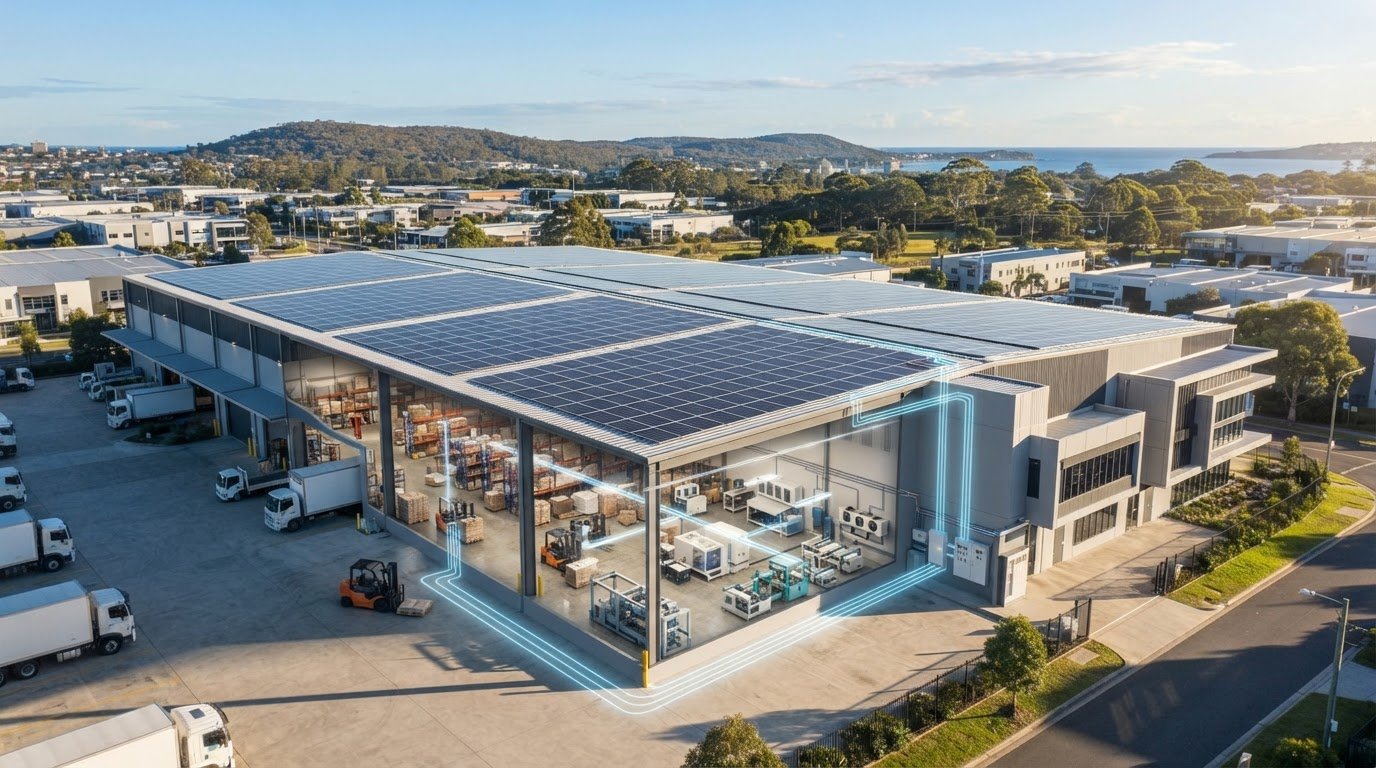
That distinction matters for Sydney businesses communicating their environmental credentials. A rooftop system may generate power during the day, but its contribution depends on the site’s demand and generation profile. For example, a warehouse using solar generation for daytime lighting and equipment can report the electricity it produces and consumes. Keep generation, consumption, and exported electricity separate in internal reporting to avoid overstating the impact.
Use evidence that staff, customers, and business partners can understand. Present the system’s expected generation alongside actual electricity data after installation, then track changes in grid purchases over time. Avoid claiming that solar eliminates all operational emissions: a business may still draw grid electricity when its panels generate less than the site needs. Explaining this remaining use clearly makes sustainability reporting more credible.
Environmental goals can also guide system design. Match the solar system to the site’s electricity use, then consider whether operating schedules can make better use of its generation. Eligible Australian businesses may be able to reduce the upfront cost of a small-scale commercial solar system by as much as 50% through federal and state government rebates. Treat eligibility as part of the investment assessment, not proof of a particular emissions reduction.
For a persuasive presentation, set out the business’s current electricity use, the solar system’s expected generation, and how the organisation will measure results. This connects an environmental commitment with operational evidence. It also gives decision-makers a practical way to review progress, refine energy use, and communicate the business’s renewable energy contribution without relying on broad claims.
4. Government rebates for commercial solar
Rebates can reduce the upfront cost of a commercial solar project, but the financial case should show potential support separately from operating savings. Australian businesses may receive up to A$53,000 in federal support through Small-scale Technology Certificates towards solar system costs. Treat this as a possible contribution, not an assumed payment. The amount relevant to a project depends on its eligibility and system details.
Government incentives may help reduce the upfront cost of installing a solar power system, depending on eligibility. This is a stated maximum, not a standard commercial rebate amount. In your proposal, identify the anticipated certificate support separately from projected electricity savings, so decision-makers can see which benefits reduce the initial outlay and which accrue through operation.
Eligible Australian businesses may be able to reduce the upfront cost of a small-scale commercial solar system by as much as 50% through federal and state government rebates. This is a possible upper level, not a guaranteed rate for every business. Show the eligibility assumptions behind any estimate and avoid building the project’s case around the maximum figure.
For a Sydney business, the NSW Energy Savings Scheme may be relevant if it has achieved a NABERS energy rating. Include the rating when identifying possible support, then distinguish scheme eligibility from the project’s expected financial performance. This helps managers see which assumptions relate to government incentives and which relate to the solar system itself.
Present the proposal in stages: show the project cost before incentives, list potential rebates separately, then explain the resulting investment basis. Keep estimates distinct from assessed support, and use current scheme terms when preparing approval documents. This makes the financial assumptions easier to review and update if eligibility or incentive settings affect the proposal.
Discuss a commercial solar project to connect system requirements with incentives relevant to your proposal.
Sky High Solar and Electrical
Sky High Solar and Electrical provides commercial solar solutions for businesses assessing whether on-site generation suits their operations. Once you’ve mapped daytime electricity use, considered grid exports, and reviewed potential incentives, the next step is to scope a system around the site’s needs.
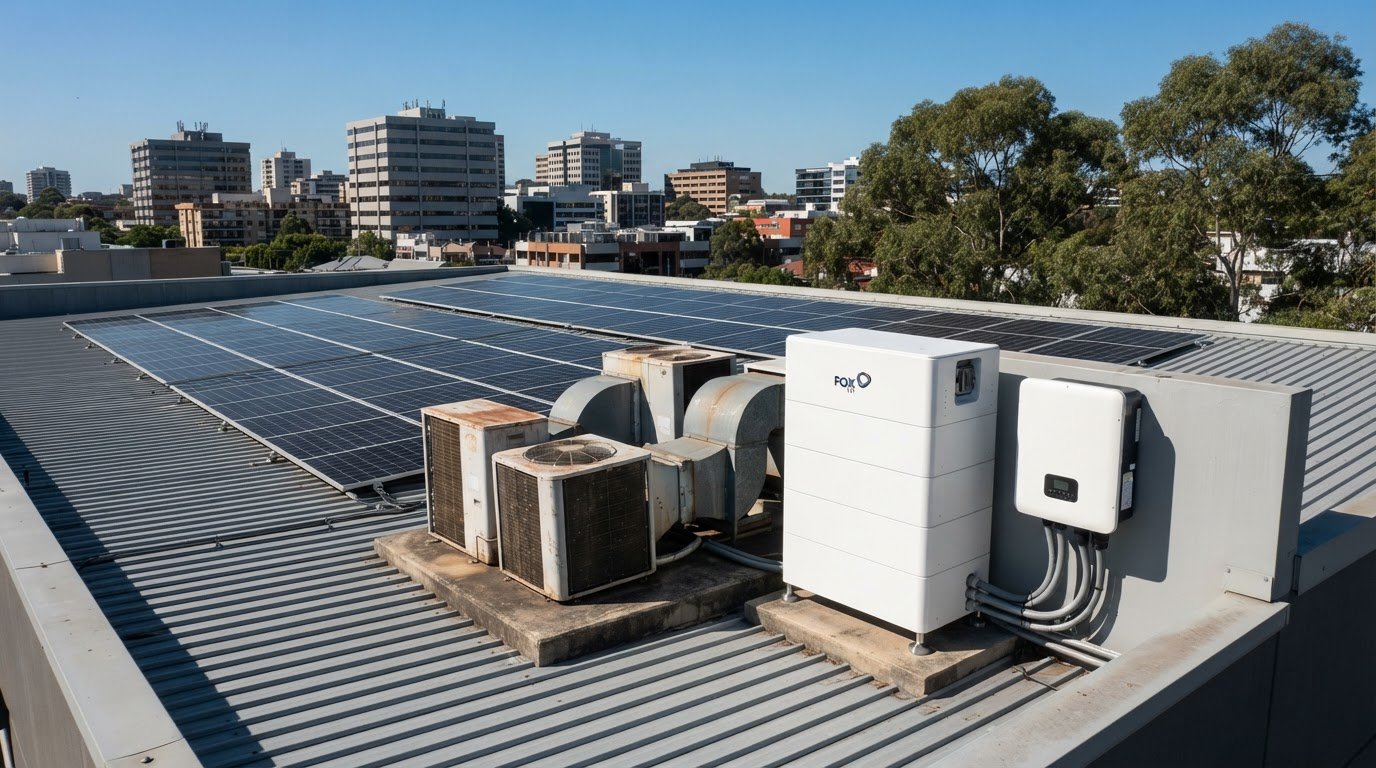
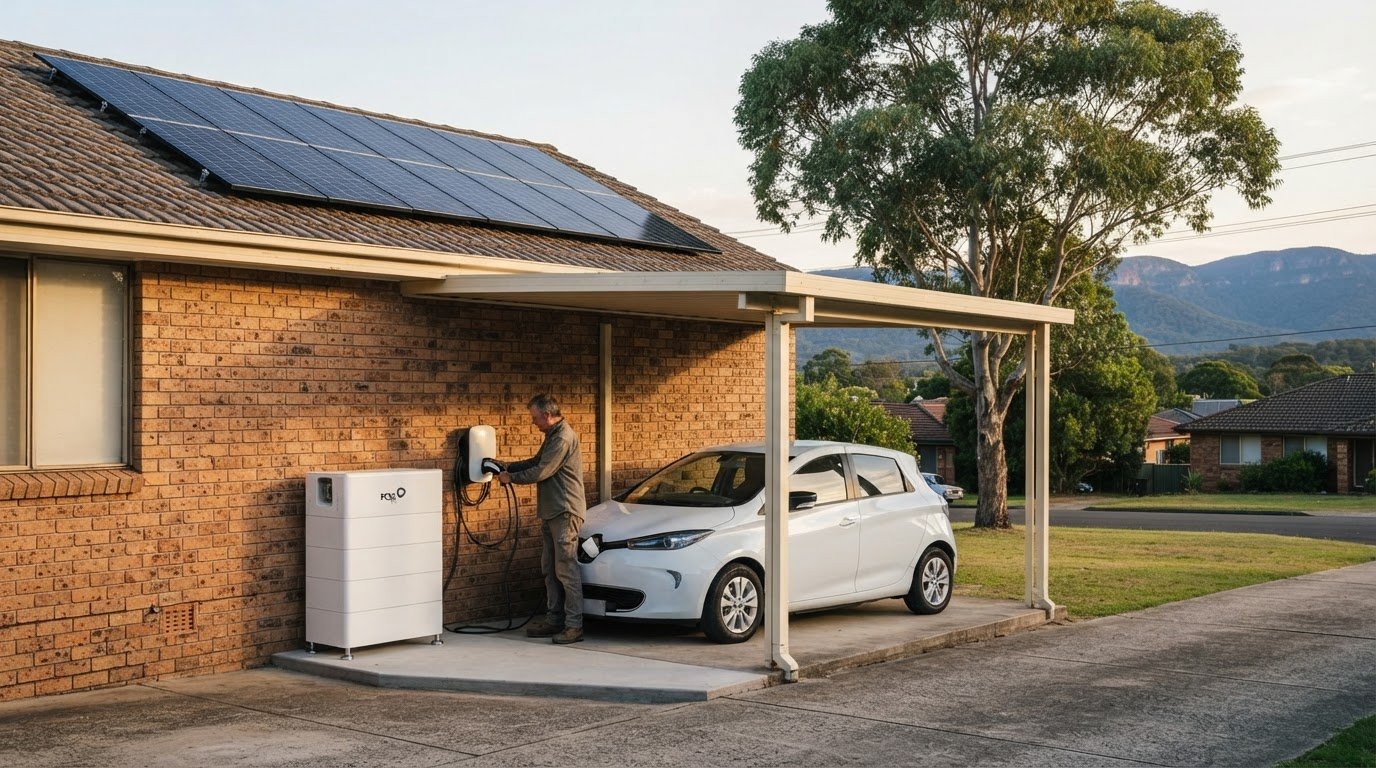
Available options include 6.6kw and 10kw solar panel installations, with FOX ESS CQ7 High Voltage Storage Battery and SigenStor Integrated Solar Inverter & EV DC Charger options for projects where storage or EV charging is relevant. The right setup depends on the business’s electricity profile and project objectives.
Use these practical details to move the discussion from general interest to a project proposal decision-makers can assess. Contact Sky High Solar and Electrical to discuss your business’s solar requirements.
Turn the case into a clear next step
Prepare a concise internal proposal that makes the decision easy to progress. Set out who owns the project, how the site will operate during installation, and which team will review performance after commissioning. Identify the decision you need now, such as approval to develop a site-specific design, rather than asking for a broad commitment. This gives your manager a defined action and keeps the discussion focused.
If you’re considering how to convince your boss to invest in solar, present the proposal as a staged business decision. Explain what information is needed next, who will assess it, and how the final decision will be made. A clear process helps decision-makers weigh operational priorities alongside environmental goals.
Sky High Solar and Electrical can help shape a commercial solar proposal around your organisation’s objectives and site requirements. Contact Sky High Solar and Electrical to discuss a practical next step for your business.
Frequently Asked Questions
I Don’t Believe in Solar: Is It Worth It?
Solar may be worth assessing, but first consider whether the site can support a long-term installation. Check who controls the roof, whether the business expects to remain at the premises, and whether planned building work could affect the project. These practical factors help establish whether it makes sense to move from an initial discussion to a detailed assessment.
Why invest in solar energy for business?
Solar can give a business a practical way to act on its energy and environmental priorities. Before proposing a project, identify which organisational goal it supports, such as improving energy management or strengthening environmental reporting. Agreeing on that goal helps managers assess the project against business priorities and gives the team a clear basis for reviewing results after installation.
How much can Australian businesses save on electricity bills with solar?
There’s no single savings figure that applies to every Australian business. Build an estimate from the site’s actual electricity bills, the applicable tariff, and the proposed system’s expected output. After installation, compare new bills with the baseline, allowing for changes in operations or tariffs. This creates a more useful record of the project’s effect than relying on a general industry estimate.
What government rebates, grants or tax incentives are available for business solar in Australia?
Potential support depends on the project and the business’s eligibility. For a Sydney proposal, assess federal Small-scale Technology Certificates and whether the NSW Energy Savings Scheme applies to a business with a NABERS energy rating. Keep incentives separate from the project’s operating forecast, and ask the business’s tax adviser to assess any tax treatment before including it in an approval case.
How can I calculate solar system size and savings for my workplace?
Start with the site’s electricity records and operating schedule, then assess usable rooftop area, shading, and any planned changes to equipment or operations. These details help establish how much generation the site can accommodate and whether the design suits future needs. Ask for the assumptions behind the proposed system’s output and savings so managers can review the calculations clearly.
What risks, maintenance costs and insurance issues should businesses consider with solar?
Consider ongoing system maintenance, roof suitability, and insurance terms alongside system sizing and performance. The business may also continue to rely on grid electricity outside solar hours.