

 Sydney
 0452 243 240
Blog
A 2026 Guide to the Best Direction for Solar Panels in Australia

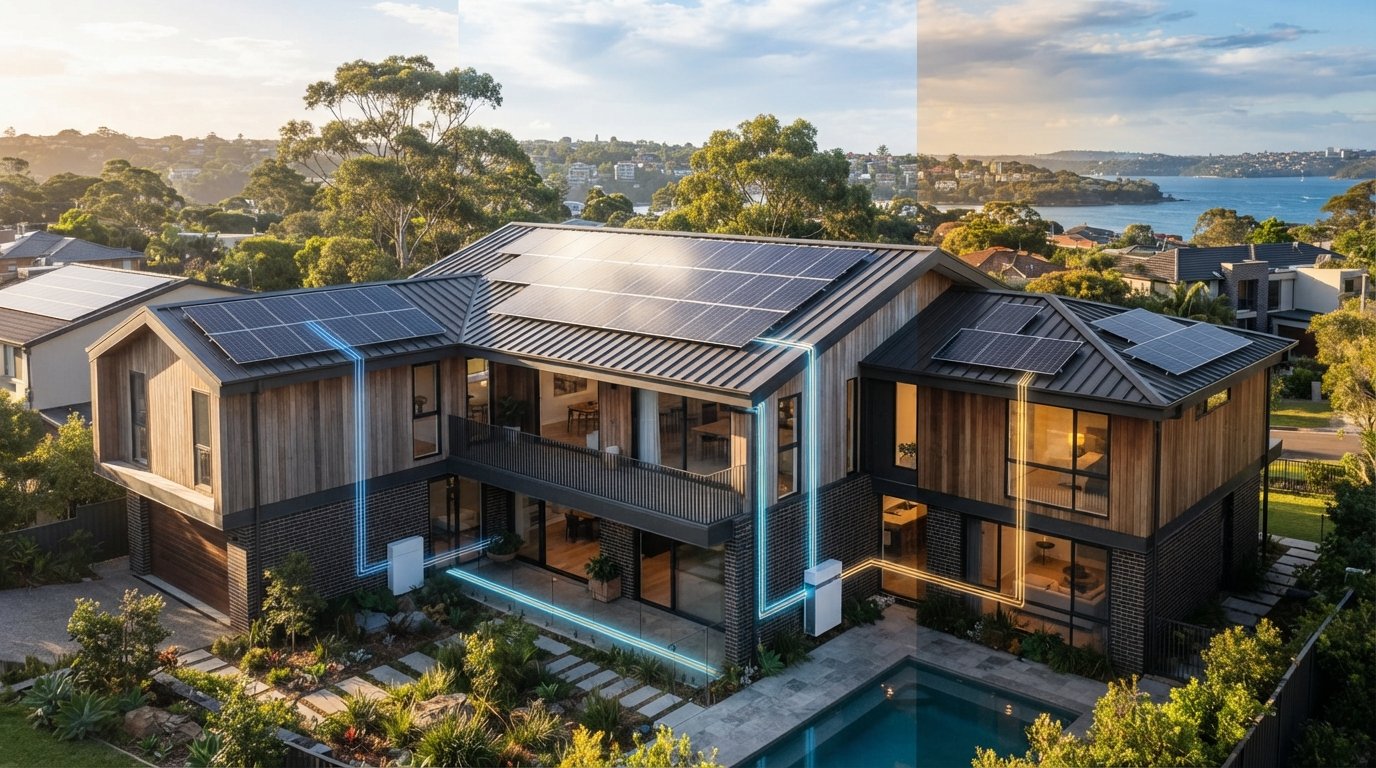
Choosing the best direction for solar panels in Australia starts with how your household uses power across a normal weekday. True north still delivers the stronger annual energy yield for Australian solar panels, producing up to 15% more total electricity than east or west orientations; split east-west arrays can raise direct self-consumption when they line up with morning and afternoon household energy spikes, which often means higher bill savings under modern feed-in tariffs.
Key Takeaways:
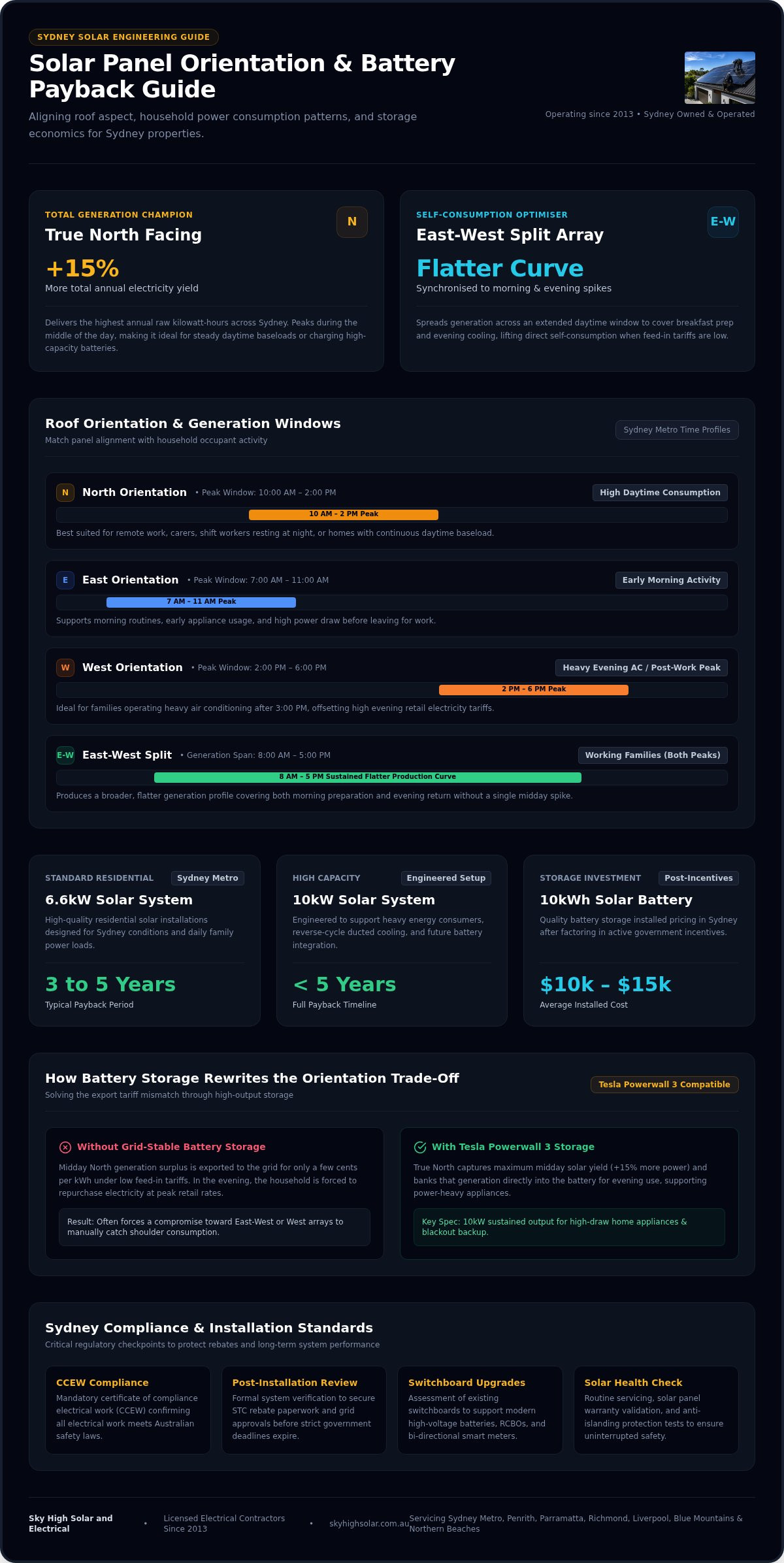
- S6: An engineered 10kW system can achieve full payback in under 5 years.
- S7: High-quality 6.6kW solar installations in Sydney typically pay off in 3 to 5 years.
- S2: Tesla Powerwall 3 supplies 10kW sustained output for power-heavy home appliances.
- S5: Quality 10kWh solar batteries average $10,000-$15,000 installed after active Sydney incentives.
Match Your Roof Profile to How You Use Power
Before you commit to a facing, place your home in one of these common patterns and apply the matching recommendation drawn from the same design rules used on Sydney roofs:
- You are home through the day (remote work, carers, shift recovery sleep at night): favour a north-facing array so steady daytime baseload meets peak midday production and you chase higher annual kilowatt-hours.
- You leave for work and return in the evening: use an east-west split so morning prep and evening cooking or cooling draw on panels that are actually generating, lifting self-consumption when feed-in tariffs are low.
- You run heavy air conditioning after 3 PM: bias the array west so generation stretches into the late-afternoon tariff window instead of peaking over an empty house.
Matching your roof shape to your daily power use improves return on investment. North orientations suit households with steady daytime electricity consumption across Sydney Metro. East-west splits generate energy during morning and evening peak hours when working families actually draw power. Pure west layouts suit families using heavy appliances during afternoon heat waves. Microinverters or a split-array configuration prevent production drops if one panel faces partial shade.
 [ North Profile ] [ East-West Profile ] [ West Profile ]
 Peak: Midday Max Output Peak: Morning & Evening Peak: Late Afternoon
 Fits: Home all day Fits: Home all day Fits: Heavy evening AC
Homeowners often miss STC rebates when installation timing slips past government deadlines. Getting a post-installation review alongside a certificate of compliance electrical work (CCEW) keeps your paperwork moving before those deadlines expire. More on this: Solar Products Sydney.
Arrange a complete solar health check today to select the right array.
Writing in the solarquotes.com.au thread "Sky Solar Energy Reviews", a user noted:
"For someone know nothing about solar, this is the company you can reply on. Thank you Sky Solar Energy, cheap price but super thoughtful service!" (source)
Choosing the wrong layout or delaying compliance documentation can cost you thousands in lost government incentives. Professional installers assess your roof Profile early so you secure available rebates while raising energy production.
Orient Panels for the Savings Profile You Need
North-facing solar arrays yield more total daily energy, yet adjusting panel direction still has to follow your family’s real routine.
A standard north array peaks around midday when many households stay empty, whereas a west bias spreads production into late afternoon. North suits high daytime baseloads; working families often gain more bill relief from west or east-west systems during peak electricity hours. If you plan to add solar panels at a Penrith home, matching panel direction to household usage reduces grid dependence.
| Panels Facing (Orientation) | Peak Generation Window | Best Household Profile |
|---|---|---|
| North | 10:00 AM, 2:00 PM | High daytime consumption |
| East | 7:00 AM, 11:00 AM | Early morning activity |
| West | 2:00 PM, 6:00 PM | Working families (evening peak) |
| East-West Split | 8:00 AM, 5:00 PM | Working families (morning and evening peaks) |
Why east-west splits often beat north-facing on the bill: an east-west split delivers a flatter output curve and slightly reduces maximum total yield compared with pure north arrays. That flatter curve can raise self-consumption when your loads sit in the morning and evening shoulders rather than at midday, which is a load-matching result, not a fixed property of the compass points alone.
Proper planning avoids compliance traps. One buyer lost a government rebate because their system was installed before receiving official grid approval. Working with Sky High Solar and Electrical ensures applications are lodged correctly before installation begins.
Tip: Pairing west-facing panels with a high-capacity system can cover peak evening electricity rates when feed-in tariffs are minimal.
Battery Storage Rewrites the Orientation Trade-Off
North-facing arrays deliver strong raw daily yield once you pair them with grid-stable battery storage.
While east-west splits serve unbuffered daytime loads, stored solar energy reduces the need to stretch generation into late afternoon. According to the Wikipedia Solar Panel Entry (2026), photovoltaic systems convert sunlight directly into electricity, making peak irradiance capture the primary goal. Aiming your panels toward true north captures peak sun intensity around midday.
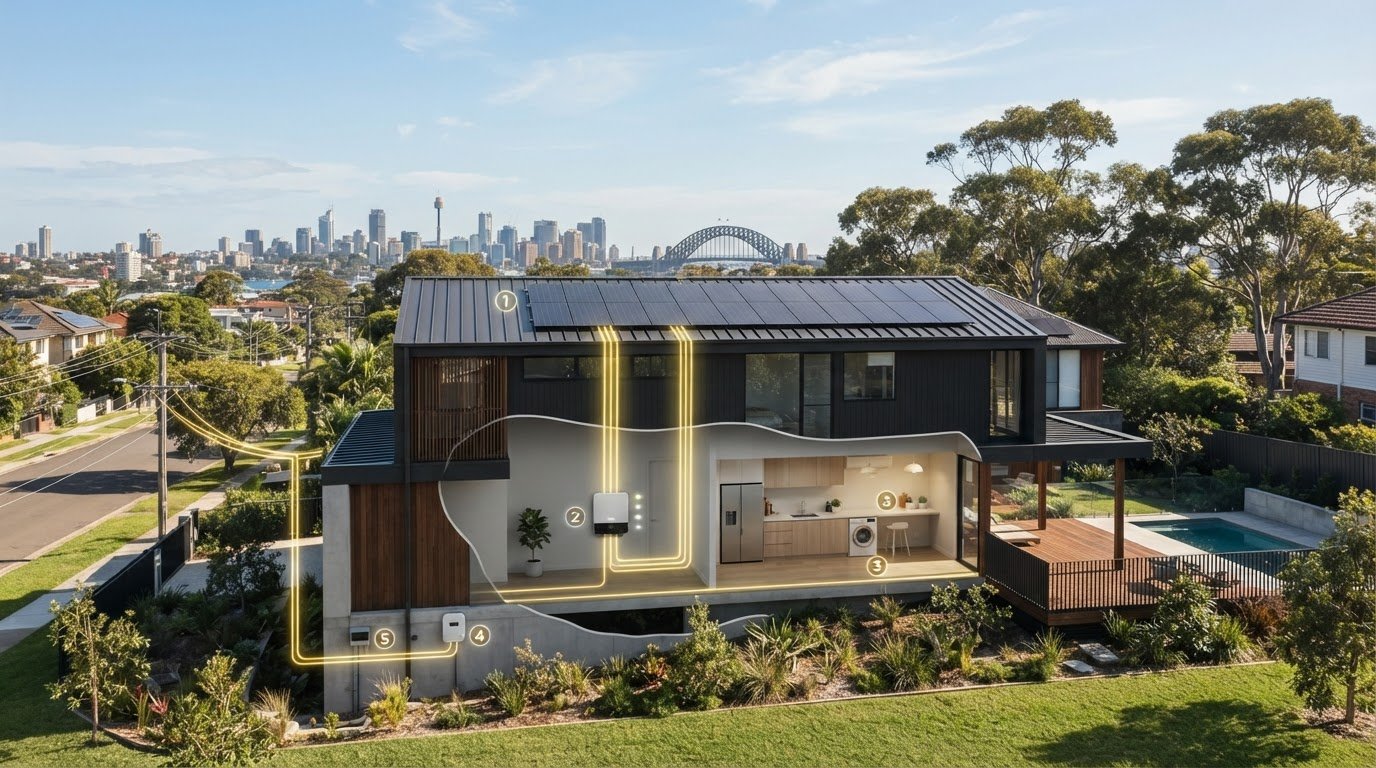
Here is the practical arc many Sydney homes follow. You export rich midday power for only a few cents, then buy evening power at peak rates when the house fills up again. A north-facing array charging a Tesla Powerwall 3 (10kW sustained output for power-heavy appliances) banks that midday surplus for the evening tariff window. Quality 10kWh solar batteries average $10,000-$15,000 installed after active Sydney incentives, and high-quality 6.6kW solar installations in Sydney typically pay off in 3 to 5 years when design, orientation and storage work together.
Many home buyers face supply chain delays, stock substitutions, or delayed meter replacements from unreliable contractors. Sky High Solar and Electrical handles installation with licensed precision, delivering complete system transparency and a valid certificate of compliance electrical work (CCEW). To secure a reliable design, install high-efficiency residential solar with integrated storage.
North orientation offers stronger financial yield for battery owners, whereas split arrays suit homes without energy storage. Proper panel tilt remains essential for limiting summer generation drop-offs.
An individual posting on the forum.cleanenergyreviews.info discussion "Melbourne South East & Mornington solar installers" stated:
"I hope your Solar installers are going to use a Tilted Racking or you will only harvest approx. 4 hours of Peak energy, and that equates to 18kWh of energy if panels are installed Flat & not tilted." (source)
This observation shows how improper mounting angles degrade daily energy yield, which is why professional orientation and physical tilt matter for battery charging.
Four Steps That Lock In Angle, Tilt and Mount
Correct roof pitch raises efficiency by aligning panel pitch with your building layout. North-facing setups yield high generation; east-west split configurations spread output across the day when that pattern matches your load.
Follow this technical workflow:
- Calculate optimal pitch: Match your roof pitch to local latitude to boost year-round sun exposure.
- Utilise MPPT tracking: Set Maximum Power Point Tracking (MPPT) channels to manage split strings across different roof faces independently.
- Attach mounting hardware: Secure frames directly to roof rafters using compliant brackets for local wind load standards.
- Complete post-installation review: Perform a post-installation review to confirm system compliance and submit your certificate of compliance electrical work (CCEW).
This process cuts administrative delays. You avoid chasing your electricity provider for follow-up work or slow rebate refunds after installation.
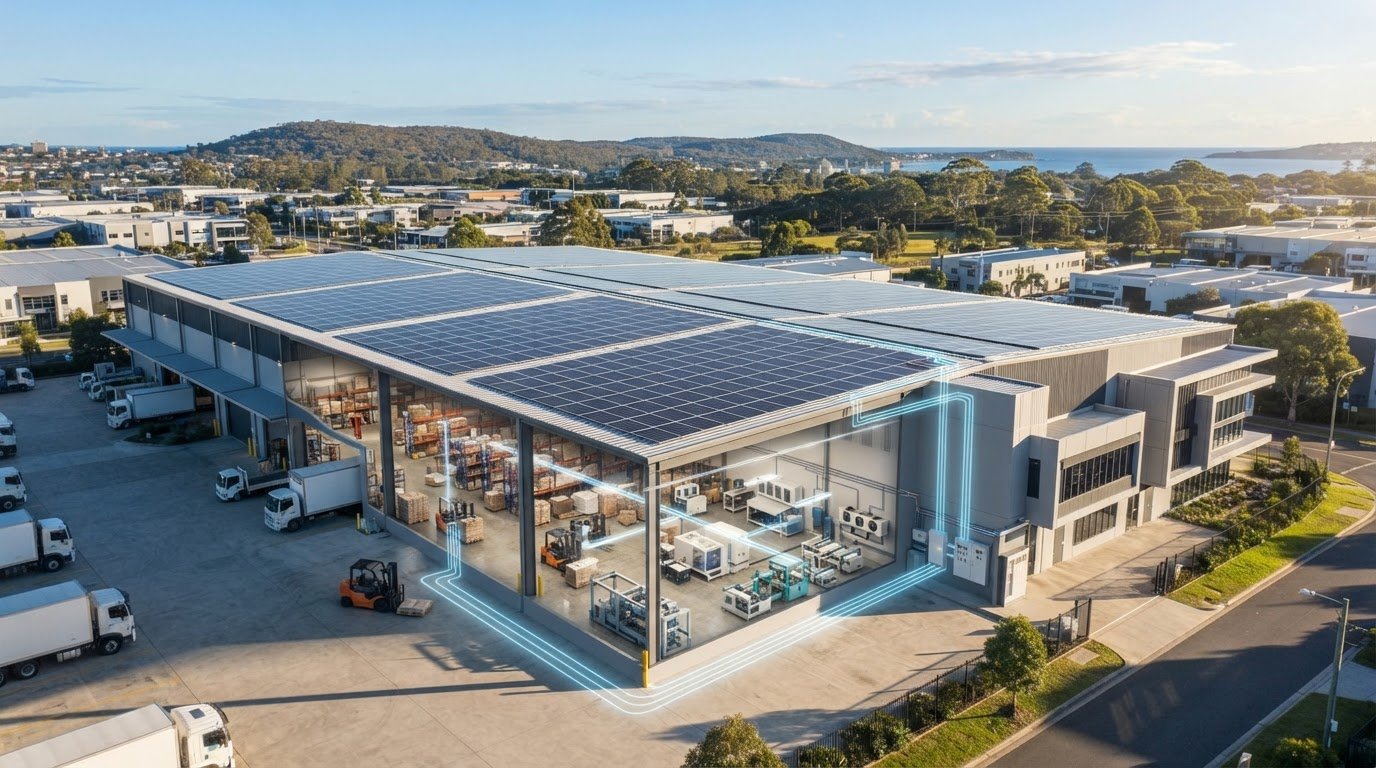
Upgrading structural mounting hardware builds a durable base for your rooftop array. For larger commercial installations, professional commercial solar work supports DC oversizing up to 133% of inverter rating so sub-optimal roof faces still contribute useful energy. Sky High Solar and Electrical handles each technical step to protect long-term value.
When a Pure North Array Leaves Money on the Table
Pure north panel arrays raise total daily energy volume, yet low feed-in tariffs cut their financial return when you export most of that power. Sending excess generation into the grid yields little if your home is empty at midday.
The belief that north is the only viable panels facing for NSW homes is a persistent myth. If your household uses appliances late in the afternoon, a split-array design captures extra evening sunlight and can improve bill outcomes even when total annual yield is slightly lower.
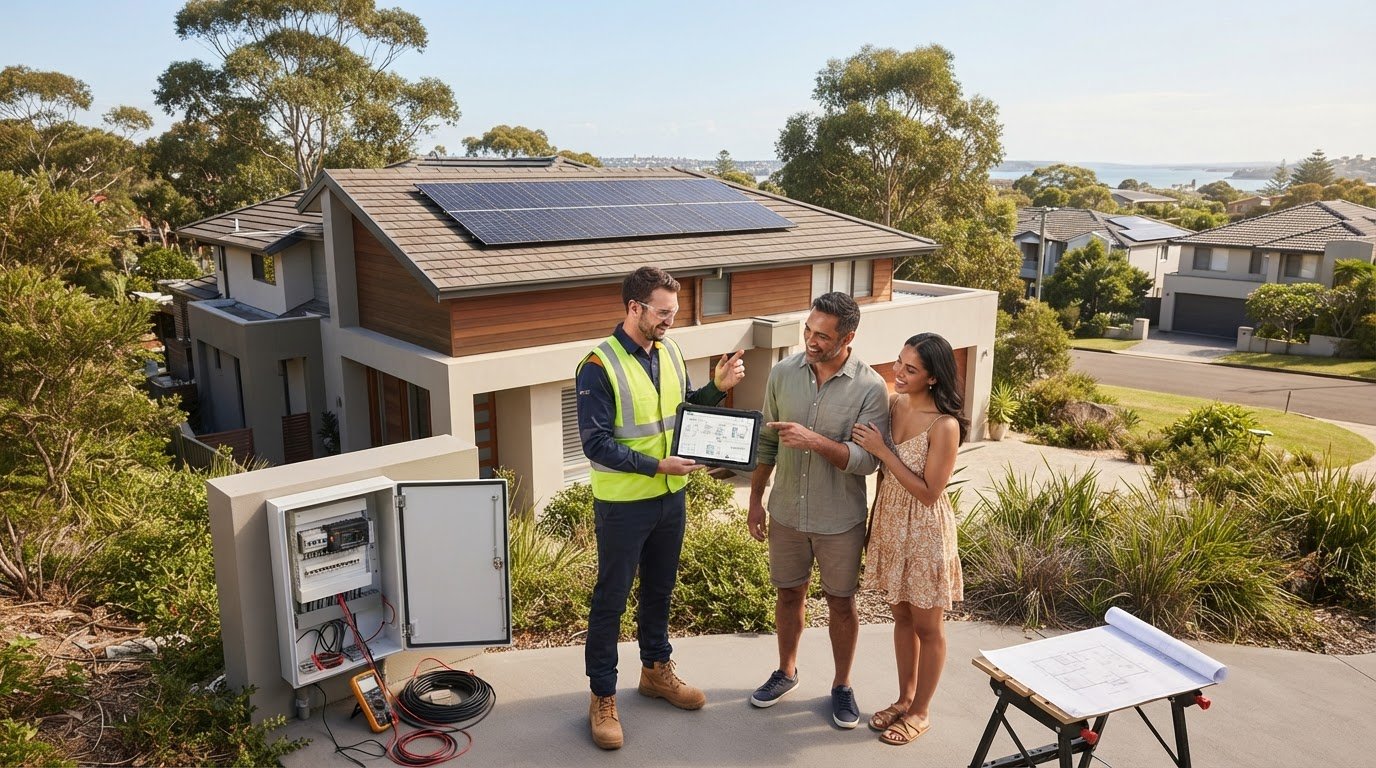
Some buyers felt frustrated when promised panels or refunds did not materialise from dishonest sales operations. A Sydney team operating since 2013 can give you reliable advice, fully compliant installations, and complete post-installation review documentation so you are not left chasing paperwork after the scaffolding comes down.
North setups suit households with heavy midday energy demands. East-west split arrays fit working families consuming power in the morning and evening peaks outside pure midday production. Pure north systems waste export value if your home stays empty during sunshine hours; an engineered 10kW system aimed at real loads can still achieve full payback in under 5 years when orientation, inverter sizing and usage align.
Dividing your solar arrays across multiple roof faces creates steady generation through the day. Pair this configuration with a hybrid inverter to supply your switchboard upgrade directly or charge a home battery.
Request a personalised quote today.
Tip: If your home is vacant from 9 AM to 3 PM, an unbuffered north-facing array will export solar for cents while you buy back power at peak rates later.
Frequently asked questions
Which direction maximises self‑consumption?
Self-consumption rises when generation lines up with your actual loads, not because any single compass point is magic. East and west orientations often help Sydney homes that draw power in the morning and during evening air conditioning, because output arrives in those shoulder periods rather than only at midday. If your household is empty during the day, capturing shoulder-period production (or storing midday north yield in a battery) supports greater independence from the grid. Combining suitable angles with a hybrid inverter routes power efficiently through your switchboard. Contact us today for a custom assessment of your roof layout.
Why does the orientation of my solar panel installation matter?
Panels facing determine how much direct sunlight your array captures throughout the day. North-facing systems generate more total kilowatt-hours across a full year in Australia. Dividing your capacity across different roof pitches lets you target specific peak consumption times. Correct placement protects your solar panel warranty investment by delivering steady power when your switchboard demands it.
What factors will impact the best solar panel orientation for me?
Your daily electricity routine, roof structure, and battery storage plans dictate your optimal setup. Households using heavy appliances after sunset benefit from pairing Western arrays with a Tesla Powerwall 3. Oversizing your array capacity up to 133% of your inverter rating helps capture sunlight from sub-optimal roof angles. Local Sydney shade obstacles and available mounting space also reshape generation profiles. Request a professional quote to evaluate your specific roof design and home setup.
How does panel orientation affect energy production?
Facing your system due north produces strong peak midday volume. East-facing arrays shift generation early, while Western arrays push solar output into the late afternoon. This tilt dynamic directly alters your bi-directional smart meter reading. Generating energy when utility prices spike saves more money than producing excess power at midday. Upgrading your property’s electrical system with modern microinverters helps each panel operate efficiently regardless of angle.
What is the impact of an east‑west split?
An east-west split flattens your daily generation curve into a broad, consistent power plateau. Splitting your panels facing across dual roof planes provides smooth morning and afternoon coverage for working families with loads at both ends of the day. Note that this split design requires extra mounting rails and detailed electrical design, which adds a small additional cost for split-array configuration. Utilising microinverters like Enphase Microinverters allows each panel array to operate independently without efficiency loss. Ask our local Sydney team for a personalised quote for your roof.
Choosing the Right Solar Setup for Your Home
The decision you opened with still stands: pick orientation by weighing total annual yield against the hours you actually consume power. True north still leads on yearly kilowatt-hours; east-west splits often win on bill savings when morning and afternoon loads dominate and feed-in tariffs stay low. Add storage such as a Tesla Powerwall 3 and the north array regains the advantage by banking midday surplus for evening use.
To lock in compliance and long-term energy savings, explore our home energy installations for expert system design in Sydney. The Sky High Solar and Electrical team brings over 13 years of local installation experience to every project. In 2026, proper design supports full access to federal STC discounts and the NSW Peak Demand Reduction Scheme (PDRS). Speak with our certified experts for a personalised system quote tailored to your home, anchored in the post-installation review and CCEW documentation that keep your rebates and compliance on track. More on this: Solar Products Sydney.