

 Sydney
 0452 243 240
Blog
Solar panel repairs and maintenance in Sutherland Shire

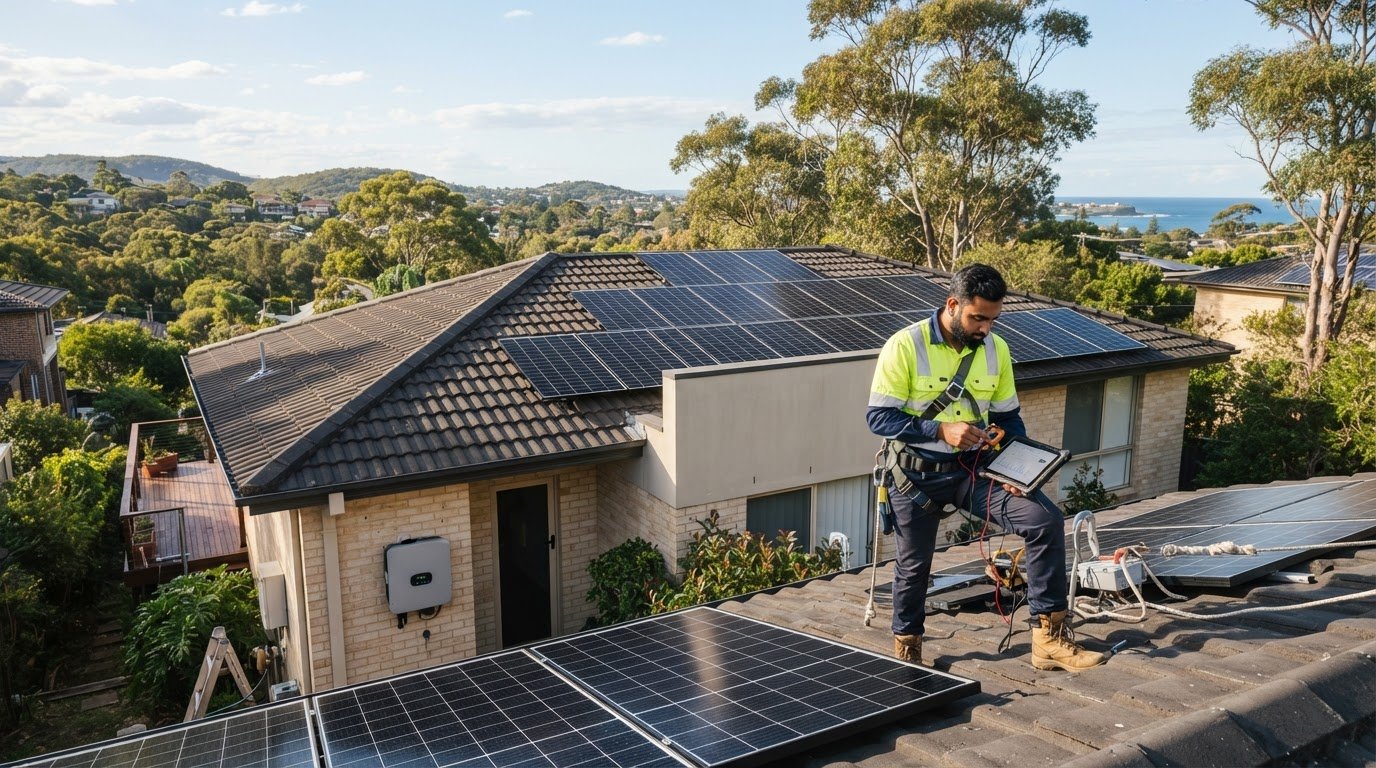
A solar system can look intact while a fault reduces its output. Solar panel repairs in Sutherland Shire start with diagnosing the problem, then repairing or replacing the affected component so the system can operate as intended. Panels convert sunlight into electricity, and the inverter converts it for household use.
If your power bill has climbed or monitoring shows a change in generation, you’ll want a clear explanation before deciding what to do. Regular maintenance can help keep a solar system operating well and reduce the need for later repairs.
This guide explains how faults are diagnosed, which issues need professional attention, and how routine maintenance can help keep your system working. You’ll also learn what to expect from a solar health check and how to take a practical next step.
Key Takeaways
- Learn how to spot a change in system output and understand the steps involved in tracing a fault to its source.
- Use a practical maintenance routine to monitor system performance and notice issues that may need attention.
- Understand what to consider when arranging solar repairs in Sutherland Shire, including clear fault diagnosis and safe electrical work.
- Find out why repairs to grid-connected equipment need to account for NSW requirements, and when a qualified electrician should handle the work.
Solar system fault diagnosis and repairs
A fault check traces low output or a shutdown through the panels, wiring and inverter. The right repair depends on which component is affecting generation.
Fault diagnosis and repair options
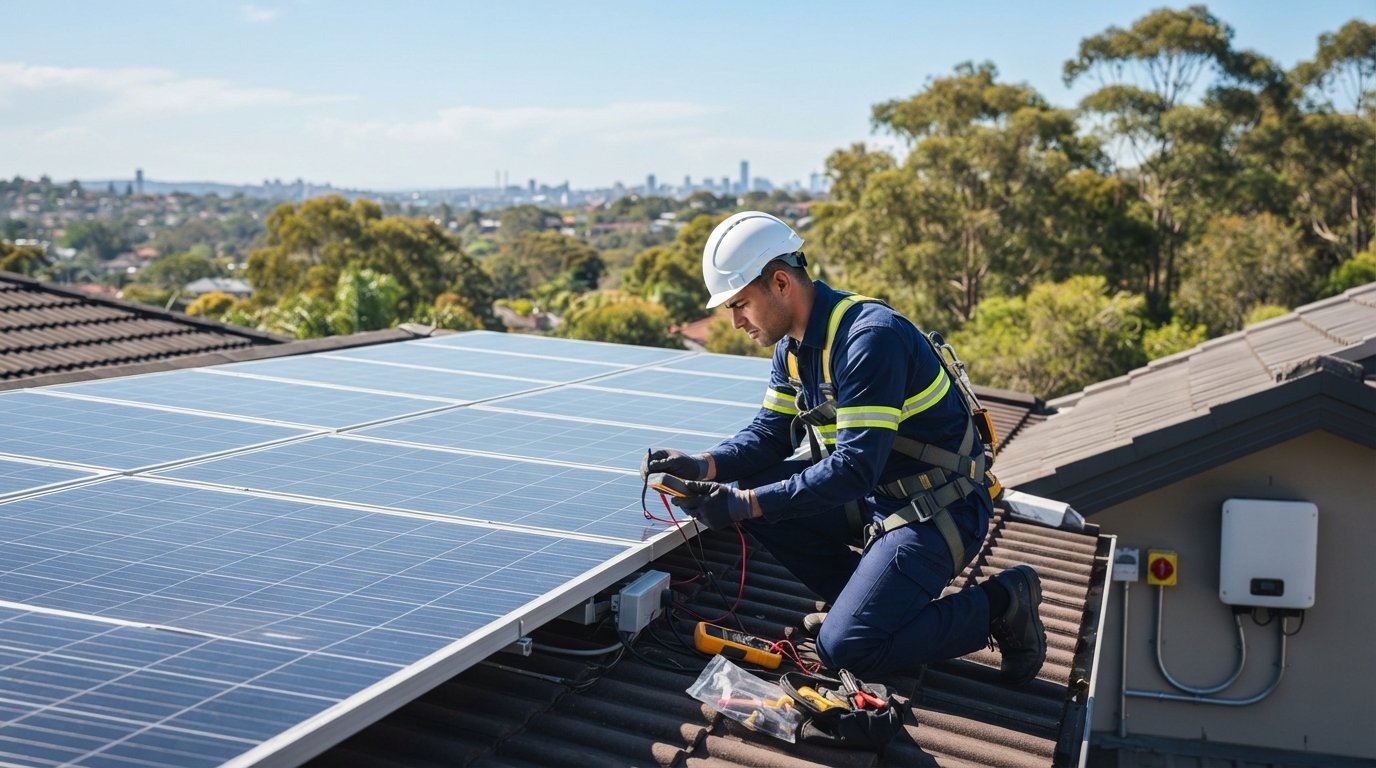
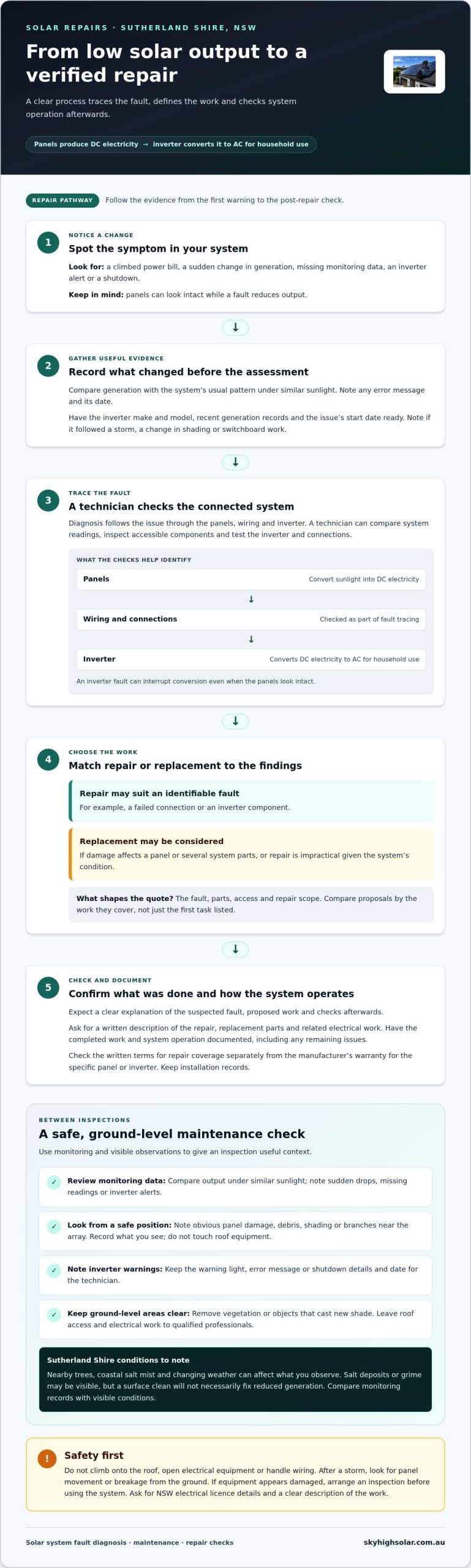
Start by checking the monitoring display for an error message, missing generation data or a sudden change in output. Panels convert sunlight into DC electricity, which the inverter converts to AC for household use. A technician can compare system readings, inspect accessible components and test the inverter and connections. For example, an inverter fault can interrupt conversion even when the panels look intact. Diagnosis identifies the affected part before repair decisions are made.
Repair versus replacement costs and lifespan
Repair may suit a system with one identifiable fault, such as a failed connection or inverter component. Replacement may be considered if damage affects a panel or several system parts, or if the system’s condition makes repair impractical. Solar panel repairs in Sutherland Shire should be assessed in light of the system’s age, the fault and the condition of connected equipment. The cost depends on the fault; parts, access and repair scope are among the factors considered in a quote.
Choosing repair companies and licensed electricians
Choose a repair service that explains its diagnosis, proposed work and post-repair testing. Ask for NSW electrical licence details and a clear description of the electrical components covered by the work. A written report can help show whether the issue is with the panels, inverter or wiring. Have the system model and any error messages ready, as these details can help focus the assessment.
Warranties, manufacturer coverage and storm inspections
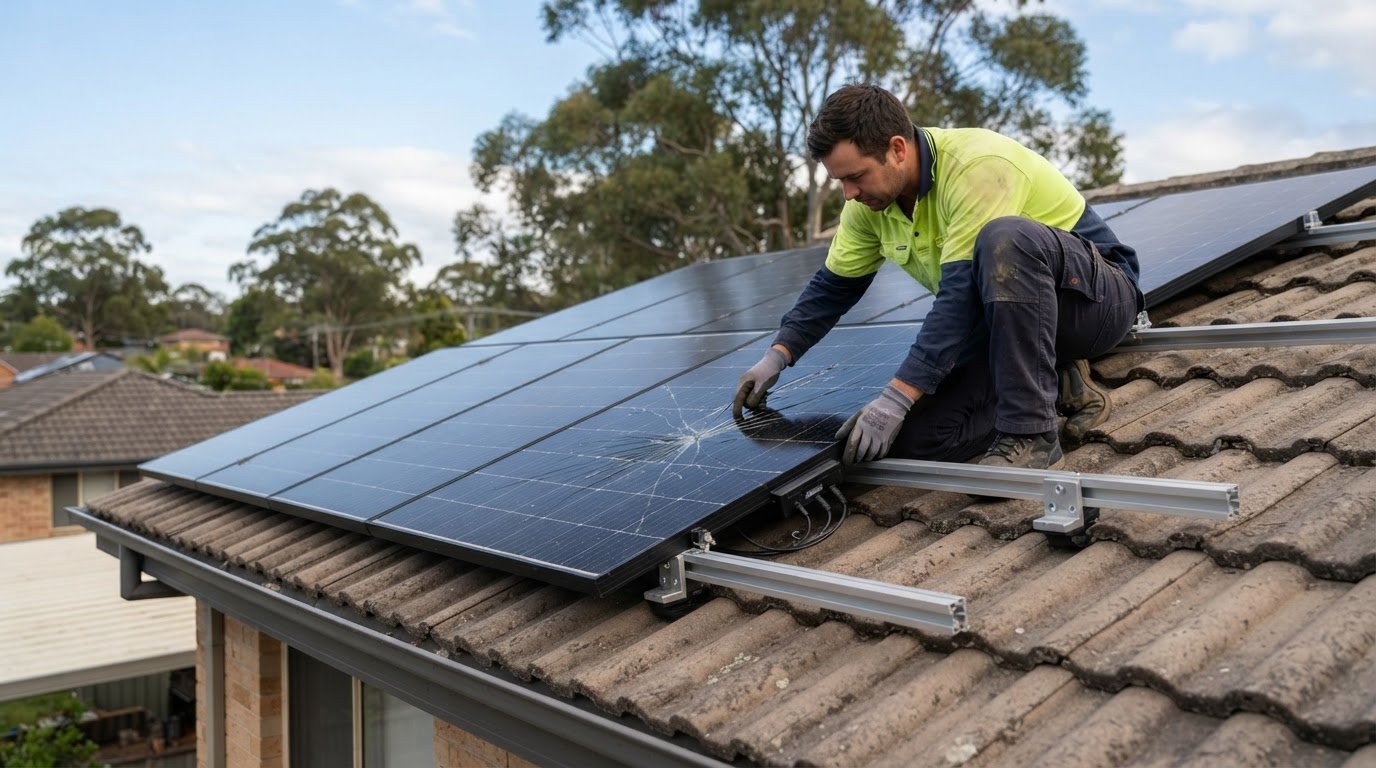
Manufacturer coverage in Australia depends on the warranty terms for the specific panel or inverter. Check whether the document covers product defects, performance or workmanship, and keep the installation records. Repair work may have separate coverage, so read its written terms before proceeding. After a storm, look for visible panel movement or breakage from the ground. Don’t climb onto the roof or handle damaged equipment; arrange an inspection before using a system that appears damaged.
Solar system maintenance
Monitoring generation and checking visible components can help you spot changes before they become larger faults. A solar monitoring system can also track overall performance, making it easier to notice output patterns that need attention.
Use this practical checklist from the ground. Don’t open electrical equipment or climb onto the roof:
- Review the monitoring data: Compare current generation with your system’s usual pattern under similar sunlight. Note sudden drops, missing readings or inverter alerts.
- Look for visible changes: From a safe position, check for obvious panel damage, debris, shading or branches near the array. Record what you see rather than touching roof equipment.
- Check the inverter display: Note warning lights, error messages or shutdowns. Keep the message and date handy for a technician.
- Keep the area clear: Remove ground-level vegetation or objects that cast new shade, while leaving roof access and electrical work to qualified professionals.
In Sutherland Shire, nearby trees, coastal salt mist and changing weather can affect what you see around an array. Salt deposits or grime may be visible, but a surface clean won’t necessarily fix reduced generation. Changes can also come from shading, inverter behaviour or another system issue. Compare monitoring records with visible conditions to give an inspection useful context.
Regular maintenance can help keep a solar system operating well and reduce the need for later repairs. It can also help distinguish a brief change in sunlight from a persistent performance pattern. Keep installation details, inverter alerts and previous inspection notes together so a technician can compare findings over time.
If readings remain unusual or equipment shows a warning, arrange a professional assessment rather than opening the inverter or handling wiring. Solar system servicing can help assess system condition and identify maintenance needs.
Solar panel repair companies in Sutherland Shire NSW
For solar panel repairs in Sutherland Shire, choose a service that can assess the whole system, not just the visible panels. A useful repair visit connects your reported symptoms with monitoring data, inverter operation, wiring and panel condition. This helps establish whether the fault is isolated or affects several connected components.
Before booking, gather the inverter make and model, any displayed fault message, and recent generation records. Note when the issue began and whether it followed a storm, a change in shading or switchboard work. These details give the technician a clearer starting point. During the assessment, expect an explanation of the suspected fault, proposed repair and planned checks afterwards.
- Diagnosis: The technician should explain which system component is being tested and how the results relate to your reported output change.
- Scope: A clear written description should identify the repair, replacement parts and any related electrical work before it begins.
- Testing: Ask for the completed work and system operation to be documented, including any remaining issues that need attention.
- Warranty: Check the written terms for the repair and distinguish them from existing panel or inverter manufacturer coverage.
Compare proposals by their scope, not just the first task listed. For example, replacing an inverter without investigating a wiring fault may leave the original problem unresolved. Salt-laden coastal air and storm exposure can also make the condition of panels, connections and mounting areas relevant to an inspection. The technician’s findings should explain which observations inform the recommended work.
Price depends on the fault and is provided after a quote request; parts, roof access, system layout and repair scope affect the assessment. Keep the report with your system records, especially if you later need warranty support. A clear diagnosis and documented repair make it easier to track system performance after the visit.
NSW rules for solar panel electrical repairs and grid-connected systems
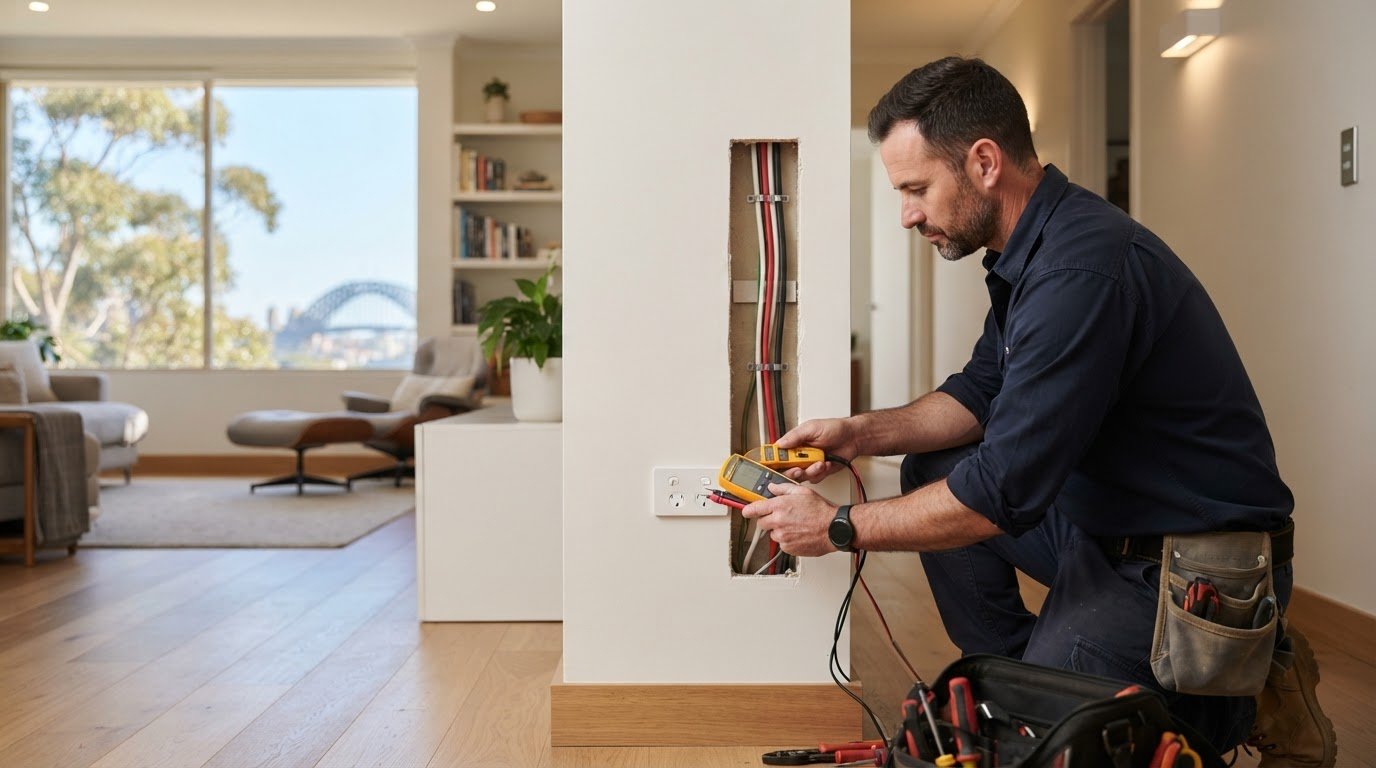
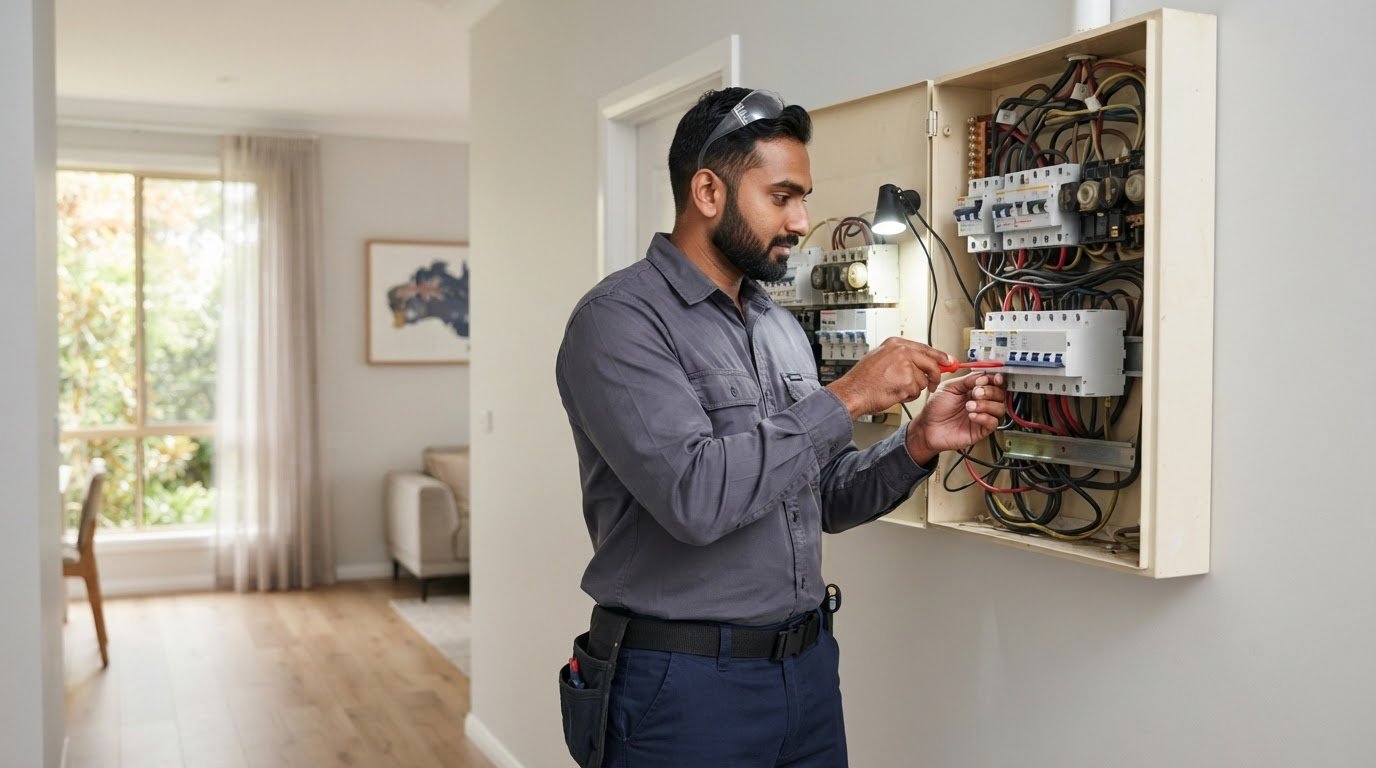
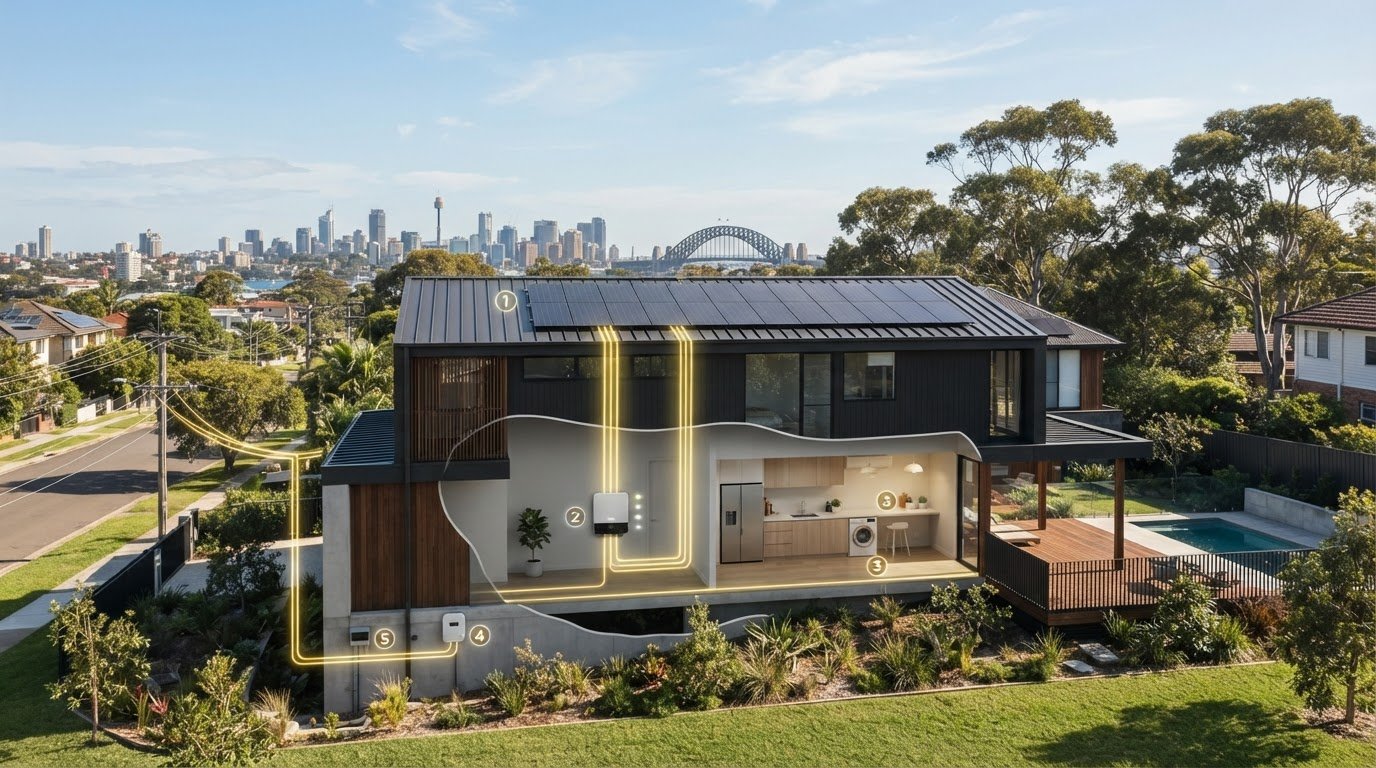
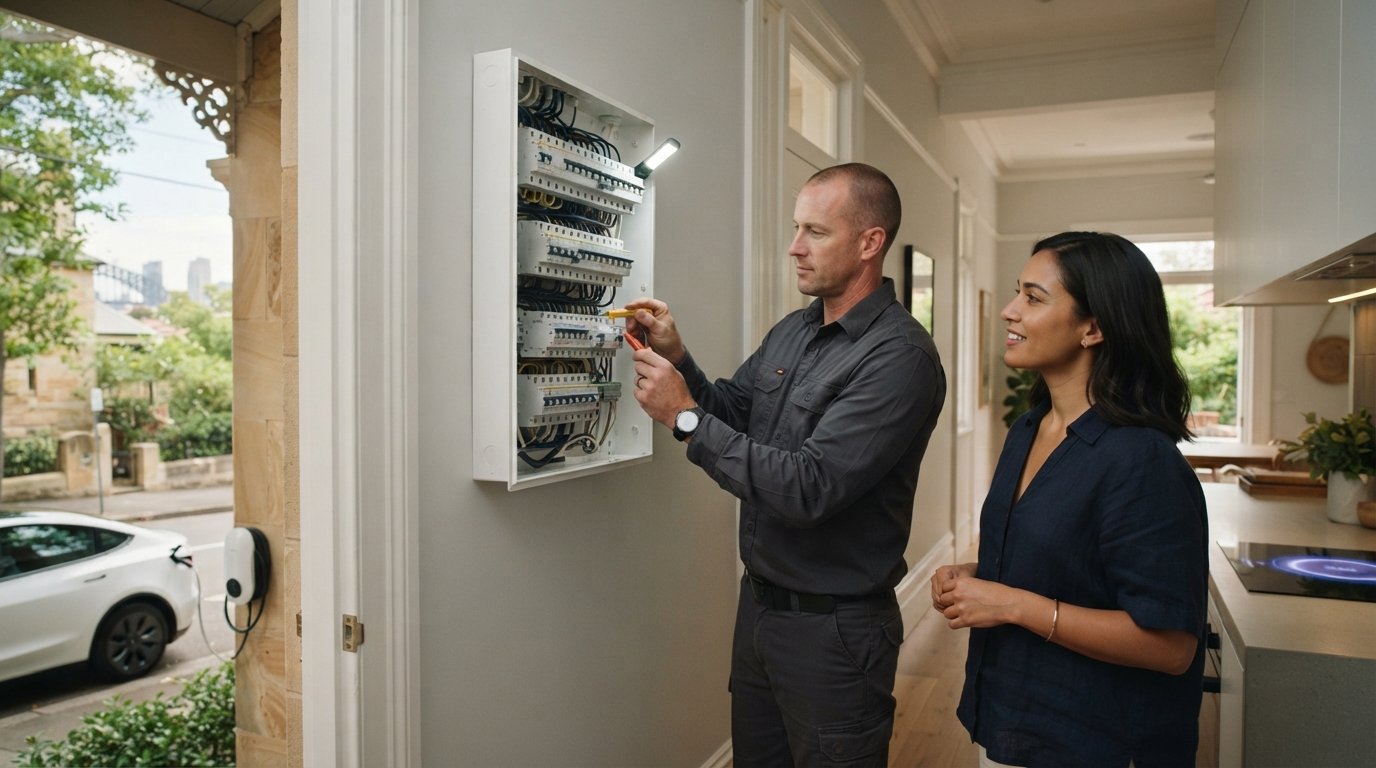
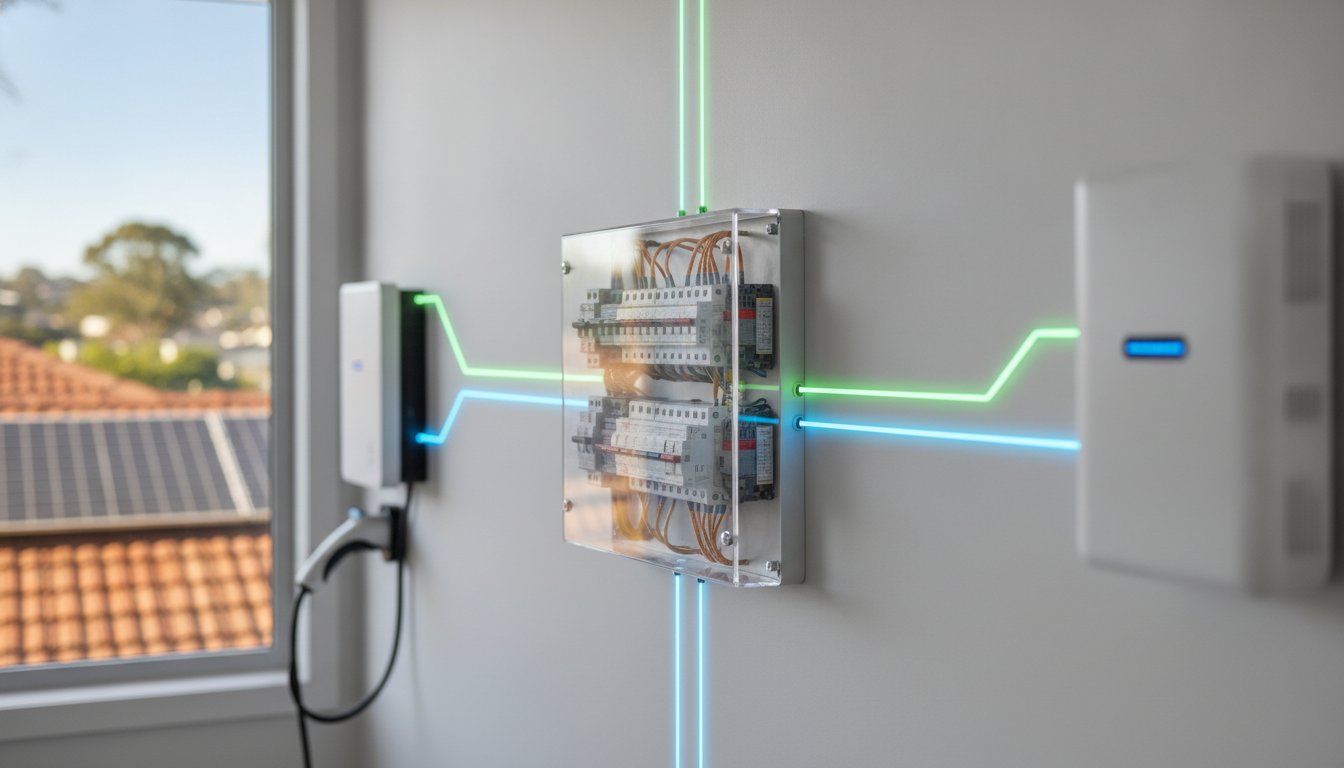
Grid-connected solar systems link rooftop panels, an inverter and household electrical circuits. In NSW, repairs involving wiring, inverter connections or the switchboard should be handled by a qualified electrician. Don’t open electrical equipment or handle damaged cables yourself. Panel damage may not be visible from the ground, so avoid inspecting the roof directly.
Before work begins, ask which components need attention and what the proposed repair involves. Replacing an inverter is different from repairing a connection or changing switchboard wiring. Request a written scope identifying the work and planned checks. This helps you understand what is changing and gives you a record to compare with the electrician’s findings.
The inverter converts the panels’ DC electricity into AC electricity for household use. If work affects the inverter, its wiring or connected equipment, ask how the repair relates to the existing grid connection. Have the system model and any error messages ready so the electrician can identify the equipment being assessed.
- Before the visit: Record the inverter model, any displayed message and relevant recent electrical work.
- During the assessment: Ask which components will be inspected, isolated or repaired.
- After the repair: Request a written record of the work and checks performed.
- Keep your documents: Store the certificate of compliance electrical work (CCEW), which documents that electrical work meets Australian safety standards and is legally compliant.
For a grid-connected system, make sure the repair record identifies any changes to the inverter or its connections. Keep it with your system manuals and previous electrical documents. This gives you a useful reference if a later fault affects the same component or the system’s connection.
Sky High Solar and Electrical: 6.6kw Solar Panel Installation
Sky High Solar and Electrical can help when a system assessment points towards a new installation rather than an isolated repair. Its residential and commercial options include 6.6kw Solar Panel Installation and 10kw Solar Panel Installation. The suitable system depends on the property, energy use and installation requirements.
If you’re also considering storage or charging, available options include the FOX ESS CQ7 High Voltage Storage Battery and SigenStor Integrated Solar Inverter & EV DC Charger. These products can be considered as part of a broader energy system, with equipment selection based on the project’s needs. A clear assessment helps you compare repairing existing equipment with planning a new system.
For a practical next step, contact Sky High Solar and Electrical to discuss your solar project.
Make your next solar decision with confidence
Use your system’s fault history and inspection findings to decide whether repairing the existing equipment suits your plans. For solar panel repairs in Sutherland Shire, clear records of symptoms and completed work can help guide your next decision.
If you’re considering a different approach, think about how your energy needs may change over time. Your property’s usage patterns and priorities can help shape the next step, whether that means maintaining the current system or planning a future upgrade.
Discuss your solar requirements and take a considered step towards a system that fits your plans.
Frequently Asked Questions
What are common solar panel and inverter faults in Sutherland Shire homes?
Common warning signs include an inverter error, unexpectedly low generation or monitoring data that stops updating. A damaged panel, loose connection, shading from a newly grown tree or a tripped circuit can also affect output. For solar panel repairs in Sutherland Shire, note when the issue began and any display messages. This context can help narrow down which part needs assessment.
What steps should I take if my solar system is not generating power?
Start with safe checks that don’t involve touching electrical equipment. Compare the monitoring app with current daylight, then read any inverter message from a safe position. Check whether the home has power and whether a known outage could explain the change. Record the message and time, and consult the system manual. Don’t open equipment, reset unfamiliar switches or climb onto the roof.
Is emergency solar panel repair service available in Sutherland Shire?
If there’s an immediate hazard, such as fire or danger to people, keep clear of the panels, inverter and wiring, and contact emergency services. Don’t approach damaged equipment after a storm or attempt an electrical repair. If the system has stopped generating without an immediate hazard, record any warning message and arrange an assessment by a qualified electrician.