

 Sydney
 0452 243 240
Blog
Battery storage installation on the Northern Beaches: sizing and cost

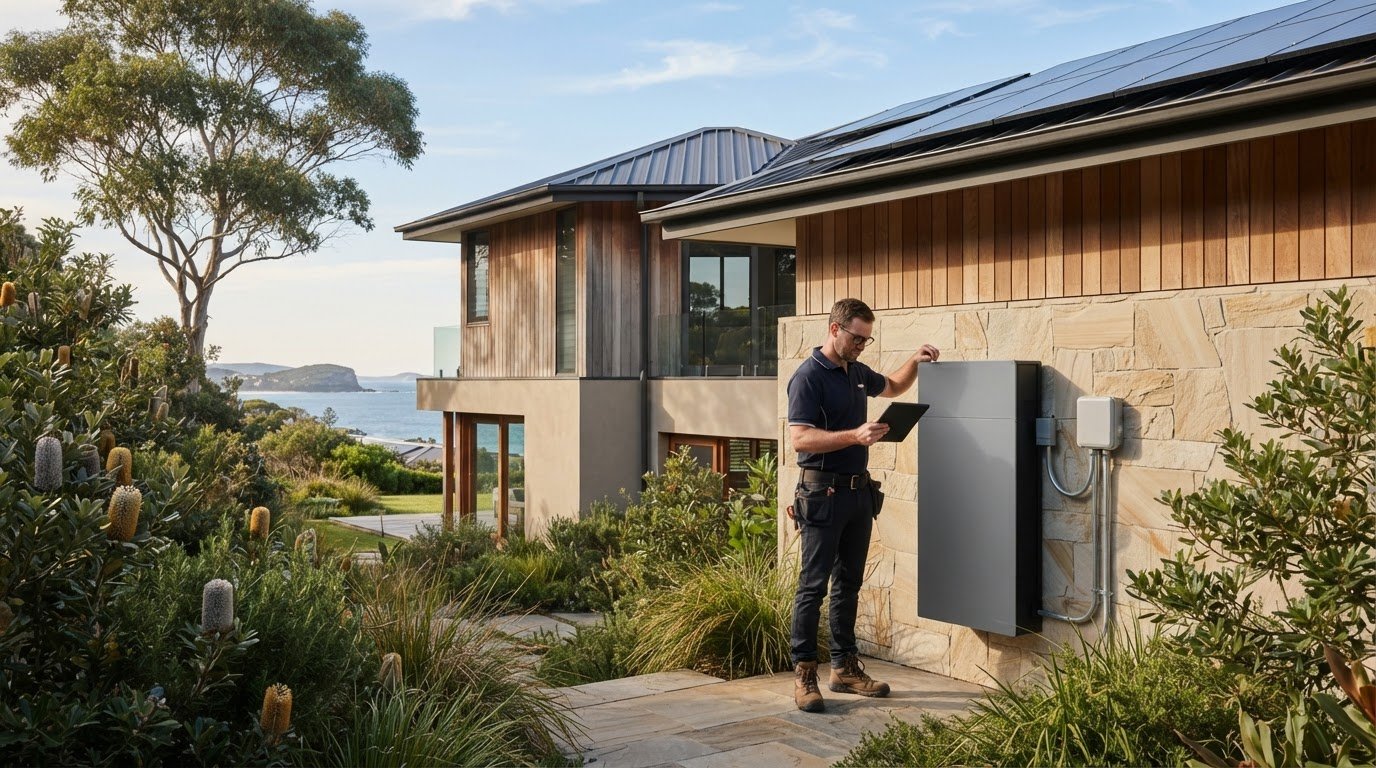
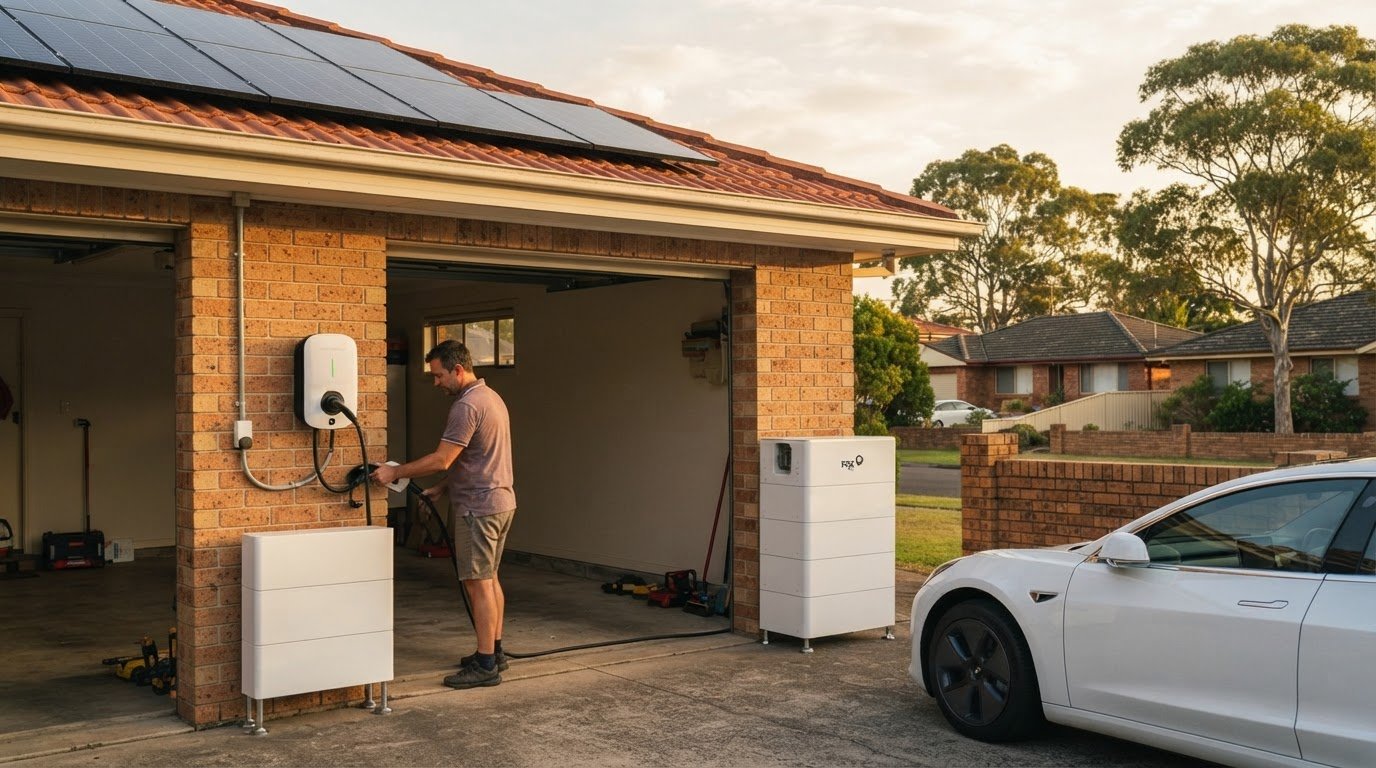
Most Northern Beaches homes need 10kWh to 15kWh of battery storage, with the right capacity shaped by household electricity use, solar generation and when power is needed. A battery storage installation across the Northern Beaches should also suit your home’s layout and meet Australian installation standards.
Choosing a battery isn’t simply a matter of buying the largest system that fits. Your evening electricity use, existing solar setup and backup priorities all affect how much storage makes sense and which features are worth comparing.
This guide explains how to size a home battery, compare system types and understand what affects installation costs. You’ll also learn about safety requirements, installer selection and warranties, so you can plan an upgrade with greater clarity.
Key Takeaways
- Use AS/NZS 5139:2019 and AS/NZS 3000:2018 as key reference points when understanding residential battery installation requirements.
- Compare battery systems by how they integrate with your solar setup and the household needs they’re designed to support.
- Assess installer qualifications, compliance documentation and warranty terms alongside the quoted installation scope.
- Installation costs depend on the system and work required, so a clear quote should explain the factors shaping the final price.
Australian standards for residential battery installation
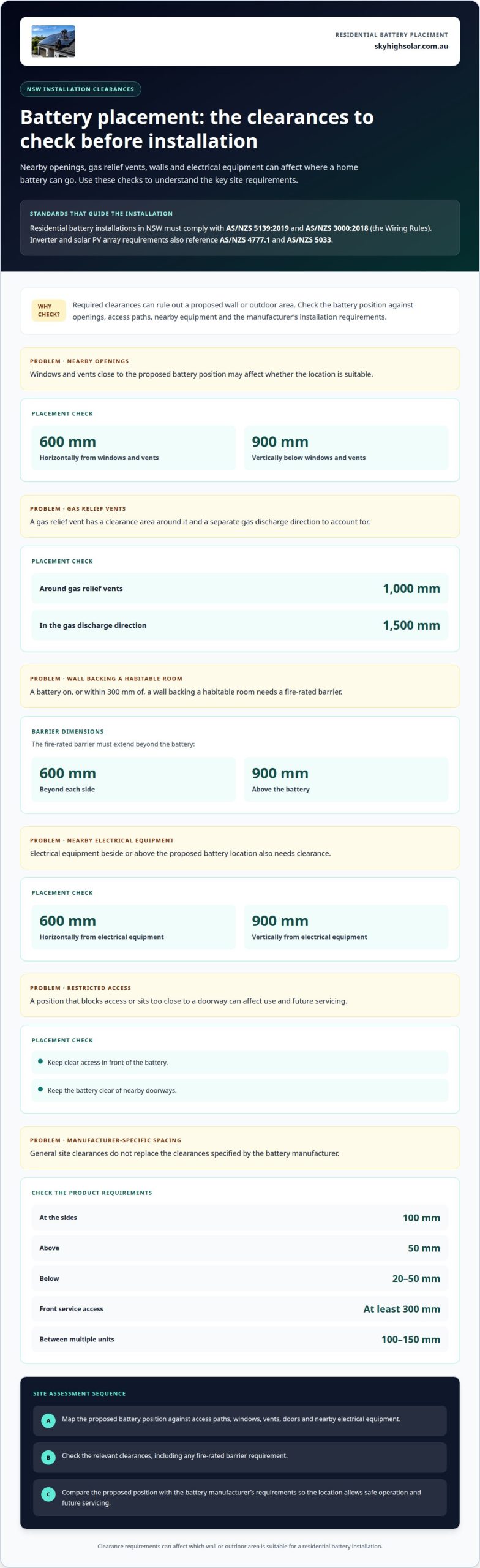
Residential battery installations in NSW must comply with AS/NZS 5139:2019 and AS/NZS 3000:2018, the Wiring Rules. Inverter and solar PV array requirements also reference AS/NZS 4777.1 and AS/NZS 5033. Together, these standards guide safe equipment placement, electrical connections and integration with solar generation.
Before choosing a battery location, assess nearby windows, vents, doors, gas relief outlets and electrical equipment. Required clearances can affect which wall or outdoor area is suitable.
- Allow 600 mm horizontally from windows and vents, and 900 mm vertically below them.
- Keep 1,000 mm around gas relief vents and 1,500 mm in the gas discharge direction.
- A battery on, or within 300 mm of, a wall backing a habitable room needs a fire-rated barrier. It must extend 600 mm beyond each side and 900 mm above the battery.
- Ensure there is clear access in front of the battery and keep it clear of nearby doorways.
- Allow 600 mm horizontally and 900 mm vertically from electrical equipment.
- Follow manufacturer clearances: 100 mm at the sides, 50 mm above, 20-50 mm below, and at least 300 mm for front service access. Multiple units need 100-150 mm between them.
This makes a site assessment essential. Map the proposed position against access paths, openings and nearby equipment, then consider the battery manufacturer’s installation requirements. The location must allow safe operation and future servicing.
For Northern Beaches households, electricity tariffs, export limits and energy plans affect a battery’s value. Stored power can reduce grid purchases when household demand coincides with higher rates, while export limits may restrict how much solar energy you send to the grid. Compare your plan’s import charges and feed-in tariff with the times you typically use electricity.
In 2026, NSW has limited direct rebates for solar batteries. Australia’s federal battery rebate is calculated per usable kWh, while the NSW Peak Demand Reduction Scheme (PDRS) offers upfront payments for eligible batteries that support the grid during peak demand.
Battery brands and systems
Battery brands differ in how they connect to solar panels, inverters and household circuits. Compare the complete system, not just the battery name or advertised capacity. The right choice for a Northern Beaches home depends on existing equipment, energy use and backup priorities.
Compare usable storage capacity with battery output. Capacity affects how much electricity the battery can store; output affects which appliances can run at the same time. Consider evening routines, such as cooking and heating, and decide whether you want selected circuits available during an outage. A larger battery alone won’t necessarily meet every backup need.
System design matters too. An AC-coupled battery connects through its own inverter, while a DC-coupled battery connects on the solar side of a compatible hybrid inverter. The suitable arrangement depends on your existing solar setup and whether you’re installing solar and storage together. Check the inverter model when assessing compatibility.
- Existing equipment: note the inverter make and model, system age and any operating issues.
- Backup priorities: list the circuits you want supported, rather than assuming the whole home will receive backup power.
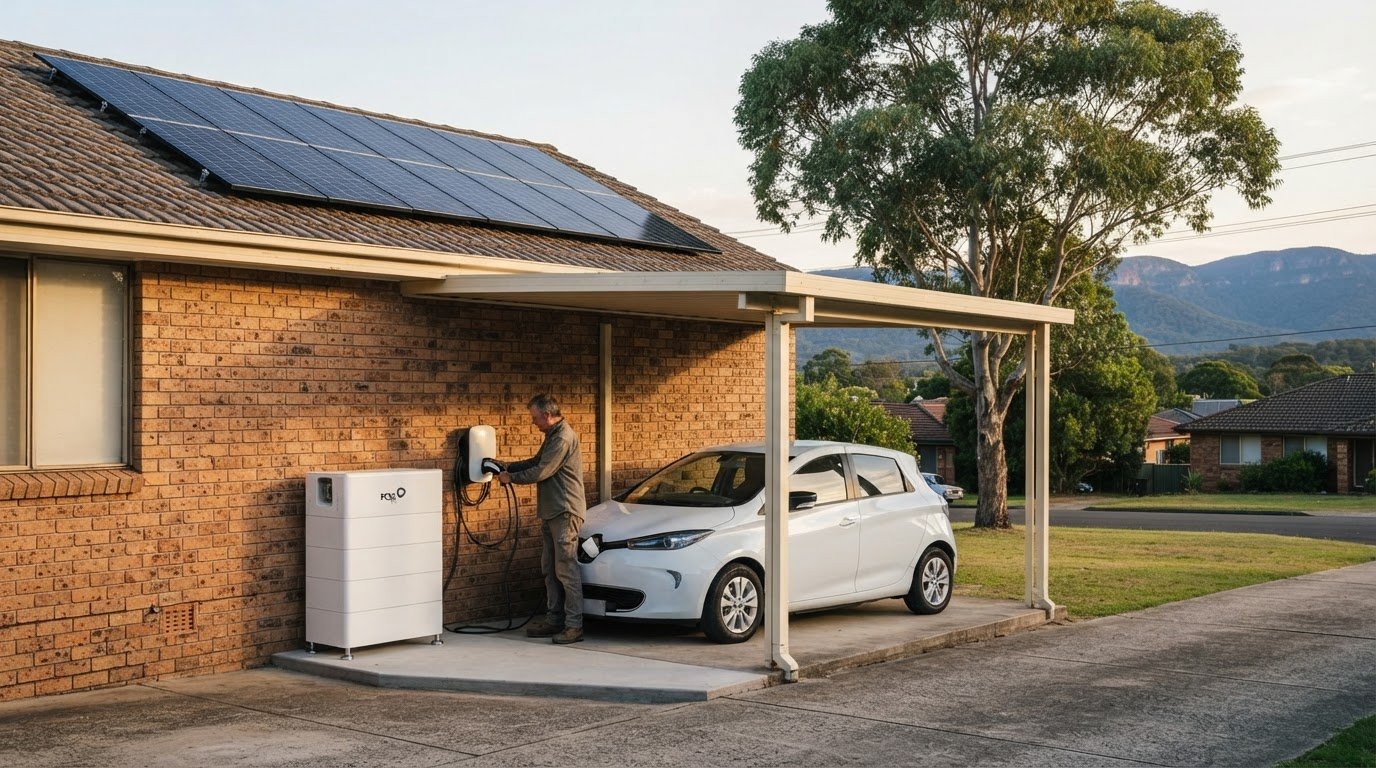
- Future plans: consider whether you may want more storage or an electric vehicle later.
- Warranty terms: compare coverage, performance conditions, exclusions and claim processes for each component.
Battery and inverter warranties may come in separate documents. Keep both with your commissioning records. Ask for a written design that names the equipment, usable capacity, output and backup circuits. This makes it easier to compare proposals and see how each system fits your home’s requirements.
A hybrid inverter manages solar generation and battery storage together. If existing equipment needs attention before you add storage, solar system servicing can help address it as part of your planning.
Installer qualifications, warranties and pricing transparency
When comparing home battery proposals, look at installer capability, written warranty terms and the detail in each quote. These checks help you assess the proposed work and understand what the price covers.
Installer qualifications
Ask whether the installer is a licensed electrical contractor with experience in residential battery systems. The proposal should identify the battery, inverter, connection method and intended location, rather than describe the job in broad terms. Check that the installation scope covers electrical integration, commissioning and handover. After electrical work, request a certificate of compliance electrical work (CCEW), which documents that the work meets Australian safety standards and is legally compliant.
Battery warranties
Read the battery warranty before accepting a system design. Note the coverage period, performance conditions, exclusions and claims process. Battery and inverter warranties may have separate terms, so identify each document and what it covers. Clarify whether installation workmanship is covered separately from manufacturer defects. Keep warranty documents, product details and commissioning records together, so you can find the relevant terms if service is needed later.
Pricing transparency
The price depends on the system and site requirements and is provided after a quote request. Compare quotes by checking whether each specifies the battery and inverter, installation work, electrical modifications, commissioning and handover. An existing solar system, for example, may need different integration work from a new solar-and-battery installation. Ask for inclusions and exclusions to be itemised, including switchboard work or changes to existing equipment. This makes it easier to compare like with like.
Before deciding, match the equipment to your household’s needs, read the warranty conditions and compare the scope of each quote. Make sure the written proposal explains assumptions about existing solar equipment and site access. A clear breakdown shows what has been included and where proposed systems differ, without relying on the battery name alone to judge value.
Battery installation and upgrade services
A battery can be installed without solar or added to an existing solar system. The design depends on how it will charge, your current inverter and the circuits you want it to support.
Battery installation services
A residential installation typically involves assessing the site, planning equipment placement, connecting the battery and inverter, and commissioning the system. The installer considers the switchboard, existing solar equipment and access for installation and servicing. Most residential solar battery installations in NSW are completed within one day. The actual work depends on the home’s layout and the electrical changes required.
Battery system upgrades
Before upgrading storage, identify the models of your existing battery and inverter. Compatibility determines whether the system can accept additional storage or needs different equipment. An upgrade assessment should also consider how your household uses stored power and whether the existing system meets that need. For example, adding capacity may not resolve limited backup if the required circuits aren’t connected to the backup supply.
Standalone and solar-connected batteries
A battery can operate without rooftop solar if configured to charge from the grid, though its value depends on the electricity plan and charging schedule. With existing solar, a battery can store surplus generation for later use. The installer checks inverter compatibility and whether an AC-coupled or DC-coupled arrangement suits the system. These details shape the connection design and available operating modes.
Prepare for an assessment by recording your inverter model, noting when household demand is highest and listing the circuits you want backed up. Mention any switchboard or solar-system issues, as these can affect the installation scope. After commissioning, make sure you receive operating instructions and system documentation for future servicing.
To plan a suitable home battery installation, discuss your battery installation needs.
Sky High Solar and Electrical: 6.6kw Solar Panel Installation
Sky High Solar and Electrical helps Northern Beaches households plan solar and battery systems around their energy needs. If you’re installing solar alongside storage, its 6.6kw Solar Panel Installation and 10kw Solar Panel Installation options can form part of that decision.
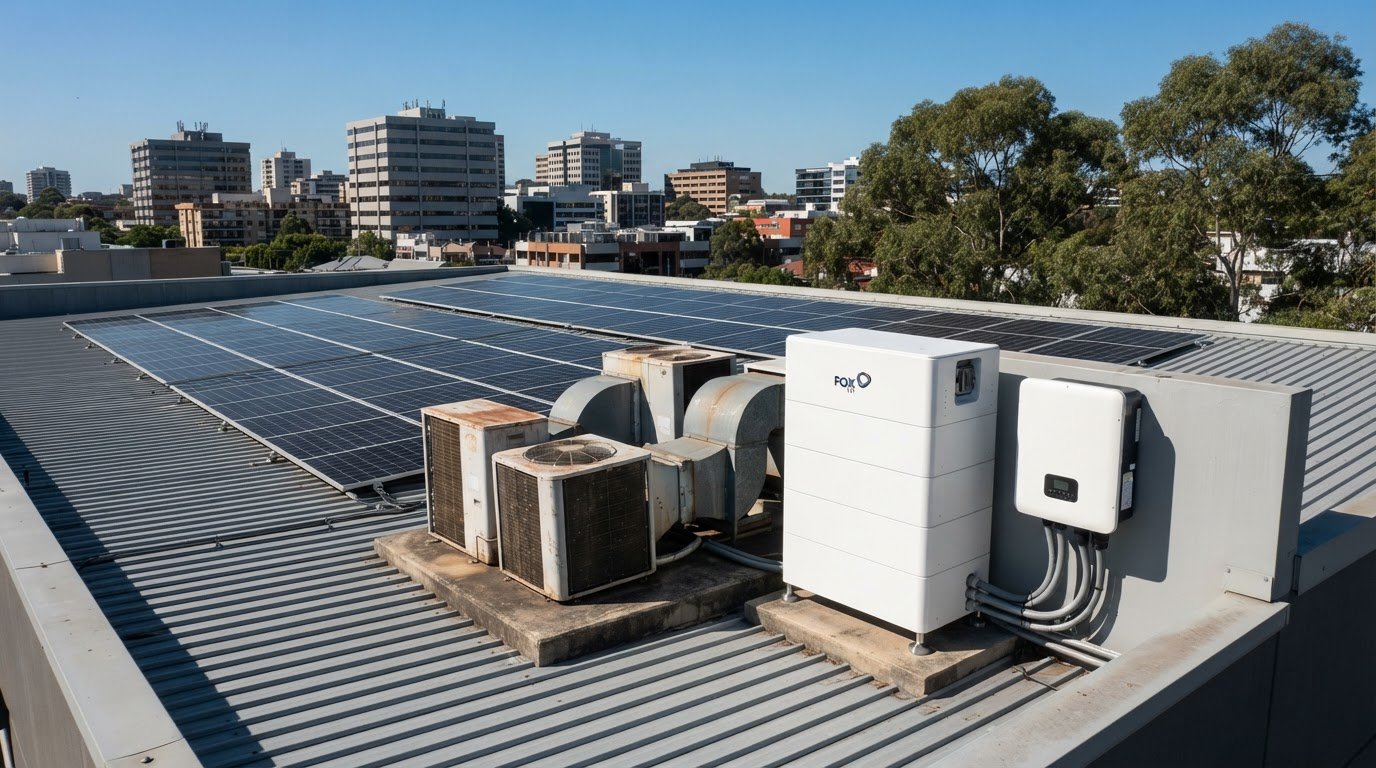
For homes adding storage, the FOX ESS CQ7 High Voltage Storage Battery is one available battery option. The SigenStor Integrated Solar Inverter & EV DC Charger may suit households considering solar, storage and EV charging together. The right combination depends on your existing equipment, electricity use and priorities, such as storing solar generation for later use.
Use the sizing, safety and quote guidance above to shape your project requirements. Then discuss how solar installation and battery storage could suit your home. Contact Sky High Solar and Electrical to talk through your plans.
Plan your next energy upgrade
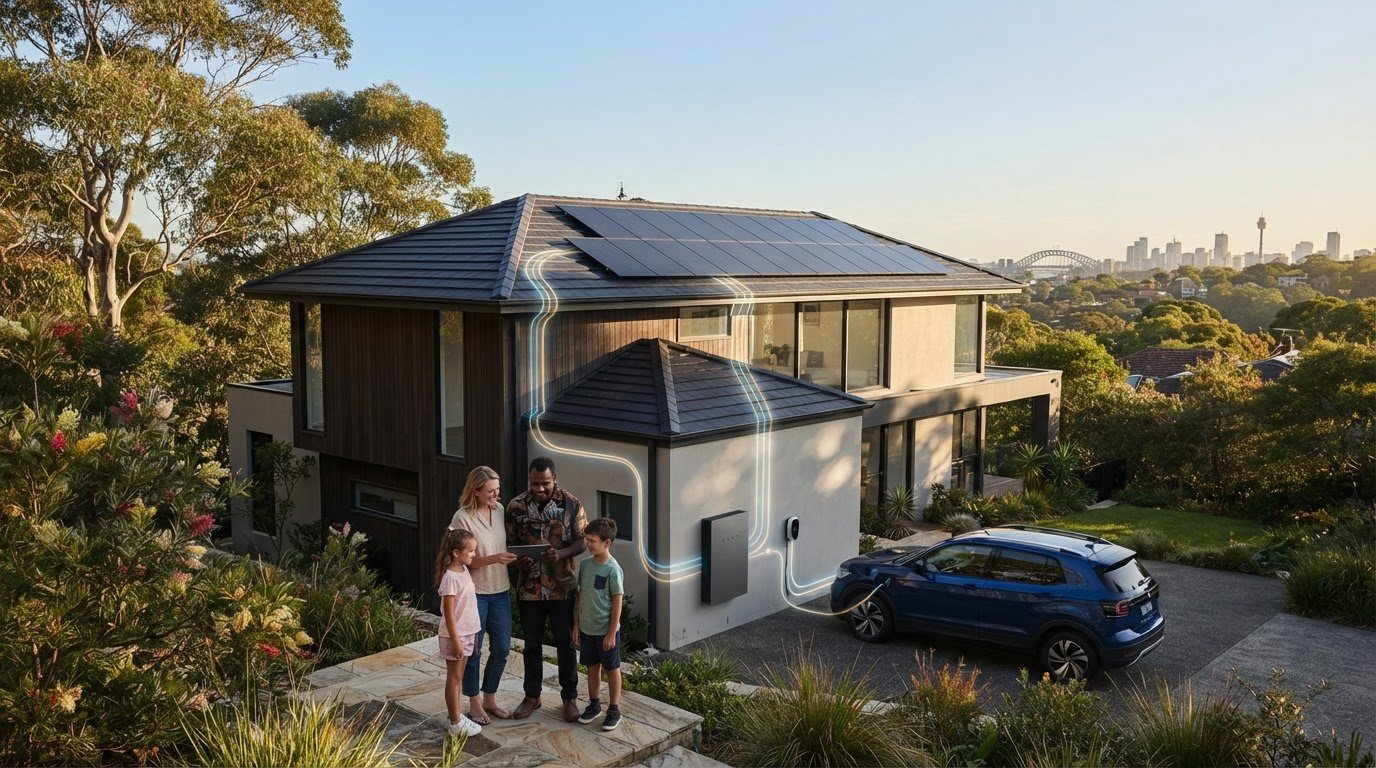
Turn your household’s energy priorities into a practical project brief. Note when you use the most electricity, what you want backup power to support and whether you plan to add an electric vehicle or other major loads. These priorities can guide system design and future expansion.
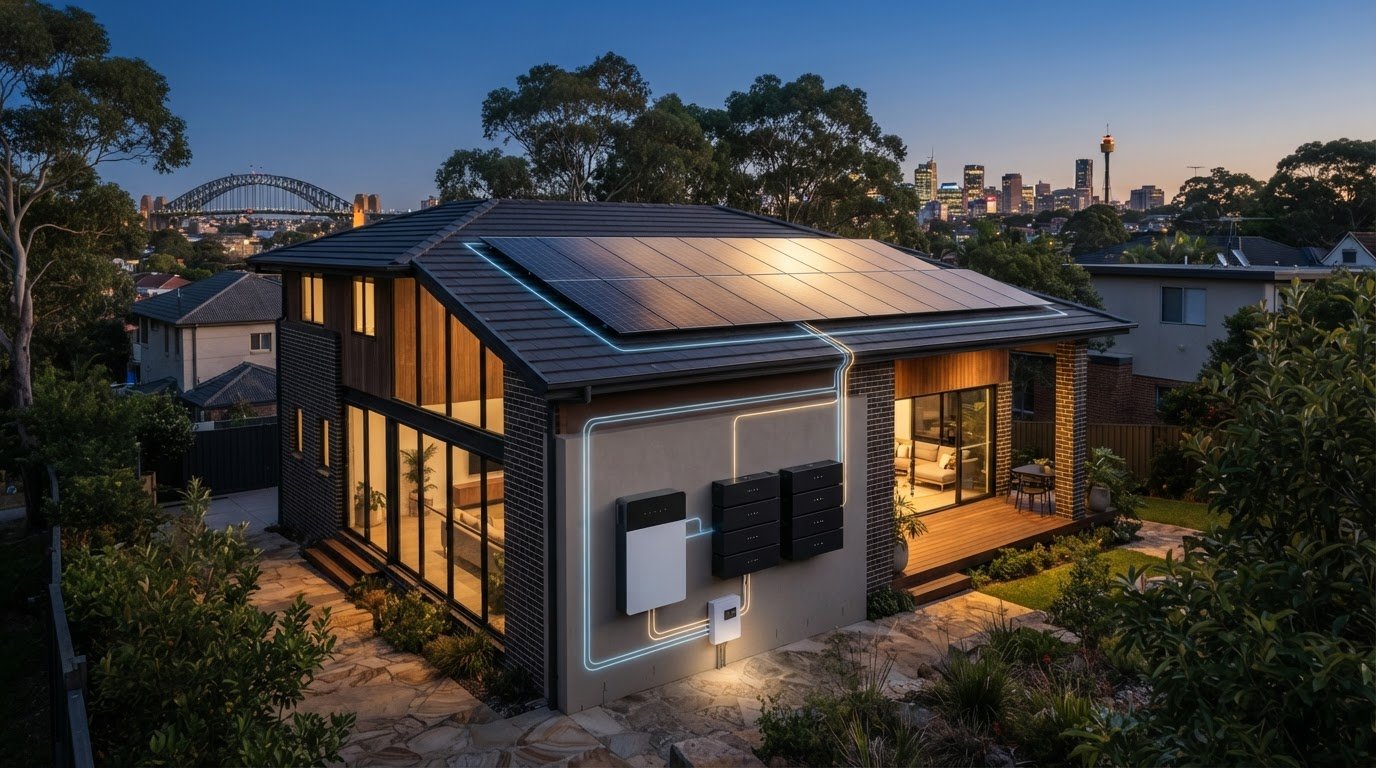
A well-planned battery storage installation on the Northern Beaches should suit your home now and fit your longer-term energy plans. Bring your usage patterns and upgrade goals into the conversation, so the proposed system can be assessed in context.
Sky High Solar and Electrical can help you consider solar and battery options for your household. Contact Sky High Solar and Electrical to discuss your next step and start planning an energy system that suits your home.
Frequently Asked Questions
What Size Battery Do You Actually Need?
Size your battery around the electricity you use after solar generation falls, rather than your total daily consumption. Review an electricity bill and note evening loads such as cooking, heating and hot water. Then decide which circuits you want powered during an outage. Both usable capacity and power output matter: capacity affects how long stored energy lasts, while output affects what can run at once.
Why Northern Beaches Homes Are Switching to Battery Storage?
Households can store surplus rooftop solar to use later, relying less on grid electricity after sunset. For example, a home with strong daytime solar generation and high evening demand may value storage differently from one that uses most of its electricity during the day. Some households may also prioritise backup for selected circuits. The right reason for installing a battery depends on your energy habits and goals.
What does home battery storage installation cost on the Northern Beaches, NSW?
The price depends on the project and is provided after a quote request. Cost factors include battery capacity, inverter compatibility, installation location, switchboard changes and the backup circuits included. Adding storage to an existing system, for instance, can involve different equipment and electrical work from installing solar and a battery together. Compare written quotes by their itemised inclusions, exclusions and equipment details, not just the headline total.
Which battery installers service the Northern Beaches and hold required NSW electrical licences?
Sky High Solar and Electrical provides solar and battery installation on the Northern Beaches. The company is a licensed electrical contractor, and its electrical work is handled by a qualified contractor. For your project, review the written scope to see who is responsible for electrical work and what compliance documentation is included. This links the proposed battery system to accountable installation and handover.
What NSW and Australian rules, approvals, and standards apply to home battery installation?
Residential battery installations in NSW must follow AS/NZS 5139:2019 and AS/NZS 3000:2018, the Wiring Rules. Solar and inverter requirements also involve AS/NZS 5033 and AS/NZS 4777.1. The installation design needs to account for battery location, nearby openings, access and equipment clearances. Ask for a certificate of compliance electrical work (CCEW) as part of the handover, and retain it with your system records.
Which home batteries are compatible with common solar inverters and suitable for Northern Beaches homes?
Compatibility depends on the exact inverter model and battery design, so a brand name alone doesn’t establish a suitable pairing. Check the equipment manufacturer’s compatibility information and assess whether the existing inverter can support storage. Sky High Solar and Electrical offers the FOX ESS CQ7 High Voltage Storage Battery, listed at 41 kWh. That capacity won’t suit every household, so match system size to your usage and design requirements.