

 Sydney
 0452 243 240
Blog
Solar Panel Warranties: Coverage, Claims and Power Output

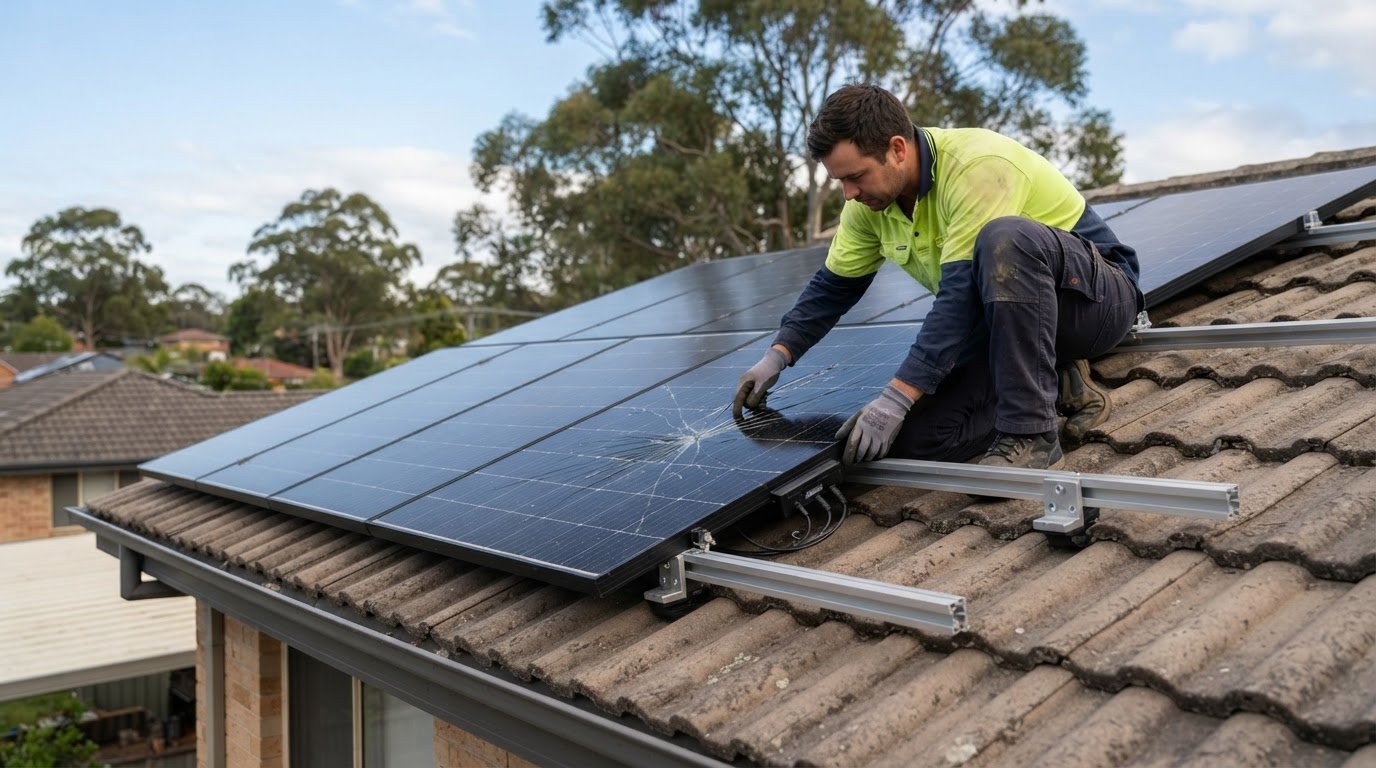
A 25-year solar panel performance warranty covers power output, not necessarily installation workmanship or every system component. Understanding solar panel warranties starts with separating those promises: product cover addresses manufacturing defects, workmanship cover relates to installation, and performance cover sets a minimum output over time.
It’s easy to assume one warranty covers the whole system. If a fault or drop in generation occurs, you may be unsure who to contact or what evidence to gather. Understanding solar panel warranties means distinguishing product, performance and workmanship cover, checking the written terms, and keeping proof of purchase, fault details and maintenance records. This guide also explains how Australian Consumer Law sits alongside warranty terms and when solar system servicing can help investigate a performance concern. With the coverage and claim steps clear, you can approach a warranty issue with more confidence and make informed decisions about your system’s long-term care.
Key Takeaways
- Separate product, workmanship and performance cover so you know which warranty may apply to a fault.
- Look beyond a performance warranty’s length: the promised minimum output over time matters too.
- Prepare proof of purchase, a clear record of the issue and relevant maintenance details before making a claim.
- Check how labour, shipping and exclusions affect the practical value of the cover.
Solar panel performance guarantees
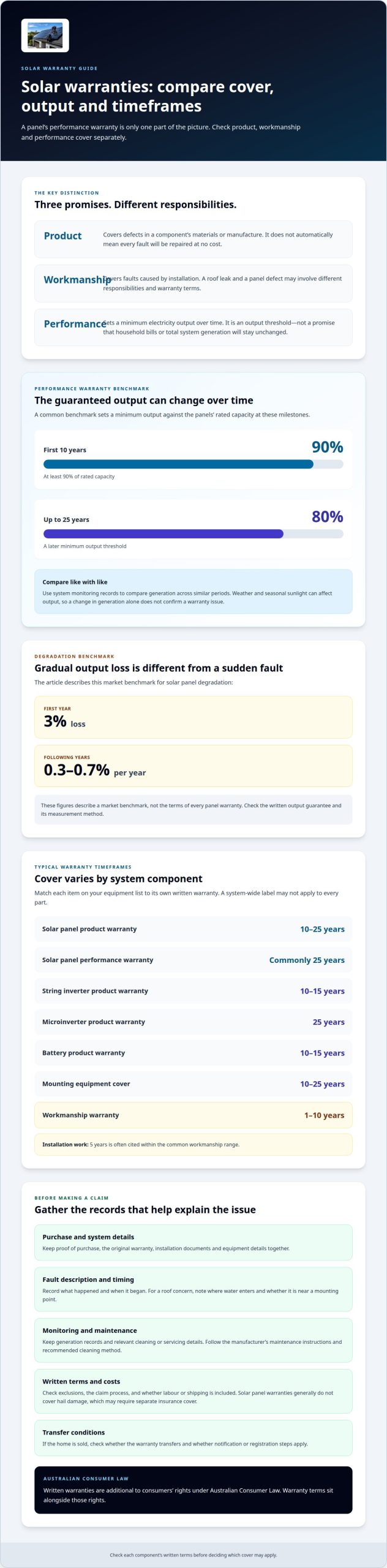
A performance warranty sets a minimum solar panel output over a stated period. A common benchmark is at least 90% of rated capacity during the first 10 years, then 80% up to 25 years. Compare those figures with your system’s monitoring data, which records generation and helps distinguish gradual panel degradation from a sudden performance change.
Solar cell output coverage
A performance warranty covers the panel’s electricity-generating capacity against a specified minimum output over time. It matters because a panel can remain physically intact while producing less electricity than its warranty promises. For example, a guarantee of 80% after 25 years sets an output threshold, not a promise that your household’s bills or total system generation will stay unchanged. Check the warranty’s measurement method and the output level it guarantees.
Performance degradation
Degradation is the gradual reduction in solar panel output as the panels age. Warranty terms set the permitted decline, often through a minimum output guarantee at stated milestones. A market benchmark describes a 3% loss in the first year, followed by around 0.3% to 0.7% per year. Compare your solar system’s monitoring records across similar periods, allowing for changing weather and seasonal sunlight before identifying a possible warranty issue.
An inverter converts the panels’ DC electricity into AC electricity for home use, so its performance affects the energy delivered. Battery warranties commonly focus on retained storage capacity or throughput, rather than panel output. Read each component’s warranty separately, then review monitoring data to assess whether reduced generation or storage may involve a panel, inverter or battery.
Warranty duration and transfer
Solar panel product warranties commonly last 10 to 25 years, while performance warranties commonly last 25 years. Product cover concerns defects; performance cover concerns output. Warranty terms determine whether cover transfers when a home is sold, so review the transfer clause and any notification or registration steps. Keep the original warranty, proof of purchase and system records with the property documents. The Australian Competition and Consumer Commission explains that written warranties are additional to consumers’ rights under Australian Consumer Law.
What does a solar warranty cover?
A solar system may have separate warranties for panels, inverters, racking and batteries. Compare each component’s written terms to understand which defects, repairs and related costs are covered.
Covered system components
Check the warranty schedule against the equipment list for your home, matching each panel, inverter, mounting system and battery to its own terms. String inverter product warranties typically last 10 to 15 years; microinverter product warranties typically last 25 years. Battery product warranties typically last 10 to 15 years, while mounting equipment cover typically spans 10 to 25 years. These differences matter because a system-wide warranty label may not apply to every part.
Physical defect coverage
A product warranty covers defects in a component’s materials or manufacture; it does not automatically mean every fault will be repaired at no cost. If a panel has a covered manufacturing defect, the manufacturer may repair or replace it after assessing the claim. Check whether labour and shipping are included, as these costs vary between warranties. Solar panel warranties generally don’t cover hail damage, which may require separate insurance cover.
Cleaning and warranty coverage
Cleaning can help prevent dirt from obscuring panel surfaces, but follow the maintenance instructions in the warranty. Use the manufacturer’s recommended cleaning method and avoid anything that could damage panels or wiring. Improper maintenance or use may affect cover, so keep records of cleaning and servicing. These records can help show how the system was cared for if a claim concerns the panels’ condition.
For a performance issue that cleaning alone doesn’t explain, compare monitoring records with the equipment warranty and note when the change began. A solar system servicing assessment can help identify whether a fault relates to a panel, inverter, battery or another system component.
Installation and workmanship warranties
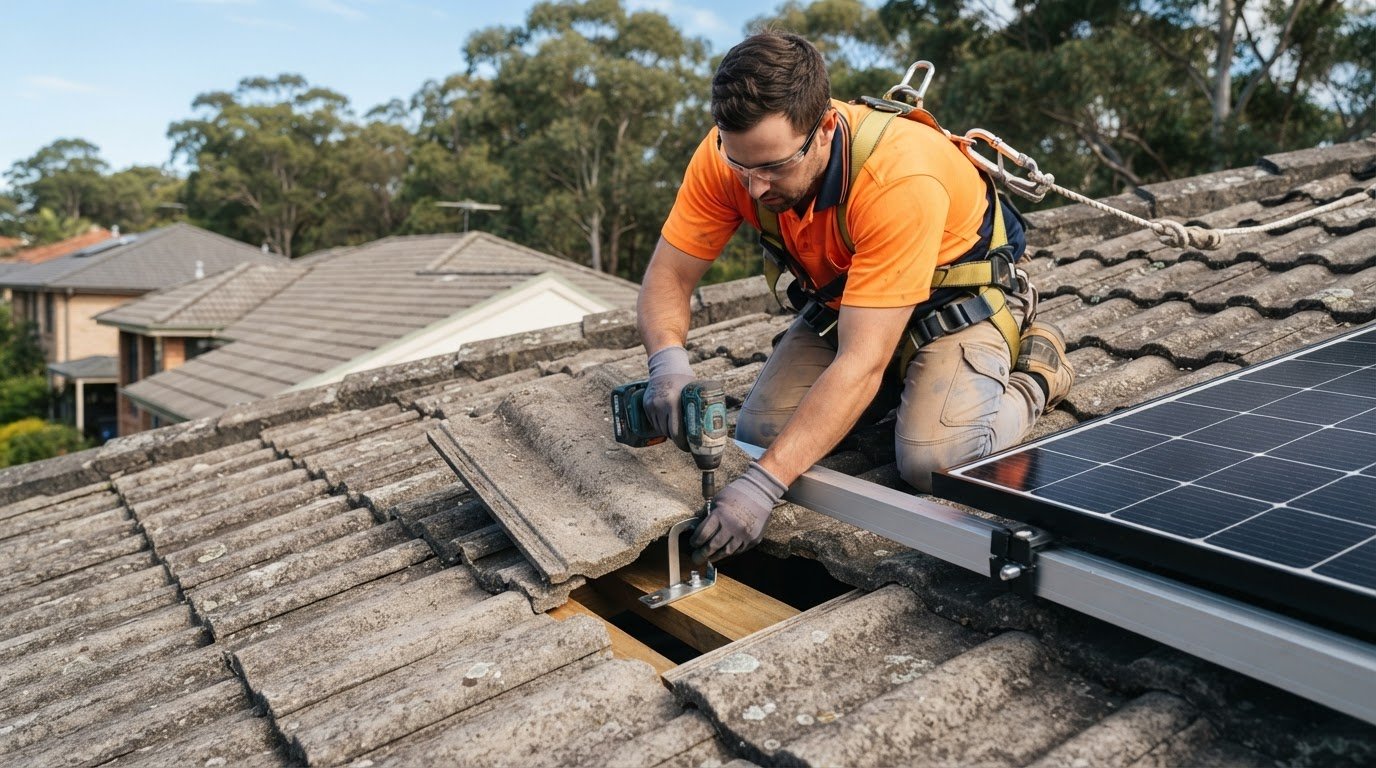
A workmanship warranty covers faults caused by installation, while a manufacturer’s warranty applies to equipment. The distinction matters: a panel defect and a roof leak may involve different responsibilities and terms.
Installer and manufacturer support
Installer support can help identify the responsible party, assemble evidence and explain how to submit a manufacturer claim. Workmanship warranties commonly range from 1 to 10 years, with 5 years often cited for installation work. If the installer closes, contact the manufacturer or importer about the product claim. Under Australian Consumer Law, the Australian Competition and Consumer Commission says warranty terms sit alongside consumer rights. If a manufacturer leaves Australia, the importer may have responsibility for its manufacturer warranty.
Installation conditions and claims
Installation conditions are requirements for fitting and using equipment that may affect a claim. Product warranties may require correct installation and normal use, and may exclude damage caused by incorrect installation. Keep installation documents, equipment details and maintenance records together. When reporting a fault, describe what happened and when it appeared. For a roof concern, note where water enters and whether it is near a mounting point. The cause matters: a roof fault and a panel defect may fall under different warranty terms.
Questions for installers and manufacturers
Clear warranty questions establish what each party covers, who manages a claim and which costs may apply. Ask the installer to explain the workmanship period, exclusions and process for reporting an installation fault. Ask the manufacturer what evidence it requires, how it assesses defects, and whether labour or shipping is included. Also clarify how roof work is treated if a repair requires panels or mounting equipment to be removed. Keep written answers with your system documents.
Before installation, ask how the mounting method interacts with your existing roof warranty and who handles a repair if the cause is disputed. Clarifying these details helps direct a claim without confusing installation workmanship with product cover.
Solar panel power output warranties
Understanding solar panel warranties also means knowing what evidence can show a panel is underperforming. A power output assessment focuses on the panel’s measured generation, while your electricity bill reflects household consumption, exports and tariff settings. A higher bill alone can’t establish that a panel has missed its warranted output.
Site conditions affect the electricity your system produces. Cloud cover, shade, dust and changes around the roof can alter readings without proving a manufacturing problem. For a useful assessment, note the conditions when the output was recorded and compare the result with the warranty’s testing method. This gives the manufacturer a clearer basis for reviewing the evidence.
Check how the warranty defines output, which equipment it covers and what evidence it accepts. The panel model and serial number help identify the relevant specifications. Keep the original equipment schedule and commissioning records with the warranty documents so the panel can be matched to its stated rating and coverage terms.
Monitoring software can help identify when a change occurs, but a whole-system reading may not pinpoint its cause. Note whether the concern affects all panels or appears limited to one area. Record the date and any relevant site changes, such as new shade from nearby vegetation. These details can help distinguish an output concern from a broader system issue.
When understanding solar panel warranties, focus on the assessment method as well as the promised output. Clear records help explain why you believe a panel falls short, while the manufacturer’s testing process determines how it evaluates the evidence. Keep readings and correspondence together throughout the claim.
If readings raise concerns about system performance, arrange solar system servicing to assess the output and components.
Sky High Solar and Electrical: 6.6kw Solar Panel Installation
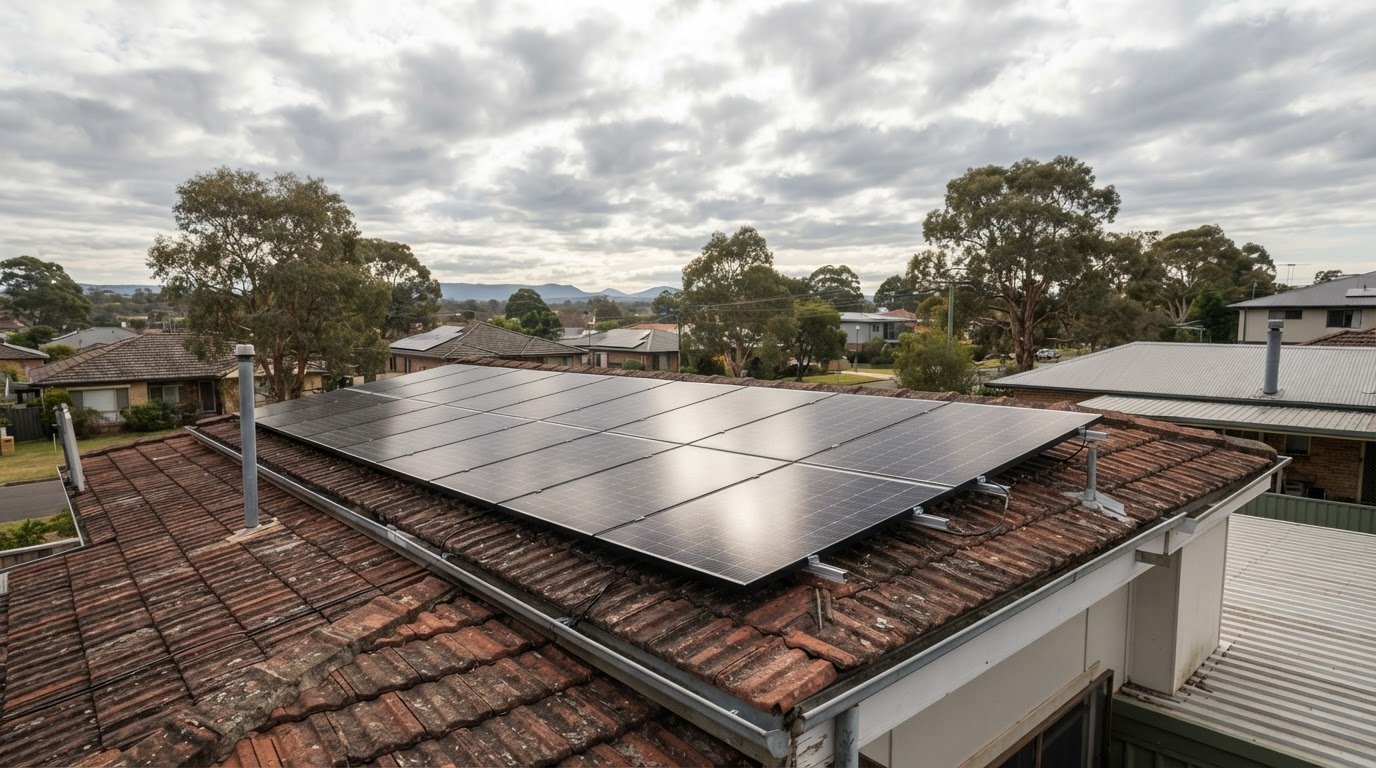
Sky High Solar and Electrical installs 6.6kw and 10kw solar systems for residential and commercial properties. If you’re planning a system or comparing options, understanding how product, output and workmanship warranties differ can help you assess the equipment and installation terms together.
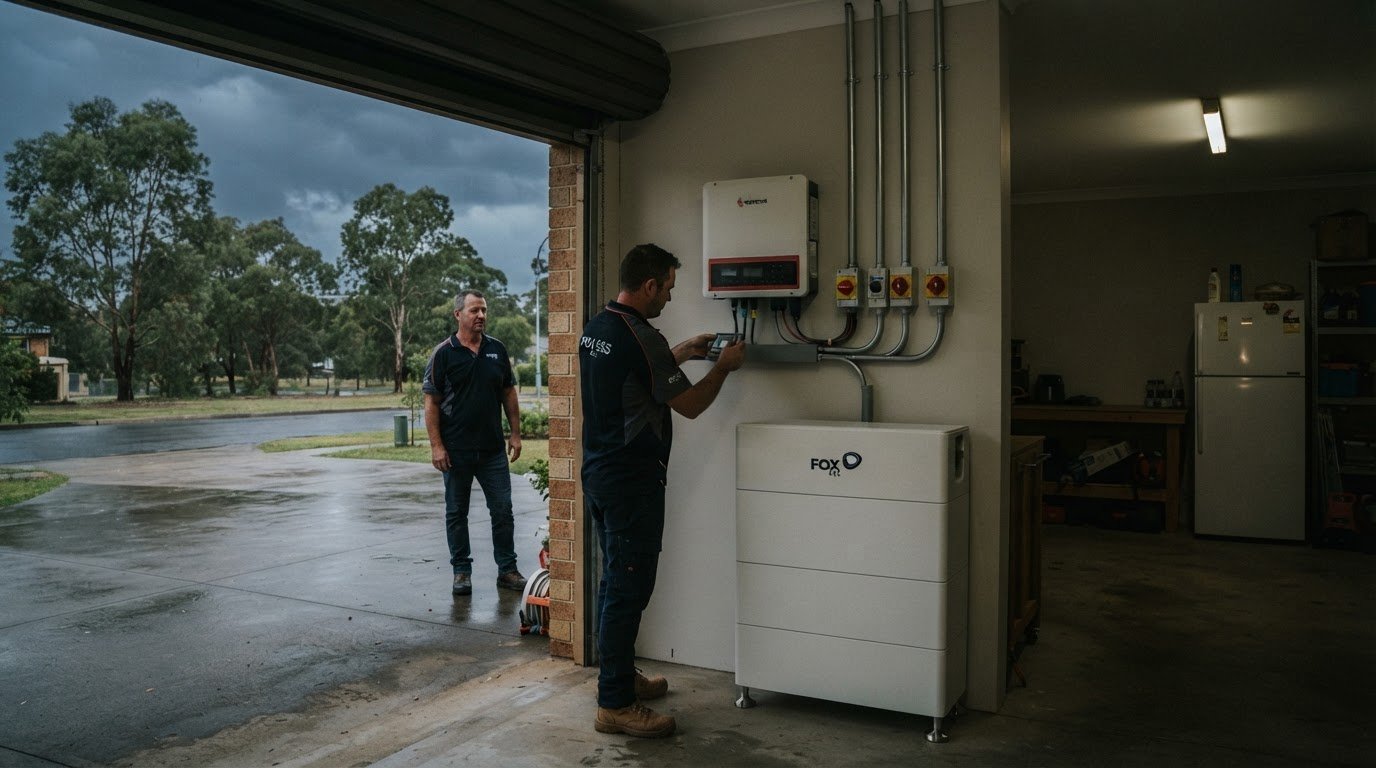
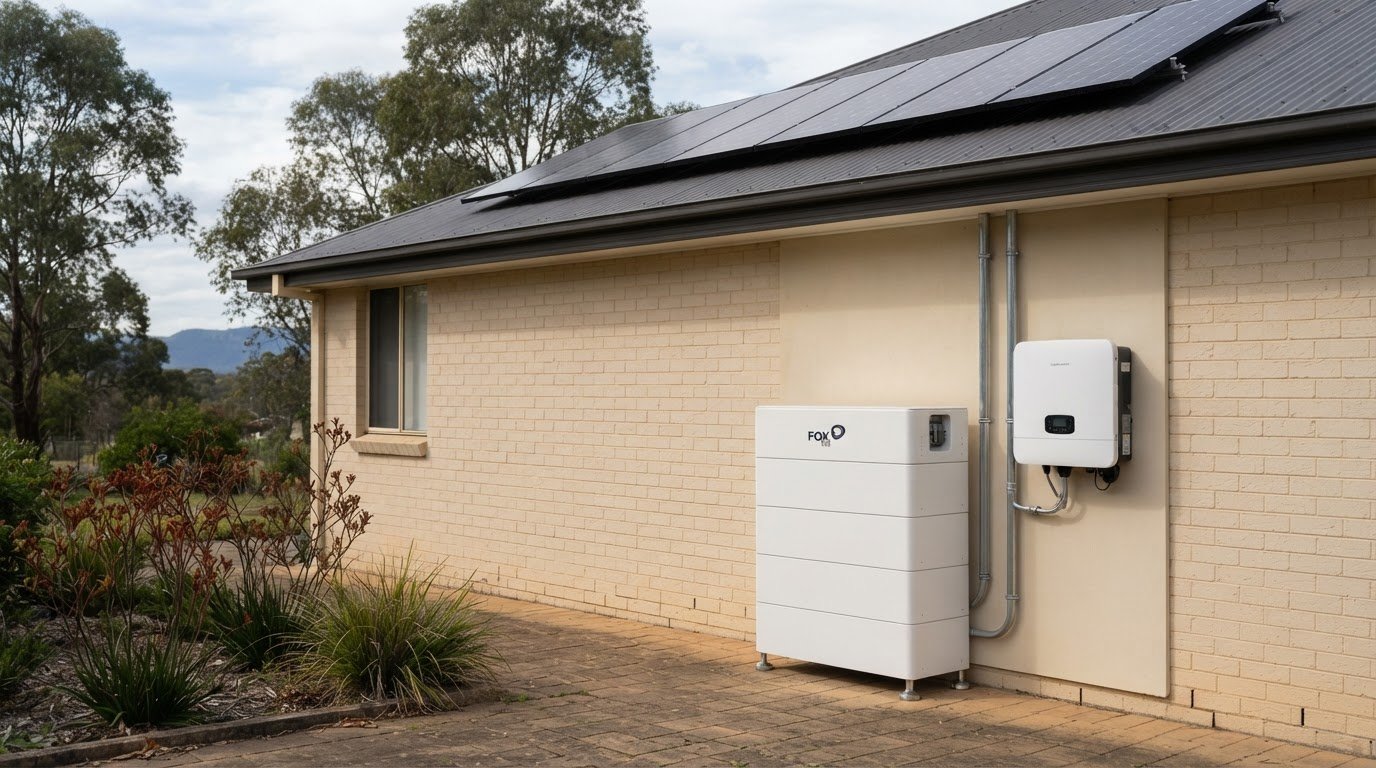
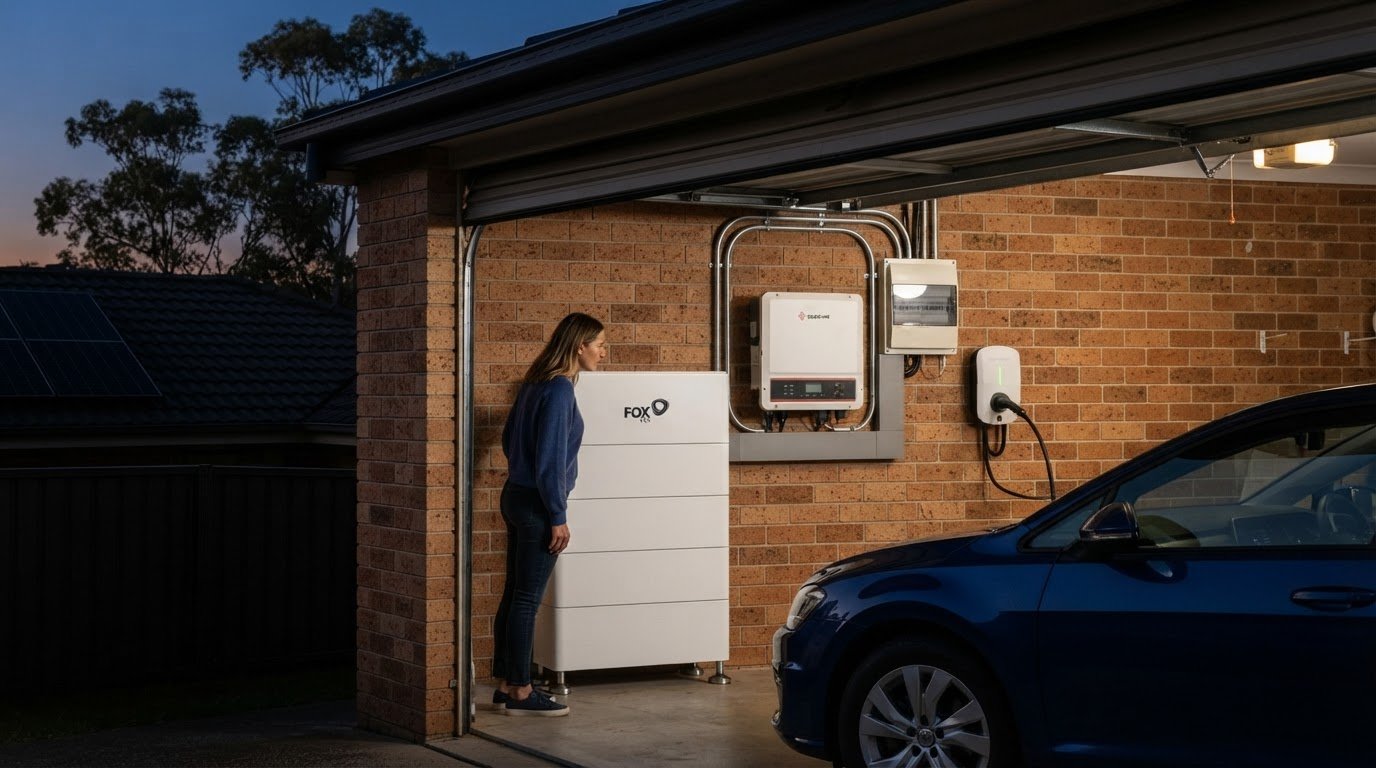
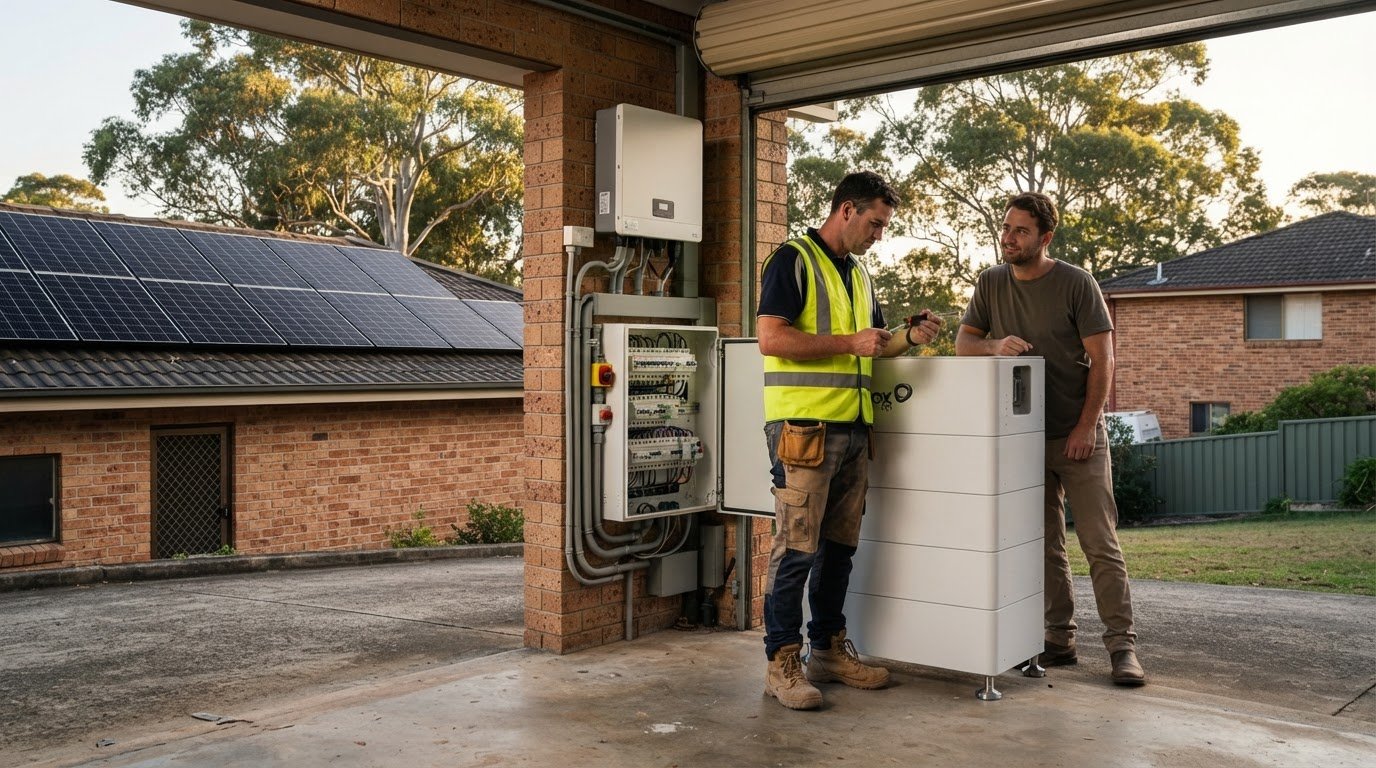
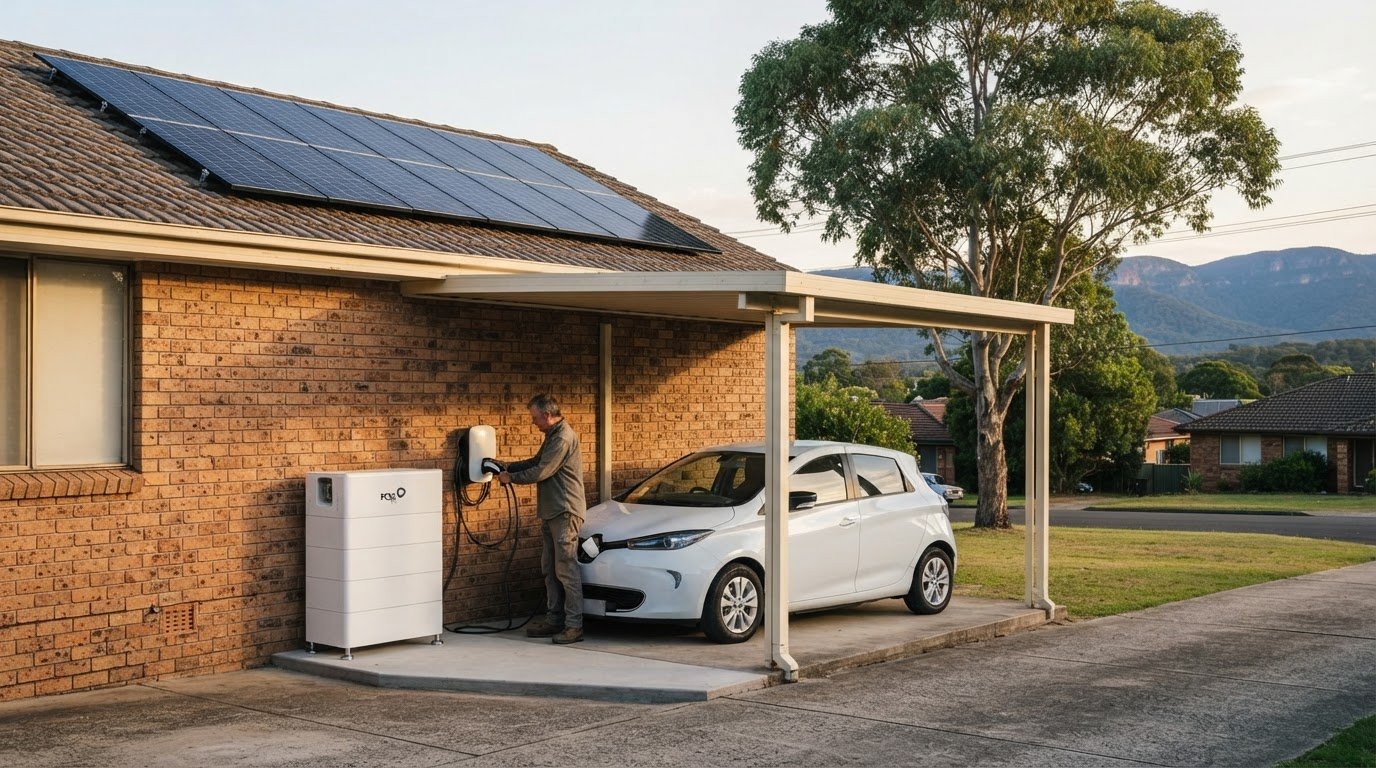
For a home energy setup, available options include a FOX ESS CQ7 High Voltage Storage Battery and the SigenStor Integrated Solar Inverter & EV DC Charger. Review the written warranty terms for each component, including what is covered, how long cover lasts and what documentation a claim requires. This gives you a clearer picture of the system’s coverage before making a decision.
Contact Sky High Solar and Electrical to discuss your solar installation requirements.
Make warranty clarity part of your next energy decision
A solar system is a long-term part of your home, so warranty clarity belongs in the decision, not just the paperwork afterwards. Understanding solar panel warranties helps you weigh equipment choices, installation responsibilities and future system needs. Keep the warranty documents with your home’s energy records so they are ready to refer to if the system or property changes.
Before committing to a new installation, consider how the system will support your household’s plans over time. Make sure you understand the proposed equipment and which warranty applies to each part. This helps you choose carefully without confusing a panel’s output promise with cover for other system components.
To discuss a solar installation for your home or property, contact Sky High Solar and Electrical. Take the next step with clear priorities and a better foundation for long-term energy decisions.
Frequently Asked Questions
What Is the Warranty Claim Process and Required Documentation?
Start by identifying the affected component and describing the fault clearly. Gather proof of purchase, warranty documents, maintenance records and evidence of the issue, such as monitoring readings or photographs. Contact the installer or manufacturer with these details and ask how the claim will be assessed. If approved, the manufacturer may repair or replace a defective product under its terms.
How long does a solar system last?
A properly installed and maintained solar system can last 25 to 30 years or longer. That doesn’t mean every component will operate for the same length of time: panels, inverters and batteries have separate service needs and warranty periods. Keep maintenance and performance records together, so you can track changes over the system’s life and plan for component repairs or replacement.
Section 8: What warranties are available?
Solar systems can have product, performance and installation workmanship warranties. Product cover applies to equipment faults; performance cover sets an output threshold, while workmanship cover relates to installation quality. Inverters, batteries and mounting equipment may each have separate product terms. Read the warranties alongside the equipment list to match each system part to its coverage and claim process.
What types of solar panel warranties are available in Australia?
In Australia, written warranties commonly include product, performance and installation workmanship cover. Each addresses different issues, so don’t assume a panel warranty also covers an inverter fault or installation problem. Australian Consumer Law rights sit alongside written warranties, according to the Australian Competition and Consumer Commission. Keep warranty documents with your system records for future claims or a property sale.
What do solar inverter and battery warranties cover, and how long do they last?
Inverter product warranties generally cover equipment defects, while battery terms may address product faults, retained capacity or energy throughput. Inverter warranties commonly range from 5 to 25 years; battery product warranties typically last 10 to 15 years. Some battery terms end at a stated period or cycle limit, whichever comes first, so note both conditions when comparing coverage.
What is the difference between a manufacturer warranty and an installer workmanship warranty?
A manufacturer’s warranty concerns defects in supplied equipment; an installer’s workmanship warranty concerns faults caused by how the system was fitted. For example, a faulty panel may involve the manufacturer, while a problem linked to mounting work may fall under workmanship terms. The cause helps identify which warranty applies, so describe what happened and where the issue appears.