

 Sydney
 0452 243 240
Blog
Commercial Solar Power Sydney: The 2026 Business Energy Strategy

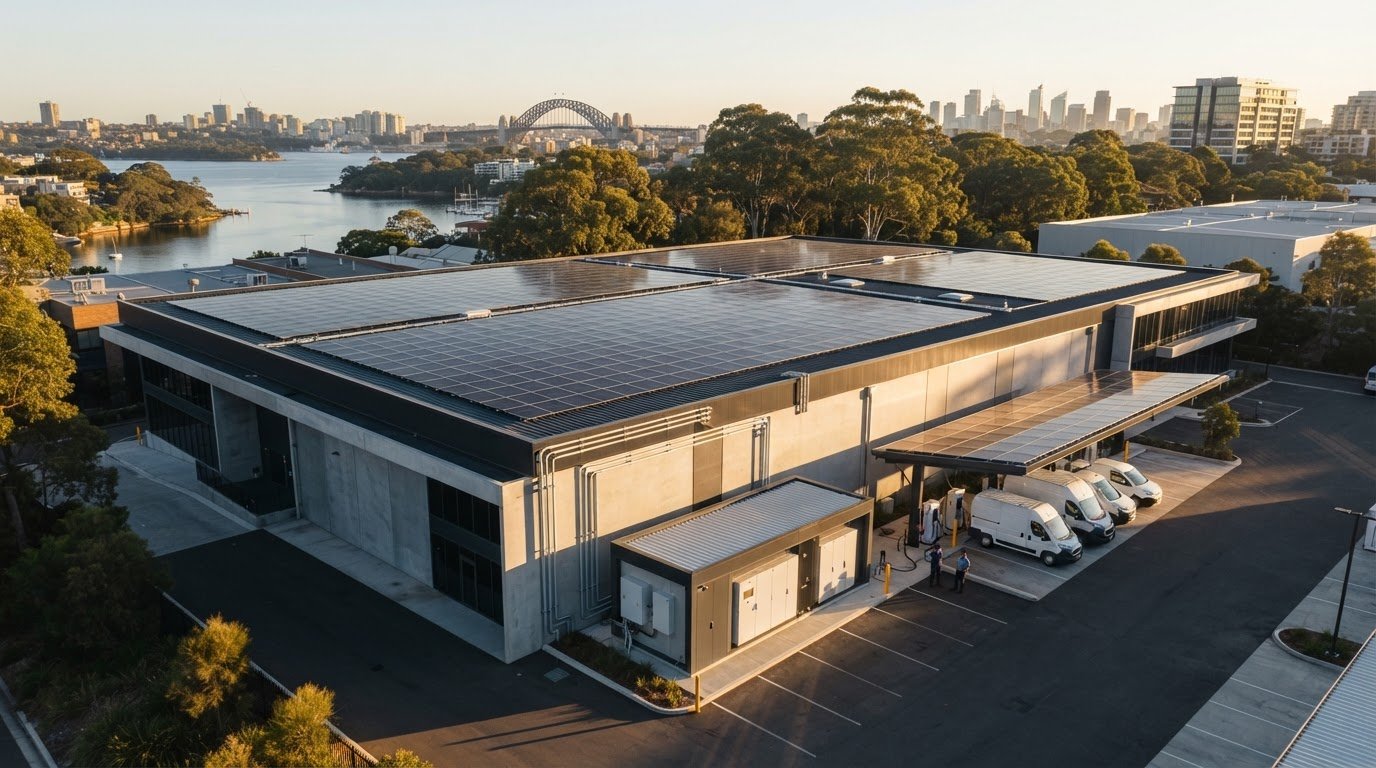
What if your next energy bill became a clearer business investment instead of another unpredictable overhead? For Sydney businesses facing changing electricity prices and peak-demand charges, commercial solar power can reduce reliance on grid electricity. The results depend on a system designed around your site’s energy use.
It’s reasonable to ask what the savings could look like, which incentives may apply and whether a 3–5-year return is realistic. This guide explains how a tailored commercial solar installation can help manage operating costs, how STCs differ from LGCs, and where NSW battery incentives may fit. Eligibility and savings depend on your system and circumstances, so assess them against your project details.
We’ll also cover combining solar and battery storage with commercial EV charging, planning for switchboard capacity, and choosing an installation designed for safe, long-term operation. Sky High Solar and Electrical has served Sydney businesses since 2013 as licensed electrical contractors, bringing local experience to practical energy solutions.
Key Takeaways
- See how commercial solar power can help Sydney businesses manage electricity costs and make energy use a considered business investment.
- Learn how site demand and system size shape solar design, and why STCs and LGCs apply differently.
- Assess the factors that affect payback, including electricity use, system costs and relevant tax incentives.
- Explore how solar, FOX ESS battery storage and EV charging can work together to manage peak demand and support future fleet needs.
- Understand the value of local electrical expertise, professional servicing and safe integration for long-term system performance.
Why Sydney Businesses are Prioritising Commercial Solar Power
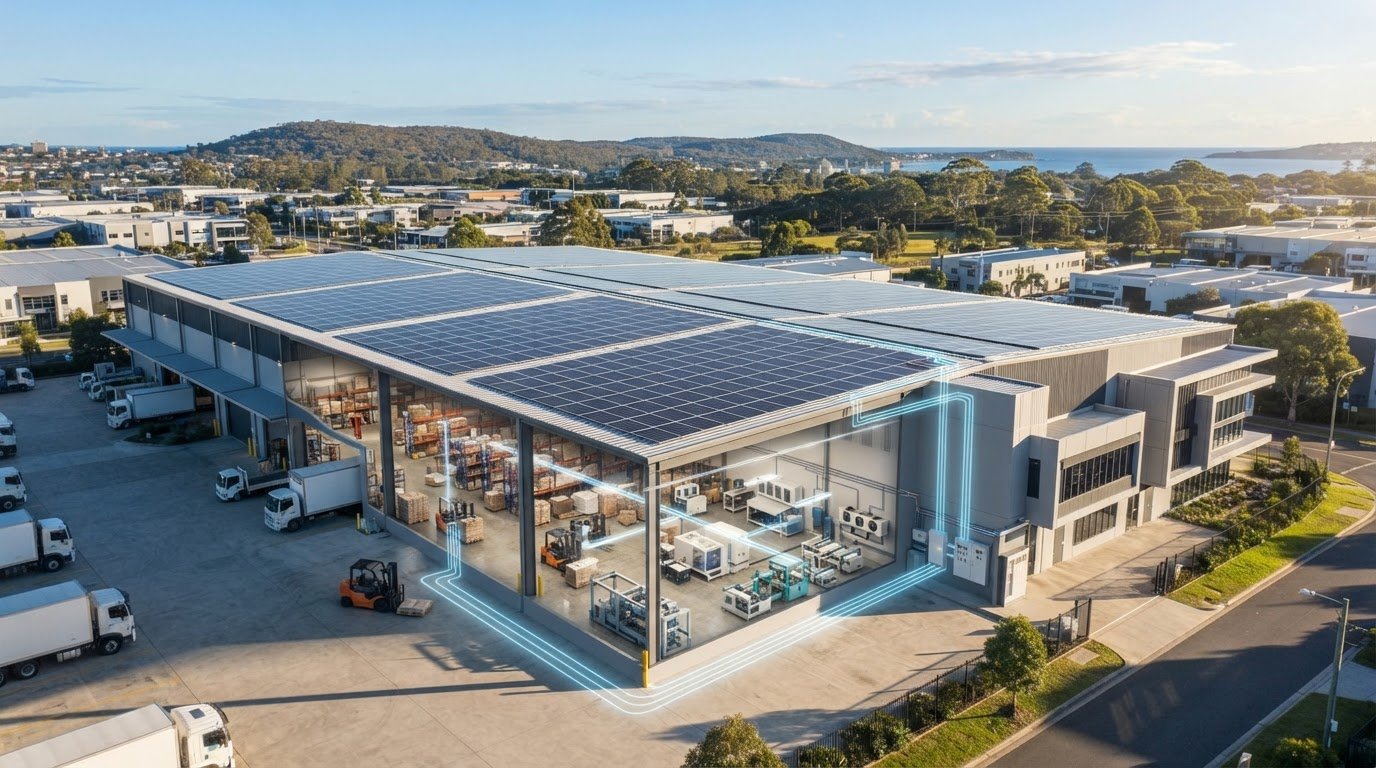
Electricity is a significant operating cost for Sydney offices, warehouses and other commercial sites. The amount you pay can depend on usage rates, tariff structures and when your business uses power. Compare your bills with your operating hours to see how much daytime solar generation could offset electricity bought from the grid. Peak-demand charges may also apply, depending on your tariff and supply arrangements. Check interval data to understand those charges rather than assuming solar alone will remove them.
Commercial solar power can turn part of a recurring energy expense into an upfront capital investment. The tax treatment depends on your business and current rules, so discuss depreciation and eligibility with your accountant. Solar can reduce reliance on grid electricity while it is generating. Battery storage may extend that benefit beyond daylight hours, depending on system design and site needs.
The Financial Case for Commercial Solar
For businesses that operate during the day, panels can generate electricity while offices run equipment or warehouses power lighting and machinery. Using more of that generation on site can improve the system’s value compared with exporting surplus power. The result depends on when and how much your business consumes, so review bills and usage patterns before sizing a system.
Solar can reduce exposure to future electricity price rises by supplying some daytime energy from a system you own. It cannot protect your business from every change in energy costs.
Meeting 2026 Sustainability Targets
Rooftop solar can support a Sydney SME’s emissions-reduction plans by reducing its use of grid electricity. It can also be a practical step towards electrifying operations, such as pairing on-site generation with battery storage or planning for EV charging as fleet needs evolve. The broader Australian context is outlined in Solar power in Australia.
Environmental performance can matter in customer and B2B relationships, where measured progress supports sustainability reporting. Keep claims tied to outcomes you can track, such as system generation and electricity consumption, rather than promising a particular emissions result.
For commercial buildings, solar may contribute to energy performance information used in a NABERS assessment, but installing panels does not automatically improve a rating. The result depends on the building, its measured performance and the assessment method. Good system design and ongoing solar servicing help track generation and support reliable performance over time.
Understanding System Sizing and Australian Solar Incentives
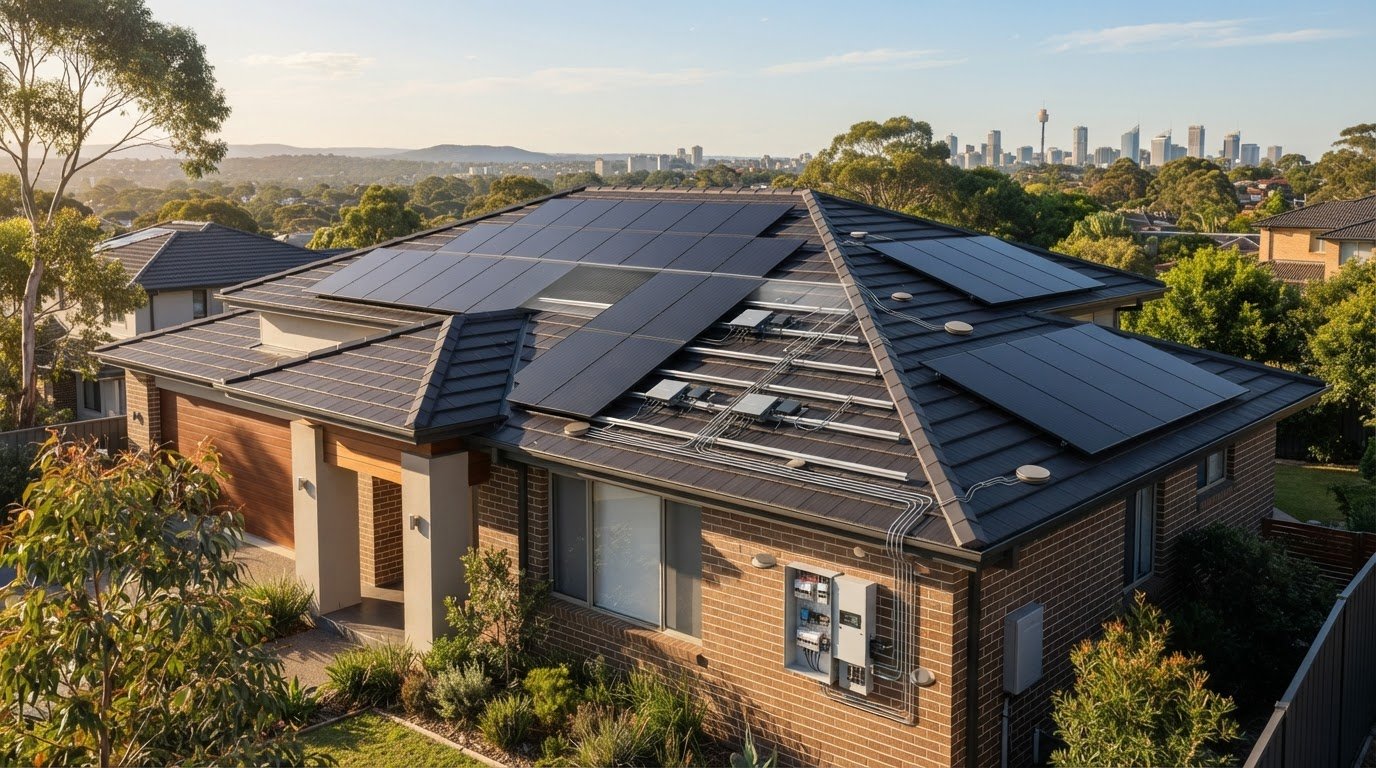
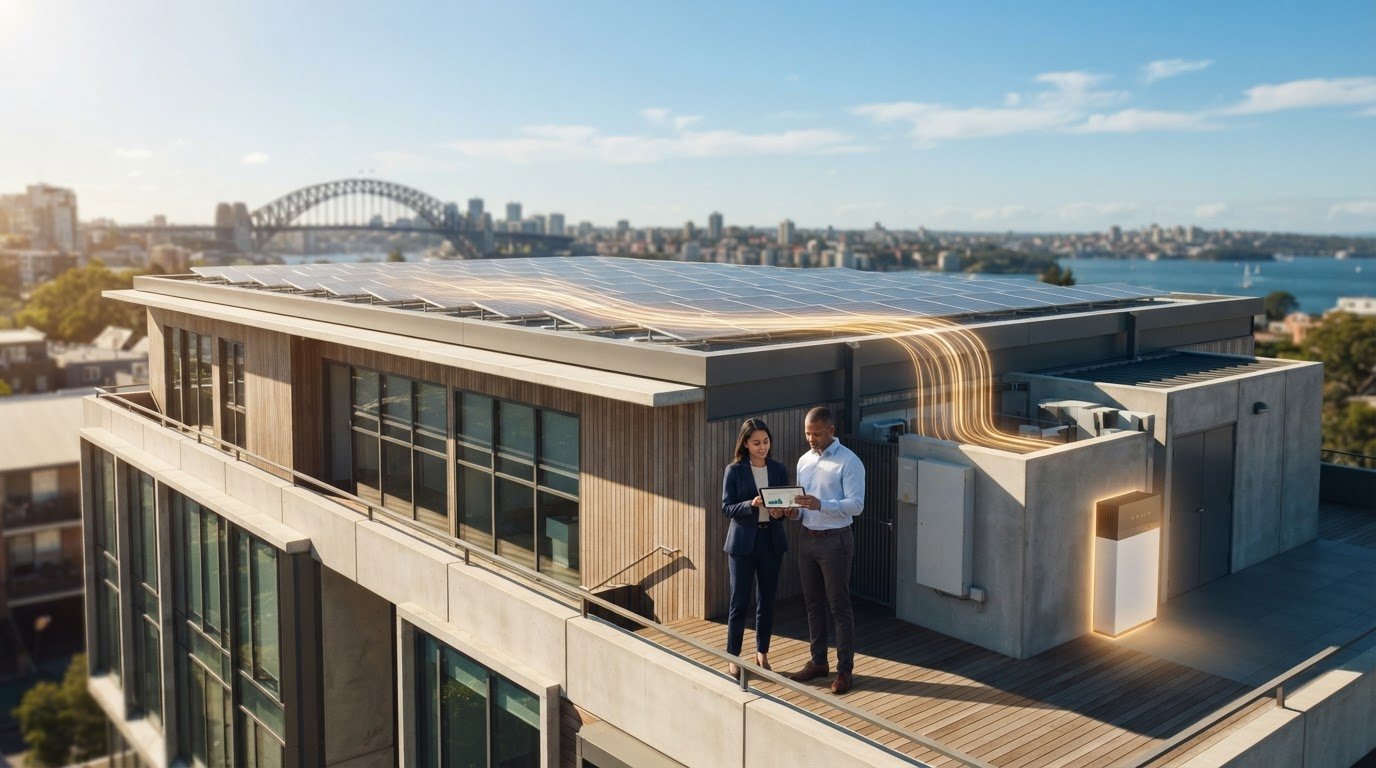
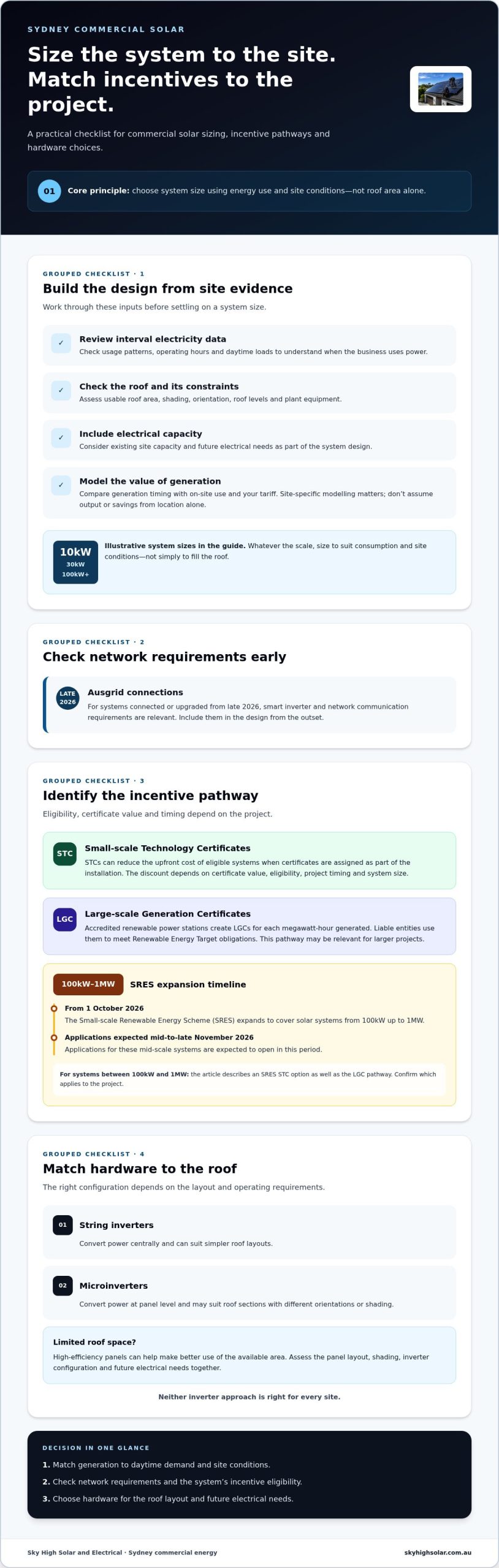
A 10kW, 30kW or 100kW-plus system should not be selected by roof size alone. Start with interval electricity data, operating hours and daytime loads. Then consider usable roof area, shading, roof orientation and electrical capacity. A warehouse with broad, unobstructed roof space has different design needs from a Sydney commercial building with several roof levels, plant equipment or mixed roof orientations. Size the system to suit consumption and site conditions, not simply to fill the roof.
Assess Sydney solar output through site-specific modelling rather than assuming it will outperform every southern location. The value to your business depends on generation timing, on-site electricity use and your tariff. For connections in the Ausgrid network, smart inverter and network communication requirements are also relevant to systems connected or upgraded from late 2026. Include these requirements in the design from the outset.
STCs vs LGCs: Which Incentive Applies?
STCs can reduce the upfront cost of eligible systems when certificates are assigned as part of the installation. The rules are changing: from 1 October 2026, the Small-scale Renewable Energy Scheme (SRES) expands to cover solar systems from 100kW up to 1MW. Applications for these mid-scale systems are expected to open in mid-to-late November 2026. This is an expansion, so a general “2026 STC phase-out” does not describe the current position. Certificate value and eligibility affect the discount, and depend on the project’s timing and size.
LGCs are created by accredited renewable power stations for each megawatt-hour generated. Liable entities use them to meet Renewable Energy Target obligations. The LGC pathway may be relevant for larger projects, while systems between 100kW and 1MW also have an SRES STC option. The Australian Renewable Energy Agency (ARENA) provides context on national renewable energy programmes and innovation. Sky High Solar and Electrical plans commercial systems with certificate eligibility and installation documentation in view, so the applicable incentive can be considered as part of the project.
Choosing the Right Hardware for Longevity
Choose hardware to suit the roof and the site’s operating requirements. GoodWe inverters and Enphase solutions are among the established options Sky High Solar and Electrical works with. The right fit depends on the system design. String inverters convert power centrally and can suit simpler roof layouts. Microinverters convert power at panel level and may be useful where roof sections face different directions or have different shading. Neither approach is right for every site.
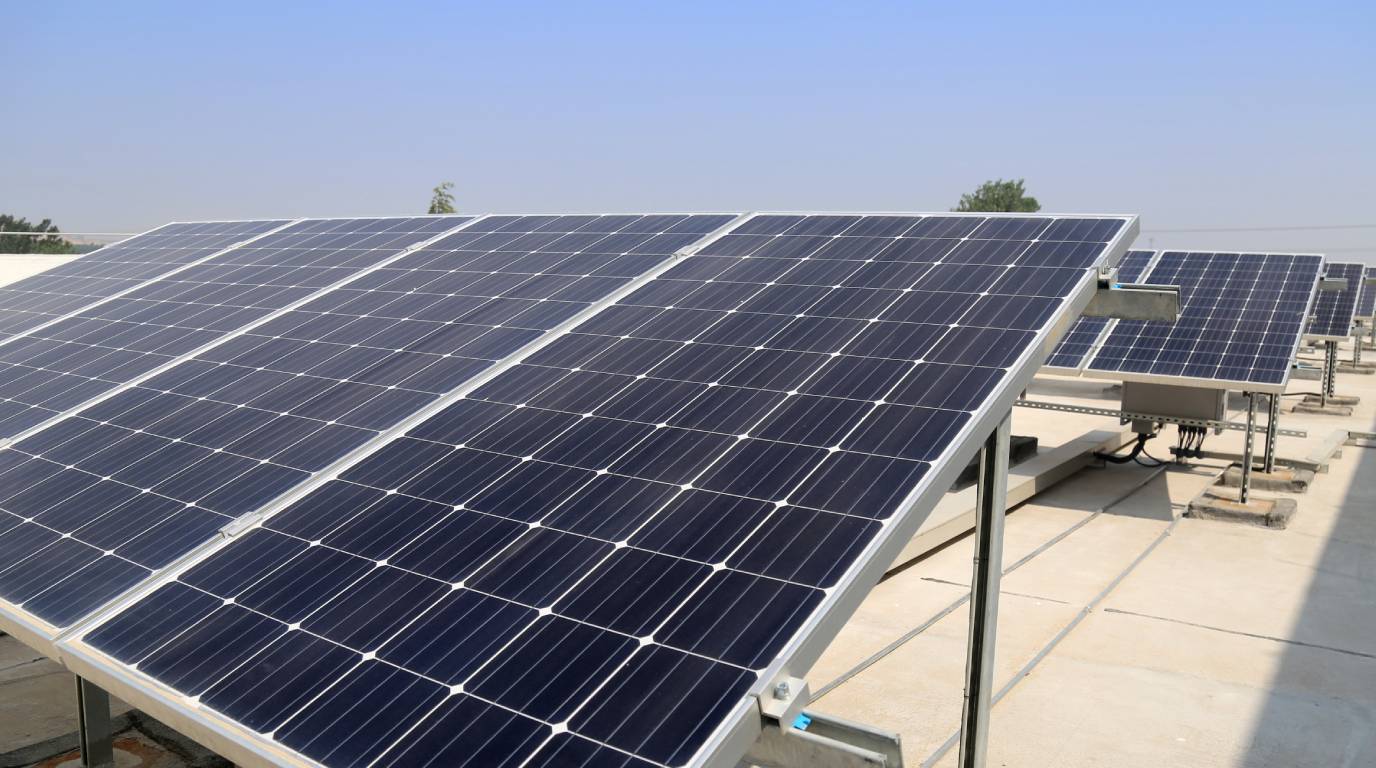
Where roof space is limited, high-efficiency panels can help make better use of the available area. Assess the panel layout, shading, inverter configuration and future electrical needs together. For tailored commercial solar system planning, Sky High Solar and Electrical brings Sydney-local experience to the design process.
Calculating ROI: Payback and Tax Benefits for Sydney Businesses
A realistic return-on-investment estimate starts with your electricity bills, interval usage, operating hours and the share of solar generation your site can use. Installation costs, incentives, export settings and ongoing maintenance also affect the result. A 3–5-year payback may be a planning goal, but it is not assured. Your site’s load profile and network connection can change the calculation. Model several scenarios before committing, including lower-than-expected generation or changes to export limits.
Tax treatment can also form part of the business case. From 1 July 2026, the instant asset write-off threshold is permanently set at AUD $20,000 per eligible asset for qualifying small businesses with aggregated turnover below AUD $10 million. Eligibility rules apply, so speak with your accountant about your business and proposed system. Solar equipment may also be depreciated over time, with the applicable treatment and schedule depending on your circumstances and current tax rules.
Navigating Sydney Grid Connections
Your network distributor depends on your site location. Across the Sydney basin, check whether the property is in the Ausgrid or Endeavour Energy network area, then include its connection requirements in the design and ROI model. The connection process may involve an application or pre-approval before installation. Export settings matter: electricity that cannot be exported or used on site may not deliver the value assumed in a basic payback estimate.
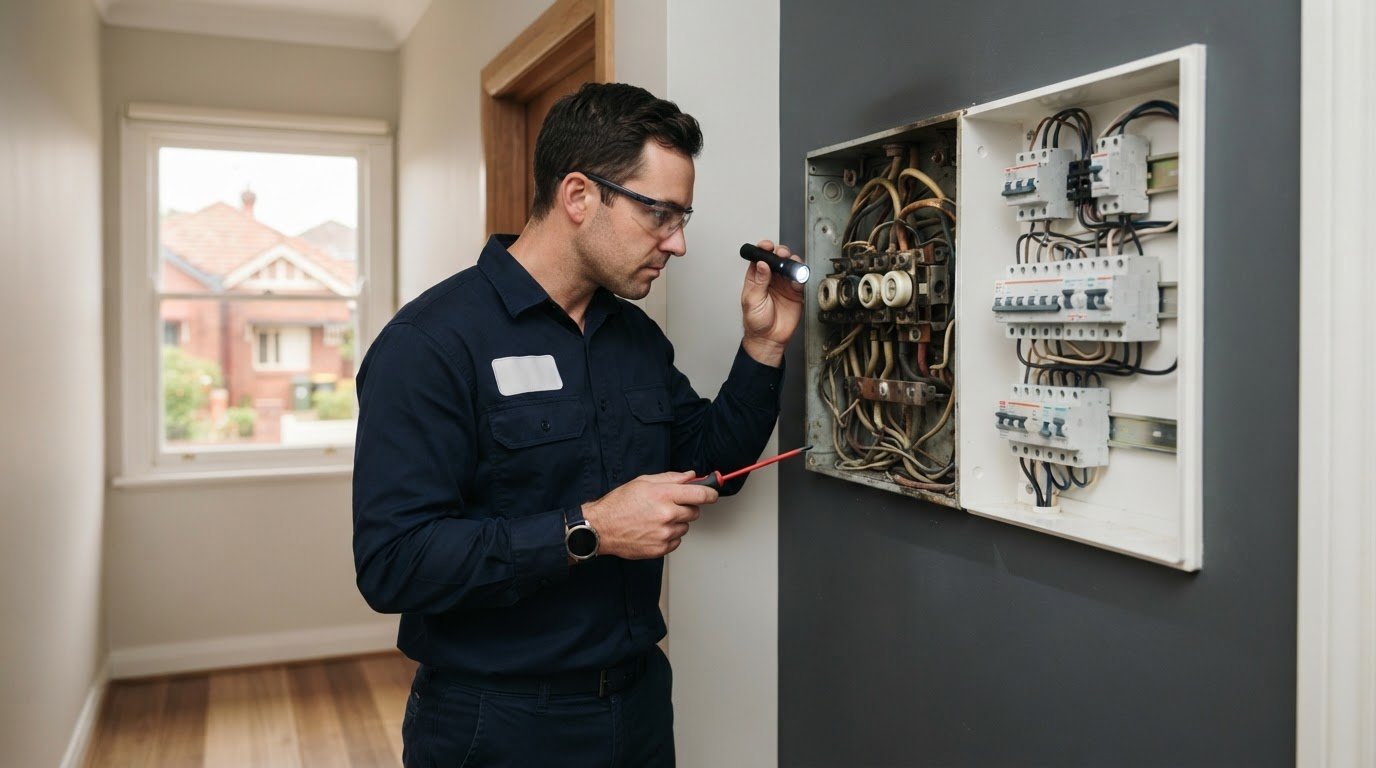
For Ausgrid-connected systems, from late 2026 new and upgraded solar connections require a CSIP-AUS-compliant smart inverter that can communicate with the network via the internet. Compliant systems can access flexible exports of up to 10kW per phase by default. Opting out or lacking reliable internet may mean a lower fixed export limit, such as 1.5kW. Requirements differ by network, so design around the applicable connection conditions. A licensed electrical contractor can assess whether a switchboard upgrade is needed and provide a certificate of compliance electrical work (CCEW) for electrical work.
Maintenance and Servicing: Protecting Your Asset
Dust, pollution and coastal salt air can contribute to deposits on panels and wear on exposed components. The effect varies by site, so use monitoring data and inspections to identify changes rather than assume a fixed performance loss. Compare actual generation with expected output, and investigate persistent drops, faults or inverter alerts. Professional solar system servicing helps document system condition and address issues that could affect performance. Warranty coverage remains subject to the relevant terms.
Monitoring does not replace an inspection, but it can help you spot a change sooner. Include servicing and connection conditions in your commercial solar power cash-flow model for a more useful view of long-term returns.
Future-Proofing: Integrated Batteries and EV Charging
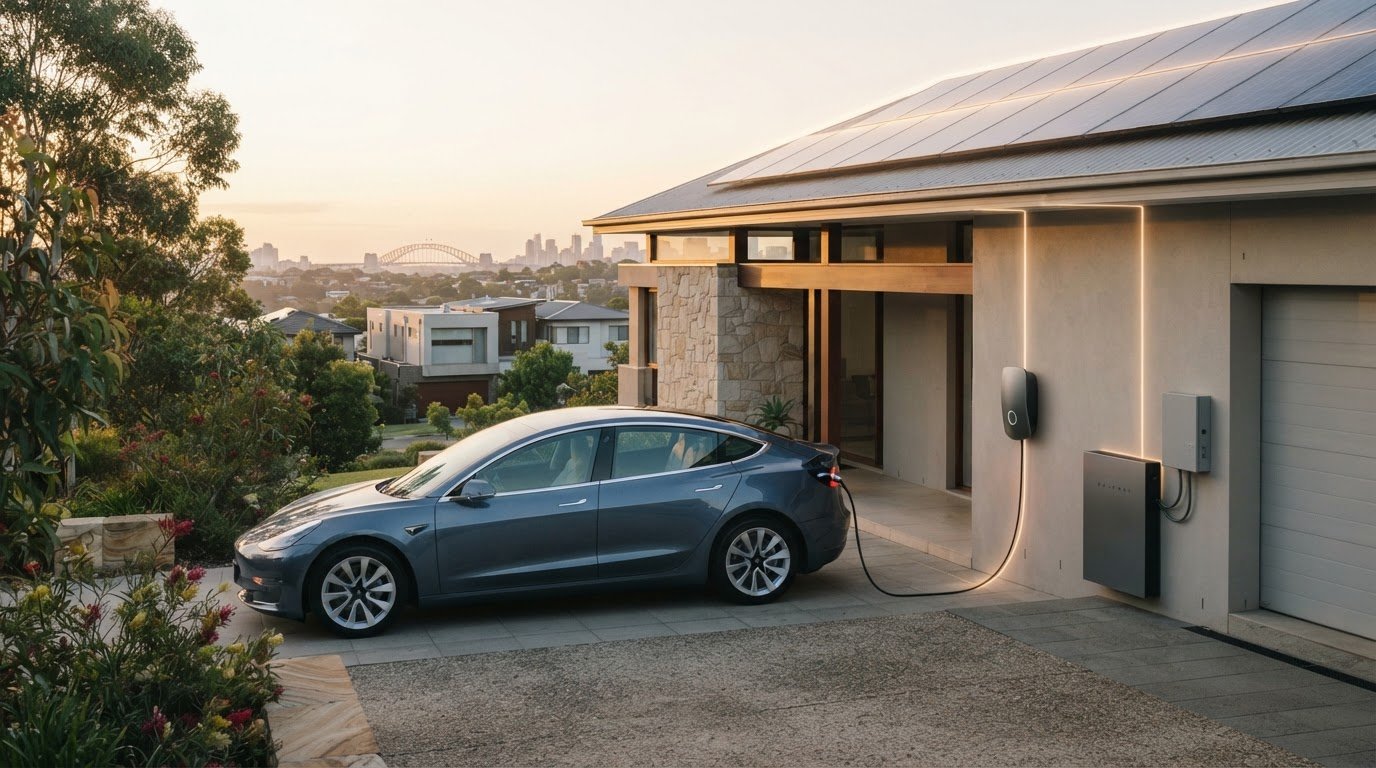
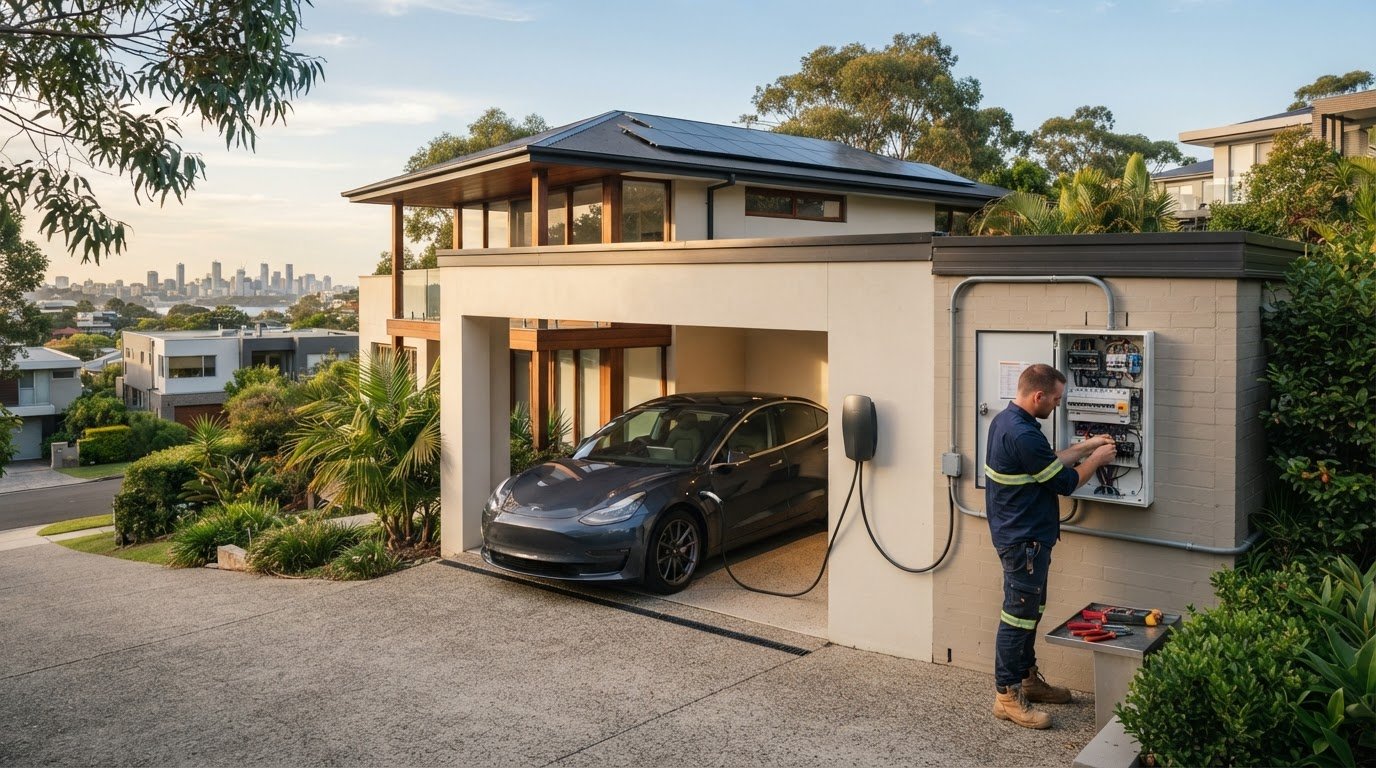
A commercial energy system can do more than generate electricity. Combining rooftop solar, battery storage and EV charging lets you plan generation, storage and fleet charging around your site’s operating needs. This approach can help your business use more of its own solar generation and prepare for changing vehicle and electricity demands.
Battery storage can hold surplus daytime solar for later use, including periods when electricity is more expensive. Its value depends on your tariff, battery settings and load profile, so compare expected savings with installation and operating costs. In NSW, the Peak Demand Reduction Scheme (PDRS) includes eligible commercial battery systems from 20kWh to 30MWh, with incentives delivered through Peak Reduction Certificates. Eligibility and the value available depend on the project and applicable requirements.
Commercial Battery Storage ROI
For a site with costly evening peaks, load shifting may help: store solar energy during the day, then discharge it when grid electricity is more expensive. FOX ESS battery storage can form part of this strategy, with capacity and controls designed around your site’s demand. Batteries may also support selected loads during an outage when the system is designed for backup. They do not guarantee uninterrupted power for every circuit or operating condition.
Commercial battery storage has become a more visible part of 2026 energy planning, including through NSW incentives. Read more about solar battery storage and how storage can complement solar generation.
Fleet Electrification in Sydney
Planning EV charging alongside solar can help align vehicle charging with on-site generation. SigenStor combines a solar inverter with an EV DC charger, bringing generation and vehicle charging into an integrated energy design. An EV DC charger can connect with solar or battery systems, reducing conversion losses compared with AC charging. The benefit depends on system configuration and fleet use.
Several vehicles charging at once can add substantial demand to a commercial site. Before installation, map vehicle arrival and departure times, charging needs and existing site demand. A suitable design can coordinate charging with available solar, stored energy and site capacity. On-site charging may also be an amenity for staff or visiting customers, while giving fleet operators a clearer path to electrification.
For Sydney businesses considering commercial solar power with storage and EV charging, Sky High Solar and Electrical can plan an integrated system around your site’s energy use. Plan your commercial solar and EV charging system.
Sky High Solar: Sydney’s Visionary Specialist for Commercial Energy
A commercial energy upgrade needs to suit how your business operates, not just the available roof area. Sky High Solar and Electrical has been Sydney-owned and operated since 2013, bringing local electrical and solar experience to commercial projects across Sydney and surrounding regions. That experience informs designs based on each site’s roof layout, electrical infrastructure, operating hours and future plans.
Our approach considers how solar generation can work alongside battery storage and EV charging as an integrated energy system. One business may prioritise daytime self-consumption; another may plan for battery storage or future fleet charging. We begin with your operational needs and develop the system design from there.
The Sky High Difference
As licensed electrical contractors, we put safe electrical work and compliance at the centre of each installation. Site design considers roof conditions, system layout and existing electrical capacity, including whether a switchboard upgrade is needed. We provide relevant electrical documentation, including a certificate of compliance electrical work (CCEW).
Sky High Solar and Electrical works with premium brands including FOX ESS, Enphase and GoodWe. Equipment selection depends on your site and system design, rather than a one-size-fits-all specification. From early design through commercial solar installation, careful planning helps align generation, storage and electrical requirements. Development applications and other project approvals can also affect planning, so include them in the project process.
Take the Next Step for Your Business
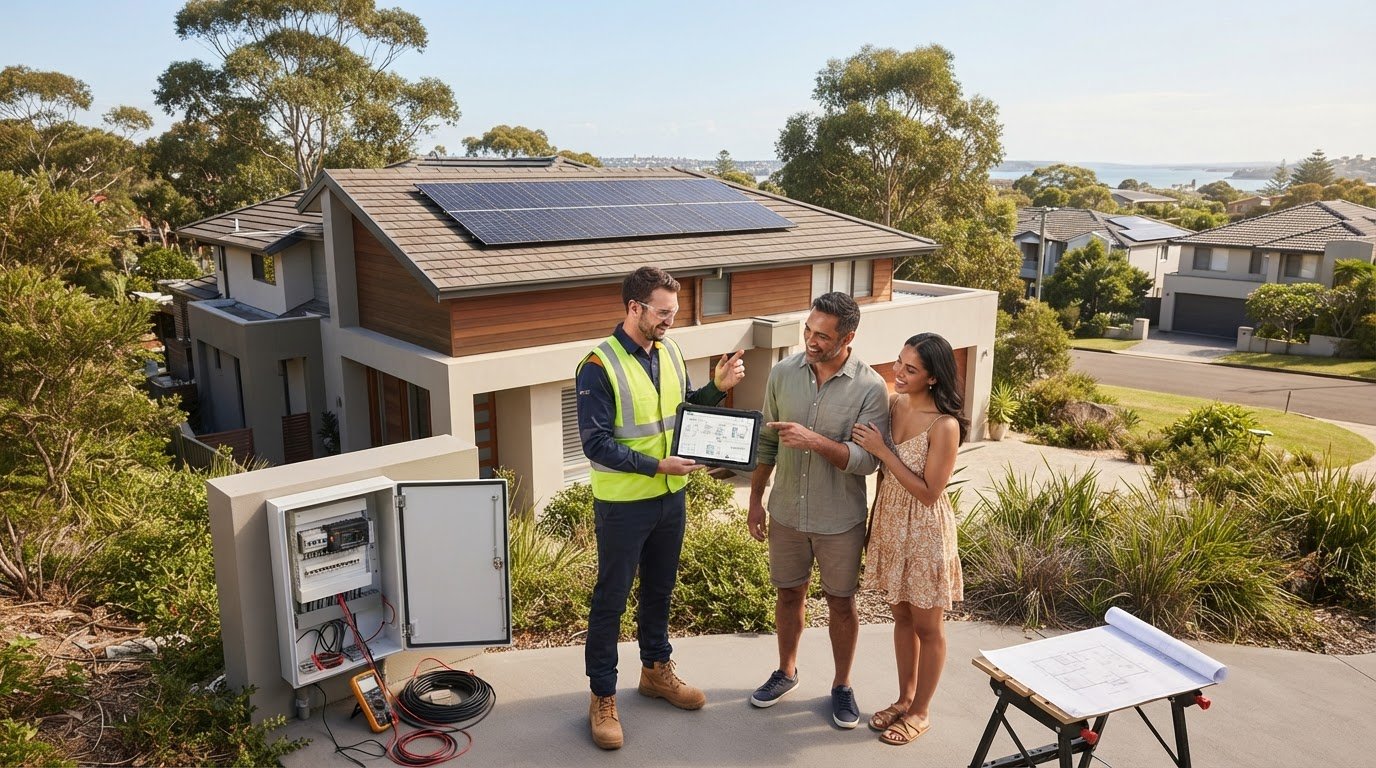
Start by bringing together recent electricity bills, available interval usage data and your site’s operating hours. Note planned changes, such as adding EVs, extending operating hours or increasing equipment loads. These details help inform an energy assessment and system design that reflects current demand and likely future needs.
There is no single timeline for every commercial solar rollout. A typical project involves reviewing site and energy requirements, preparing a tailored design, progressing network and approval requirements, then installation, commissioning and documentation. Site complexity and connection processes influence the schedule, so a project-specific plan is more useful than a generic timeframe.
If your Sydney business is assessing commercial solar power, battery storage or EV charging, request a commercial solar energy audit from Sky High Solar and Electrical to begin planning around your facility’s energy needs.
Plan Your Sydney Business’s Next Energy Step
A well-designed commercial solar power system starts with your site’s energy use, roof and electrical capacity. The right scale can help reduce daytime grid use, while battery storage and EV charging can extend the value of an integrated energy system. Incentives and payback depend on your project, so base your decision on a tailored design and clear financial assessment.
Sky High Solar and Electrical brings over 13 years of local Sydney experience to commercial energy projects. As licensed NSW electrical contractors, we prioritise safe, compliant installation and long-term system performance, with experience integrating SigenStor and FOX ESS solutions.
Ready to assess what could suit your facility? Get a Tailored Commercial Solar Quote for Your Sydney Business and take a practical first step towards lower energy overheads and a more future-ready operation.
Frequently Asked Questions
Is commercial solar power worth it for Sydney businesses in 2026?
Commercial solar power can be worthwhile when your business uses electricity during daylight hours and the system is sized to match that demand. Your potential return depends on your tariff, daytime consumption, available roof space, export settings, installation costs and eligible incentives. Battery storage may suit sites with significant evening use or peak demand. Review your bills and usage data to assess the business case rather than relying on a generic savings estimate.
What is the difference between STCs and LGCs for commercial systems?
STCs are certificates under the Small-scale Renewable Energy Scheme (SRES) that can reduce the upfront cost of eligible solar installations. From 1 October 2026, the SRES includes systems from 100kW up to 1MW, with applications for these mid-scale systems expected to open in mid-to-late November 2026. LGCs are created by accredited renewable power stations for each megawatt-hour generated and are used by liable entities to meet Renewable Energy Target obligations.
How long is the payback period for a 30kW solar system in Sydney?
A 30kW system has no fixed payback period based on capacity alone. The calculation depends on installed system cost, your electricity tariff, how much solar generation you use on site, export limits and eligible incentives. Compare expected annual bill reductions with the net project cost using your actual energy data. A tailored assessment is more useful than a typical payback figure that may not reflect your Sydney site.
Can I install a commercial solar battery later, or should I do it now?
You may be able to add a battery later, but plan for that possibility during the initial solar design. Inverter choice, switchboard capacity, cabling and available installation space can affect the work required for a future addition. Installing storage at the outset may suit businesses with evening demand or a need for backup, while staged installation may suit others. Compare both options against your load profile, project budget and eligible incentives.
Do Sydney businesses need council approval for commercial solar panels?
Whether your project needs council approval depends on the site and proposed installation, so there is no single answer for every Sydney business. Building characteristics, planning controls and project scope can affect the approval pathway. Check applicable planning requirements before work begins and factor any approval steps into your project schedule. Council planning approval and electricity network connection requirements are separate considerations, and both may need to be addressed in the installation plan.
What maintenance is required for a commercial solar installation?
Monitor system output and inverter alerts, and arrange professional inspections if generation drops unexpectedly or faults appear. Check panels for visible damage or heavy debris, but do not access roofs or electrical equipment yourself. Sydney dust, pollution and coastal salt exposure can affect site conditions, so servicing needs may vary. Keep maintenance and installation records, and follow the equipment manufacturer’s care instructions and warranty terms to support safe operation over the system’s life.
How does the Instant Asset Write-off apply to solar in 2026?
From 1 July 2026, the instant asset write-off threshold is AUD $20,000 per eligible asset for qualifying small businesses with aggregated turnover below AUD $10 million. The threshold applies per asset, and eligibility conditions apply. A solar project may include assets that need separate tax consideration, so do not assume the entire system qualifies for an immediate deduction. Ask your accountant to assess your business, the assets and current tax rules before making an investment decision.
Which Sydney grid operator am I with, and does it matter for solar?
Your distributor depends on your site address. Sydney businesses may be connected to Ausgrid or Endeavour Energy, so check an electricity bill or connection documents to identify your network. It matters because connection and export requirements can affect system design and the value of exported power. For Ausgrid, from late 2026, new and upgraded solar connections require a CSIP-AUS-compliant smart inverter with internet communication. Compliant systems have flexible exports up to 10kW per phase by default.