

 Sydney
 0452 243 240
Blog
Enphase Microinverters vs String Inverters: Which Suits a Sydney Home?

The premium inverter isn’t automatically the better choice for a Sydney home. Enphase microinverters may suit roofs with shade or panels facing different directions, while a string inverter can be a practical option for a simpler roof layout.
If you’re weighing Enphase against a central string inverter, the key question is whether panel-level technology will make a meaningful difference for your roof and household. The answer depends on your roof layout, energy use, monitoring preferences and plans for future upgrades.
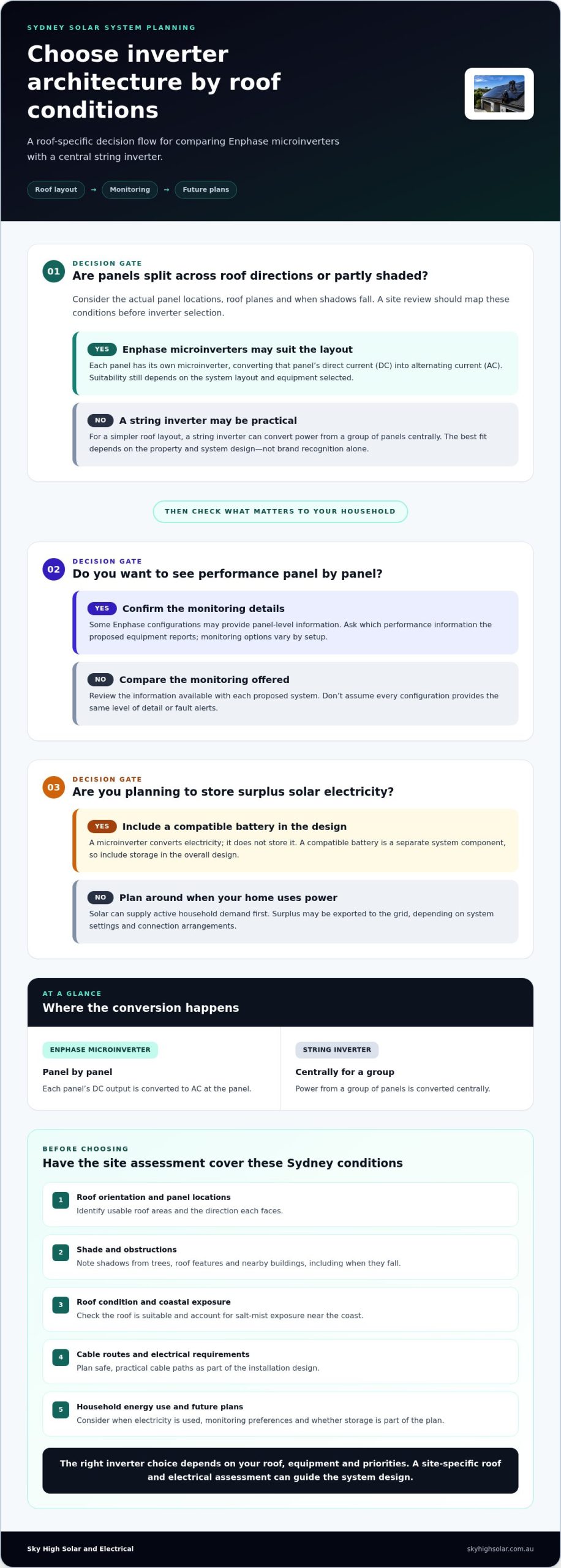
Enphase microinverters convert each panel’s direct current into alternating current at the panel. A string inverter converts power from a group of panels centrally. That difference affects system design and monitoring options, and can influence how the system responds when shade or roof orientations vary.
This guide compares both options for Sydney conditions and explains what to consider before choosing. You’ll learn how roof layout, energy use and future plans affect the decision, and what a professional assessment should cover, including electrical requirements and post-installation checks.
Key Takeaways
- Compare microinverters and string inverters by how they convert panel output and suit your roof, not by price or reputation alone.
- Enphase microinverters may suit some roofs with multiple orientations or partial shade, but the result depends on system layout and equipment.
- Confirm what monitoring information the selected system provides before relying on panel-level performance data.
- Assess roof orientation, shade, coastal exposure, summer conditions and household energy use before choosing a design.
- A site-specific roof and electrical assessment can guide inverter selection and installation planning. Sky High Solar and Electrical has served Sydney since 2013.
What are Enphase microinverters, and why consider them for a Sydney home?
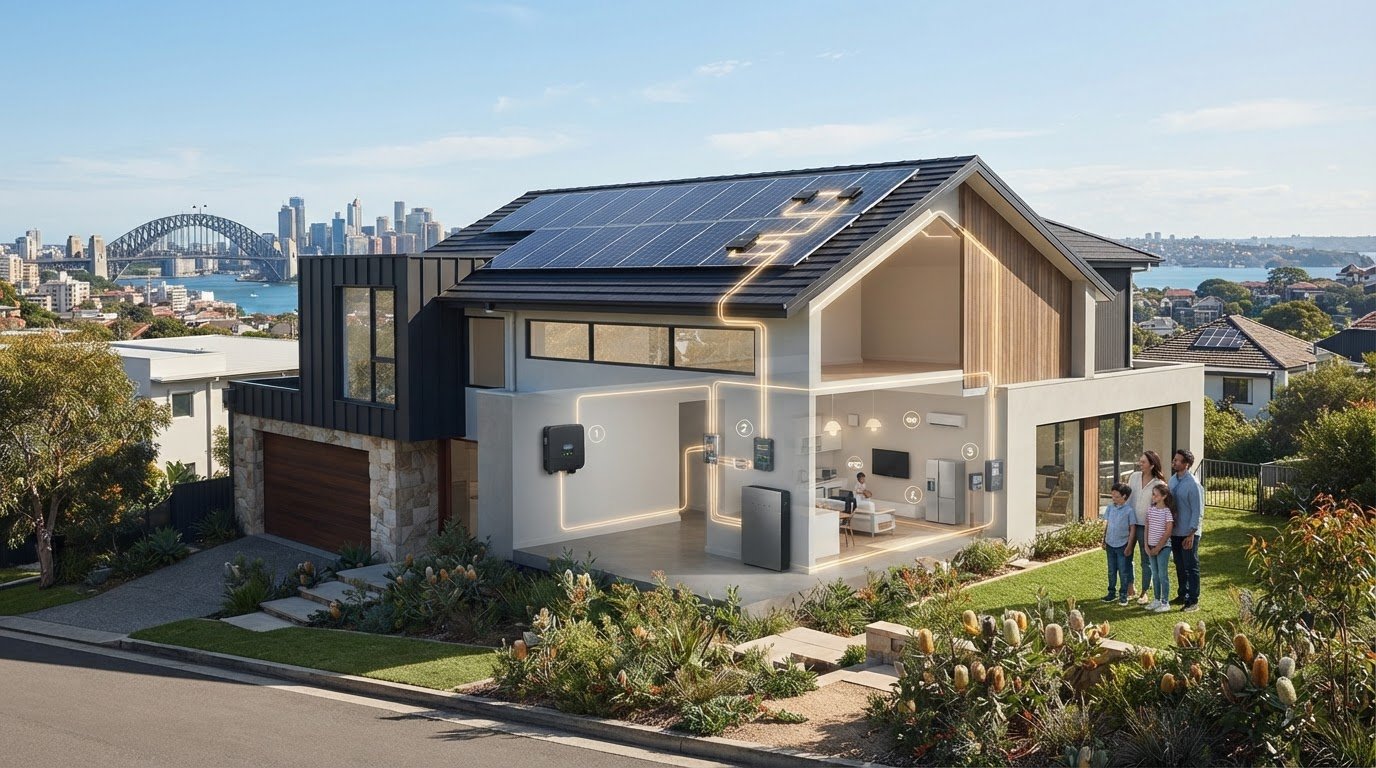
An inverter is a key part of a solar system: it changes the electricity produced by your panels into a form your home can use. In an Enphase system, a microinverter is fitted at each panel, so conversion happens panel by panel. A string inverter takes a different approach, converting output from a group of panels centrally.
Microinverters convert each panel’s output individually, while a string inverter converts output centrally for a group of panels. This can affect system design, monitoring options and how the system responds to varied roof conditions. It doesn’t make one architecture right for every home. The roof layout, equipment and your priorities should guide the decision, not brand recognition alone.
How does an Enphase microinverter fit into a solar system?
Sunlight reaches the solar cells and the panel produces direct current (DC) electricity. A microinverter converts that output into alternating current (AC), which household appliances use. The electricity can then supply your home, with any surplus managed according to the system design and connection arrangements.
The microinverter is one part of a system that also includes panels, electrical connections and monitoring equipment. Its exact functions and specifications depend on the Enphase equipment selected and the system design. Monitoring options vary, so confirm which performance information the proposed setup provides. A general explanation of inverter types and their trade-offs is available in Understanding Solar Inverters: Microinverters vs. String Inverters.
Which Sydney roof conditions should shape the decision?
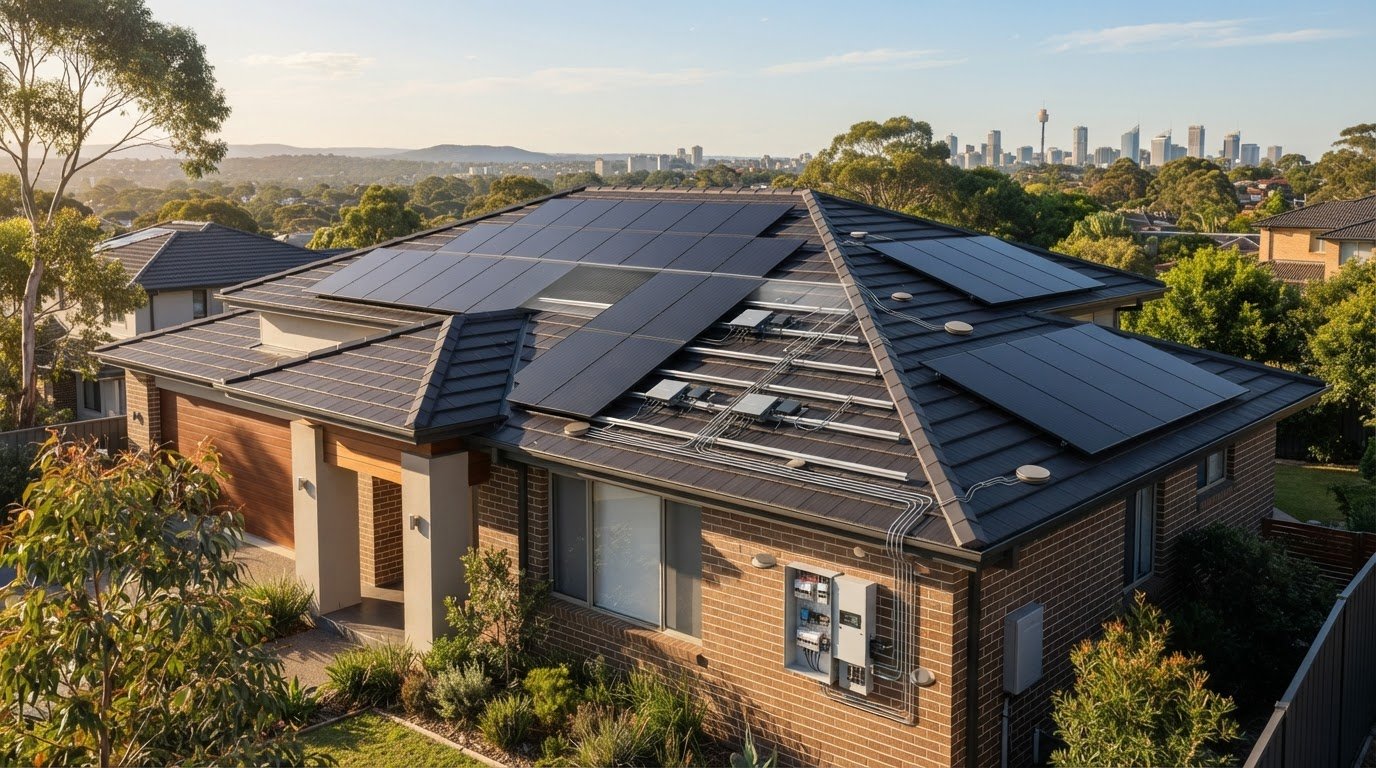
Start with the roof. Sydney homes may have panels spread across roof planes facing different directions, with usable areas interrupted by chimneys, vents, trees or neighbouring buildings. These details affect panel placement and system design. Partial shade also matters, but its effect depends on when and where it falls, as well as the equipment and layout. Avoid relying on a blanket claim about performance.
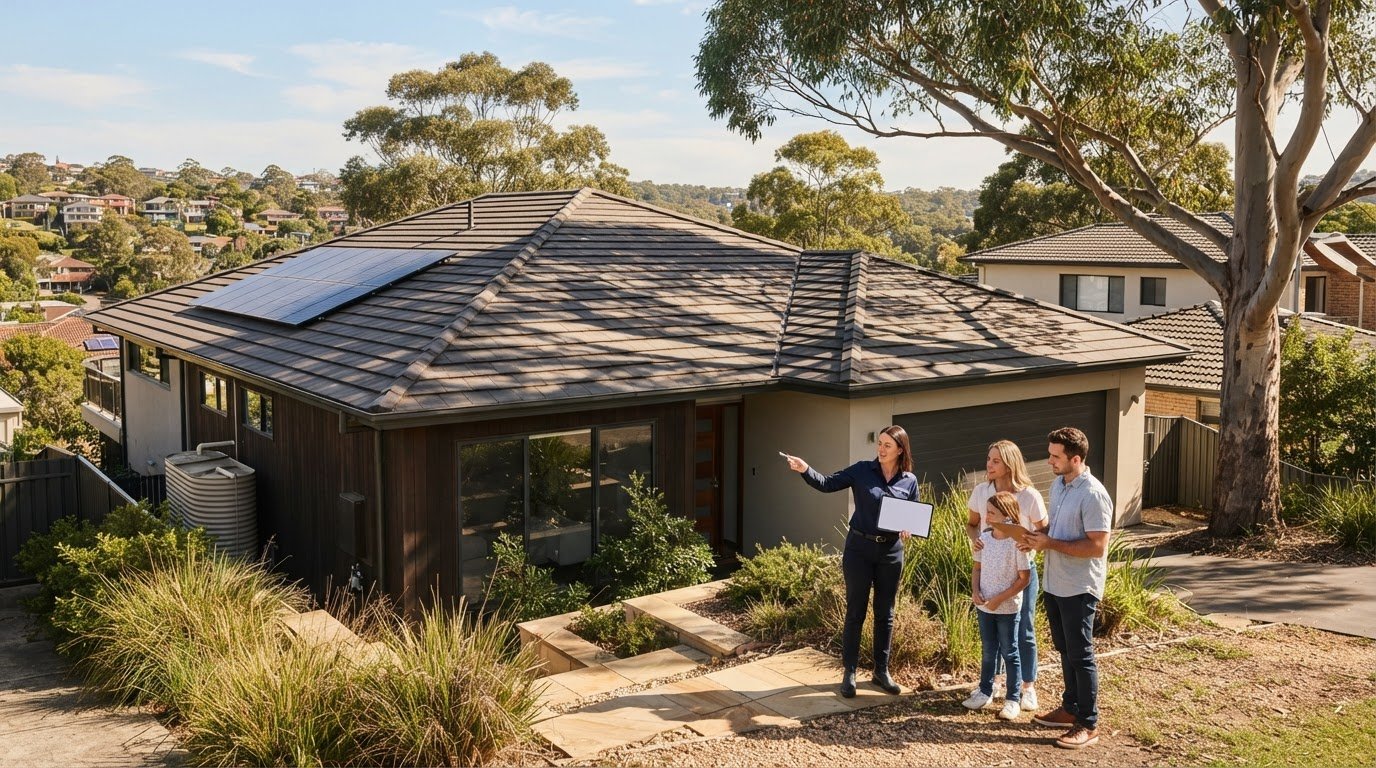
A site review should map these conditions before inverter selection. Consider:
- Roof orientation and panel locations: identify usable roof areas and the direction each faces.
- Shade and obstructions: note when trees, roof features or nearby buildings cast shadows across proposed panel locations.
- Roof condition: assess whether the roof is suitable for the proposed installation.
- Coastal exposure: for homes near the coast, account for salt-mist exposure when selecting and installing components.
- Cable routes: plan safe, practical paths for electrical cabling as part of the installation design.
These observations connect the technology to the property’s actual conditions. A recognised brand won’t resolve a difficult roof layout by itself. Careful design and professional installation are essential to matching the system to your roof and household needs.
How Enphase microinverters work alongside solar panels and household energy use
Solar generation and household demand change throughout the day. The electricity available depends on sunlight, while your consumption depends on which appliances are operating and when. Reviewing those patterns helps you assess how a solar system could fit your routine without assuming a particular level of output or savings.
What happens to solar electricity during the day?
Solar electricity can supply your home’s active demand first. If generation exceeds what the household is using, surplus may be exported to the grid, depending on the system settings and connection arrangements. For example, a home that uses little electricity during the day may export more surplus than one running appliances at that time. The U.S. Department of Energy’s guide to inverters and grid services provides background on how solar systems interact with the grid.
Generation and storage are separate functions. An Enphase microinverter doesn’t store surplus electricity; a compatible battery is a separate system component. If you’re considering storage, include it in the overall design so the proposed setup reflects how you want to use energy at home. Actual household consumption and exported electricity vary with your usage patterns and system design.
How do monitoring and fault detection fit in?
Monitoring can help you review system performance over time and compare generation across days and changing weather conditions. The level of detail depends on the selected equipment and its features. Some Enphase configurations may provide panel-level information, so the proposal should specify what the chosen system reports rather than assuming every setup offers the same view.
Look for a sustained change in performance, not just one low-generation day. Cloud cover, seasonal conditions and changes around the home can affect readings. Monitoring data is useful context, not a diagnosis, and shouldn’t be treated as a guarantee that the system will send a particular fault alert. If readings raise a concern, arrange professional diagnosis rather than accessing rooftop equipment or electrical components yourself.
Professional servicing can help investigate a persistent change and assess system operation. Share the monitoring information you’ve observed, including when the change began, to give the technician useful context. Sky High Solar and Electrical provides Enphase solar system servicing for homeowners who need their system assessed.
Enphase microinverters vs string inverters: which trade-offs matter most?
For a Sydney home, the decision turns on roof layout, shade, monitoring preferences and how the system may need to support future energy plans. Neither option is automatically right for every property. Use the comparison below to guide a site-specific assessment, rather than treating any single roof feature as a guaranteed reason to choose one design.
| Consideration | Microinverter design | String inverter design |
|---|---|---|
| Roof complexity | May suit assessment for panel layouts spread across different roof planes. | May suit a simpler, more uniform panel layout, subject to system design. |
| Partial shade | Panel-level equipment can be assessed where shade affects some panel locations. | Shade response depends on the layout and equipment selected. |
| Monitoring approach | Panel-level information may be available if the selected system supports it. | Monitoring detail depends on the system’s features. |
| System design | Requires equipment and a layout suited to the project. | Requires a suitable system size, panel arrangement and inverter selection. |
When might panel-level conversion suit a roof?
It may be worth assessing when panels are planned across different orientations or shade affects only part of the array at particular times. If you value seeing performance information for individual panels, check whether the proposed equipment supports that level of monitoring. These are design considerations, not automatic recommendations. The actual effect of shade depends on its timing, location and the system equipment.
When might a string inverter be a practical alternative?
A roof with a straightforward panel layout may make a string inverter a practical option to assess. System size and future energy plans matter too. If you expect to add a battery or increase household electricity use, include that in the design discussion so the proposed system accounts for your plans. Compare the complete system rather than choosing on one component alone.
Consider cost in the same way. Panel-level equipment isn’t automatically the best value, and a simpler design may meet your priorities without extra complexity. Value depends on the full design, including roof layout, selected equipment, installation requirements and monitoring needs. A site assessment helps identify which trade-offs matter for your property.
For an enphase system, ask how the proposed design responds to your roof’s distinct panel areas and what monitoring information the selected equipment supports. Australian solar guidance from the Clean Energy Council provides wider industry context. A project-specific assessment connects those considerations to your home. The right choice is the one that suits your roof and plans, not the one with the broadest claim.
A Sydney homeowner’s checklist before choosing an Enphase solar system
Use the roof assessment as your starting point, then work through these decisions before committing. The aim is to make sure the proposed system fits your electricity use, existing electrical setup and future plans.
- Confirm the roof findings. Review the proposed panel locations and any access or installation constraints. Make sure the design reflects the roof conditions identified, rather than assuming every usable area will be included.
- Describe your household’s energy needs. Consider when electricity use is highest, which major appliances run during the day and whether you expect to add an electric vehicle or battery. These details help shape the system around your routine.
- Review electrical requirements. Have the existing switchboard, connection point and proposed electrical work assessed against the system design. Identify any upgrade or other work that needs to be included in the project scope.
- Review approvals and incentive assumptions. Confirm the current network connection requirements for your address and system before proceeding. Check any rebate or incentive assumptions against current eligibility conditions rather than treating them as guaranteed.
What should a roof and electrical assessment cover?
The assessment should record relevant roof findings and explain how they inform the proposed system. On the electrical side, it should address switchboard capacity, the connection point, required work and practical installation planning. Network requirements should be checked against current rules for the specific project, not inferred from another home’s installation.
What should the proposal explain?
A clear proposal should connect the selected inverter architecture to the project findings and your household’s expected energy use. It should identify the chosen Enphase equipment and explain relevant specifications using product information. Monitoring features should be described accurately, so you understand what information the system is designed to provide.
The proposal should also set out the installation scope, any required electrical work and the assumptions behind applicable rebates or incentives. Eligibility depends on current conditions, so figures or discounts shouldn’t be presented as certain until those conditions have been checked. With those details in view, you can assess the design for practical fit and long-term value.
Discuss an Enphase solar design for your Sydney home with Sky High Solar and Electrical, using your assessment findings and household plans to guide the next step.
How Sky High Solar plans and installs Enphase systems in Sydney
A well-designed solar system starts with the details of your home. Sky High Solar plans and installs Enphase systems in Sydney, considering roof conditions, household electricity needs and electrical requirements before shaping the design around the property. This connects the inverter choice and panel layout to practical priorities instead of treating components as a one-size-fits-all package.
Sydney-owned and operated since 2013, Sky High Solar and Electrical brings local experience to residential solar projects. Its licensed electrical contractors plan and carry out electrical work with compliance in view, including relevant documentation for applicable work.
How does Sky High Solar turn a site assessment into a system design?
The assessment considers usable roof areas, panel orientations, shade and expected household energy use. These details inform the proposed inverter architecture and system layout. Sky High incorporates selected Enphase components into the wider solar design, with equipment choices and specifications suited to the project and based on product information.
System size is part of that conversation. A home with different roof areas or a distinct pattern of daytime electricity use may need a different design from a home with a simpler layout. If you’re weighing a system size such as 6.6kW, the proposal should explain how the planned capacity relates to available roof space and your household’s needs, rather than relying on a size label alone.
The design also accounts for the electrical side of the installation. Switchboard capacity, cable routes and connection requirements all inform the work plan. This joined-up assessment connects the system from panel placement through to the equipment that converts and manages solar electricity.
What support and follow-up should homeowners expect?
Solar installation involves electrical work, so qualified installation and relevant compliance documentation are part of a considered project. Where applicable, Sky High provides a certificate of compliance electrical work (CCEW), official documentation confirming that electrical work meets Australian safety standards and is legally compliant. The installation plan should also account for applicable connection requirements and checks after the work is complete.
Ongoing servicing can help assess system operation if you notice a change or need professional attention. It doesn’t promise fault-free performance, but it gives homeowners a practical way to have their solar system checked. If you’re considering adding storage, include that plan in the system discussion so the design can account for your intended energy use and equipment choices.
A clear project discussion brings the roof assessment, system design and electrical requirements together before you decide how to proceed. Speak with Sky High Solar about an Enphase system for your Sydney home and the site-specific considerations that should shape its design.
Make your next solar decision with confidence
Your inverter choice is one part of a home energy plan that needs to work in practice, not just look suitable on paper. Before settling on enphase, consider how your household may use electricity in the years ahead, including whether you expect new daytime demand or plan to add storage. These priorities can help shape a design that remains relevant as your needs change.
A considered project discussion connects those plans with your property’s electrical setup and the equipment proposed for it. Clarify the design choices, understand how they fit together and assess whether the recommended approach suits your home, rather than relying on brand reputation alone.
Arrange a site-specific solar design discussion with Sky High Solar and take a clear next step towards an Enphase system suited to your Sydney home. Discuss your roof, energy use and electrical requirements with the team.
Frequently Asked Questions
Can Enphase microinverters be added to an existing solar system?
It depends on the existing equipment and system design. Sky High Solar can assess the current inverter arrangement, panel specifications, wiring, switchboard and available roof space, then determine how the proposed components fit. For example, adding panels to a system with a different inverter architecture may require a separate design approach. The assessment can identify the work involved and whether an addition or broader system upgrade better suits the property.
Do Enphase microinverters work during a blackout?
Not by themselves. A grid-connected solar system may stop supplying power during a blackout, even when sunlight is available. Backup operation depends on suitable battery and control equipment designed and configured to provide it, as well as a system compatible with those components. Don’t assume microinverters alone will keep household circuits running. If blackout protection is a priority, include it in the system design and identify which circuits the proposed backup arrangement is intended to support.
How much does an Enphase solar system cost in Sydney?
There isn’t one fixed price for every Sydney home. The total depends on the proposed system size, panels and inverter equipment, roof layout, installation requirements and any electrical work needed. A roof with separated panel areas or a switchboard requiring work may call for a different design from a straightforward installation. Sky High Solar’s project-specific proposal sets out the selected components and scope, so you can compare complete system designs rather than an inverter price alone.
What happens if one Enphase microinverter stops working?
A problem with one microinverter may affect the panel connected to it, but the effect on the whole system depends on the design and equipment. Review the system’s available monitoring information for a change, then arrange a professional assessment if the issue persists. Don’t climb onto the roof or try to access electrical components yourself. Sky High Solar can inspect the system, diagnose the cause and advise whether servicing or repair is appropriate.
Are Enphase microinverters compatible with solar batteries?
Compatibility depends on the specific microinverters, battery, control equipment and system design. A battery cannot be assumed to connect directly to every solar setup, so the complete configuration needs to be designed using current product information. If you may add storage later, raise that plan during the initial design discussion. This lets Sky High Solar consider future requirements alongside your present solar needs without assuming every battery works with every Enphase system.
Do Enphase solar installations need network approval in Sydney?
Connection requirements depend on the local electricity network, system details and current rules, so they need to be addressed for your property before installation. Sky High Solar identifies the applicable network process and includes required connection steps in the project plan. Approval details from another Sydney home may not apply because its network or system configuration could differ. Confirming requirements early helps align the proposed equipment and installation plan with the connection conditions for your address.
Are Enphase microinverters suitable for a shaded Sydney roof?
They may suit some shaded roofs, but microinverters don’t remove the effects of shade. The outcome depends on where shade falls, when it occurs, panel placement and the selected equipment. For instance, a tree may shade one roof area in the morning while leaving another clear. A site assessment should map those patterns before the design is settled, then compare suitable layouts without promising a particular output improvement.