

 Sydney
 0452 243 240
Blog
Residential Solar for Inner West Sydney Terrace Homes

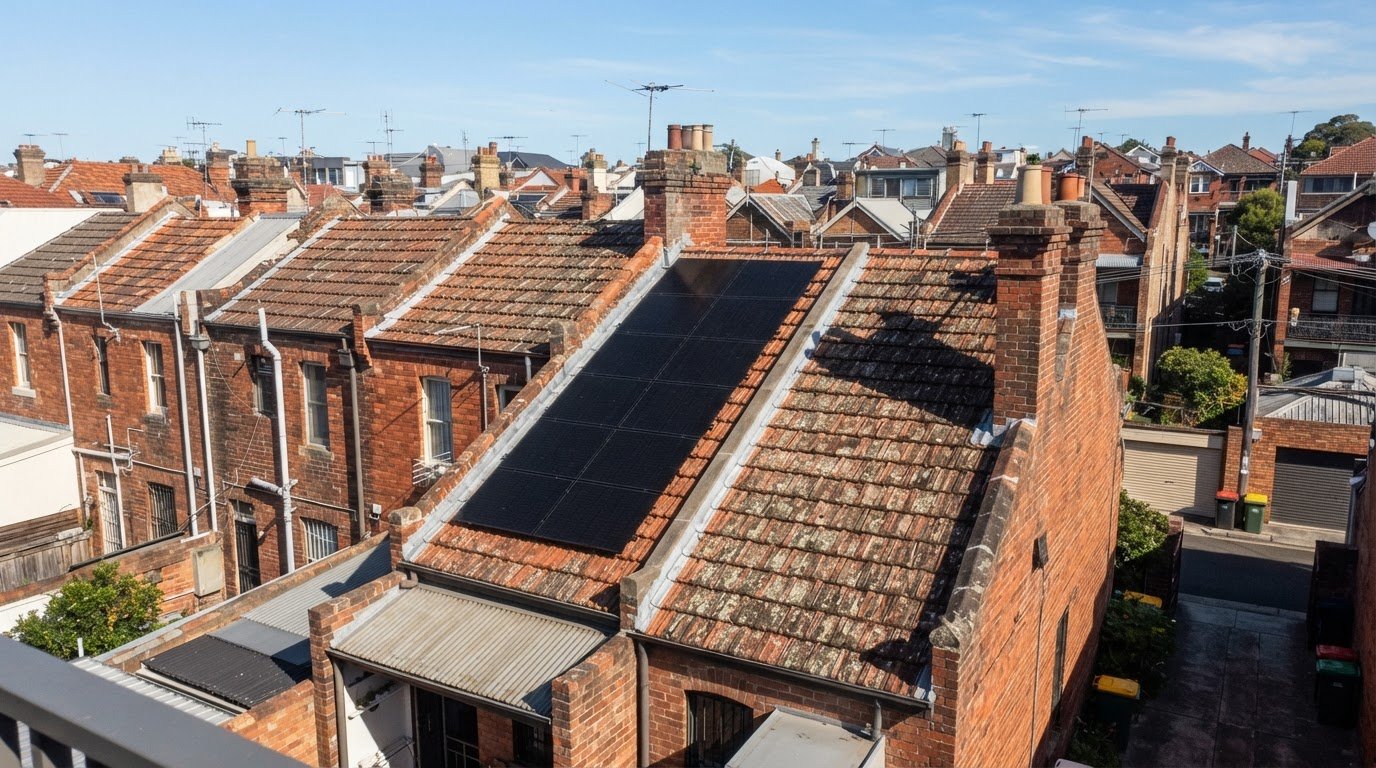
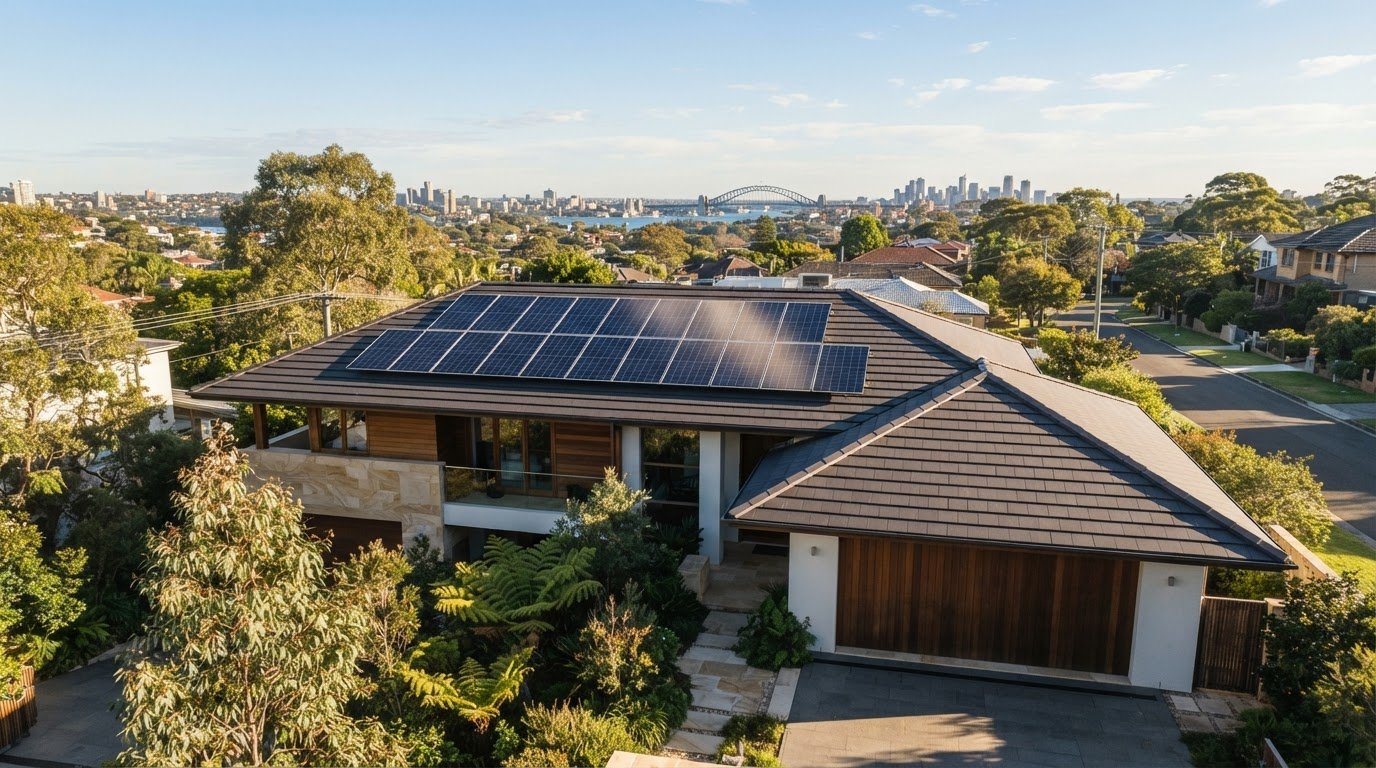
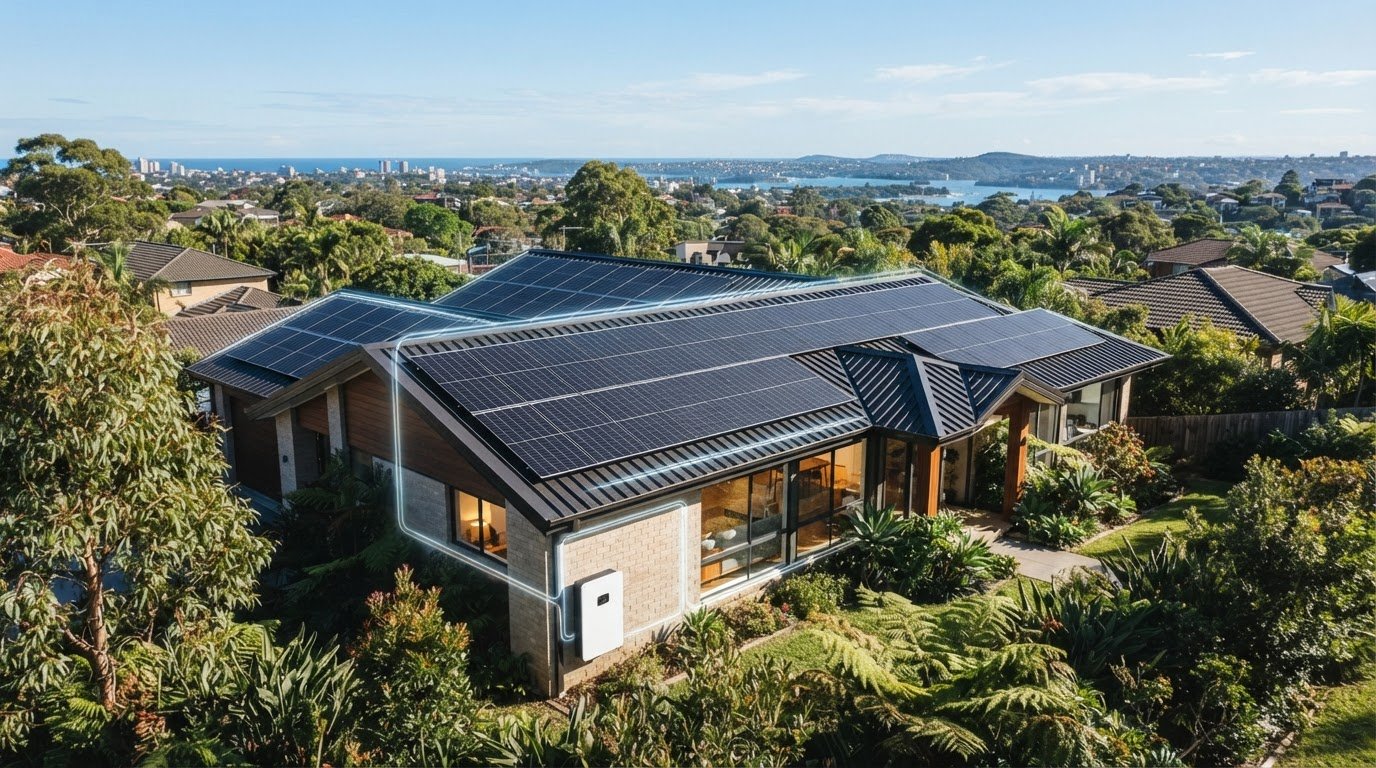
A small Inner West terrace can still support worthwhile solar. Inner West terrace houses can typically accommodate a 3kW to 6.6kW system, with roof orientation and shading shaping the usable capacity. For residential solar in Inner West Sydney, the roof layout and any heritage or planning controls also influence the design.
Limited roof space, neighbouring buildings and heritage features can make residential solar in Inner West Sydney feel less straightforward. But a compact roof does not automatically rule out solar. The key is identifying which roof sections receive useful sunlight and what restrictions apply to your property.
This guide explains how roof size, direction and shade affect system options, what to consider around heritage controls, and how to assess whether solar suits your household. You’ll also learn how a carefully designed system can make the most of available roof space while keeping safety and compliance in view.
Key Takeaways
- Inner West terraces can typically fit a 3kW to 6.6kW system, depending on roof direction, shade and usable space.
- Compare roof sections for sunlight and consider how neighbouring development could affect future output.
- Heritage status and visual impact can shape approval requirements, so understand the planning pathway before settling on a design.
- Match panels, inverter and battery storage to your roof layout and household energy use to make the most of the system.
Can you fit a worthwhile solar system on a small Inner West terrace?
Yes. Inner West terraces can typically accommodate a 3kW to 6.6kW system, depending on roof direction and shade. Panels, inverter capacity and battery choices should suit the roof and household energy use.
Solar and battery installation steps
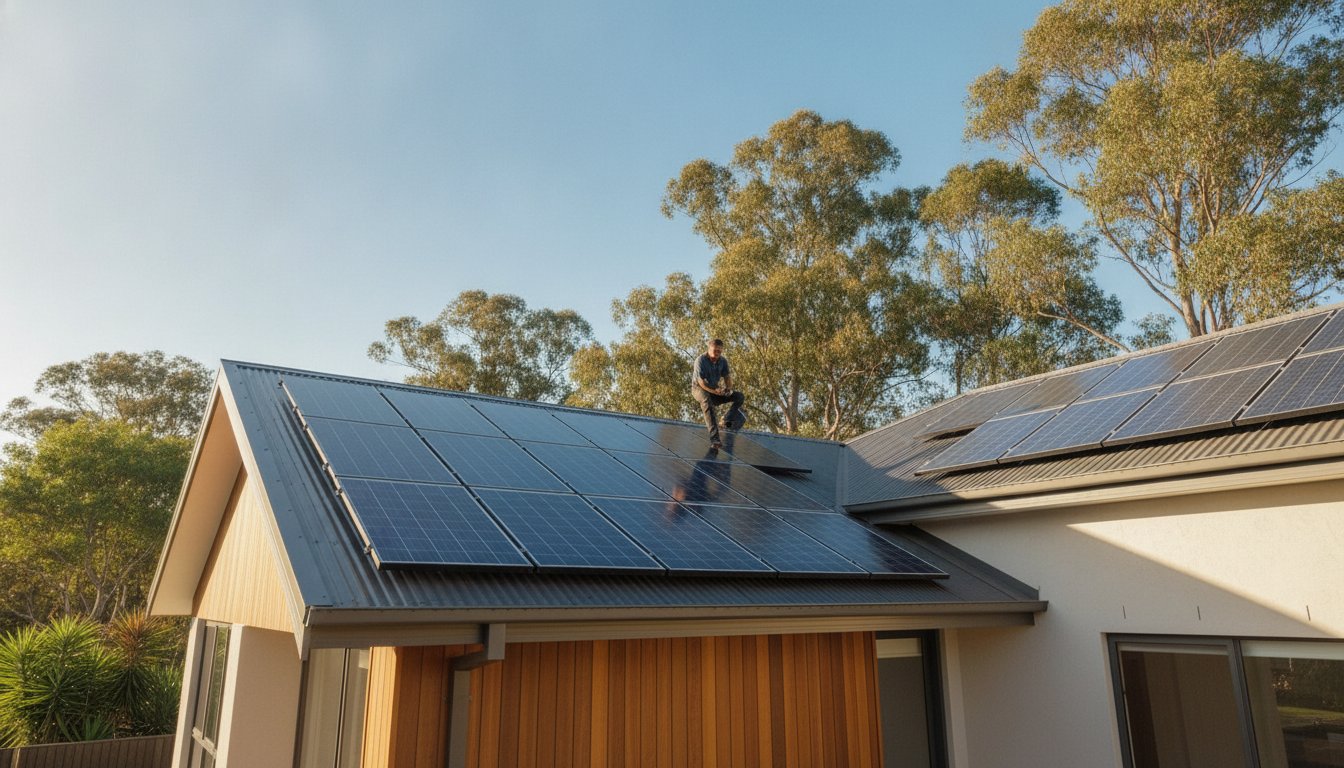
Start with a roof assessment: map usable sections, orientation, shade and potential future development. Then match panel capacity and inverter design to the roof, and review the switchboard and battery location. A split roof may require panels across different faces. The quote should clearly set out the equipment, installation work, warranty coverage and installer accreditation.
During installation, the panels, inverter and battery must be connected and tested as a system. For an existing array, assess its condition and compatibility before adding or replacing battery storage. Ask for the handover documents and a clear explanation of how the system operates.
Battery readiness and EV charging
A battery may be worthwhile if you use more electricity after sunset, as stored solar can help meet evening demand. Its value depends on your usage pattern, battery capacity, installation work and how much solar you would otherwise export. Battery costs vary with these project factors and are provided in a tailored quote.
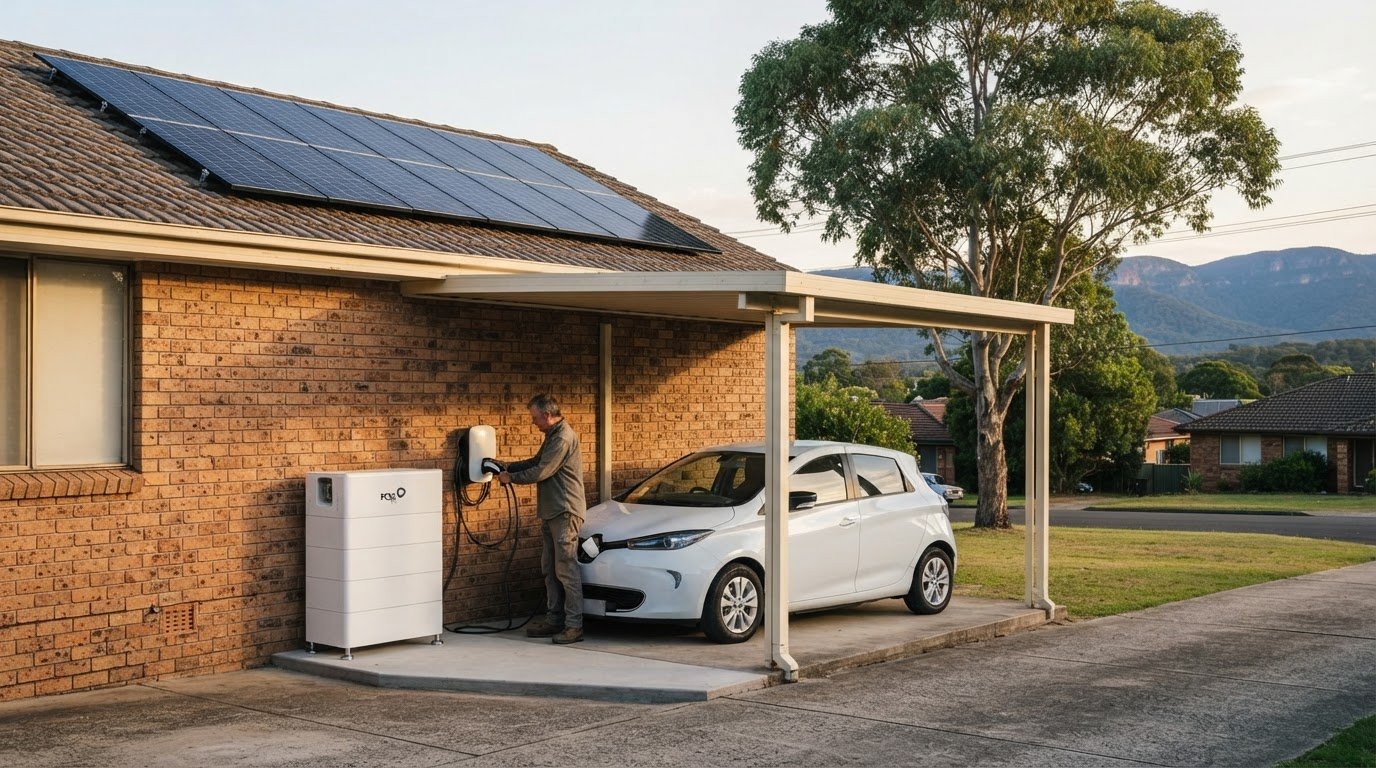
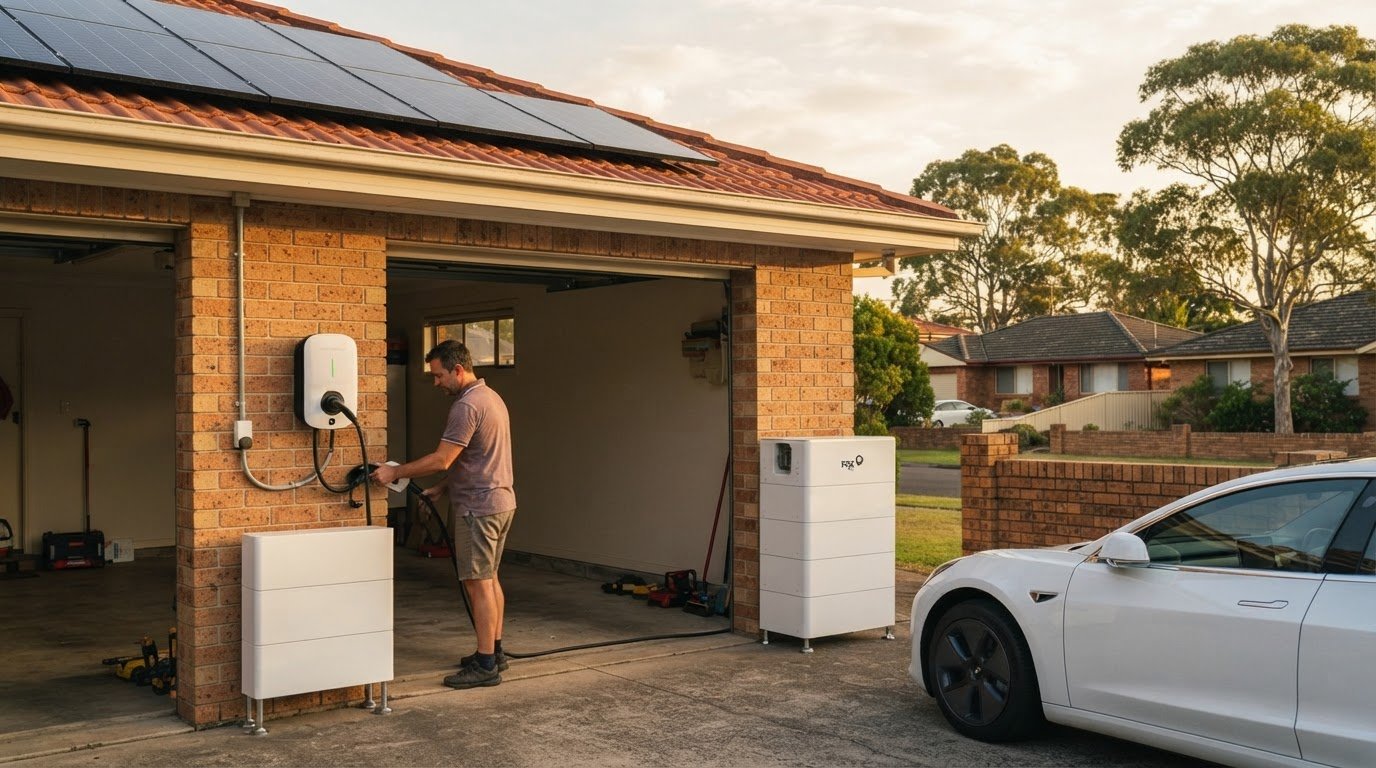
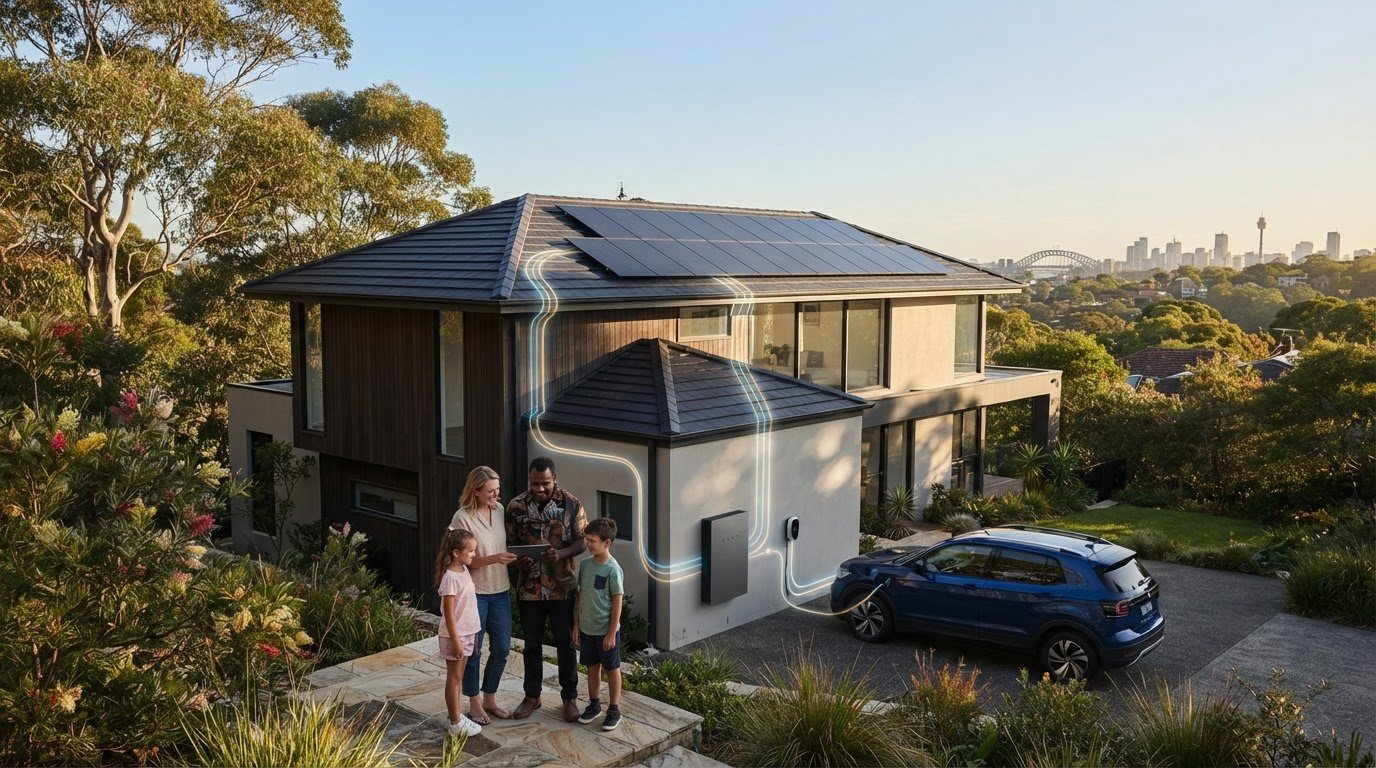
Plan for future EV charging by considering where the charger may sit and how household loads fit together. A battery-ready design should account for the inverter, switchboard and space for storage. Federal battery support and NSW programs may apply; the NSW Battery Rebate is $2,400 for a 10 kWh battery from May 2026.
Connection requirements and export limits
Ausgrid connection requirements can affect system approval and the amount of electricity exported to the grid. Systems over 5kW may have Ausgrid grid connection requirements, so include the connection process in the installation plan.
Export limits can reduce how much solar energy is sent to the grid when household use is low. This makes daytime self-consumption and battery storage important design considerations. Review the proposed connection arrangements and how the inverter will manage generation within approved export settings.
System risks and maintenance needs
Shade, debris and visible panel damage can affect generation. Inspect panels from the ground and keep nearby vegetation clear. Never climb onto a terrace roof or handle electrical equipment. If output changes or the inverter displays a fault, arrange a professional solar system assessment.
Before accepting a quote, compare the panel and inverter specifications, warranty terms, installation scope and accreditation details. Ask how a battery would connect to the existing system. A qualified installer can also identify switchboard or wiring issues that may affect safe operation.
Custom solar system design for homes and roof types
Residential solar in Inner West Sydney needs a design shaped around the roof, not a standard template. Inner West Sydney has 5 hours per day of peak sun hours, while actual generation also depends on system size, orientation, shade and operating conditions.
Roof types and custom system design
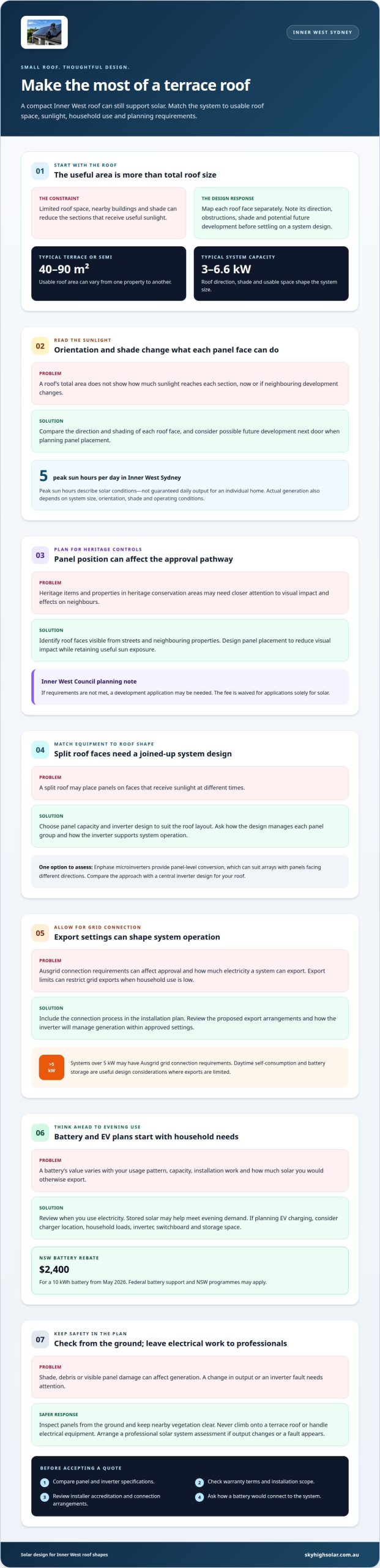
An Inner West terrace or semi typically has 40-90 m² of usable roof area. Measure each roof face separately, noting its direction, obstructions and potential shade. A split-array design can place panels on different faces, so inverter selection must suit the layout. Also consider whether neighbouring development could affect sunlight later. These details help determine which roof sections can contribute effectively.
Sizing for terraces and semis
Size the system to suit usable panel space and household electricity demand. Even a smaller array can be useful when the roof has limited clear area. Federal small-scale technology certificates can reduce upfront system costs for eligible installations. The final price depends on capacity, equipment, roof access and design complexity, and is provided in a quote. Compare written proposals by checking the stated system size and installation scope.
System sizes for Sydney households
For residential solar in Inner West Sydney, household routines matter as much as roof dimensions. Review your bills to see how much electricity you use during daylight and in the evening. Generation depends on system capacity, roof direction, shade and weather. Peak sun hours describe solar conditions, not a guaranteed daily output for every home.
Inverter selection and system optimisation
Choose an inverter to match panel capacity, roof faces and any planned battery. Arrays facing different directions can generate at different times, so ask how the design manages each panel group. Check that the quote names the inverter and explains its role in system operation. A clear solar system design makes equipment choices and expected system behaviour easier to assess.
Solar panel heritage and planning restrictions
Heritage items and properties in heritage conservation areas need closer attention. Inner West Council advises reducing visual impact and limiting effects on neighbours. If requirements are not met, residents may need to submit a development application. The development application fee is waived for applications solely for solar.
Before choosing equipment, identify roof faces visible from streets and neighbouring properties. Position panels to reduce visual impact while preserving useful sun exposure. A compact roof may require panels on less prominent sections. Record roof obstructions, nearby trees and sightlines in the design brief. These details guide panel placement and help shape the approval pathway.
Inverter design also affects how a compact array performs across different roof faces. Enphase microinverters provide panel-level conversion, which can suit arrays with panels facing different directions. Compare this approach with a central inverter design based on your roof layout. The quote should identify the inverter type and explain how the proposed arrangement addresses shade and orientation.
Choose panels with the available roof area, appearance and system design in mind. Enphase, Tesla and FOX ESS are equipment brands associated with solar and energy systems. Check that the quote names the panels, inverter and any battery components. Specifying the equipment makes proposals easier to compare, especially when heritage considerations limit visible panel placement.
Use a practical approval sequence: identify heritage status, map visible roof areas, then settle the equipment layout. Residents can call Inner West Council duty planners on 9392 5000 to check whether solar approvals are needed. Keep the council’s guidance with the design documents. That gives the installer clear planning constraints before finalising panel positions and equipment locations.
Inner West Sydney solar services
For residential solar in the Inner West, useful support can include a new rooftop installation, system assessment or ongoing servicing. Start with your property’s current setup: roof layout, electricity use, switchboard condition and existing equipment. These details help define the work required, whether you’re planning panels for a terrace or addressing a system that is not performing as expected.
For a new installation, organise the project around clear decisions. First, document household electricity use and note when major appliances run. Next, assess the roof and identify suitable panel areas. Then compare the proposed equipment, installation scope and expected system operation in the written quote. This sequence helps you understand how the design fits your home before work begins.
Existing systems need a different assessment. A solar system more than five years old can be reviewed for optimisation or a battery retrofit. The assessment can consider its equipment, performance records and compatibility with planned upgrades. Keep previous quotes, product information and service records together; these give the technician useful context about the installation.
Household usage data can also guide system decisions. Ausgrid half-hourly interval data can provide up to 12 months of electricity readings. Use those readings to identify daytime consumption, evening demand and changes in household routines. For example, regular daytime use may affect how much solar electricity you consume directly, while evening demand can inform storage planning.
Before work starts, make sure the written scope identifies the equipment, electrical work and handover information. After installation or servicing, keep system documents and note any changes in performance. If your rooftop system needs a tailored assessment, arrange a solar system review as the next step.
Sky High Solar and Electrical: 6.6kw Solar Panel Installation
Sky High Solar and Electrical can help turn a terrace roof assessment into a practical solar installation plan. Its 6.6kw Solar Panel Installation and 10kw Solar Panel Installation options provide different capacities for residential properties, depending on roof layout and household needs.
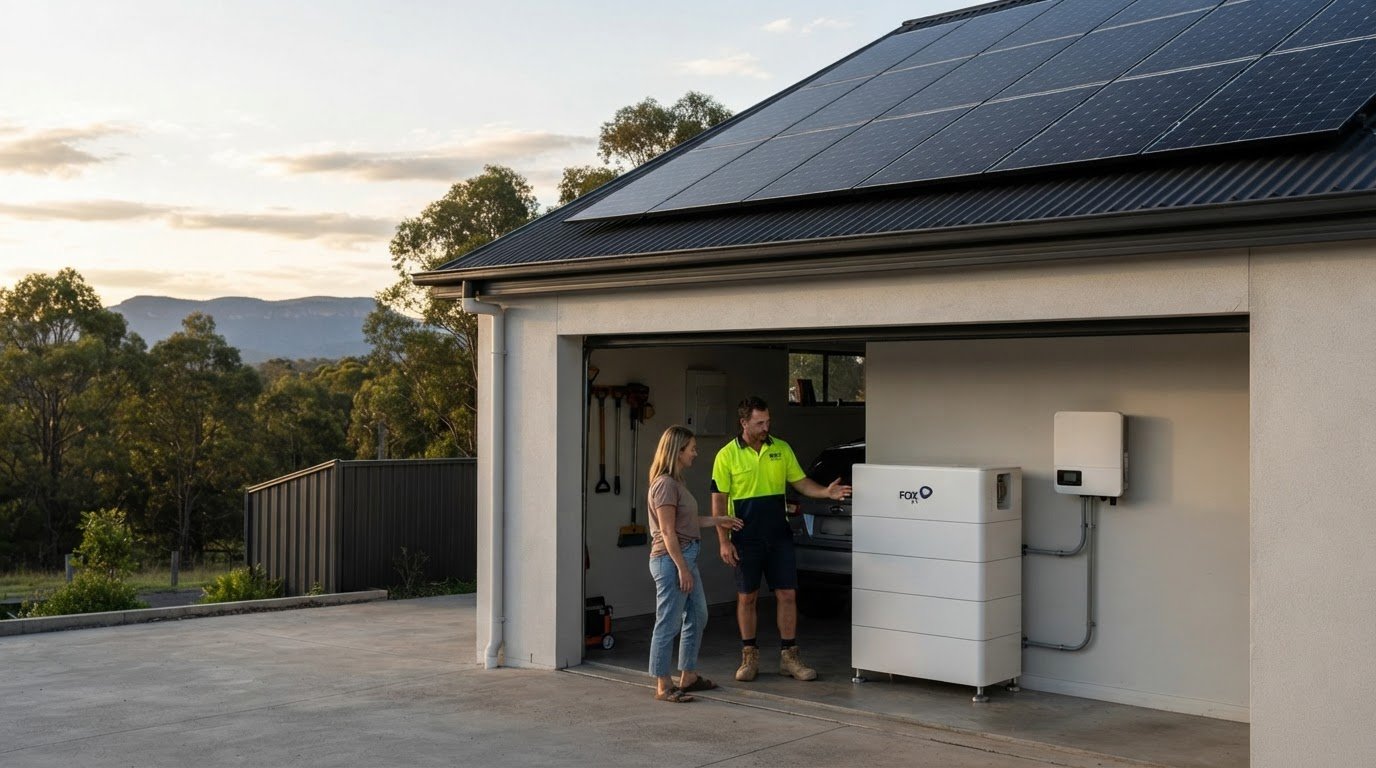
If you’re planning to add storage, the FOX ESS CQ7 High Voltage Storage Battery is another available option. For a home energy design that also considers EV charging, the SigenStor Integrated Solar Inverter & EV DC Charger brings those requirements into the system plan.
Share your roof details, electricity use and future plans when discussing a project. This helps shape a design around your available space and equipment needs. Contact Sky High Solar and Electrical to discuss residential solar for your Inner West home.
Turn your roof assessment into a clear next step
For residential solar in Inner West Sydney, start by gathering the details that will shape a practical design. Note your roof’s usable sections, shaded areas and any heritage considerations. Add a recent electricity bill and a short list of future plans, such as adding a battery or charging an electric vehicle.
These details help focus the discussion on your home rather than a generic system proposal. Bring any existing solar documents or council guidance too, so roof constraints and equipment choices are considered from the outset.
Sky High Solar and Electrical can help translate those project details into a suitable solar plan for your terrace. Take the next step when you’re ready: discuss your solar project. A thoughtful design process can make your available roof space work harder and give you a clear basis for deciding how to proceed.
Frequently Asked Questions
Are solar rebates available for Inner West homeowners?
Eligible households may be able to factor federal small-scale technology certificate support and applicable NSW programs into their solar decision. Ask for applicable incentives to be shown separately from the system cost, so you can see the upfront amount payable. Compare proposals with the same equipment scope and account for eligibility conditions before choosing a system.
Does neighbouring building shade affect solar in the Inner West?
Yes. Nearby buildings can shade panels and reduce the sunlight reaching them. The effect varies by roof face and time of day, so note where shadows fall in the morning and afternoon. Consider whether proposed neighbouring development could change your roof’s exposure later. These observations help identify panel positions with clearer access to sunlight.
Ready to lower your Inner West power bills?
Start by checking when your household uses the most electricity. If you can run appliances such as a washing machine or dishwasher during daylight, they may use solar generation as it occurs. Review your bills and daily routine, then use that information to plan a system around your consumption. A clear picture of your usage makes the design discussion more useful.
Which Inner West suburbs do you install in?
Sky High Solar and Electrical serves Inner West Sydney and surrounding suburbs, specialising in terrace and residential properties across the region. For a local enquiry, include your suburb and a brief description of the property. Mention whether the home already has panels or battery storage to focus the discussion on the installation or system work you’re considering.
Why Go Solar at Home?
Solar lets your household generate electricity on site, which can reduce reliance on grid-supplied power and contribute to a lower-emissions energy mix. The benefit partly depends on matching generation with household use: running suitable appliances during sunny hours can help you use more power directly. Consider your routine and roof conditions when deciding whether solar suits your home.
What is the average cost of residential solar panel installation in Sydney’s Inner West?
There is no single average price that reflects every Inner West home. The cost depends on the project and is provided in a quote. Factors include system capacity, panel and inverter choices, roof access, split-array design, switchboard work and battery inclusion. Compare written proposals by checking the equipment, electrical work and installation scope to see what each covers before deciding.