

 Sydney
 0452 243 240
Blog
Strata Approval for Solar Panels in Sydney: A Guide

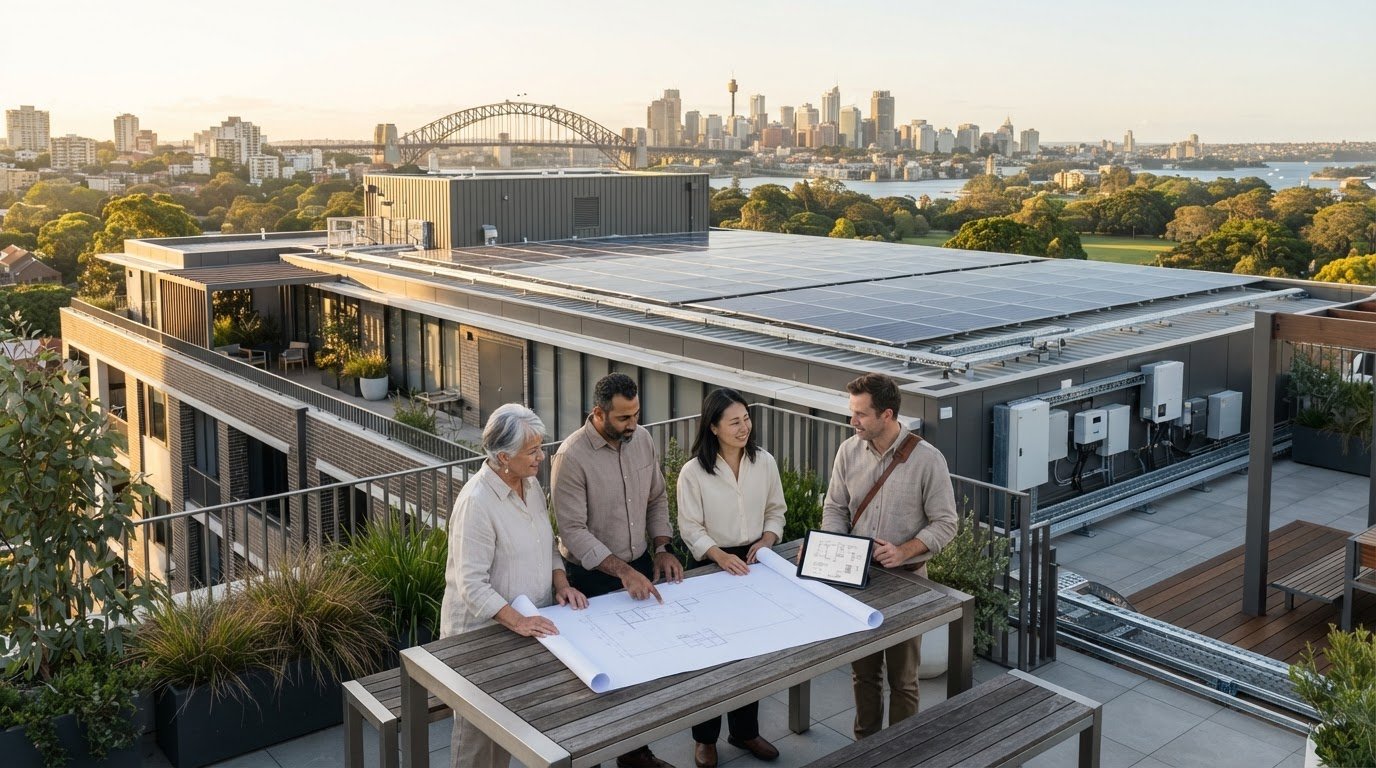
Getting strata approval for solar panels Sydney starts with a proposal that answers neighbours’ concerns before the owners corporation has to ask. A shared roof can make the decision feel complicated, especially when you’re unsure who can approve the work, how costs might be shared or whether other permissions are needed.
This guide explains how to identify the right approval pathway for your building and make a clear, well-informed case. Strata consent is one part of the process. Electrical, network, metering and planning requirements may also need to be checked for your specific site.
You’ll learn what to prepare, including the proposed system design, roof access, how electricity will be used and who will be responsible for ongoing costs and maintenance. We’ll also compare common strata solar models and the questions to resolve before choosing an installer. A technically informed proposal and a clear understanding of the steps ahead can help your owners corporation assess the idea on practical grounds.
Key Takeaways
- Getting strata approval for solar panels Sydney starts with understanding how the proposal affects shared property and what decision process applies to your scheme.
- Compare solar options by considering roof access, metering, maintenance responsibilities and how costs and benefits could be shared.
- Build a clearer application with scheme records, a site assessment and practical technical details. Avoid promising system output or savings before assessment.
- Before installation, confirm the scheme’s consent conditions, approved plans and access arrangements, then check which electrical, network, planning or metering requirements apply.
- A qualified solar installer can help explain the technical proposal. Confirm strata consent and any other required approvals before work begins.
Getting strata approval for solar panels Sydney: what to establish first
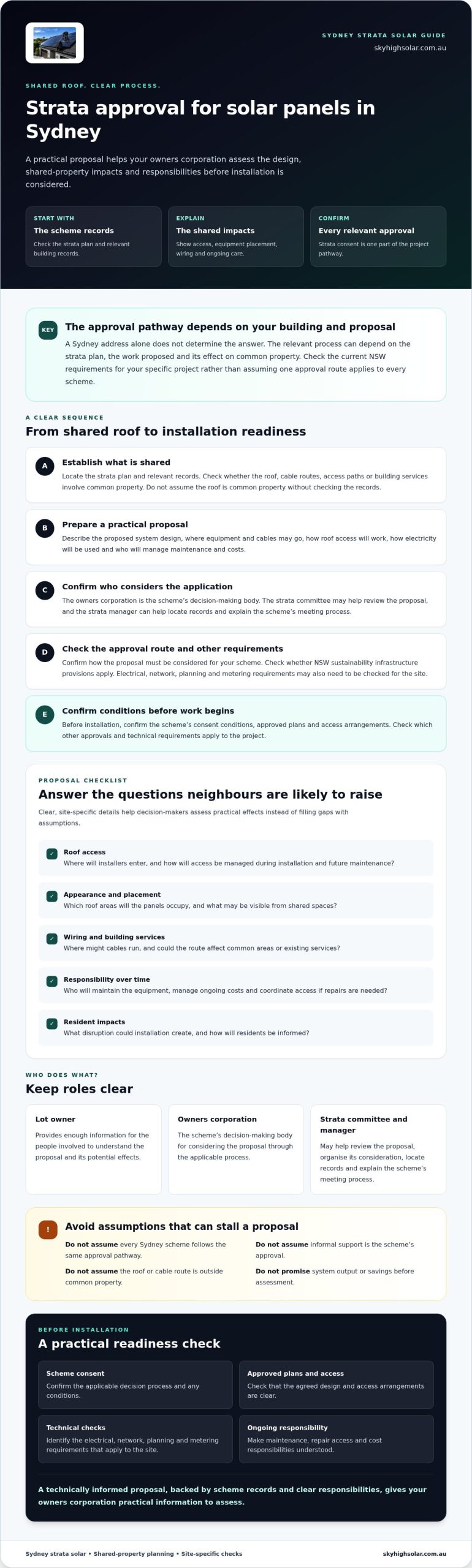
Before comparing equipment or seeking quotes, check how the proposed work relates to the building’s common property and scheme records. Then confirm the process for having the proposal considered. The details will depend on the building and the work, so don’t assume that one approval pathway applies to every Sydney strata scheme.
Why getting strata approval for solar panels in Sydney starts with the shared roof
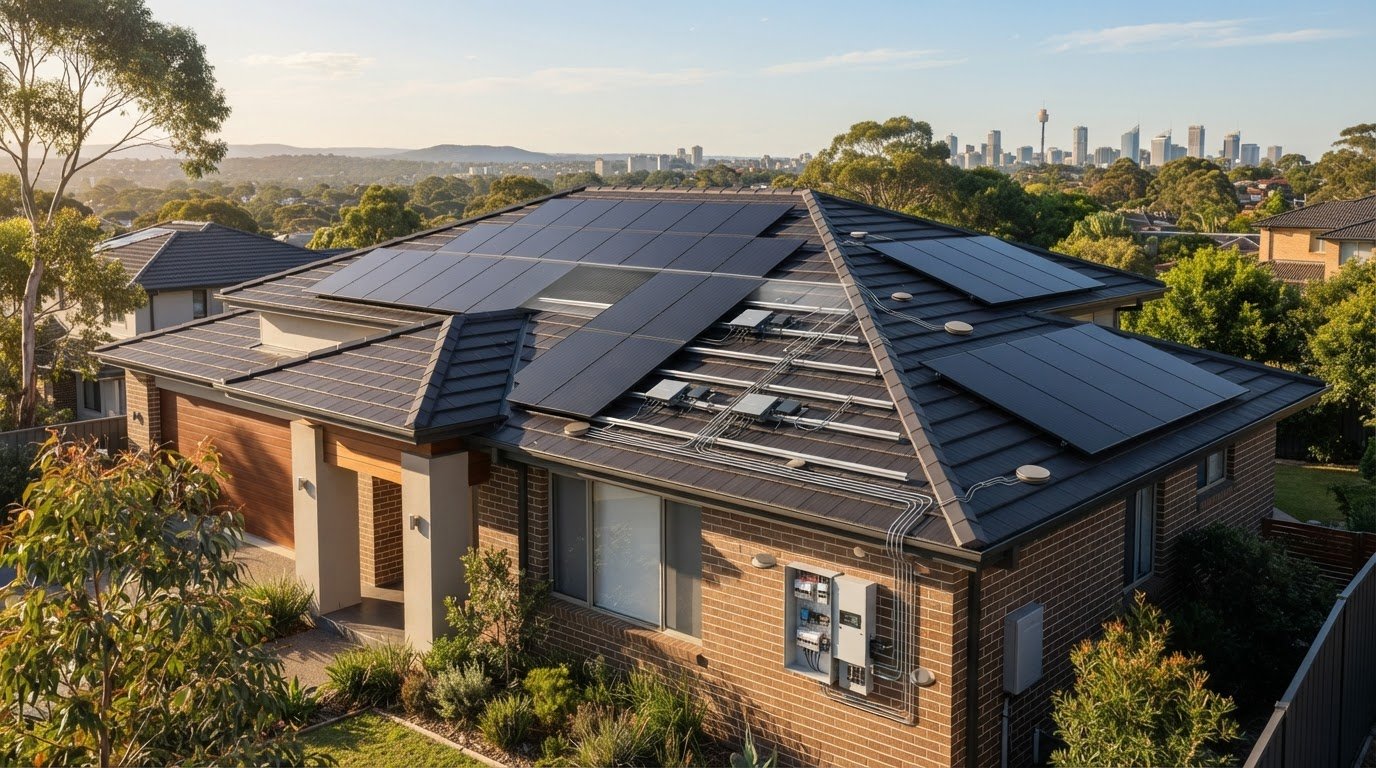
A solar proposal can make practical sense for residents and still need the scheme’s consent. In a strata building, panels may affect areas or services shared by owners. Decision-makers need to know where equipment will go, how installers will access it and who will manage the system over time.
Strata approval is the scheme’s decision about proposed work that may affect common property or the interests of owners. The precise approval pathway depends on the building, the proposal and current NSW requirements. A Sydney address alone doesn’t determine the answer: buildings can have different strata plans, property boundaries and arrangements for using shared areas.
Does a shared roof change the solar approval process?
Strata title separates individual lots from areas held or managed in common, though the legal boundaries for a particular building depend on its strata plan. A roof may be common property, but don’t assume that it is. Check the records. An exclusive-use arrangement or shared building services may also affect how the space can be accessed or altered. For background on the structure, see this explanation of strata title.
Ask the strata manager to help you locate the strata plan and relevant records, then check the roof and proposed cable routes against them. This matters even if the panels are intended to benefit one lot. Fixings, conduits or access paths could involve shared areas or services.
Who needs to be involved in a Sydney strata scheme?
The owners corporation is the scheme’s decision-making body. The strata committee may help review a proposal and organise its consideration, while the strata manager can help locate records and explain the scheme’s meeting process. The lot owner proposing the work needs to provide enough information for those involved to understand the proposal and its potential effects.
Confirm who should receive the proposal and how it must be considered before treating informal support as approval. The correct process can vary with the work and its impact on common property. Verify the applicable NSW requirements for your specific proposal rather than assuming a particular vote or resolution applies.
Make the shared-property questions clear from the outset. Decision-makers will want to assess practical impacts, not just the panel layout:
- Roof access: Where will installers enter, and how will access be managed during installation and future maintenance?
- Appearance and placement: Which roof areas will panels occupy, and what will be visible from shared spaces?
- Wiring and services: Where might cables run, and could the route affect common areas or existing services?
- Ongoing responsibility: Who will maintain the equipment and coordinate access if repairs are needed?
- Resident impacts: What disruption could installation create, and how will residents be informed?
Clear answers help the scheme assess the proposal on its design and effects, rather than having to fill gaps with assumptions. They also provide a sound starting point for confirming the right approval pathway.
Which NSW strata approvals and solar checks may apply?
Strata consent is only one part of a solar project. The approval route depends on the work proposed, its effect on common property and the NSW requirements that apply to the scheme. A system attached to a shared roof, with cables routed through common areas, may raise different questions from equipment installed wholly within an individual lot.
Some solar proposals may fall within NSW’s sustainability infrastructure provisions. NSW Fair Trading explains the relevant sustainability infrastructure resolution and its voting requirements. Check whether that pathway applies to your proposal and what process the scheme must follow against current official guidance and the project details. Don’t assume that a particular resolution or informal agreement is sufficient.
How do common-property works affect the approval pathway?
Decision-makers may need to consider more than panel placement. Roof fixings, penetrations, cable routes, inverter or battery locations and installer access can all affect shared property. Depending on the work and current NSW law, a proposal may require a by-law or another form of formal approval. Ask the strata manager to identify the relevant scheme records and process. If the position is unclear, seek advice from a qualified strata professional.
Before you commit: Confirm the approval pathway with the scheme before ordering equipment or scheduling installation. Approval conditions can affect the design, access arrangements and work plan.
Which separate solar compliance checks should you confirm?
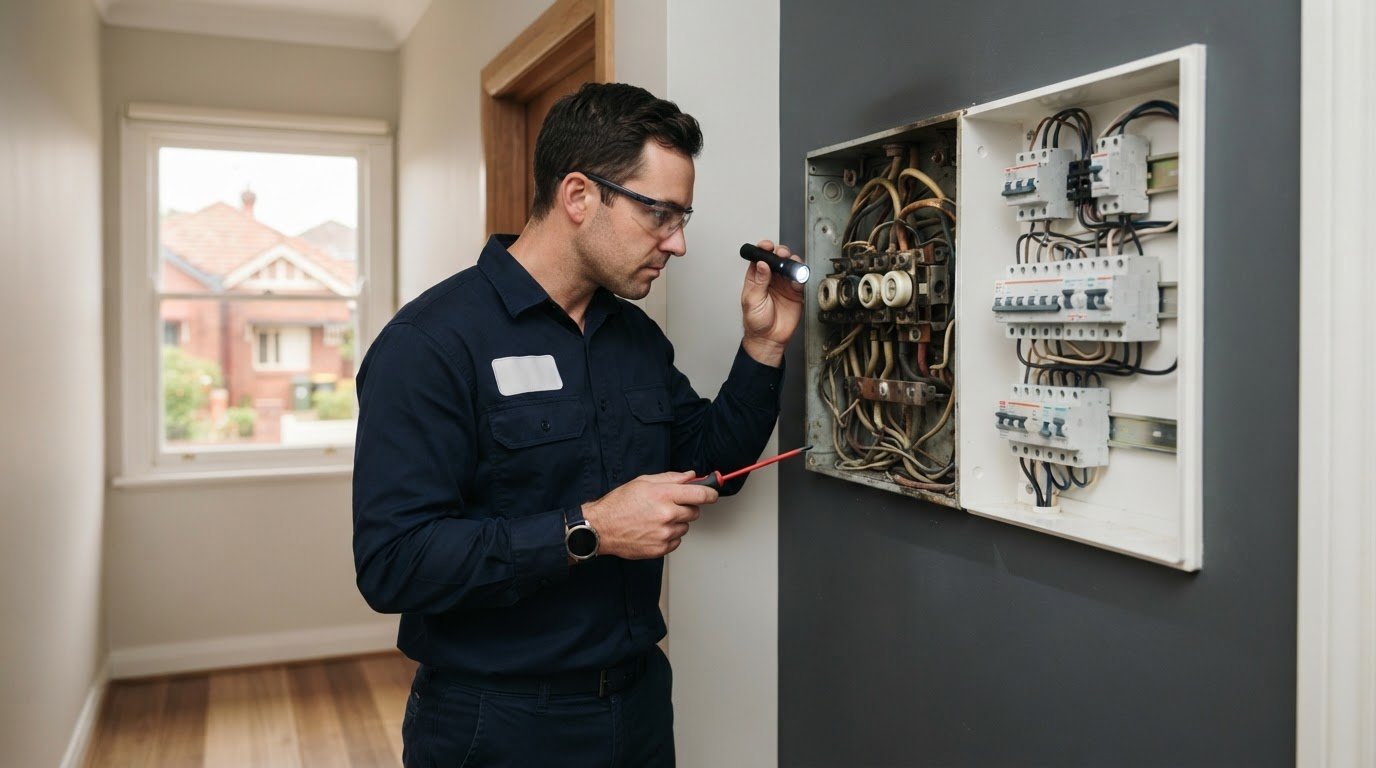
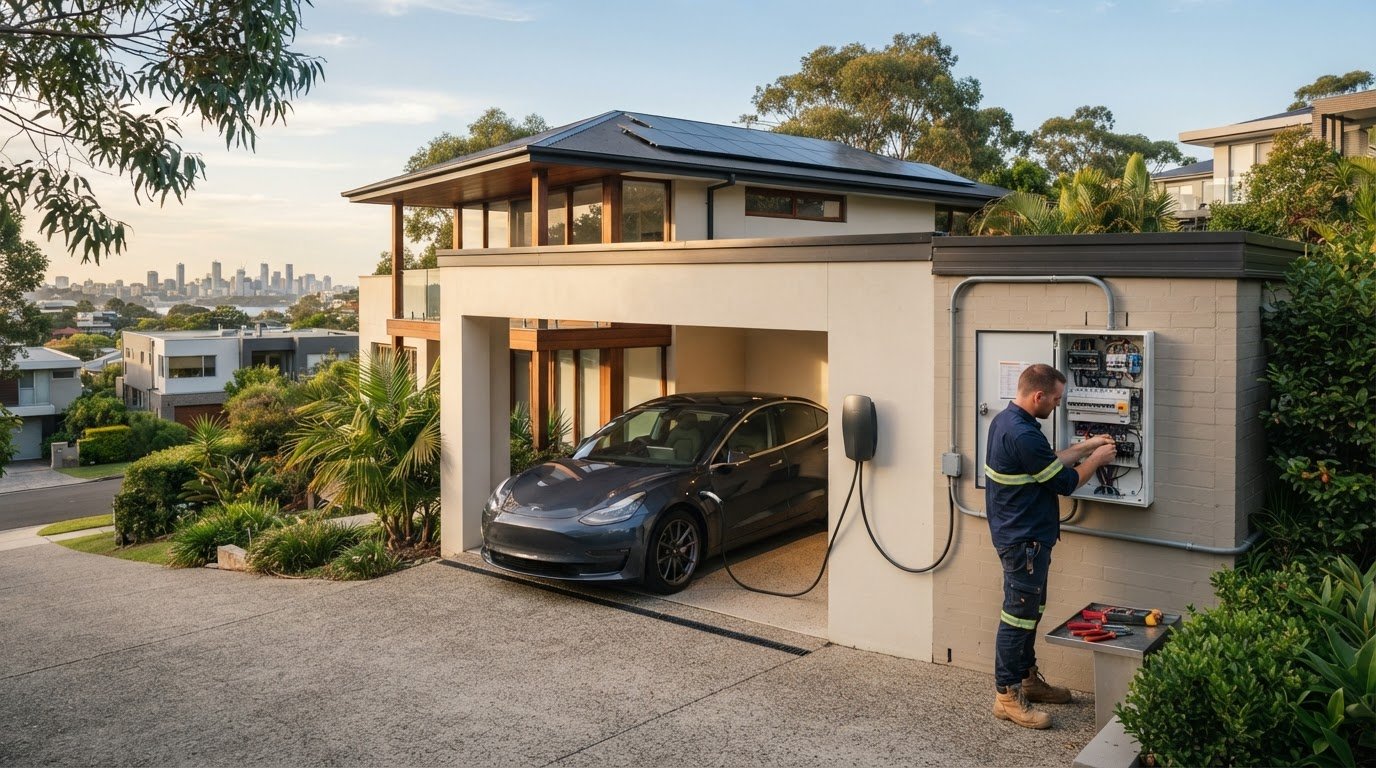
Owners corporation consent doesn’t replace technical or other approvals. Before installation, ask an appropriately licensed installer to assess the proposed electrical design and site-specific safety requirements. Confirm whether the local electricity distributor has connection or export requirements for the building, and whether metering changes are needed for the way solar electricity will be used or allocated.
Planning and building controls are separate considerations. Don’t assume rooftop panels are exempt. Check whether requirements apply to the property and proposed work, particularly if the building has site-specific constraints. Getting strata approval for solar panels Sydney schemes can involve several checks, so keep each one distinct and confirm who is responsible for it.
- Strata: Confirm the scheme’s consent process and any conditions.
- Electrical: Have the design and safety requirements assessed by an appropriately licensed installer.
- Network and metering: Check connection, export and metering requirements for the site.
- Planning and building: Verify whether any approvals apply before work is scheduled.
Once the scheme has indicated the appropriate pathway, a solar installer can help prepare technical information for consideration. For example, Sydney solar installation expertise can help clarify design and electrical questions, without replacing strata, planning or network advice.
Compare solar proposals by roof access, costs, and shared benefits
A proposal is easier to assess when it shows who the system serves, which shared areas it uses and how ongoing responsibilities could work. The right arrangement depends on the building’s roof, electrical setup, strata records and resident needs. An individual system may suit some townhouse-style lots, while a shared system or staged installation may be feasible elsewhere. Don’t assume one model fits every scheme.
What should residents compare before choosing a proposal?
Compare the panel area, equipment locations and cable routes, along with any effects on shared spaces. Ask how generation will be used, how consumption will be measured and how costs, responsibilities and potential benefits could be allocated. Solar may reduce grid electricity use for the loads it serves when generation and consumption align, but the environmental and financial outcomes depend on the building and system design. Treat estimates as assumptions for discussion, not guaranteed results. A 6.6kW solar system guide offers general context. A site assessment is needed to understand what may suit the building.
| Proposal type | Responsibility and access | Metering and benefit questions | Maintenance questions |
|---|---|---|---|
| Individual lot-owner systems | Who owns the equipment, and what roof access or shared cable routes are needed? | How will each system’s generation and the lot’s consumption be measured? | Who arranges repairs and access if equipment is on or reached via shared property? |
| Shared system for common areas | Who oversees the shared installation and access to its equipment? | Which shared loads will use the solar electricity, and how will its value be assessed? | Who coordinates inspections, repairs and contractor access? |
| Shared system serving apartments | How will installation and ongoing access be managed across the building? | How will generation, consumption and any shared benefits be allocated among participating lots? | Who is responsible for maintenance, and how will residents be notified about work? |
| Staged approach, if technically feasible | Can the proposed stages use the roof and electrical infrastructure as planned? | How will metering and benefit allocation work at each stage? | Will later work affect access to or maintenance of earlier equipment? |
For eligible apartment buildings, the NSW Government’s Solar for Apartment Residents (SoAR) grant may help fund shared rooftop solar. The standard grant offers matched funding of up to 50% of project costs, capped at A$150,000. A Boost grant in selected suburbs may cover up to 80%, capped at A$200,000. Eligibility and funding availability can change, so check current programme rules before relying on support.
How should a proposal address ongoing access and maintenance?
Set out who would arrange inspections, cleaning where needed, repairs and safe access after installation. Explain how contractors would enter common property and how residents will be notified about work. If the proposal includes battery storage, clarify its proposed location, access and maintenance responsibilities. See the solar battery storage guide for general context.
Before presenting options to decision-makers, list confirmed details separately from items requiring assessment, such as final system size, output, metering design and cost allocation. This gives the owners corporation a practical basis for comparing proposals and shows what an installer needs to assess before the scheme considers next steps.
Prepare a strata solar application Sydney decision-makers can assess
A clear application helps owners understand what’s proposed, how it could affect shared property and which questions still need answers. Start with the scheme’s records, then develop the technical details with an installer. Don’t present preliminary figures as guaranteed system size, output, savings or installation timing. A site assessment is needed to establish what may be practical for the building.
What documents make a solar proposal easier to assess?
Build the application in an organised sequence. Check with the strata manager about submission requirements, meeting procedures and any documents they want included. Then prepare a scope and preliminary layout that decision-makers can review, rather than relying on a broad description of the idea.
- Review scheme records: Gather the relevant strata plan, by-laws and available information about roof areas, services and previous works.
- Arrange a site assessment: Ask an appropriately qualified installer to assess the roof and electrical context before settling on system details or making performance claims.
- Show the proposed layout: Provide a marked-up plan indicating panel areas, equipment locations, cable paths, roof access and work zones.
- Describe the work: Include the proposed scope, preliminary equipment specifications and installation method. Note any details that still need confirmation.
- Explain management arrangements: Set out proposed safety controls, access arrangements, maintenance responsibilities and how residents will be told about work.
- Confirm supporting documents: Ask the strata manager what installer licensing and insurance details the scheme requests, then attach the relevant information.
- Check the process: Ask the strata manager what notice, meeting and submission procedures currently apply, and request confirmation of the correct decision process for this proposal.
How can you address common objections before a meeting?
Include a short question-and-answer summary that deals directly with likely concerns. Explain how the proposed installation method will address roof fixings and penetrations, what equipment may be visible, whether work could create noise or restrict access, and how future repairs would be arranged. If an answer depends on a site assessment or further approval, say so rather than guessing.
Be equally clear about ownership and cost allocation. State who is proposing to own or manage the system and how the proposal suggests costs and any shared benefits could be handled. Don’t imply that other owners must contribute unless that arrangement has been established. Separate confirmed information from estimates and unresolved questions so readers can see what needs a decision.
For getting strata approval for solar panels Sydney, a practical application gives the scheme enough detail to assess the proposal without overstating what’s known. Once you’ve checked the scheme’s process, discuss a Sydney solar proposal with an installer who can help clarify its technical scope.
After strata approval: confirm Sydney solar installation and compliance steps
Owners corporation consent allows the proposal to move forward within the scheme, but it doesn’t replace any electrical, network, planning or metering approvals that may apply. Treat these as separate checks. Before work is booked, confirm what the site and approved design require, and make sure the installation plan reflects the scheme’s recorded decision and any conditions.
What should happen before installation begins?
Ask the installer to compare the final design with the plans and scope considered by the owners corporation. If equipment locations, cable routes, roof access or work areas have changed, pause and check whether the scheme needs to review the change before work proceeds.
Confirm practical arrangements with the strata manager and installer. Establish what network approvals and electrical work arrangements are required for the building, and whether resident notices need to be given. Agree how contractors will access common property, protect shared areas and raise onsite issues. Keep a copy of the agreed access plan so residents and contractors understand the arrangements.
Professional installation and a post-installation review help check that the completed work aligns with the approved plans and applicable project requirements. Confirm in advance what that review will cover, who will carry it out and what records will be provided. Strata consent alone does not show that technical or regulatory checks have been completed.
What records should the owners corporation retain?
Keep the decision record, approved plans and any conditions together with relevant installation and compliance documents. These records give the scheme a useful reference if future maintenance, repairs or questions about the approval arise. Confirm with the installer which records apply to the completed work and with the strata manager how they should be stored.
- Approval: The owners corporation’s decision, approved scope and any conditions.
- Installation: Final plans and information about equipment locations and access.
- Product and work documents: Applicable warranties and electrical compliance records.
- Ongoing arrangements: Maintenance responsibilities, contractor access and resident communication details.
Ask whether a certificate of compliance electrical work (CCEW) is required for the completed work, and confirm the project’s documentation requirements with the installer. Record who is responsible for future maintenance and how access to shared areas will be arranged.
With these steps confirmed, getting strata approval for solar panels Sydney residents can pursue moves from a scheme decision to a carefully planned installation. To discuss the technical side of a Sydney strata solar proposal, contact Sky High Solar and Electrical.
Take the next step towards a well-planned strata solar project
Getting strata approval for solar panels Sydney starts with a proposal that addresses shared-property concerns and makes the decision process clear. Check the scheme’s records and confirm the right approval pathway, then compare system options by access, responsibilities, metering and how costs or benefits may be allocated.
Before installation, remember that strata consent is separate from any electrical, network, planning or metering checks that may apply. A site assessment can help shape a realistic design, while clear plans and documented responsibilities give the scheme a practical basis for considering the proposal.
Sky High Solar and Electrical provides solar installation and electrical services in Sydney, including 6.6kW and 10kW solar systems, battery storage solutions and solar system servicing. For help clarifying the technical scope of your proposal, discuss a Sydney strata solar proposal with Sky High Solar and Electrical.
Frequently Asked Questions
Do I need strata approval to install solar panels in Sydney?
You may need the owners corporation’s consent if the proposed panels or installation work affect common property or the interests of the scheme. Roof ownership, cable routes, equipment locations and access arrangements can all matter, and the strata plan helps identify property boundaries. The required process depends on the proposal and current NSW requirements. Check scheme records and ask the strata manager to confirm the applicable decision pathway before arranging work.
Can a strata committee approve solar panels without an owners corporation decision?
Don’t assume the strata committee can give final approval on its own. Its role depends on the scheme’s arrangements and the decision process required for the proposed work. Ask the strata manager whether the proposal needs to go to the owners corporation and what meeting or submission process applies. If the authority to decide is unclear, seek advice from a qualified strata professional before treating committee support as consent.
How do I apply for strata approval for solar panels?
Start by checking the strata plan, relevant scheme records and submission process with the strata manager. Arrange a site assessment, then prepare a proposal showing the preliminary panel layout, equipment locations, cable routes, roof access, installation method and ongoing maintenance responsibilities. Include how costs and benefits may be allocated, and identify details that still need confirmation. Ask the strata manager to confirm the correct decision process before submitting it for consideration.
Can one apartment owner install solar panels on a shared roof?
Possibly, but an individual owner shouldn’t install panels on a shared roof without first confirming property boundaries and obtaining any required scheme consent. The strata plan, any exclusive-use arrangements and the proposed fixings, wiring and access can affect the pathway. A proposal intended to benefit one lot may still involve common property. Check the scheme records and ask the strata manager what approval is needed for the specific design.
What information should a strata solar proposal include?
Include a clear scope, preliminary system layout and equipment information, with a marked-up plan showing panel areas, cable paths, equipment locations, roof access and work zones. Explain safety arrangements, resident communication, maintenance responsibilities, and how costs and benefits could be shared. Note any assumptions and items needing further assessment rather than presenting estimated output, savings or timing as certain. Ask the strata manager which supporting documents the scheme requires.
Does strata approval mean I can start installing solar panels?
No. Strata consent doesn’t replace any electrical, network, planning, building or metering checks that may apply to the specific Sydney property. Before work begins, confirm that the final design matches the approved plans and conditions, and check required approvals with the relevant installer or authority. Agree on contractor access, protection of common areas and resident notices. Keep records of applicable compliance documents and confirm whether a certificate of compliance electrical work (CCEW) is required.
What happens if the owners corporation rejects a solar proposal?
Ask for the decision and any reasons to be recorded through the scheme’s process, then clarify which concerns influenced the outcome. They may relate to access, equipment placement, maintenance, costs or unresolved technical questions. You could revise the proposal to address those issues and ask the strata manager how a new submission should be made. If you believe the process wasn’t followed correctly, seek advice from a qualified strata professional rather than assuming the decision can be disregarded.
Can a strata building share the electricity generated by rooftop solar?
Yes, a building can consider different arrangements, such as using shared solar for common-area loads or designing a system to serve participating apartments. How electricity is measured and allocated depends on the system design, metering and the building’s arrangements. A site assessment can help establish what may be technically feasible, while the proposal should explain how residents could benefit and who would manage the system. Don’t assume one model suits every scheme.