

 Sydney
 0452 243 240
Blog
Is 6.6kW Solar Enough for a Family of 4 in Sydney? (2026 Guide)

If 6.6kW is the most popular solar system size in Australia, why are so many households still opening their quarterly electricity bills with a sense of dread? It’s a valid concern for anyone trying to manage the rising costs of running a pool pump and central air conditioning during a scorching New South Wales summer. You likely want to know if 6.6kw solar is enough for a family of 4 Sydney, or if you’re simply setting yourself up for an expensive upgrade in just a few years.
We believe the transition to renewable energy should feel like a step toward genuine independence, not a source of technical confusion. While a 6.6kW array was once the undisputed gold standard, the shift toward electric vehicles and smarter home automation has changed the energy landscape. This 2026 guide will help you determine if this system size can actually zero out your bill or if the 5kW export limit in Sydney makes a larger 10kW system a more dependable long-term investment. We’ll explore local grid requirements, daily consumption patterns, and the specific hardware that ensures your home remains resilient through every Sydney heatwave.
Key Takeaways
- Explore why 6.6kW remains the residential standard in Sydney due to the 133% oversizing rule and local network export limits.
- Determine if 6.6kw solar is enough for a family of 4 Sydney by calculating the daily demands of ducted air conditioning and pool filtration.
- Assess your five-year plan to see if upcoming EV purchases or battery additions make a 10kW system a more sensible investment for your household.
- Learn how to maximise energy production on tricky Sydney roofs by using high-quality microinverters to manage shading from local trees.
- Recognise the specific lifestyle factors that signal when it’s time to scale up beyond the entry-level system to avoid future upgrade costs.
Why the 6.6kW Solar System is the Sydney Residential Standard
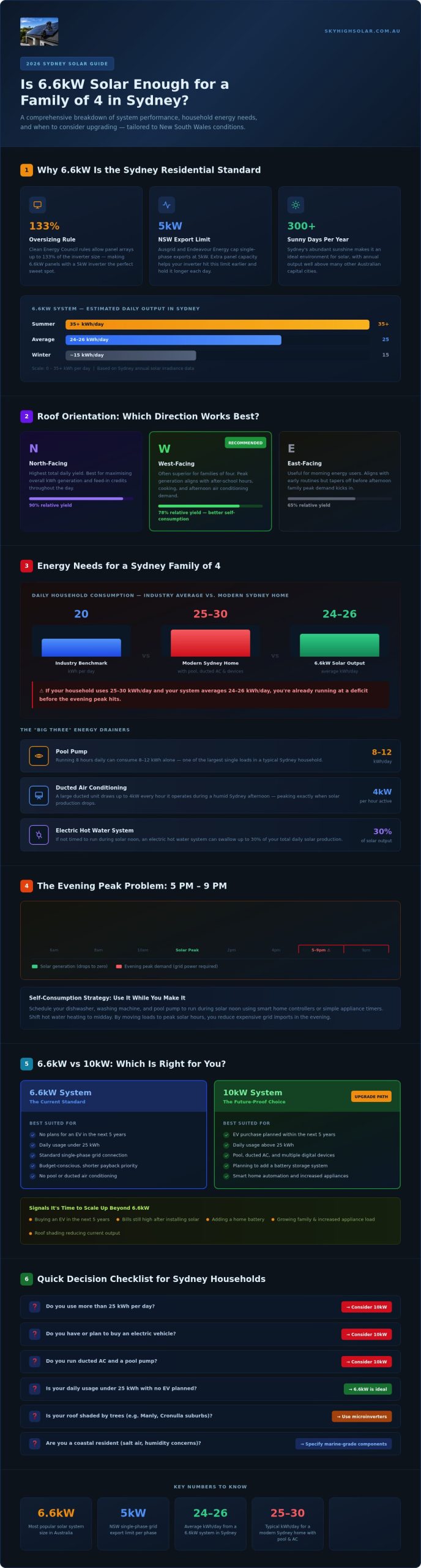
For years, the 6.6kW solar system has dominated the Sydney market. It isn’t an arbitrary number; it’s a calculated response to Australian regulations and financial incentives. When asking is 6.6kw solar enough for a family of 4 Sydney, you have to understand that this size is designed to squeeze every drop of value out of a standard residential connection. By “oversizing” the panel array to 6.6kW while using a 5kW inverter, you ensure the system reaches its peak output earlier in the morning and maintains it later into the afternoon.
The federal government’s Small-scale Technology Certificate (STC) rebate is a major driver of this standard. To qualify for the maximum rebate while using a standard 5kW inverter, Clean Energy Council rules allow you to oversize the panel array by up to 133%. This brings you to the 6.6kW sweet spot. This configuration is highly cost-effective because it provides a significant boost in energy production during overcast days or low-light periods without requiring a more expensive, larger inverter.
The 5kW Inverter Limit in NSW
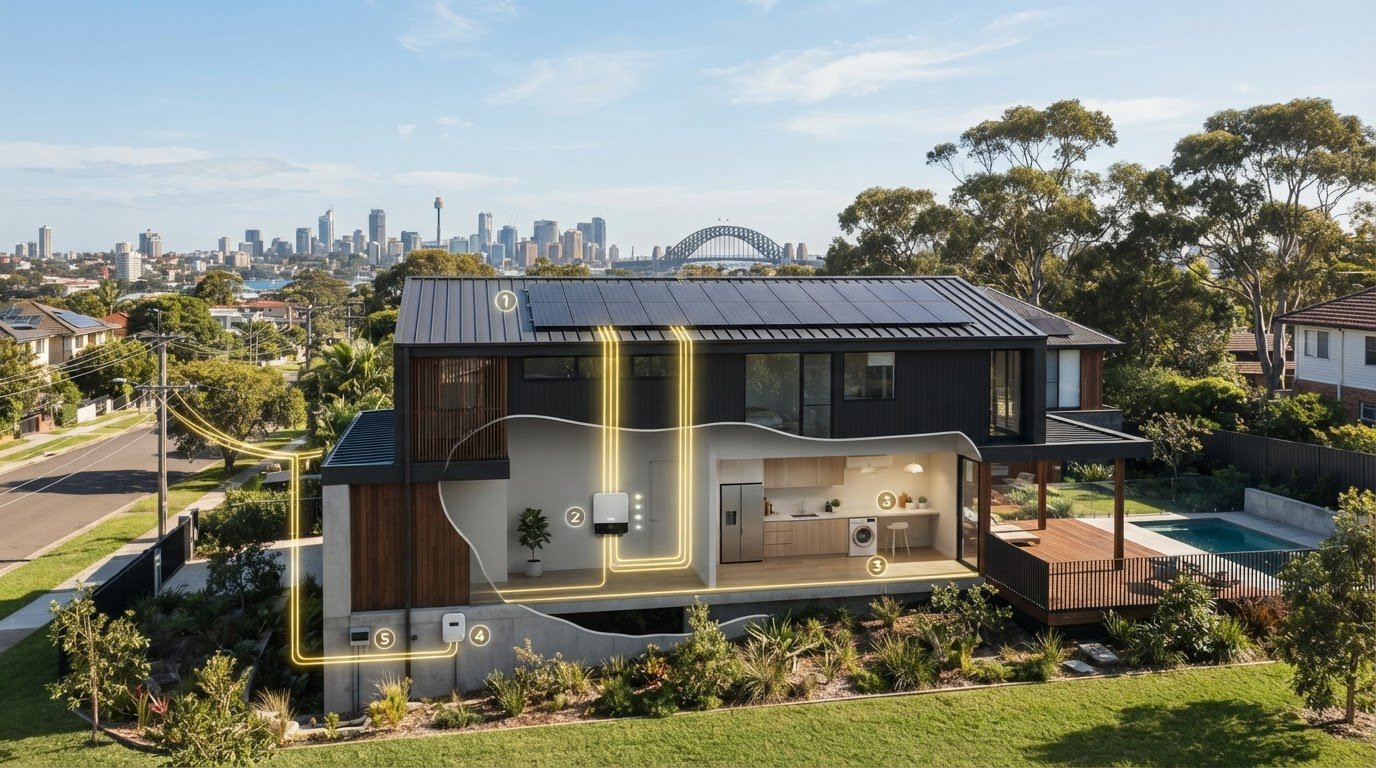
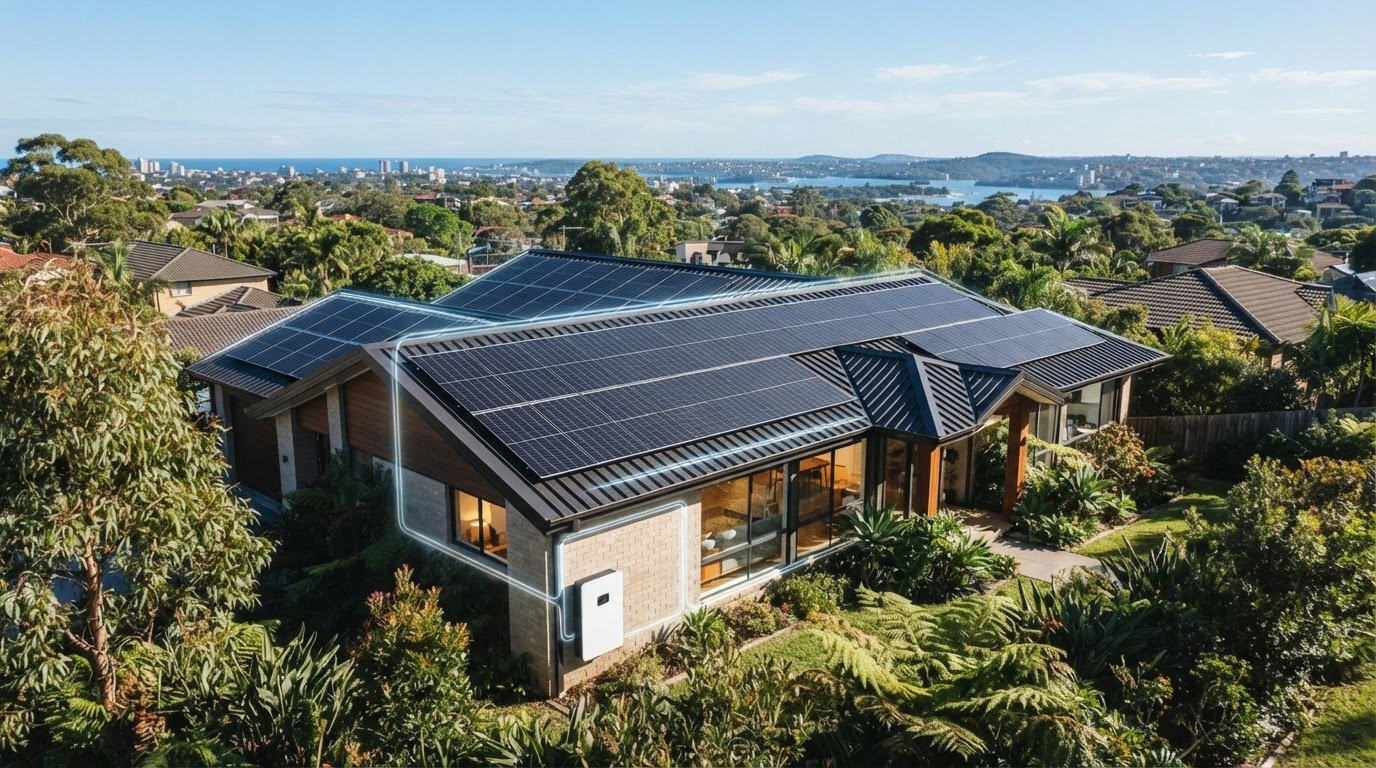
Most Sydney homes are on a single-phase connection. Network providers like Ausgrid and Endeavour Energy typically impose a 5kW export limit per phase. This means you can’t send more than 5kW of excess power back to the grid at any one time. By pairing 6.6kW of panels with a high-quality 5kW inverter, such as the GoodWe ET G2 Hybrid HV Inverter, you maximise your self-consumption. The extra panel capacity ensures your inverter hits its 5kW peak output more consistently, providing plenty of power for your home while staying within the grid’s strict export boundaries.
Sydney Climate and Your Solar Yield
Sydney is blessed with over 300 days of sunshine annually, providing an ideal environment for solar generation. On average, a 6.6kW system in Sydney will produce approximately 24 to 26kWh per day. However, this yield fluctuates significantly across the seasons:
- Summer: Production can soar to 35kWh or more during long, clear days.
- Winter: Yield may drop to around 15kWh, making energy management more critical.
For coastal residents in suburbs like Manly or Cronulla, salt air and humidity are real factors that demand durable, high-tier components. Your roof’s orientation also changes the “is it enough” equation. While North-facing panels provide the highest total daily yield, a West-facing orientation is often superior for a family of four. This is because it aligns peak production with the late-afternoon period when the kids come home, the kettle goes on, and the air conditioning starts working its hardest.
Calculating Energy Needs for a Sydney Family of 4
Determining if a system is sufficient requires looking beyond simple averages. While many industry benchmarks suggest a four-person household uses 20kWh daily, modern Sydney living often tells a different story. If your home features a swimming pool, ducted air conditioning, and multiple digital devices, your daily consumption likely sits closer to 25 or 30kWh. This creates a clear tension. If your system generates an average of 24kWh, you are already operating at a deficit before the sun even sets. The primary challenge isn’t just the total amount of energy produced, but the timing of when you use it. Most families face an “Evening Peak” between 5 PM and 9 PM when the solar panels have stopped producing, yet energy demand is at its highest. To understand if is 6.6kw solar enough for a family of 4 Sydney, you must first audit your “Big Three” energy drainers.
Common Sydney Appliance Loads
The “Big Three” consumers define your quarterly bill. A standard pool pump running for eight hours can consume 8kWh to 12kWh alone. Ducted air conditioning is even more demanding; a large unit can draw 4kW every hour it’s active during a humid Sydney arvo. Finally, electric hot water systems, if not timed correctly, can easily swallow 30% of your total solar production. When these loads overlap in the late afternoon, a 6.6kW system can struggle to keep up. This is the moment many families realise that while the total daily generation looks good on paper, the real-time demand often exceeds what the panels provide during peak hours.
The Self-Consumption Strategy
Success with solar in 2026 depends on your ability to “use it while you make it.” This is known as self-consumption. Instead of exporting power to the grid for a minimal credit, you should aim to power your heaviest appliances during solar noon. You can automate this process using smart home controllers or simple timers on your dishwasher and washing machine. By shifting these loads to the middle of the day, you reduce the amount of expensive power you need to buy back during the evening peak. If you’re unsure how your current setup handles these loads, a professional residential solar solution assessment can reveal exactly where your power is going and how to optimise your daily habits.
The Future-Proof Test: EVs, Batteries, and the 10kW Alternative
As we look toward the next five years, the definition of a “standard” home is shifting. While 6.6kW might cover your current lights and appliances, it often falls short when you introduce high-capacity technology. The transition to electric transport is the single biggest factor in deciding is 6.6kw solar enough for a family of 4 Sydney. If you’re planning to swap a petrol car for an electric vehicle (EV) by 2026, your household energy consumption will increase by approximately 2,000 to 3,000kWh per year. This added load can quickly turn a once-sufficient system into one that leaves you reliant on the grid once again.
For families who want total energy security, stepping up to a 10kW solar system is often the more professional, long-term choice. A 10kW array provides the “buffer” needed to charge a car, run the aircon, and still have enough left over to fill a storage battery. This ensures you aren’t just surviving the day but actually building a surplus that protects you from future price hikes.
Adding an EV to the Mix
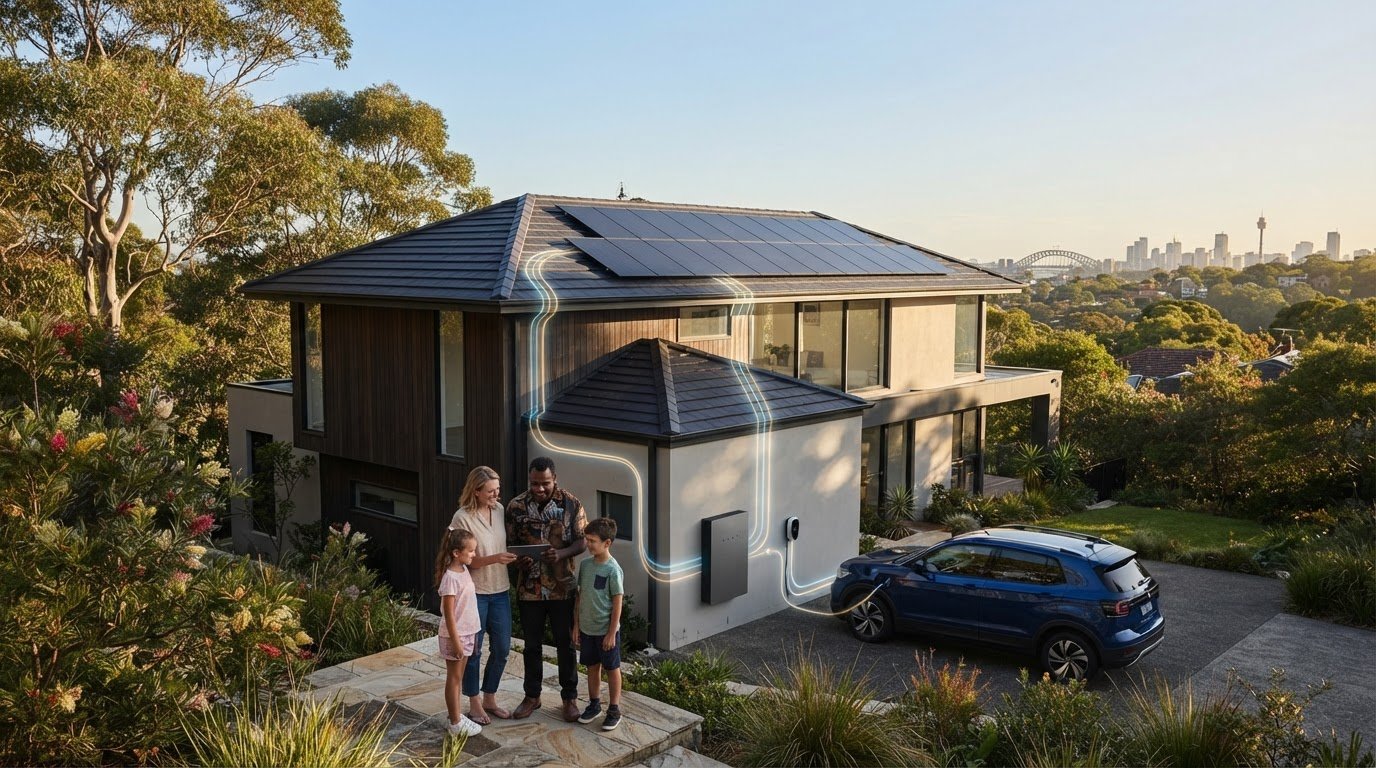
A 6.6kW system produces roughly 24kWh on an average Sydney day. A modern EV requires about 15 to 20kWh to travel 100 kilometres. If you charge your car daily, you’re left with very little solar energy to power your home. High-tier solutions like the SigenStor Integrated Solar Inverter & EV DC Charger allow you to manage this load intelligently. However, if your family operates two EVs or has a long daily commute, 6.6kW simply won’t have the capacity to keep both vehicles topped up without drawing expensive power from the grid during the evening.
The Battery Factor: FOX ESS and Tesla
A solar battery is the key to transforming a 6.6kW system into a 24-hour power plant. By capturing the excess midday sun that would otherwise be exported for a low feed-in tariff, you can power your home through the night. The FOX ESS CQ7 High Voltage Storage Battery is a robust, modular option that grows with your needs, while the Tesla Powerwall remains a popular choice for its seamless integration. These systems provide peace of mind during Sydney blackouts, ensuring your fridge stays cold and your lights stay on when the local grid falters. Without a battery, even a large solar array leaves you vulnerable once the sun goes down.
Maximising Your 6.6kW Output: Practical Guidance
Achieving high performance from a 6.6kW system requires more than just premium panels. It demands a strategic approach to installation and maintenance. Even if the answer to is 6.6kw solar enough for a family of 4 Sydney is technically yes based on your consumption, that answer changes quickly if your system is only operating at 70% efficiency. Sydney’s leafy suburbs often present a challenge with mature gum trees and neighbouring structures casting long shadows. Even partial shading on a single panel can significantly throttle the output of a traditional string inverter system.
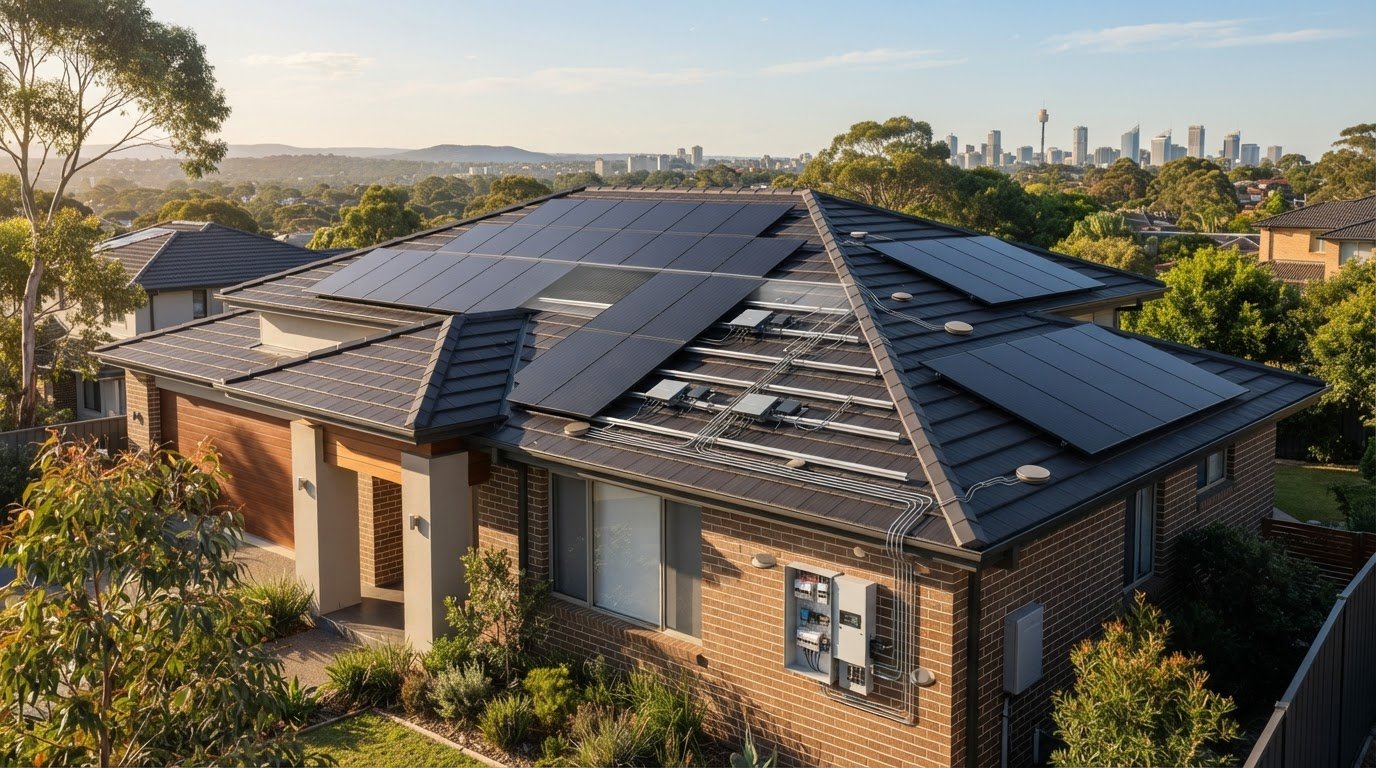
This is where intelligent hardware becomes essential. For roofs with complex orientations or persistent shading issues, we often recommend Enphase microinverters. By allowing each panel to operate independently, they ensure that one shaded module doesn’t drag down the performance of the entire array. This granular control ensures you capture every possible watt of energy, which is vital when you are relying on a standard 6.6kW size to power a busy four-person household.
Why Your Switchboard Matters
Your roof is only half the story. The energy your panels generate must flow safely into your home’s electrical system. Many older Sydney residences feature outdated electrical boards that aren’t designed for the bidirectional flow of modern solar energy. A professional switchboard upgrade is often a prerequisite for a safe and compliant installation. Modern boards include advanced RCDs and circuit breakers that protect your family from electrical faults. These upgrades also provide the physical space required for smart monitoring hardware, which gives you real-time visibility into your energy production and household consumption patterns.
Maintenance and Servicing
Solar hardware is remarkably durable, but it isn’t maintenance-free. Dust, bird droppings, and Sydney’s coastal salt spray can create a film that blocks sunlight and reduces yield. Learning how to clean solar panels safely or hiring a professional for a periodic wash is a simple way to protect your ROI. Beyond cleaning, professional solar system servicing is a non-negotiable requirement every two years. These inspections catch minor issues, such as degraded wiring or moisture ingress, before they lead to system failure. Most modern inverters, including those from FOX ESS, offer detailed apps that allow you to monitor performance daily. If you notice a sudden drop in output, it’s a clear signal that your system needs a professional check-up to maintain its peak efficiency. If you’re ready to ensure your home is ready for a high-performance installation, contact our team for a comprehensive residential solar solutions consultation today.
Conclusion: Is 6.6kW Right for Your Sydney Home?
The decision to invest in solar is a commitment to your home’s future value and your family’s daily comfort. Deciding if is 6.6kw solar enough for a family of 4 Sydney depends entirely on your specific energy goals and long-term plans. If you want a reliable entry point that offsets a significant portion of your daytime usage, 6.6kW remains a fantastic choice. However, if your vision includes total energy independence, multiple electric vehicles, or running ducted air conditioning around the clock without a second thought, you may find yourself in the “Danger Zone” of under-sizing. Upgrading a system after just two years is always more expensive than engineering the correct solution from the start.
Local Sydney expertise is vital because our grid requirements and climate are unique. A system that works in Melbourne might struggle under the humidity and intense afternoon sun of a Sydney summer. By choosing a system size that matches your actual consumption profile, you ensure that your investment delivers the peace of mind you deserve. Whether you opt for the standard 6.6kW or scale up to a 10kW powerhouse, the goal is a system that works seamlessly in the background of your busy family life.
The 6.6kW Green Light
The 6.6kW solar system is the ideal foundation for families who are disciplined with their energy habits. If you can schedule your pool pump and dishwasher for solar noon, this system provides exceptional value for money and a rapid return on investment. It’s also a perfect starting point for households looking to add a high-voltage battery, such as the FOX ESS CQ7, in the near future. This configuration allows you to start with a modest footprint and scale your energy independence as your household needs evolve.
Why Choose Sky High Solar and Electrical?
Choosing the right partner is just as critical as choosing the right panels. At Sky High Solar and Electrical, we don’t believe in one-size-fits-all retail packages. We understand the nuances of the Sydney grid, from the specific export limits of Endeavour Energy to the shading challenges of our leafier suburbs. Our team of licensed electricians ensures that every part of your infrastructure is engineered for longevity. We specialise in:
- Premium Components: We only install tier-one hardware from brands like GoodWe, FOX ESS, and Enphase.
- Future-Proofing: We integrate EV charging and battery storage into a cohesive home energy ecosystem.
- Local Reliability: Based in Sydney, we know your suburb and the specific electrical requirements of local homes.
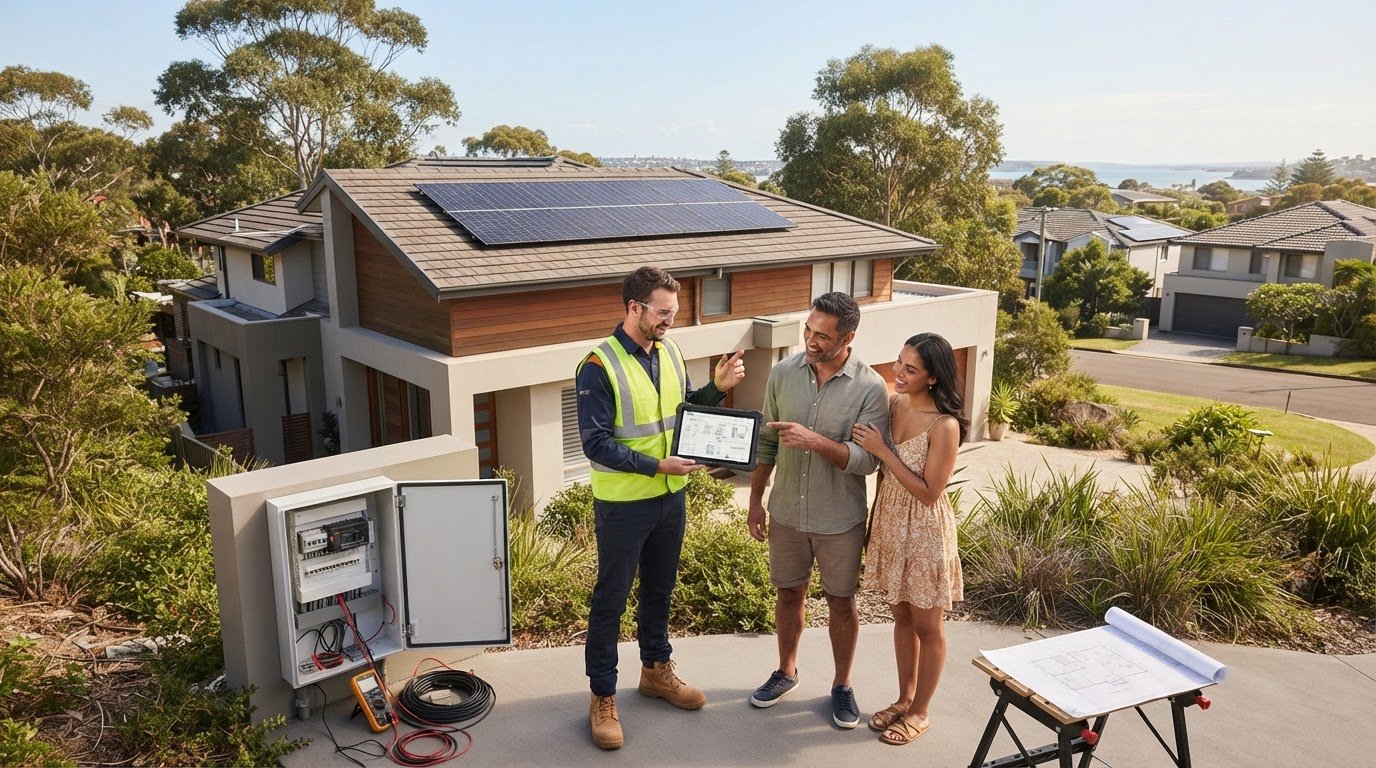
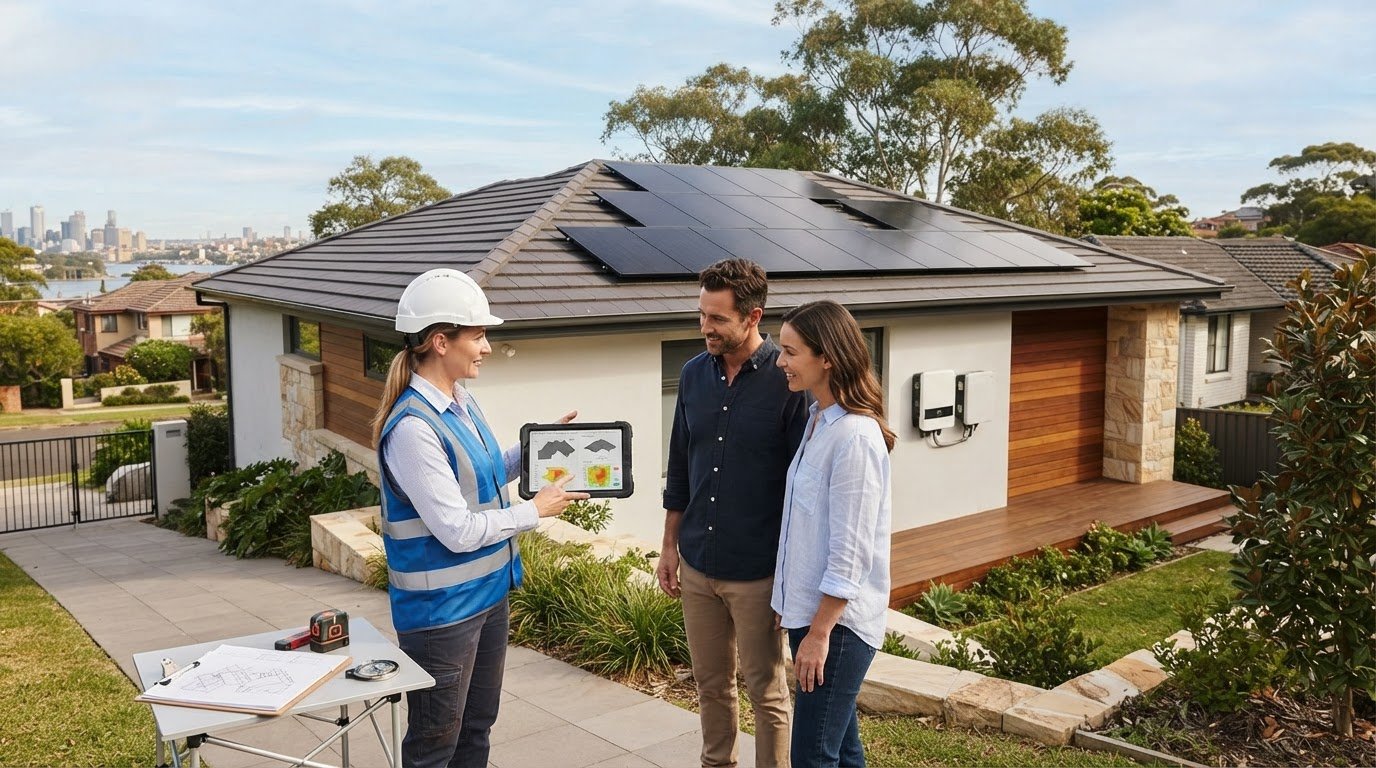
If you’re ready to take control of your energy future, a professional site assessment is the first step. We’ll look at your roof orientation, your switchboard capacity, and your family’s unique energy habits to provide a clear, honest recommendation. Contact our team today to discover how we can help you achieve genuine energy independence.
Secure Your Energy Future with the Right Solar Strategy
Transitioning to solar is a significant step toward genuine energy independence and long-term financial stability. You’ve seen that while a 6.6kW array provides a robust starting point for many, its success depends on your family’s daily habits and future technology plans. Determining if is 6.6kw solar enough for a family of 4 Sydney ultimately comes down to balancing your current appliance loads against upcoming additions like electric vehicles or high-capacity storage batteries.
As a local Sydney family owned and operated business, we pride ourselves on being certified Enphase and Tesla installers who understand the specific demands of our local grid. We are also specialists in high-voltage FOX ESS battery storage, ensuring your system is built with durability and intelligence at its core. If you’re ready to secure your energy future with a professional, tailored design, request a custom 6.6kW solar quote for your Sydney home today. Taking control of your power bills has never been more achievable, and we’re here to guide you through every step of the transition.
Frequently Asked Questions
How many panels are in a 6.6kW solar system?
A standard 6.6kW solar system typically consists of 15 or 16 panels. The exact number depends on the wattage of the specific modules chosen for your installation. For instance; using modern 440W high-efficiency panels results in a 15-panel array, while slightly lower wattage options might require 16. These panels are paired with a 5kW inverter to meet the 133% oversizing rule, ensuring peak performance during the morning and afternoon.
Will a 6.6kW system cover my ducted air conditioning costs?
A 6.6kW system provides a significant offset for ducted air conditioning, but it rarely covers the entire cost of a large unit during peak summer. Most ducted systems draw between 3.5kW and 5kW per hour. While your panels might generate enough power to run the AC at solar noon, you’ll still draw from the grid if other appliances are running simultaneously. Managing your thermostat and cooling the home early in the day is essential for success.
Can I add a battery to a 6.6kW system later?
You can certainly add a battery to your 6.6kW system at a later date. If you install a hybrid inverter like the GoodWe ET G2 from the start, the process is straightforward as the unit is already battery-ready. For systems with standard string inverters, we can perform an AC-coupling installation to integrate storage solutions like the FOX ESS CQ7. This modular approach allows you to spread the investment cost while working toward energy independence.
What is the average payback period for 6.6kW solar in Sydney?
Most Sydney households see a return on investment within three to five years. This timeline is influenced by your self-consumption rate and current electricity prices. By using the majority of your generated power during the day rather than exporting it, you accelerate the payback period. The federal STC rebate also plays a crucial role in lowering the initial cost, making it one of the most financially sound home improvements available in New South Wales.
Does a 6.6kW system work during a blackout?
Standard solar systems automatically shut down during a blackout to protect utility workers from islanding power back into the grid. To keep your lights on when the Sydney grid fails, you require a battery system with backup capability, such as a Tesla Powerwall or a FOX ESS solution. These setups include a dedicated gateway that isolates your home from the grid; allowing your panels and battery to continue powering essential circuits during an outage.
Is 6.6kW enough to charge a Tesla or other EV?
While a 6.6kW system can charge an EV, it’s often a slow process if you’re also powering a household. A typical day’s generation might provide enough charge for 80 to 100 kilometres of driving. For families with high daily mileage or two electric vehicles, this system size often leaves little surplus for home appliances. We recommend using an intelligent charger like the SigenStor EV DC Charger to prioritise solar energy and avoid expensive peak-hour charging.
Do I need a 3-phase power connection for 6.6kW solar?
You don’t need a 3-phase connection for a 6.6kW solar installation. This system size is specifically designed to work within the limits of a standard single-phase Sydney home. Most local network providers, including Ausgrid, allow a 5kW inverter to be connected to a single-phase line without complex grid studies. If your home already has 3-phase power, we can still install a 6.6kW system, though you might consider a larger array to take full advantage of the extra capacity.
What happens if my family uses more power than the 6.6kW system produces?
If your household demand exceeds your solar production, your home automatically draws the remaining power from the grid. This happens seamlessly without any interruption to your appliances. It’s a common occurrence for a family of 4 in Sydney during the evening or on very cloudy days. This is why understanding your consumption profile is vital. If you find yourself consistently relying on the grid, it may be a sign that is 6.6kw solar enough for a family of 4 Sydney isn’t the right fit for your lifestyle.