

 Sydney
 0452 243 240
Blog
Solar power installation: 2026 pricing and rebate guide

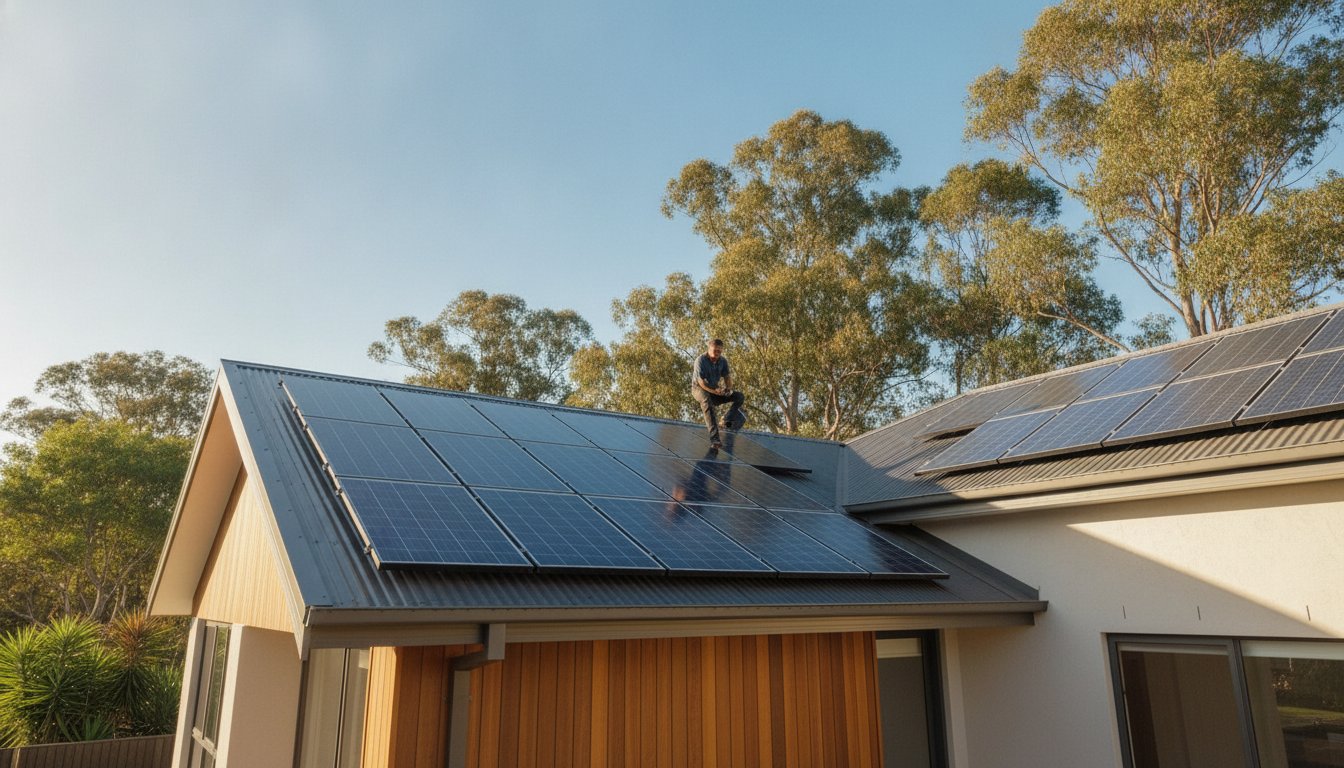
Across the Australian market, complete solar power installation quotes in published listings span A$25 to A$12,566 across 32 sample quotes. For Sydney homeowners, exact out-of-pocket expenses depend on system sizing, battery integration, and available government rebates. The decisions that matter most are how you size the system to your usage, which rebates you lock in before install day, and whether your roof, switchboard, and installer paperwork are ready.
Key Takeaways: A solar power installation requires matching system capacity to your usage patterns and securing government rebate approvals before physical setup to protect your investment.
- Market quotes for complete systems range from A$25 to A$12,566 across 32 sample listings.
- Installation is not worth it for heavily shaded roofs or if you plan relocation.
- Select a hybrid inverter if you intend to add grid-stable battery storage later.
- Retailers typically take 1 to 4 weeks to install the mandatory bi-directional smart meter.
The solar power setup that matches your home
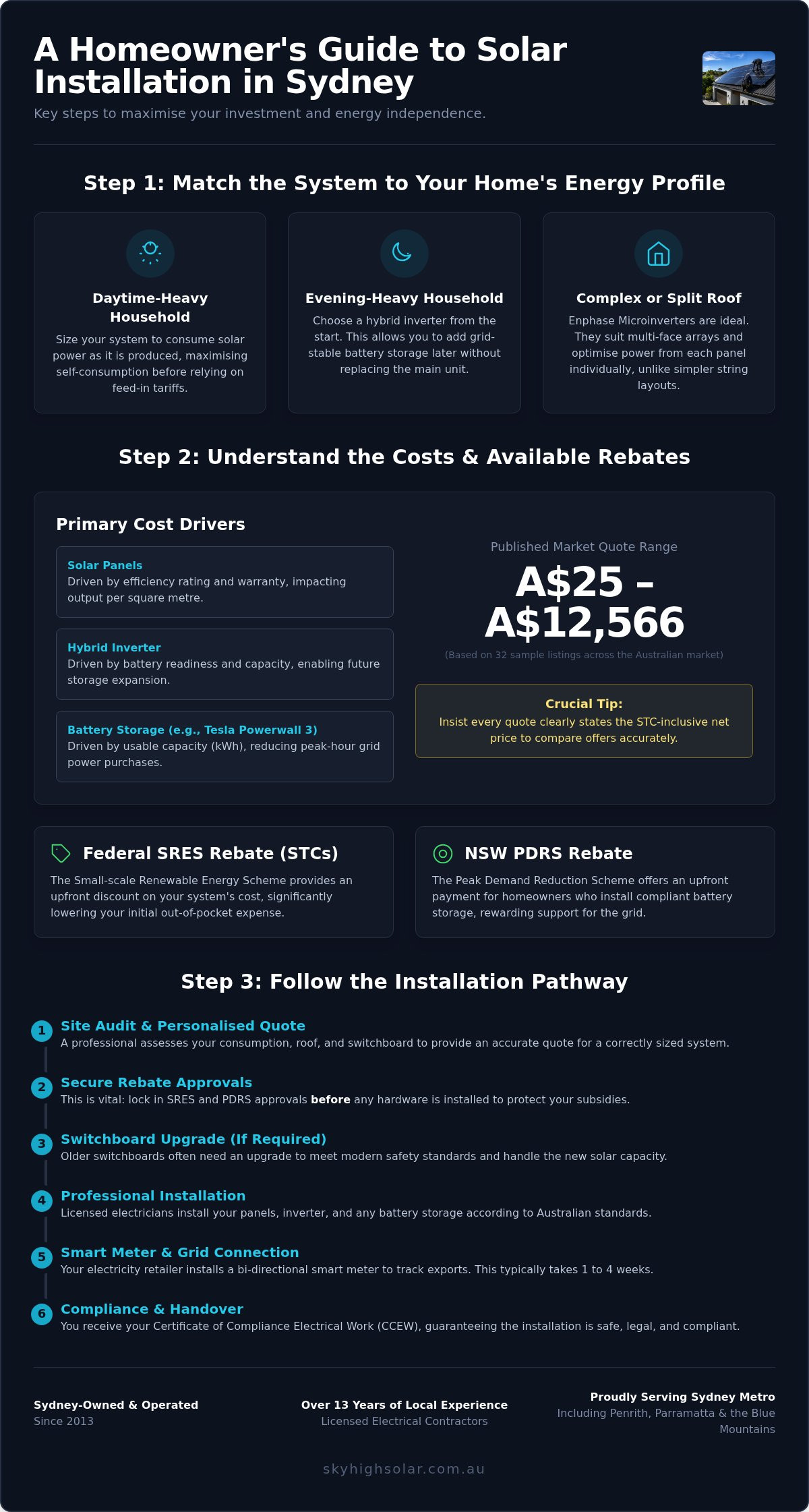
Matching your solar generation capacity to your property’s daily energy footprint supports stronger energy independence. Typical situations we see, with recommendations drawn from the same project facts:
- Daytime-heavy household: size generation so you consume solar as it is produced, and favour a layout that maximises self-consumption before relying on feed-in tariffs.
- Evening-heavy household: choose a hybrid inverter so you can add grid-stable battery storage later without replacing the main unit.
- Complex or split roof: Enphase Microinverters suit multi-face arrays better than a simple string layout.
With clients we see that selecting modular equipment prevents costly future electrical upgrades. This approach keeps your initial investment efficient while protecting long-term return.
According to market listings, system hardware spans a wide published band $25–$12,566 (see Key Takeaways). For modern households, a hybrid inverter leaves a clear path to storage. Smaller properties suit string configurations, whereas homes with complex roofs perform best using Enphase Microinverters.
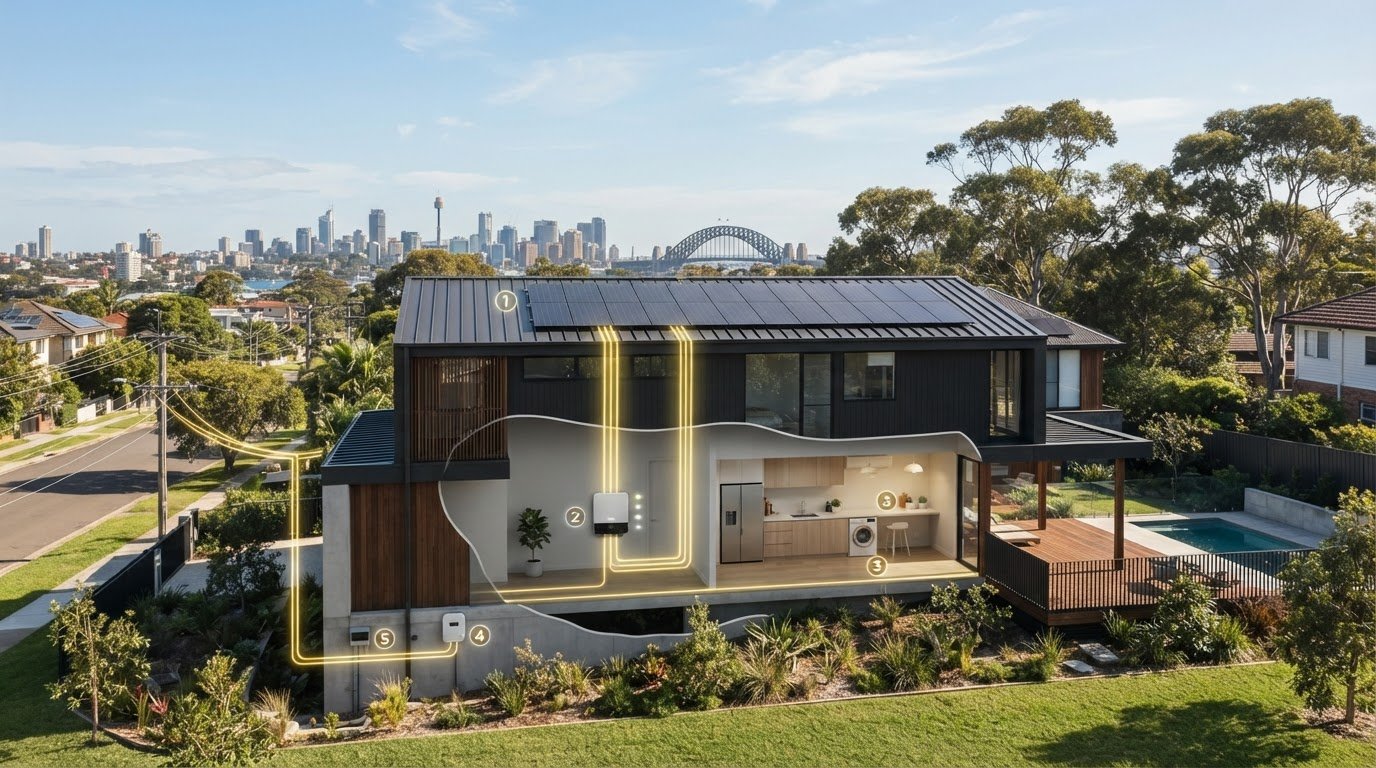
Upgrading an old switchboard provides essential safety before any new hardware connects. A solar installation in Sydney must include a certificate of compliance electrical work (CCEW) to guarantee legal grid connection under NSW standards. A two-way power meter (bi-directional smart meter) tracks your grid exports accurately. Assess your household consumption patterns, then request a personalised quote.
The cost of a typical system
Published market listings place complete-system quotes from $25 to $12,566, across the same broad band $25–$12,566 summarised above. From client work, hardware Selection dictates your final return on investment. Choosing proven components supports reliability across variable seasons, and balancing upfront equipment against expected yields is what builds genuine energy independence.
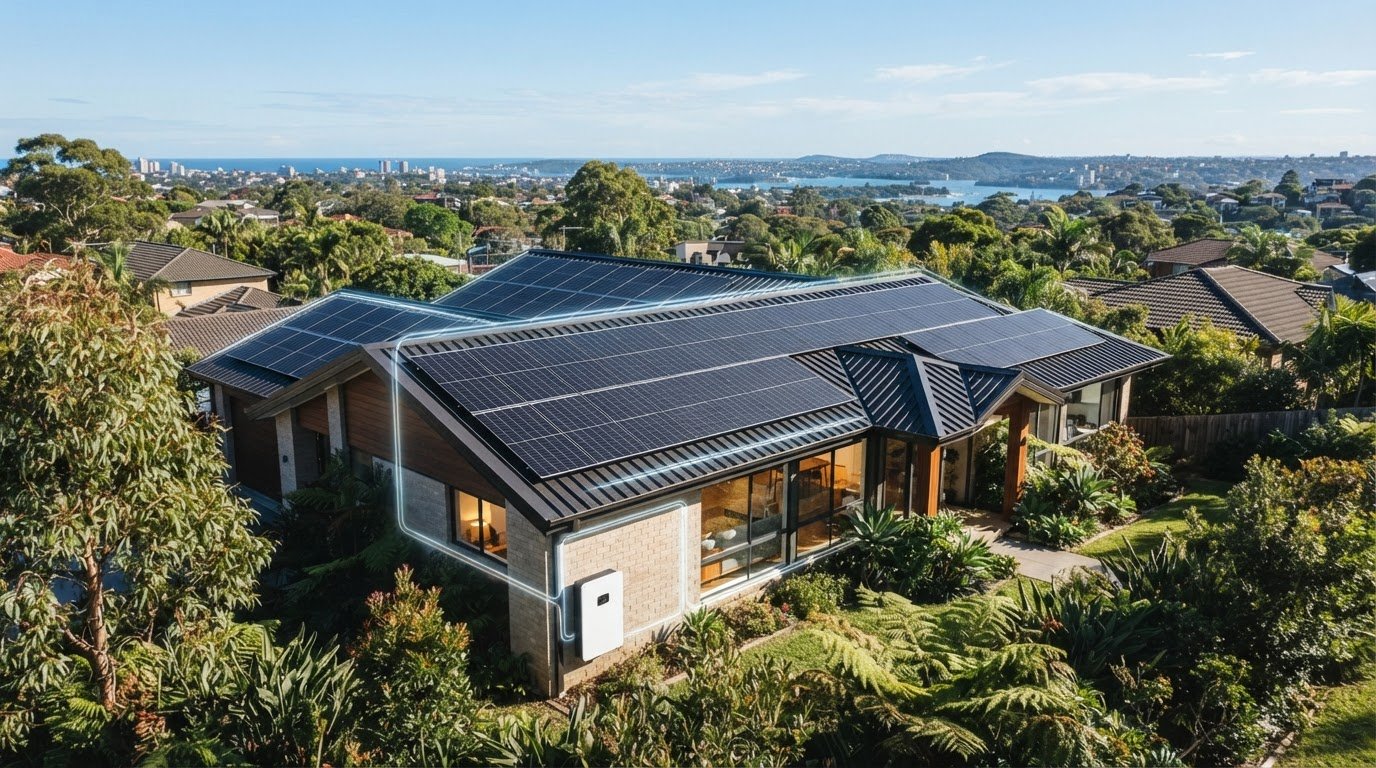
Integrating grid-stable battery storage for blackouts lets you capture daytime energy for evening use. Hardware, installation, and site layout drive total project costs; stronger hardware pays off through lower grid reliance.
| System Component | Primary Cost Driver | Financial Impact |
|---|---|---|
| Solar Panels | Efficiency rating and warranty | Higher output per square metre |
| Hybrid Inverter | Battery readiness and capacity | Enables future storage expansion |
| Battery Storage | Usable capacity in kWh | Reduces peak grid power purchases |
Rebates like federal STCs directly lower your out-of-pocket expense. You can access additional incentives through the NSW Peak Demand Reduction Scheme (PDRS) when adding storage. Homeowners often ask how federal incentives change complete package quotes: the honest answer is that net cost only becomes clear after STC and PDRS eligibility are applied to your design.
Forum shoppers hit the same confusion when comparing headline prices. As noted by a user in the forum.cleanenergyreviews.info thread "Melbourne South East & Mornington solar installers":
"Is that after STC rebates? $6200 seems a little dear for that system if so, and I’d say $9k for Seraphim and Enphase ~4.75kW seems high too." (source)
Problem: the commenter cannot tell whether a quoted figure is pre- or post-STC, so premium inverter packages look inflated. Action: insist every quote states the STC-inclusive net price beside the gross figure, with panel and inverter models named in writing. Outcome: you compare like-for-like against actual market hardware bands, site conditions, and eligible local rebates instead of guessing.
To get exact figures for your home, ask for a personalised quote after a professional site audit, and review battery storage options if you want emergency backup priced into the same design.
Calculate payback periods by usage patterns
Your energy consumption habits directly determine your return on investment and system payback timeline. Heavy daytime power users recoup their outlay faster by consuming solar energy as it is generated. Evening-heavy households need battery storage to achieve similar financial results. Installing a system without matching your daily routine creates a High FiT trap that extends your payback timeline unnecessarily.
Missing government incentives through poor grid-approval timing is a common setback. Many buyers expect expert guidance yet lose a rebate because installation timing delayed their paperwork. Aligning your install schedule with NSW grid approvals secures benefits such as the Peak Demand Reduction Scheme (PDRS).
Accurate metering keeps your usage tracking honest against these estimates. You need a two-way power meter to record exported electricity correctly. Engage professional installation and maintenance services to audit your panel layout, verify grid compliance, and organise your certificate of compliance electrical work (CCEW). Proper planning protects your investment.
Claiming SRES and NSW PDRS rebates in 2026
In our field work across Parramatta and Liverpool, we see property owners lose their entire $5,000 subsidy simply by installing hardware prematurely. Early grid sign-off protects your capital.
The NSW Peak Demand Reduction Scheme (PDRS) rewards grid-stable battery storage, while the federal government reduces upfront costs through small-scale technology certificates. According to the Clean Energy Regulator SRES 2026 guidelines, these certificates require strict installation compliance. Residential solar solutions for your home only cut power bills when the paperwork lines up with the hardware on the roof. Treat early approval as your financial safety harness: choose pre-approved installers and keep rebate eligibility intact.
Tip: Ensure government rebate approval is fully confirmed before installation day to protect your incentive eligibility.
How to plan your solar installation step by step
Planning your solar project properly prevents post-installation delays and keeps follow-up service straightforward. From our ongoing client work, clear communication cuts endless phone calls to energy providers.
Follow these steps to guide your process:
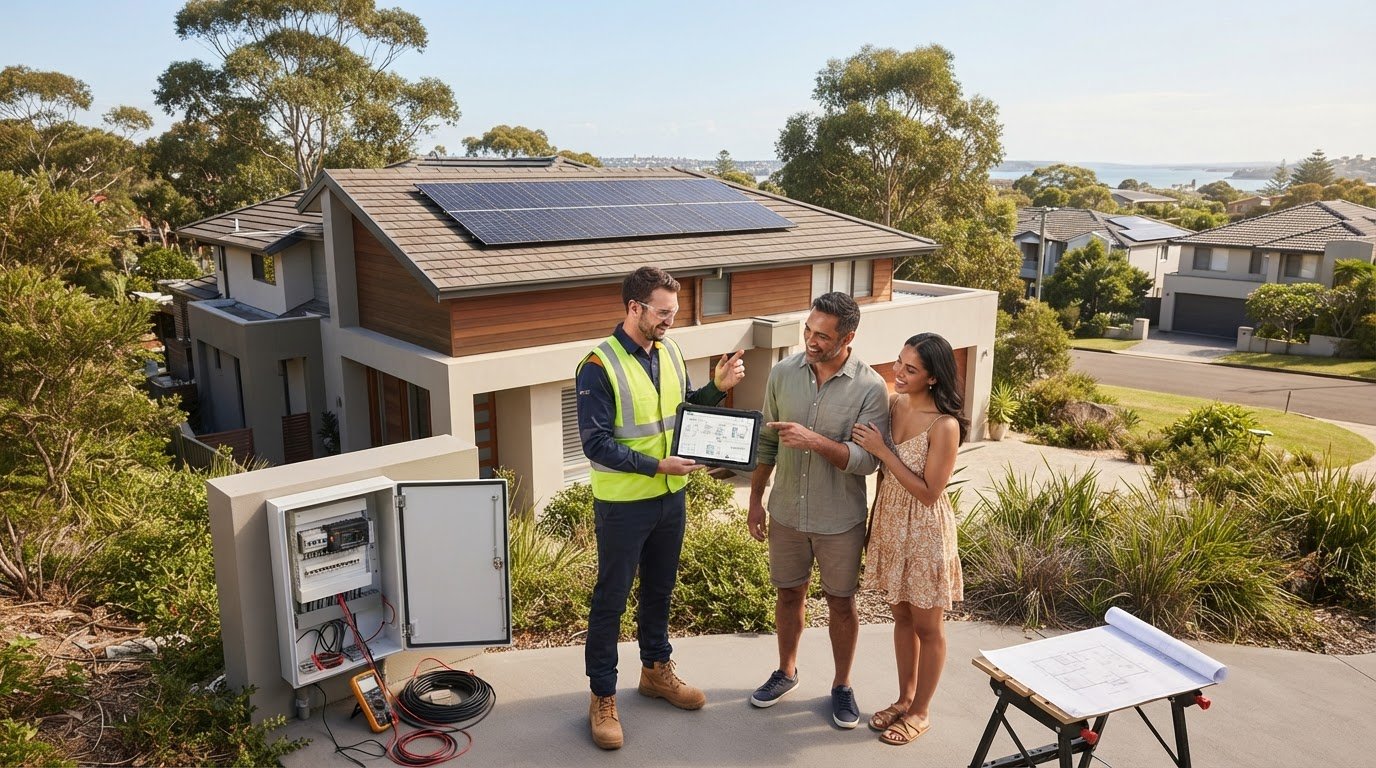
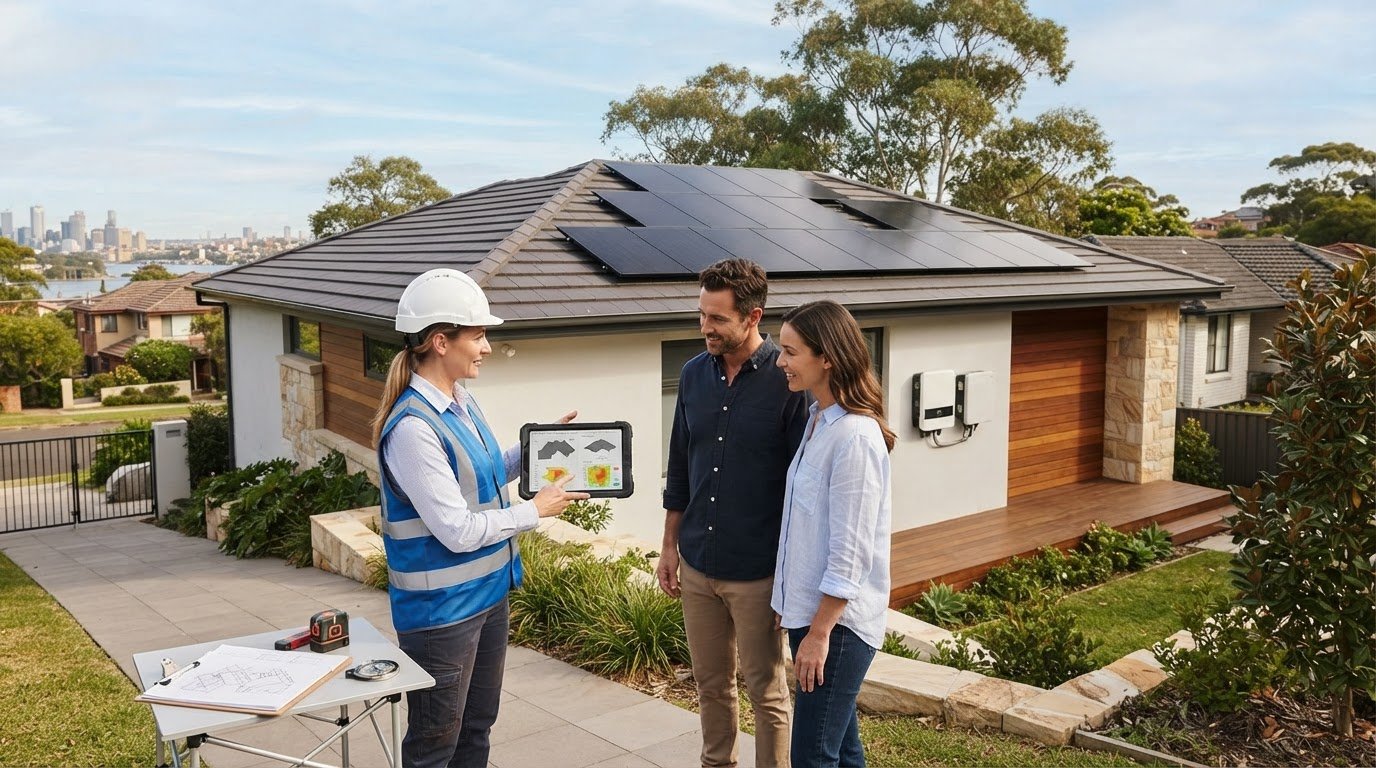
- Site assessment: An accredited technician inspects your roof layout and assesses whether you need a switchboard upgrade.
- System design: Select components like Enphase Microinverters or a Tesla Powerwall 3 tailored to your household energy usage.
- Approval and fitting: Sky High Solar and Electrical handles local grid connection approvals before installing your panel system safely.
- Meter configuration: Your retailer sends a technician within 1 to 4 weeks to install the two-way power meter required for exports.
- Final compliance: Secure your certificate of compliance electrical work (CCEW) to confirm your installation meets safety standards.
Managing installers and energy retailers still needs proactive tracking so you do not chase refunds or outstanding work alone.
A commenter in the forum.cleanenergyreviews.info thread "Melbourne South East & Mornington solar installers" described a favourable starting point:
"The building is only 1 year old and the builder has installed an A/C cable from the roof to the switchboard in preparation for solar. The whole install with micro inverters should be relatively easy." (source)
Problem: even a new build with roof-to-switchboard cabling can stall if grid permissions and meter booking are left to chance. Action: use the pre-laid cable for a cleaner microinverter install, and run grid approval plus smart-meter scheduling in parallel with the physical works. Outcome: contractors stay accountable for both mounting and mandatory paperwork, and you avoid idle panels waiting on retailer attendance.
Roof conditions needed for solar panels
Your roof must be structurally sound, unshaded, and spacious enough to support solar equipment safely.
Most 6.6kW solar system Sydney installations in 2026 use between 16 and 20 panels. Roof space dictates system size: solar infrastructure needs effective surface exposure to convert sunlight into usable energy. North-facing roofs provide strong output for Sydney homes, and east-west splits also work well.
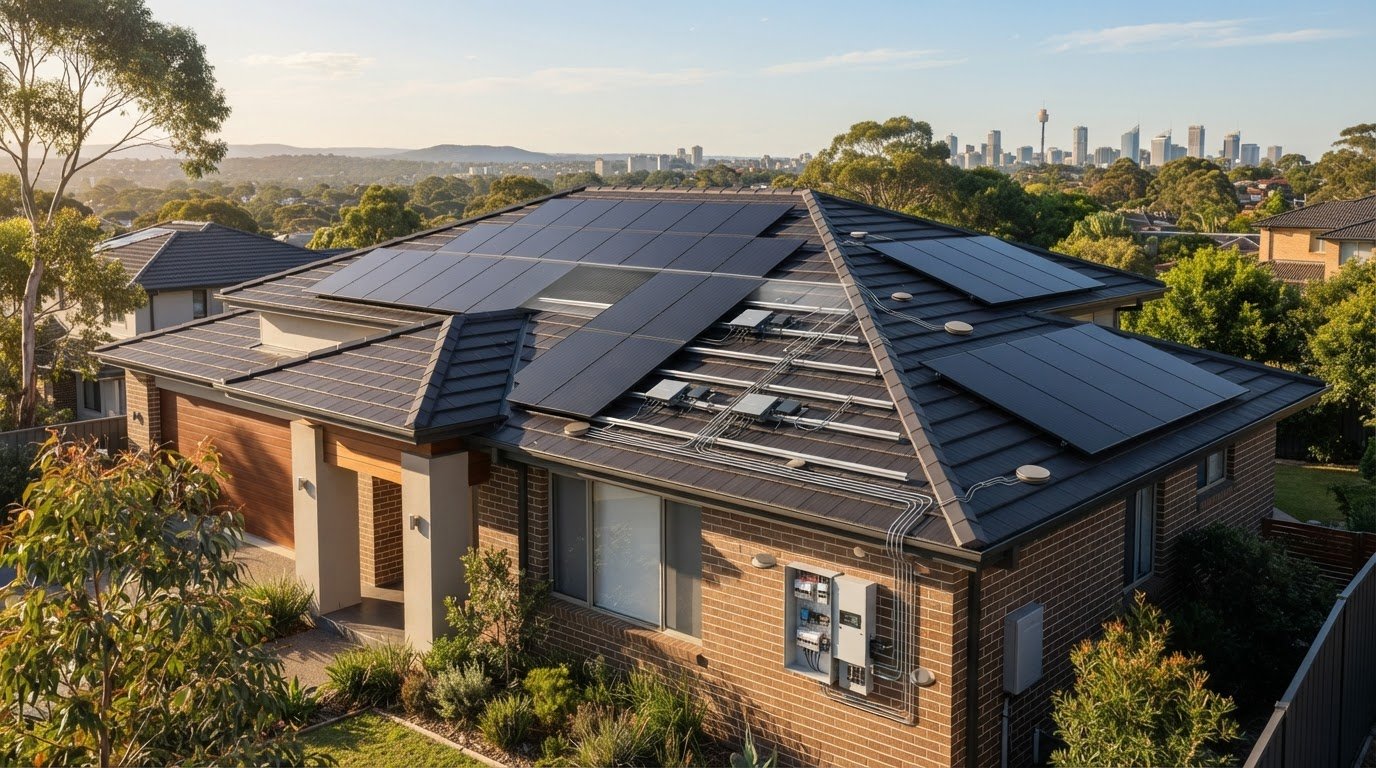
Heavy tile roofs often need a switchboard upgrade before mounting arrays so electrical loads stay within safe limits. Older switchboards might lack an RCBO to manage modern power flows. If your installation uses multiple roof faces, a hybrid inverter manages split-array configurations cleanly.
If you are unsure whether an older roof can host panels, a structural inspection confirms safety before installation begins.
Inverters, Tesla Powerwall 3, and panel tech
You check your installer contract after equipment delays, only to find unapproved panel substitutions and an uninstalled two-way power meter.
In our fieldwork, we see installers quietly swapping out promised components when supply chains choke. Demand that your solar panel warranty covers exact model numbers to prevent silent downgrades.
Reliable options like the Tesla Powerwall 3 deliver solid blackout protection (grid-stable battery storage). GoodWe ET G2 hybrid inverters fit expanding households, while Enphase Microinverters suit complex roofs.
Secure written stock guarantees and lock in your specified technology early to avoid post-installation grid connection delays in Sydney.
Selecting licensed installers with CCEW certification
You avoid phantom panels and lost deposit refunds by hiring licensed Sydney electricians who issue valid documentation before taking payment.
From client work we see unaccredited contractors taking upfront cash and disappearing without completing grid connection paperwork. Verifying credentials stops that fraud. Solar installations require a certificate of compliance electrical work (CCEW) to prove your system meets Australian safety standards. This legal document evidences installation quality and protects your statutory rights.
Demand written guarantees covering panel models and installation timelines. Sky High Solar and Electrical delivers full regulatory compliance on documentation and grid connection. Request a quote when you are ready to compare a compliant design for your property.
When solar power installation is not worth it
Solar power installation is not worth it for heavily shaded Sydney roofs or aging properties that need an immediate switchboard upgrade before any panels go up.
From field testing, heavily shadowed panels generate minimal output, and poor orientation directly erodes your return on investment. Heavy shading kills yields.
If you plan to relocate within twelve months, upfront costs outweigh short-term bill savings. Renters also struggle to reclaim hardware expenses. Request a personalised quote to evaluate site suitability before you proceed: that assessment is the practical way to confirm whether your roof and timeline support a sound project.
Frequently asked questions
How much does a typical system cost?
Total solar power installation pricing depends on component quality and system size, and published market listings span A$25 to A$12,566 across sample quotes. Standard 6.6kW solar setups for homes in Sydney usually require between 16 and 20 panels. Request a personalised quote for an exact figure based on your energy consumption.
How much can I save with solar?
Your electricity savings depend on daytime power usage, panel orientation, and taking advantage of available NSW government incentives. Maximising self-consumption helps avoid the High FiT trap (a misleading high feed-in tariff that masks higher electricity usage charges, reducing overall savings). Quality solar power hardware lets you offset a substantial share of household grid consumption when the system matches how you actually use power.
How long does grid connection and smart meter setup take?
After the physical install, your electricity retailer typically sends a technician within 1 to 4 weeks to fit the bi-directional smart meter required for exports. You still need an accredited installer to issue the certificate of compliance electrical work (CCEW) so the system meets local regulations and rebate rules. Build that meter window into your payback expectations from day one.
What are the benefits of solar batteries?
Adding a battery for blackouts lets you store excess power for use during expensive evening peak times. Advanced units like the Tesla Powerwall 3 provide emergency backup protection during unexpected Sydney grid outages. These systems support household energy independence (the ability of a household to meet its electricity needs primarily from its own generated and stored solar power).
How do I sign up for a solar energy plan?
You can switch plans by contacting your chosen energy retailer once your physical system and electrical paperwork are completed. Your retailer will typically send a technician within 1 to 4 weeks to install the bi-directional meter required for solar exports. An accredited installer provides the official certificate of compliance electrical work (CCEW) to confirm your system meets all local regulations.
Ready to Optimise Your Property’s Energy Future?
A solar power installation delivers reliable, long-term returns only when sizing, rebates, and compliance line up with how your home uses power: the same decisions outlined at the start of this guide. You can start building your setup in 2026 by upgrading to modern hardware and confirming STC and PDRS eligibility before install day. Explore our battery storage solutions to match capacity to your electricity needs.
The Sky High Solar and Electrical team brings over 13 years of Sydney experience to every project. Licensed technicians handle each step with a focus on safety, full regulatory compliance, and system durability.
Request your custom proposal today and see your projected power savings on a design scoped for your roof and usage.