

 Sydney
 0452 243 240
Blog
Solar and Battery Integration: The Future of Residential EV Charger Installation in Sydney

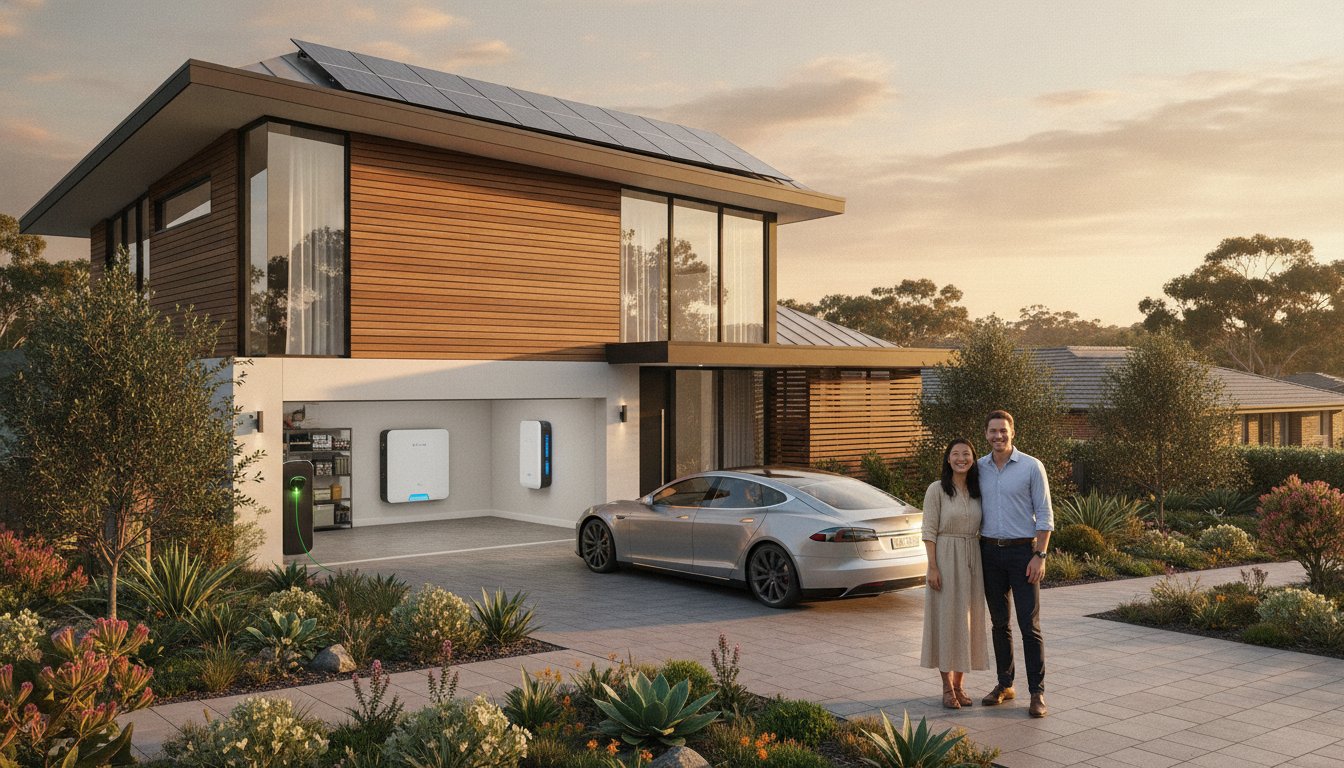
In 2026, a residential EV charger installation is no longer just a new power point in your garage; it’s the final piece of a sophisticated home energy ecosystem. If you’ve been watching NSW electricity prices climb while your car sits on a slow, grid-dependent charger, you aren’t alone. Many Sydney homeowners feel the same anxiety about switchboard capacity and the complexity of modern electrical standards. It’s frustrating to invest in a premium electric vehicle only to remain tethered to an expensive and increasingly unreliable grid.
We understand that you’re looking for more than just a plug. You want a future-proofed home that runs on its own terms. This article reveals how combining solar and battery systems with EV charging is revolutionising Sydney residences. You’ll learn how to achieve true energy independence and faster charging speeds at zero marginal cost. By exploring the latest SigenStor “5-in-one” integrations and new 2026 rebate opportunities, we’ll provide the professional clarity needed to transform your property into a high-performance, intelligent energy hub.
Key Takeaways
- Learn why a 6.6kW solar system has become the essential baseline for Sydney homeowners looking to eliminate fuel costs and grid reliance in 2026.
- Understand the technical shift from traditional AC units to high-efficiency DC charging that bypasses vehicle limitations for faster home charging speeds.
- Discover how to use a solar battery as a “buffer” to ensure your vehicle is powered by 100% renewable energy through the concept of “Solar Soaking.”
- Identify the critical NSW site audit and switchboard compliance steps necessary for a safe and legal residential EV charger installation.
- Explore how integrated 5-in-one energy hubs like the SigenStor are streamlining home infrastructure by combining inverters, batteries, and chargers into a single unit.
The 2026 Shift: Why Sydney Households are Combining Solar and Battery with EV Charging
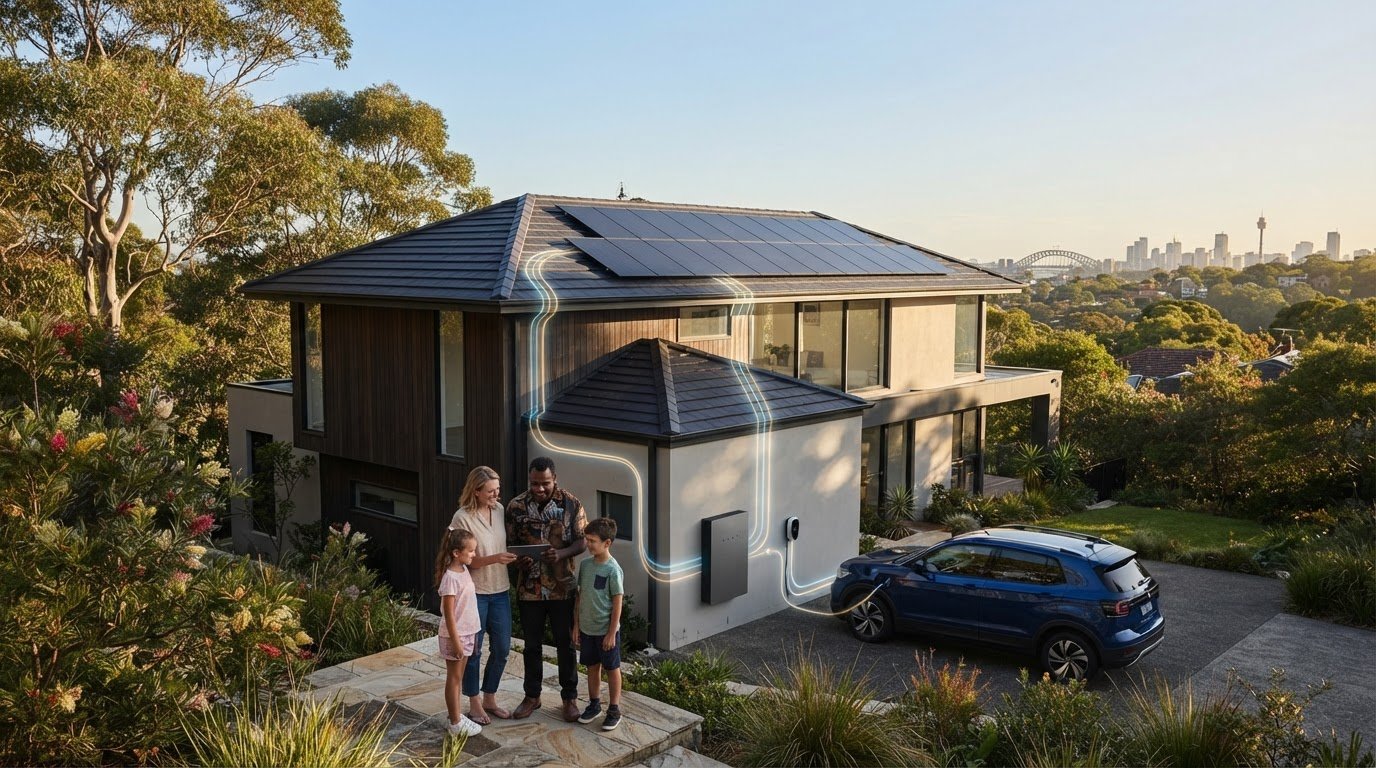
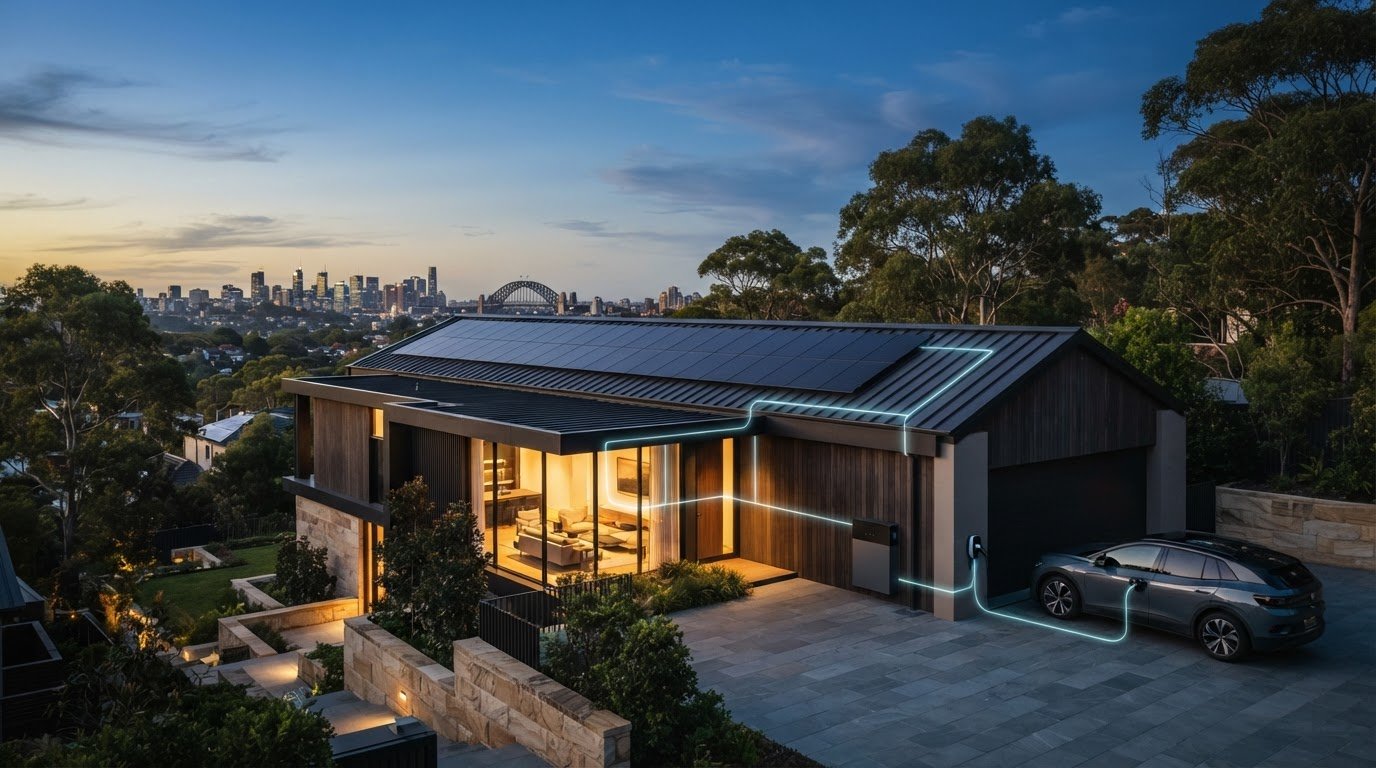
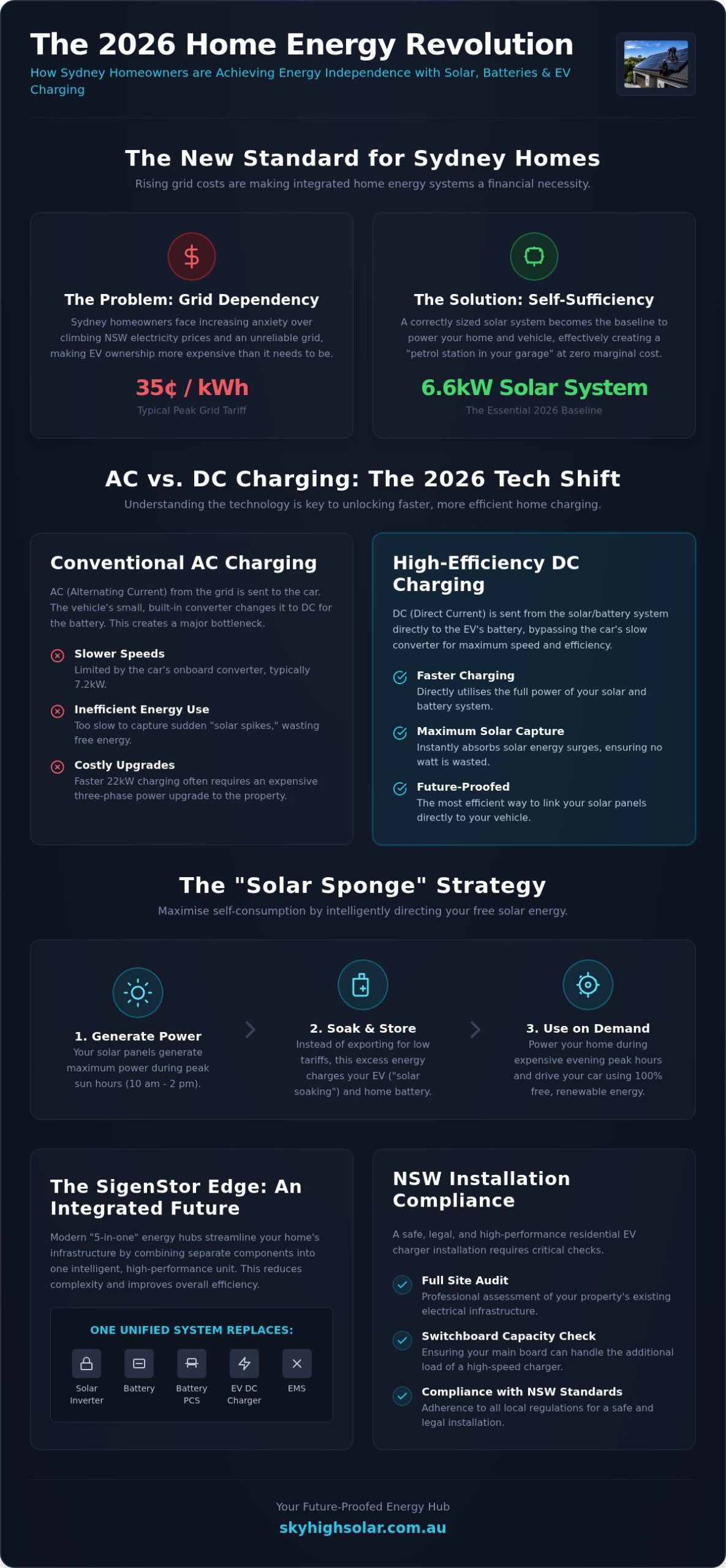
Sydney’s energy landscape has reached a definitive turning point. The traditional model of buying fuel from a retailer and electricity from the grid is being replaced by a more integrated approach. This is the rise of the “petrol station in the garage.” For many households, a 6.6kW solar system is now the absolute baseline. It provides the necessary headroom to power daily life while still having enough surplus to feed a vehicle’s battery. With NSW grid tariffs continuing to climb, the logic is undeniable. Why pay 35 cents per kilowatt-hour when you can generate it for free on your own roof?
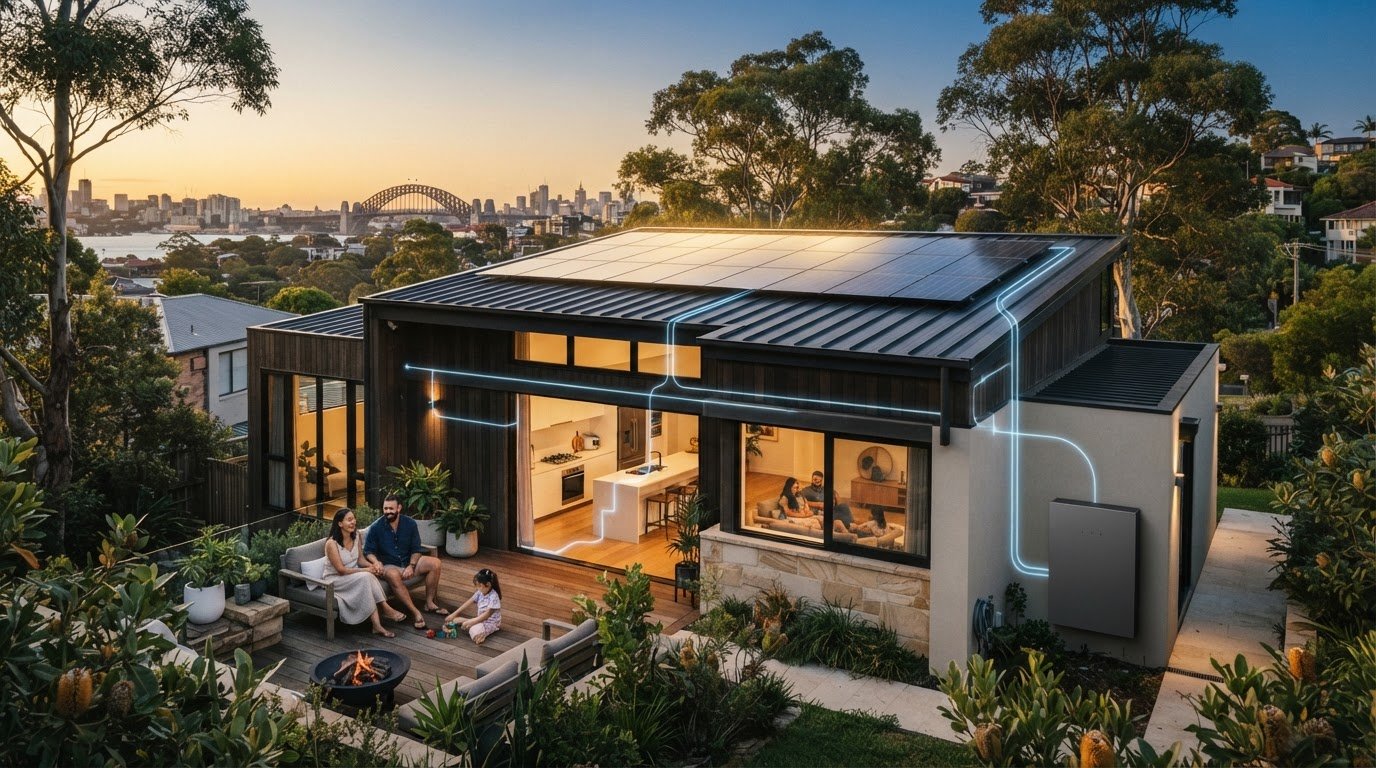
A modern residential EV charger installation is now the final piece of this puzzle. It’s no longer just a wallbox; it’s a gateway to Virtual Power Plants (VPPs). These programs allow Sydney residents to trade their stored energy back to the grid during peak events, turning a charging car into a revenue-generating asset. This level of control is exactly what’s driving the shift toward total energy self-sufficiency in 2026.
The End of Standalone Appliances
The “smart home” trend has matured significantly. It’s moved beyond simple automated lights into high-load energy management. Sydney homeowners are moving away from piecemeal setups that don’t communicate. A high-quality residential EV charger installation now serves as a central hub for this intelligence. They want energy controllers that talk to each other to prevent overloading the home’s switchboard. This shift is critical because understanding AC vs DC Charging and how these technologies interact with your home’s capacity is the difference between a seamless experience and a tripped circuit breaker.
The Economic Logic of the Energy Hub
The “Solar Sponge” has become a vital strategy for Sydney homes. This involves timing your vehicle’s charge to coincide with peak solar production, typically between 10 am and 2 pm. By soaking up this excess energy, you avoid exporting it for a low feed-in tariff. Instead, you use it to offset expensive petrol costs. Smart battery management also helps reduce peak-hour demand charges. When your home draws from stored energy during the evening rush, you protect yourself from the highest rates. Over time, this synergy doesn’t just lower bills. It effectively pays for your vehicle’s fuel through total energy self-sufficiency and long-term ROI.
AC vs DC Charging: Understanding the 2026 Residential Tech Shift
To understand the future of energy, we must first distinguish between the two types of electricity in your home. Alternating Current (AC) is what flows through the Sydney grid and your standard power points. However, batteries, both in your solar system and your electric vehicle, store energy as Direct Current (DC). For years, a residential EV charger installation meant fitting an AC wallbox that relied on the car’s small, heat-prone onboard converter to bridge this gap. This created a significant bottleneck, as the vehicle’s internal hardware often limited how fast you could actually charge.
In 2026, the shift toward home DC charging is bypassing these limitations entirely. By delivering power directly to the vehicle’s battery, we eliminate the middleman. DC home charging is the most efficient way to transfer solar energy directly to an EV battery. This technology ensures that the energy you generate on your roof stays in its most potent form, providing a seamless link between your panels and your car.
The Mechanics of AC Wallboxes
Standard AC wallboxes typically operate at 7.2kW on a single-phase Sydney home. While these units are reliable and well-established, they’re often too slow to capture the full output of a modern 10kW solar system. If you want to move to a 22kW AC charger to speed things up, you’ll likely face the complexity of a three-phase power upgrade. For many NSW properties, this involves significant costs and street-level electrical work. Another challenge is the “solar spike” effect. When the Sydney sun suddenly breaks through the clouds, an AC charger often can’t ramp up its speed fast enough to grab that surge of free energy. Instead, that surplus is exported back to the grid for a minimal return.
The Rise of Residential DC Fast Charging
The introduction of integrated systems like the SigenStor has fundamentally changed the equation for a residential EV charger installation. These advanced units allow for direct DC-to-DC charging. Instead of converting solar DC into AC for the house and then back into DC for the car, the energy stays in its native form throughout the entire process. This eliminates the 5 to 10 percent energy loss common in traditional conversions. For homeowners with large solar arrays, this technology is the superior choice because it handles rapid fluctuations in solar generation with ease. If you’re looking to modernise your infrastructure, exploring integrated EV charging solutions can help you build a more resilient energy footprint. For a deeper dive into how a DC-coupled setup works in practice, our integrated solar EV charger guide for Sydney homes covers the full technical and financial picture.
Maximising Self-Consumption: The Synergy of Solar and Battery with EV Charging
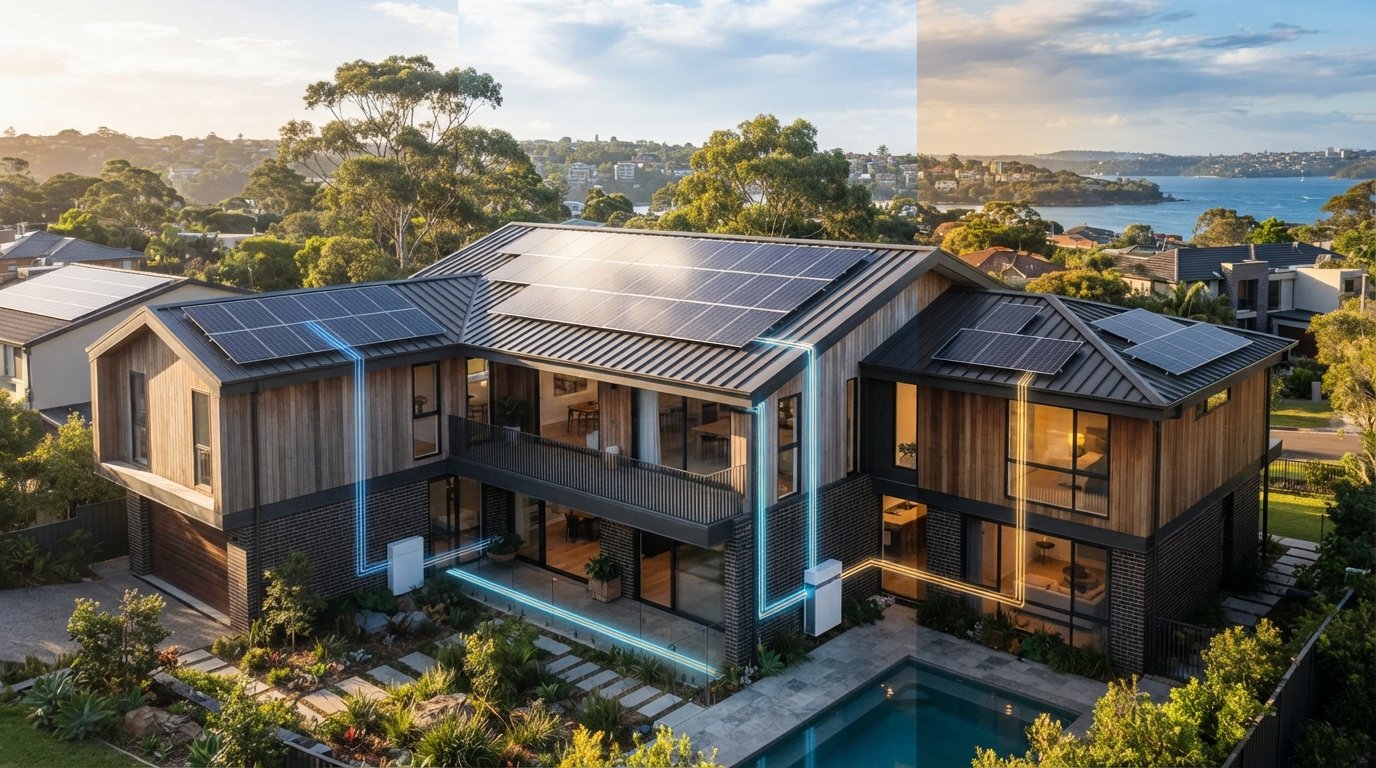
The true value of a residential EV charger installation isn’t found in the hardware alone, but in how it communicates with your broader energy ecosystem. While solar panels generate the power, the intensity of Sydney’s sun can fluctuate wildly due to cloud cover. Without a buffer, your EV charger might frequently toggle between solar and expensive grid power to maintain a steady charge. By integrating a dedicated solar battery, you create a stabilising reservoir. This system ensures that every kilowatt-hour fed into your vehicle is sourced from your roof, even when conditions aren’t perfect.
In 2026, we’re seeing the practical realisation of bidirectional charging, including Vehicle-to-Home (V2H) and Vehicle-to-Grid (V2G) capabilities. This technology allows your car to act as a secondary power source for your Sydney home during a blackout or peak demand period. High-performance hardware like the GoodWe ET G2 Hybrid Inverter acts as the intelligent conductor for these flows, directing energy where it’s needed most while protecting the longevity of your vehicle’s battery. This approach moves the car from being a passive consumer to an active participant in your home’s energy security.
The Role of the Home Battery
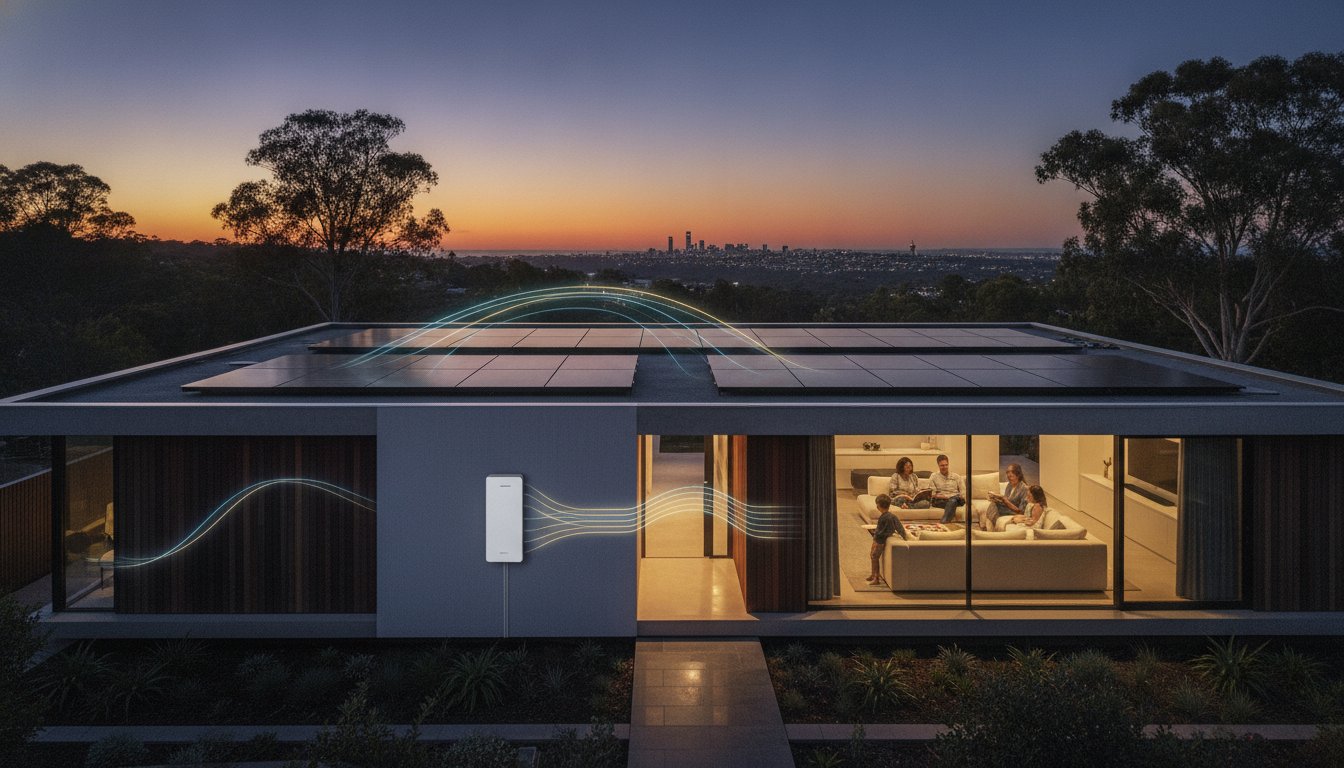
A standard 10kW solar system provides ample generation, but its peak output rarely aligns with when most people actually drive. Most Sydney residents return home after sunset, precisely when solar production ceases. A home battery allows for “Solar Soaking” during the day, storing that free energy to be discharged into your EV overnight. This method provides the most stable and controlled discharge rates, which is far gentler on your vehicle’s sensitive electronics than the high-voltage spikes often found on the ageing Sydney grid.
Intelligent Load Balancing
Safety and reliability are paramount when managing high-load appliances. Smart residential EV charger installation includes intelligent load balancing to ensure your home’s main breaker never trips. These systems are designed with a clear hierarchy of needs:
- Essential Services: Power is first directed to your fridge, medical equipment, and security systems.
- Comfort Loads: Air conditioning and lighting are maintained to ensure your lifestyle isn’t interrupted.
- EV Charging: The car charges in the background, automatically scaling its draw based on what the rest of the house is using.
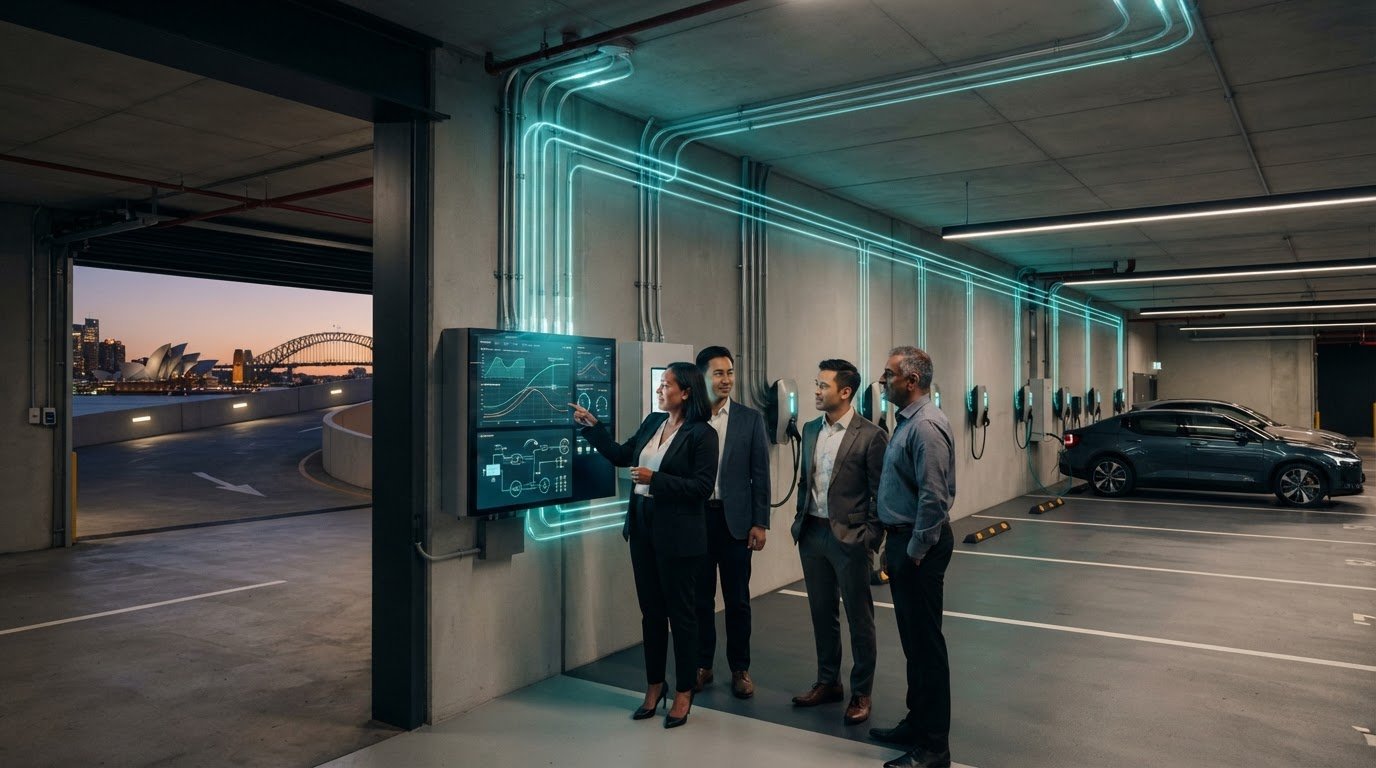
Modern unified software platforms allow you to monitor these flows in real-time, giving you total transparency and peace of mind over your energy consumption.
Technical Requirements for a Residential EV Charger Installation in NSW
Moving from the vision of an energy hub to the reality of a residential EV charger installation requires a methodical technical approach. Your Sydney home’s electrical infrastructure must be prepared to handle high-current loads safely and efficiently. The first step is always a comprehensive site audit. This isn’t just a quick look; it’s a calculation of your property’s maximum demand to ensure your service fuses won’t blow when you’re charging your car and running the air conditioner simultaneously.
Once the capacity is confirmed, we evaluate the mounting location. This balances cable reach with weather protection, ensuring your charger remains durable against the elements while being convenient to use. Finally, every installation in NSW must conclude with the issuance of a Certificate of Compliance for Electrical Work (CCEW). As of July 1, 2026, these must be submitted digitally through the BCNSW eCert portal, ensuring a permanent, verifiable record of your home’s safety and compliance. If your current setup isn’t quite ready, our team can assist with professional switchboard upgrades to bring your property up to standard.
The Switchboard: The Heart of the Installation
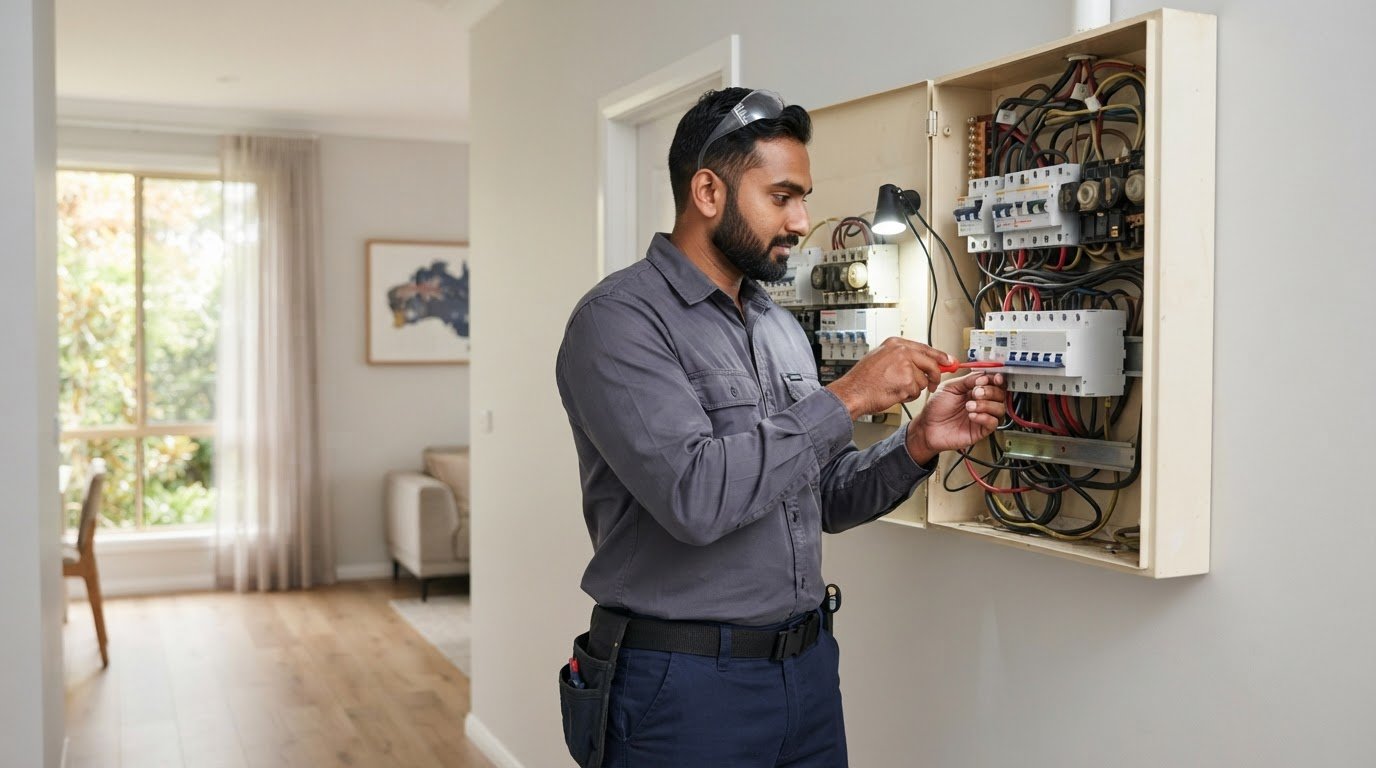
Older Sydney homes, particularly those with ceramic fuses, often require a complete switchboard modernisation to meet AS/NZS 3000 standards. A residential EV charger installation adds a significant continuous load to your system, which necessitates dedicated RCDs (Residual Current Devices) for safety. These devices are designed to detect minor leakage currents and shut off power instantly, protecting both your vehicle and your family. When we upgrade a board, we also focus on future-proofing. This means adding spare capacity and DIN rail space for future battery storage or additional solar arrays, ensuring you don’t have to pay for the same work twice as your energy needs evolve.
Grid Connection and Local Regulations
Navigating the requirements of Ausgrid or Endeavour Energy is a critical part of the process. Depending on your location in Sydney, you may need to apply for a connection upgrade or have a smart meter installed to enable EV-specific time-of-use tariffs. NSW-specific safety regulations also dictate how lithium battery storage and EV charging circuits are partitioned. This is why using a licensed NSW electrician who specialises in solar and battery work is non-negotiable. They understand the specific “Wiring Rules” outlined in Appendix P of the national standards, ensuring your system is not only functional but fully legal and insurance-compliant.
The SigenStor Edge: Streamlining Solar and Battery with Built-in EV Charging
The evolution of the modern home energy hub has culminated in the arrival of the SigenStor. It’s the world’s first 5-in-one home energy controller, and it represents a paradigm shift for anyone considering a residential EV charger installation. By housing the hybrid inverter, battery storage, and an EV DC charger within a single, unified chassis, it eliminates the need for multiple disparate boxes on your garage wall. This modular approach doesn’t just look better; it functions with a level of intelligence that standalone units can’t match. It’s a sophisticated solution that replaces the messy wiring of the past with a sleek, premium aesthetic.
Traditional setups often struggle with the complexity of wiring separate components together. The SigenStor streamlines this by unlocking ultra-fast DC charging at home without the usual technical hurdles. Because the DC charger is built directly into the energy stack, the path from your solar panels to your vehicle’s battery is as short and efficient as possible. This integration ensures you’re capturing every available watt of solar energy, delivering it straight to your car at speeds that traditional AC wallboxes simply can’t achieve.
Why SigenStor is the 2026 Leader
The system’s AI-driven energy management is a standout feature for Sydney residents. It learns your specific driving habits and cross-references them with local NSW weather patterns to optimise charging times. If the AI predicts a cloudy afternoon in the Eastern Suburbs, it’ll prioritise charging your car during the morning sun. The hardware is also remarkably flexible. You can start with a smaller battery capacity and stack additional modules as your energy needs grow. This stackable design allows for a 5-minute installation process between modules, which significantly reduces the labour costs typically associated with a complex residential EV charger installation.
The Sky High Solar Difference
Choosing the right hardware is only half the battle. Our local Sydney expertise ensures that your SigenStor system is perfectly calibrated for the unique NSW climate and grid requirements. We don’t just bolt units to the wall; we handle the professional commissioning and provide ongoing solar system servicing to ensure your investment performs at its peak for decades. We act as your visionary specialist, guiding you through the transition to a modern energy footprint with total transparency and technical precision. Ready to modernise your home? Contact Sky High Solar for a bespoke energy hub quote and discover how we can future-proof your property.
Future-Proofing Your Sydney Home with Intelligent Energy Integration
The transition toward a smarter, self-sufficient home is no longer a distant prospect; it’s a practical reality for Sydney residents. By integrating solar generation with advanced battery storage, you transform your property into a high-performance energy hub. We’ve explored how moving beyond basic AC wallboxes to intelligent systems like the SigenStor can eliminate grid reliance and slash vehicle running costs. A professional residential EV charger installation serves as the final, vital link in this ecosystem, ensuring your vehicle is powered by the cleanest and most efficient energy available.
As a SigenStor Authorised Platinum Partner and licensed NSW electrical contractors, Sky High Solar is ready to guide you through this technological shift. We’re specialists in high-voltage FOX ESS battery storage and complex system integrations that provide long-term value. Taking control of your energy footprint is a rewarding step toward a more sustainable and cost-effective future for your family.
Book Your Sydney Home Energy Audit with Sky High Solar
Your journey toward total energy independence starts with a single, well-planned step.
Frequently Asked Questions
Do I need to upgrade to three-phase power for a residential EV charger installation in Sydney?
You don’t strictly require three-phase power for a residential EV charger installation, as a standard single-phase 7kW charger is sufficient for most daily commutes. However, if you want ultra-fast 22kW charging or have multiple vehicles, an upgrade is often beneficial. We recommend assessing your daily mileage and solar output before deciding, as single-phase systems are generally more cost-effective for typical Sydney households.
Can I charge my electric car directly from my solar panels without a battery?
Yes, you can charge directly from your panels, but your car will only receive power when the sun is shining. Without a battery to act as a buffer, cloud cover can cause charging speeds to drop or stop entirely. This often forces the system to draw from the grid at peak rates. A battery ensures a steady, 100% renewable charge regardless of intermittent Sydney weather patterns.
How much does a typical switchboard upgrade cost for an EV charger in NSW?
The cost of a switchboard modernisation varies based on the age of your home and the complexity of your current wiring. While we don’t provide fixed pricing without a site audit, a typical upgrade involves installing dedicated RCDs and ensuring compliance with AS/NZS 3000 standards. This investment is crucial for safety and provides the necessary capacity to handle the high continuous load of a modern EV charging circuit.
What is the difference between a smart charger and a standard wallbox?
A smart charger features internet connectivity and advanced energy management software, allowing you to time charging for off-peak windows or solar peaks. In contrast, a standard wallbox is a basic device that provides power whenever the vehicle is plugged in. Smart systems are essential for 2026 energy hubs, as they allow you to monitor consumption and integrate seamlessly with your solar and battery storage.
Is it better to install a solar battery and EV charger at the same time?
It’s highly recommended to install both simultaneously to maximise your long-term ROI and reduce labour costs. Combining these systems allows for a unified residential EV charger installation where the battery acts as a reservoir for solar energy. This synergy ensures you’re never drawing expensive power from the grid during peak evening hours, effectively allowing your solar panels to fuel your vehicle at zero marginal cost.
Does the NSW Government offer any rebates for home EV charger installations in 2026?
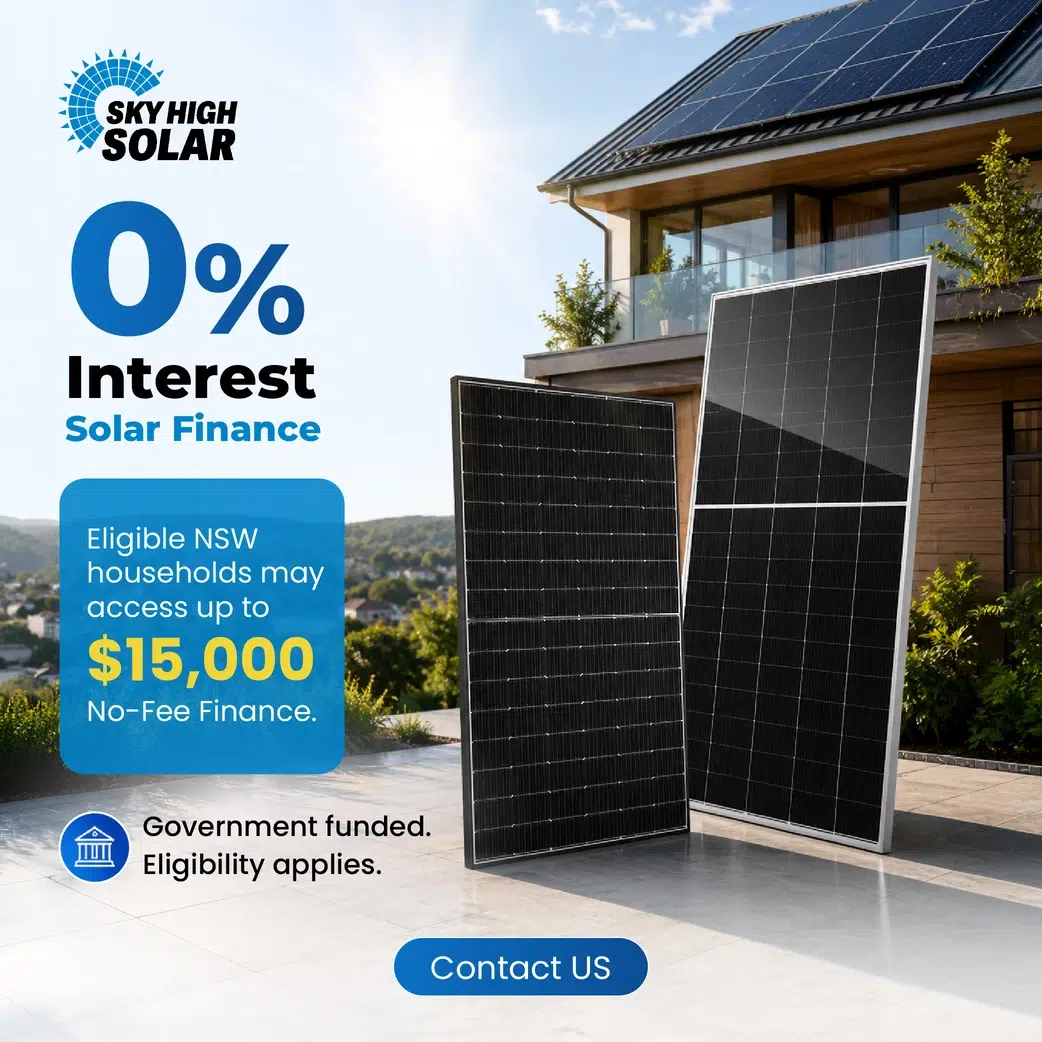
As of 2026, there is no direct NSW government rebate specifically for home EV charger hardware. However, households can access zero-interest loans of up to $15,000 for energy-saving upgrades through the NSW Home Energy Saver Program. Additionally, the Federal Cheaper Home Batteries Program offers upfront discounts of approximately 30% on eligible storage systems, which significantly lowers the total cost of your integrated energy hub.
Can my EV battery be used to power my home during a Sydney blackout?
Yes, if you have a system with bidirectional capabilities like the SigenStor, your vehicle can power your Sydney home during a blackout. This technology, known as Vehicle-to-Home (V2H), allows the car’s battery to discharge back into your home’s electrical system. It’s a revolutionary feature that provides an extra layer of energy security, essentially turning your car into a large backup generator for your essential appliances.
How long does a professional residential EV charger installation take?
A professional installation typically takes between four to eight hours to complete. The duration depends on the complexity of your switchboard and the distance between your electrical panel and the charging point. If a switchboard upgrade or three-phase power conversion is required, the process may extend into a second day. Our team ensures a methodical approach to minimise disruption while guaranteeing that every connection meets strict NSW safety standards.