

 Sydney
 0452 243 240
Blog
Sydney’s 2026 Guide to Rooftop Solar for Homes

What if your Sydney home wasn’t just a place to live, but a high-performance power station that operated entirely on its own terms? By 2026, the transition toward full electrification has moved beyond simple panels on a roof to a sophisticated, integrated ecosystem. You’ve likely felt the frustration of rising grid prices or the confusion surrounding the latest NSW rebate shifts. It’s common to worry about whether your investment will actually talk to your new EV charger or if you’re inadvertently hiring an unreliable installer. We understand that you want more than just hardware; you’re looking for a reliable, long-term solution that provides genuine peace of mind.
This guide clarifies the modern landscape of rooftop solar for homes, helping you bypass the complexity of battery integration and shifting regulations. You’ll discover how to future-proof your property using intelligent technology like the SigenStor system to achieve total energy independence. We’ll walk through the essential technical updates for 2026 and show you how a professionally designed system can slash your quarterly bills while significantly increasing your home’s market value.
Key Takeaways
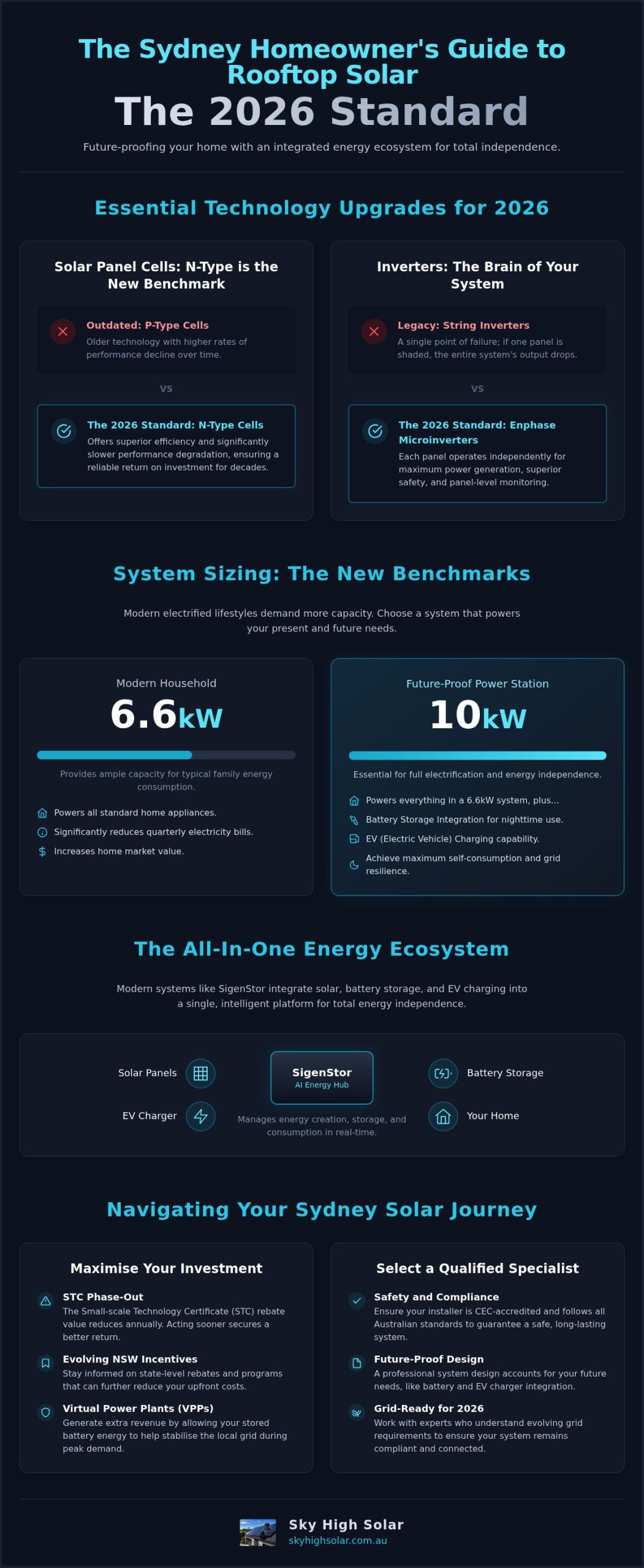
- Learn why N-Type cell technology and Enphase microinverters are now the essential components for a high-performance, durable Sydney energy system.
- Understand why 6.6kW and 10kW systems have become the new benchmarks for rooftop solar for homes, providing the necessary capacity for modern electrified lifestyles.
- Discover how the latest all-in-one platforms, such as SigenStor, simplify the integration of battery storage and EV charging for total energy independence.
- Navigate the evolving landscape of NSW government incentives and the STC phase-out to secure the best possible return on your investment.
- Gain clarity on how to choose a qualified specialist to ensure your installation is safe, compliant, and ready for the grid requirements of 2026.
The State of Rooftop Solar for Homes in 2026
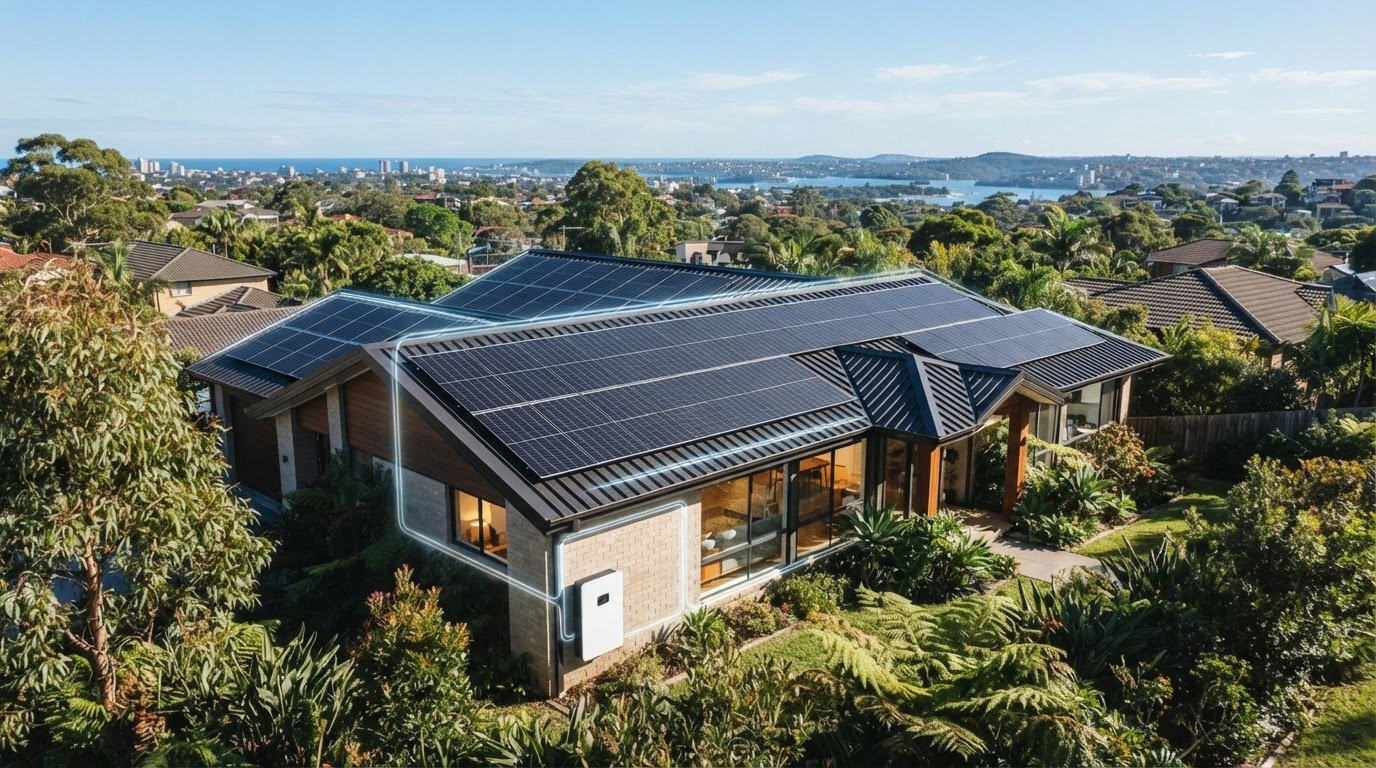
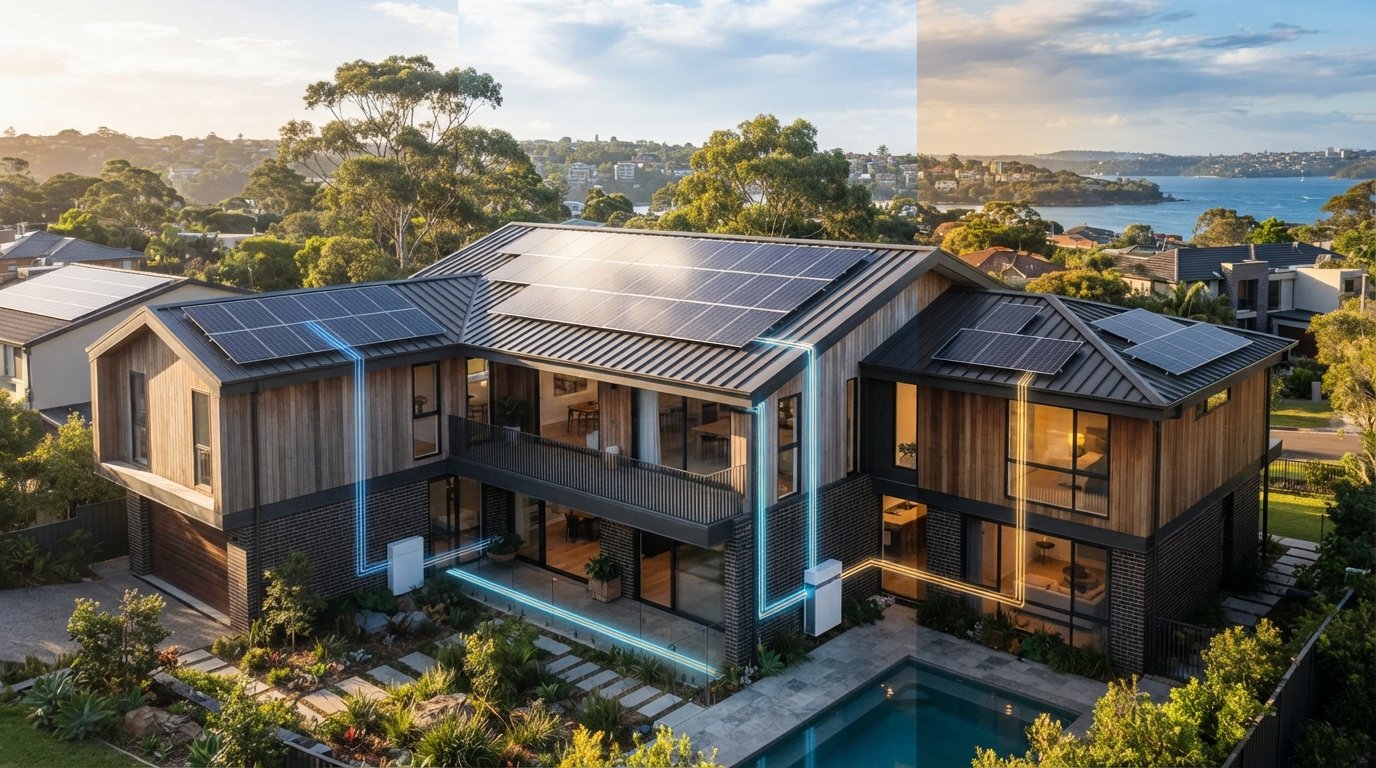
Rooftop solar for homes in 2026 has transitioned from a passive addition to a sophisticated energy generation and storage ecosystem. It is no longer just about panels on a roof; it is about an intelligent network that manages how your household creates, stores, and consumes power. Australia remains at the forefront of this global shift, primarily because our abundant sunshine provides a natural advantage that offsets some of the highest electricity prices in the world. In Sydney, this evolution is particularly evident as homeowners move away from the old model of simply exporting power to the grid. The new paradigm focuses on maximising self-consumption, ensuring that the energy you produce is used exactly where it’s needed, when it’s needed.
Sydney’s unique climate plays a vital role in this transition. With reliable annual solar yields, the city provides an ideal environment for residential arrays to thrive. By understanding the specific irradiance patterns across the Sydney basin, we can design systems that provide consistent performance throughout the year. This shift toward total energy management allows families to take control of their utility future, turning their property into a self-sustaining asset that operates independently of market fluctuations.
Why Solar is Non-Negotiable for Sydney Households
The financial pressure of rising grid costs has made solar a fundamental requirement rather than a luxury. When we look at the falling levelised cost of solar energy, the gap between self-generated power and grid-purchased electricity continues to widen. This isn’t just about savings; it’s about resilience. Protecting your family against local grid instability ensures that your home remains functional during outages. As New South Wales pushes toward ambitious net-zero targets, residential systems are becoming the backbone of our state’s environmental stewardship, allowing every household to contribute to a cleaner future.
The 2026 Economic Outlook for Solar
Analysing the modern ROI reveals that current systems pay for themselves much faster than models from only a few years ago. Higher efficiency cells and smarter inverters mean you capture more energy from the same footprint. For the Sydney real estate market, a high-quality 6.6kW or 10kW system is now a “must-have” feature that significantly increases property value. Buyers are looking for future-proofed homes that offer low running costs. Additionally, participating in Virtual Power Plants (VPPs) has become a viable way to generate extra revenue, as your battery storage helps stabilise the grid during peak periods. To understand exactly how feed-in tariffs and export charges affect your bottom line in 2026, our detailed breakdown of solar panel ROI in NSW explains the current payback landscape and how to maximise your returns.
Emerging Solar Technologies: Beyond Basic Panels
The hardware powering rooftop solar for homes has undergone a remarkable transformation, moving far beyond the simple silicon sheets of the last decade. In 2026, the focus has shifted toward intelligence and longevity. N-Type cell technology has effectively replaced the older P-Type standard, offering superior efficiency and a much slower rate of performance decline. This technical evolution ensures that the energy harvest remains high even as the system ages. For Sydney homeowners, this means a more reliable return on investment and a system that continues to perform at peak capacity for decades.
Microinverters have also seen a massive surge in popularity, with Enphase dominating the premium market across the Sydney basin. Unlike traditional systems, microinverters allow each panel to operate independently. If one panel is shaded by a chimney or a passing cloud, the rest of the array continues to produce at maximum power. We are also seeing increased interest in bifacial panels. While these are traditionally used in commercial settings, they are now being utilised on residential carports and light-coloured rooftops to capture reflected light from the underside, further boosting total energy yields.
Smart monitoring has become the standard for any modern installation. You no longer have to guess how your system is performing; sophisticated smartphone apps provide real-time data on your energy flow. You can see exactly how much power your appliances are using and how much you are storing for the evening. If you are curious about which technology best suits your specific roof layout, our team can help you evaluate your home’s solar potential with a detailed technical assessment.
Inverters: The Brain of the Operation
The choice of inverter determines how effectively you can use your generated power. While string inverters remain a budget-friendly option, microinverters offer superior panel-level optimisation and safety. For those looking to integrate storage, the GoodWe ET G2 Hybrid HV Inverter has emerged as a game-changer. It provides a seamless bridge for future battery additions, ensuring your system is ready for expansion without needing a complete overhaul. Modern units also include advanced safety features, such as rapid shutdown and arc-fault protection, which are now mandatory requirements for Australian electrical safety standards.
The Shift to N-Type High-Efficiency Modules
N-Type modules represent a significant leap in durability. With significantly lower degradation rates, a system installed in 2026 is engineered to remain highly productive until 2051. These panels also excel in low-light conditions, which is essential for harvesting energy during Sydney’s overcast winter days. Beyond performance, aesthetic trends have moved toward “all-black” sleek designs. These modules blend into the roofline, providing a sophisticated look that enhances the architectural appeal of modern Sydney homes while delivering world-class energy density.
Sizing Your System: Why 6.6kW and 10kW are the New Standards
Determining the right capacity for rooftop solar for homes has changed significantly over the last few years. The days when a 3kW or 5kW system was considered “standard” have passed. In 2026, these smaller arrays often fail to meet the energy demands of a modern, electrified household. With the decline of feed-in tariffs, the goal isn’t to sell power back to the grid for a pittance. Instead, it’s about generating enough energy to cover your own consumption, charge a battery, and eventually power an electric vehicle. Small systems simply don’t provide the surplus required to make these additions viable.
A critical technical concept to understand is the 133% inverter oversizing rule. This standard allows you to install roughly 6.6kW of panels on a 5kW inverter. While it might sound counterintuitive to have more panel capacity than the inverter’s peak rating, it actually maximises total daily efficiency. It ensures your system reaches its peak output earlier in the morning and maintains it later into the afternoon, providing a more consistent energy profile. This “soaking up” of energy during shoulder periods is what makes modern rooftop solar for homes so effective compared to older installations.
The Case for a 6.6kW Solar System
For the average Sydney suburban home, 6.6kW remains the absolute sweet spot. This configuration allows you to maximise the available Small-scale Technology Certificates (STCs) while keeping the installation footprint manageable on a standard roof. It provides ample power for households with moderate daytime usage and offers enough surplus to begin exploring battery storage options. If you’re looking for a detailed breakdown of components and performance, our 6.6kW Solar System Sydney: The Complete 2026 Homeowner’s Guide offers everything you need to know.
When to Step Up to a 10kW System
If your home features a swimming pool, ducted air conditioning, or multiple storeys, a 10kW system is often the more prudent choice. Larger families and those running home businesses require a higher energy ceiling to maintain independence from the grid. This size is particularly effective if you’re preparing for a multi-battery setup or have heavy EV charging requirements. Choosing a larger capacity now prevents the need for costly upgrades later as your energy needs evolve. You can find more specific advice on high-capacity arrays in our Ultimate Guide to 10kW Solar Systems for Sydney Homes (2026).
The Integration Trend: Solar, Batteries, and EV Charging
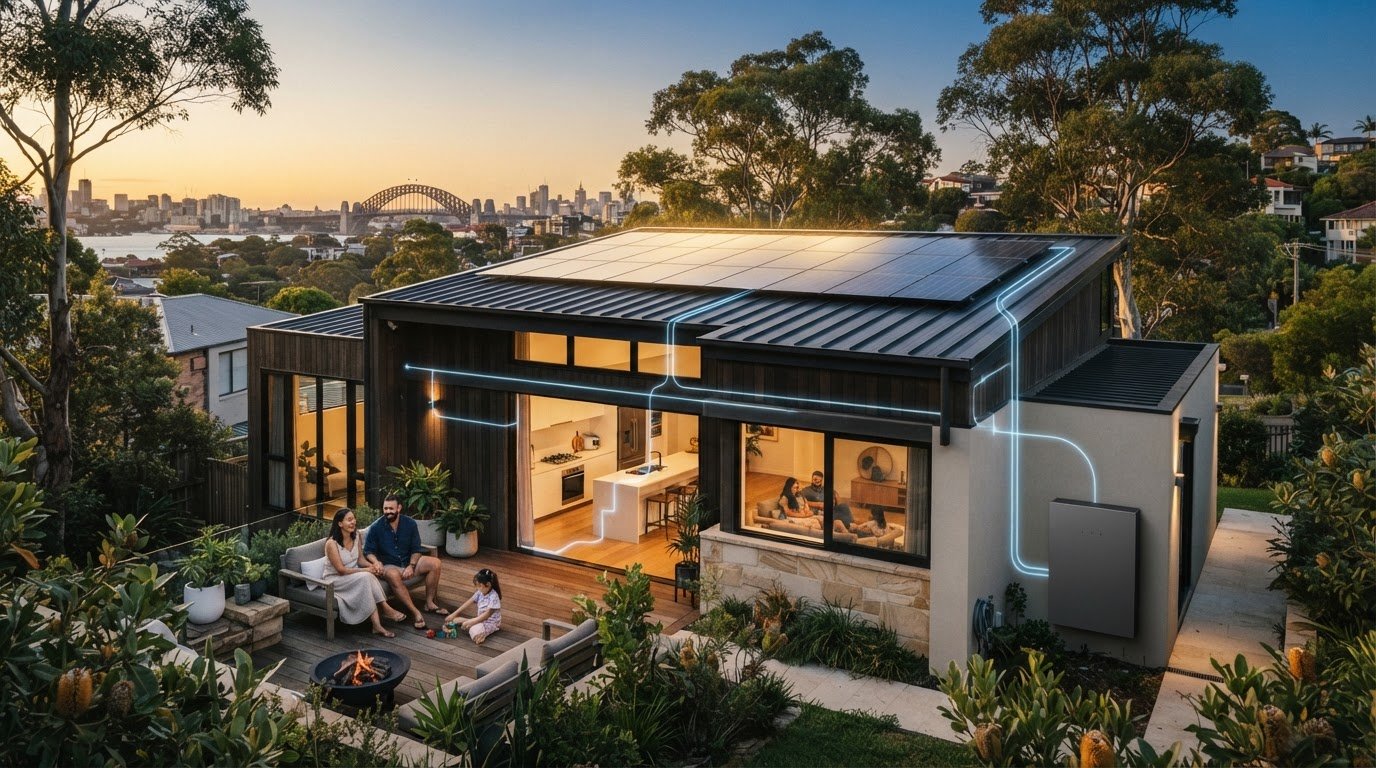
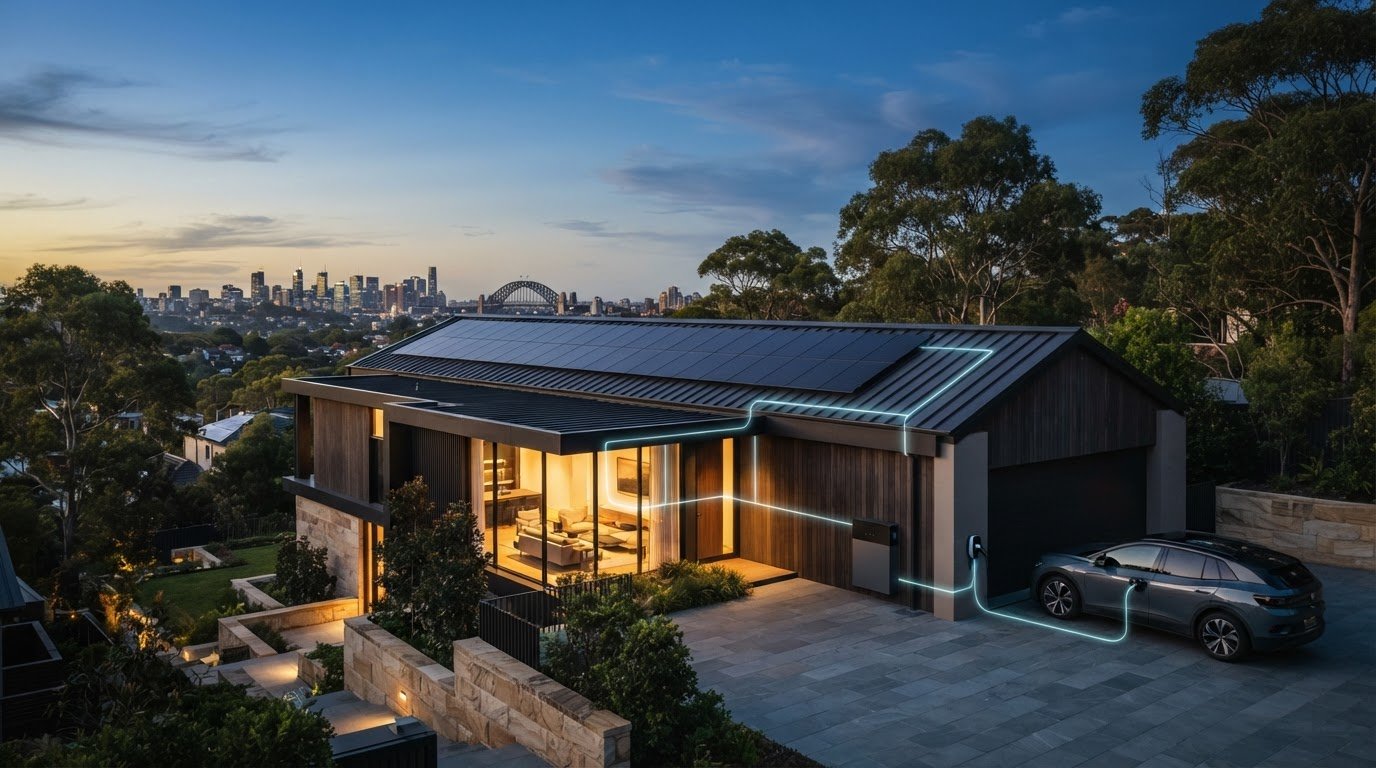
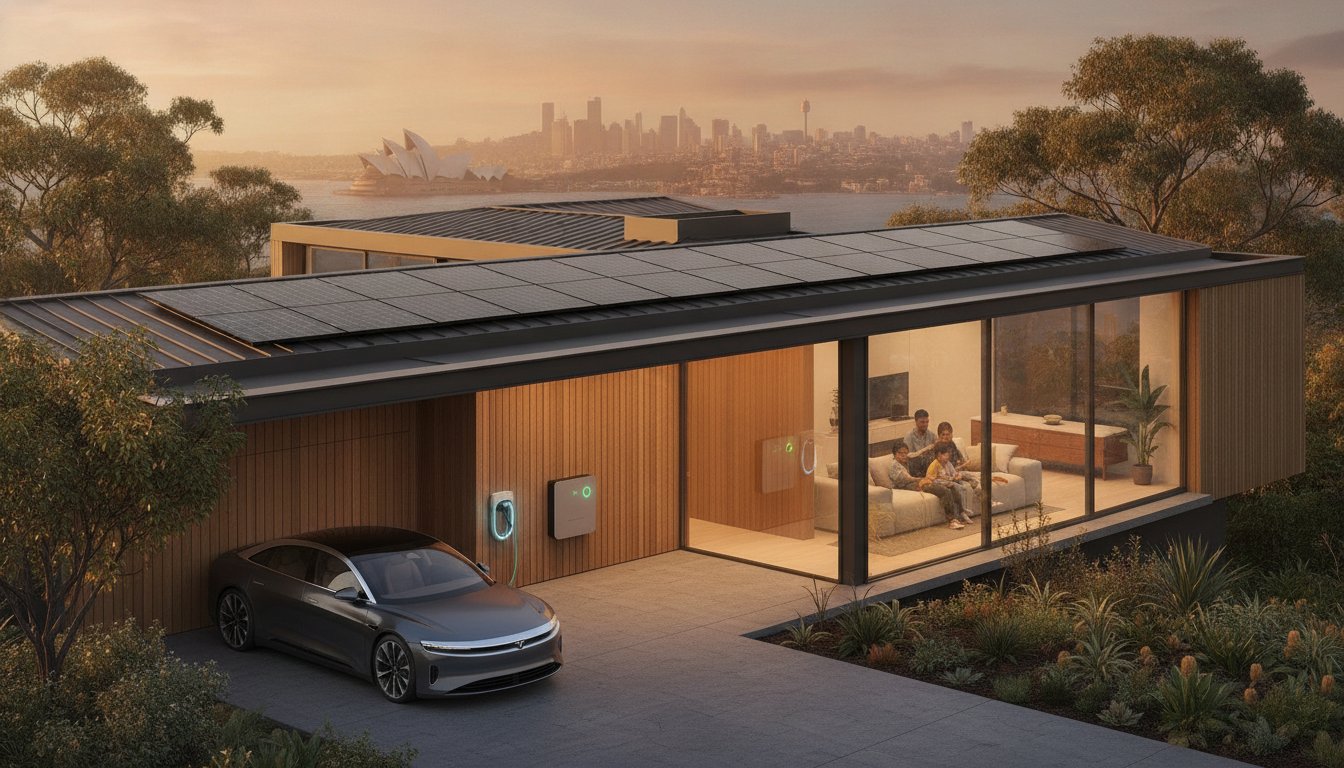
By 2026, the concept of rooftop solar for homes has evolved into a comprehensive energy management strategy. Rather than treating your panels, battery, and car charger as separate components, modern systems integrate them into a singular, intelligent network. This shift is driven by the need for total energy independence and the desire to bypass the inefficiencies of traditional setups. Leading this revolution is the SigenStor platform, which serves as a central hub for your entire household energy flow. It combines generation and storage with high-speed charging, ensuring that every watt produced on your roof is utilised with precision.
Battery storage has transitioned from an optional luxury to an essential requirement for the 2026 Sydney home. As grid prices fluctuate, the ability to store your own clean energy for use during peak evening periods is what truly delivers a return on investment. With feed-in tariffs now sitting as low as 4c per kWh in many NSW plans, understanding your true solar panel ROI in NSW is essential before deciding how to size your battery and manage your self-consumption strategy. High-voltage residential storage solutions, particularly those from FOX ESS, provide the heavy-lifting required to run modern appliances and charge vehicles simultaneously. If you’re ready to move beyond simple panels and build a complete ecosystem, you can explore our integrated energy solutions tailored for Sydney conditions.
Modern Battery Solutions: FOX ESS and Tesla
The choice of storage hardware is critical for long-term reliability. In 2026, the comparison often comes down to the FOX ESS CQ7 and the Tesla Powerwall 3. Both systems offer exceptional blackout protection, ensuring your lights and essential appliances stay on when the local grid fails. However, the FOX ESS CQ7 is specifically engineered for high-voltage efficiency, which can lead to faster response times during heavy loads. Modern battery technology now offers significantly improved cycle life, meaning your 2026 investment is built to handle thousands of daily charges without substantial capacity loss.
Integrated EV Charging: The Final Piece of the Puzzle
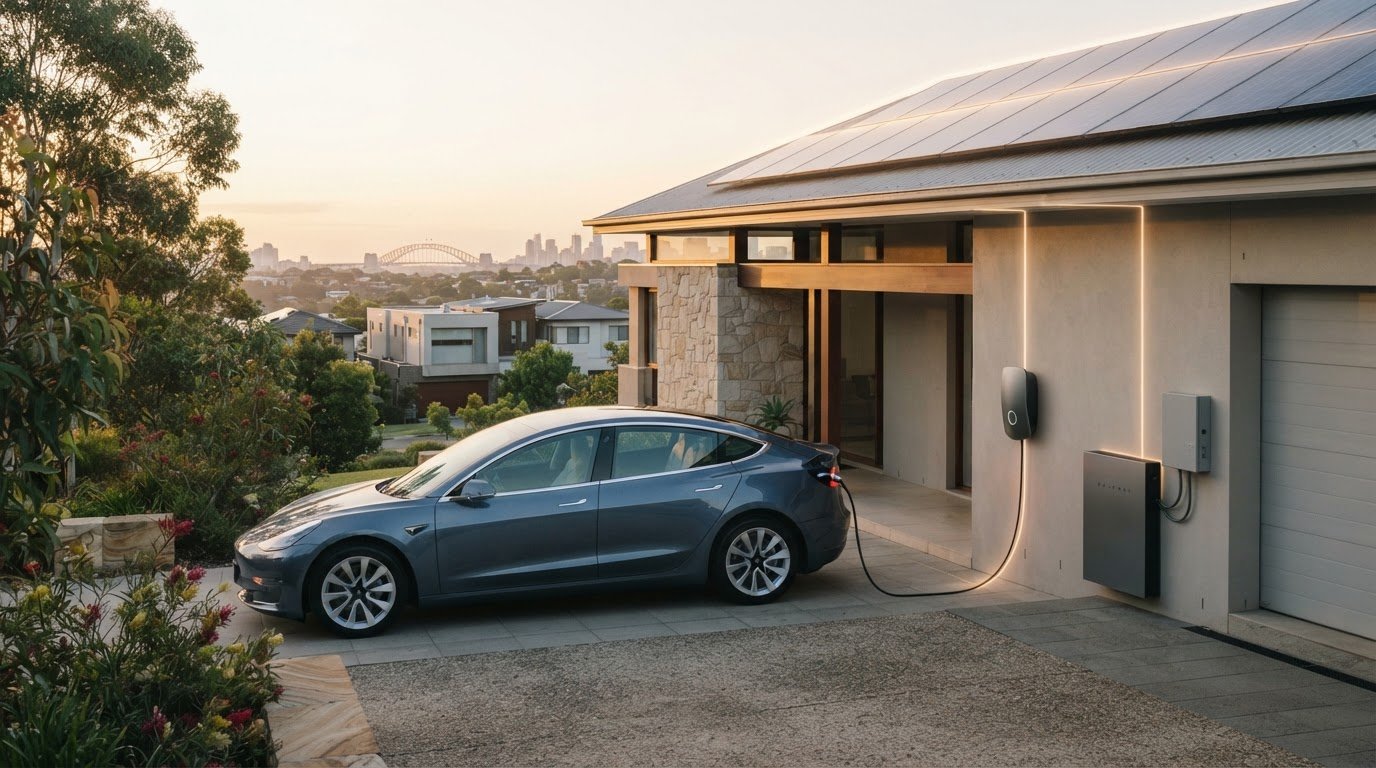
Charging your car directly from your rooftop solar panels is the ultimate goal of home electrification. The SigenStor system revolutionises this by combining an inverter, battery, and EV DC charger into one sleek unit. By utilising DC-to-DC charging, the system minimises energy loss that typically occurs when converting power between AC and DC formats. This means more of your solar harvest goes directly into your vehicle’s battery. Smart scheduling features allow you to automate this process, ensuring your EV charges only when your panels are at peak production, effectively allowing you to drive on sunshine.
Navigating the Sydney Solar Journey: Rebates and Installation
Starting the journey toward rooftop solar for homes in Sydney requires a clear understanding of the local regulatory and financial environment. By 2026, the financial landscape has shifted significantly. While federal Small-scale Technology Certificates (STCs) continue their scheduled annual phase-out, they still provide a valuable upfront reduction in system costs. However, the window for maximising these incentives is narrowing every year. Sydney homeowners should also stay informed about current NSW Government incentives, which have evolved to focus heavily on battery storage and grid stability rather than just panel installation.
One factor that often surprises residents during the quoting process is the necessity of a switchboard upgrade. Many older properties across the Inner West and Eastern Suburbs feature electrical infrastructure that wasn’t designed for the bidirectional energy flow of a modern 10kW system. Ensuring your switchboard is compliant isn’t just a regulatory hurdle; it’s a fundamental safety requirement for a high-performance home. Our essential guide to switchboard upgrades for Sydney homes explains exactly what’s involved in modernising your electrical infrastructure to support a solar-ready household. Choosing a local Sydney installer with Clean Energy Council (CEC) accreditation ensures that these technical nuances are handled with professional authority.
Sydney-Specific Installation Challenges
Installing a system in our city brings unique hurdles that generic guides often overlook. Suburbs like Paddington or Glebe frequently face strict heritage overlay restrictions that dictate panel placement and visibility. Additionally, the dense urban canopy in many established areas can create significant shading issues. This is where the microinverters discussed earlier become indispensable, as they prevent a single shaded branch from compromising the entire array’s output. You must also navigate the specific grid connection rules of your distributor, as requirements can differ between Ausgrid territory in the city and north, and Endeavour Energy’s region in the west.
Maintaining Your Investment
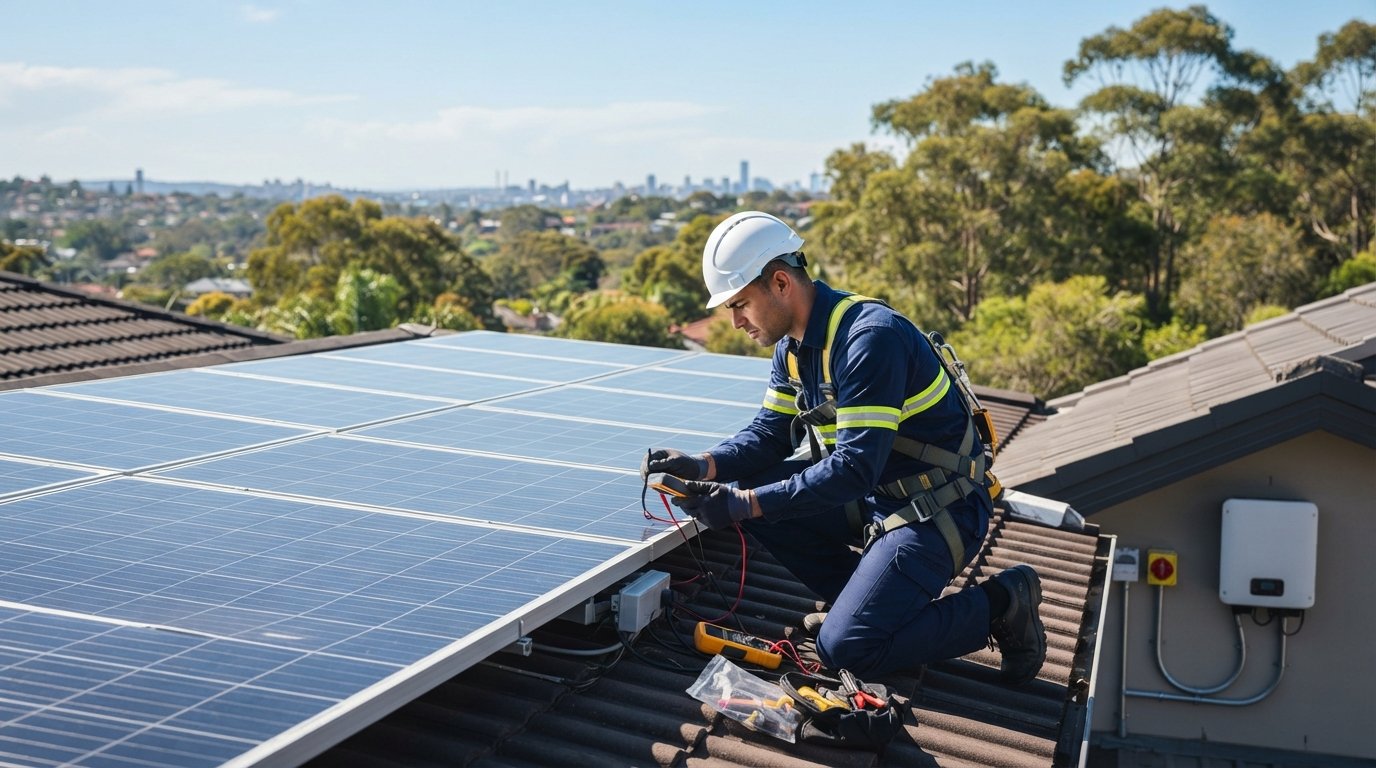
There’s a common myth that Australian rain is enough to keep your panels clean. In reality, Sydney’s combination of urban dust and coastal salt spray can create a stubborn film that noticeably reduces efficiency over time. Regular servicing is essential to protect your longevity and ensure your warranties remain valid. Annual electrical safety checks confirm that your connections remain secure and your system is operating at peak performance. To ensure your investment in rooftop solar for homes continues to deliver maximum value, you can book a solar system service with our Sydney experts today and maintain your energy independence with confidence.
Secure Your Energy Independence for the Decades Ahead
The transition toward full electrification is no longer a distant goal; it’s a practical reality for Sydney households. By moving beyond basic panels and embracing integrated technology like SigenStor and FOX ESS storage, you’re doing more than just lowering bills. You’re building a resilient asset that increases property value and provides absolute peace of mind during grid instability. Whether you’re opting for a 6.6kW or 10kW system, the focus must remain on high-efficiency N-Type cells and microinverter technology to ensure your investment remains productive well into the 2050s.
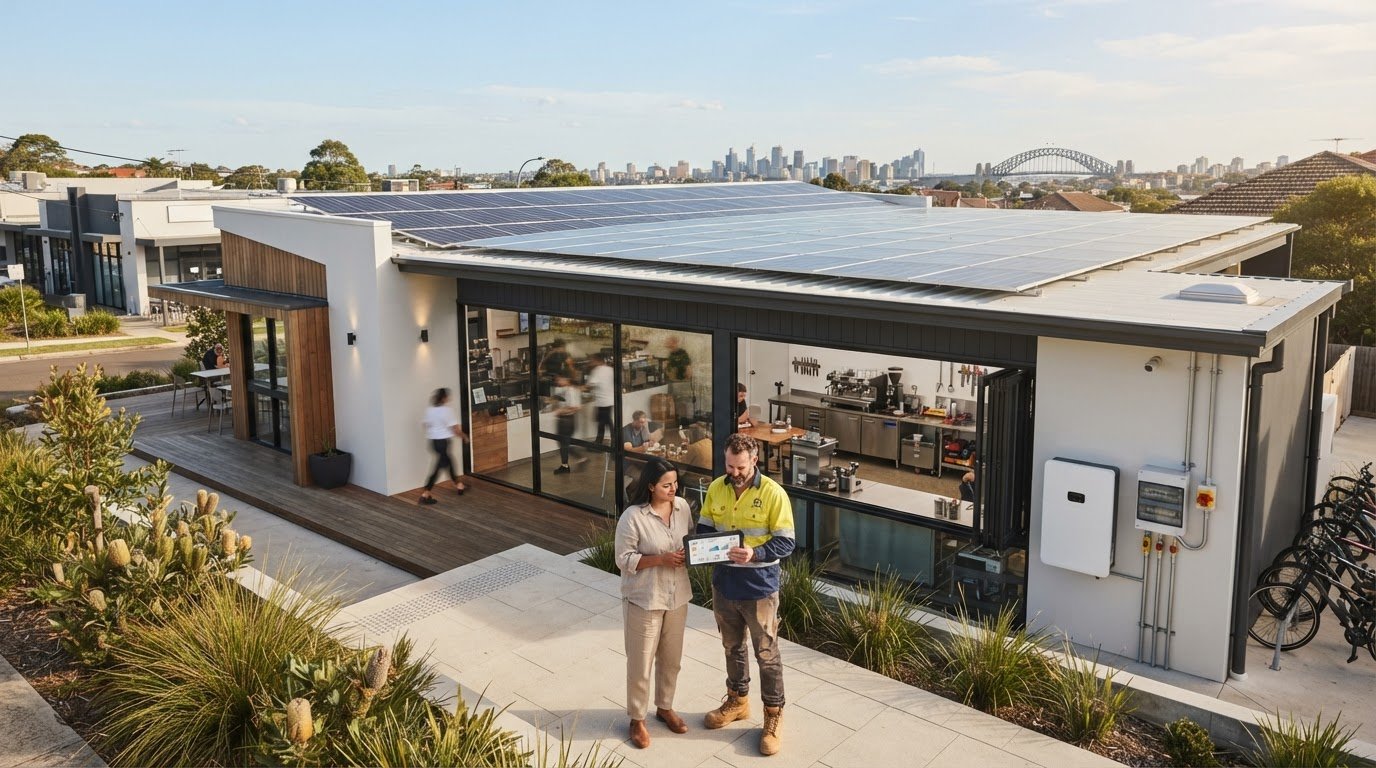
Navigating the complexities of rooftop solar for homes requires a partner who understands the local Sydney landscape, from heritage restrictions in Glebe to the specific grid requirements of Ausgrid. Since 2013, Sky High Solar and Electrical has served as a trusted visionary specialist, combining the expertise of licensed electricians with premium partnerships including Enphase, Tesla, and FOX ESS. We’re here to help you remove the complexity and design a system that fits your lifestyle perfectly.
Ready to start your journey? Get a Custom Sydney Solar Quote from Sky High Solar and take the first step toward a smarter, self-sufficient home.
Frequently Asked Questions
Are solar panels still worth it in Sydney in 2026?
Yes, solar remains a highly effective investment in 2026 because grid electricity prices continue to outpace the cost of self-generation. Modern rooftop solar for homes now features higher efficiency cells that harvest more energy even on overcast days. When combined with smart storage, these systems allow you to bypass peak grid charges entirely, providing a level of financial certainty that traditional utility plans don’t offer.
What is the best solar system size for a 4-bedroom home in NSW?
A 10kW system is typically the most effective choice for a standard 4-bedroom home in New South Wales. This capacity provides the necessary surplus to power heavy loads like ducted air conditioning and swimming pool pumps while still having enough energy to charge a home battery. Installing a larger array from the outset is a proactive way to future-proof your property for upcoming needs like electric vehicle charging.
How do I claim the NSW solar battery rebate in 2026?
To claim the NSW solar battery rebate in 2026, you must ensure your system is installed by a licensed and accredited specialist. These incentives are often managed through the Energy Savings Scheme or specific state-based programs designed to support grid stability. We recommend checking the latest eligibility criteria on the official NSW Climate and Energy Action website, as requirements for virtual power plant participation can change.
Can I charge my electric car using only my rooftop solar?
You can certainly charge an electric car using only your rooftop solar by integrating a dedicated EV DC charger like the SigenStor system. This technology allows you to divert excess solar energy directly into your vehicle’s battery during peak production hours. By using smart scheduling apps, you can automate this process so your car charges only when the sun is shining, effectively eliminating your transport fuel costs.
Do I need to upgrade my switchboard to install solar panels?
Many older Sydney homes require a switchboard upgrade to safely accommodate the increased electrical load and bidirectional flow of a modern solar array. As licensed electrical contractors, we assess your existing infrastructure to ensure it meets current Australian safety standards. A modernised switchboard is a critical component that protects your household from electrical faults and ensures your rooftop solar for homes operates at peak efficiency.
What happens to my solar panels during a Sydney hailstorm?
Modern solar panels are engineered with toughened glass designed to withstand significant impact, including standard Sydney hailstorms. Most tier-one modules are tested against hail stones moving at high velocities to ensure durability in our local climate. While physical damage is rare, we recommend including your solar system in your home insurance policy and scheduling regular servicing to check for any micro-cracks after severe weather events.
How long does it take for a 6.6kW solar system to pay for itself?
A high-quality 6.6kW solar system typically pays for itself within three to five years, though this depends on your household’s specific energy habits. By maximising self-consumption during the day and reducing your reliance on the grid, you can accelerate this return on investment. Modern systems installed in 2026 benefit from lower hardware costs and higher efficiency, making the financial case stronger than it was for older models.
What is the difference between a string inverter and a microinverter?
A string inverter manages the energy from your entire array as a single unit, whereas microinverters like Enphase are installed behind each individual panel. Microinverters allow every panel to operate independently, meaning shade on one section of the roof won’t drag down the performance of the rest of the system. This setup offers superior monitoring and safety, making it the preferred choice for premium Sydney installations with complex roof lines.