

 Sydney
 0452 243 240
Blog
Tesla Powerwall 3: 2026 Sydney Buying Guide

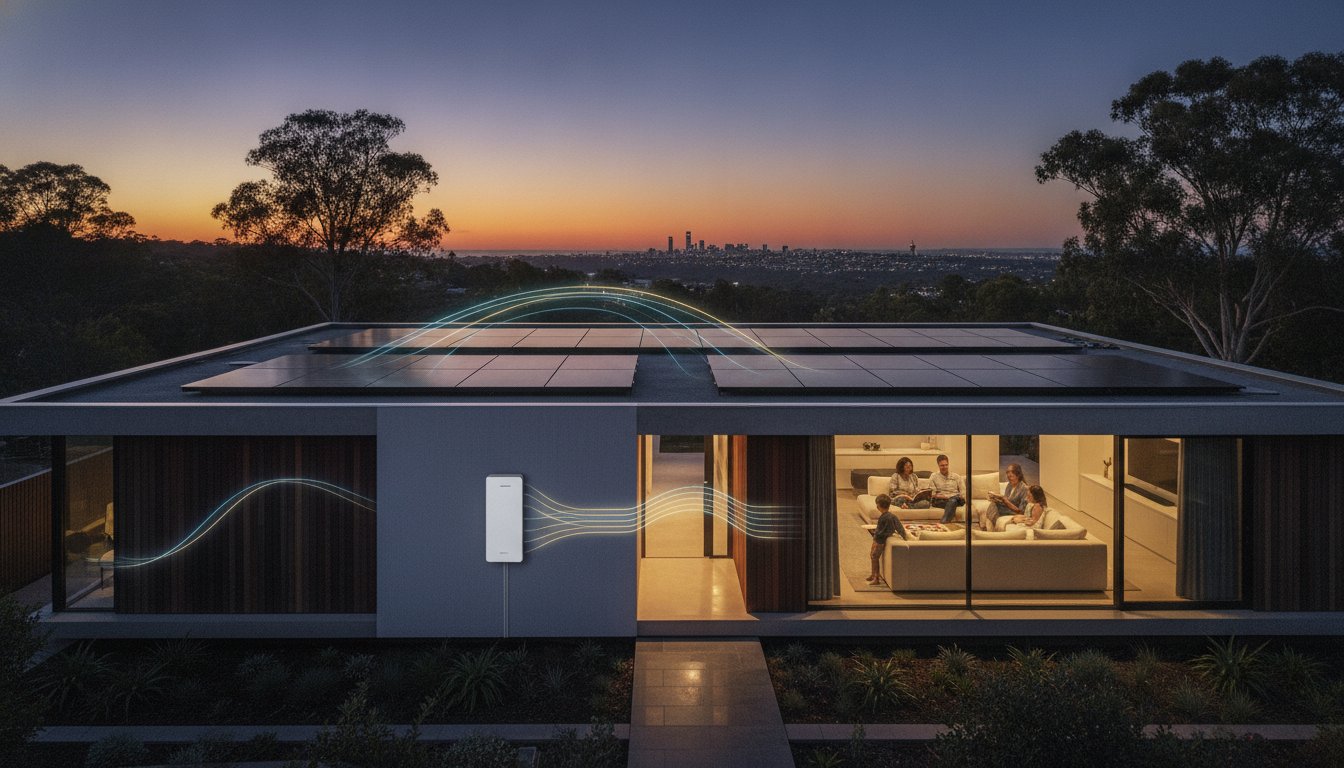
While most Sydney homeowners view their solar panels as a way to save on daytime usage, the real financial victory in 2026 is won after the sun goes down by utilising a tesla home battery. You’ve likely noticed that even with a roof full of panels, those soaring evening peak rates and unpredictable summer storms still leave your household vulnerable. It’s a common frustration for many of the 4.4 million Australians who have already embraced rooftop solar but remain tethered to an increasingly expensive and occasionally unreliable grid.
This guide will show you how the Tesla Powerwall 3 integrates with your home to slash power costs and provide total energy security. We’ll explore how this system manages Sydney’s unique grid demands, from handling high-capacity solar arrays to unlocking new incentives like the NSW PDRS VPP payment. By the end of this article, you’ll understand the technical advantages of the Powerwall 3 and how to navigate the latest 2026 rebate rules to ensure your transition to energy independence is both seamless and rewarding.
Key Takeaways
- Understand why the tesla home battery has evolved into an all-in-one energy platform, utilising integrated DC-coupled technology to maximise efficiency from your rooftop panels.
- Learn how the Powerwall 3’s 10kW continuous power output provides enough capacity to run high-demand appliances like air conditioning during Sydney’s summer storm blackouts.
- Compare the global prestige of Tesla with high-performance alternatives like the FOX ESS CQ7 to determine which storage solution best suits your specific energy profile and budget.
- Navigate the 2026 NSW rebate landscape with clarity, ensuring you capitalise on available incentives and Virtual Power Plant (VPP) payments to accelerate your payback period.
- Discover the essential role of certified installers in managing complex switchboard upgrades and grid commissioning for a reliable, long-term energy solution.
What is the Tesla Home Battery? Defining the Powerwall 3 Standard
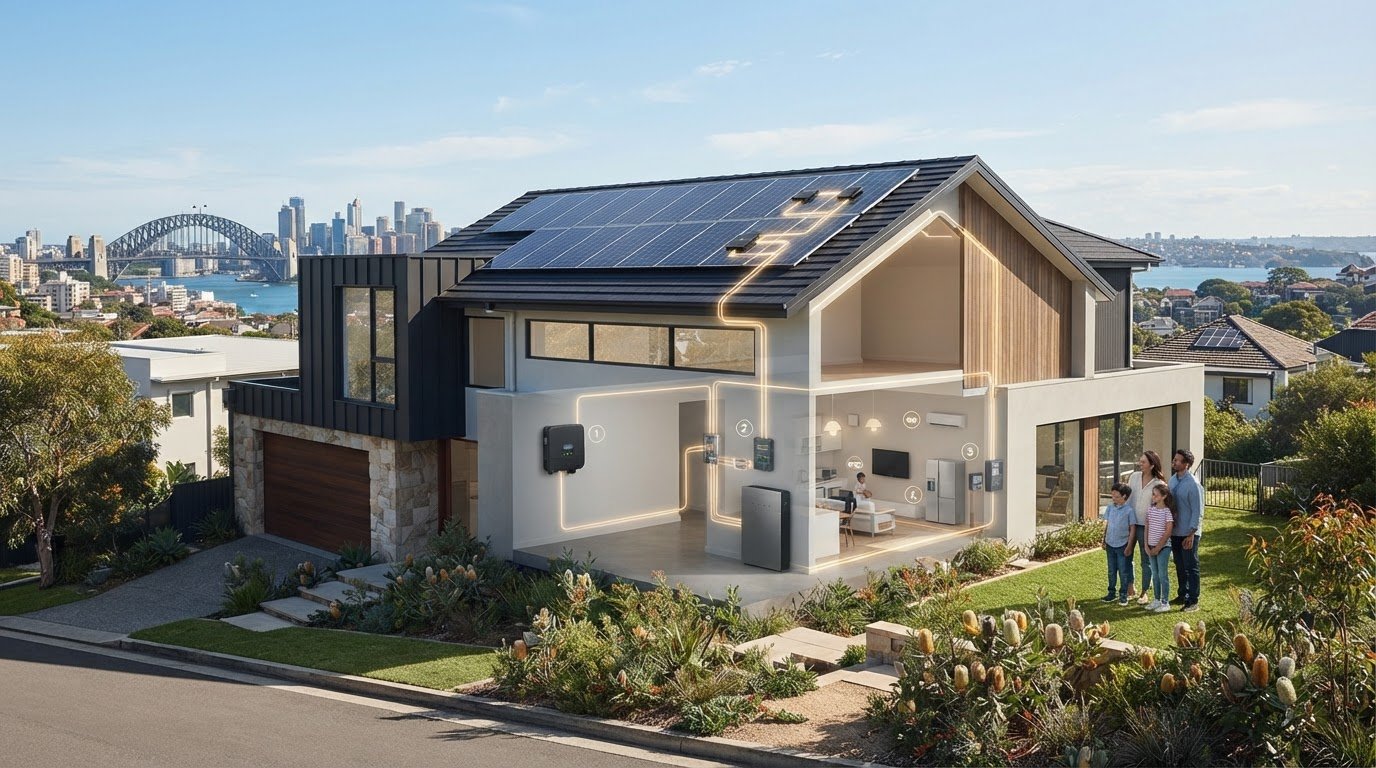
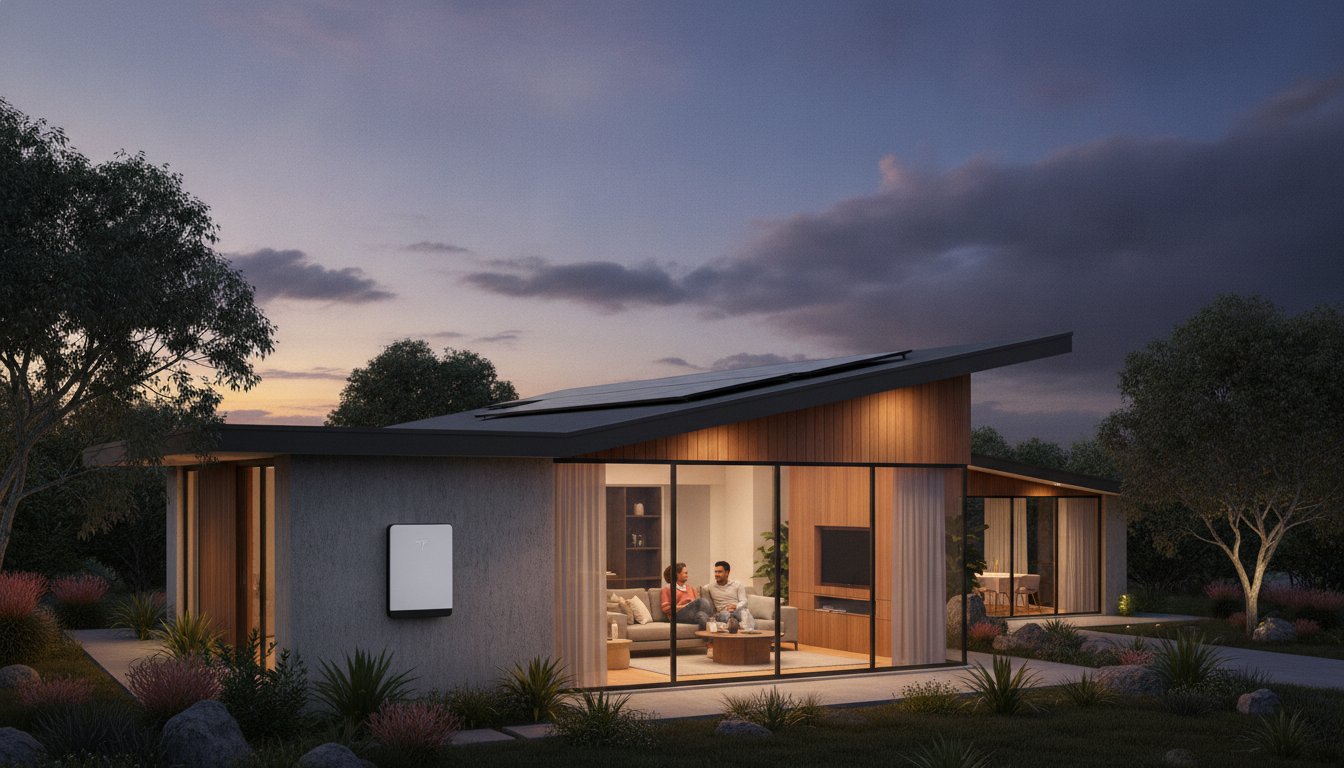
The tesla home battery has redefined how Sydney households manage energy. While earlier iterations were essentially backup units, the Powerwall 3 is a comprehensive energy platform. It combines high-density storage and solar conversion into a single, sleek unit. This shift marks a transition from the AC-coupled architecture of the Powerwall 2 to a high-efficiency DC-coupled design. For homeowners, this means fewer components, lower installation complexity, and better overall performance during the transition to energy independence. It’s a stable, established solution that makes modern energy transitions feel safe and rewarding.
The Core Components of the Powerwall 3
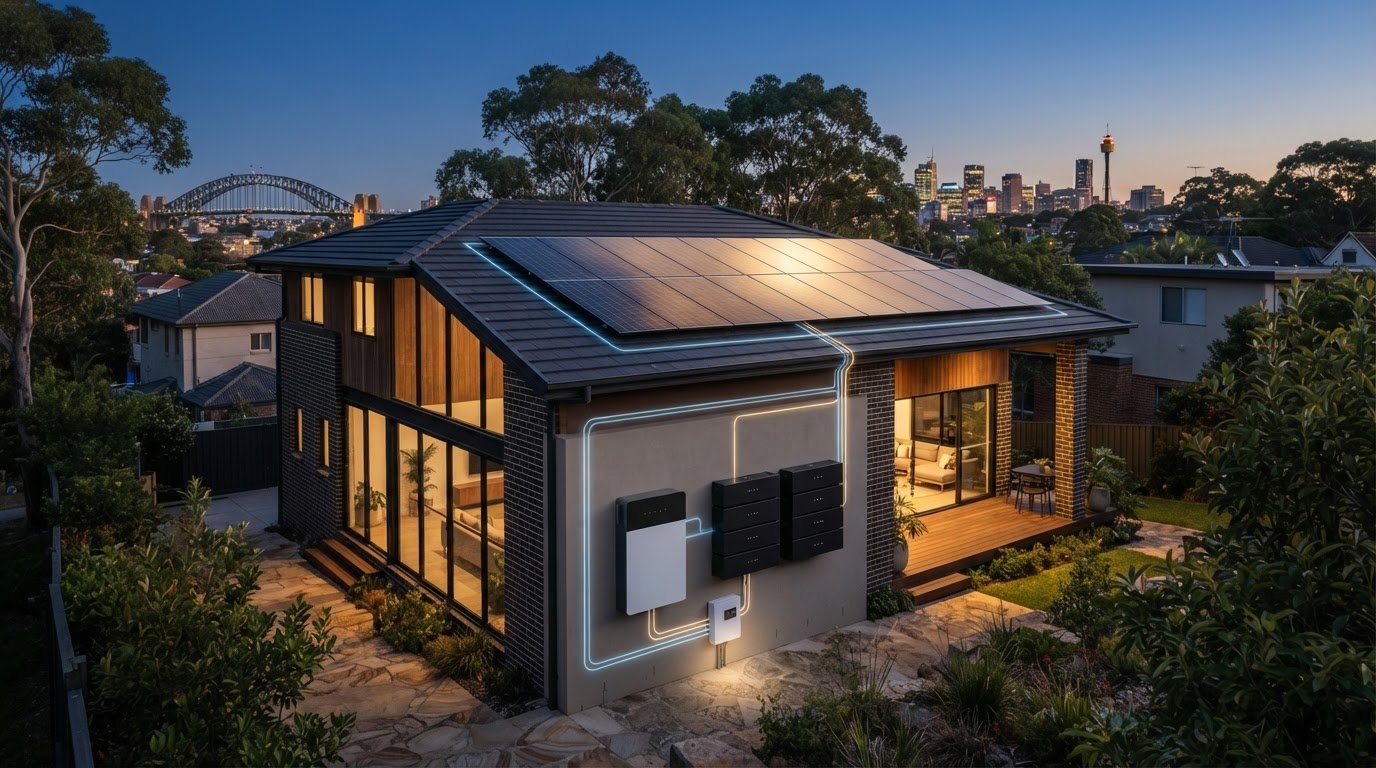
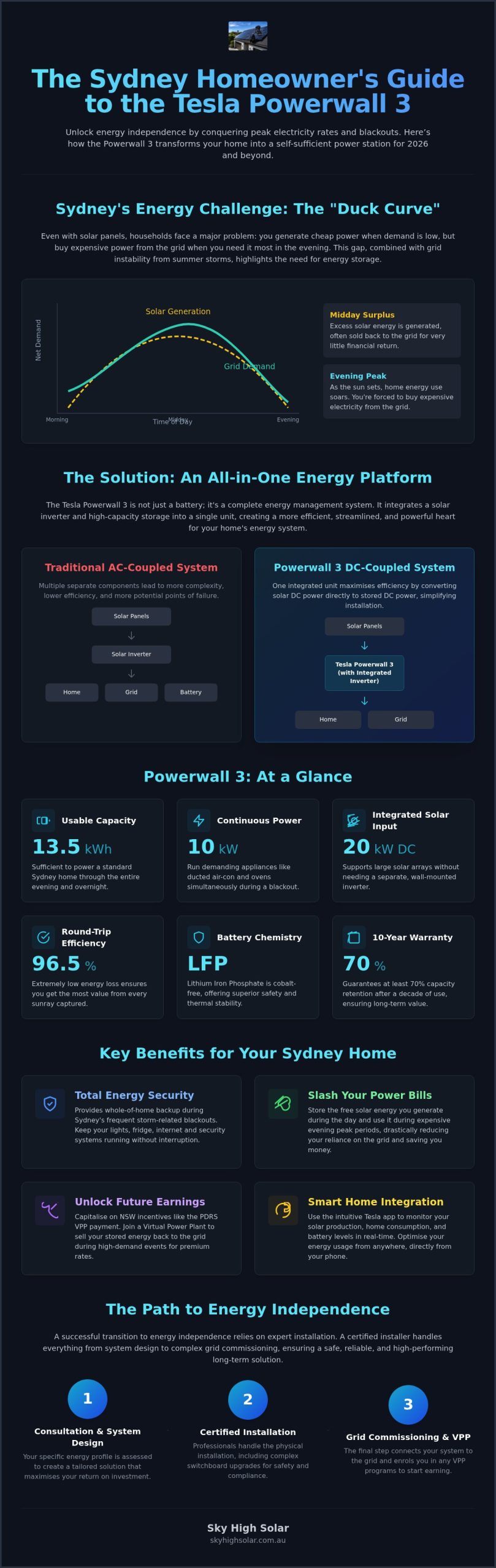
The system offers 13.5kWh of usable energy storage capacity. This is typically sufficient to power a standard four-bedroom Sydney home through the evening peak periods. A standout feature is the integrated solar inverter, which supports up to 20kW of DC solar input. This eliminates the need for a separate wall-mounted inverter, creating a more streamlined electrical footprint in your garage or on your exterior wall.
This integrated design is a result of years of refinement in Tesla Powerwall technology. Every kilowatt-hour generated by your panels is managed with surgical precision. You can monitor this entire ecosystem via the Tesla app, which acts as the intelligent brain of your home energy centre. It provides real-time data on your solar production, home consumption, and battery reserves, allowing you to optimise your usage patterns from your smartphone.
Why Battery Storage Matters in Sydney Today
Sydney’s energy market is changing rapidly. We’re seeing a widening gap between daytime solar generation and evening demand, often called the “duck curve.” By storing excess solar energy during the day, you avoid selling it back to the grid for a few cents, only to buy it back at peak rates later. This strategy is essential for combatting high electricity prices that hit hardest when families are home in the evening. For a deeper look at local requirements, see our Solar Battery Storage Sydney Guide.
Beyond the financial benefits, a tesla home battery provides a critical safety net. Sydney’s summer storms frequently cause local blackouts due to fallen trees or network overloads. Having a system that provides whole-of-home backup ensures your lights, refrigeration, and security systems remain active when the grid fails. It’s about peace of mind and the removal of complexity, ensuring your home remains a functional sanctuary regardless of external grid volatility.
Tesla Powerwall 3 Specifications: Power, Capacity, and Efficiency
The Powerwall 3 isn’t just a storage unit; it’s a high-performance power plant for your home. The most striking upgrade is the 10kW continuous power output. For many Sydney families, this is the difference between simply keeping the lights on and maintaining a normal lifestyle during a grid failure. With 10kW of sustained power, you can run energy-heavy appliances like ducted air conditioning, electric ovens, or pool pumps simultaneously. This capability is paired with an 11.5kW backup power rating, providing the surge capacity needed to start motor-driven devices without tripping the system.
Under the hood, Tesla has transitioned to Lithium Iron Phosphate (LFP) chemistry. This is a safer, more durable alternative to previous cobalt-based designs. It offers superior thermal stability, which is particularly relevant during intense Sydney heatwaves. This hardware is backed by a 10-year warranty that guarantees 70% capacity retention. This means that even after a decade of daily cycling, your tesla home battery will still provide at least 9.45kWh of usable storage, ensuring long-term value and dependability.
Charging and Discharging Performance
Efficiency is the cornerstone of any investment in renewable energy. The Powerwall 3 boasts a 96.5% round-trip efficiency. This ensures that very little energy is lost during the conversion process from your solar panels to the battery and back to your home. High efficiency directly accelerates your return on investment by maximising the value of every kilowatt-hour generated. When considering these financial benefits, it’s worth checking your eligibility for the NSW Solar Battery Rebate, which can significantly lower the upfront cost of your installation.
Physical Design and Installation Flexibility
Sydney’s geography presents unique challenges, from coastal salt spray to low-lying flood zones. The Powerwall 3 features a robust, flood-resistant rating that provides an extra layer of security for homes in areas prone to seasonal inundation. Its stackable design allows for easy scaling. If your energy needs grow, you can expand from a single 13.5kWh unit to a massive 54kWh system. Because the unit is designed for both indoor and outdoor placement, our team can optimise the installation site to ensure maximum thermal performance and longevity in the Australian sun.
Tesla Powerwall 3 vs FOX ESS CQ7: A Sydney Homeowner Comparison
While the tesla home battery remains the benchmark for aesthetic integration, the FOX ESS CQ7 is a formidable challenger for Sydney homeowners prioritising modularity. Tesla’s Powerwall 3 is an all-in-one system, meaning the inverter and battery are housed in a single chassis. This simplifies installation but offers less flexibility if you wish to expand your storage capacity later. In contrast, the FOX ESS CQ7 uses a high-voltage modular architecture, allowing you to stack 7.02kWh modules as your energy needs evolve. For a technical deep dive into these differences, you can read this in-depth Powerwall 3 review.
When we analyse the cost-per-kWh, the tesla home battery sits at the premium end of the market. Its value lies in its high continuous power output and the seamless ecosystem experience. The FOX ESS CQ7 often presents a more versatile value proposition, especially for larger households that require more than 13.5kWh of storage but don’t want to purchase two full Powerwall units. Our comprehensive fox ess battery review examines whether this system truly delivers premium performance at a practical price point for NSW homeowners. You can find more comparative data in our FOX ESS CQ7 review.
Performance and Warranty Comparison
Both systems utilise Lithium Iron Phosphate (LFP) chemistry, which is the gold standard for safety and longevity in the Sydney climate. Tesla’s integrated thermal management is world-class, but the FOX ESS high-voltage architecture is designed to minimise energy loss during heavy discharge periods. Local support is another critical factor. While Tesla has a massive global footprint, FOX ESS has established a strong service network in NSW, ensuring that any maintenance requirements are handled by technicians who understand our local grid conditions and network requirements.
Which One Suits Your Solar Array?
Your choice often depends on your existing or planned solar capacity. If you’re installing a new 10kW solar system, the Powerwall 3 is an excellent match because its internal inverter can handle the full DC load of a large array. However, if you’re retrofitting a battery to an existing 6.6kW solar system, the FOX ESS ecosystem might be more cost-effective if you already have a compatible hybrid inverter. Our specialists can help you determine which architecture will deliver the shortest payback period based on your current roof configuration and energy usage.
Navigating the 2026 NSW Solar Battery Rebate and ROI
The 2026 NSW energy landscape offers a clear pathway to profitability for those investing in a tesla home battery. By leveraging the Peak Demand Reduction Scheme (PDRS), Sydney homeowners can access a significant discount on the upfront cost of their installation. As of mid-2026, the incentive rate is approximately A$272 per usable kWh for the first 14kWh of storage. For a Powerwall 3, this translates to thousands of dollars in immediate savings. To qualify in the Sydney metropolitan area, your property must be grid-connected, and the installation must be performed by a certified provider who can properly register the energy certificates on your behalf.
Calculating your return on investment requires looking beyond the initial purchase price. A typical Sydney household, plagued by high evening peak rates, can expect a payback period of approximately 7 to 9 years. This timeline is accelerated by the system’s ability to perform “Time-of-Use” arbitrage; storing cheap solar energy during the day to avoid expensive grid power at night. When you factor in the 10-year warranty and the long-term protection against rising utility costs, the financial argument for storage becomes exceptionally compelling.
How to Maximise Your Savings
Participating in a Virtual Power Plant (VPP) is one of the most effective ways to shorten your payback period. In 2026, the NSW VPP incentive provides up to A$1,500 as an upfront payment for connecting a capable battery to a participating network. This allows the grid to occasionally draw on your stored energy during extreme demand peaks in exchange for higher credits. You can manage these settings through the Tesla app, ensuring you always retain enough backup for your own needs. For more details on current incentives, view our guide to solar battery cost NSW.
Sydney Grid Requirements: Ausgrid and Endeavour Energy
Your local network provider, whether it’s Ausgrid or Endeavour Energy, dictates specific export limits that can affect your system’s performance. These regulations are designed to maintain grid stability, but they require expert navigation during the design phase. A high-capacity tesla home battery often necessitates a switchboard upgrade to handle the increased power flow safely. This is why the role of a licensed Sydney electrical contractor is vital. We ensure your system is fully compliant with local service rules and that all grid-connection paperwork is processed correctly. If you’re ready to secure your energy future, you can request a professional site audit to determine your home’s specific requirements.
Professional Installation: Why Your Choice of Installer Matters
Selecting the right hardware is only half the journey toward energy independence. The performance of a tesla home battery depends heavily on the quality of its integration into your home’s electrical infrastructure. In the Sydney market, uncertified installers often offer cut-price quotes that bypass essential safety protocols or fail to account for the rigorous grid requirements of providers like Ausgrid. Choosing a certified Tesla installer ensures that your system is configured to meet manufacturer standards, protecting your warranty and ensuring the unit operates at peak efficiency for its entire lifespan.
Our installation process is methodical and transparent. It begins with a comprehensive site audit where we evaluate your existing switchboard and solar array. Because the Powerwall 3 delivers the high power output we discussed earlier, many Sydney homes require a switchboard upgrade to manage the increased load safely. On installation day, our team typically completes the work within six to eight hours. This includes the physical mounting of the unit, the electrical wiring, and the final grid commissioning. We don’t leave until your Tesla app is fully organised and configured, allowing you to see your energy savings in real-time.
Long-term reliability is maintained through regular solar system servicing. While the tesla home battery is designed to be low-maintenance, periodic checks of the electrical connections and solar panel performance ensure that your storage system receives the maximum possible charge. This proactive approach prevents minor issues from becoming costly repairs, safeguarding the return on investment we analysed in the previous sections.
The Sky High Solar and Electrical Difference
As licensed Sydney electrical contractors since 2013, we possess a deep understanding of local rooftops and network regulations. We don’t believe in one-size-fits-all solutions. Our “no-nonsense” philosophy means we only use premium components that we trust to withstand the Australian climate. We’re also committed to future-proofing your property, ensuring that every battery installation is EV-ready to support your transition to electric transport whenever you’re ready to make the switch.
Getting Started with Your Tesla Battery
The first step toward a more resilient home is a professional site assessment. We conduct a tailored energy audit to analyse your consumption patterns and determine the optimal placement for your Powerwall. This ensures you aren’t just buying a battery, but investing in a system that actually meets your household’s specific needs. If you’re ready to take control of your power bills, Get a personalised Tesla Powerwall quote from Sky High Solar and Electrical today and join the thousands of Sydney homeowners leading the charge toward a sustainable future.
Secure Your Energy Independence with Powerwall 3
The transition to a smarter, more resilient home is a practical reality for Sydney residents in 2026. By choosing a tesla home battery, you’re investing in a sophisticated energy platform that offers 10kW of continuous power, enough to keep your household running comfortably during summer storm blackouts. When combined with the current NSW battery incentives and Virtual Power Plant opportunities, the financial case for storage is exceptionally strong.
Success depends on a seamless integration that respects local grid requirements and switchboard safety. As licensed NSW electrical contractors with over 10 years of Sydney solar expertise, we’re here to guide you through every technical detail. Our team of certified Tesla Powerwall installers ensures your system is optimised for maximum long-term value and reliability. It’s time to take control of your energy footprint and enjoy the peace of mind that comes with total power security.
Request a Professional Tesla Powerwall 3 Quote for Your Sydney Home
Frequently Asked Questions
How much does a Tesla Powerwall 3 cost in Sydney in 2026?
The total investment for a tesla home battery depends on several factors, including your property’s existing electrical infrastructure and whether you require a switchboard upgrade. While hardware costs are influenced by global market conditions, the final price is also affected by installation complexity and your eligibility for various state incentives. We recommend a professional site audit to provide an accurate, tailored quote that reflects your specific energy needs and potential rebate savings.
Can I install a Tesla home battery if I already have solar panels?
You can certainly integrate this system with an existing solar array. Because the Powerwall 3 features a high-efficiency integrated solar inverter, it often replaces your older, less efficient inverter to create a more streamlined energy centre. This DC-coupled approach minimises energy loss during conversion, though it requires a specialist to ensure your current panel strings are compatible with the new hardware’s technical voltage requirements.
Does the Tesla Powerwall 3 work during a blackout?
The system is designed to provide seamless backup power the moment a grid failure is detected. It can deliver up to 10kW of continuous power, which is a significant increase over previous storage models. This high output allows you to keep essential appliances running, including ducted air conditioning and refrigeration, providing total energy security during Sydney’s summer storm season when local network outages are most common.
How long will a Tesla battery power my home?
With 13.5kWh of usable capacity, a single unit can typically power a standard Sydney home’s essential circuits for 12 to 24 hours. The actual duration varies based on your real-time consumption and how much solar energy you generate during the day to replenish the reserves. For most households, this is ample storage to bridge the gap between the evening peak and the next morning’s sunrise.
Is the NSW solar battery rebate still available for Tesla products?
Several government incentives remain active in 2026 to support the adoption of a tesla home battery. The Peak Demand Reduction Scheme (PDRS) provides a significant upfront discount, currently valued at approximately A$272 per usable kWh of storage. Homeowners can also access Virtual Power Plant (VPP) incentives, which offer payments of up to A$1,500 for those willing to support grid stability during periods of extreme demand.
What is the difference between Tesla Powerwall 2 and Powerwall 3?
The Powerwall 3 represents a major technological shift from its predecessor. While the Powerwall 2 is an AC-coupled unit, the Powerwall 3 is a DC-coupled system with a built-in solar inverter and double the continuous power output at 10kW. It also utilises Lithium Iron Phosphate (LFP) chemistry, which offers superior thermal stability and longevity compared to the older cobalt-based designs used in earlier battery generations.
Can I charge my Tesla EV using the Powerwall battery?
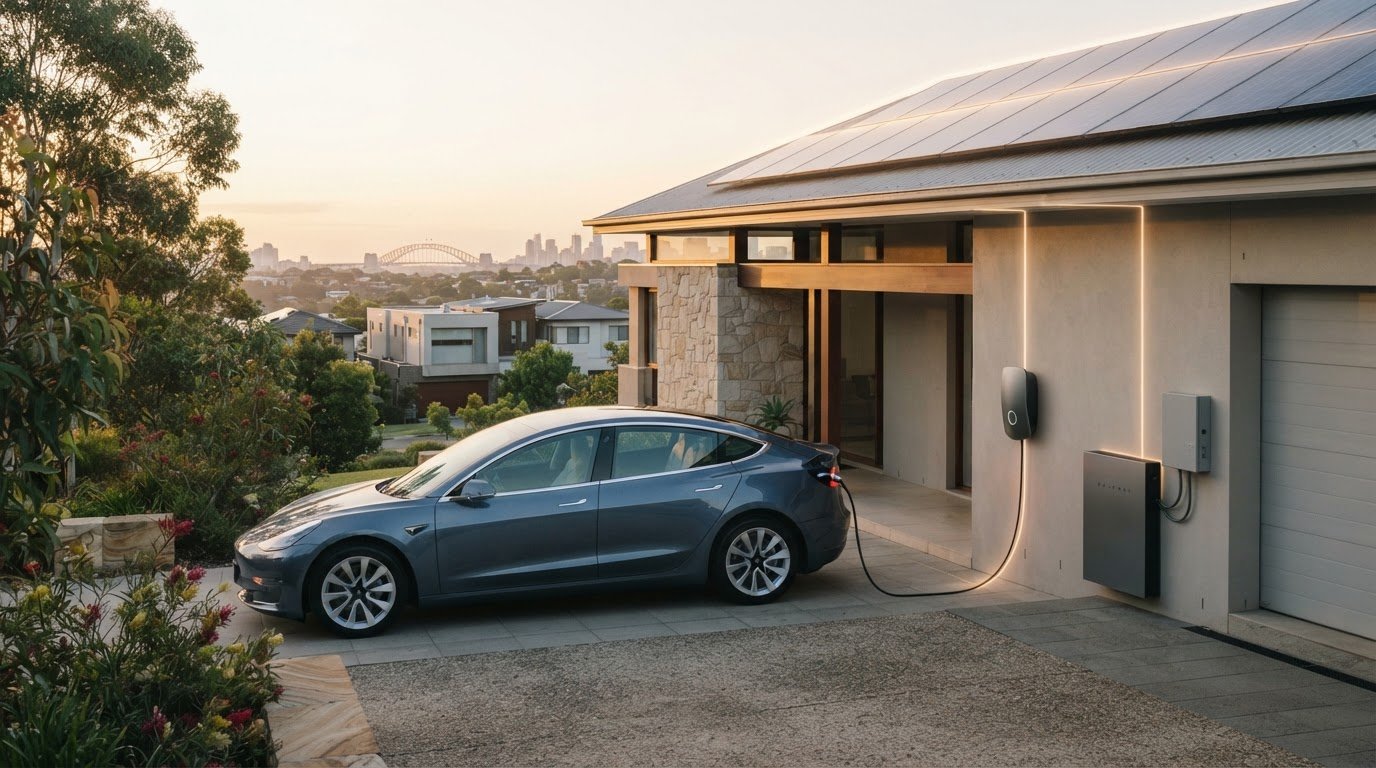
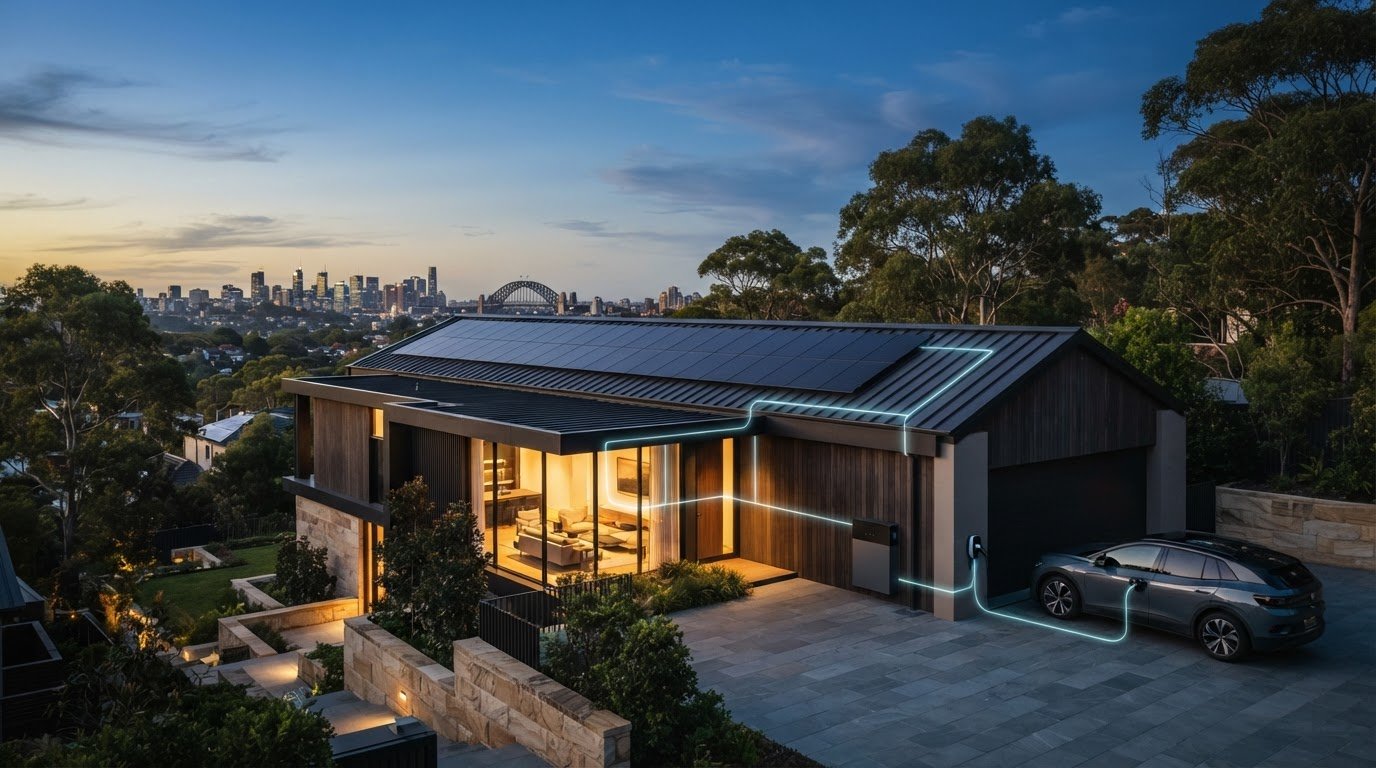
The Tesla ecosystem allows for intelligent coordination between your home storage and your electric vehicle. Through the Tesla app, you can prioritise charging your car using excess solar energy stored in your battery rather than drawing expensive power from the grid. This integration ensures your transportation is as sustainable and cost-effective as possible, effectively turning your home into a self-sufficient energy hub.
How noisy is the Tesla Powerwall when it is running?
The Powerwall 3 is engineered for quiet operation, producing less than 40 decibels of sound at a distance of one metre. It utilises a sophisticated liquid cooling system that manages internal temperatures efficiently without the need for loud, traditional fans. Most Sydney homeowners find the quiet hum to be negligible, making it suitable for installation on exterior walls or in garages without causing any noise disturbance.